

Some of the most familiar things in your home exist today because something went “wrong” in a lab, a kitchen, or on a factory floor. What looks like luck from the outside often started as a frustrating mistake, a failed experiment, or a spill someone forgot to clean up right away. It’s strange to realize that objects we barely notice were once shocking surprises that nobody planned.
I still remember the first time I learned that a snack I was eating came from a botched batch of another food, and it completely changed how I looked at innovation. It made failure feel less like a dead end and more like a side door to something unexpected. As you read through these stories, you might start to wonder how many “errors” in your own life are quietly trying to tell you something new. Let’s dive into seven accidental discoveries hiding in plain sight in your daily routine.
1. Penicillin: The Mold That Wouldn’t Go Away
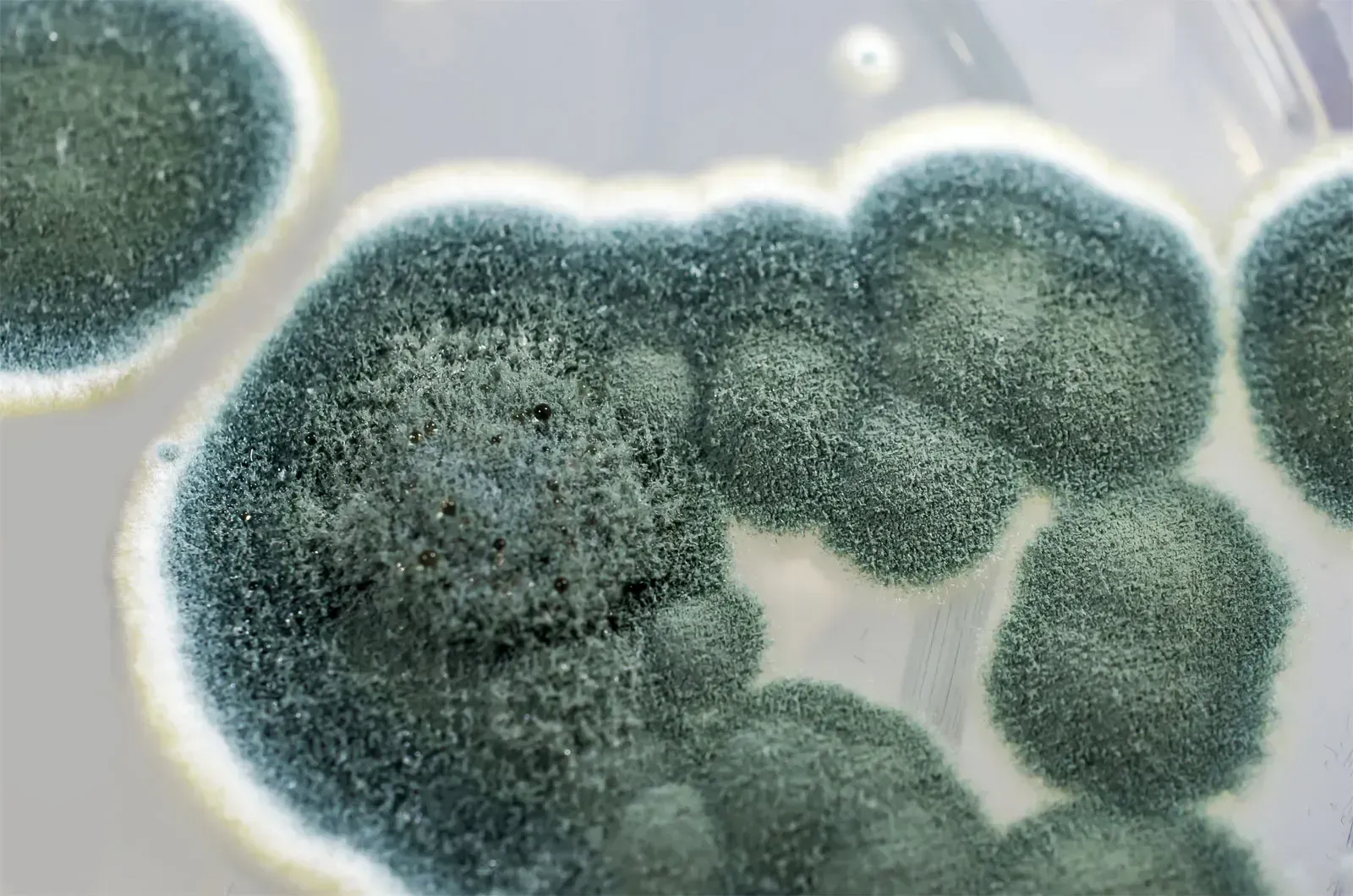
Imagine walking into your lab, ready to continue your work, and finding your petri dishes contaminated with mold. That’s essentially what happened to Alexander Fleming in 1928 when he noticed that a mysterious mold had killed bacteria on one of his culture plates. Instead of throwing it away in annoyance, he paused, looked closer, and realized something powerful was happening. That strange fuzzy growth turned out to be penicillin, the first true antibiotic.
At the time, Fleming wasn’t specifically searching for a miracle drug; he was studying bacteria, not planning to revolutionize medicine. The discovery took years of refinement by other scientists and companies before penicillin could be produced on a large scale for patients. But that first moment was pure accident combined with curiosity. Today, antibiotics that grew from that chance observation have saved countless lives and turned once-deadly infections into treatable conditions.
2. Microwaves: A Candy Bar Melted in a Pocket

During the 1940s, engineer Percy Spencer was working around powerful radar equipment when he noticed something odd: a candy bar in his pocket had melted. He hadn’t set out to redesign cooking; he was focused on military technology. Curious rather than annoyed, he started experimenting by placing different foods near the magnetron, the device that produced the microwaves. Popcorn kernels began to pop, and an egg exploded, proving that the invisible waves could heat food incredibly fast.
From those messy, slightly chaotic experiments came the first microwave ovens, which were enormous and expensive compared with today’s models. Over time they shrank, got cheaper, and slowly made their way into home kitchens around the world. Now reheating leftovers or making quick meals in a microwave feels completely normal. It all traces back to a melted candy bar and an engineer who noticed instead of ignoring it.
3. Post-it Notes: Glue That Didn’t Stick Properly
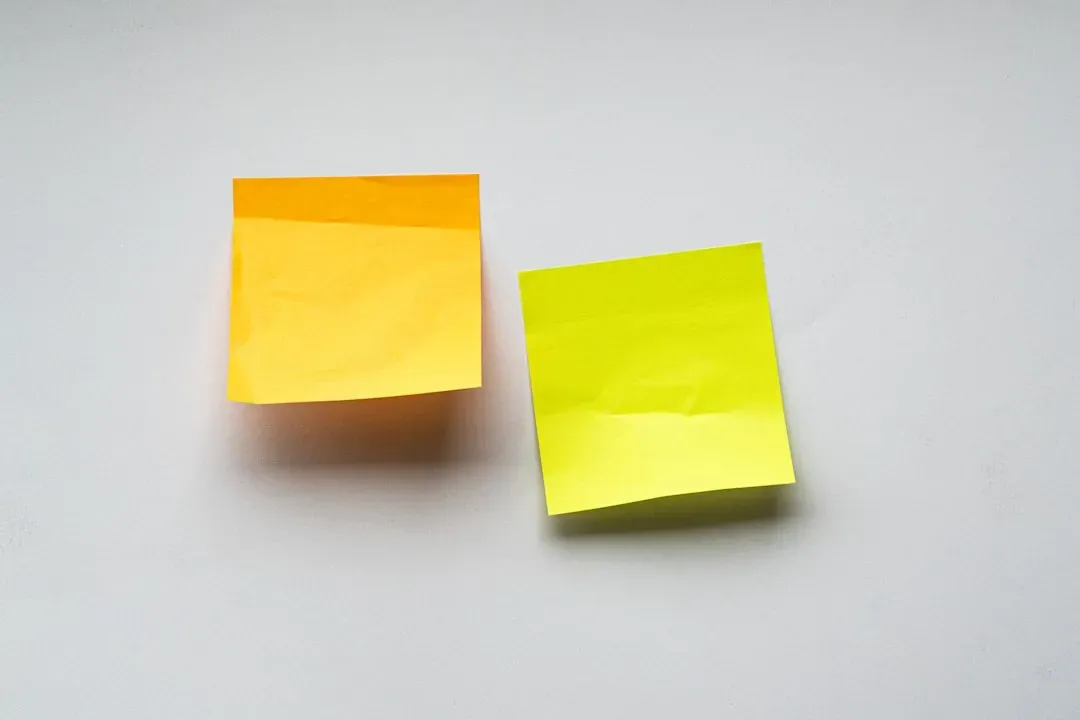
Adhesives are supposed to be strong, reliable, and long-lasting. In the late 1960s, a researcher at 3M created a new kind of glue that failed spectacularly at that job. It stuck to surfaces but peeled away without leaving marks or damage. For a while, it seemed like the kind of invention that would just be shelved as “not good enough.” Nobody had ordered a weak, reusable adhesive, so it had no obvious purpose at first.
Another 3M employee later realized this strange glue could solve a simple problem: bookmarks constantly falling out of his church hymnal. By coating small pieces of paper with the low-tack adhesive, he could stick and unstick notes easily. From that small personal annoyance came the now-familiar Post-it Note. Today, those little yellow squares cover office walls, laptop screens, and refrigerator doors, turning one “failed” glue into a quiet global organizing tool.
4. Safety Glass: A Dropped Flask That Refused to Shatter

Before safety glass became common, broken glass was a serious hazard in cars, buildings, and labs. In the early twentieth century, a French chemist accidentally discovered a safer alternative when he dropped a glass flask coated inside with dried celluloid, a type of plastic. Instead of shattering into dangerous shards, the glass cracked but stayed largely in one piece. It looked damaged but not deadly, which was unusual for glass at the time.
He realized that the thin plastic film was holding the broken pieces together, much like a net catching falling stones. This insight led to the development of laminated glass: layers of glass with plastic between them. Today, that idea is everywhere, from car windshields to some building windows and protective barriers. A simple lab accident quietly helped reduce injuries from glass and made modern transportation much safer than it would otherwise be.
5. Potato Chips: A Chef’s Annoyed Overreaction
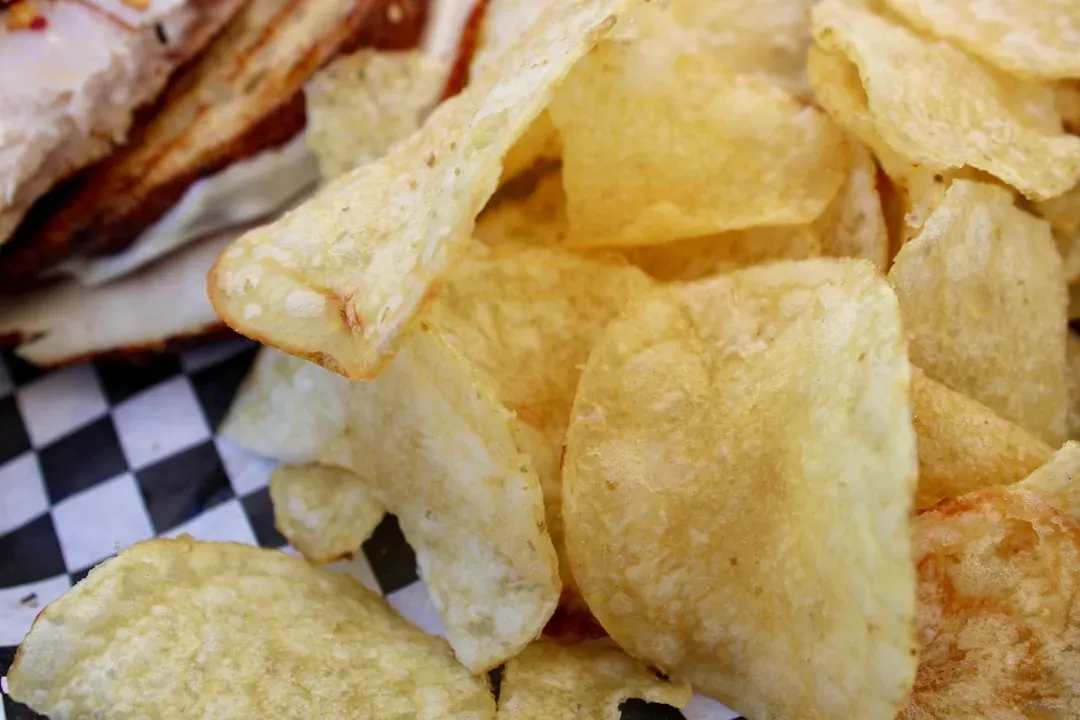
As the story is commonly told, a chef named George Crum in the nineteenth century kept getting complaints from a customer who insisted the fried potatoes were too thick and soggy. Frustrated, he sliced the potatoes paper-thin, fried them until they were very crisp, and heavily salted them, almost to make a point. Instead of sending them back, the customer loved them. What started as an irritated response in a kitchen turned into a brand-new style of snack.
The idea of ultra-thin, crunchy potato slices spread, and eventually the snack evolved into the mass-produced potato chips that line entire aisles in grocery stores today. It’s funny to think that a food so associated with comfort, lazy evenings, and parties began as a kind of culinary argument. A small moment of annoyance and creativity now shapes how people snack across the world. One demanding diner and a stubborn chef permanently changed the way we eat potatoes.
6. Super Glue: A Sticky Nuisance Turned Essential Tool
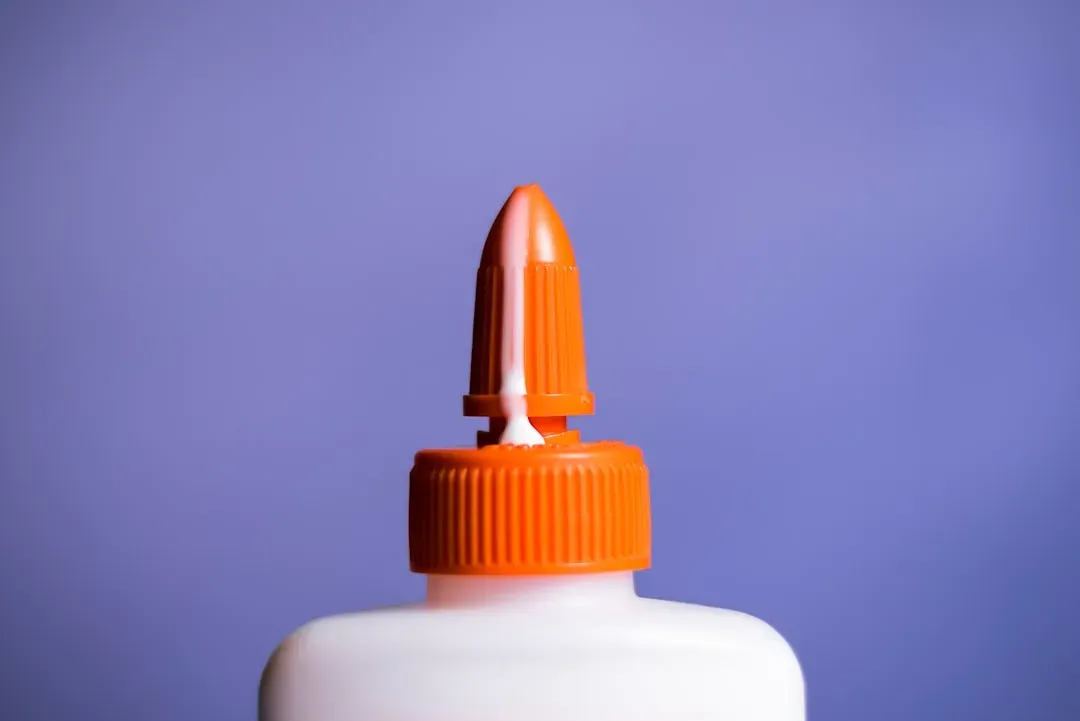
During the 1940s, chemists were testing transparent plastics for potential use in gun sights for wartime technology. In the process, they came across a chemical that stuck to absolutely everything and was almost impossible to work with. It fogged up equipment, gummed up measuring tools, and generally made experiments frustrating. At first, this material looked like more trouble than it was worth, so it was set aside as a nuisance rather than a breakthrough.
Years later, another researcher revisited the substance and realized its extreme stickiness could be useful rather than annoying. With refinement, it became what we know as cyanoacrylate, or super glue, a fast-bonding adhesive used in homes, industries, and even some medical settings. Now it helps reattach broken pieces of toys, fix shoes, and hold small parts in place in countless devices. The very quality that once made it such a headache in the lab is exactly what makes it so valuable in everyday life.
7. Teflon: An Empty Tank That Wasn’t Really Empty
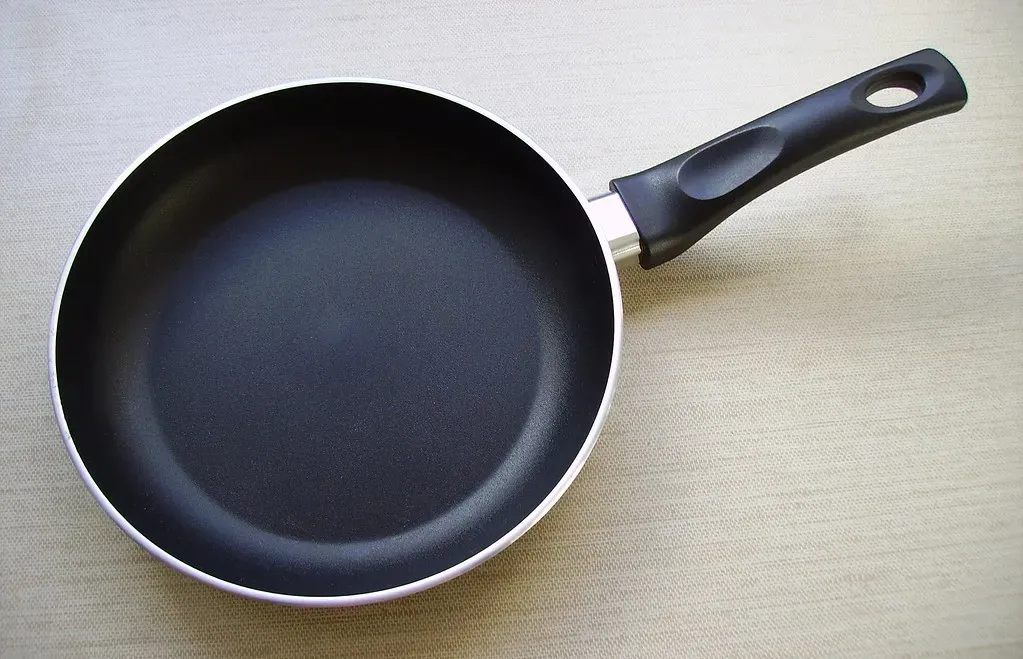
Teflon, the coating that keeps food from stubbornly sticking to your pans, began as a puzzling surprise. A chemist working with gases for refrigeration opened a cylinder he thought was full, only to find that the gas had disappeared. Instead, a strange, slippery white solid lined the inside. Instead of tossing it out, he and his team examined it more closely and tested its properties. They discovered it was remarkably resistant to heat, chemicals, and friction.
At first, Teflon found uses in industrial settings and specialized equipment. Over time, manufacturers realized that its non-stick nature made it perfect for cookware, making it easier for everyday people to fry eggs or flip pancakes without half the meal staying glued to the pan. While the material has sparked debates about safety and proper use over the years, its origin story is still a powerful example of how paying attention to an unexpected result can change daily routines in homes everywhere.
Looking at these stories together, a pattern quietly appears: the world changes not just when someone plans perfectly, but when they stay curious in the middle of a mess. A moldy dish, a melted candy bar, an annoying glue, a dropped flask, an irritated chef, a sticky failure, and an “empty” tank all turned into something useful because someone refused to ignore what didn’t fit the plan. These inventions weren’t born from flawless success; they grew out of people noticing what most of us would have thrown away.
It’s strangely comforting to realize that many of the tools and treats you rely on came from accidents and missteps. It means your own mistakes might carry more potential than they seem in the moment, if you’re willing to look twice instead of walking past them. The next time something goes wrong in your day, it might be worth asking yourself a simple question: what unexpected possibility is hiding inside this “error” right now?