Have you ever wondered what secrets a tree might tell if it could speak? Some trees standing today have witnessed empires rise and crumble, survived lightning strikes that should have killed them, and even inspired scientific breakthroughs that changed the world. These aren’t just plants. They’re living monuments with personalities all their own.
Around the globe, certain trees have earned legendary status not just for their age or size, but for the extraordinary tales woven into their bark and roots. From a pub nestled inside a hollow trunk to a tree that legally owns itself, you’ll discover nature’s most captivating stories. Let’s dive in.
Methuselah: The Ancient Bristlecone Pine That Refuses to Die
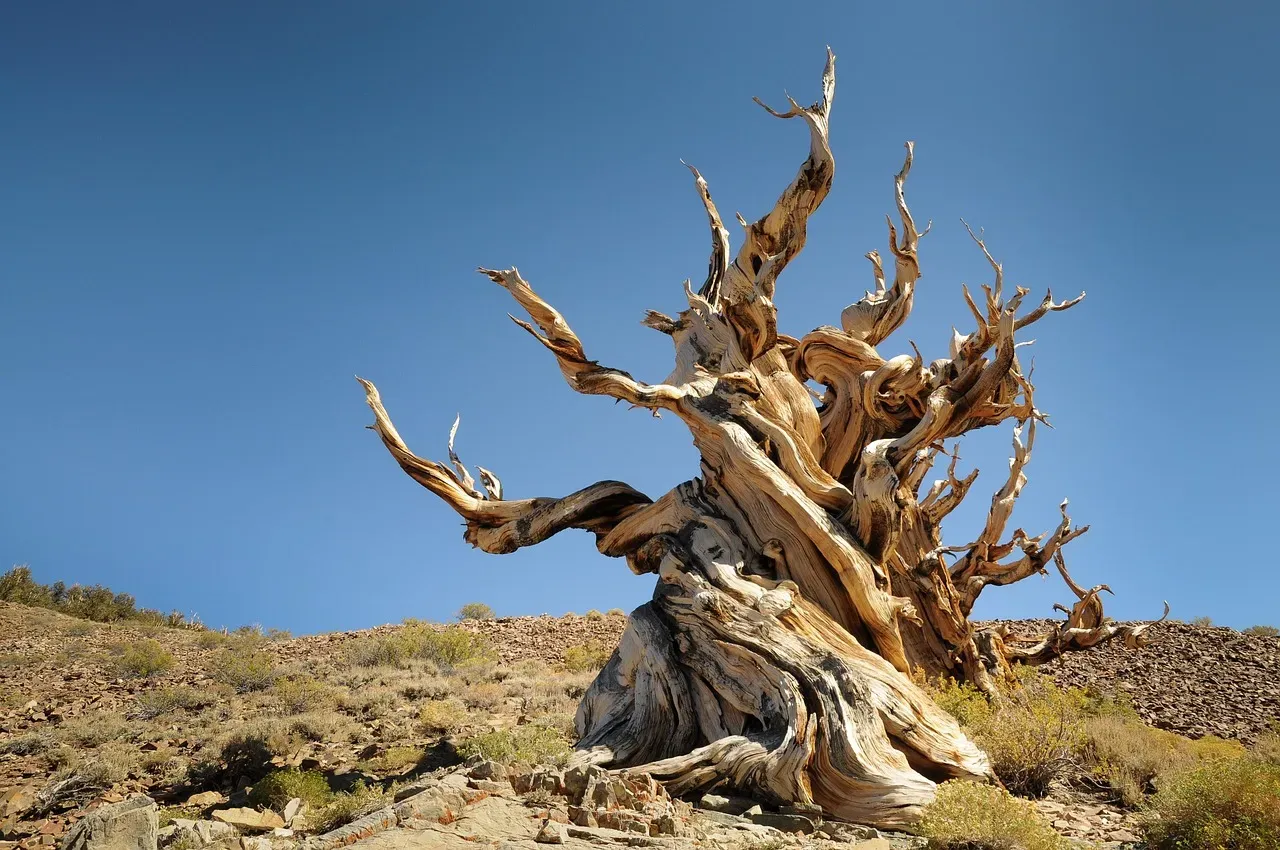
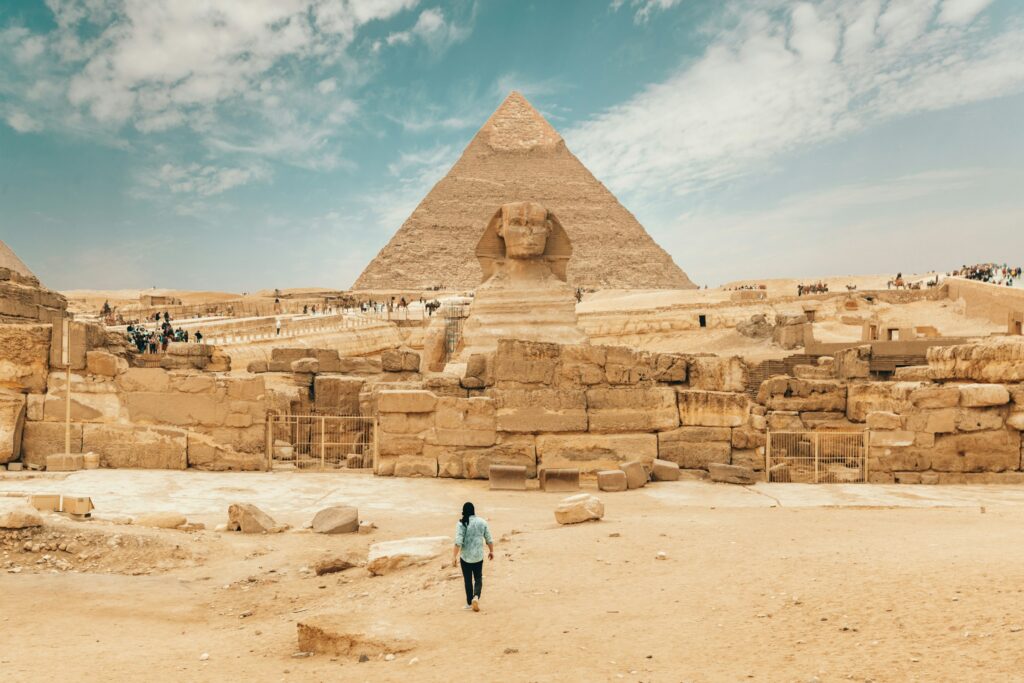
Hidden somewhere in California’s White Mountains stands Methuselah, a bristlecone pine that’s been alive for more than 4,800 years. Its exact location remains a closely guarded secret to protect it from vandalism. Think about that for a moment. When this tree was just a seedling, the pyramids of Egypt were still being constructed.
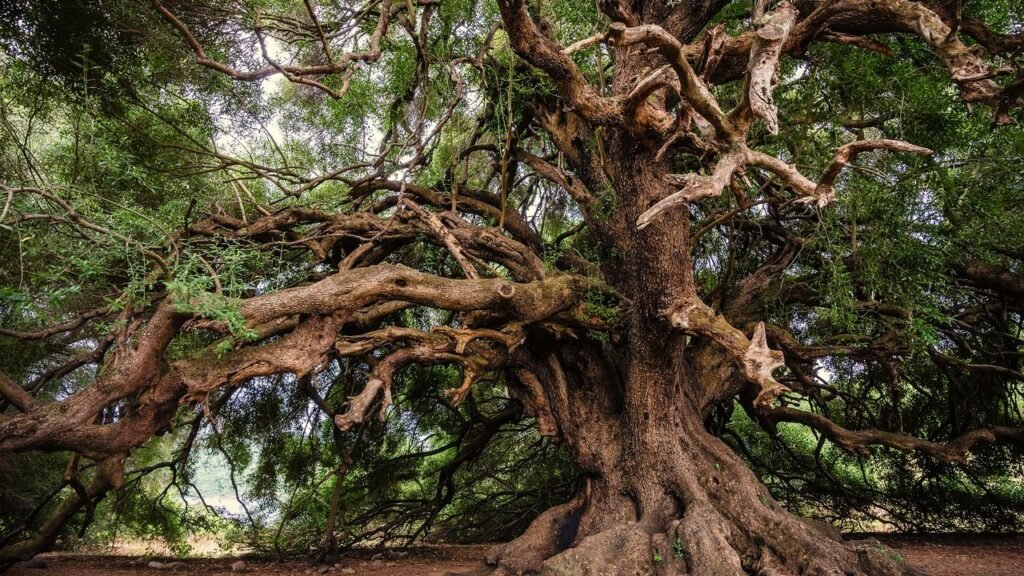
These remarkable trees survive through a process called strip barking, where thin bands of living tissue beneath the bark curl up the tree delivering water from healthy roots, with as little as 5 percent of what you see still alive. The gnarled, twisted appearance you see isn’t decay. It’s a survival strategy that’s kept Methuselah standing through millennia of harsh mountain conditions, wind, and drought.
The Tree That Owns Itself: An Oak With Property Rights
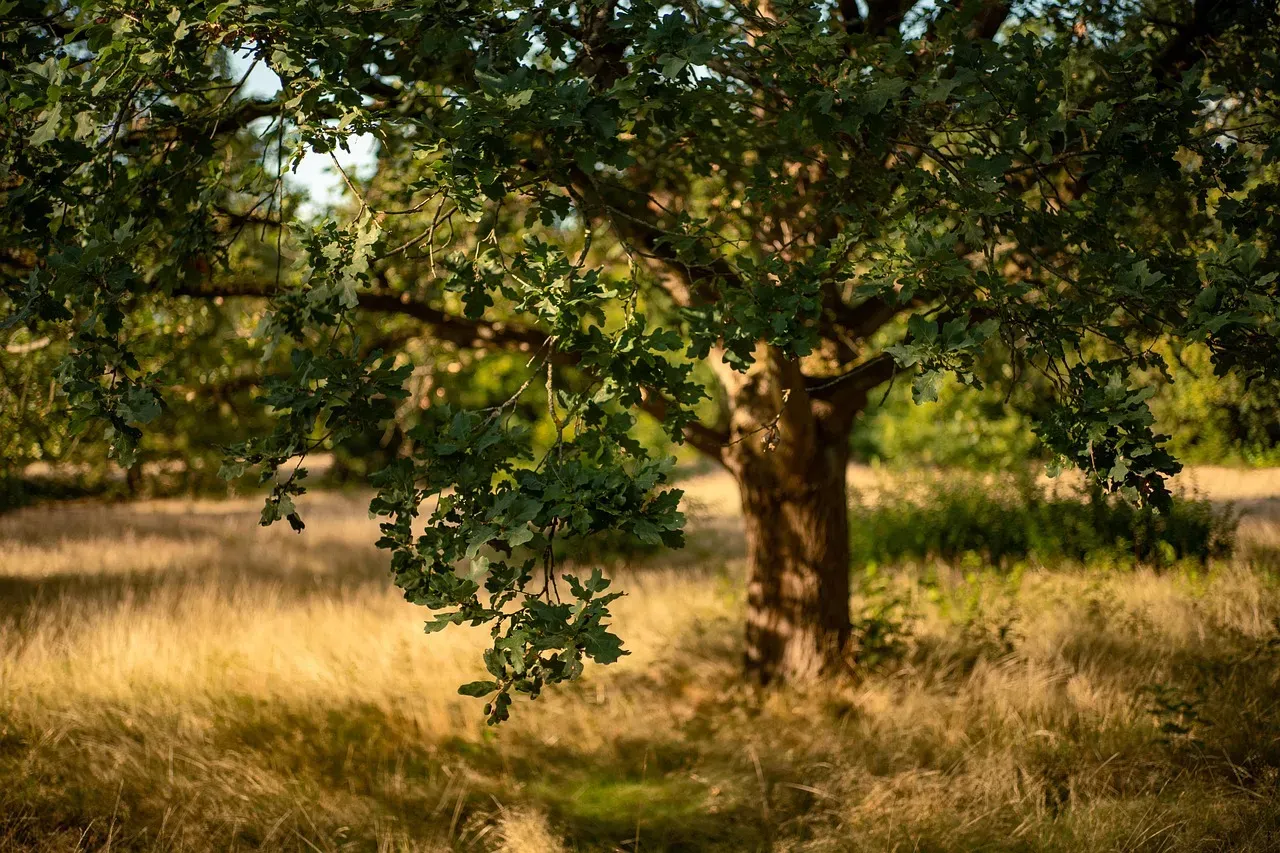
This extraordinary oak tree in Athens, Georgia, dates back to the early 1800s, when Colonel William H. Jackson bestowed the tree with ownership of itself and land within eight feet on all sides. Yes, you read that correctly. A tree that legally owns itself.
A marker at the foot of the tree reads about the great love Jackson bore for this tree and his desire for its protection for all time. The original tree eventually fell due to age and weather, but locals planted a new oak from one of its acorns in the same spot. Today, the current Tree That Owns Itself continues this unique legacy of botanical independence.
Pando: The Quaking Giant That’s Actually One Organism
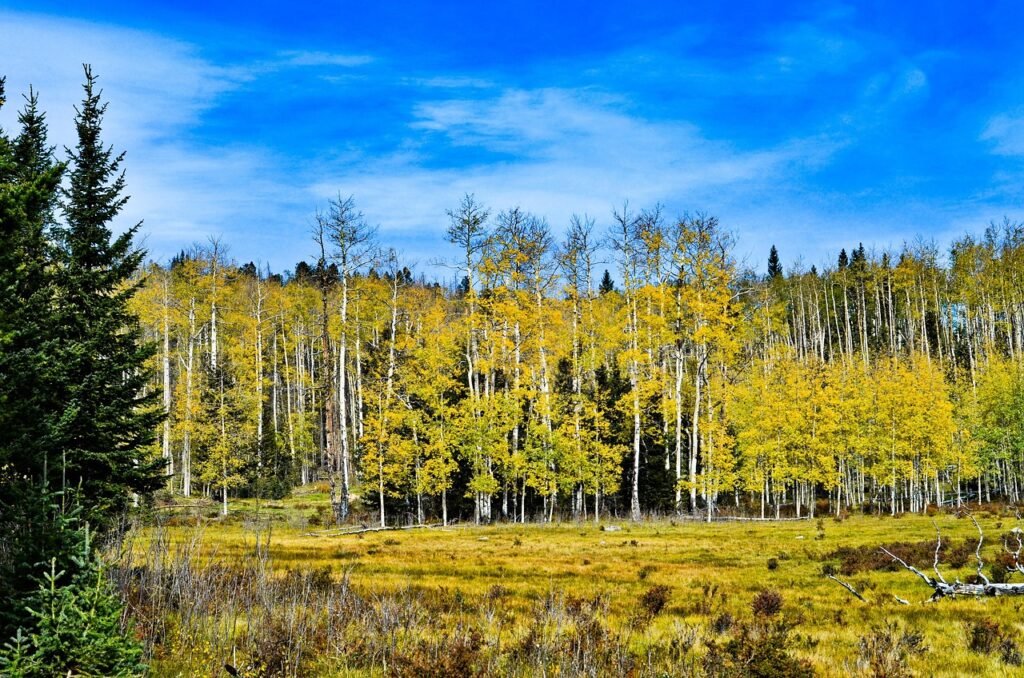
A colony of 48,000 quaking aspen trees nicknamed Pando, covering 106 acres in the Fishlake National Forest of Utah, is considered one of the oldest and largest organisms in the world. Here’s the mind-blowing part: every single trunk is genetically identical, connected by one massive root system underground.
Spreading across more than 100 acres, Pando is believed to be over 80,000 years old and collectively weighs over 6,600 tons, making it the heaviest organism on the planet. When you walk through this forest, you’re not seeing thousands of individual trees. You’re looking at one colossal being that’s been cloning itself since the Ice Age.
Luna: The Redwood That Became a Home for Two Years
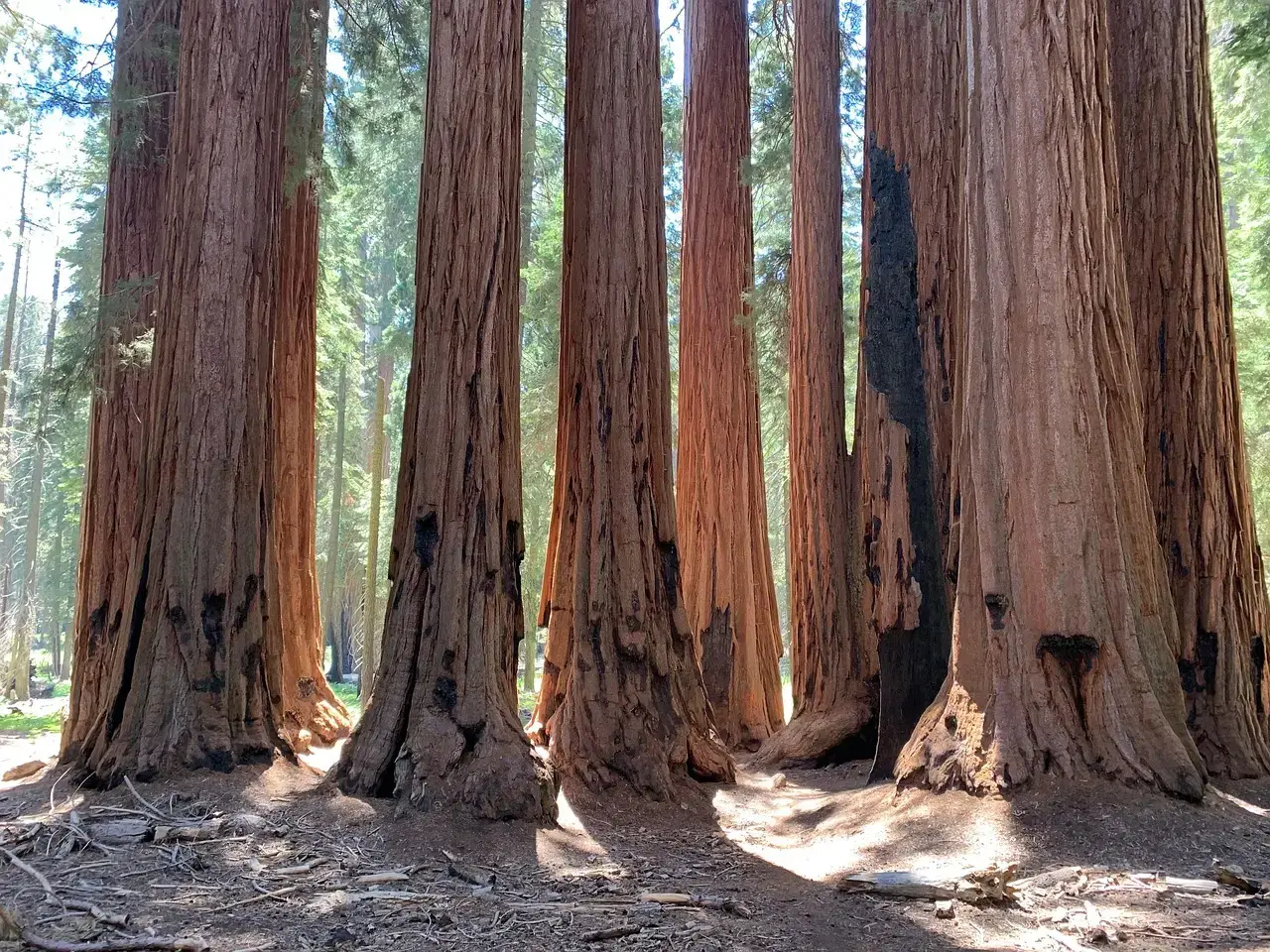
The thousand-year-old coastal redwood known as Luna in Northern California’s Humboldt County had its life conjoined with activist Julia Butterfly Hill, who climbed the tree in 1997 when it was threatened by logging operations and stayed there for more than two years. Can you imagine living 180 feet above ground on a small platform?
Hill lived on a tented platform, endured wind, rain, and snows of El Niño, as well as harassment by the company, and gave interviews by solar-powered phone until the logging company finally agreed to a conservation easement. In 2000, the tree was the victim of vandalism and sustained a chainsaw cut that left a three-foot-deep gash halfway around the tree’s circumference, but steel brackets and cables were installed and the tree continues to thrive.
The Sunland Baobab: A 6,000-Year-Old Tree Housing a Pub
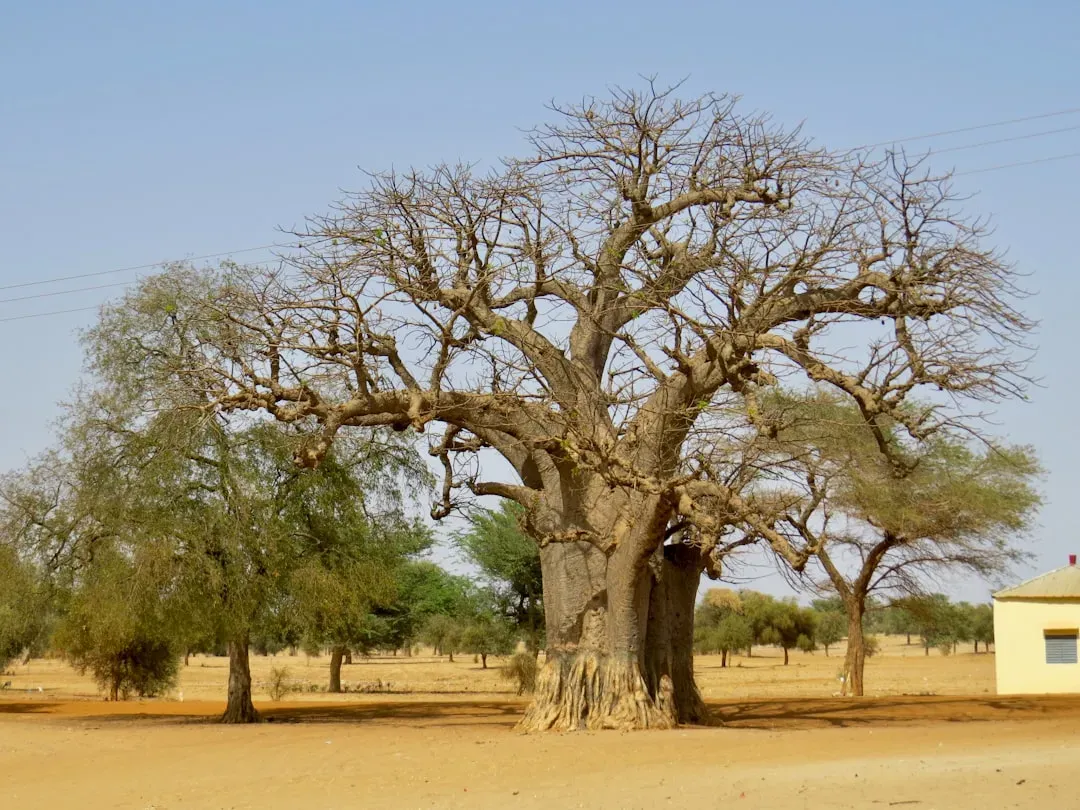
The Sunland Baobab, a 6,000-year-old tree from South Africa, not only has a bar built within its trunk but also boasts a wine cellar within it, with two hollow trunks connected by a narrow passage making it spacious enough to house up to 15 people at a time. Let’s be real, where else can you order a drink inside a living, ancient organism?
The giant tree is around 47 meters in diameter and has a completely hollowed out trunk thanks to numerous natural fires that had sprung up within it, and the unique bar was first opened in 1933 with 13-foot high ceilings. The Van Heerden family now owns the private area where this remarkable baobab stands, welcoming visitors who want to experience the serenity of sipping a beverage surrounded by millennia-old wood.
General Sherman: The World’s Largest Living Thing by Volume
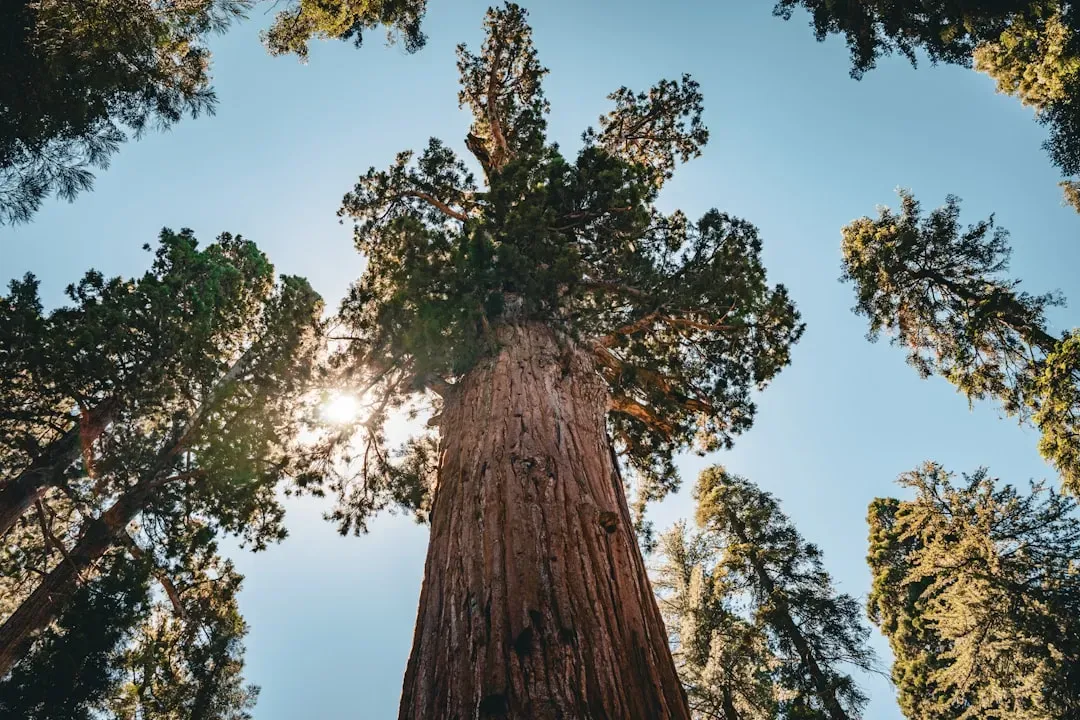
The General Sherman Tree, located in California’s Sequoia National Park, holds the title of the world’s largest tree by volume. This giant sequoia weighs 1,500 tons and continues growing every single year. Standing before this colossus is a humbling experience.
The oldest living sequoias were seedlings more than 3,200 years ago around the time of the Trojan War, and back then the oldest bristlecones living today would already have been around for 1,600 years. General Sherman isn’t just big – it’s a testament to the sheer power and patience of nature. Its massive trunk seems almost impossible, like something out of a fantasy novel rather than reality.
Chapel Oak of Allouville-Bellefosse: The Tree With Two Chapels Inside
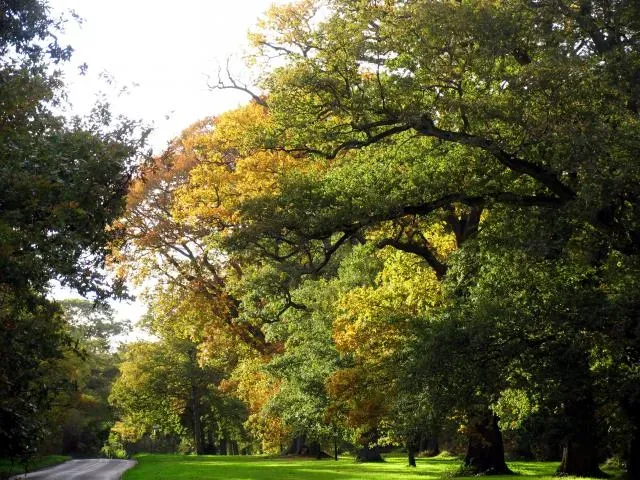
In the 1600s when the tree was at least 500 years old, a bolt of lightning struck its mighty trunk and instead of just dying, something remarkable happened. The fire that sprang up as the result of the lightning burned within the tree and hollowed it out, yet despite a hollow inside the oak did not rot away or blow down.
It did not take long before locals started associating the survival of the tree with divine intervention, and a priest created a theory that the entire episode had a holy purpose, so a chapel for Virgin Mary called Notre Dame de la Paix was built within the hollow. Years later they added a second chapel along with a spiral staircase. This French oak has become a pilgrimage site where faith and nature merge in the most unexpected way.
The Friendship Cherry Trees of Washington, D.C.
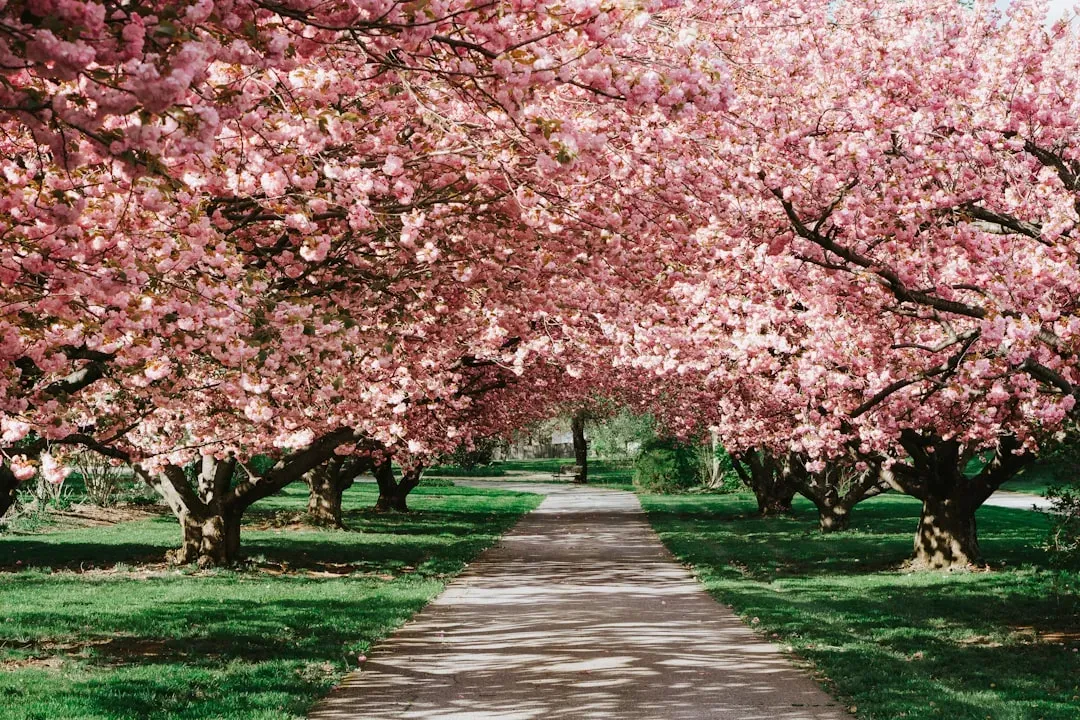
Eliza Ruhamah Scidmore, a writer, photographer, and editor for National Geographic in its early days, visited Japan for the first time in 1885 and was enchanted by the blooming cherry trees that edged the Sumida River in Tokyo. Her persistent advocacy eventually paid off in a spectacular way.
On March 27, 1912, the first of 3,000 cherry trees – gifts from the Japanese government – were planted around the Tidal Basin, and they bloom in spring as the centerpiece of the annual National Cherry Blossom Festival. These trees represent more than botanical beauty. They symbolize international friendship and the power one determined person can have in shaping a city’s identity for generations to come.
Major Oak: Robin Hood’s Legendary Hideout
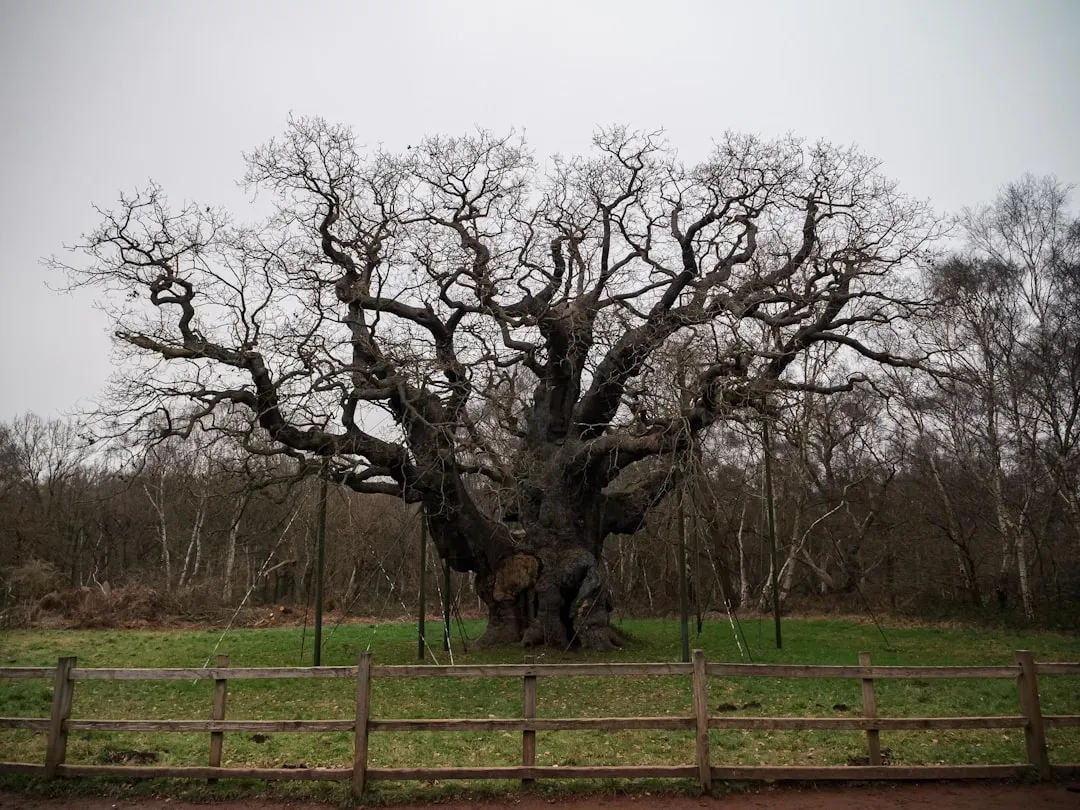
The Major Oak, a massive tree located in Sherwood Forest, England, is believed to be around 1,000 years old and is steeped in legend as the supposed hideout of Robin Hood and his band of Merry Men, with its hollow trunk and sprawling limbs making it an ideal refuge. Whether or not Robin Hood actually existed remains debated, but the tree certainly does.
Today the tree’s limbs are supported by steel poles to prevent them from collapsing under their own weight, a testament to efforts to preserve this living piece of history. When you stand beneath its ancient canopy, it’s easy to imagine outlaws planning their next act of rebellion against an unjust system. The Major Oak connects us to stories we’ve loved since childhood.
Jaya Sri Maha Bodhi: The Tree of Enlightenment
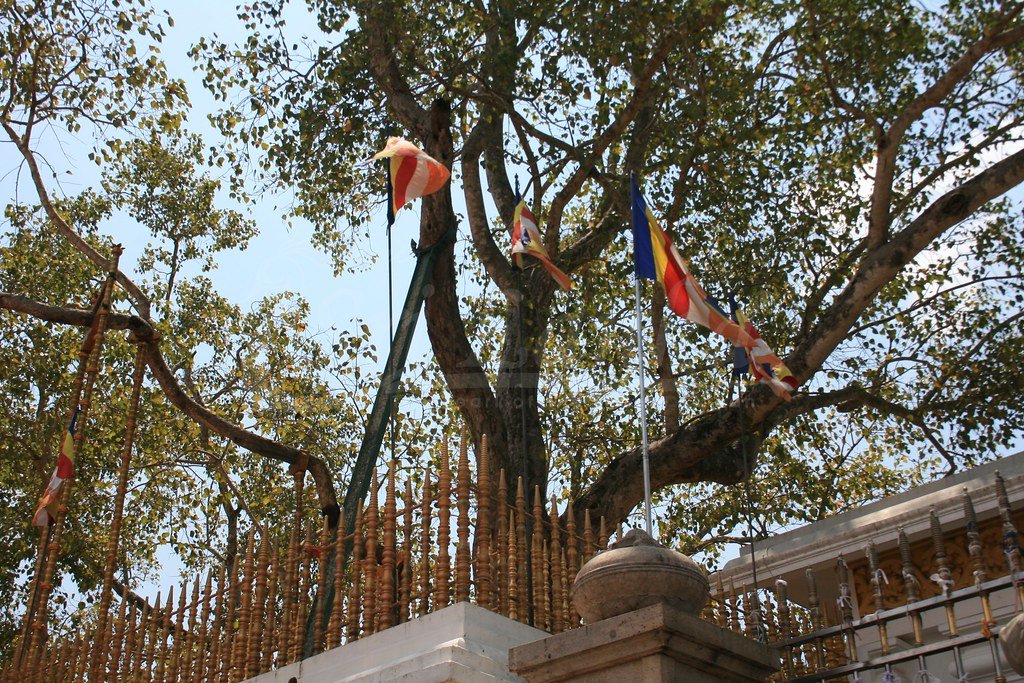
Located in a picturesque sacred garden in Sri Lanka, the Jaya Sri Maha Bodhi was planted in 249 B.C., making it more than 2,000 years old. This tree is a purported scion of the Buddha’s original meditation tree, and it is the same tree in two places – both in Gaya, India, and Anuradhapura, Sri Lanka, both now World Heritage Sites.
The island tree in Sri Lanka has greater claim to antiquity because it was the cradle of Theravada Buddhism which arrived circa 300 B.C.E., with Anuradhapura serving as a royal capital for one millennium, and the chronicles of precolonial Sri Lanka do not record the death of the venerable ficus. For Buddhists worldwide, this isn’t merely a tree. It’s a direct physical connection to spiritual awakening itself.
Conclusion: Living Witnesses to History
These ten remarkable trees remind us that nature operates on timescales that dwarf human civilization. They’ve witnessed wars, technological revolutions, climate shifts, and countless human generations come and go. Each one carries scars, stories, and secrets that connect us to our past in ways no history book ever could.
What strikes me most is their resilience. Despite lightning strikes, fires, vandalism, and the relentless march of development, these trees endure. They adapt. They survive. Perhaps there’s something we can learn from their patient persistence.
Next time you pass an old tree, take a moment to wonder what it might have seen. What would you ask if it could answer?