
Imagine trying to grow food, build cities, and survive in a burning-hot desert or a flood-prone valley without taps, pumps, or electric tools. For most of human history, that was normal life, and yet many ancient societies didn’t just cope with water – they controlled it with stunning creativity. When you look closely, it almost feels like they were playing real-life chess with rivers, rain, and rock, several moves ahead.
What makes this even more fascinating today is that some of those old solutions are quietly making a comeback in modern climate and water planning. As droughts intensify and floods hit harder around the world, engineers and planners are studying what worked thousands of years ago. These systems weren’t just clever; they were surprisingly sustainable, low-energy, and deeply adapted to local landscapes. Let’s dive into eight remarkable ways ancient civilizations tamed, stored, and shared the most precious resource on Earth.
1. Mesopotamian Canal Networks: Turning Floods into Food
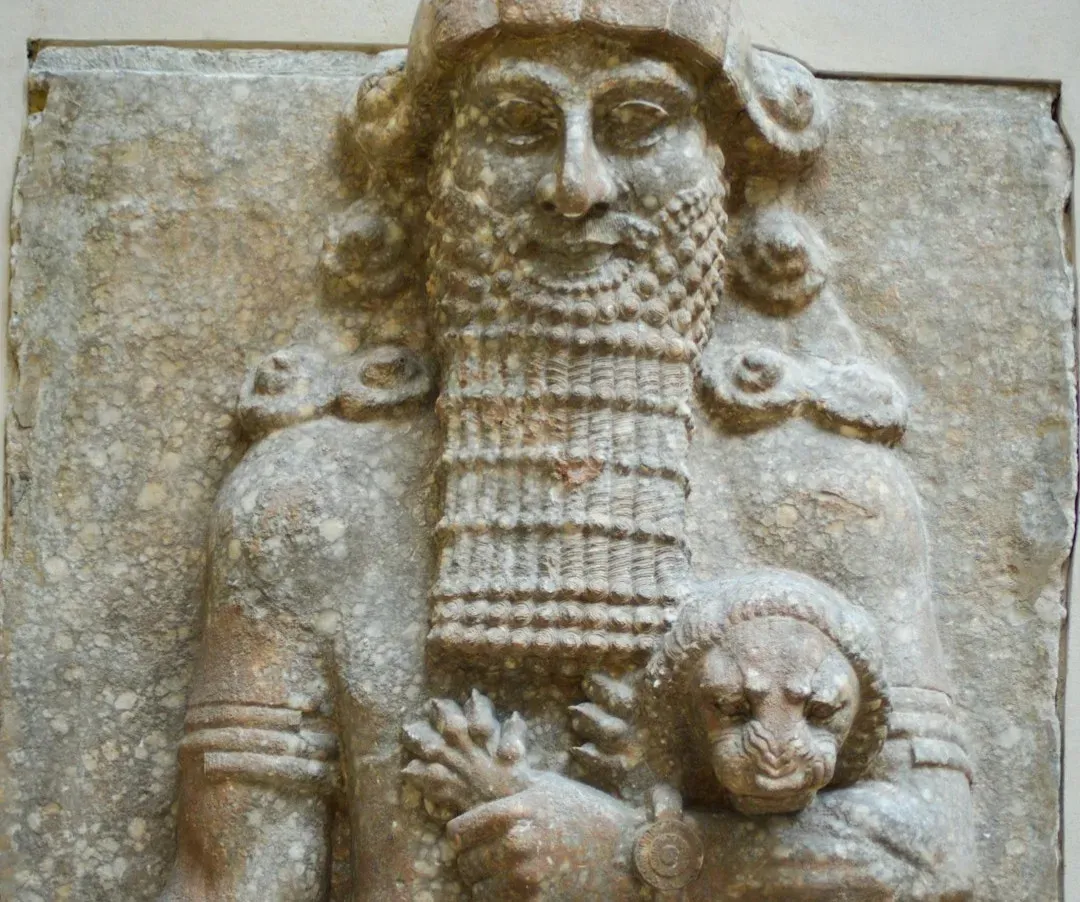
Picture a wild, unpredictable river that floods at the wrong time and dries up when you most need it – that was the Tigris and Euphrates for early Mesopotamian farmers. Instead of giving up, they carved out canals, ditches, and levees to redirect and spread the water across their fields. By guiding water instead of fighting it, they turned seasonal chaos into dependable harvests, laying the foundation for some of the earliest cities.
These canal systems were not just a few trenches; they formed sprawling networks that required planning, labor, and constant maintenance. City-states had to cooperate (or sometimes fight) over who got how much water, and when, which pushed them toward legal codes and administration. In a way, water management forced politics to grow up. The canals also taught a hard lesson: poorly drained, over-irrigated soils could become salty and less fertile, something modern agriculture still struggles with.
2. Egyptian Basin Irrigation: Timing the Nile’s Gift

The people of ancient Egypt built their entire world around the rhythms of the Nile, which rose predictably each year. Instead of trying to stop the river from flooding, they designed basin irrigation: enclosed fields surrounded by low earth walls that could be flooded deliberately. When the water receded, it left behind a fresh layer of nutrient-rich silt, like nature’s fertilizer spreader working on a seasonal schedule.
This system meant timing was everything. Officials and local communities coordinated when to open and close inlets, how long to keep basins flooded, and where to send excess water. It turned a potentially destructive flood into a carefully managed agricultural engine. To me, it’s a powerful reminder that sometimes the smartest move isn’t control in the strict sense, but choreography – working with a force instead of stamping it out.
3. Roman Aqueducts: Gravity-Powered Urban Life
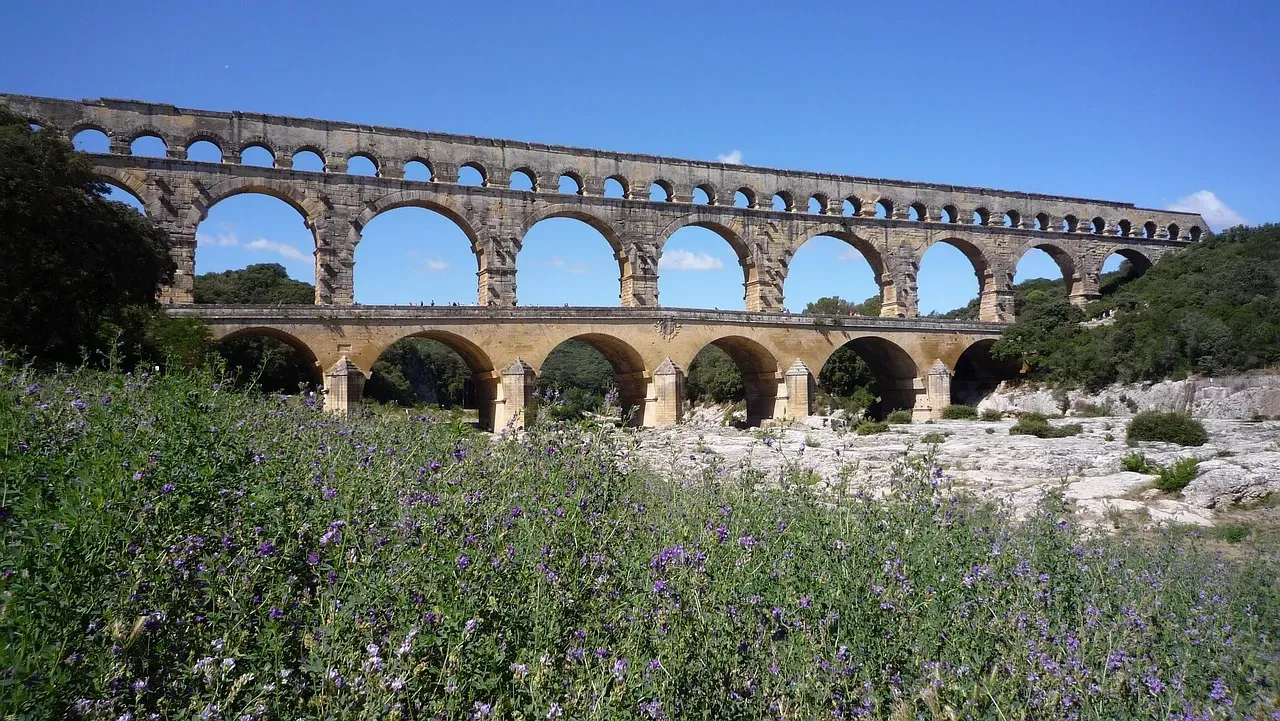
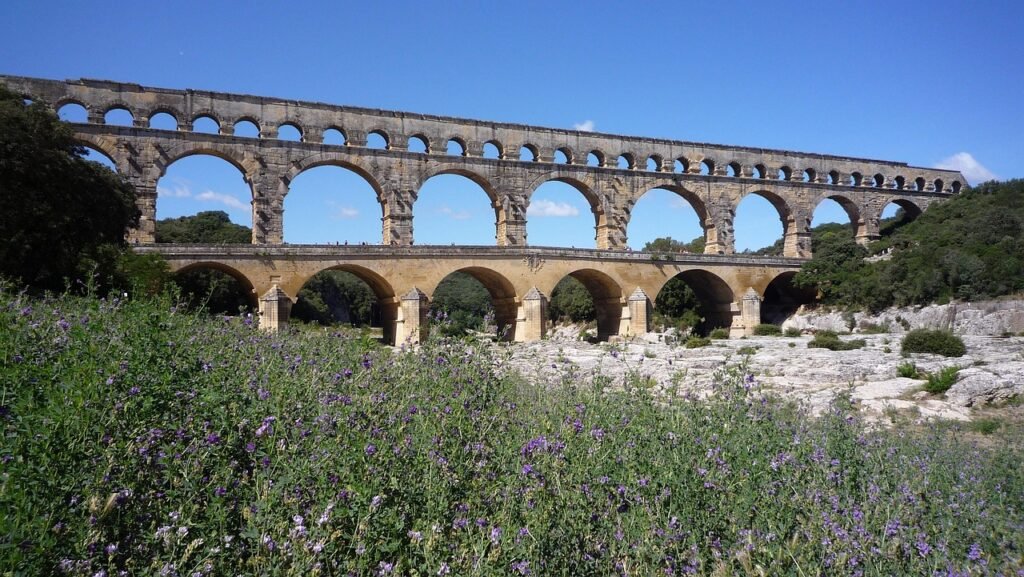
When you think of ancient water systems, it’s hard not to picture those towering Roman aqueducts marching across valleys on stone arches. At their core, though, they were simple: channels that used a gentle, steady slope so gravity could pull water from distant springs and rivers straight into cities. No pumps, no electricity, just precise measurement and patient stonework over long distances.
What made Roman aqueducts incredible wasn’t just their engineering, but their social impact. They supplied public baths, fountains, and households, turning cities into places where fresh water flowed daily, not just during rare rainstorms. Maintenance crews cleaned and repaired channels, and officials set rules about who could tap into the supply. I sometimes think of them as the ancient equivalent of a modern utility company, only run on stone, muscle, and math instead of steel and wires.
4. Persian Qanats: Tapping Invisible Rivers Underground
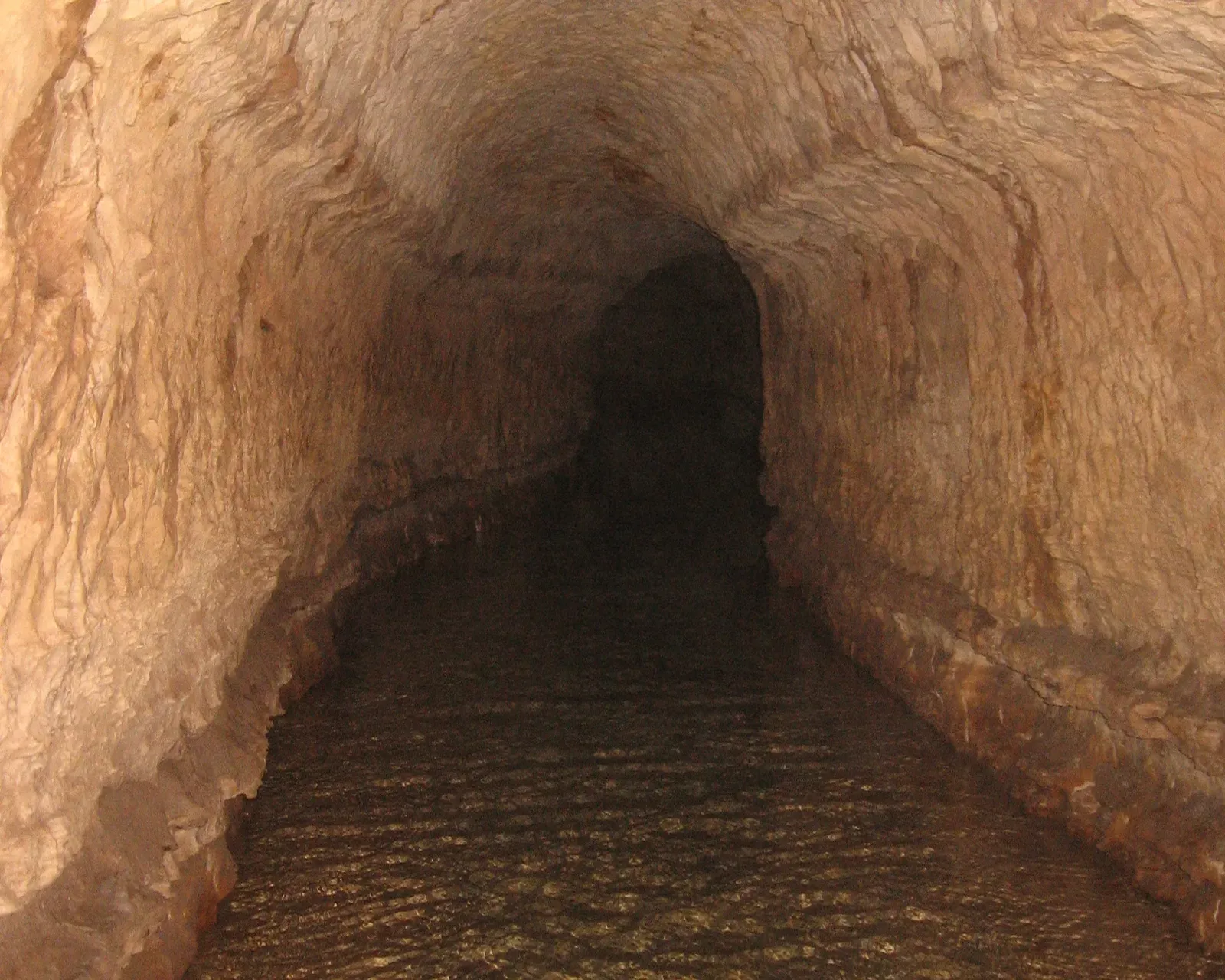
In the dry landscapes of ancient Persia, surface water could vanish under a brutal sun, but underground water flowed slowly through gravel and rock. Qanats were an ingenious way to reach that hidden source: gently sloping tunnels dug from a hillside aquifer out to fields and settlements, with vertical shafts along the way for air and access. Water traveled underground, shielded from evaporation, until it emerged where people needed it.
Building a qanat was risky, technical, and slow, often stretching for kilometers beneath the ground. Yet once finished, a well-designed qanat could provide a stable flow for generations with little energy besides gravity. Communities developed rules for sharing that flow by time slots, not just by raw volume, which feels surprisingly sophisticated even now. When I first read about qanats, the image that stuck with me was of entire villages quietly linked by a river they would never actually see.
5. Indus Valley Drainage and Water Planning: Clean Cities Before Their Time
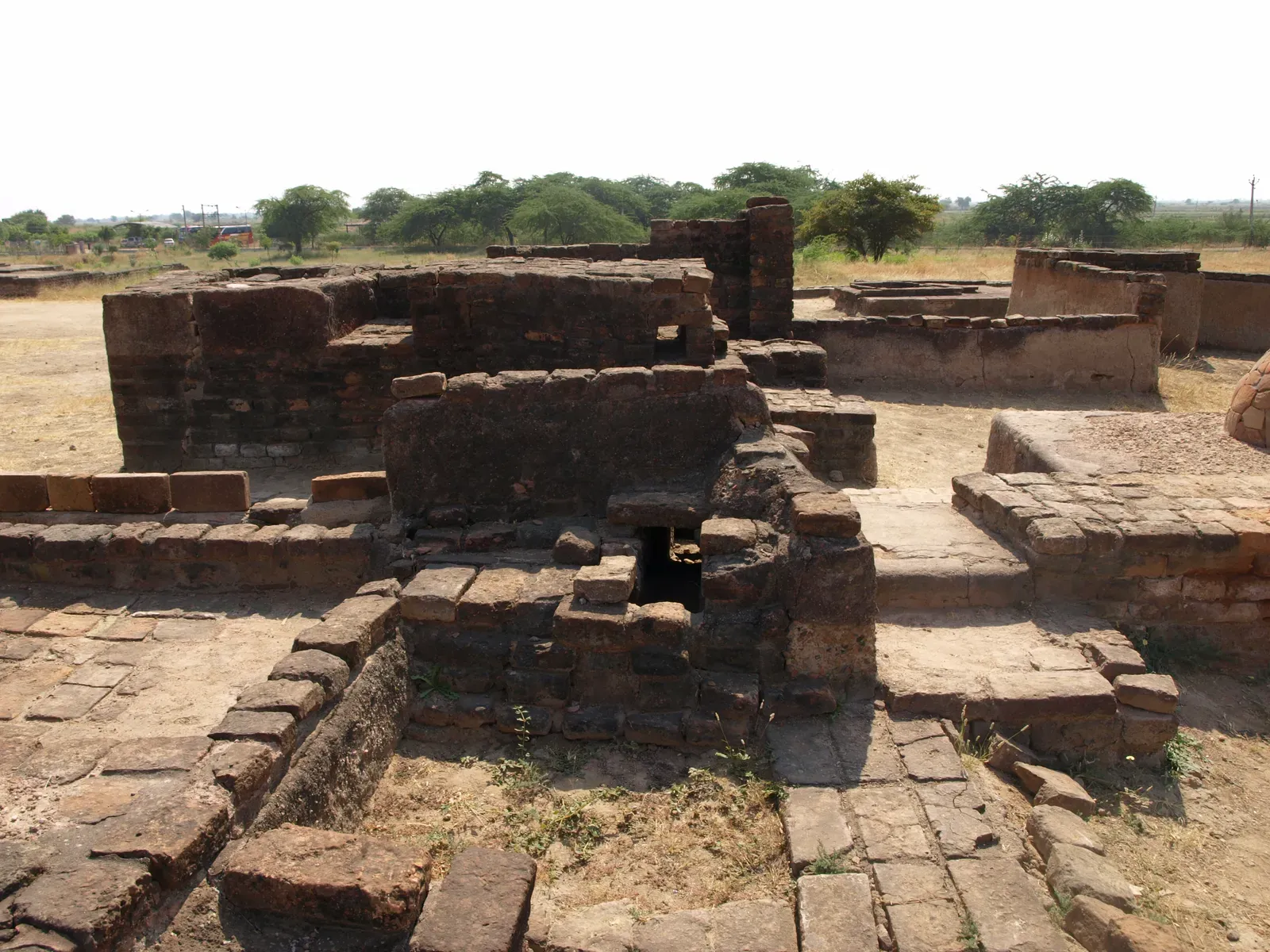
The cities of the Indus Valley, like Mohenjo-daro and Harappa, impressed archaeologists not with monumental temples, but with their calm logic. Streets were laid out in grids, houses had bathing areas, and many homes were connected to covered drains that carried wastewater away. Public wells dotted the neighborhoods, ensuring that people had regular access to water within walking distance.
This kind of planning made hygiene and everyday life more manageable in ways we easily take for granted. Wastewater flowed through brick-lined drains, sometimes with inspection points that allowed cleaning and repairs. The system suggests that these societies treated water and sanitation as basic urban infrastructure, not an afterthought. It’s striking that thousands of years later, many fast-growing cities still struggle to match that level of thoughtful, integrated design.
6. Maya Cenotes and Reservoirs: Surviving in a Seasonal Jungle
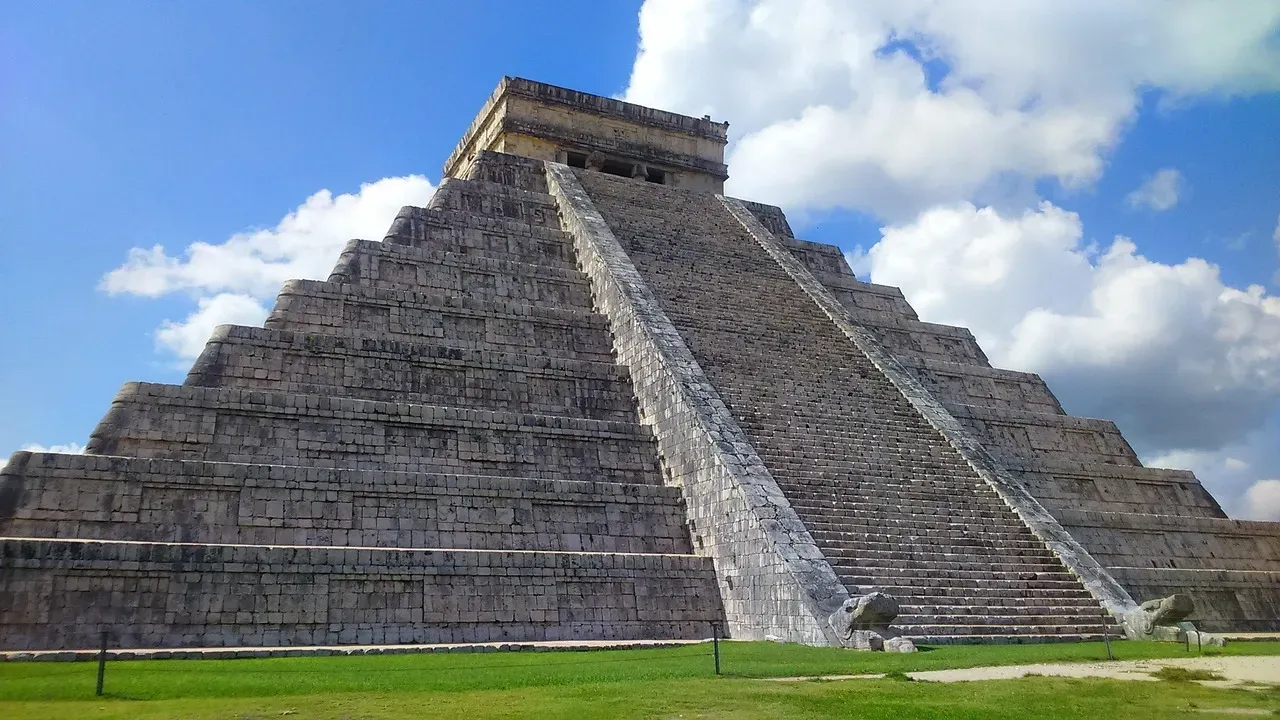
The ancient Maya built cities in regions where water could be abundant in the wet season and brutally scarce in the dry. In parts of the Yucatán Peninsula, rivers run mostly underground, so natural sinkholes called cenotes became lifelines. The Maya treated them as both water sources and sacred places, often building settlements near them and carefully managing access.
Where cenotes were absent or unreliable, they carved out reservoirs and lined them with materials to limit seepage, turning rainwater into long-term supply. Some city centers were almost like giant catchment systems, with plazas and roofs sloped to funnel water into storage. Recent research suggests they even understood some basic water treatment techniques, using sedimentation and possibly certain minerals to improve quality. It’s a reminder that surviving in a rainforest isn’t just about enduring constant rain; it’s about mastering the long, thirsty pause between storms.
7. Andean Terraces and Waru Waru: Farming the Sky in the High Mountains
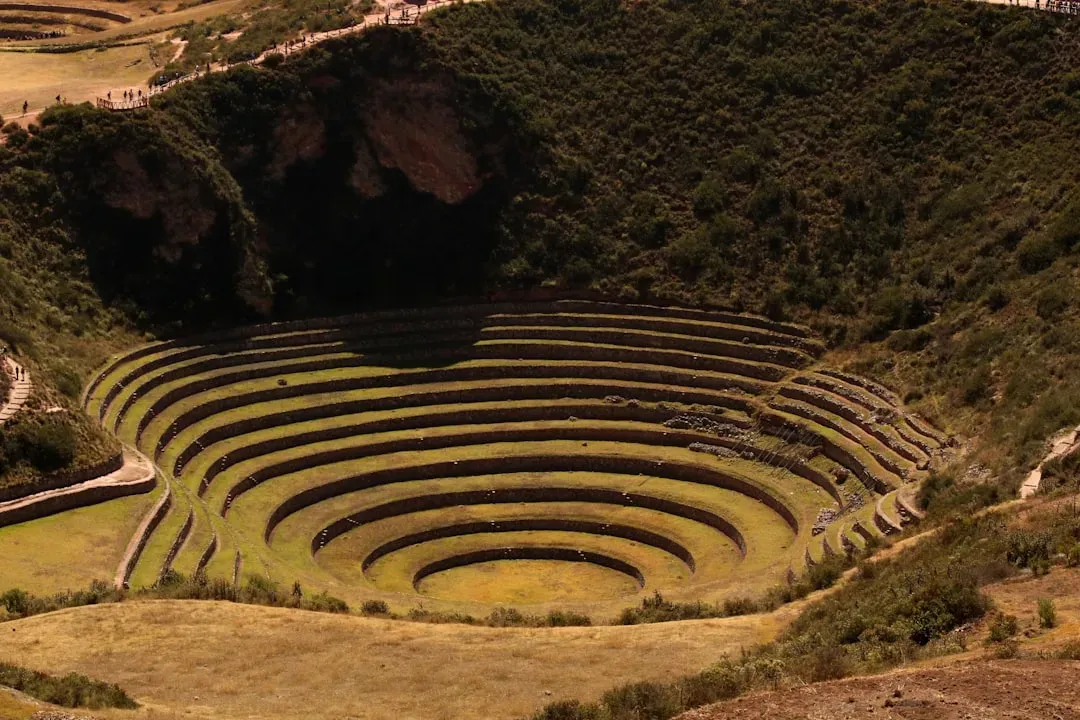
In the high Andes, sharp slopes, thin air, and cold nights could easily make farming a losing battle. Ancient Andean societies responded by sculpting the mountainsides into terraces, flat steps supported by stone walls. These terraces slowed runoff, captured rain, and reduced erosion, while their layered soils held moisture longer for crops like potatoes and maize.
On the high plains near Lake Titicaca, people also developed raised fields known as waru waru: long planting mounds with water-filled channels in between. The water acted like a thermal buffer, absorbing warmth by day and releasing it at night, protecting crops from frost. I love this example because it feels almost poetic – using water not just to irrigate, but to gently bend the local climate in your favor. It shows that ancient water management wasn’t only about quantity; it was about temperature, timing, and resilience too.
8. Nabataean Desert Harvesting: Squeezing Every Drop from the Sand
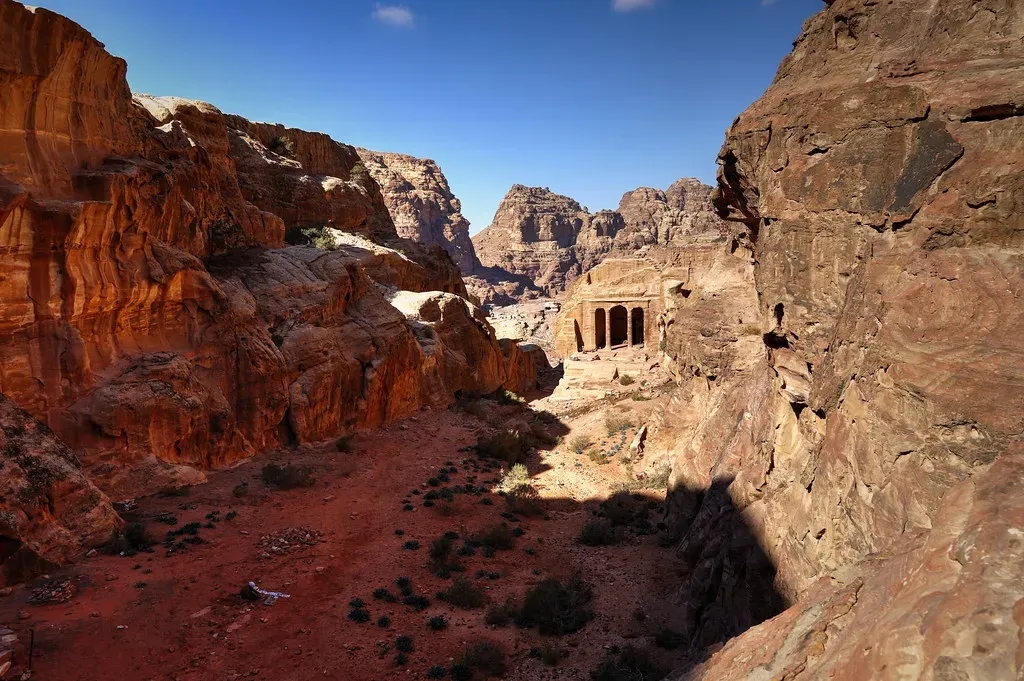
The Nabataeans, best known for the rock-cut city of Petra, built a water system that seems almost impossible at first glance. They lived in one of the driest regions of the Levant, yet they channeled seasonal flash floods through hidden channels, dams, and cisterns carved into stone. By guiding brief, violent rains into protected storage, they turned dangerous torrents into a slow, reliable resource.
They also mastered the art of micro-catchments, shaping slopes and paving surfaces so that even small showers were directed into underground tanks. Travelers and caravans relied on this network of stored water, which helped Petra become a major trade hub rather than a forgotten canyon. Standing in a modern city with constant running water, it’s hard to imagine the discipline it took to build and maintain such systems. But their success shows how much is possible when a society treats every single drop as something worth planning for.
Old Ideas for a Thirsty Future
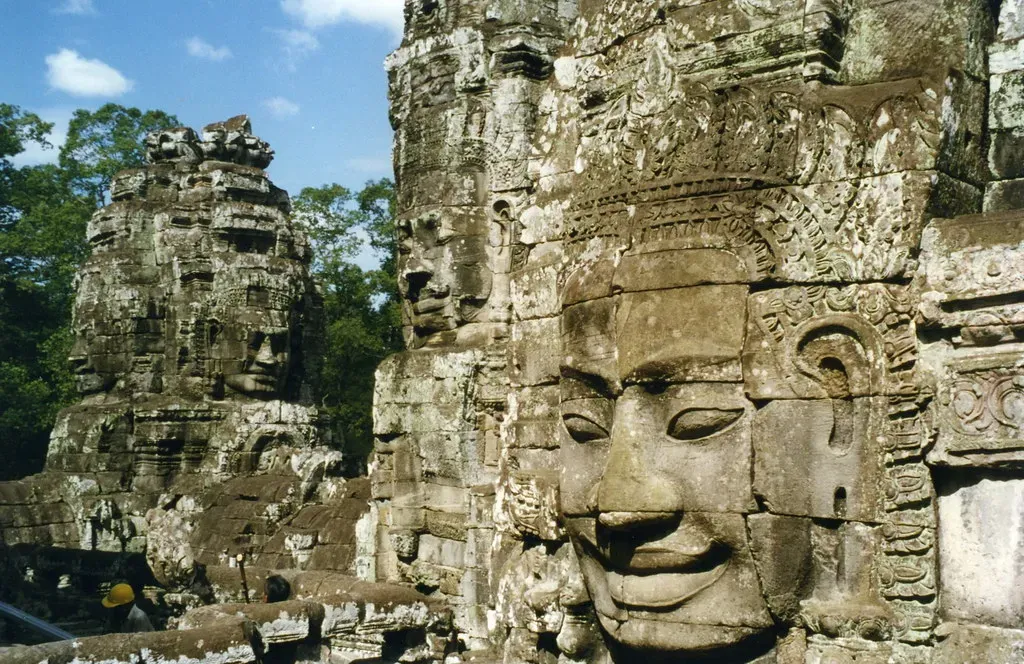
Across deserts, valleys, jungles, and mountains, these ancient water systems show a blend of precision and humility that still feels strikingly modern. They redirected rivers without completely breaking them, stored rain without assuming it would always come, and designed cities around water instead of bringing water in as an afterthought. In many cases, their methods used gravity instead of fuel, stone instead of steel, and cooperation instead of endless competition.
As today’s world faces droughts, floods, and growing pressure on freshwater, engineers and planners are re-examining these older solutions with fresh eyes. Techniques like terracing, managed floodplains, groundwater tunnels, and rainwater harvesting are being revived or adapted, sometimes with modern tools layered on top. In the end, the most impressive thing about ancient water management isn’t just the technology, but the mindset: patient, observant, and deeply rooted in place. Which of these old ideas do you think we most urgently need to rediscover today?