
If black holes already sound wild to you, the universe has a few tricks that make them look almost ordinary. Black holes get the headlines, but out there in the dark, there are objects and events that twist space, time, and even the rules of matter in ways that feel almost unreal.
Some of these phenomena push physics right up to its breaking point. Others are so extreme that scientists are still debating what they really are. Let’s walk through six cosmic oddities that might not be as famous as black holes, but are arguably even stranger.
1. Neutron Stars: City-Sized Corpses With Sun-Level Mass
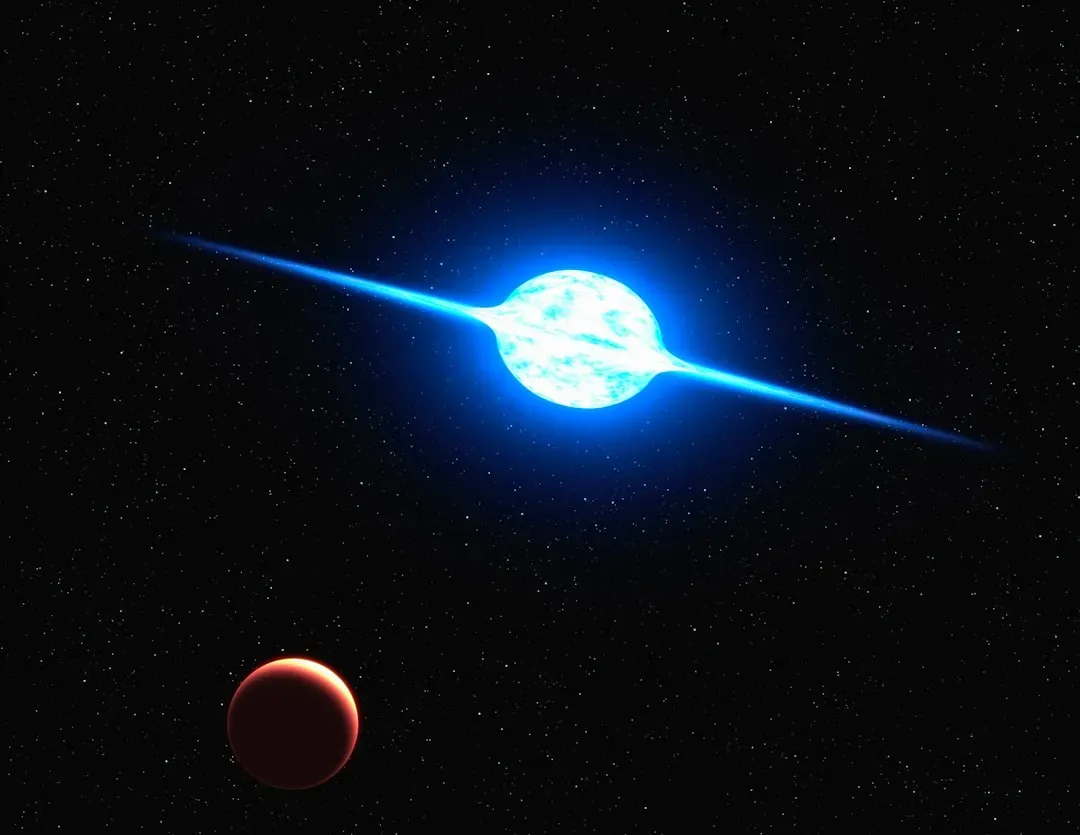
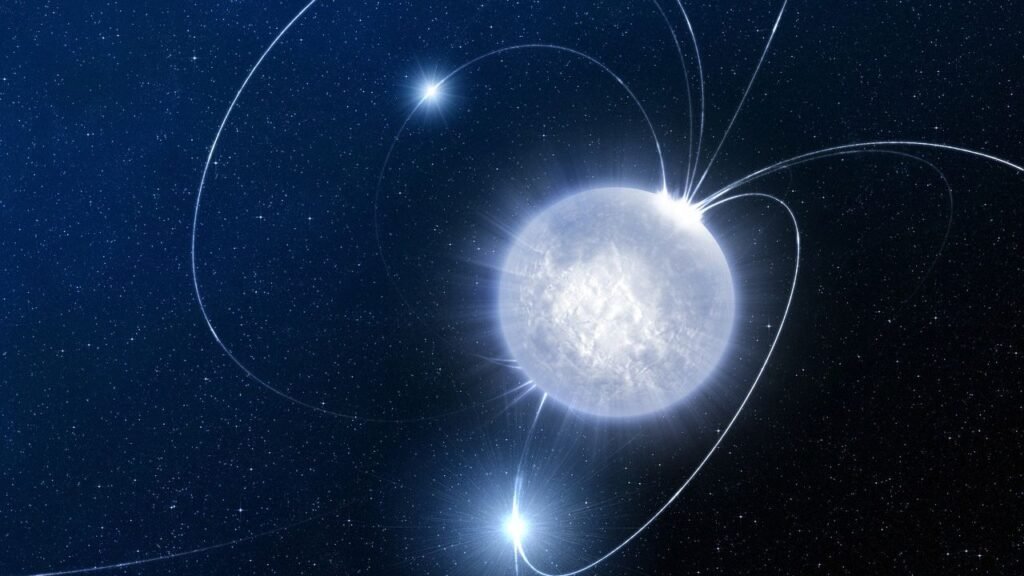
Imagine something with more mass than our Sun squeezed into a ball the size of a large city. That’s a neutron star, the ultra-dense remnant left behind when a massive star explodes in a supernova but doesn’t quite collapse into a black hole. The gravity is so intense that atoms are crushed, electrons and protons are forced together, and the whole thing becomes a gigantic ball of neutrons.
A teaspoon of neutron-star material would weigh as much as a mountain, which sounds like a bad sci-fi exaggeration but is genuinely the best estimate physicists can give. Neutron stars can also spin at insane speeds, sometimes hundreds of times per second, sweeping beams of radiation through space like a cosmic lighthouse. When I first read about them, they felt less like real objects and more like some bizarre physics challenge that nature somehow pulled off anyway.
2. Magnetars: The Most Violent Magnets in the Universe
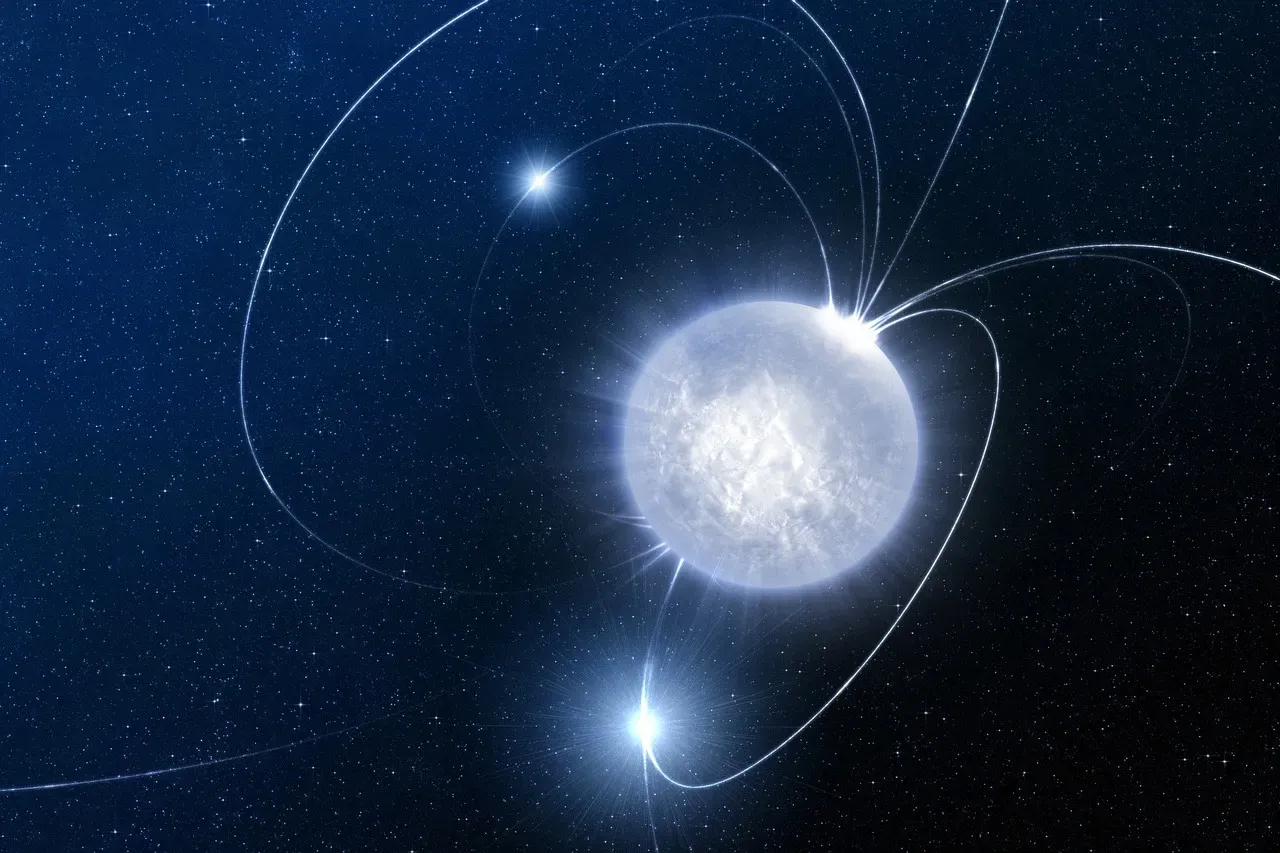
If neutron stars are already extreme, magnetars are their unhinged cousins. A magnetar is a special kind of neutron star with a magnetic field trillions of times stronger than Earth’s. To put that into something you can picture: if you were halfway between Earth and the Moon and somehow turned on a magnetar-strength magnet, it could literally mess with the electrons in your body.
Magnetars occasionally snap and rearrange their magnetic fields in events called starquakes, releasing bursts of energy so powerful they can briefly outshine entire galaxies. In the early 2000s, a single flare from a magnetar in our own galaxy passed through Earth and temporarily altered our atmosphere, even though it was tens of thousands of light-years away. That’s like a flashlight flickering in another country and still rattling the windows in your house.
3. Fast Radio Bursts: Millisecond Messages From the Unknown
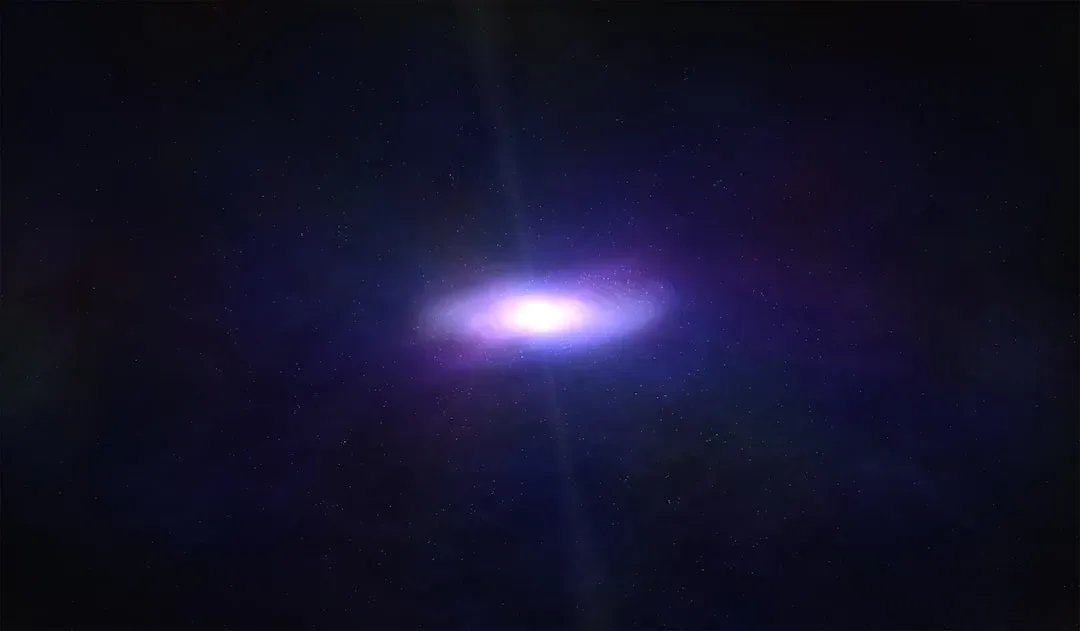
Fast radio bursts, or FRBs, are one of the most puzzling discoveries of modern astronomy. They’re incredibly short flashes of radio waves, lasting only a few thousandths of a second, yet they can release as much energy in that instant as our Sun emits in days. They arrive seemingly out of nowhere from distant galaxies, with no obvious “sender” attached.
Some FRBs repeat, firing off bursts again and again from the same region of the sky, while others appear just once and never return. The leading ideas link many of them to magnetars or other compact objects, but there’s still no single explanation that fits all of them perfectly. The first time I saw a plot of an FRB signal, it felt weirdly like looking at a cosmic notification pinging us from billions of light-years away, with no clue who or what pressed send.
4. Cosmic Strings: Hypothetical Cracks in Space-Time Itself
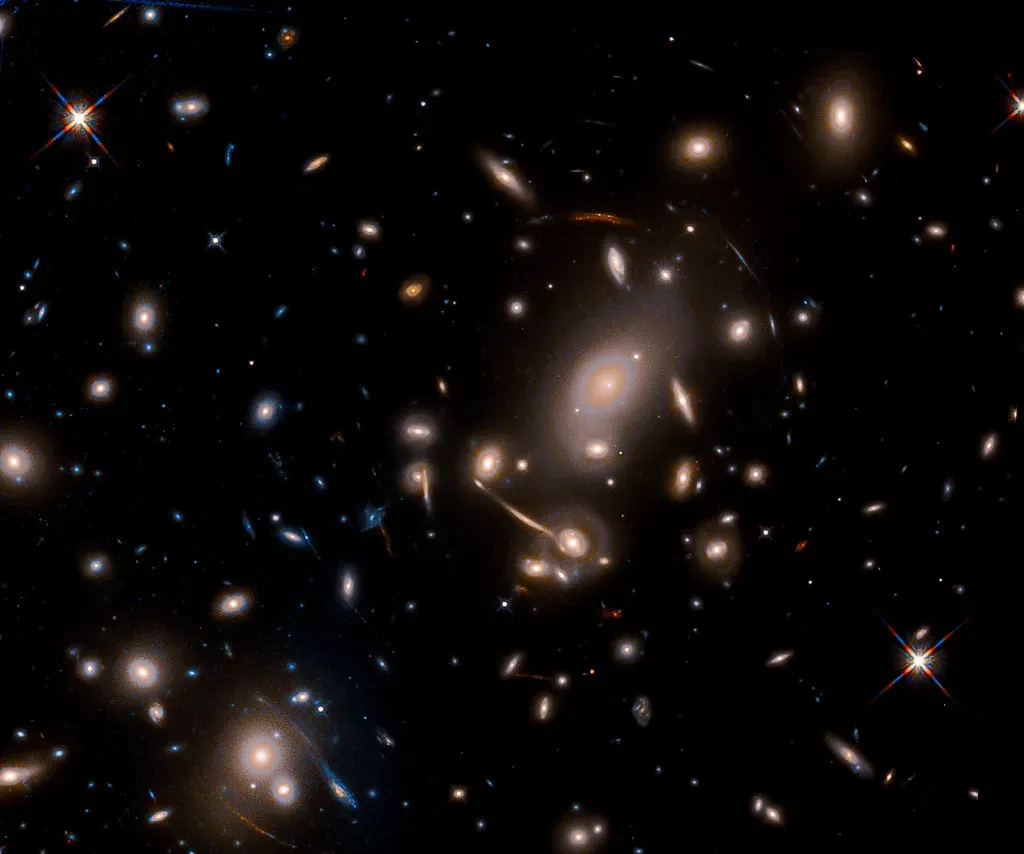
Cosmic strings are more like scars in the fabric of the universe than actual objects, and that alone makes them feel stranger than black holes. They’re hypothetical one-dimensional defects in space-time that might have formed in the earliest fractions of a second after the Big Bang. If they exist, they wouldn’t be made of matter in the usual sense, but of pure, concentrated energy wrapped into an impossibly thin line.
These strings could be incredibly dense, with a single kilometer weighing more than a planet, yet thinner than an atomic nucleus. They would distort space around them so strongly that light passing nearby would split and bend, like a funhouse mirror on a cosmic scale. We haven’t found clear evidence for them yet, but multiple observatories are still hunting for their fingerprints, especially in gravitational-wave signals and subtle distortions in how galaxies appear across the sky.
5. Dark Matter: The Invisible Scaffold of the Cosmos
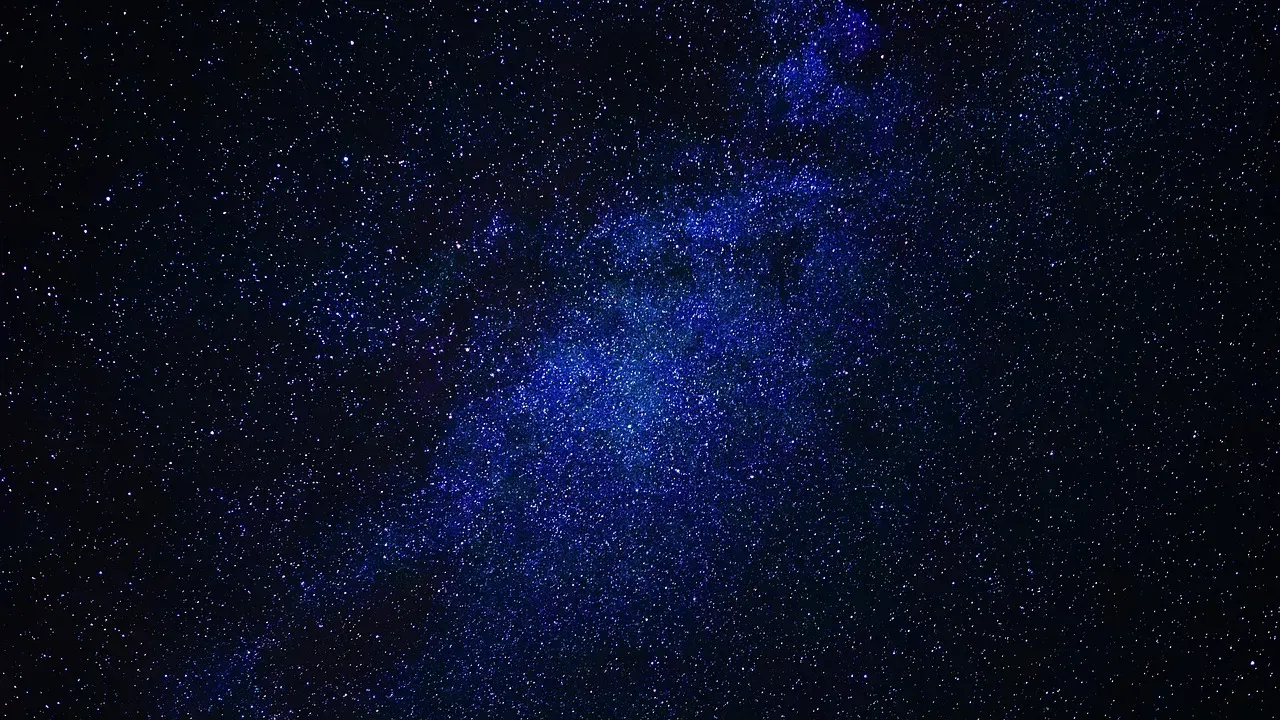
Dark matter is one of those ideas that sounds like a placeholder name, but it points to a very real and very weird problem: most of the mass in the universe is invisible. Galaxies spin so fast and cluster together in such a specific way that there has to be extra mass holding everything together, far more than what we can see in stars, gas, or dust. Whatever that missing mass is, it doesn’t emit, reflect, or absorb light.
It’s like walking into a room where everything is moving as if there’s a huge, complex machine in the middle, but you can’t see or touch the machine itself. Physicists have spent decades building detectors underground, under mountains, and even in space, trying to catch the faintest hint of dark matter particles. So far, they’ve mostly found better ways to rule things out, which somehow makes the whole mystery feel even stranger: we can map where dark matter should be, but we still don’t know what it actually is.
6. Dark Energy: The Force Making the Universe Accelerate
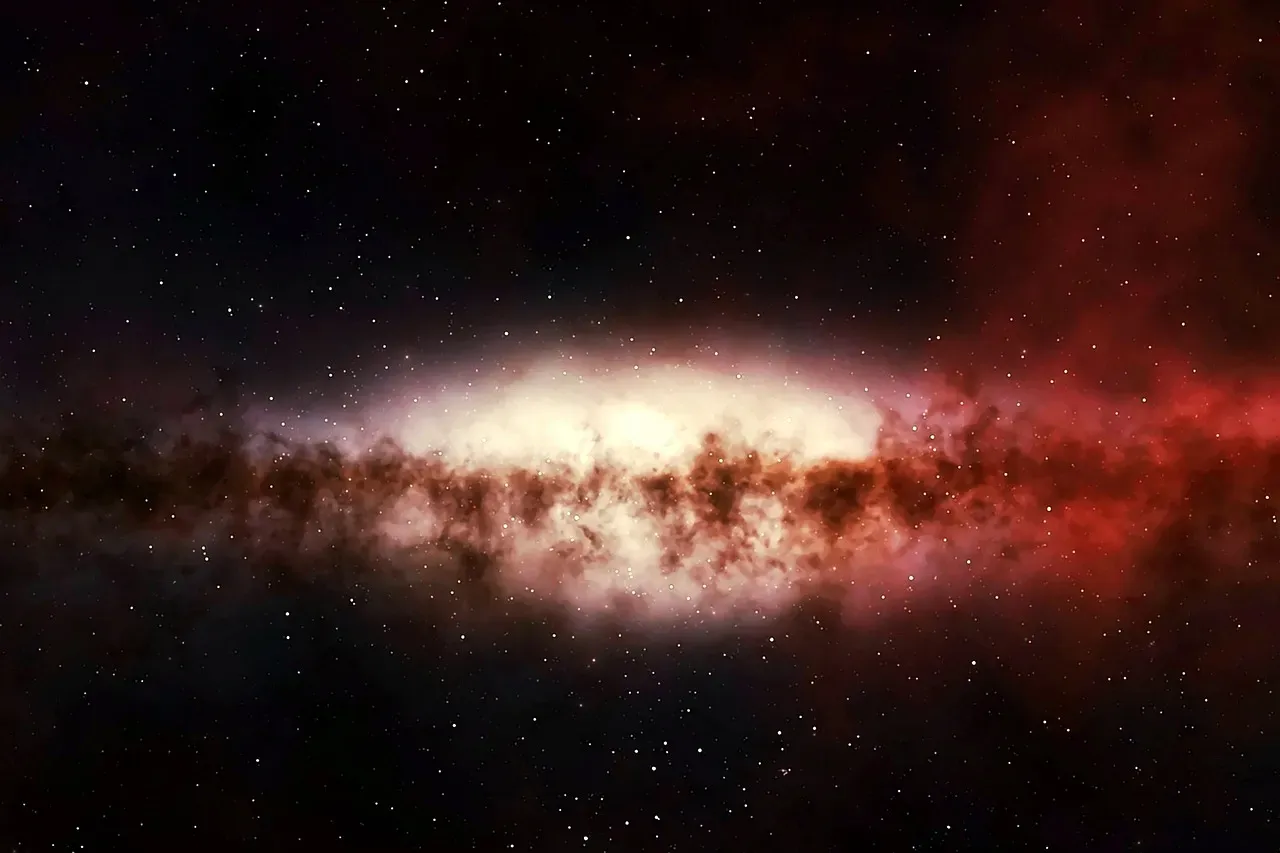
As if invisible matter weren’t enough, the universe hides an even deeper oddity: dark energy. In the late twentieth century, astronomers discovered that the expansion of the universe isn’t slowing down due to gravity, as everyone expected. Instead, it’s speeding up, as though some unknown energy is pushing space itself apart. That repulsive effect is what we now call dark energy.
Roughly about two thirds of the entire energy content of the universe appears to be in this form, and yet we don’t really know what it is or why it exists. Some ideas link it to the energy of the vacuum of space, others suggest it might change over time, but nothing has been nailed down. If dark matter is like an invisible skeleton, dark energy is the unseen hand stretching the whole universe from the inside, and we’re still in the early stages of figuring out why it’s there at all.
Black holes deserve their reputation as some of the scariest objects in space, but they’re only one part of a universe that is far stranger than most of us grow up imagining. From crushed city-sized stars and deranged magnetic monsters to invisible matter and a mysterious force that’s literally changing the fate of the cosmos, the night sky is full of phenomena that keep rewriting the rules.
What makes these six examples especially unsettling is how much we still do not understand about them. We can measure their effects, model them, even observe some of them in real time, yet big pieces of the puzzle are still missing. The universe, it turns out, is not just big and old; it’s deeply weird in ways we’re only starting to notice. Which of these cosmic oddities surprised you the most?