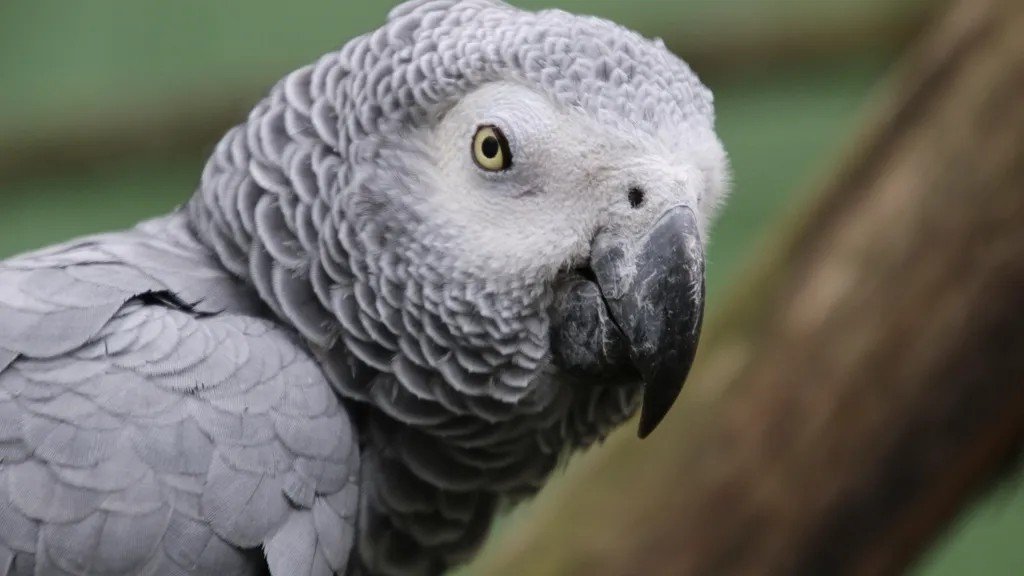
We grow up thinking of birds as background characters: the morning chorus, the pigeons on sidewalks, the gulls stealing fries at the beach. For a long time, even scientists treated them as simple creatures driven mostly by instinct, not insight. But over the last few decades, research has quietly blown that idea apart, revealing a world of feathered problem-solvers, planners, and even deceivers that rival some primates in mental power.
I remember the first time I watched a crow drop a walnut in front of a car, wait for it to crack, and then hop back in to eat it. It felt like catching nature cheating on an exam. The more I’ve read since, the clearer it’s become: birds are not just “smart for animals” – many are just plain smart, full stop. Here are eight discoveries about bird intelligence that might change the way you look at the sky forever.
1. Crows Can Outsmart Complex Puzzles
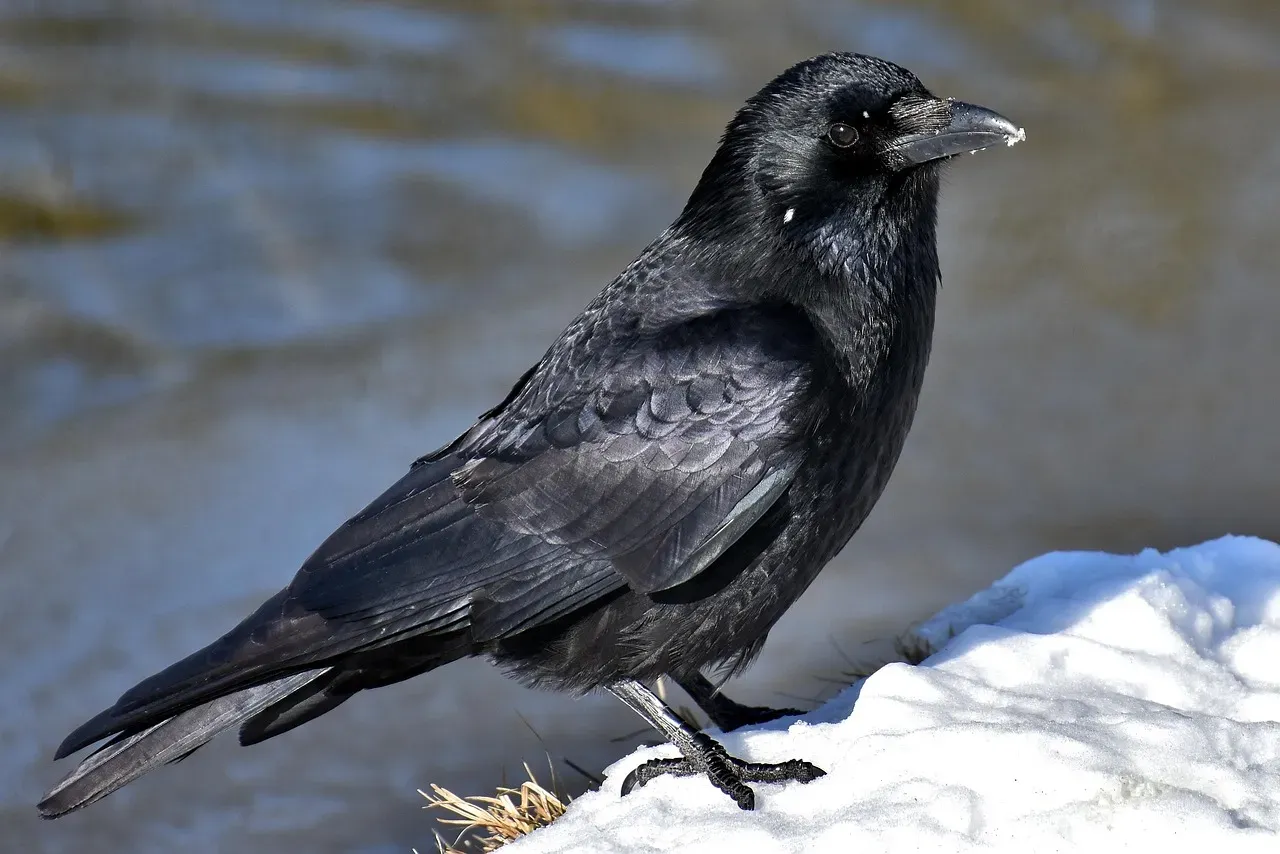
Imagine facing a puzzle that would stump a young child: several steps, tools you have to use in the right order, and no instructions. New Caledonian crows have done exactly that in controlled experiments, solving multi-step problems that require planning, memory, and trial-and-error learning. In some tasks, they have to pull a short stick to get a longer stick, then use that longer stick to reach food – a classic test of reasoning that many animals simply fail.
What’s wild is that these crows don’t just stumble into solutions; they often improve over repeated trials, suggesting they’re building a mental model of the problem. Researchers have also found that they can bend bits of wire into hooks to fish out food, essentially inventing tools on the spot when no ready-made tool is available. When you see a crow on a streetlight, it’s hard not to wonder if it’s quietly running the world’s most complicated escape room in its head while we sit there scrolling on our phones.
2. Parrots Understand Words Better Than You’d Think
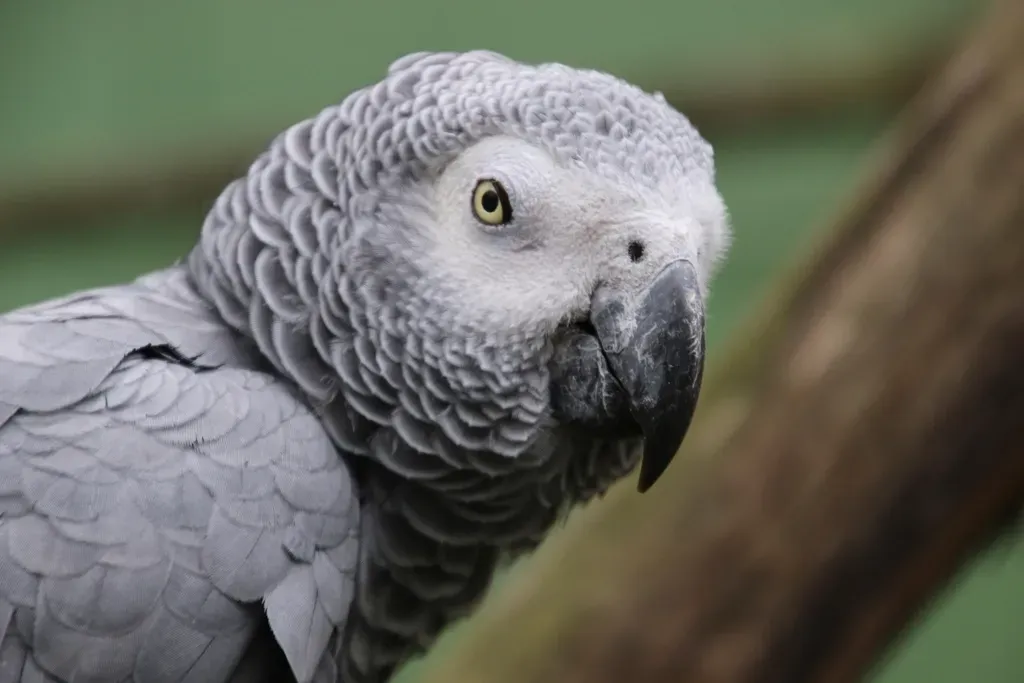
Parrots aren’t just mimics repeating sounds; some can attach meaning to the words they use and understand surprisingly abstract concepts. In long-running research, African grey parrots have learned to correctly label colors, shapes, and materials, identify the number of objects, and even answer questions they’ve never been directly trained on. When asked something like how many green blocks are on a tray with various objects, some parrots have given accurate numbers, not random guesses.
What makes this so astonishing is that they seem to grasp categories and relationships, not just memorize one-to-one associations. When a bird uses the word “key” for different kinds of keys, or insists on a specific color or object it wants, it suggests a level of flexible understanding that goes beyond echoing. Sitting next to a chatty parrot can feel weirdly like talking to a toddler who is still figuring out the rules of language but already knows that words are powerful tools to get what they want.
3. Some Birds Plan for the Future (and Even Hide Food Strategically)
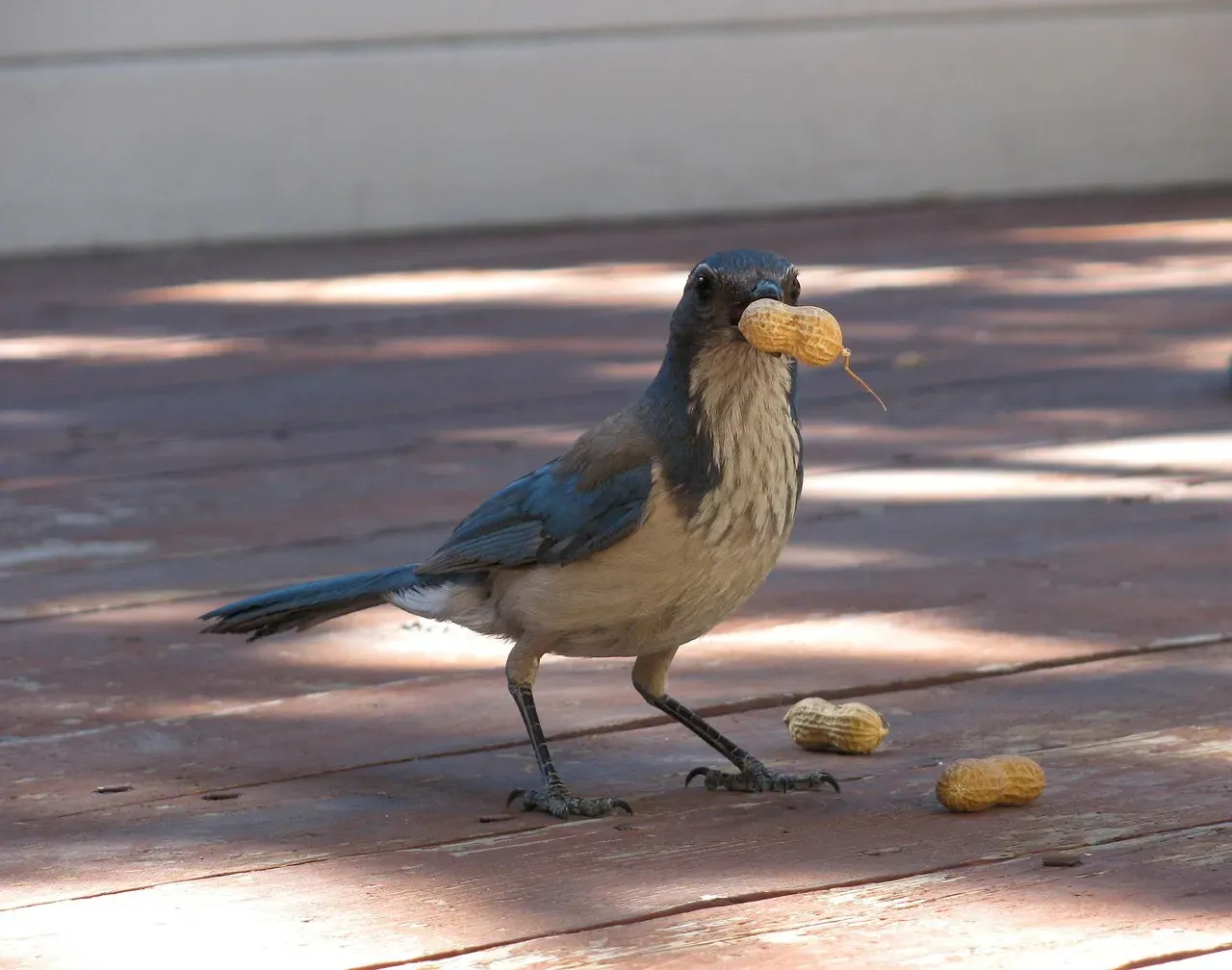
Western scrub-jays and some other corvids have completely upended the idea that animals only live in the moment. These birds hide food in different locations, remembering not just where they stored it, but what they stored and how long ago. In experiments, they’ve avoided caches of food that spoil quickly if too much time has passed, and instead chosen stashes of longer-lasting items. That suggests they’re tracking time in a way that looks a lot like mental time travel.
Even more surprisingly, some birds adjust their caching behavior depending on who’s watching. If a jay sees another bird observe where it hid its food, it may return later and secretly move the stash to a new spot. That looks a lot like anticipating theft – and even imagining what another bird might know. In human terms, it’s like hiding your snacks from a roommate and then moving them again when you notice your roommate saw your hiding place.
4. Birds Use Tools in the Wild – and Pass the Skills On
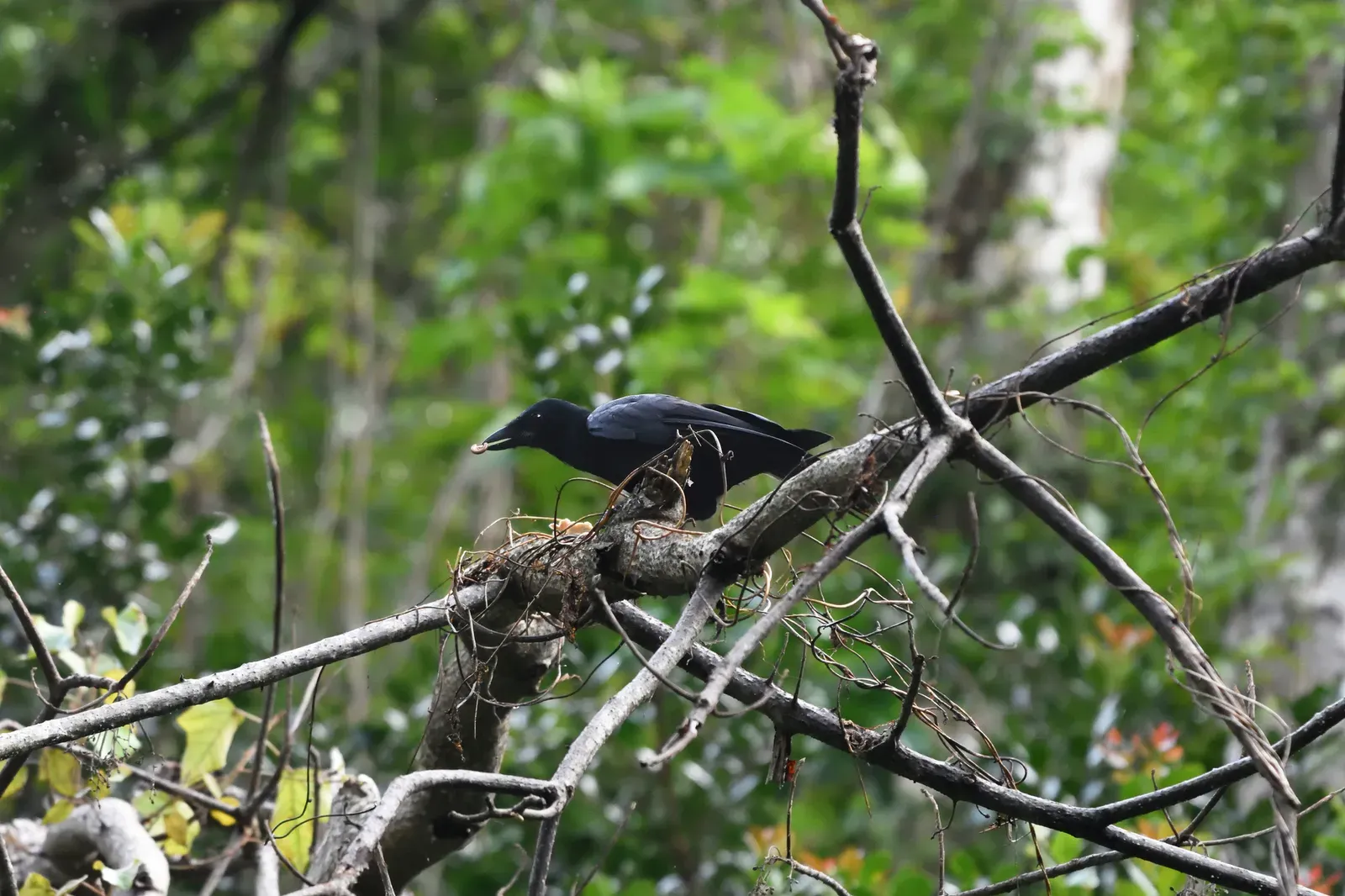
Tool use used to be seen as a hallmark of human uniqueness, then later a rare skill among some primates. Now we know several bird species use tools in wild environments, not just in labs. New Caledonian crows carefully craft hooked twigs and leaf stems to fish insects out of bark and crevices, shaping them in repeatable ways that differ from region to region. Woodpecker finches in the Galápagos use cactus spines to pry insects out of holes, swapping and adjusting them like a mechanic reaching for the right wrench.
The most striking part is that these methods seem to spread socially, almost like bird cultures. Young birds watch older, experienced individuals and copy their techniques, and local traditions of tool shapes or methods can be recognized across groups. That means we’re not just seeing clever one-off behavior; we’re seeing knowledge passed down, tweaked, and preserved. It’s not a stretch to call that a kind of technology, even if it fits in the palm of your hand.
5. Pigeons Can Recognize Faces, Art Styles, and Even Letters
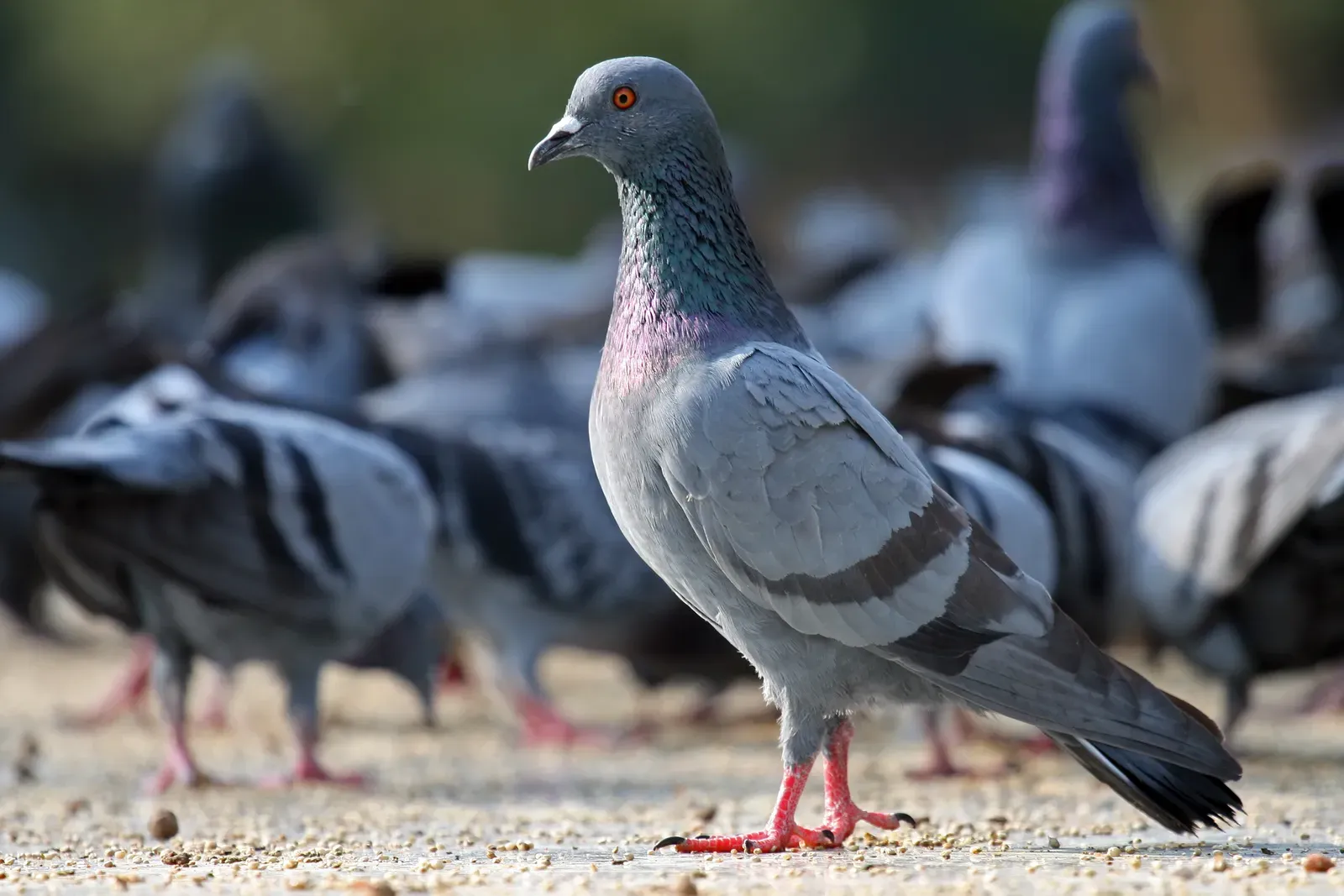
Pigeons get a bad reputation as “rats with wings,” but cognitively they’re a lot more impressive than the stereotype suggests. In experiments, pigeons have learned to distinguish between different human faces, even when lighting or angles change, and can remember them over time. They can also tell apart photographs of landscapes versus people, or trees versus bodies of water, picking out subtle patterns in images that many people never notice consciously.
They’ve gone even further in some visual tasks. Pigeons have been trained to discriminate between paintings by different artists, such as impressionist versus cubist works, generalizing those styles to new images they’ve never seen. Some have also learned to identify letters of the alphabet or spot specific letter-like shapes among distractors. When you see a pigeon calmly navigating a crowded city street, it’s juggling a stream of complex visual information in a way that would fry the circuits of a basic computer vision system from just a few decades ago.
6. Songbirds Learn Language-Like Patterns and Dialects
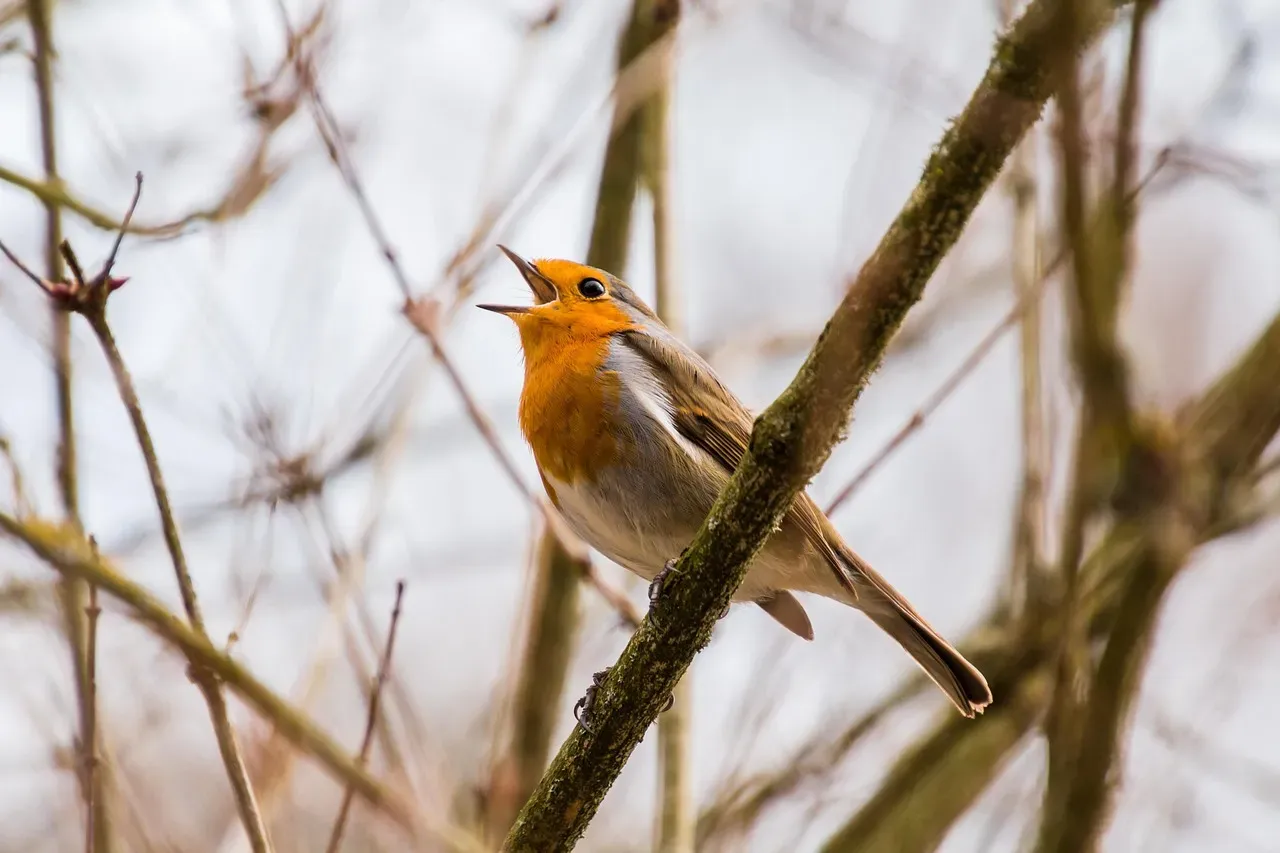
Songbirds don’t hatch knowing their species’ songs; many have to learn them the way human children learn language, by listening to adults during a sensitive period and practicing through clumsy early attempts. This learning depends on memory, feedback, and fine motor control of vocal muscles, and the process is guided by dedicated brain regions that are surprisingly similar, in layout and function, to parts of the human brain used for speech. In some species, juveniles that grow up without hearing adults sing end up with “accented” or incomplete songs.
On top of that, many songbirds develop local dialects, regional variations that spread through populations over time. These dialects can influence who mates with whom, creating social boundaries based on sound alone. Some birds even learn to alter their songs in noisy cities, shifting pitch or timing to be heard over traffic and machinery. If you think of birdsong as random noise, you’re missing the nuance; it’s more like listening to different musical genres and accents shifting as neighborhoods change.
7. Birds Show Empathy-Like Behaviors and Complex Social Skills
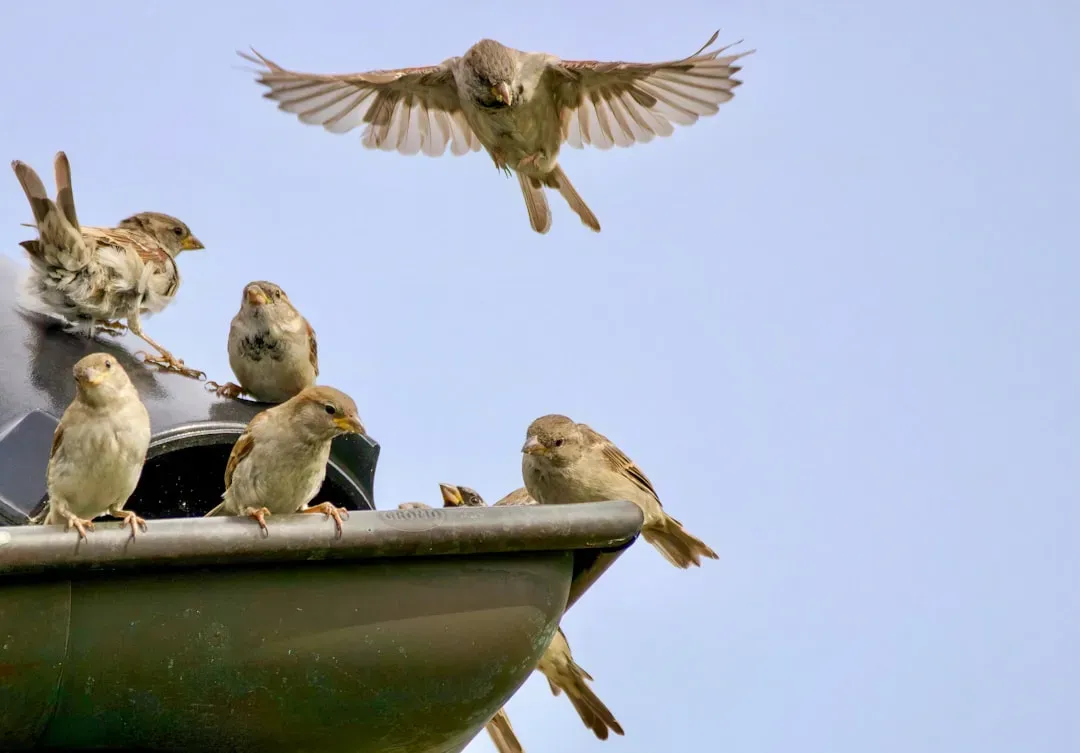
Intelligence isn’t just puzzles and tools; it also shows up in how animals navigate their social worlds. Many birds, especially corvids and parrots, live in complex social groups where cooperation, competition, and alliances matter. Ravens have been observed consoling distressed group members with gentle contact and proximity, in ways that echo comforting behavior in some mammals. In paired birds, one partner’s stress can affect the other’s behavior, suggesting they’re attuned to each other’s emotional states.
On the flip side, these same birds can engage in surprisingly sophisticated social maneuvering. Some corvids track who has helped them in the past and are more likely to cooperate with former allies. Others play deception games, pretending to cache food in false spots when they know they’re being watched, almost like bluffing in poker. It’s easy to dismiss this as instinct, but when you watch a raven test boundaries in a group, it feels uncannily similar to teenagers pushing social limits at school.
8. Bird Brains Are Small but Densely Packed Powerhouses
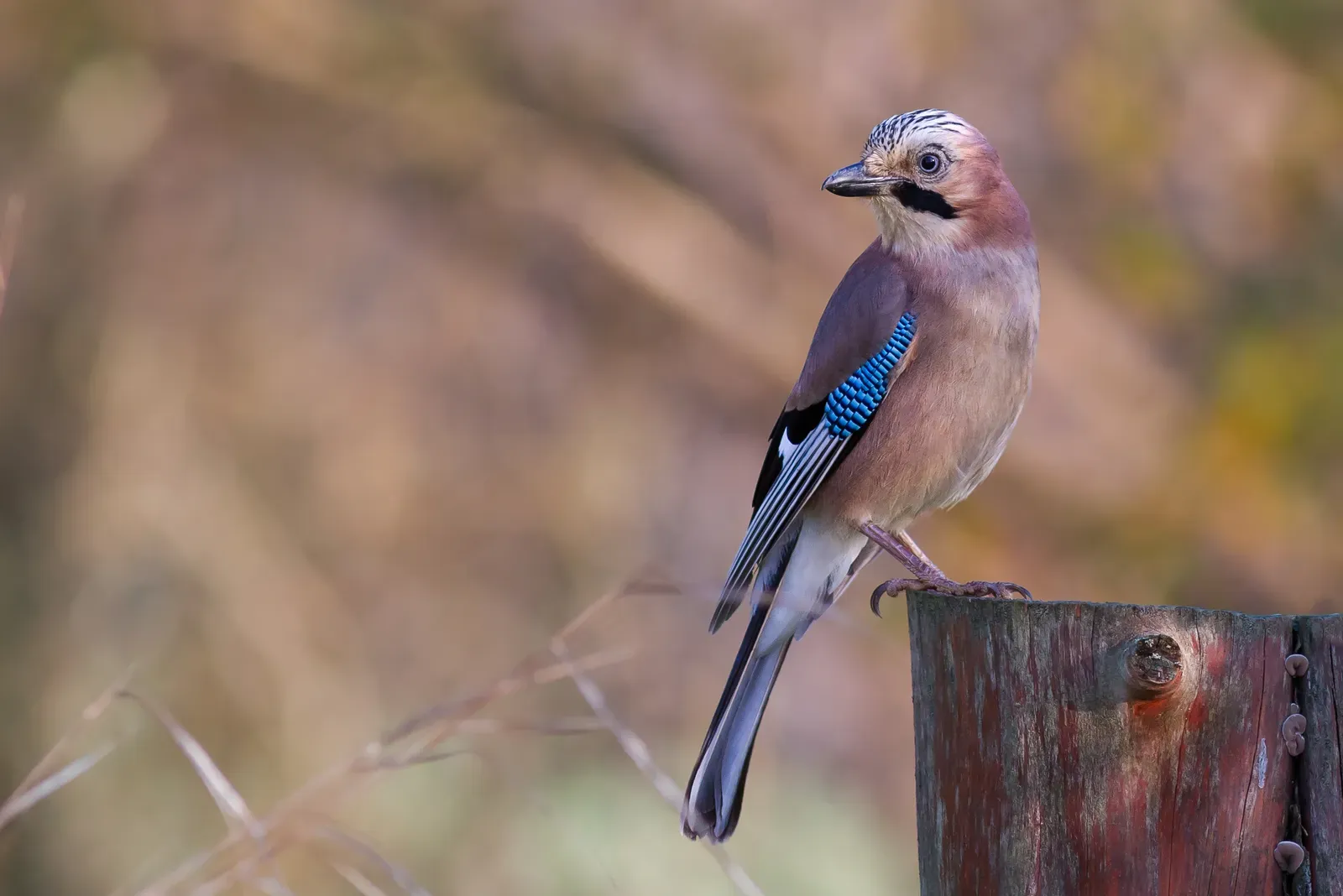
Maybe the most counterintuitive discovery is that bird intelligence flourishes despite their tiny brains. Compared to mammals, many bird species pack a far higher number of neurons into a given volume of brain tissue, especially in regions associated with higher cognition. Parrots and corvids, in particular, have neuron densities that rival or exceed some primates, cramming an enormous amount of processing power into a light, flight-friendly package.
What really flips the script is that the overall layout of bird brains, once dismissed as “primitive,” turns out to be just differently organized, not less advanced. Circuits that handle planning, problem-solving, and social understanding are present; they’re simply wired in a more compact, efficient way. If a mammal brain is like a big, sprawling desktop tower, a bird brain is more like a top-tier laptop: smaller, cooler, but surprisingly capable of running very complex programs.
Rethinking What It Means to Be “Bird-Brained”
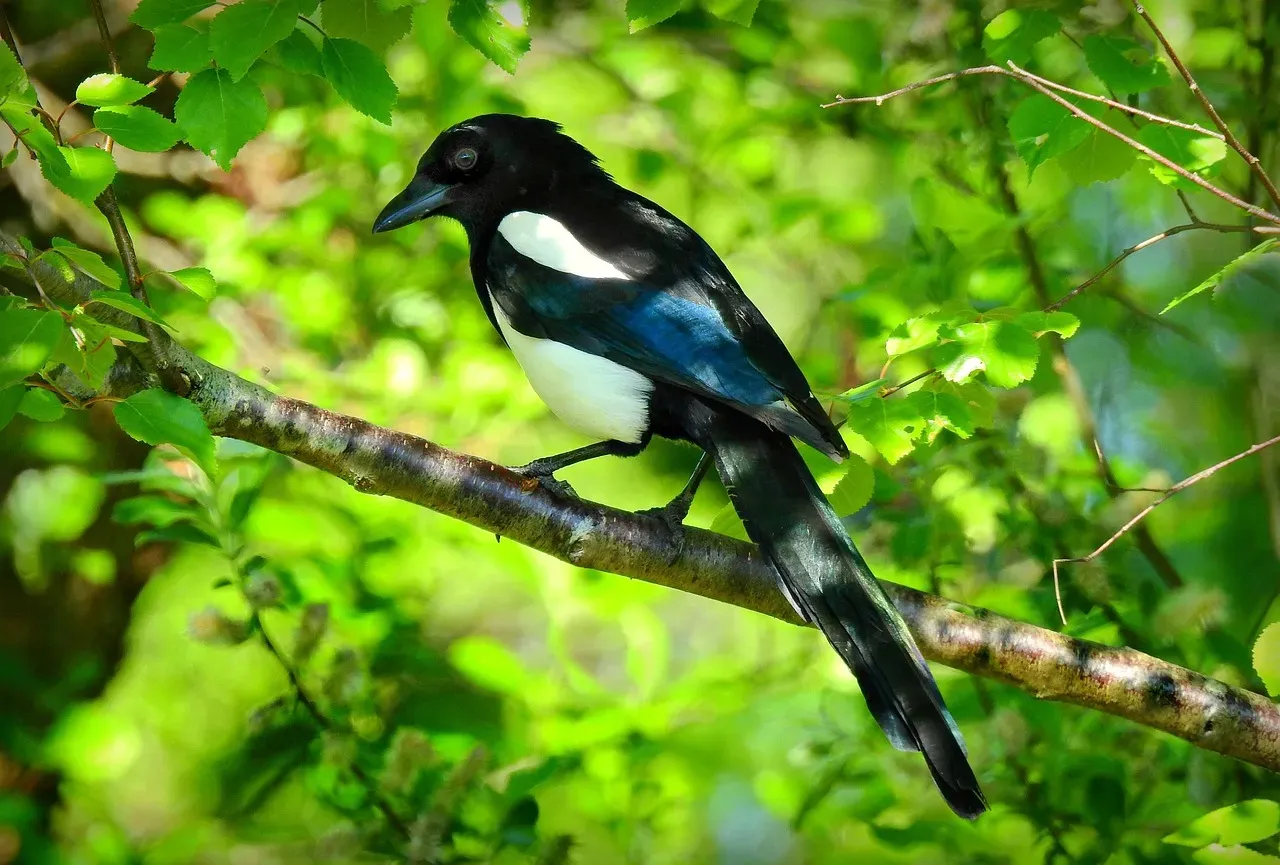
All of these discoveries add up to a simple but unsettling realization: we’ve been underestimating birds for a very long time. From planning for the future and crafting tools, to parsing visual art and learning intricate vocal patterns, their abilities cut right through the idea that big brains and hands are the only route to advanced intelligence. Watching a crow solve a problem or a parrot negotiate for what it wants feels less like observing a mindless animal and more like meeting a very different kind of mind.
Maybe the real lesson here is that intelligence has evolved many times, in many shapes, and we’ve barely scratched the surface of what animals are capable of. The next time you see a bird on a wire or a pigeon under a park bench, it might be worth wondering what it’s noticing that you’re not, and what silent calculations are happening behind those bright, watchful eyes. Who would have guessed that some of the sharpest minds around us are hidden in feathers instead of fur?