Imagine waking up, stepping outside, and instantly knowing the exact direction of home, no matter where you are on Earth. No map, no GPS, no phone – just a quiet sense of north, south, and everything in between. For many animals, that’s not science fiction; that’s daily life, thanks to an invisible guide: Earth’s magnetic field.
Magnetism is one of those forces we barely notice, yet it silently shapes migrations, survival strategies, and even evolution. Scientists are still piecing together exactly how animals detect it, and every few years, a new discovery turns old theories upside down. Let’s dive into seven incredible, almost unbelievable – and why this matters more than most of us realize.
Sea Turtles: Tiny Hatchlings With a Built-In Global Map

The idea that a baby sea turtle, barely the size of your hand, can crawl out of the sand and immediately head toward the right direction in the vast ocean is almost shocking. Yet, sea turtles do exactly that, and magnetism is a big part of their secret. Research has shown that hatchlings respond to changes in the magnetic field, adjusting their swimming direction as if they’re reading an invisible map spread across the ocean.
Different parts of the Earth’s surface have unique magnetic “signatures” – slight differences in field strength and angle – and turtles seem to memorize these patterns. When young loggerhead turtles swim out into the Atlantic, they use these magnetic cues to stay within favorable currents instead of drifting into cold, deadly waters. Decades later, females often return to nest on beaches near where they were born, guided in part by this stored magnetic memory, like a bookmarked page in the giant book of the ocean.
Birds: Long-Distance Flyers With an Internal Compass in Their Eyes

Many migratory birds travel thousands of kilometers, flying at night through clouds, over oceans, and across entire continents. They don’t have road signs, and stars are not always visible, yet they still end up in the right forest, the right wetland, sometimes even the exact same tree as in previous years. A big piece of this puzzle lies in a surprising place: their eyes. Evidence suggests that some birds can literally “see” Earth’s magnetic field as a faint visual pattern overlaying the world around them.
This seems to be connected to special light-sensitive molecules in their retinas that react to magnetic fields. When blue or green light hits these molecules, they help the bird sense direction based on how the magnetic field alters certain chemical reactions inside the eye. It’s as if the sky itself becomes a subtle compass display. Birds still use stars, the Sun, landmarks, and smells, but magnetism provides a quiet, constant background reference that keeps them oriented when everything else gets confusing.
Salmon: From Ocean Wanderers to River Homers Guided by Magnetism
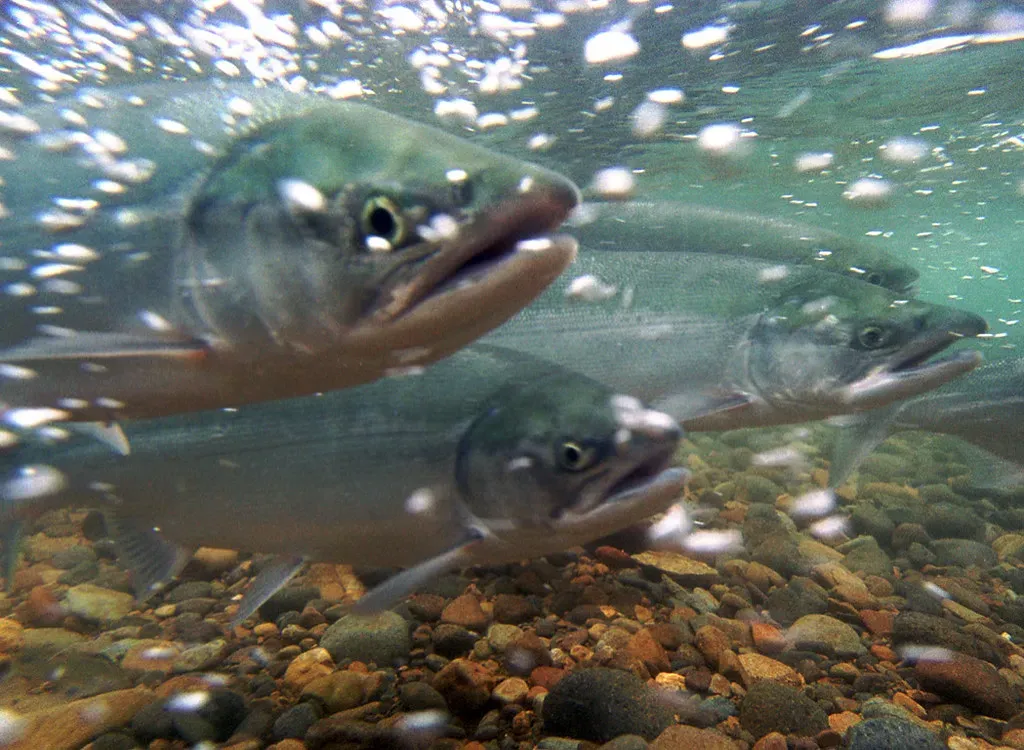
Salmon are legendary for their ability to return from the open ocean to the very river, and sometimes the very stream, where they were born. Many people have heard that they follow smells in the water, and that’s true for the final stretch of their journey. But smell alone can’t explain how they find the right coastline or the right river mouth from hundreds or thousands of kilometers away. Magnetic navigation fills in a crucial missing piece.
Studies show that young salmon can imprint on the magnetic signature of their home region before they leave for the ocean. As they mature and roam the seas, they use Earth’s magnetic field like a regional GPS to navigate back toward that signature zone. Once they’re near the correct area, then they switch to following chemical cues in the water. Think of it like using a map app to get to the right city and then relying on your memory and street signs to find your childhood home.
Homing Pigeons: Classic Navigators With More Than Just Landmarks
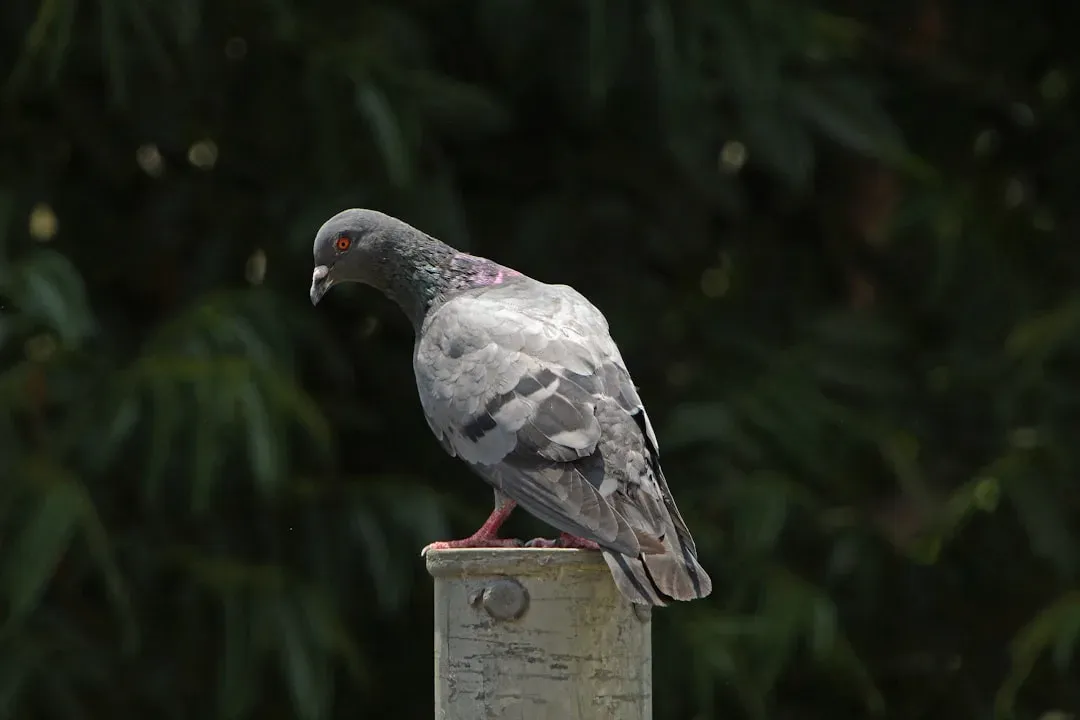
Homing pigeons have been famous for centuries, used to carry messages long before email or satellites existed. A common belief is that they simply use landmarks, and yes, they do learn the landscape. But even when released in totally unfamiliar places or when visibility is poor, many still manage to head roughly in the right direction toward home. Magnetic sensing appears to be one of the hidden tools in their navigation toolkit.
Researchers have found that pigeons can be disturbed or misled by magnetic interference, which suggests they rely on the magnetic field as a kind of backup compass. They likely combine this magnetic information with the Sun’s position, smells carried on the wind, and visual memories of roads and rivers. Instead of one perfect inner GPS, pigeons seem to juggle multiple imperfect signals, with magnetism acting like the quiet, reliable friend they turn to when everything else gets messy.
Spiny Lobsters: Marching in Lines Along a Magnetic Highway
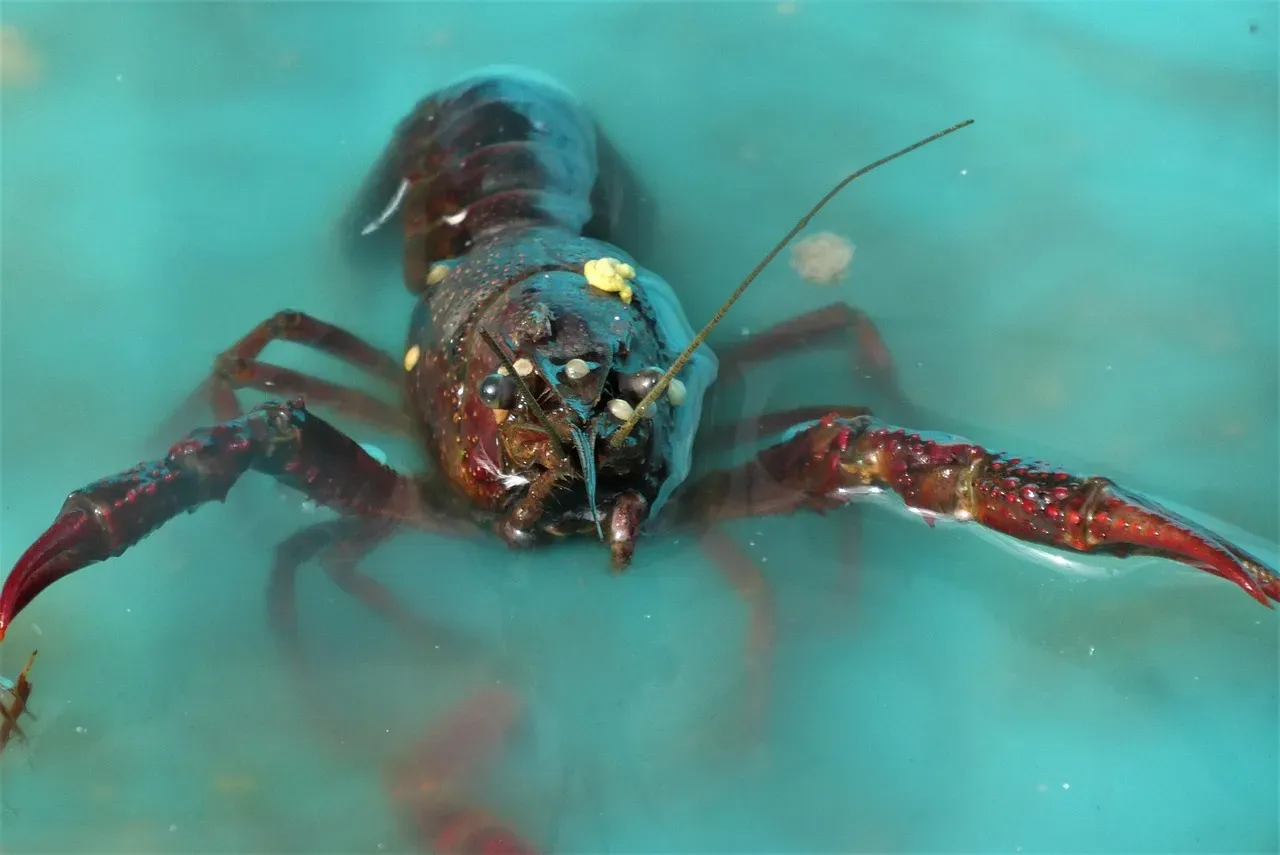
It might not be the first creature you’d expect to have a sense of magnetism, but spiny lobsters have proven to be surprisingly skilled navigators. When they’re displaced from their usual territory, they can often find their way back, even in dark or murky water. Experiments where lobsters are placed in artificial magnetic fields show that they react by adjusting their orientation, suggesting they carry some form of internal magnetic compass.
In the wild, certain species are known to move in single-file lines across the seafloor during seasonal migrations, almost like underwater hikers following an invisible trail. The magnetic field likely helps them maintain a consistent direction over long distances, especially when visual cues on the sandy bottom are limited. Their navigation looks simple from the outside, but underneath it all, they’re constantly reading signals we can’t see or feel.
Cows and Deer: Quiet Grazers Lined Up With the Invisible Field

One of the more surprising findings about magnetism in animals came not from dramatic migrations, but from something as ordinary as grazing. When scientists analyzed satellite and aerial images of cows and wild deer, they noticed a strange pattern: many of these animals tended to align their bodies roughly along a north–south axis while feeding or resting. They weren’t perfectly precise, but the pattern appeared often enough to stand out from random chance.
There’s still debate over exactly why they do this and how strongly they feel the magnetic field, but the trend suggests that even large mammals may have some low-level magnetic sensitivity. It might help them stay oriented in open landscapes where landmarks are sparse, or simply provide a comfortable, stable reference for their internal sense of direction. It’s a gentle reminder that magnetism doesn’t just guide epic migrations; it may quietly influence everyday behavior in ways we’ve barely started to notice.
Dogs: Subtle Magnetic Alignment in Everyday Bathroom Breaks

Dogs might be the last animals you’d think of when it comes to magnetic navigation, yet they’ve added a strange and oddly funny twist to this field of research. Observations over many recordings of dogs relieving themselves suggested that, under calm magnetic conditions, dogs often align their bodies roughly along a north–south axis when choosing where to go. When the magnetic field fluctuates, this pattern becomes weaker, hinting that they’re reacting to something beyond simple habit.
This doesn’t mean your dog is secretly a professional navigator, but it does raise the possibility that they carry a basic sense of magnetic direction in their nervous system. Some theories suggest that this could help dogs build mental maps as they explore, combining smells, landmarks, and a quiet awareness of direction into a stable picture of their territory. It’s a small, almost comical example that still fits into a much bigger story: magnetism weaving its way into animal behavior in surprising, everyday ways.
A Hidden Sense Shaping Life on Earth

Magnetism is one of those forces that feels abstract until you realize entire journeys, lifetimes, and even species survival depend on it. From fragile hatchling turtles and globe-trotting birds to lumbering cows and your own dog circling in the yard, this invisible field quietly shapes how animals move through the world. It’s like a planet-wide signpost system that most of us never even think about.
Scientists are still untangling exactly how different creatures detect the magnetic field – through crystals of magnetic minerals, chemistry in the eyes, or subtle signals in the nervous system. As we learn more, magnetism stops being a dry physics topic and turns into a living story about connection between life and planet. Knowing that so many animals can literally feel the Earth itself makes you wonder: what other hidden senses are still out there, waiting to be noticed?