
Every time we think we’ve figured out how life works, some bizarre animal quietly breaks the rules. Evolution is not a neat, polite process; it’s a wild, long experiment filled with strange bodies, impossible abilities, and survival strategies that sound like science fiction. The more closely scientists look, the more they find creatures that make even seasoned biologists stop and say: wait, it can do what?
What follows isn’t just a list of “cool animals.” It’s a tour through seven evolutionary solutions so extreme they stretch our idea of what a body can be. Some of these animals rewrite basic ideas about aging, vision, or even death. Others weaponize their own skin, blood, or chemistry like living laboratories. By the end, you might feel a little less sure about where the limits of life really are.
The Immortal Jellyfish That Rewinds Its Own Life
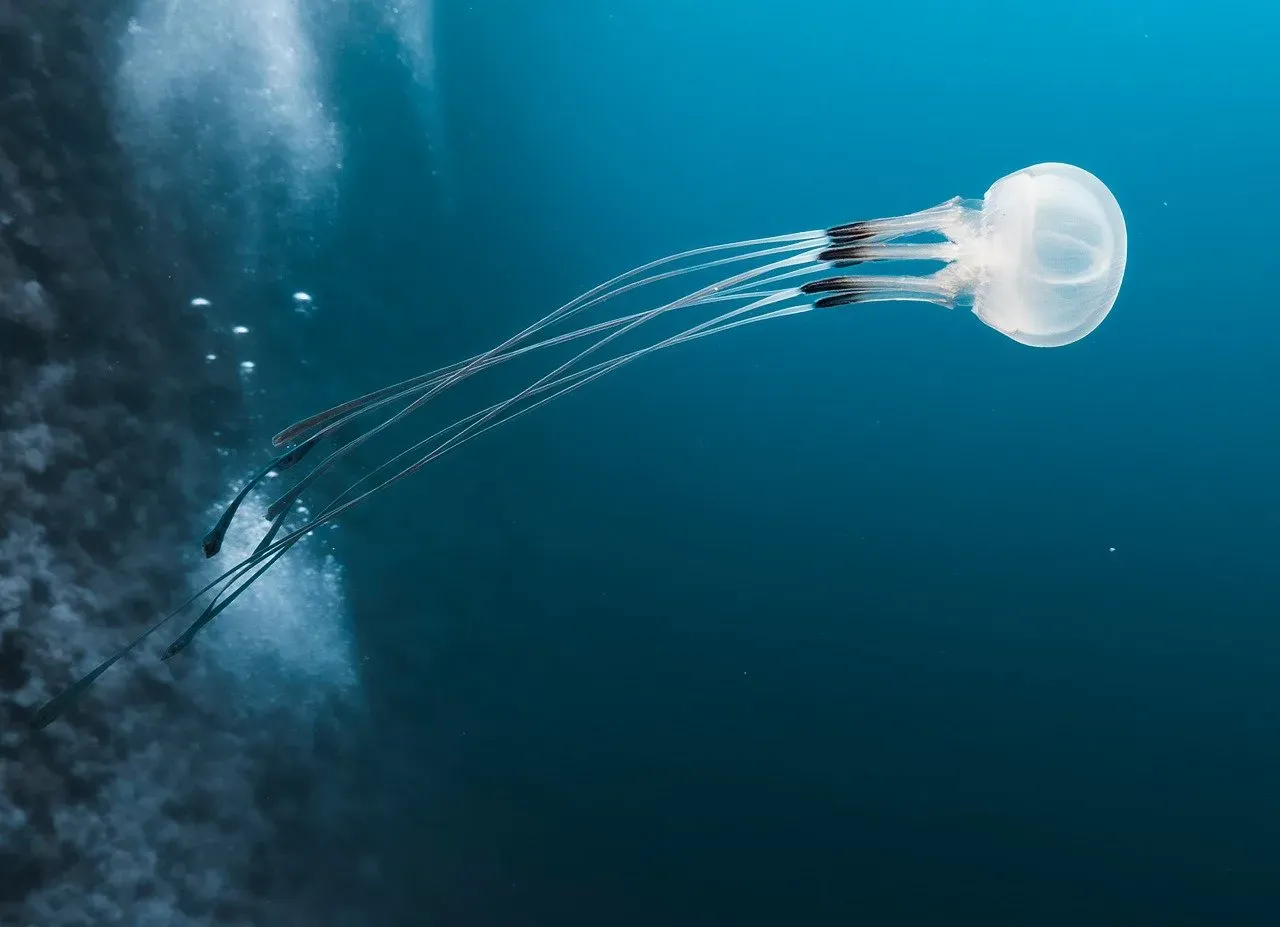
Imagine reaching old age, getting badly injured, and then simply deciding to grow young again. The tiny creature known as the immortal jellyfish, Turritopsis dohrnii, has evolved something shockingly close to this. When stressed by starvation, injury, or environmental changes, it can reverse its life cycle, turning its adult body back into a juvenile polyp stage and starting over. That’s not just healing; that’s biological time travel.
Instead of marching relentlessly toward death like most animals, this jellyfish shuffles its biological deck and resets. It does this by transforming its cells, pushing them back into a more flexible, stem-cell-like state, then reshaping them into a younger body. Scientists are still trying to understand the exact switches behind this trick, because it challenges how we think about aging as a one-way street. The jellyfish still dies from predators or disease, but its built-in restart button might hold clues for future research into regeneration and longevity.
Mantis Shrimp: The Punch That Breaks Physics (Almost)
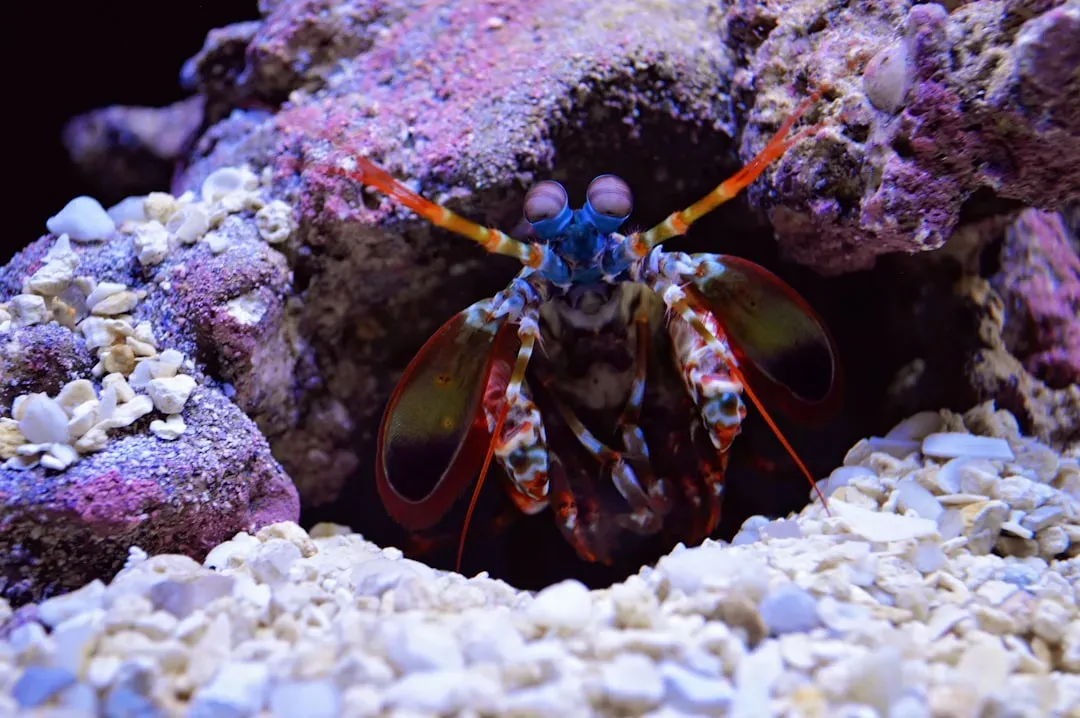
Mantis shrimp look like colorful, oversized underwater bugs, but they hit with a force that feels completely out of proportion to their size. Some species use club-like limbs that accelerate faster than a bullet leaving a handgun. When they punch, they create tiny cavitation bubbles in the water that collapse with a shockwave strong enough to stun or kill prey even if the physical strike misses. It’s like getting hit twice: once by the fist, once by the ripples of energy it leaves behind.
Their eyes are just as outrageous as their punches. Mantis shrimp can see different kinds of light that humans cannot, including ultraviolet, and they have far more types of color receptors than we do. That means they live in a visual world richer than anything we can imagine, almost like looking through a permanently upgraded filter. Evolution has turned this animal into a brutally effective hunter, combining insane speed, armor-cracking power, and a sensory system that makes our vision look outdated.
Tardigrades: Tiny Tanks That Laugh at Space
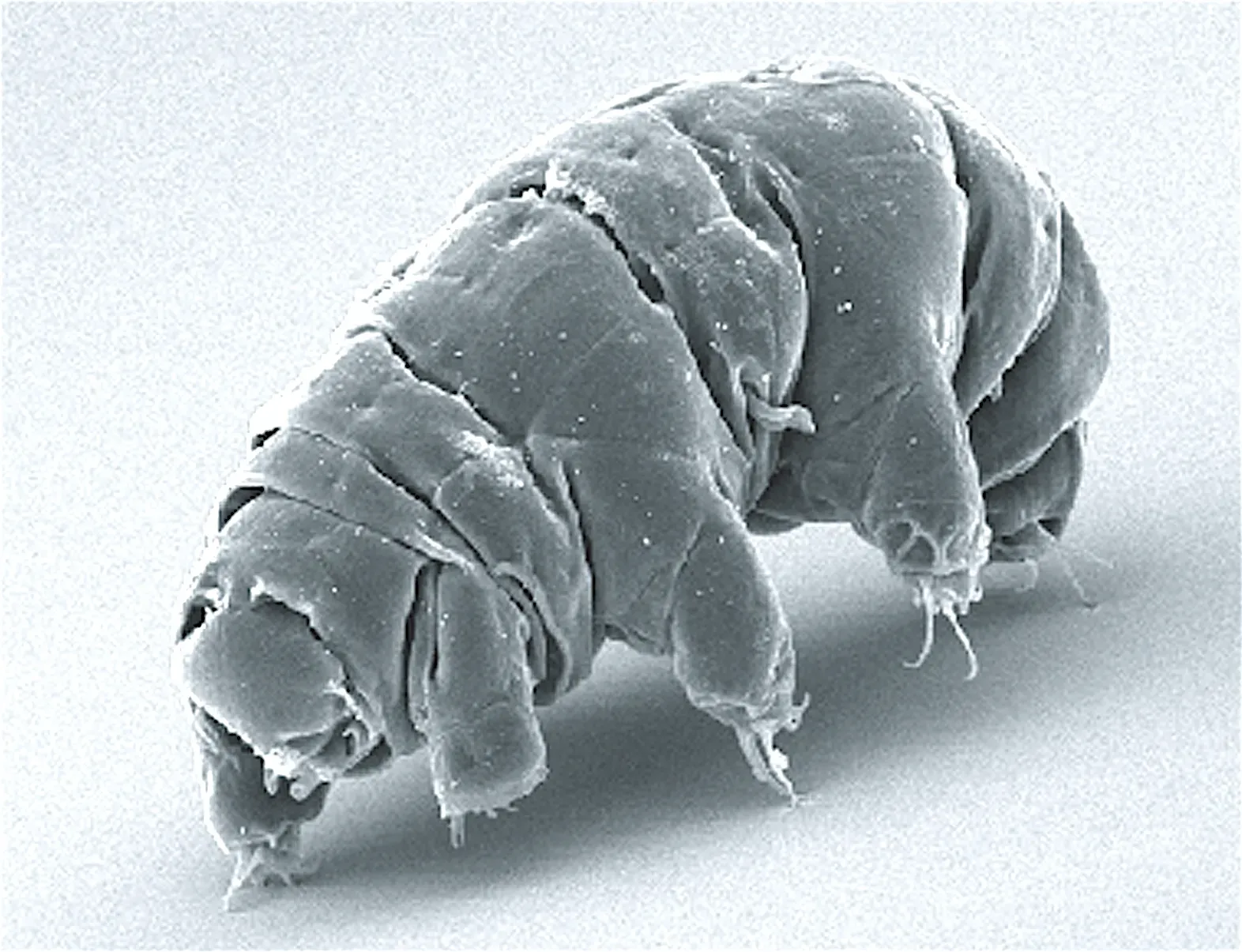
Tardigrades, often called water bears, are microscopic creatures with pudgy bodies and stubby legs that look almost cute under a microscope. But behind that soft, cartoonish appearance lies one of the toughest life-forms ever discovered. They’ve survived being boiled, frozen, dried out for years, blasted with radiation, and even exposed directly to outer space. Where almost every other animal cell would fall apart, tardigrades basically shrug and carry on.
Their survival trick hinges on going into a state called cryptobiosis, where they dry out and fold in on themselves like tiny biological sleeping bags. In this form, they almost completely shut down their metabolism, protecting their DNA and proteins with special molecules and glass-like structures. When conditions improve, they rehydrate and wake back up, sometimes after years of apparent lifelessness. They’re living proof that the boundary between “dead” and “alive” is not always as clear as we like to think.
Axolotls: Salamanders That Regrow Body Parts Like It’s Nothing
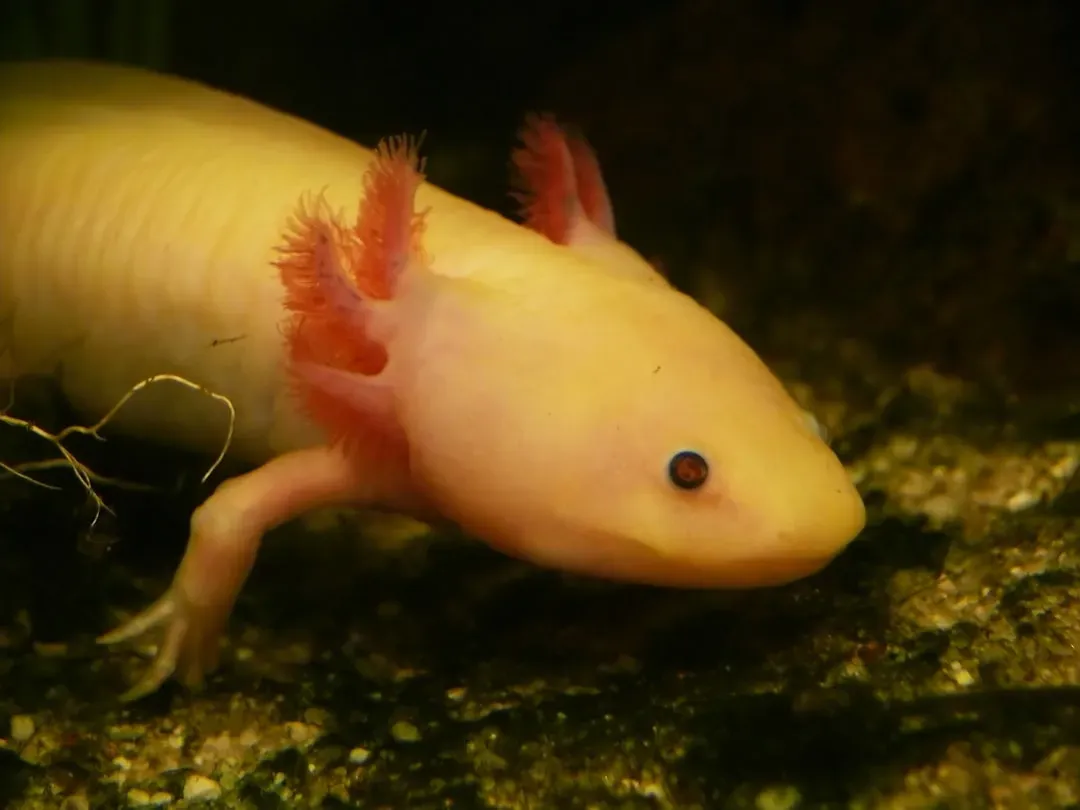
Most animals treat lost body parts as permanent tragedies. Axolotls, on the other hand, treat them like minor inconveniences. These salamanders can regenerate legs, tails, parts of their spinal cord, parts of their heart, and even sections of their brain without scarring. In the lab, researchers have watched them regrow fully functional limbs that work as if nothing ever happened. It feels less like repair and more like hitting an undo button.
The crazy part is not just that they regrow things, but how cleanly they do it. Instead of forming scar tissue, axolotls reorganize cells at the injury site into a mass that behaves a bit like embryonic tissue. From there, they rebuild the lost structure with nerves, blood vessels, and bones all in the right places. Scientists are intensely studying this process, hoping to understand why mammals like us lost most of this ability. If evolution gave axolotls this superpower, it raises a big, uncomfortable question: what exactly did we trade away in return?
Pistol Shrimp: Sonic Weapons in a Claw
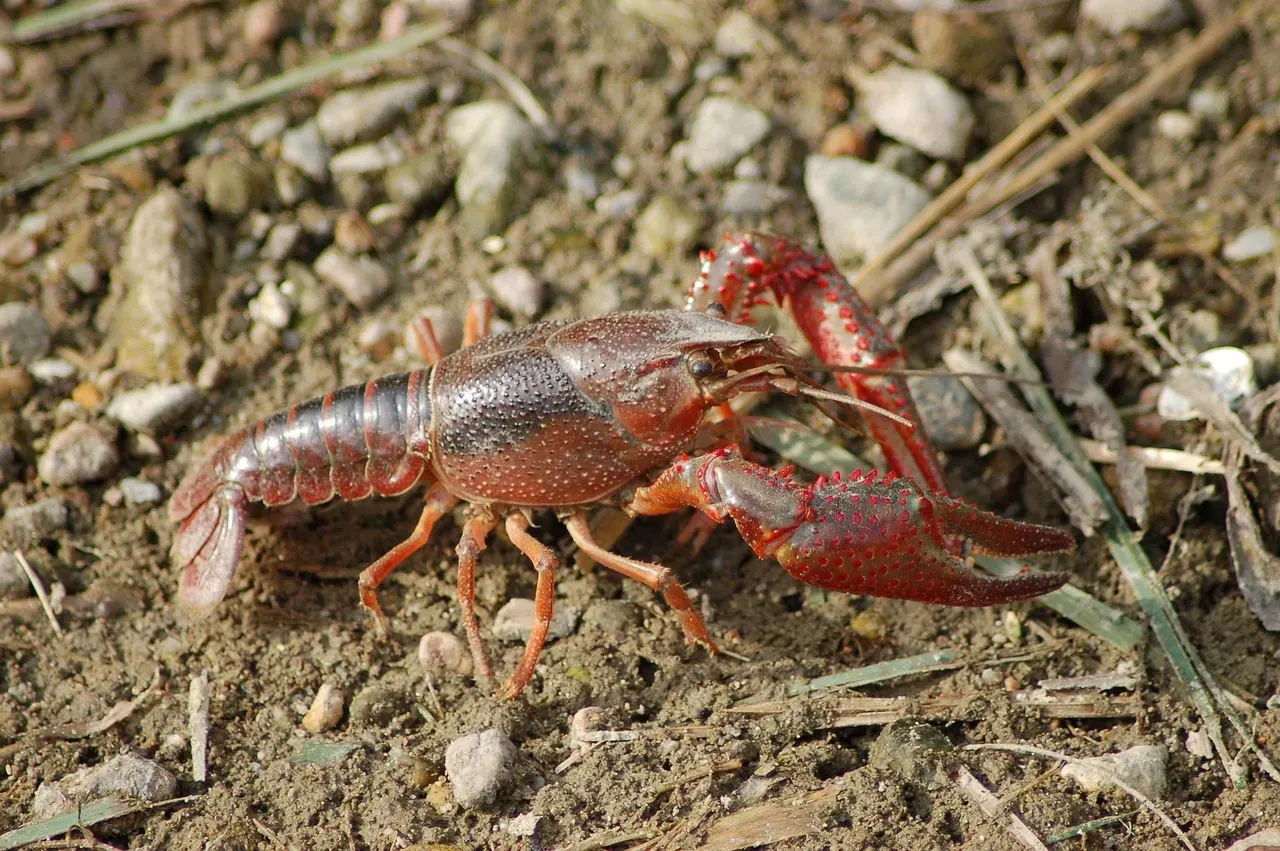
The pistol shrimp is small, but its claw is a biological gun. When it snaps this oversized claw shut, it propels a jet of water so fast that it creates a collapsing bubble, generating a powerful sound and shockwave. The temperature inside that collapsing bubble briefly spikes to extremely high levels, and the resulting blast can knock out or kill nearby prey. From a few centimeters away, it’s like being hit by an underwater flashbang.
This weapon is built from nothing more than rearranged crustacean anatomy: muscle, exoskeleton, and clever mechanics. The shrimp uses this sonic punch to hunt, defend territory, and even shape its environment, sometimes sharing burrows with other species that benefit from its protection. It’s a reminder that evolution doesn’t always need fangs or poison to create lethal tools. Sometimes it just takes a hinge, some pressure, and a brilliant use of physics hidden in a shrimp-sized package.
Leafy Seadragons: Masters of Disguise That Turn into Seaweed
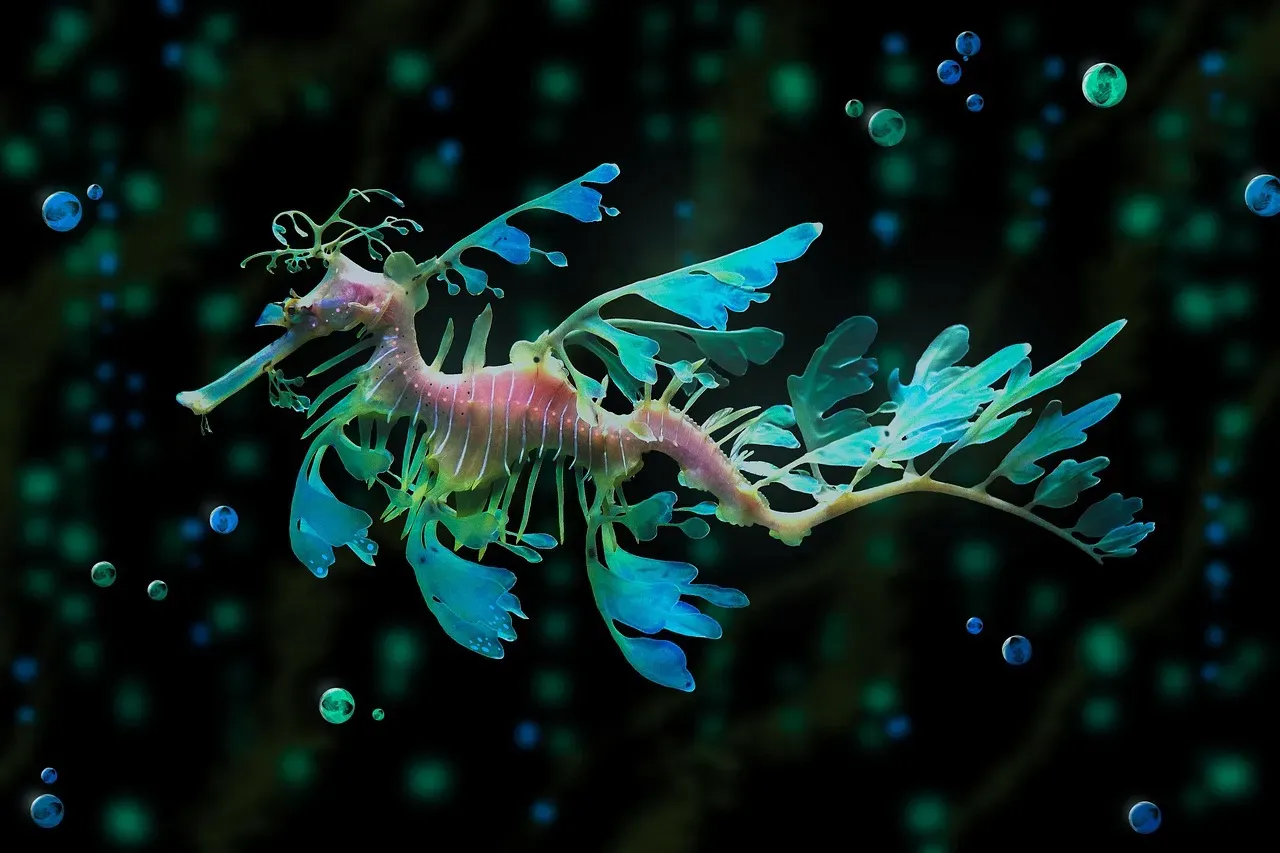
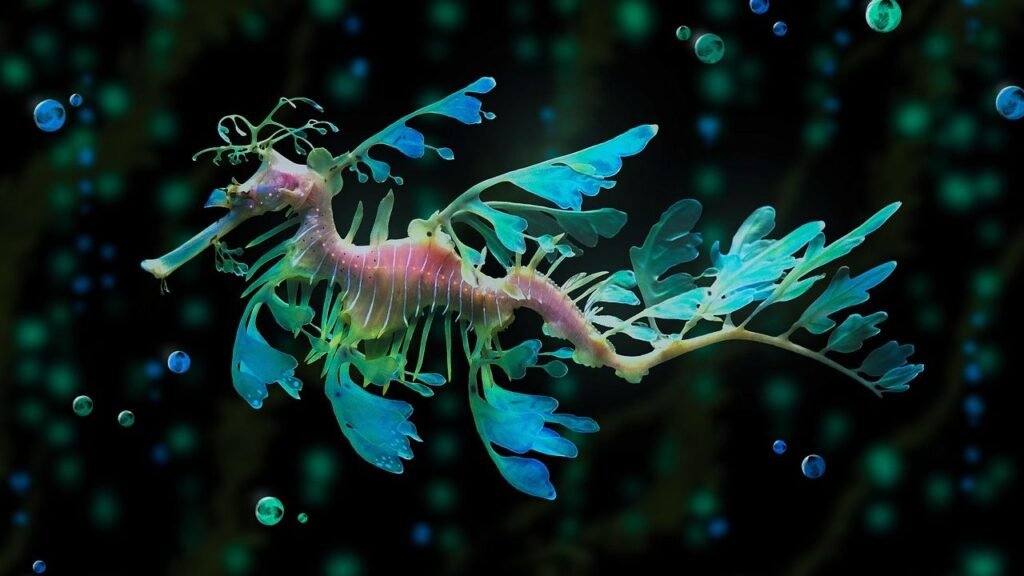
In the cool coastal waters of southern Australia, leafy seadragons drift like living scraps of seaweed. Their bodies are covered in elaborate, leaf-like appendages that make them nearly indistinguishable from drifting marine plants. Predators looking for a straightforward fish shape just see floating vegetation. This kind of camouflage isn’t a simple color change; it’s full-body theater, down to the delicate frills that sway with the currents.
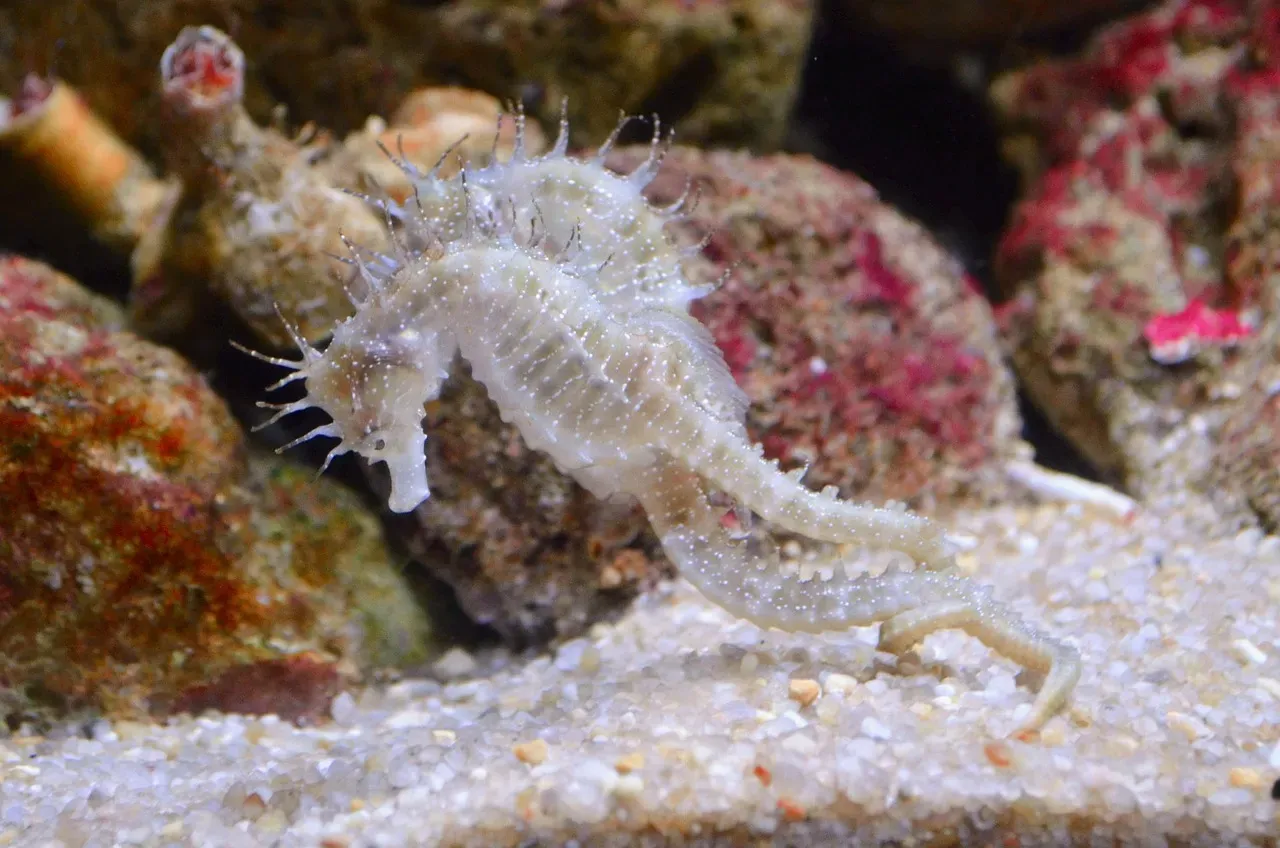
They’re related to seahorses, but where seahorses coil around things and stay fairly upright, leafy seadragons lean into the illusion of being debris. They move slowly, letting the water do much of the work to maintain the effect. Instead of hiding in caves or darting away from threats, their whole survival strategy is: don’t get noticed in the first place. Evolution has sculpted them into something that blurs the line between animal and scenery, like a magic trick you can swim past and never actually see.
Platypus: A Mammal That Breaks All the Rules
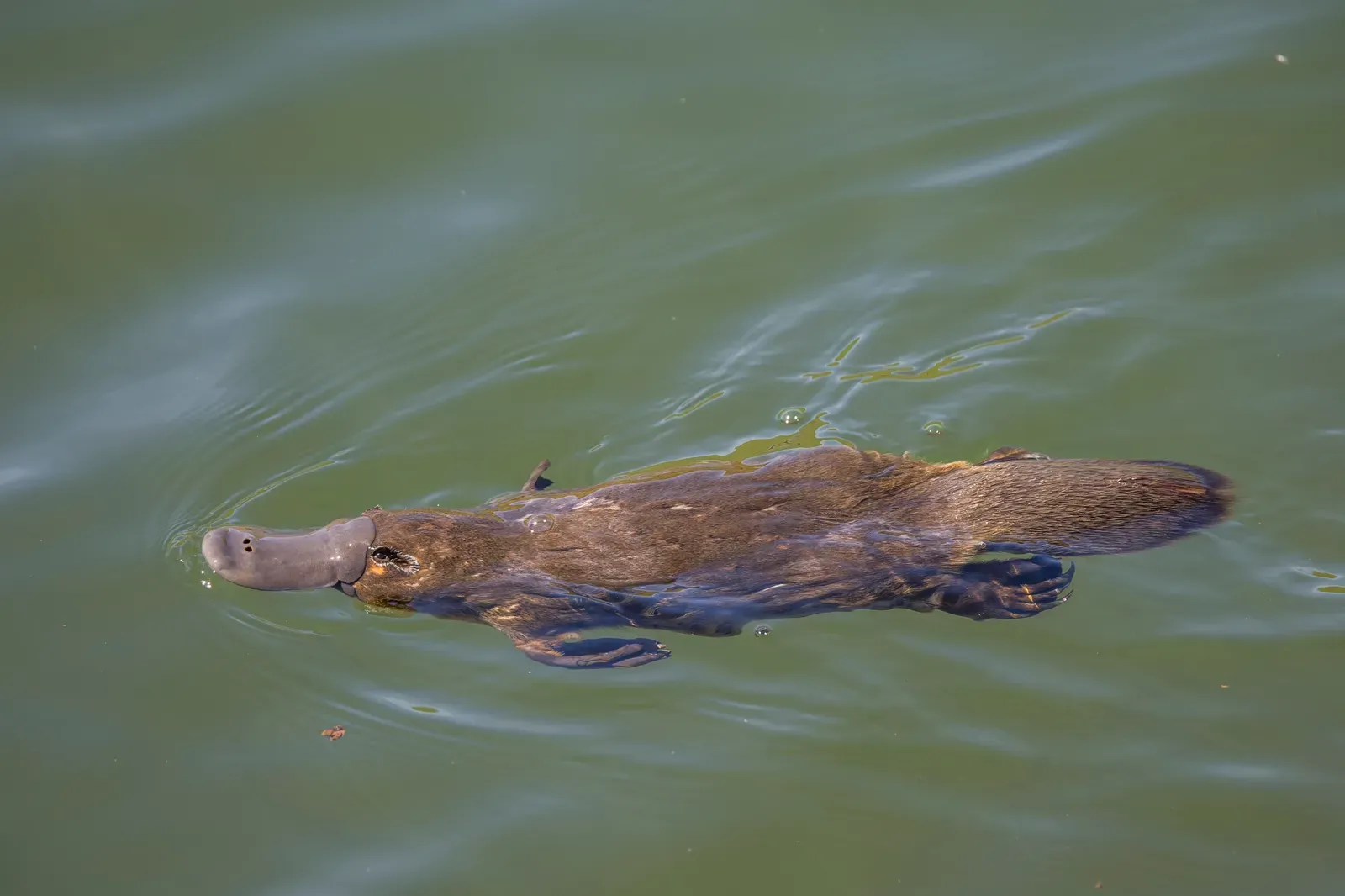
The platypus looks like it was assembled by a committee that couldn’t agree on anything: duck-like bill, beaver tail, otter feet, plus fur and the ability to lay eggs. For a long time, early researchers struggled to even classify it, because it smashed nearly every neat category humans liked to put mammals into. But this mash-up isn’t a mistake; it’s a highly functional animal that has carved out a successful life in Australian rivers and streams. Its bill is packed with electroreceptors that can detect the tiny electric fields produced by the muscles of underwater prey.
As if that weren’t enough, male platypuses also have venomous spurs on their hind legs, delivering a painful toxin that can incapacitate rivals or would-be attackers. That means this fluffy, egg-laying mammal is also armed. It is a reminder that our tidy textbook idea of what a mammal “should” be is just a narrow slice of what evolution can do. The platypus stands as a walking, swimming argument against underestimating nature’s willingness to mix and match traits in ways that make no sense until you see them in action.
Evolution Is Stranger Than Our Imagination
From jellyfish that seem to bend the rules of aging to microscopic creatures that shrug off space itself, these animals show that evolution is not limited by our sense of what is reasonable. Each of these marvels is a solution to a simple question: how do you stay alive long enough to pass on your genes in a particular environment? The answers just happen to look like superpowers when we step back and compare them to our own fragile, predictable bodies.
What’s even more staggering is that many of these creatures were either misunderstood or completely unknown to most people until fairly recently, and new examples keep turning up as researchers explore deeper oceans, hidden caves, and tiny ecosystems. Somewhere right now, there is probably another animal quietly evolving a trick that will make this list look tame in a decade. When you think about it that way, it’s hard not to wonder: which of these marvels surprised you the most?