ISS Faces First-Ever Medical Evacuation (Image Credits: Pixabay)
Cape Canaveral Space Force Station, Florida – Four astronauts from NASA, ESA, and Roscosmos stand ready to launch aboard a SpaceX Crew Dragon spacecraft next week, filling critical gaps at the International Space Station after an emergency crew return earlier this year.[1][2]
ISS Faces First-Ever Medical Evacuation
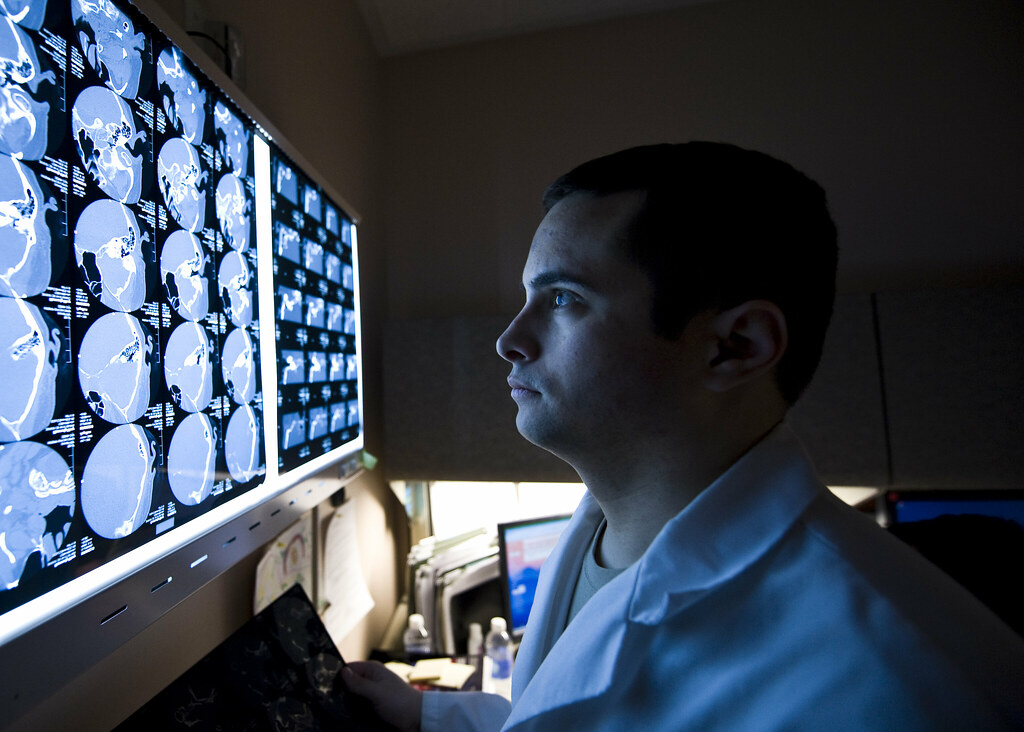
The International Space Station encountered an unprecedented challenge in January when NASA ordered the early return of its Crew-11 astronauts. That team splashed down off California on January 15, cutting short a mission originally planned to extend into late February.[2] Officials cited a medical issue affecting one crew member, marking the first controlled medical evacuation from the orbiting laboratory in its history. NASA withheld details to protect privacy, but the departure left the station with just three residents: one American and two Russians.
This understaffing disrupted ongoing experiments and maintenance. The agency accelerated the next rotation to minimize downtime. Crew-12 now carries the urgent task of returning the outpost to full operational capacity with seven inhabitants.[3]
Spotlight on the Crew-12 Pioneers
Jessica Meir takes command for her second spaceflight, bringing experience from a previous ISS stay. NASA pilot Jack Hathaway embarks on his first orbital journey. European Space Agency astronaut Sophie Adenot, from France, and Roscosmos specialist Andrey Fedyaev, both on later flights, round out the multinational team.[1]
Recent crew adjustments added complexity; Fedyaev replaced another cosmonaut amid protocol concerns. The group entered quarantine ahead of launch, participating in media briefings scheduled for February 8 and 9. Their diverse expertise supports a long-duration stay projected at around nine months.[3]
- Jessica Meir: NASA commander, USA (2nd flight)
- Jack Hathaway: NASA pilot, USA (1st flight)
- Sophie Adenot: ESA mission specialist, France (1st flight)
- Andrey Fedyaev: Roscosmos mission specialist, Russia (2nd flight)
Overcoming Falcon 9 Grounding Hurdles
SpaceX faced a fresh obstacle just days ago when it grounded its Falcon 9 rocket following a February 2 Starlink mission. The upper stage failed to perform a deorbit burn, prompting an FAA investigation into the anomaly. This marked the fourth such incident in 19 months, raising concerns for the crewed flight.[2]
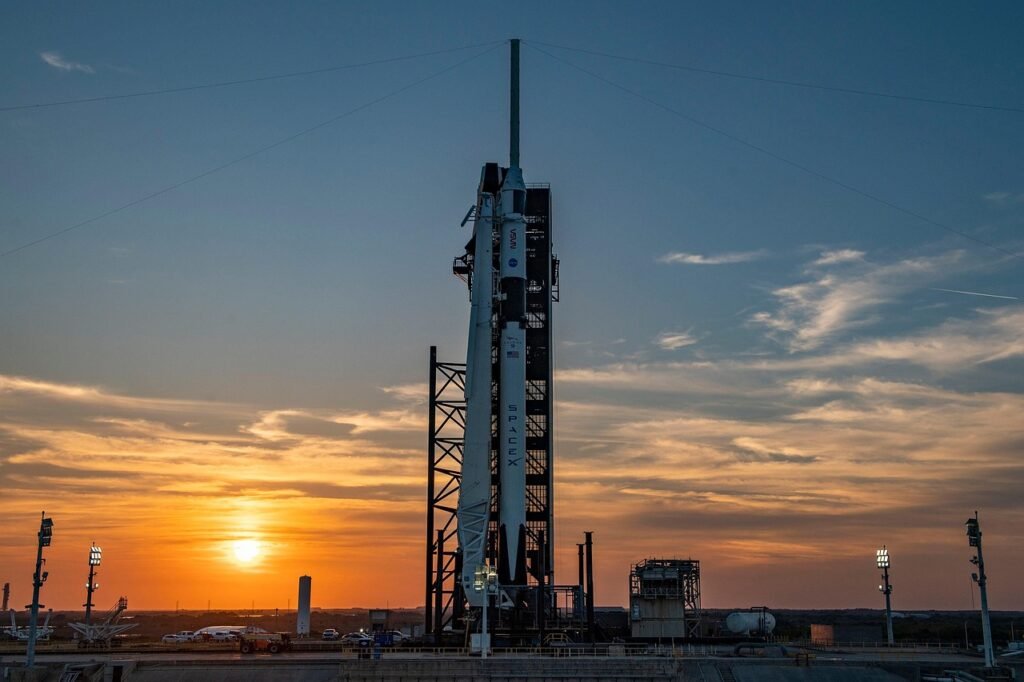
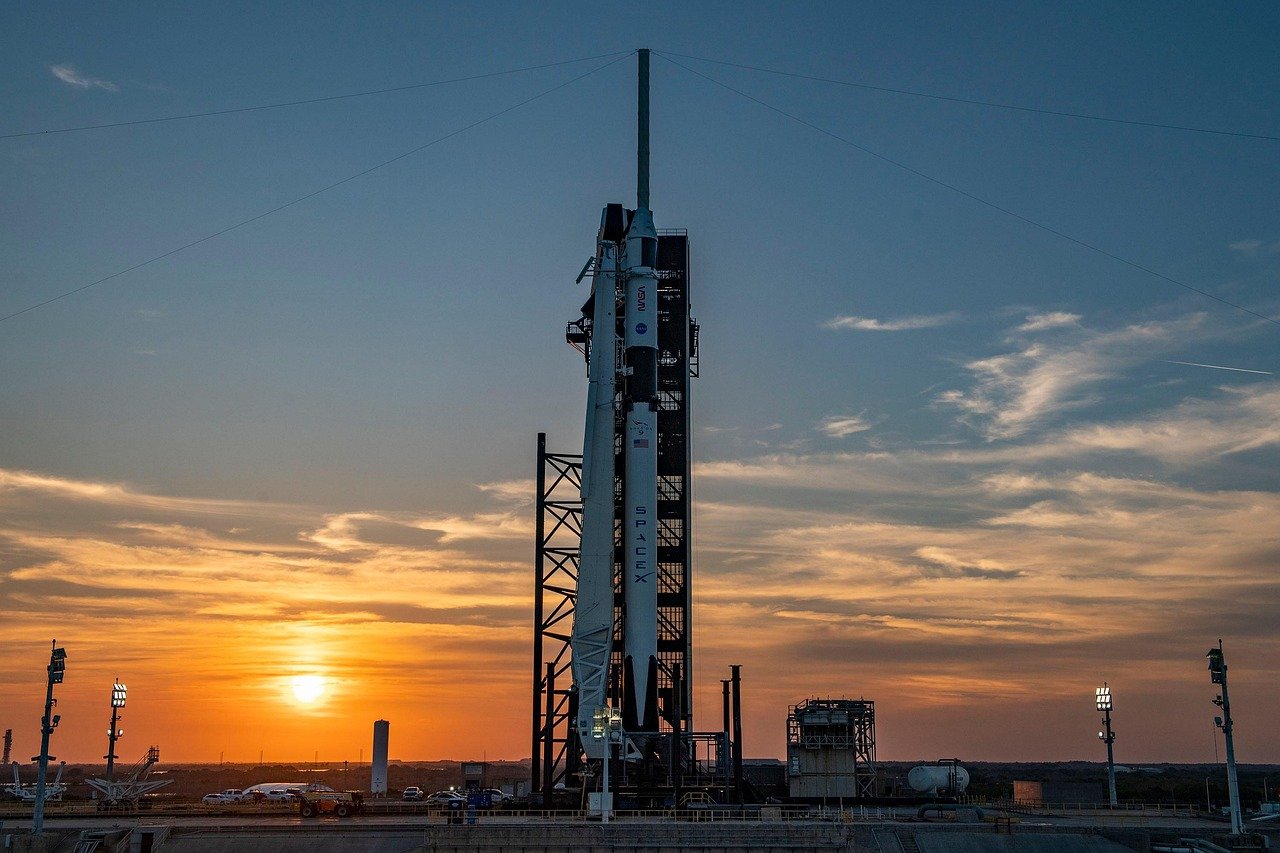
Regulators cleared the rocket to resume operations on February 6 after SpaceX implemented fixes. The approval ensures the February 11 liftoff proceeds from Space Launch Complex 40 at 6:01 a.m. EST. Coverage begins early that morning across NASA platforms, with docking targeted for the following day at the Harmony module.[1]
Mission Goals and Long-Term Impact
Once aboard, Crew-12 will contribute to Expedition 74/75, advancing microgravity research and technology demos. Experiments range from human health studies to materials science, building knowledge for future lunar and Mars missions. The Crew Dragon Freedom spacecraft will ferry them to the station’s zenith port for a seamless handover.
This rotation underscores the Commercial Crew Program’s reliability, now on its 12th flight. Continuous human presence on the ISS, spanning over 25 years, drives breakthroughs in exploration tech. The mission reinforces international partnerships amid evolving space dynamics.[1]
Key Takeaways
- First controlled medical evacuation highlights health risks in long-duration spaceflight.
- Falcon 9’s quick return to flight demonstrates rapid mishap resolution.
- Crew-12 restores ISS to seven astronauts for robust science operations.
The February 11 launch promises to steady the ISS’s rhythm after recent disruptions, paving the way for uninterrupted discovery. What are your thoughts on this pivotal mission? Share in the comments below.