
You’ve probably heard that space is silent, a cold vacuum where sound can’t travel. Yet scientists have been detecting bizarre cosmic signals for decades now, converting radio waves and electromagnetic emissions into sounds we can actually hear. Some of these mysterious transmissions have logical explanations. Others remain puzzles that challenge everything we thought we knew about the universe.
The fascinating thing is, even with all our advanced technology and brilliant minds working around the clock, certain sounds from the cosmos continue to defy explanation. They pop up once and vanish forever, or they repeat in patterns that shouldn’t be possible according to known physics. Let’s dive into seven of the most perplexing sounds scientists have picked up from deep space and beyond.
The Wow Signal
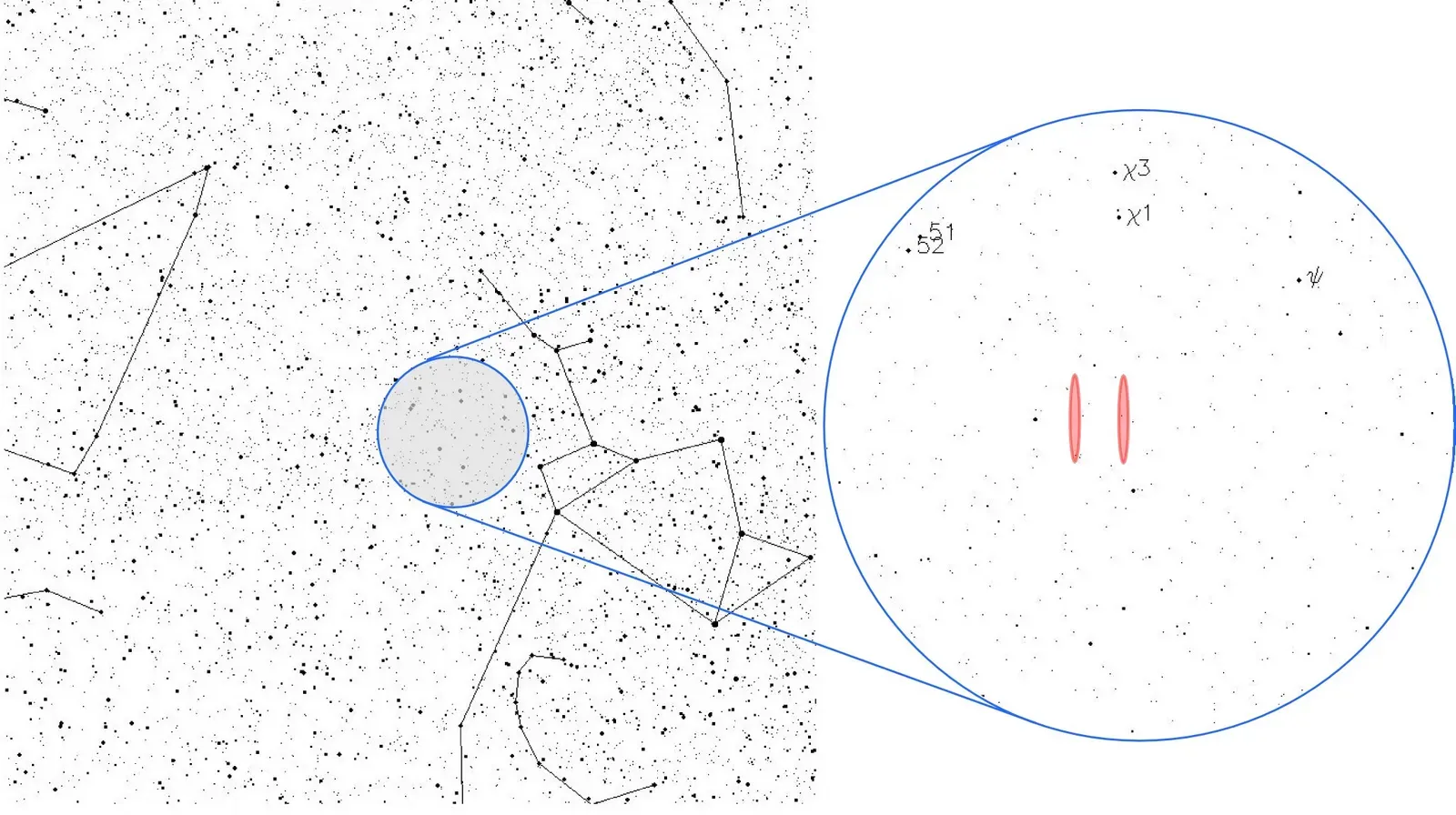
On August 15, 1977, Ohio State University’s Big Ear radio telescope detected a strong narrowband radio signal that appeared to come from the direction of the constellation Sagittarius. Astronomer Jerry Ehman discovered the anomaly a few days later while reviewing the recorded data, circling the reading and writing “Wow!” beside it. The signal lasted for the full 72 seconds during which the telescope could observe it.
What made this transmission so extraordinary was its frequency, which matched the natural emission of hydrogen atoms. Despite numerous follow-up searches, the signal has never recurred, and no explanation has been confirmed. Recent research suggests the signal might have been created when a flare from a magnetar struck a cold interstellar cloud of hydrogen gas, though this remains speculative. Nearly five decades later, the Wow signal continues to haunt astronomers searching for answers.
Fast Radio Bursts
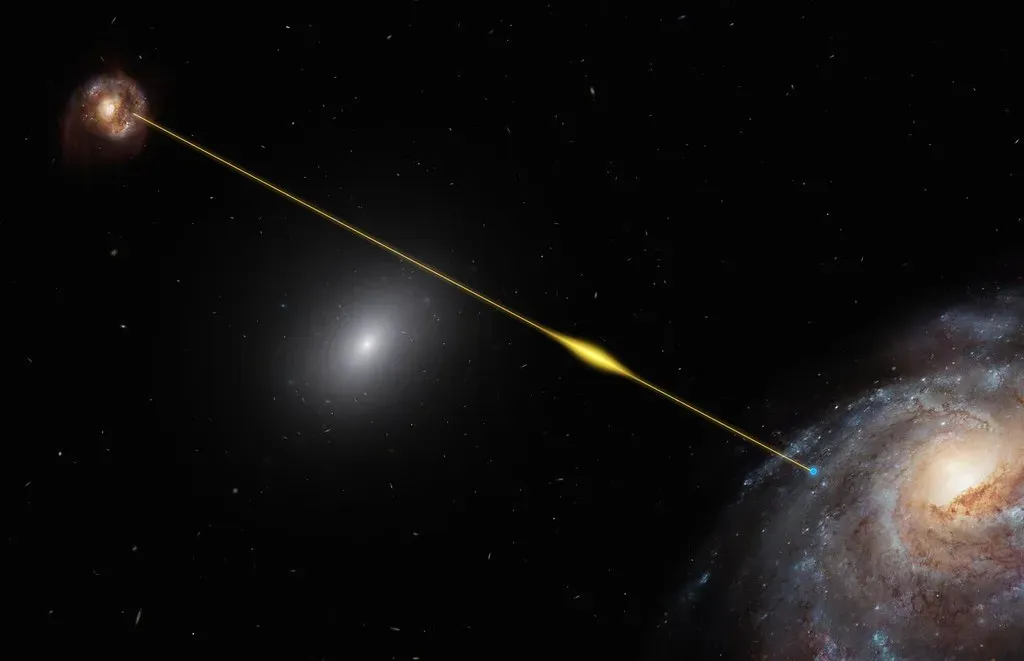
Fast radio bursts are powerful bursts of radio wave emission that last only a few milliseconds, and since astronomers first discovered them in 2007, they have determined the waves originate from outside our galaxy. These cosmic flashes pack incredible energy, sometimes releasing as much power in a millisecond as the Sun does over several days. Yet pinpointing their source has been maddeningly difficult.
One leading idea is that FRBs are connected to magnetars, neutron star remnants with powerful magnetic fields. NASA telescopes recently observed a fast radio burst mere minutes before and after it occurred, providing an unprecedented view that sets scientists on a path to better understand these extreme radio events. Still, with thousands of potential origins and only fragments of data, you can see why researchers remain puzzled.
ASKAP J1935 Plus 2148
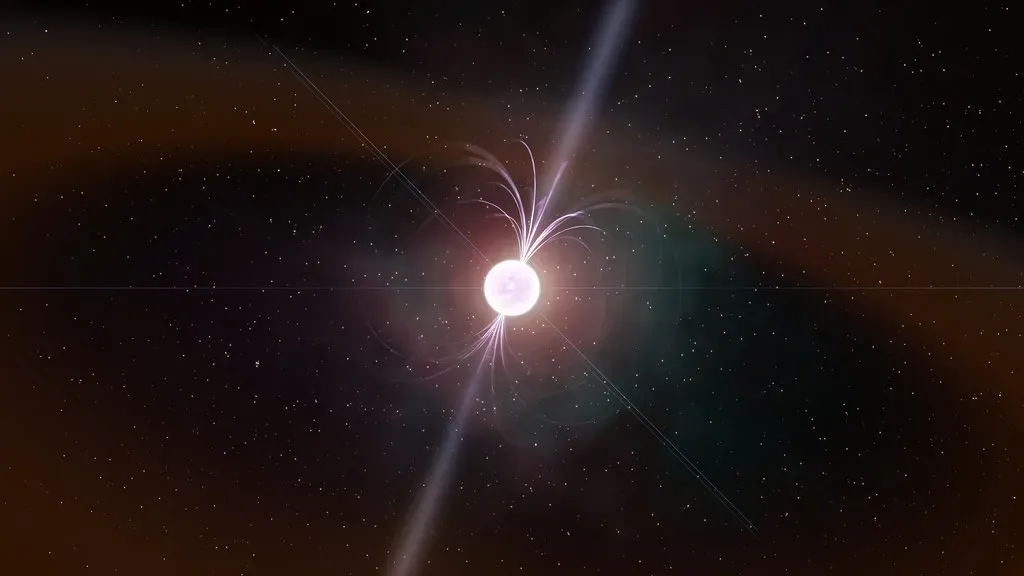
Here’s where things get really weird. ASKAP J1935+2148 repeats every 53.8 minutes, making it the longest period ever recorded for such a phenomenon. The signal cycles through three different states: sometimes it shoots out bright flashes lasting between 10 and 50 seconds with linear polarization, other times its pulses are much weaker with circular polarization lasting just 370 milliseconds, and sometimes the object stays silent.
Current understanding of neutron stars suggests they should not be able to have such a long period. Scientists cannot rule out the possibility the object is a white dwarf, though they don’t know of any way one could produce the radio signals being observed. It’s honestly mind-bending to think about an object switching between completely different emission patterns on such a precise schedule.
Long-Period Radio Transients
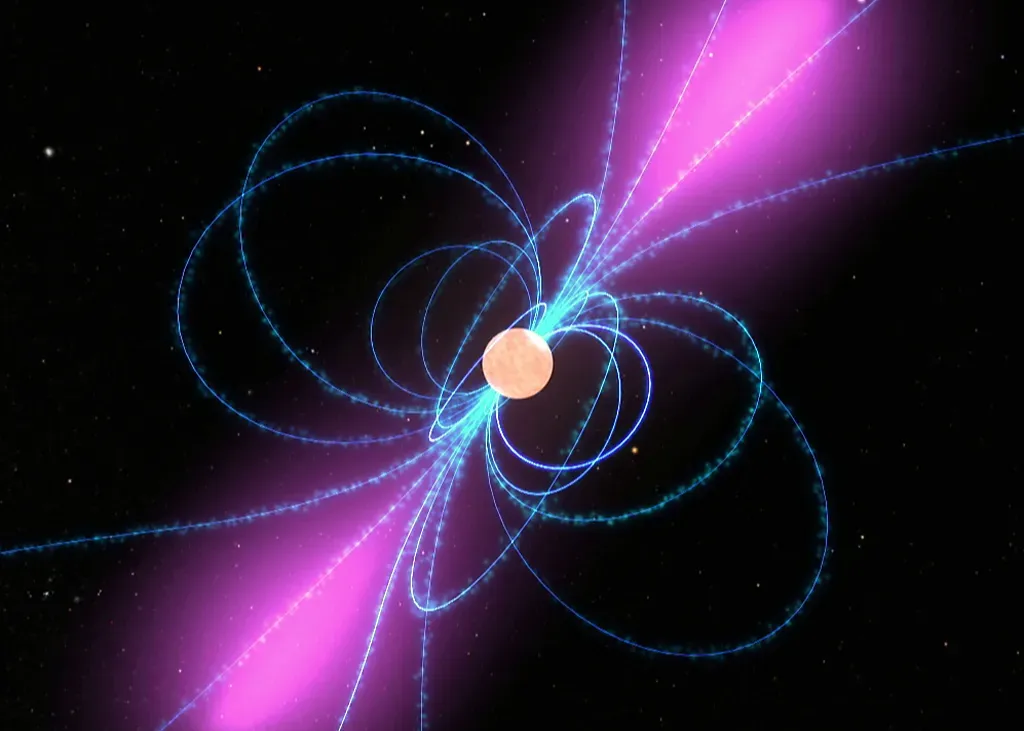
Long-period transients are rare and extreme astrophysical events that sweep out beams of radio waves like cosmic lighthouses, first discovered in 2022. ASKAP J1832-0911 spits out pulses of radio waves and X-rays for two minutes straight once every 44 minutes, detected by the Australian Square Kilometre Array Pathfinder and NASA’s Chandra X-ray observatory. The strange repeating signals are currently unexplained.
Traditional pulsars emit pulses every few seconds or milliseconds, but long-period transients emit pulses at intervals of minutes or hours apart, which has made the cause of the signals and how they switch on and off at long and regular intervals a mystery. Honestly, it’s hard to say for sure what could power such precise, extended cycles. Every discovery just seems to generate ten more questions.
The Space Roar
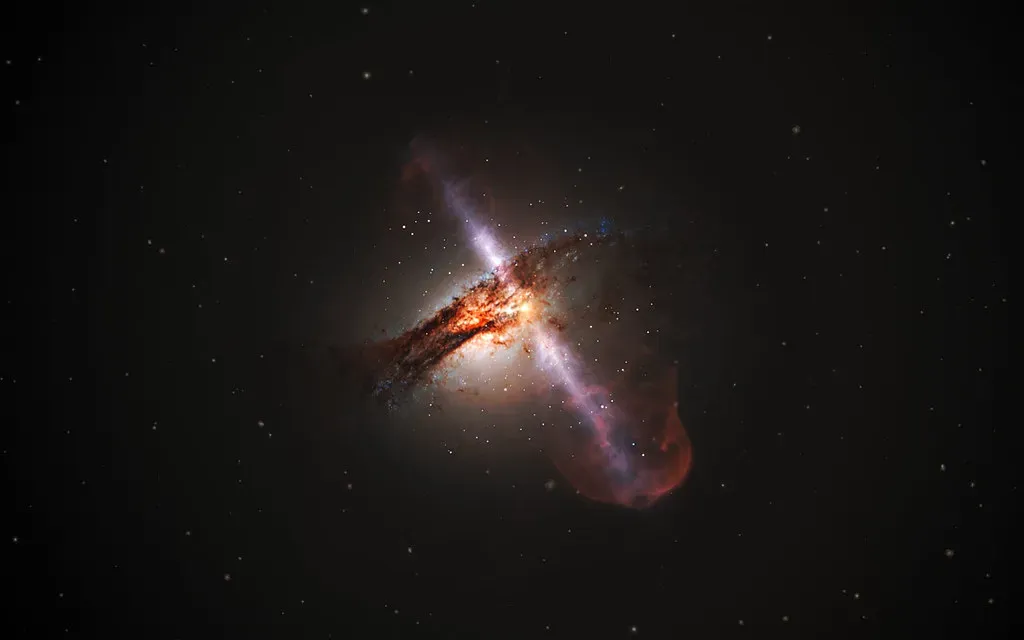
The space roar signal was six times louder than expected, making it one of the most perplexing cosmic mysteries out there. This radio signal appears to come from far beyond our galaxy, yet its origin remains hotly debated among scientists. There are good arguments why it cannot be coming from within the Milky Way, and good arguments for why it cannot be coming from outside the galaxy.
Some researchers have proposed wild explanations involving string theory or alternate universes. American physicist David Brown suggested the space roar could be the first great empirical success of string theory. The fact that such a powerful signal remains unexplained tells you just how vast and unknown our universe really is. We’re basically listening to a cosmic scream with no idea what’s making the noise.
Stratospheric Infrasound Signals

Switching gears slightly, let’s talk about sounds detected much closer to home but no less mysterious. A microphone carried by solar-powered balloons to the stratosphere heard strange sounds that repeat a few times per hour, and their source has yet to be identified. The noises, detected at 70,000 feet above Earth’s surface, are known as infrasound because they are so low-pitched they are inaudible to human ears.
Scientists have a few ideas for what these mysterious noises could be, ranging from a previously undetected form of atmospheric turbulence to echoes from below that have become garbled beyond recognition. What’s unsettling is that we don’t even fully understand the sounds emanating from our own planet’s atmosphere. These signals remind us that mysteries exist in layers all around us, not just in the depths of space.
Voyager’s Interstellar Hum
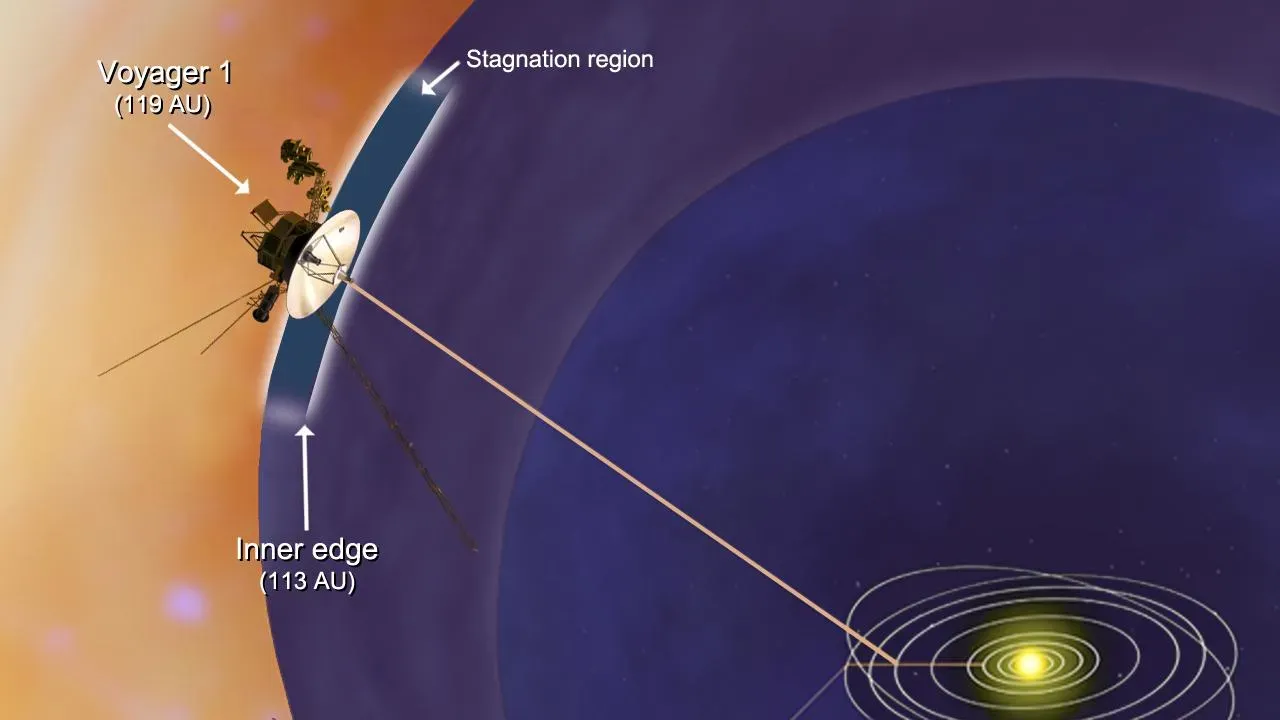
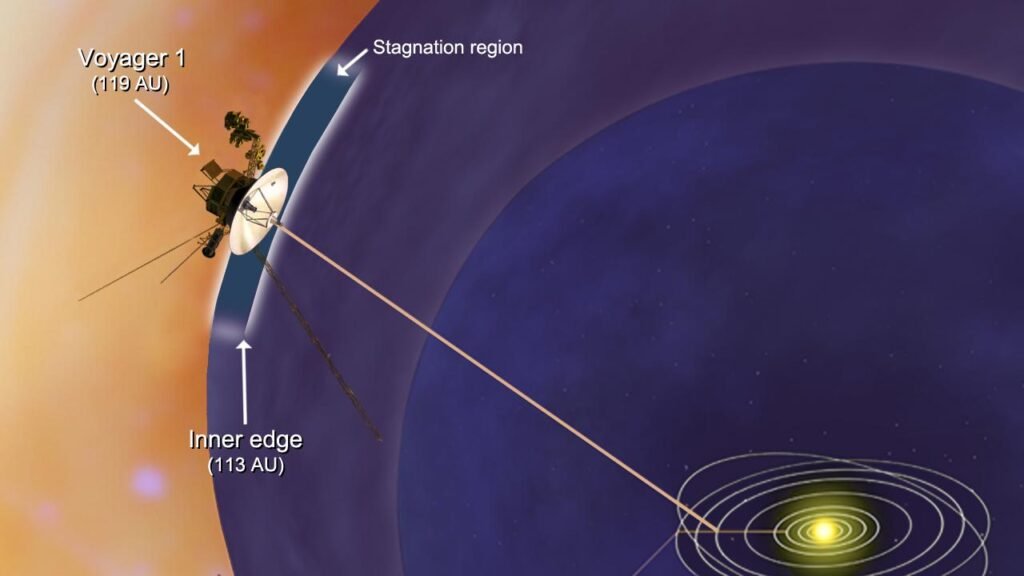
Voyager 1, humanity’s most faraway spacecraft, has detected an unusual “hum” coming from outside our solar system, with instruments picking up a droning sound that may be caused by plasma in the vast emptiness of interstellar space. The drone coming from plasma shock waves is very faint and monotone, likely due to the narrow bandwidth of its frequency.
While researchers think the persistent background hum may be coming from interstellar gas, they don’t yet know what exactly is causing it, with possibilities including thermally excited plasma oscillations and quasi-thermal noise. The spacecraft has been traveling for over 44 years now, venturing where no human-made object has gone before. It’s pretty amazing that even now, billions of miles from home, Voyager is still sending back puzzles for us to solve.
Conclusion

The universe continues to broadcast its secrets in frequencies we’re only beginning to understand. From the iconic Wow signal to mysterious stratospheric sounds detected right above our heads, these cosmic enigmas remind us how much we still have to learn. Each unexplained transmission opens new possibilities about the nature of neutron stars, magnetars, interstellar phenomena, and perhaps even technologies beyond our current comprehension.
Scientists are developing better instruments and new methods to track these sounds, hoping that one breakthrough might unlock answers to multiple mysteries at once. The truth is, we’re still in the early days of cosmic eavesdropping. What do you think these signals might be telling us? Could some of them be natural phenomena we’ve never encountered before, or might a few hold messages we’re just not equipped to decode yet?