Ever wonder how life manages to flourish where it seemingly shouldn’t? From blistering deserts to frozen wastelands, from crushing ocean depths to oxygen-starved mountain peaks, Earth harbors animals with abilities that sound almost supernatural. These creatures don’t just tolerate their punishing worlds; they’ve actually evolved to thrive where most life would perish within moments.
The adaptations they possess are the result of millions of years of evolutionary fine-tuning, each trait a small miracle of biology. Let’s dive in and explore twelve of the most mind-blowing survival strategies nature has ever created.
The Camel’s Fat Storage System Beats Any Survival Kit
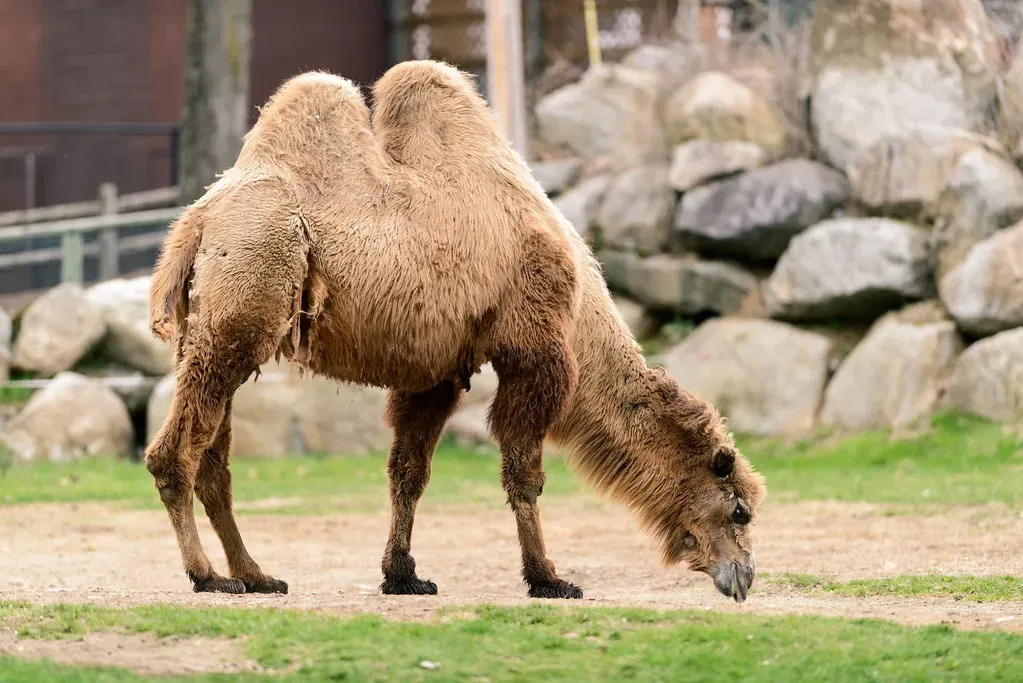
You’ve probably heard that camels store water in their humps. Here’s the thing, though: that’s not actually true. The humps store fat which the camel can metabolically break down to produce water when needed, which is even more impressive when you think about it.
Camels can survive temperatures as high as 120 degrees Fahrenheit and go a week or more without consuming water. Their bodies are equipped with specialized nasal passages that recapture moisture from exhaled air, and they can tolerate extreme dehydration that would kill most mammals. Let’s be real, if humans could do half of what camels can do, desert survival would be a walk in the park.
Wood Frogs Literally Freeze Solid and Live to Tell the Tale
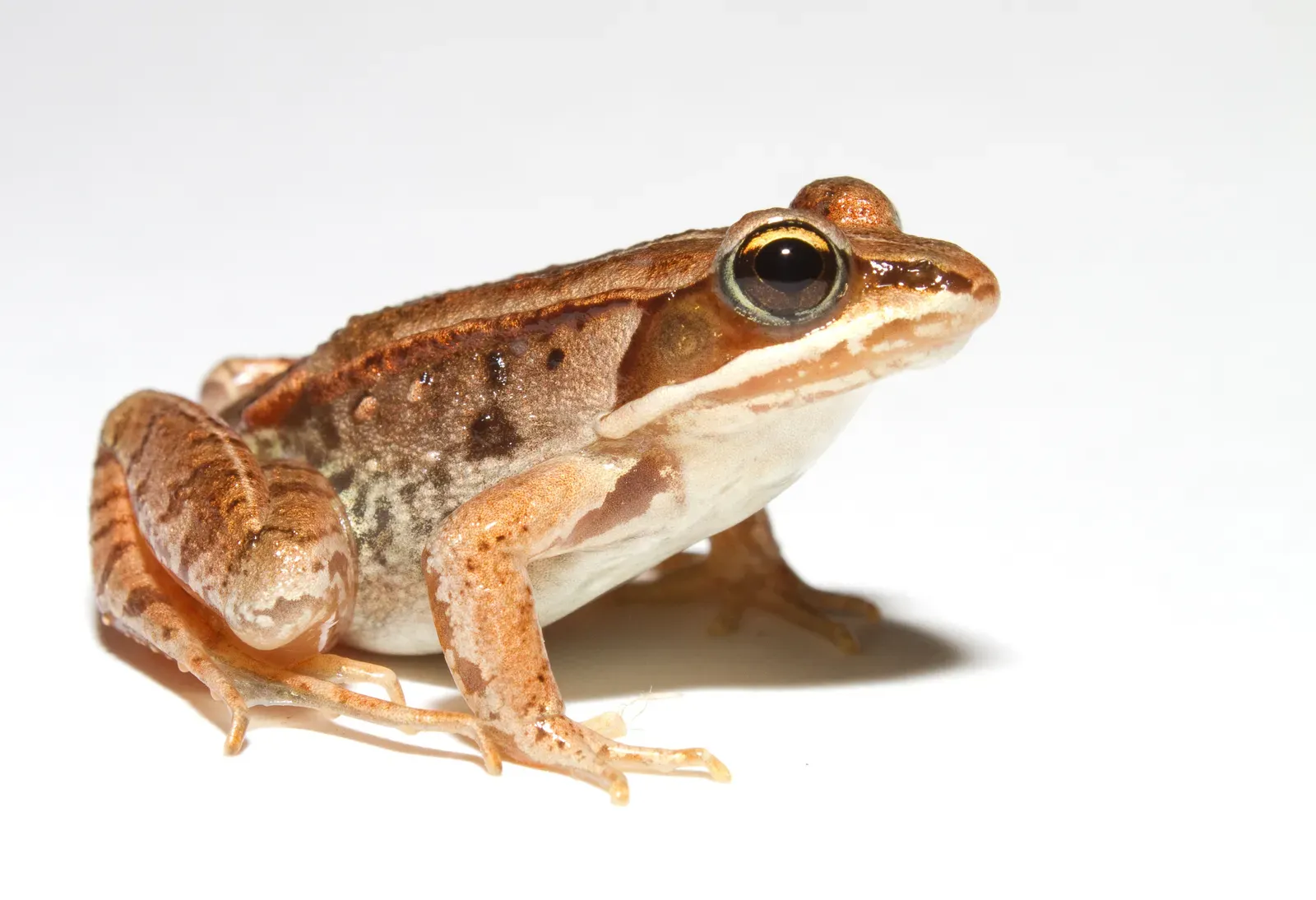
When temperatures grow chilly, the wood frog adapts by letting itself freeze, remaining in suspended animation until the spring thaw, surviving by accumulating glucose in its tissues. I know it sounds crazy, but these little amphibians can withstand having nearly two-thirds of their body water turn to ice.
The glucose acts like natural antifreeze, protecting cells from ice crystal damage that would normally shred cell membranes. Their hearts actually stop beating, they stop breathing, and they essentially become frog-shaped ice sculptures. Yet when spring arrives and temperatures rise, they thaw out and hop away like nothing happened. Talk about hitting the reset button.
Kangaroo Rats Never Need a Single Drop of Water
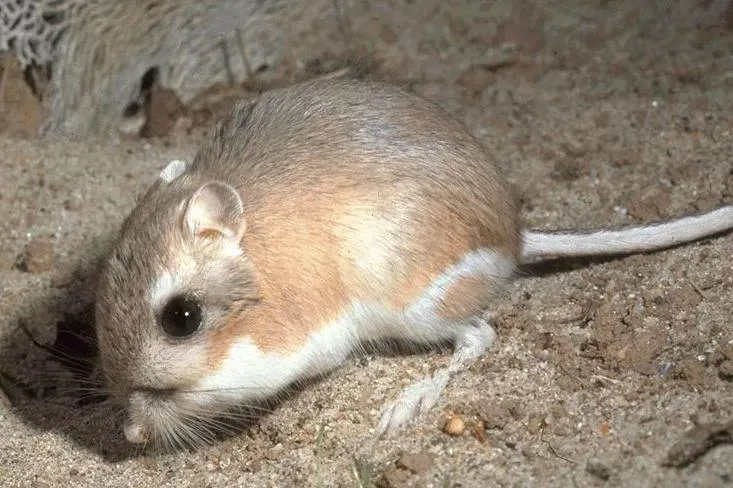
The kangaroo rat can survive without drinking water for its entire life, obtaining all the water it needs from the food it eats, with kidneys highly efficient at conserving water. Think about that for a moment. An entire lifetime in the scorching desert without ever taking a drink.
Kangaroo rats have specialized kidneys with extra microscopic tubules to extract water from urine and return it to the bloodstream, and they recapture moisture in the nasal cavities through specialized organs, actually manufacturing water metabolically from digesting dry seeds. Their sealed underground burrows also help recycle moisture from their own breath. Evolution really outdid itself with this one.
Tardigrades Survive Conditions That Would Kill Almost Everything
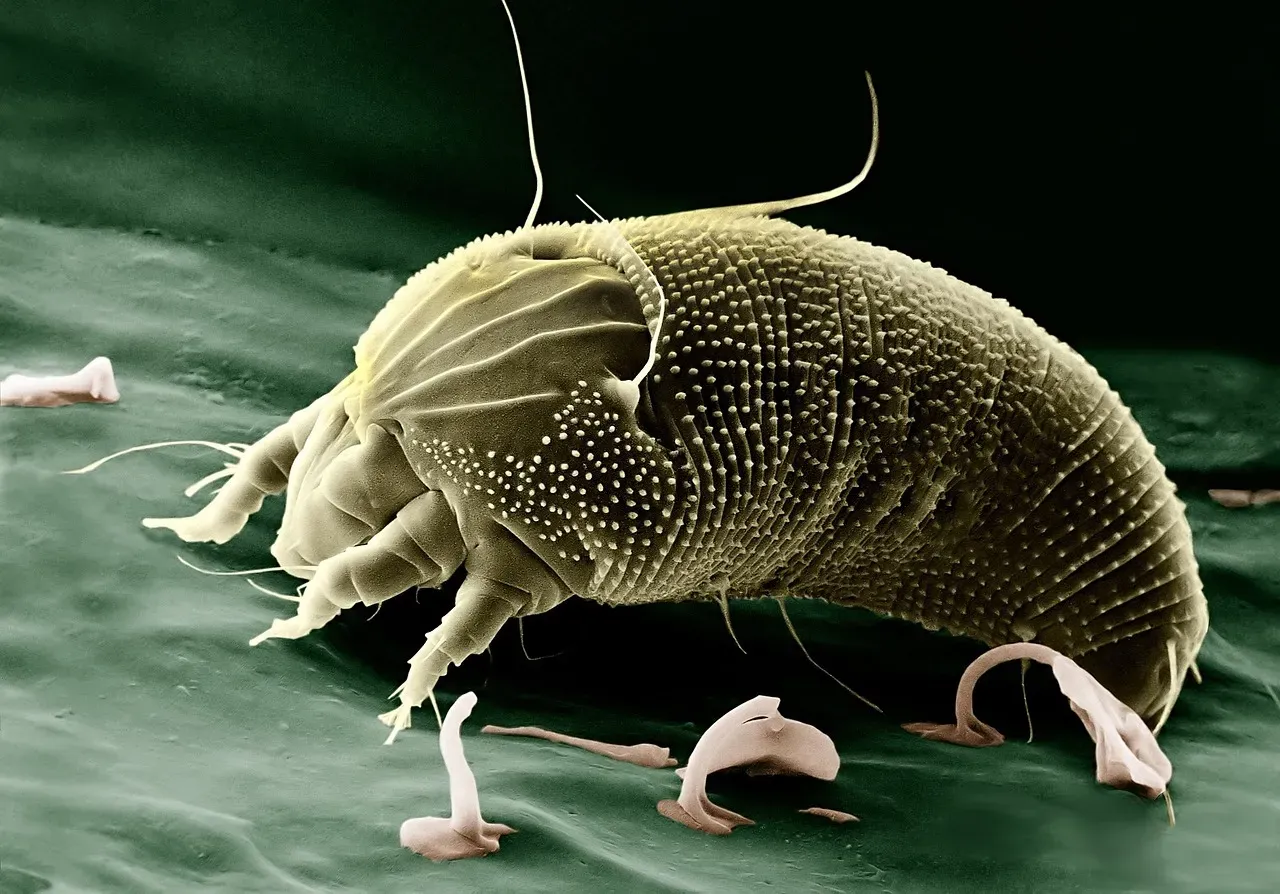
These microscopic organisms have yet to find an environment they can’t survive, being found in deserts, glaciers, hot springs, and at the top of the world’s highest mountains. Honestly, tardigrades might be the toughest creatures on Earth, period.
Tardigrades enter cryptobiosis, desiccating 99% of their body water to survive vacuum exposure, and they’ve been exposed to the harsh vacuum of space and lived to tell the tale. They have survived temperatures as low as liquid helium at negative 458 degrees Fahrenheit. They can handle extreme radiation and crushing pressures. If Earth ever faces an apocalypse, tardigrades will probably be the last ones standing.
Emperor Penguins Huddle Their Way Through Antarctic Winters
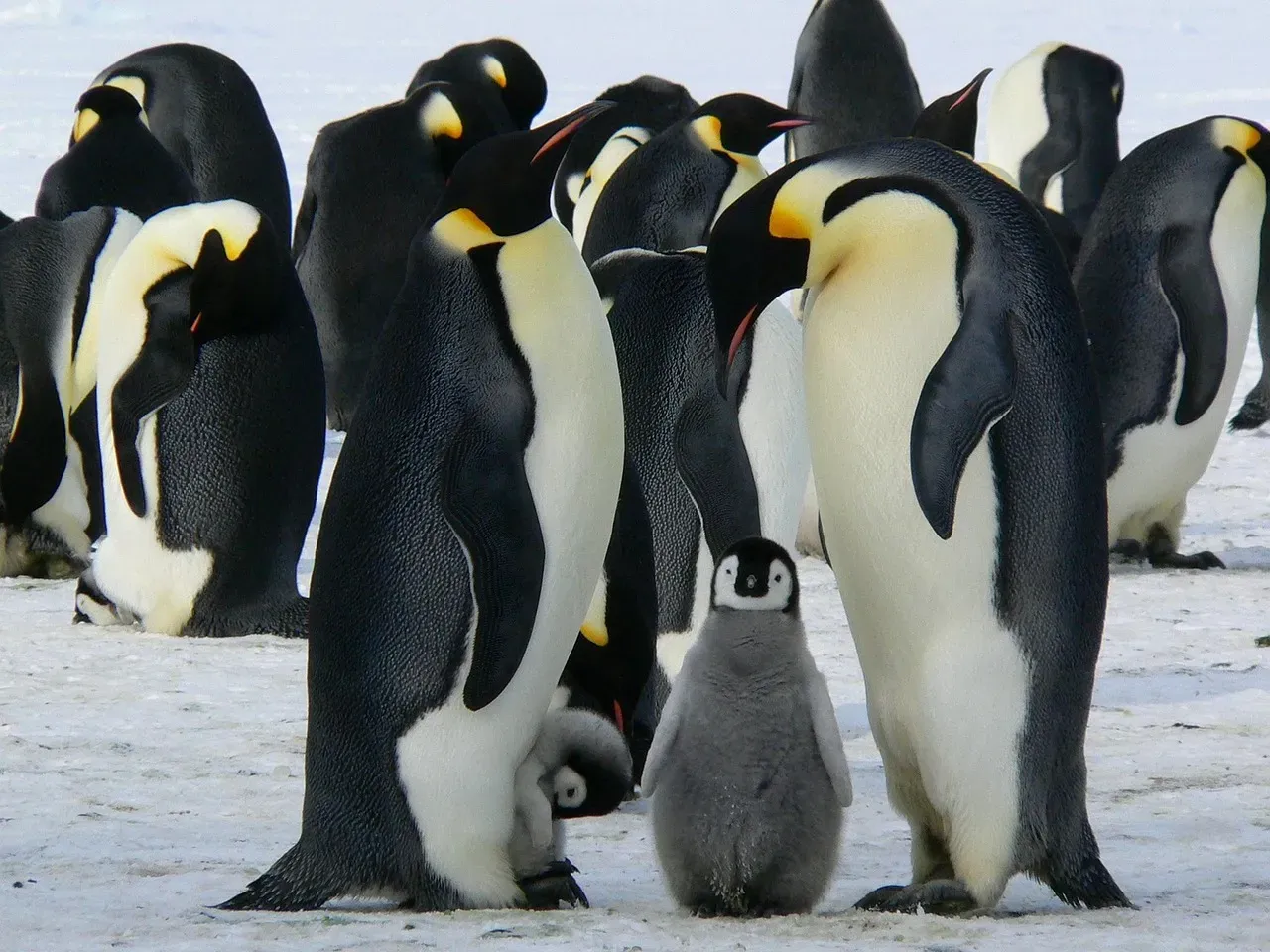
In Antarctica, emperor penguins endure temperatures plummeting to negative 40 degrees Celsius by huddling in massive, tightly packed colonies, with this social thermoregulation allowing each bird a turn at the warm center. It’s like the world’s most orderly game of musical chairs, but with survival at stake.
These hardy birds are capable of diving to depths of about 550 meters in search of food, making them Earth’s deepest-diving birds. They breed during the brutal Antarctic winter when most sensible animals would flee, and males incubate eggs on their feet for months without eating. Their thick feathers and fat layers provide insulation that keeps them alive where few other creatures could endure.
Arctic Foxes Have the Warmest Coat in the Mammal Kingdom
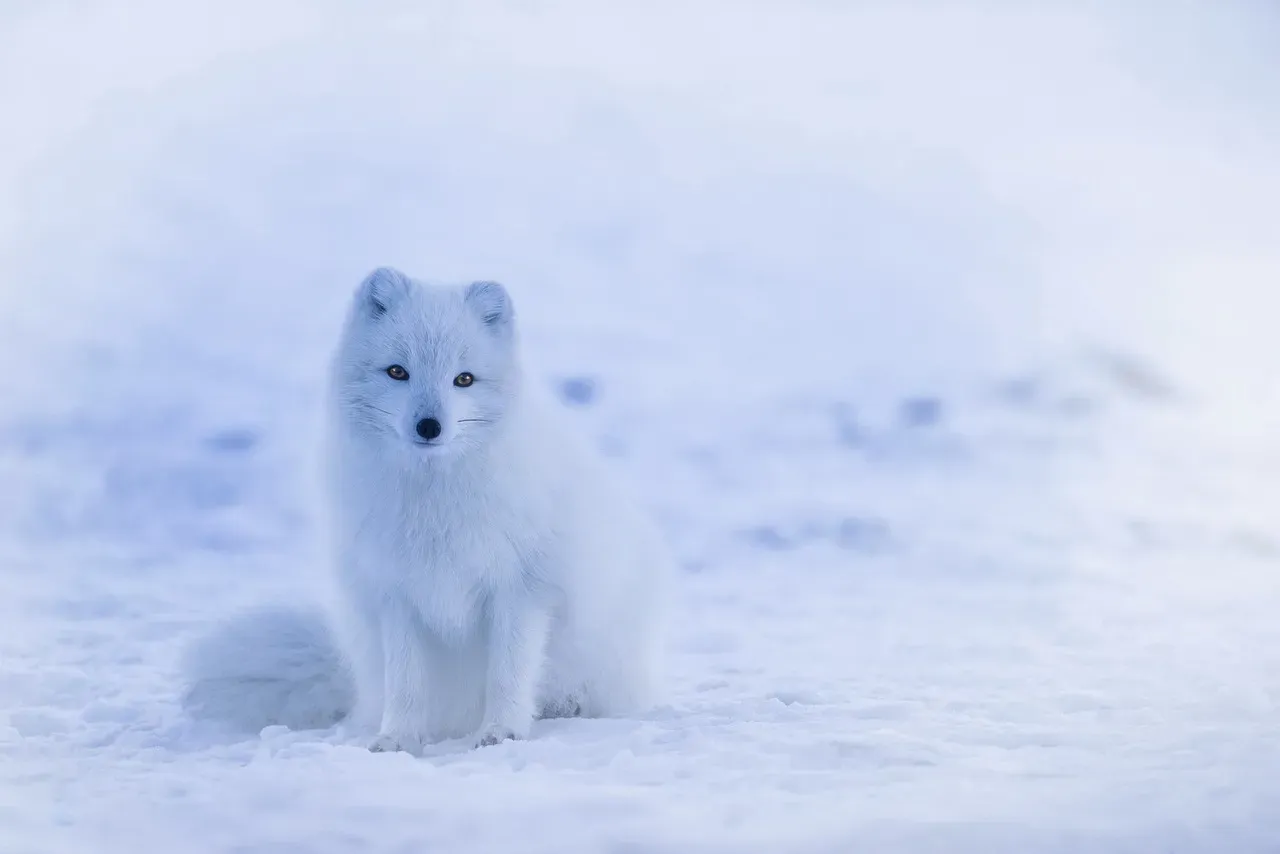
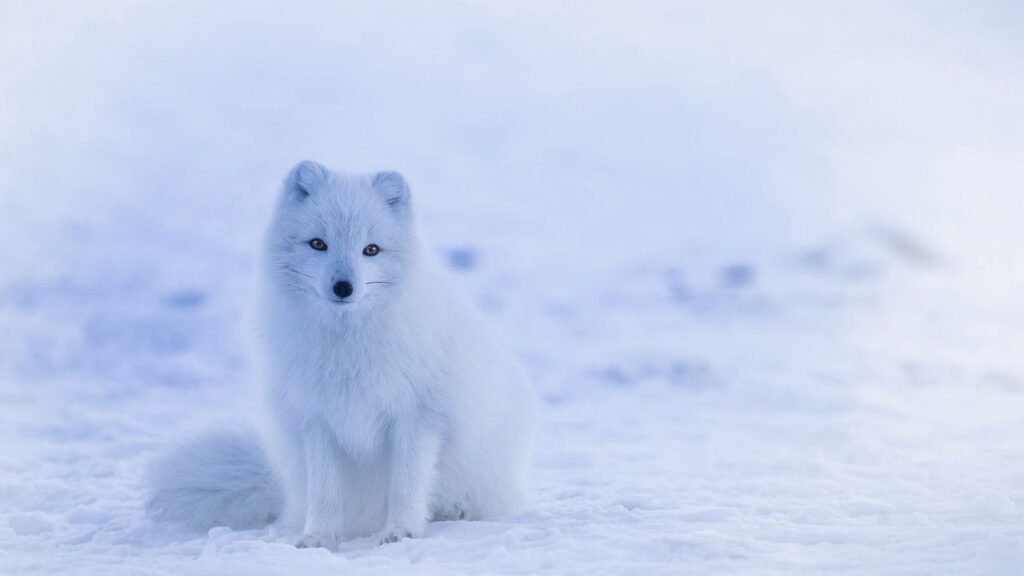
Arctic fox fur provides the warmest insulation of any mammal, with their multilayered coat so well insulated that they don’t shiver until temperatures reach around negative 70 degrees Celsius. That’s colder than the surface of Mars on some days.
During winter, an Arctic fox’s coat is white to blend in with snowy conditions, but during summer months their coat switches to earthy colors to match their surroundings when parts of the tundra melt. They also have compact bodies and small ears to minimize heat loss, proving that sometimes the best defense is just really, really good insulation.
Bar-Headed Geese Fly Higher Than Mount Everest
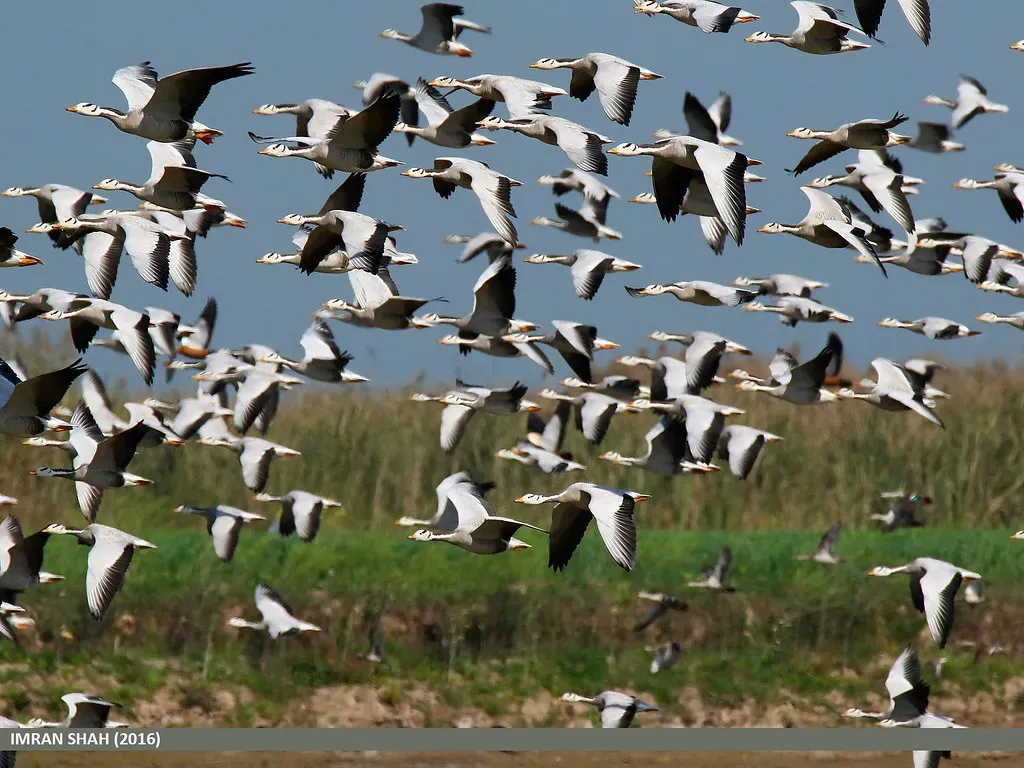
Bar-headed geese fly over Mount Everest using hemoglobin with lower oxygen affinity, loading oxygen efficiently at only 7% atmospheric pressure, while increasing breathing rate and heart output during flight. The air up there is so thin that most birds would pass out instantly.
These remarkable birds have larger lungs, more efficient oxygen extraction, and blood that’s specially adapted to grab every available oxygen molecule from the rarefied air. Their bodies are tuned to extract every possible molecule of air at altitudes where helicopters struggle to fly. It’s the avian equivalent of running a marathon while breathing through a straw.
Pompeii Worms Thrive in Scalding Deep-Sea Vents
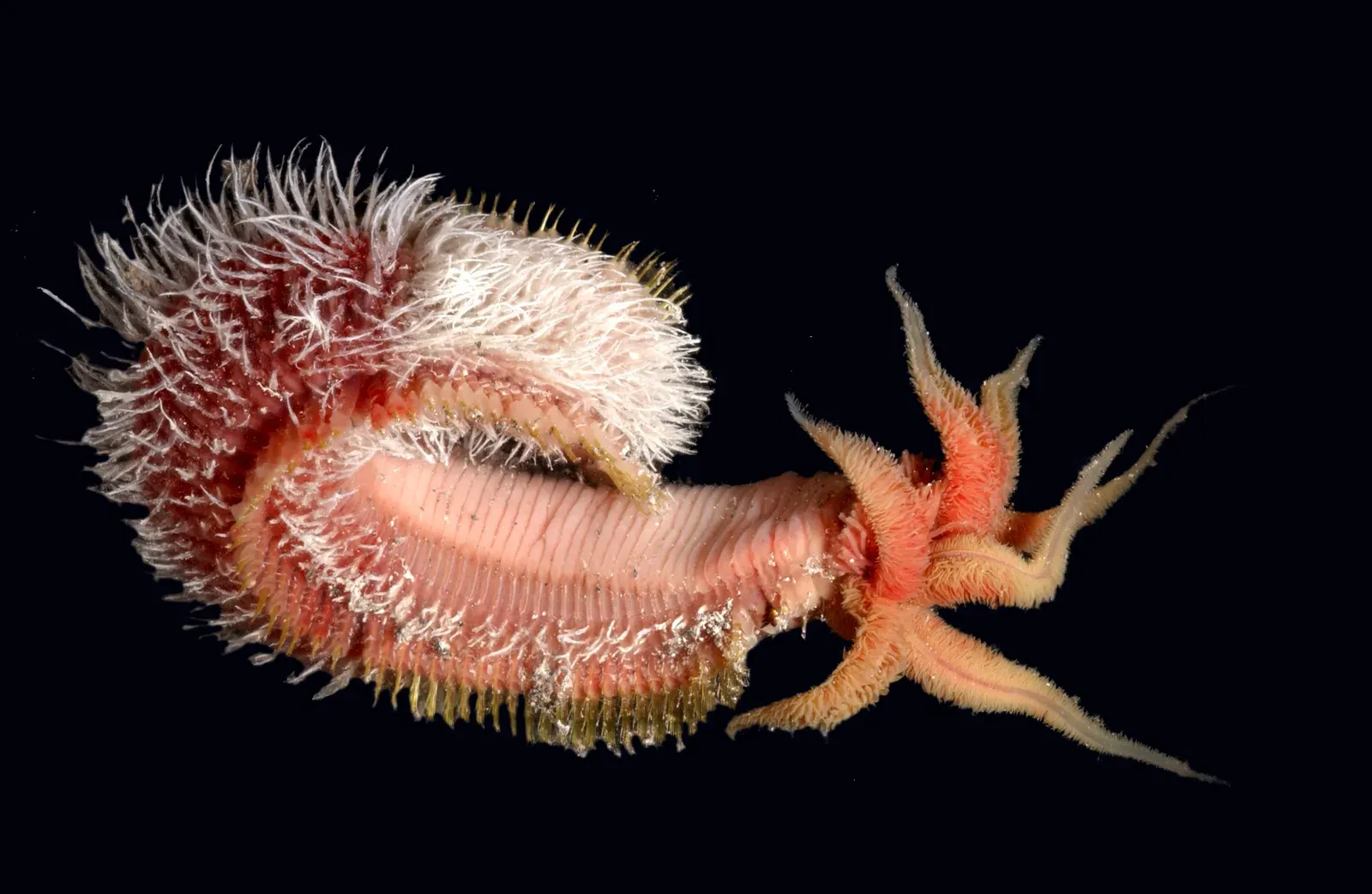
Researchers have found the Pompeii worm near hydrothermal vents, which can survive temperatures as high as 175 degrees Fahrenheit. We’re talking about water hot enough to brew tea, and these worms are living in it like it’s a spa day.
The worm’s ability to survive extreme conditions is attributed to the unique structure of its body in which its head stays at a cooler temperature than its tail, and its body is covered with a layer of chitin that protects it from corrosive chemicals exuding from deep-sea hydrothermal vents. They’ve also formed partnerships with bacteria that help them process the toxic chemicals around them. Nature really found a way to colonize even the most hellish environments imaginable.
Deep-Sea Fish Use Molecular Tricks to Handle Crushing Pressure
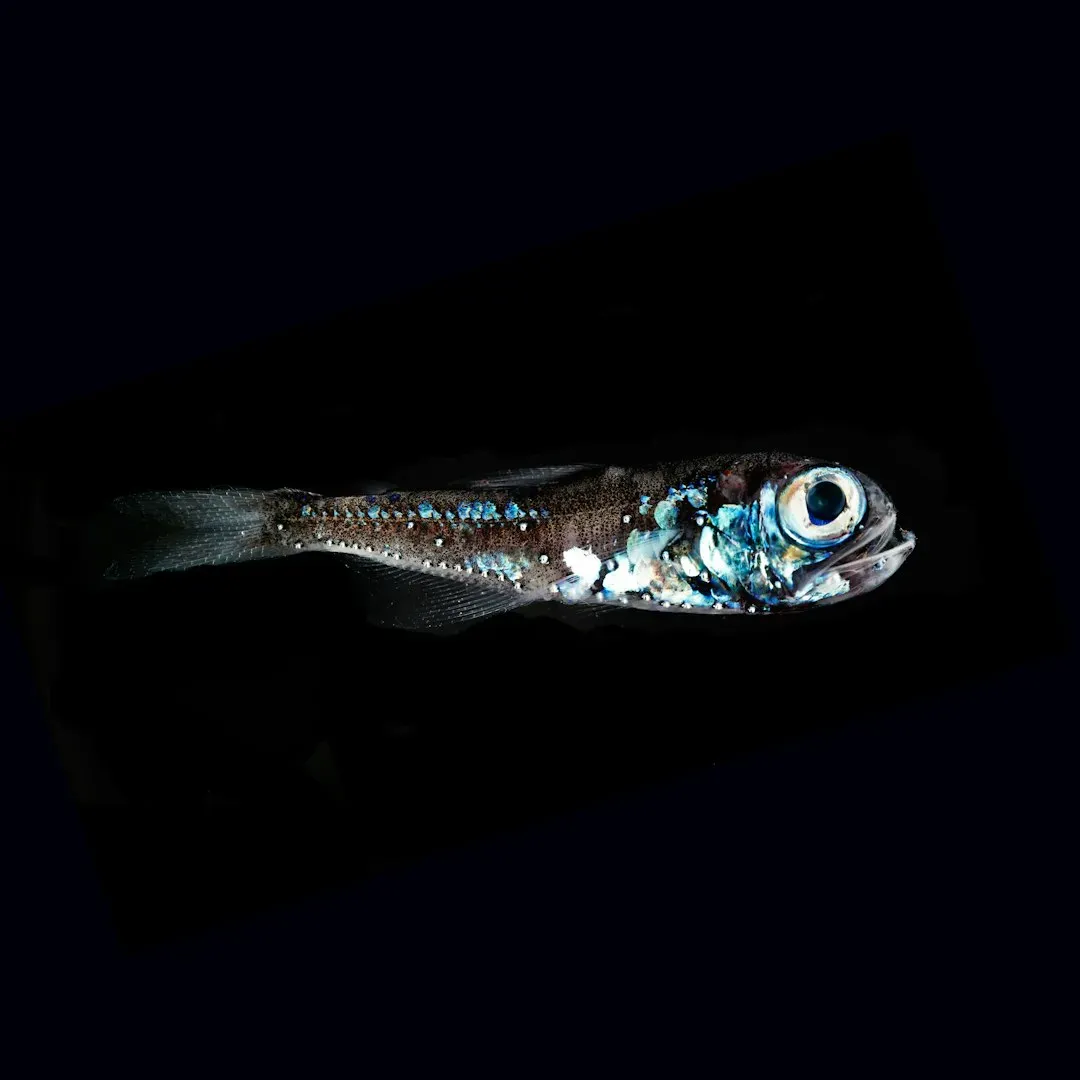
The presence of TMAO in deep-sea fish prevents the distortion and compression of proteins and other vital molecules within the body under intense external pressure. Without this chemical, the immense pressure thousands of meters down would literally crush their cells into dysfunction.
Deep-sea organisms exhibit remarkable physical adaptations including flexible membranes that prevent cell membranes from becoming rigid under pressure, reduced or non-existent skeletons, and specialized proteins that maintain function under intense pressures. Many species are essentially gelatinous and boneless, which sounds vulnerable but is actually brilliant engineering for their environment. It’s hard to crush something that’s already squishy.
Desert Tortoises Store Emergency Water in Their Bladders
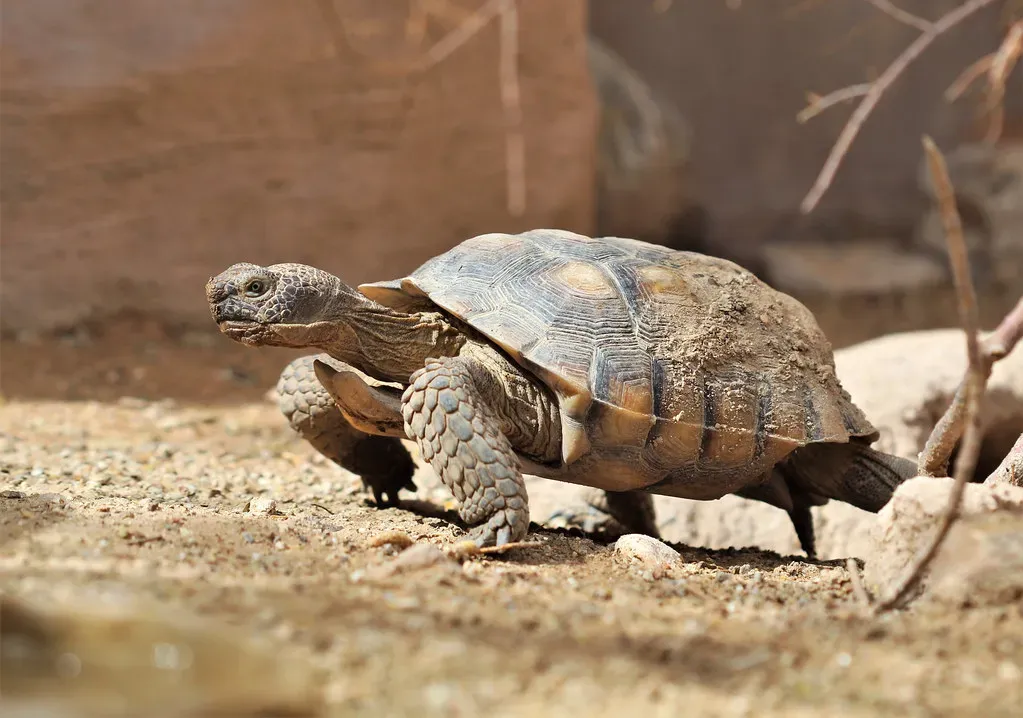
The desert tortoise has evolved to conserve water masterfully, spending up to 95% of its life underground, with its bladder functioning as a reservoir that stores water collected during scarce rains. Think of it as carrying around a personal water tank for dry times.
During the hottest parts of the day, they retreat into burrows where temperatures can be significantly cooler than the scorching surface. They can survive for an entire year without drinking water by relying on moisture from plants and their stored reserves. It’s the ultimate desert survival strategy: hide, conserve, and wait for better conditions.
Sahara Desert Ants Race Across Scorching Sand on Stilts
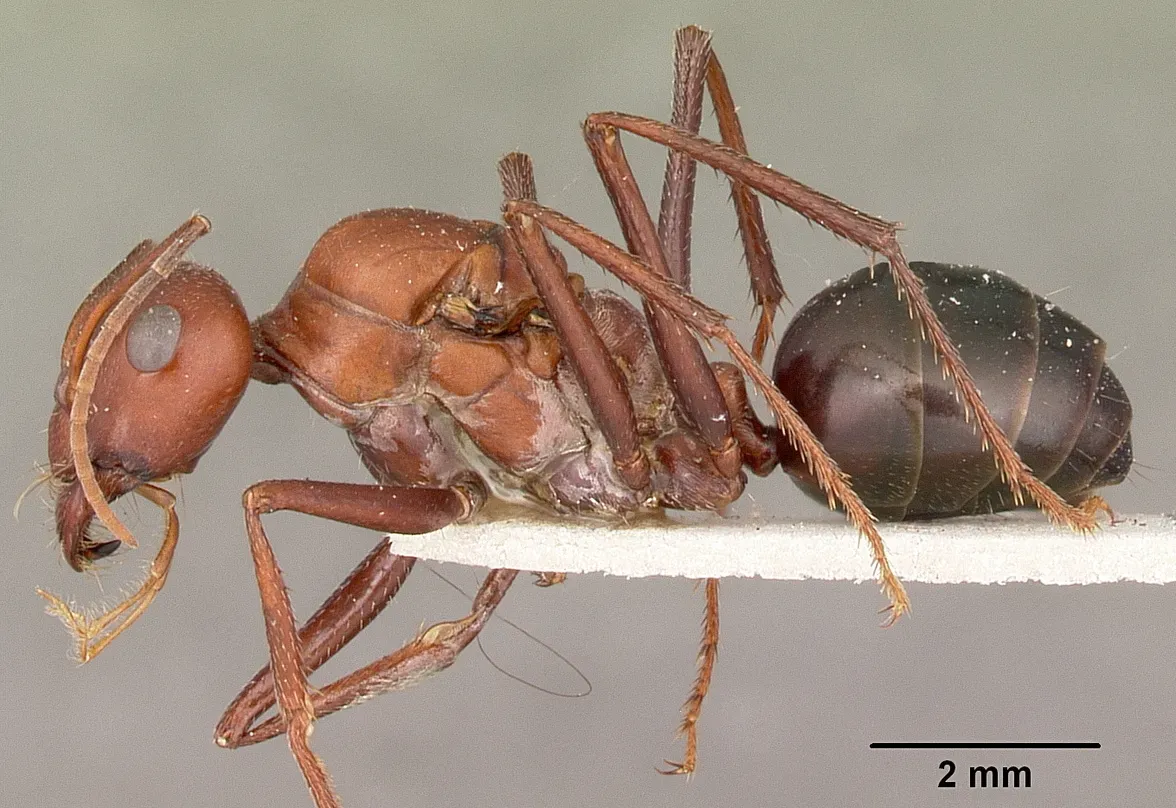
The Sahara desert ant’s secret to survival in a desert environment that can exceed 140 degrees Fahrenheit is its long legs, which allow it to move quickly and keep its body above the scorching sand. These insects literally sprint across sand that would cook them alive if they stayed still.
The ant scurries across 60 degree Celsius sands using long legs that lift its body above the heat and allow lightning-fast movements to find food in minutes before retreating to its cool burrow. They also navigate using the sun’s position and can remember their routes with astonishing accuracy. Speed, elevation, and a good sense of direction are their keys to survival.
Yaks Dominate High Altitudes Where Other Cattle Fail
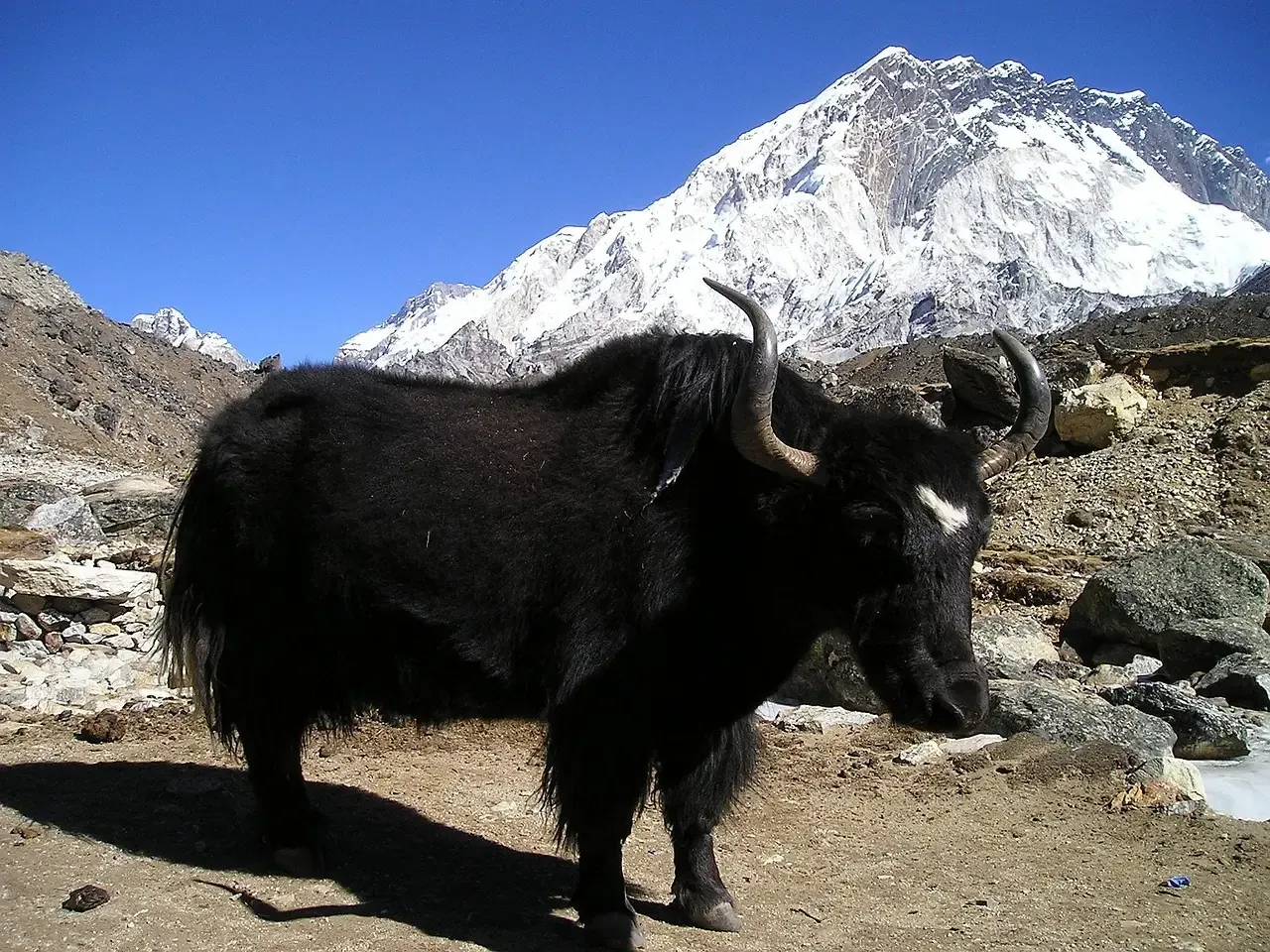
Unlike other yak or cattle species which suffer from hypoxia in the Tibetan Plateau, Tibetan domestic yaks thrive only at high altitude with proportionately larger lungs and heart than other cattle, as well as greater capacity for transporting oxygen through their blood. They’re essentially the mountain specialists of the bovine world.
Yaks live at elevations of 3,000 to 5,000 meters, making them the highest dwelling animals of the world. Their blood is so efficient at capturing oxygen that lowland conditions actually make them uncomfortable. They’ve adapted so completely to thin air that the oxygen-rich lowlands feel wrong to them. It’s a remarkable example of how evolution can specialize a species for one extreme environment at the cost of versatility.
Conclusion
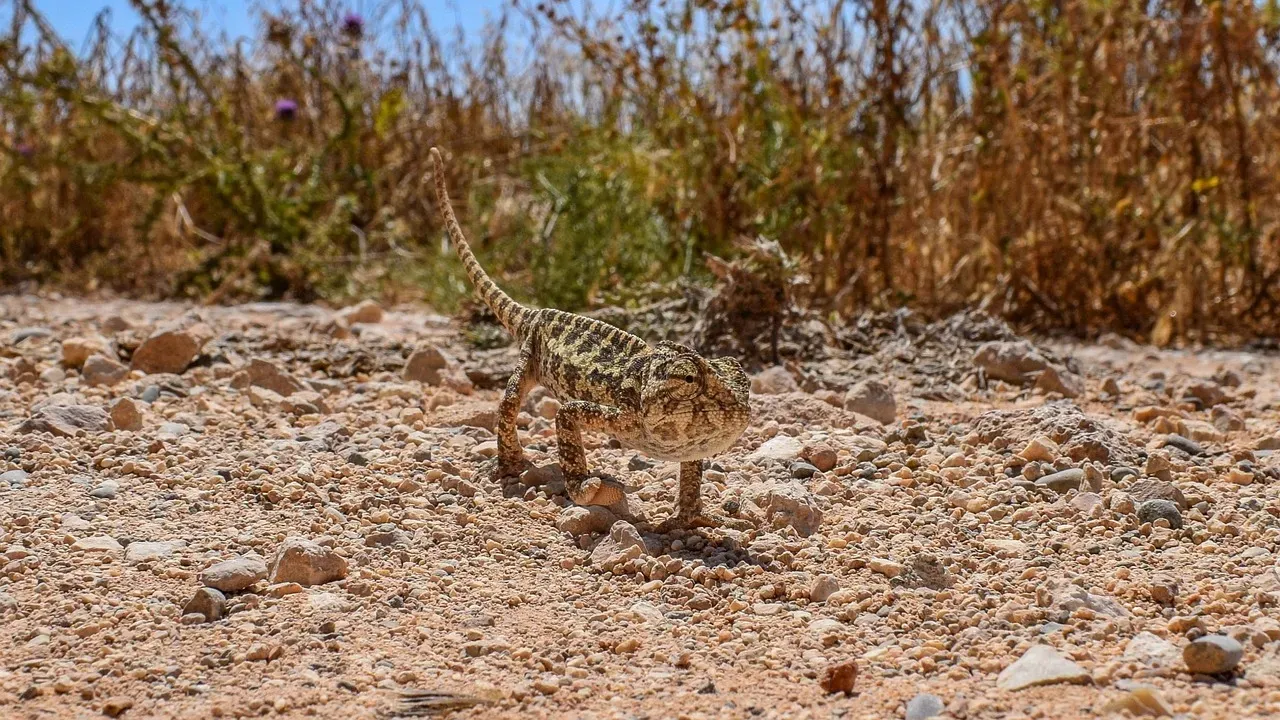
The animal kingdom never ceases to amaze with its resilience and ingenuity. From frogs that turn into ice sculptures to ants sprinting across hellish sand, from worms bathing in near-boiling water to geese soaring above the highest peaks, life has conquered every extreme our planet can throw at it. These adaptations remind us that survival isn’t just about toughness; it’s about finding the perfect biological solution to whatever challenge the environment presents.
Next time you’re complaining about the weather, remember that somewhere out there, a tardigrade is laughing at you from the vacuum of space. What’s your favorite extreme adaptation? Tell us in the comments.