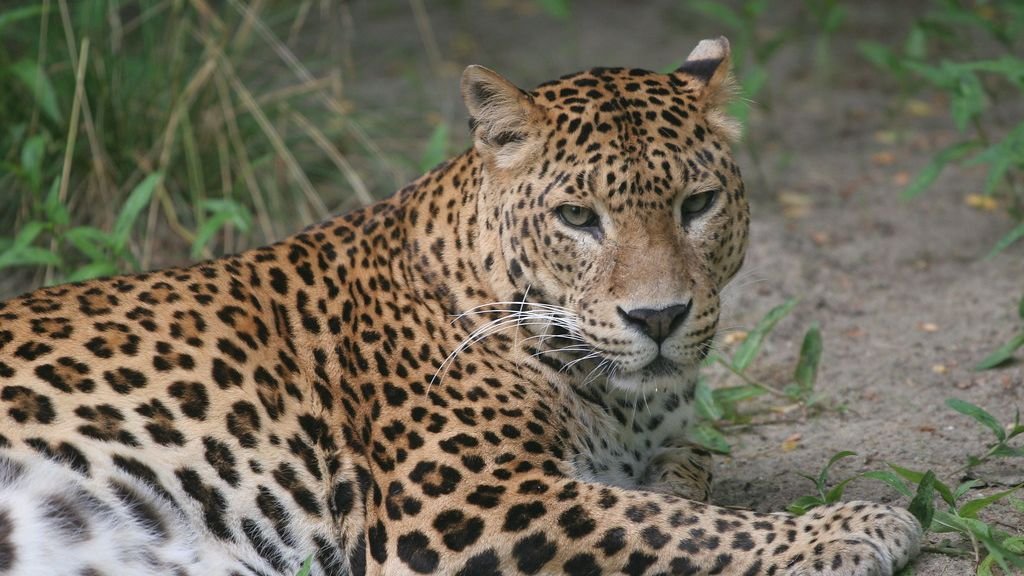
Picture this: a patch of dappled light under a tree, a bit of shadow, a breath of wind over the grass. You stare, squint, maybe even think you see something move… and then, suddenly, a leopard stands where a second ago there was “nothing.” That eerie moment, when your brain finally catches up to what your eyes missed, is exactly what makes leopards feel almost supernatural in the wild.
Behind that ghost‑like presence is not magic, but biomechanics. Muscle fibers, joint angles, paw pads, whiskers, vision, even tail length – all of it has been fine‑tuned by evolution into a stealth machine. Once you start looking under the skin, the leopard stops being just a beautiful big cat and becomes one of the most sophisticated biological “assassins” on Earth.
The Perfect Predator Blueprint: Compact, Coiled, And Ready To Explode
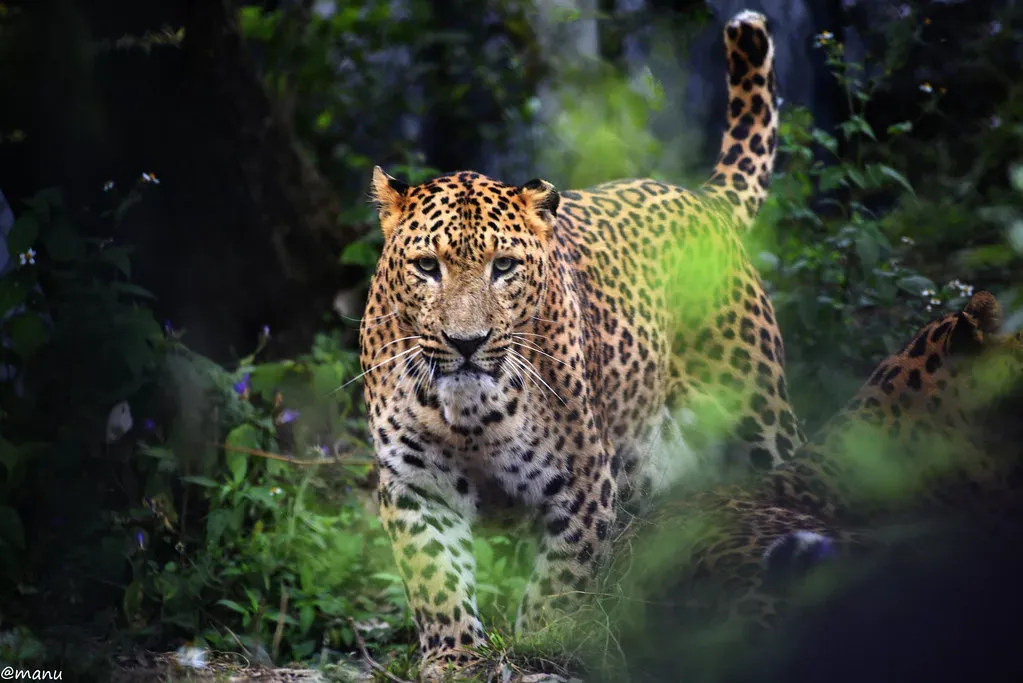
At first glance, a leopard just looks like a smaller, spotted cousin of the lion, but its body plan is built on a totally different philosophy: be light, be flexible, and hit like a spring‑loaded trap. Compared with lions and tigers, leopards have a more compact torso, relatively shorter legs, and a deep, powerful chest that anchors strong shoulder and back muscles. This makes them incredibly agile in dense terrain, where bulk is a disadvantage and every branch and rock can either help or hinder a hunt.
What makes this body truly scary is how it combines stealth and sudden power. Their muscles are loaded with fast‑twitch fibers that allow explosive acceleration over just a few strides, which is exactly what you need when your entire hunting strategy depends on getting ridiculously close before you’re detected. When a leopard explodes from cover, it’s like watching a spring that’s been silently compressing for minutes finally snap – short, violent, and over before the prey really understands what’s happening.
Silent Steps: Bones, Joints, And Paws Built For Ghost‑Level Movement
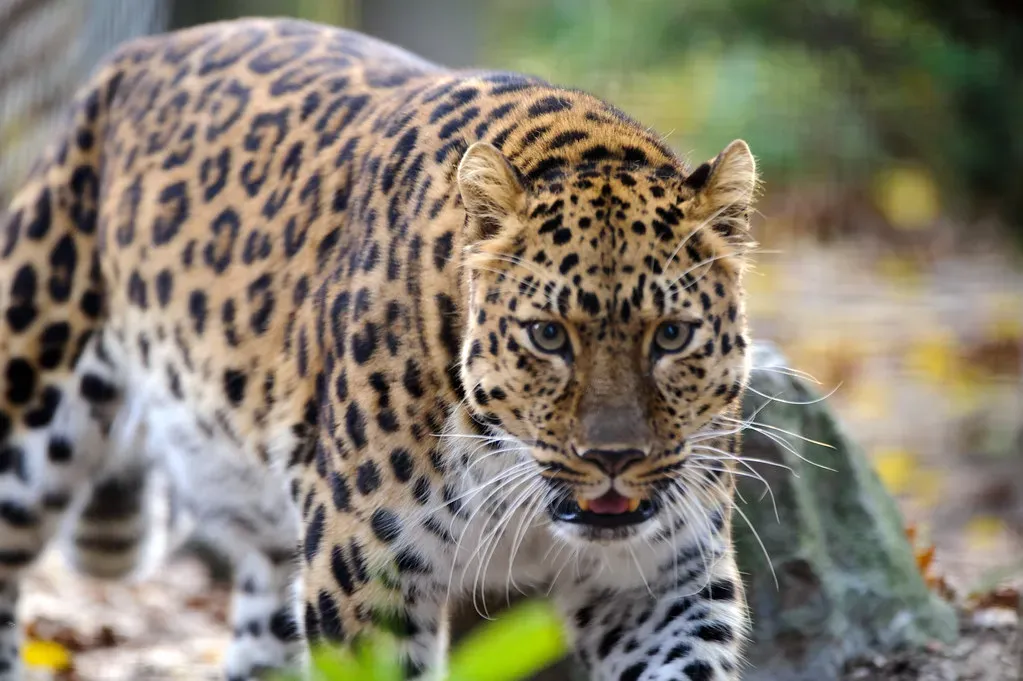
If you’ve ever tried to sneak across a noisy floor without making a sound, you already know how hard true stealth is. Leopards basically do that on leaves, twigs, and gravel, and they manage it with the way their skeleton and paws work together. Their limbs are designed for a long, smooth stride: the shoulder blades are not rigidly attached to the skeleton by bone, but rather suspended in muscle, giving the forelimbs a surprisingly large range of motion and a soft, gliding feel as they move.
Then there are the paws, which are like built‑in shock absorbers and mufflers. Thick, cushioned pads soften the impact of each step, while the fur around the toes further dampens sound and vibration. Retractable claws stay sheathed until needed, preventing the metallic scrape or scratch that might give them away. The joints can flex so that the paw is placed very carefully, almost like a hand choosing where to land, allowing a leopard to shift weight away from a crackling twig at the last instant and keep its approach completely silent.
Camouflage And Light: How Rosettes And Eyes Team Up In The Shadows
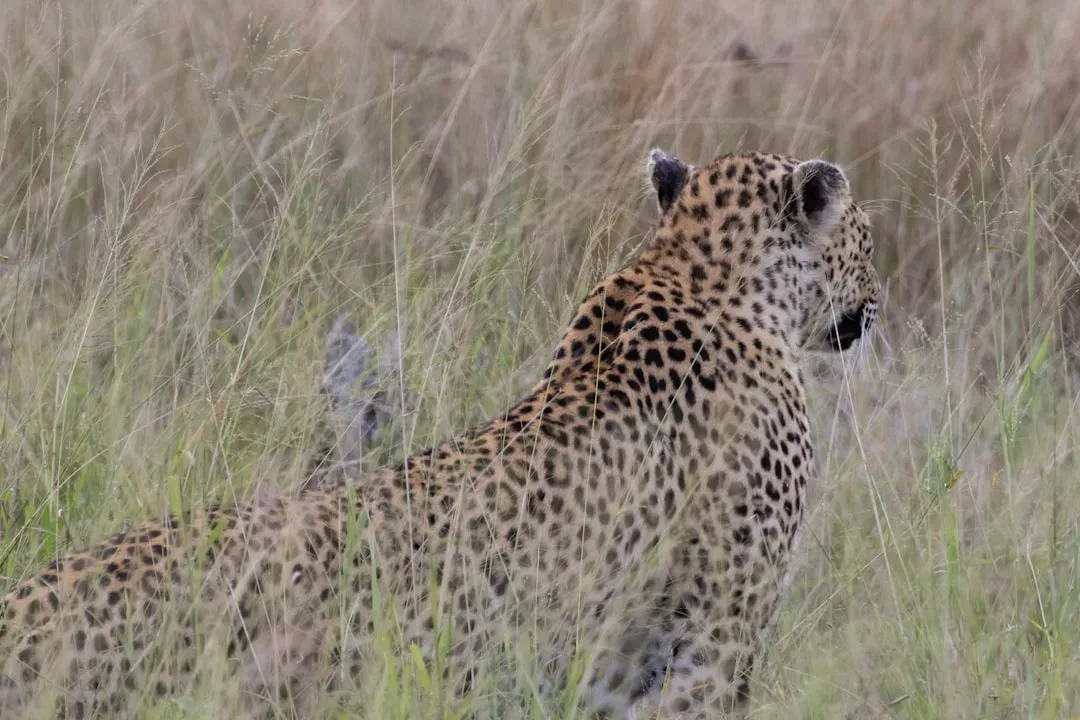
Everyone notices the spots, but very few people realize just how mathematically and visually clever that pattern really is. A leopard’s coat is covered with rosettes – those broken, flower‑like circles – which break up the outline of its body into smaller visual chunks. In dappled light under trees, among bushes, or on rocky slopes, those spotted patches mimic the way sunlight and shadow fall across leaves and stones, confusing the brains of prey animals that are scanning for clear silhouettes rather than pixelated shapes.
Their eyes support this camouflage game from the other side. Leopards have large, forward‑facing eyes with a high density of light‑sensitive cells and a reflective layer at the back of the retina that boosts night vision. That means they can move and position themselves perfectly in low light, right when their pattern is at its most effective. While prey might see only a vague patch of shadows, the leopard sees edges, openings, and approach routes, turning evening and early morning into its prime, biomechanically optimized hunting window.
Balance And Precision: The Tail, Spine, And Core Working As A Single System
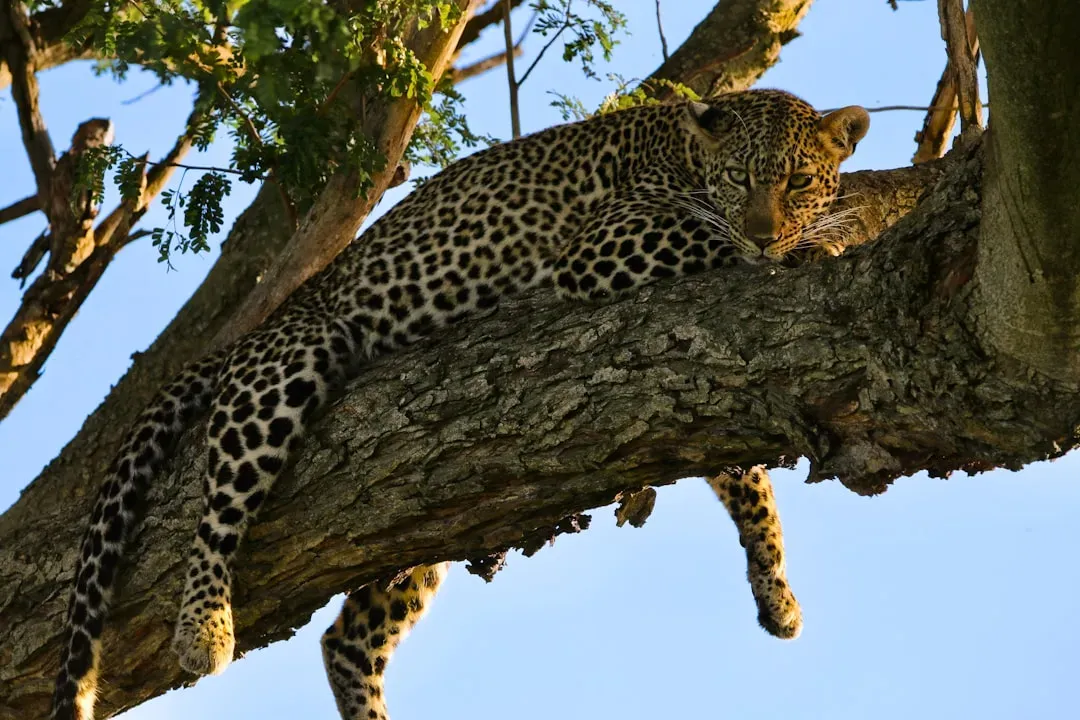
One of the most underrated parts of a leopard’s body is its long, expressive tail. It’s not just there for looks. That tail acts as a dynamic counterweight any time the cat makes a sudden turn, leaps to a branch, or twists mid‑air during an ambush. When a leopard lunges or pivots, the tail swings like a tightrope walker’s pole, shifting its center of mass so it doesn’t overshoot or stumble, which would be disastrous in a hunt that depends on a single, perfectly placed strike.
All of this works because of a hyper‑flexible spine and powerful core muscles. The vertebrae in a leopard’s back are built to arch and extend like a bow, storing elastic energy. During a sprint or mid‑pounce, the spine flexes and straightens rhythmically, lengthening the stride and fine‑tuning the trajectory. That combination of spinal flexibility and tail control lets leopards perform seemingly impossible maneuvers – like leaping from a tree branch and twisting to land squarely on a moving target – with a precision that would make a gymnast jealous.
Jaw, Claws, And Grip: The Biomechanics Of A Clean Kill
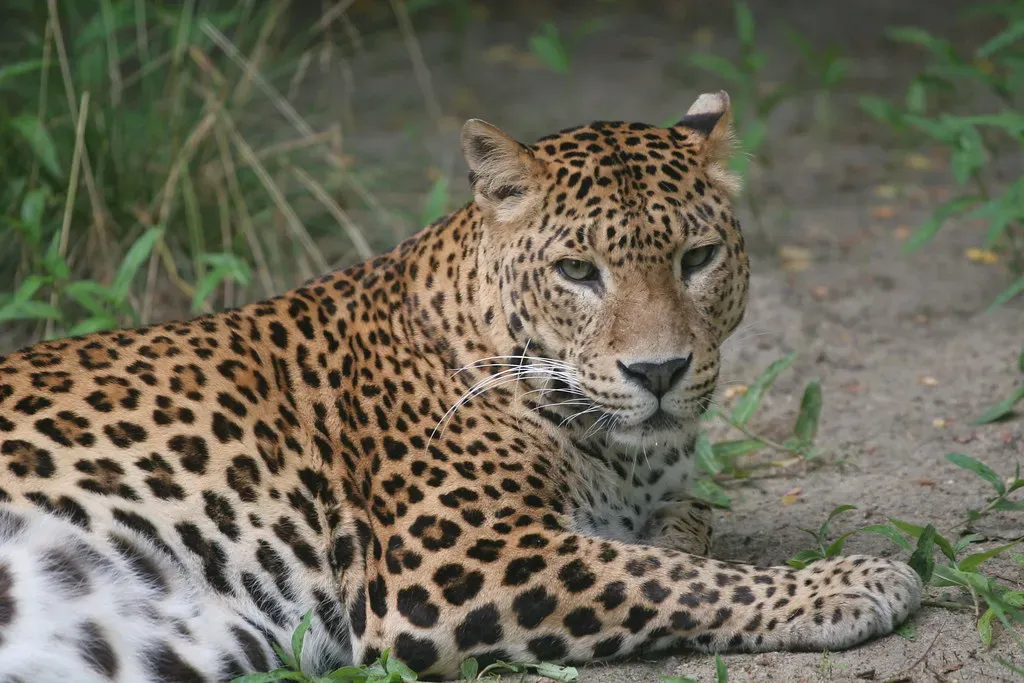
Stealth only matters if the final moment is decisive, and leopards are frighteningly efficient once they commit to the attack. Their forelimbs are heavily muscled with strong tendons that drive their claws into prey like curved hooks, giving them a solid grip even when an animal is struggling or trying to bolt. The retractable claws, once extended, act like crampons, anchoring the leopard to its target and preventing escape during those chaotic final seconds.
The jaw and neck finish the job. Leopards have powerful jaw muscles that deliver a strong, focused bite, usually aimed at the throat or the back of the neck. They can maintain that crushing hold while their body wraps and braces around the prey, using core and limb strength to apply steady pressure. It’s not a wild, messy brawl; biomechanically, it’s closer to a controlled choke or clamp, designed to end the encounter as quickly and quietly as possible so the noise doesn’t draw in other predators or scavengers.
Super Senses: Whiskers, Hearing, And The Fine Art Of Staying Undetected
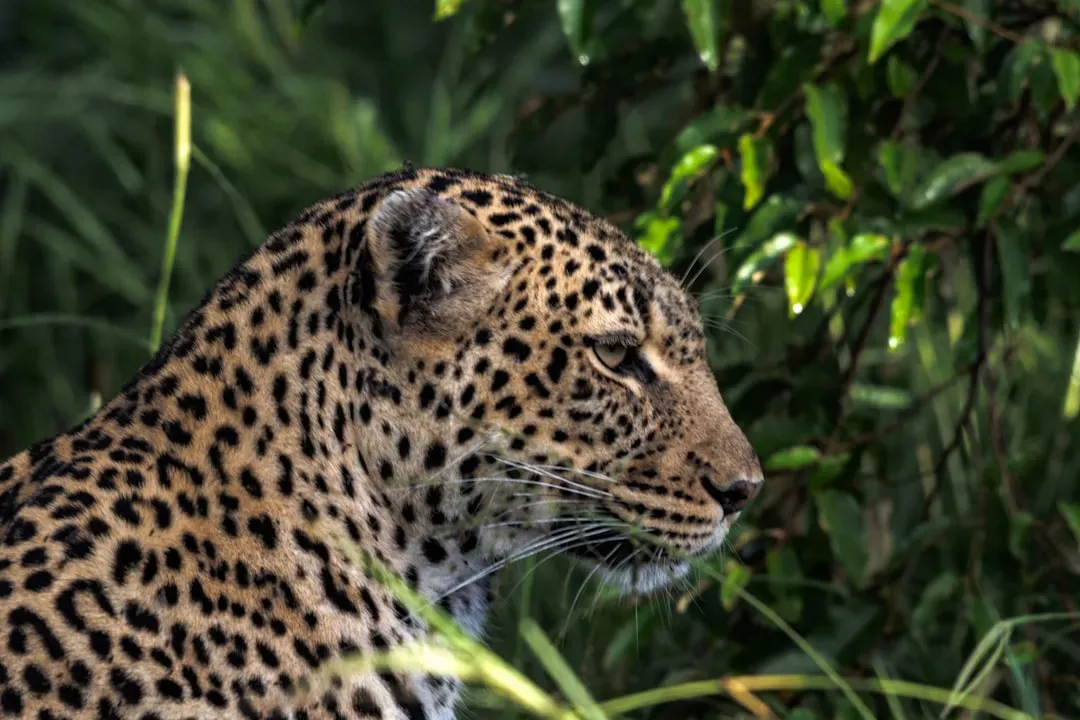
Leopards don’t just move silently; they also read their environment with an almost eerie sensitivity. Their whiskers are deeply rooted in the skin and connected to a dense network of nerves, allowing them to sense tiny changes in air movement or brush against obstacles in the dark without bumping into them. Around the face and even on the backs of their forelegs, these whiskers act like proximity sensors, helping them navigate through thick vegetation without making unnecessary noise.
Their hearing and smell complete this stealth system. Ears that can swivel independently pick up faint rustles, alarm calls, or hoofbeats from far away, allowing a leopard to map where potential prey or threats are without revealing itself. A finely tuned sense of smell helps them detect old kills, rival predators, or human presence, and adjust their path accordingly. Put together, these senses mean a leopard usually knows a prey animal is nearby long before the prey has any idea it’s being watched, stacking the odds heavily in the cat’s favor.
Carrying Prey Into Trees: Strength, Strategy, And Avoiding Competition
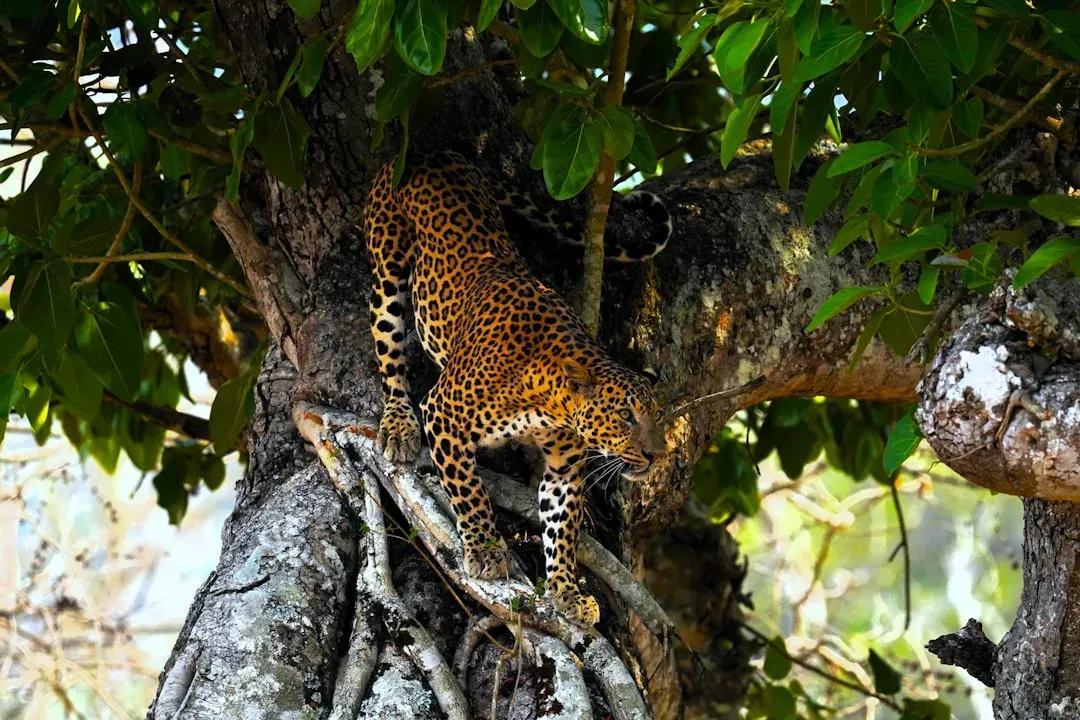
One of the most iconic leopard behaviors is dragging heavy prey into trees, and this is where their biomechanics really show off. Their shoulders, neck, and back are designed not just for sprinting and pouncing, but for hauling serious weight vertically. Leopards have been observed pulling carcasses heavier than themselves up sloping trunks and into high branches, something lions and hyenas simply cannot do. That climbing strength comes from a combination of muscular forelimbs, curved claws for grip, and a body weight that’s heavy enough for power but light enough to be supported by branches.
This tree‑hauling behavior is more than a cool trick; it’s a survival strategy that flows directly from their physical design. By caching kills in trees, leopards avoid losing food to larger, more social predators like lions or spotted hyenas that dominate on the ground. Biomechanically, being a superb climber allows the leopard to occupy a vertical niche in the ecosystem, turning three‑dimensional space into part of its hunting and feeding strategy. In a world where energy is precious and every meal is contested, this ability to remove a kill from competition is a massive advantage that keeps the leopard thriving, quietly, in the shadows above.