
If you’ve ever stepped outside at night and felt that strange pull to look up, you’re not alone. The sky above us is constantly shifting, bursting with rare alignments, sudden flashes, and slow, silent shows that have been going on long before humans ever noticed them. What’s wild is that you don’t need a spaceship, a PhD, or expensive gear to catch some of the universe’s most dramatic moments – you just need timing, a bit of patience, and the willingness to stand in the dark for a while.
Over the last few years, skywatching has quietly become one of my favorite ways to reset. I’ve stood in freezing air at two in the morning just to see a faint streak of light, and somehow it always feels worth it. Below are eleven cosmic events that you can realistically see from Earth with your own eyes, plus when and how to catch them. Some are predictable down to the minute; others surprise us and briefly steal the sky. Either way, once you know what’s coming, it’s hard not to keep checking the calendar – and the clouds.
Total Solar Eclipses: Day Turns to Night
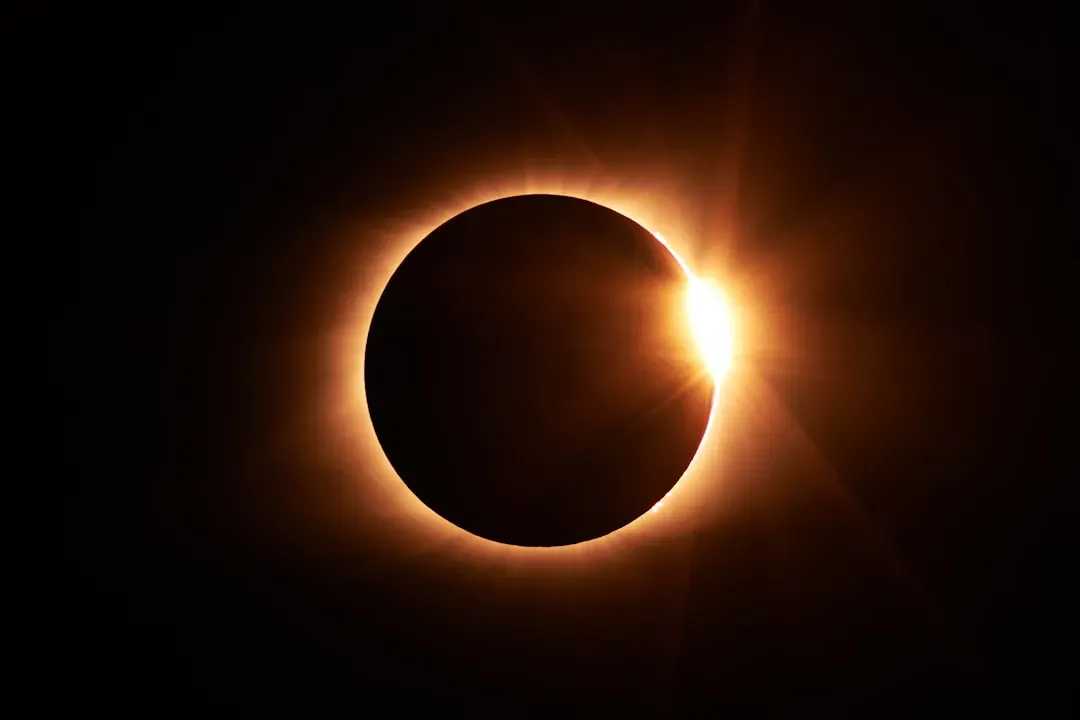
Few things feel as unsettling and awe-inspiring as a total solar eclipse, when the Moon perfectly covers the Sun and daylight suddenly drops into an eerie twilight. Animals change their behavior, temperatures dip, and the Sun’s delicate outer atmosphere, the corona, flares into view like a ghostly halo. You can only see totality along a narrow path that slices across Earth, so where you stand matters just as much as when you stand there.
From 2026 through the early 2030s, several total solar eclipses will cross accessible regions of the globe, including a major one over parts of Europe and the Arctic in August 2026 and others following in 2027 and 2028 over regions of Africa and Australia. To witness one properly, you’ll need certified eclipse glasses for the partial phases and possibly some travel planning if totality doesn’t pass over your home. The experience lasts only a few minutes, but people often plan for years and describe it as so powerful it feels almost unreal. If there’s one event on this list worth building an entire trip around, it’s this.
Partial and Annular Solar Eclipses: Rings and Bites Out of the Sun
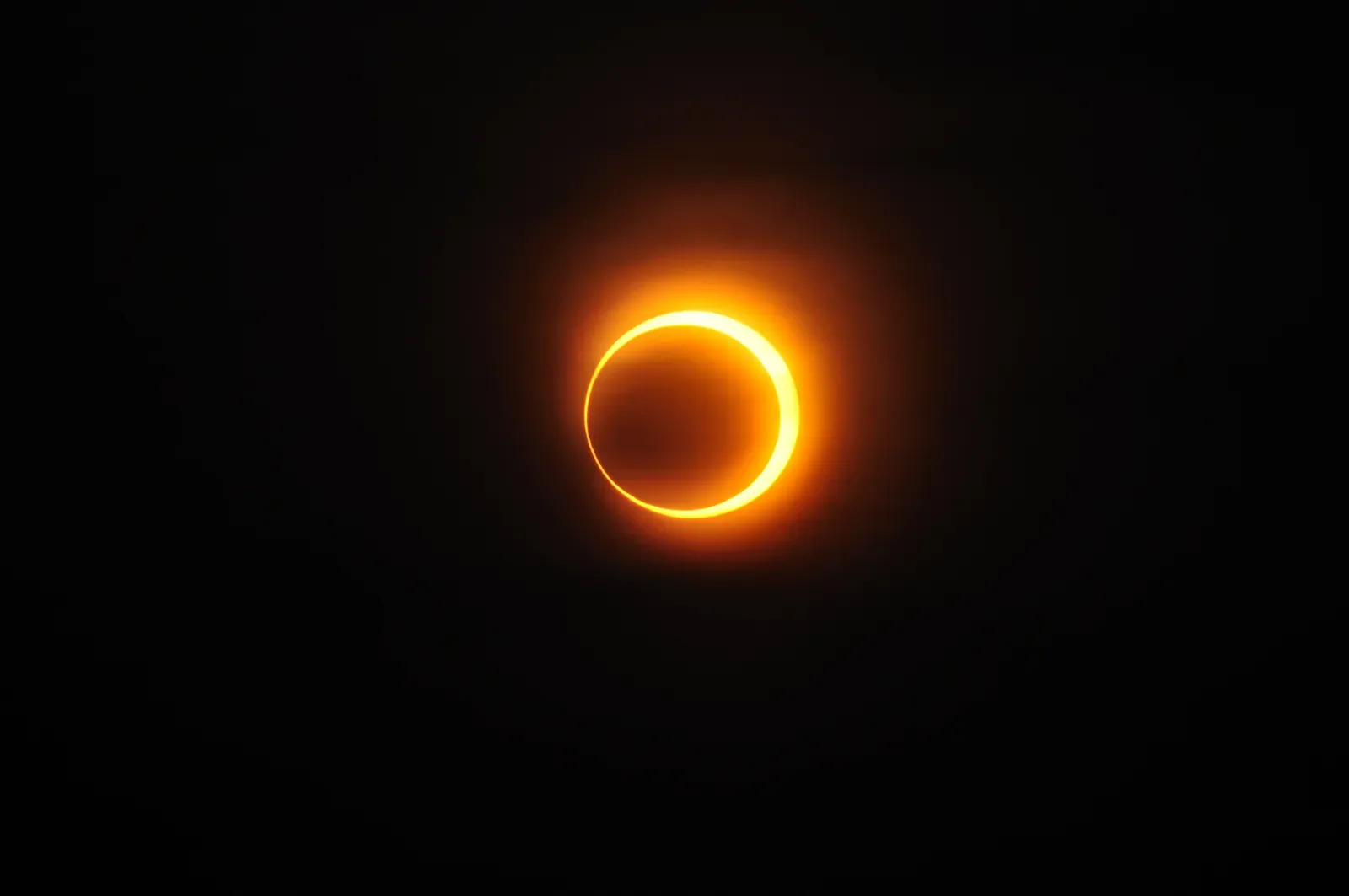
Even when the Moon doesn’t line up perfectly, it still puts on a show by taking a bite out of the Sun during partial eclipses or creating a fiery “ring of fire” during annular eclipses. In an annular eclipse, the Moon is slightly farther from Earth and looks a bit smaller, so it never fully covers the Sun, leaving a thin, blazing ring. These events are more common than total eclipses and cover wider areas, so chances are good that one will pass near you within a few years.
You can safely view partial and annular eclipses using proper solar filters, eclipse glasses, or simple pinhole projection setups, but never with bare eyes or improvised sunglasses. Upcoming years bring several of these eclipses to regions across the Americas, Europe, Asia, and Africa, often visible as deep partials even outside the central path. They don’t produce the surreal darkness of totality, but the sight of the Sun as a crescent or ring is still shocking and strangely beautiful. Think of them as the more accessible cousins of the total eclipse – easier to catch, still unforgettable.
Lunar Eclipses: The Blood-Red Moon
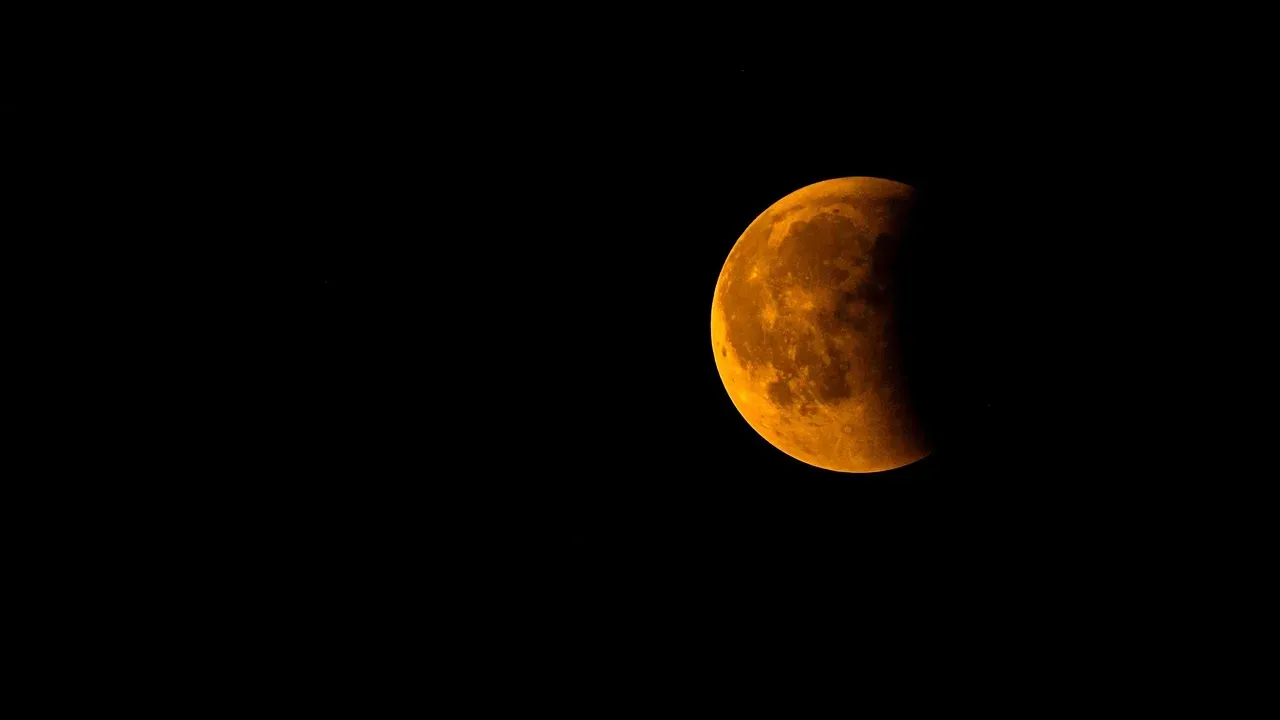
When Earth slips directly between the Sun and the Moon, our planet’s shadow turns the full Moon a deep copper or rusty red. Unlike solar eclipses, which are visible only along narrow paths, total lunar eclipses can be seen from roughly half of Earth at once, as long as the sky is dark and clear. That makes them much easier to catch, and you don’t need special eye protection – just your eyes and a bit of patience.
Several partial and total lunar eclipses occur every few years, with some visible from the Americas, Europe, Asia, or Africa depending on the timing. The Moon gradually darkens over the course of about an hour, then glows red at totality as sunlight filters through Earth’s atmosphere and bends into the shadow. If the atmosphere is dusty or full of volcanic particles, the Moon can appear a darker brick color; in clearer conditions, it can look almost bright orange. Put a blanket down, bring a warm drink, and watch the Earth’s shadow slowly erase and then return the Moon – it’s like a slow cosmic magic trick.
Meteor Showers: Shooting Star Storms
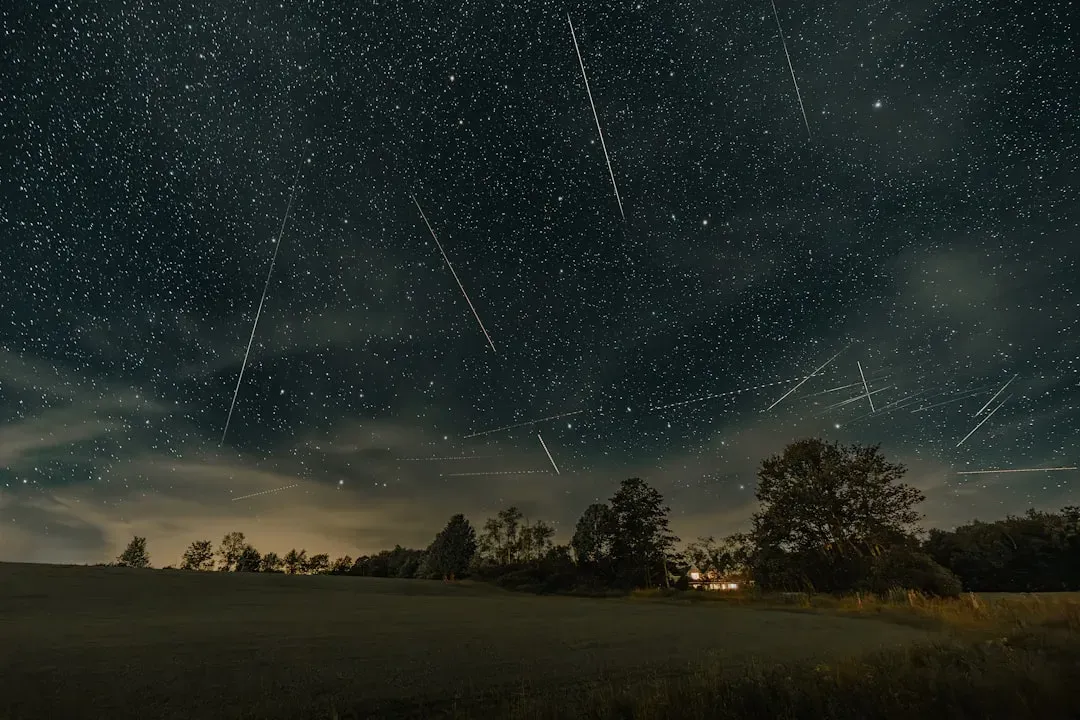
Meteor showers happen when Earth plows through a trail of dusty debris left behind by comets or, sometimes, asteroids. Those tiny grains hit our atmosphere at immense speeds and burn up, creating the streaks we call shooting stars. Some showers are modest, offering a few meteors every several minutes, while a handful of strong ones can produce steady, frequent streaks if conditions are dark and the radiant is high in the sky.
Well-known annual showers include the Perseids in August and the Geminids in December, both famous for bright, frequent meteors under dark skies. The best time is usually after midnight and away from city lights, ideally on a moonless night near each shower’s predicted peak. You don’t need a telescope; your eyes and a reclining chair are enough. Give yourself at least thirty minutes for your vision to adjust and for the sky to surprise you – meteor watching is part science, part quiet meditation.
Planetary Conjunctions: Worlds Huddled Together
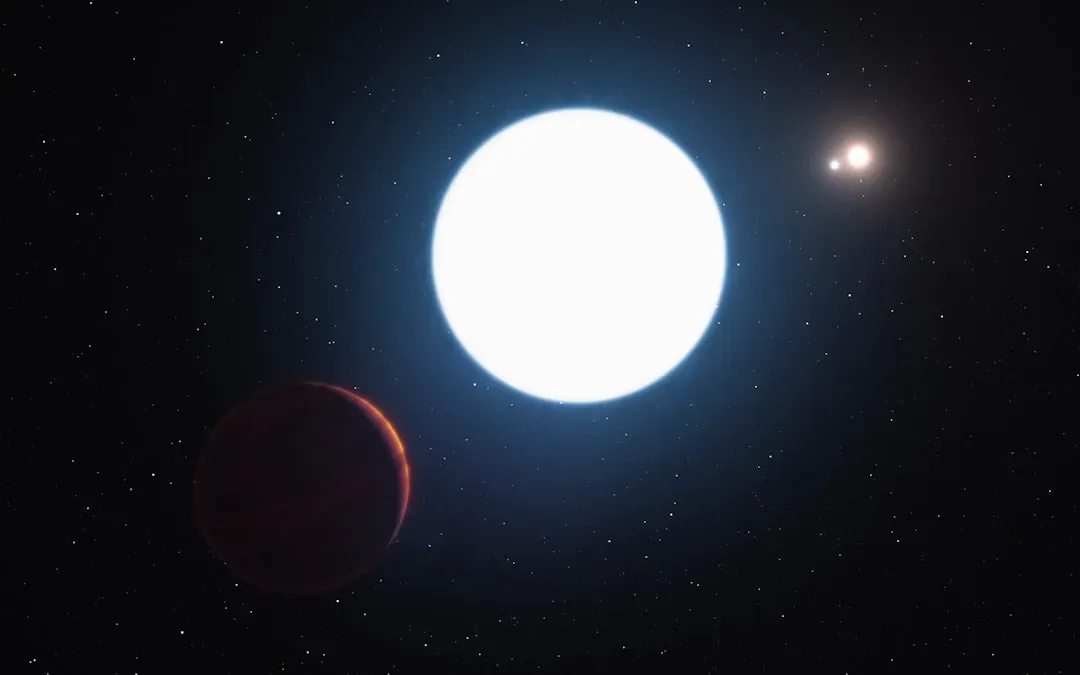
Every so often, bright planets like Venus, Jupiter, Saturn, and Mars appear unusually close together in the sky, sometimes even lining up with the Moon to form striking patterns. These events, called conjunctions, are really just line-of-sight alignments from our vantage point on Earth, but they look like the planets are huddling together for a brief conversation. I still remember one evening when Venus and Jupiter sat so close they looked like a double star, drawing surprised comments from people who never usually look up.
Conjunctions happen fairly often, though the most dramatic ones – where planets appear extremely close – are more rare and eagerly anticipated by skywatchers. You can spot them with the naked eye just after sunset or before sunrise, depending on which planets are involved. Astronomy apps and basic sky charts make it easy to plan ahead and know exactly where to look along the horizon. If you’ve ever wanted to see multiple planets at once without any equipment, a good conjunction is your best chance.
Bright Planetary Oppositions: Mars, Jupiter, and Saturn at Their Best
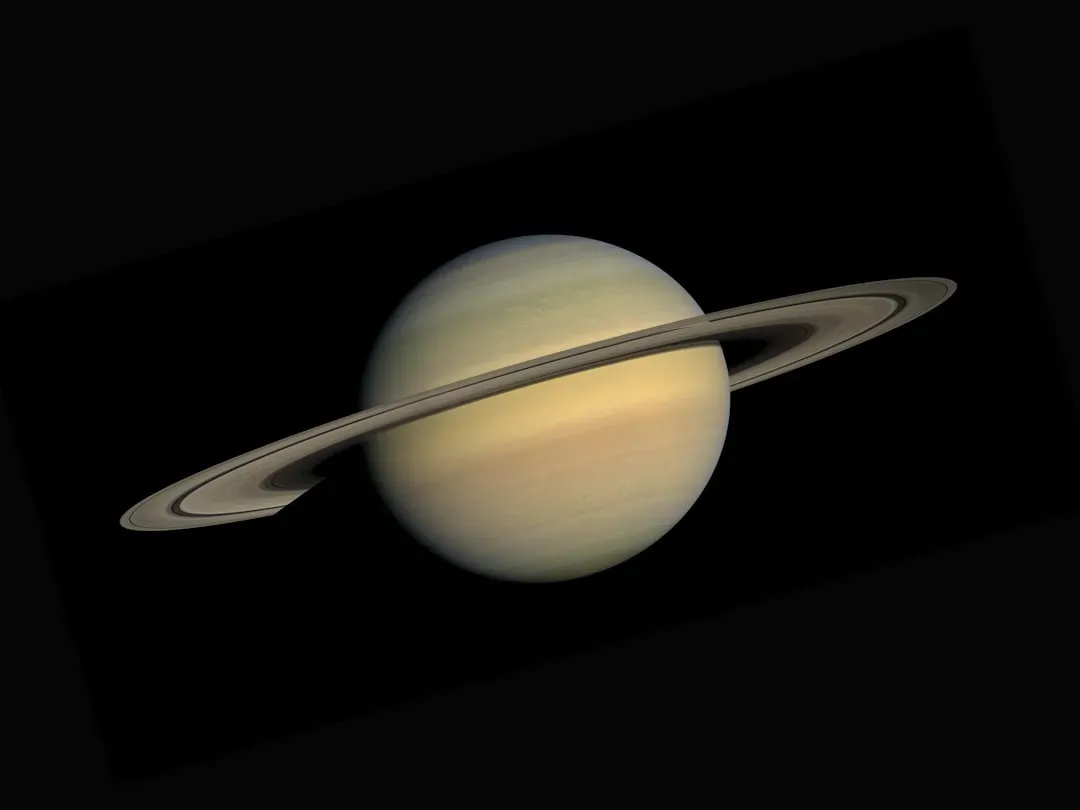
When a planet like Mars, Jupiter, or Saturn is at opposition, it sits opposite the Sun in our sky, rising at sunset and setting at sunrise. That geometry places the planet relatively close to Earth and fully illuminated, making it appear brighter and larger than usual. A Mars opposition during a particularly close approach can turn the red planet into a striking orange beacon, easy to pick out even in light-polluted cities.
Jupiter at opposition becomes a brilliant steady “star” that outshines almost everything else in the night sky, while Saturn’s soft, golden glow hangs nearby, a bit dimmer but still distinct. Oppositions repeat on predictable cycles – roughly every year for Jupiter, a bit longer for Mars and Saturn – so you can find their dates on any up-to-date astronomy calendar. With binoculars or a small telescope, you’ll see even more: Jupiter’s four largest moons lined up beside it, or Saturn’s iconic rings standing out clearly. But even without gear, these oppositions are some of the easiest, most satisfying things to spot.
Auroras: Dancing Lights in the Polar Skies
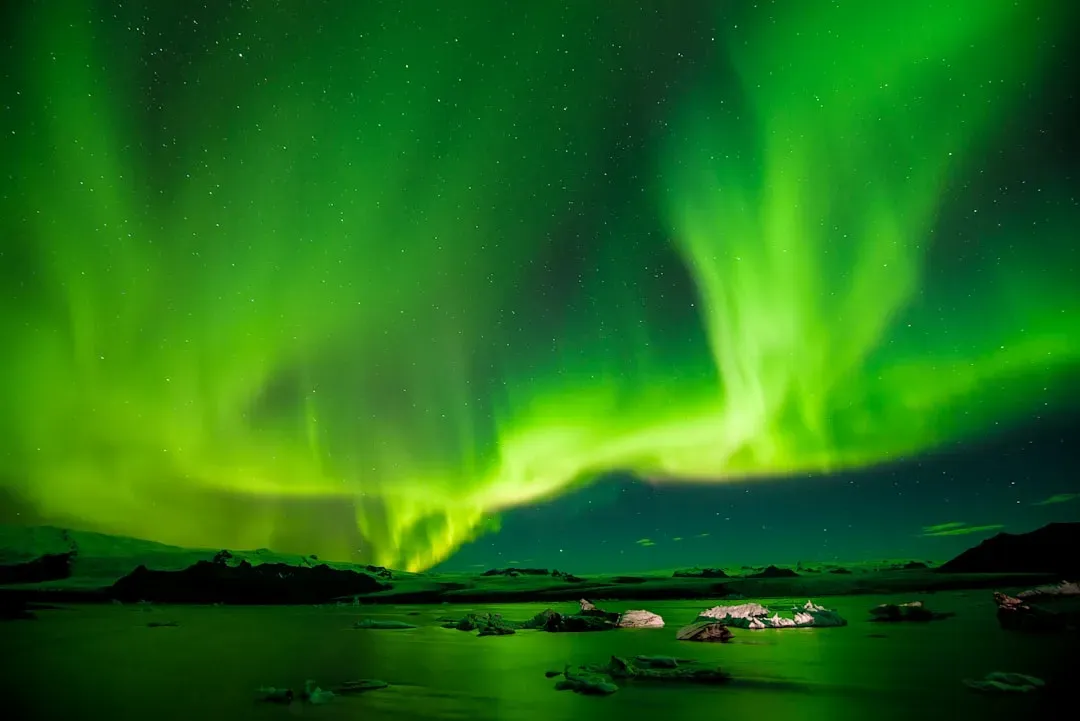
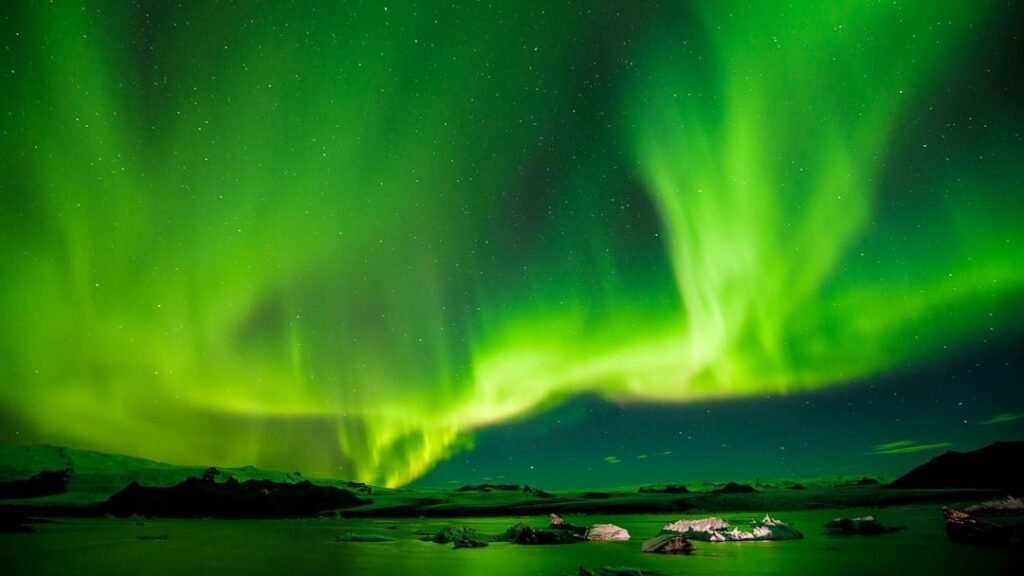
Auroras, often called the northern and southern lights, are nature’s neon signs, glowing and shimmering when charged particles from the Sun slam into Earth’s upper atmosphere. They usually favor high-latitude regions near the Arctic and Antarctic circles, painting the sky with curtains and arcs of green, purple, and sometimes red light. Seeing them in person can feel almost unreal, like the sky learned to breathe and move on its own.
During periods of strong solar activity, especially around the peaks of the roughly eleven-year solar cycle, auroras can spill farther south or north than usual, occasionally reaching into mid-latitude regions. The current solar cycle has been active, and geomagnetic storms in recent years have treated people in unexpected locations to rare auroral displays. To maximize your chances, you need dark skies, clear weather, and a good aurora forecast, often tracked by indices that measure geomagnetic activity. If you ever have the chance to travel to places like northern Scandinavia, Canada, Alaska, or southern New Zealand during aurora season, it’s worth losing a night of sleep.
Comet Passes: Ghostly Visitors With Tails
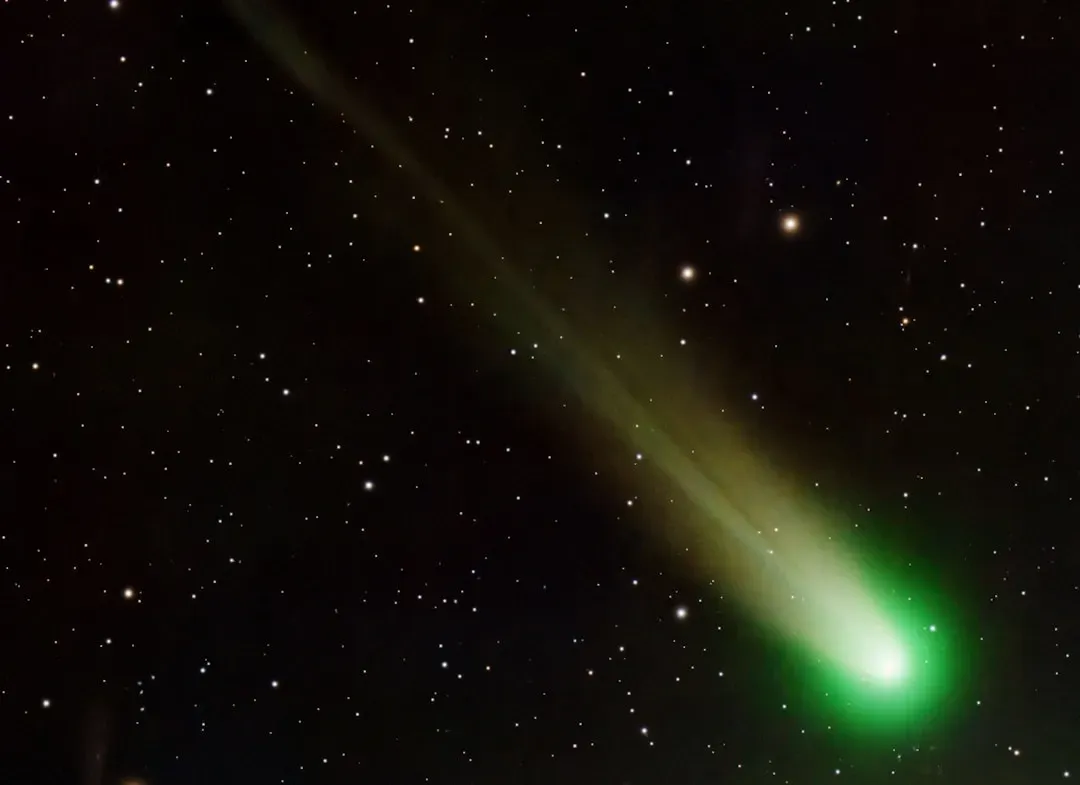
Comets are icy bodies that spend most of their time in the far reaches of the Solar System, only occasionally diving inward toward the Sun. When they do, sunlight and solar radiation heat them up, causing jets of gas and dust that form the glowing comas and tails we associate with classic comet imagery. Every now and then, one of these visitors becomes bright enough to be easily visible to the naked eye, sparking global buzz and late-night skywatching sessions.
Some comets are predictable, returning on long cycles, while others are newly discovered and catch astronomers by surprise as they brighten. Over the past decade, a few comets have put on solid shows in the evening sky, and future years are likely to bring more – though predicting exactly which ones will dazzle is tricky. Your best strategy is to keep an eye on current astronomy news, especially in the months before and after a comet approaches its closest point to the Sun or Earth. If one turns out to be a true spectacle, you’ll hear about it, and all you’ll need to do is step outside and look in the right direction.
The Milky Way: Our Galaxy on a Dark Night
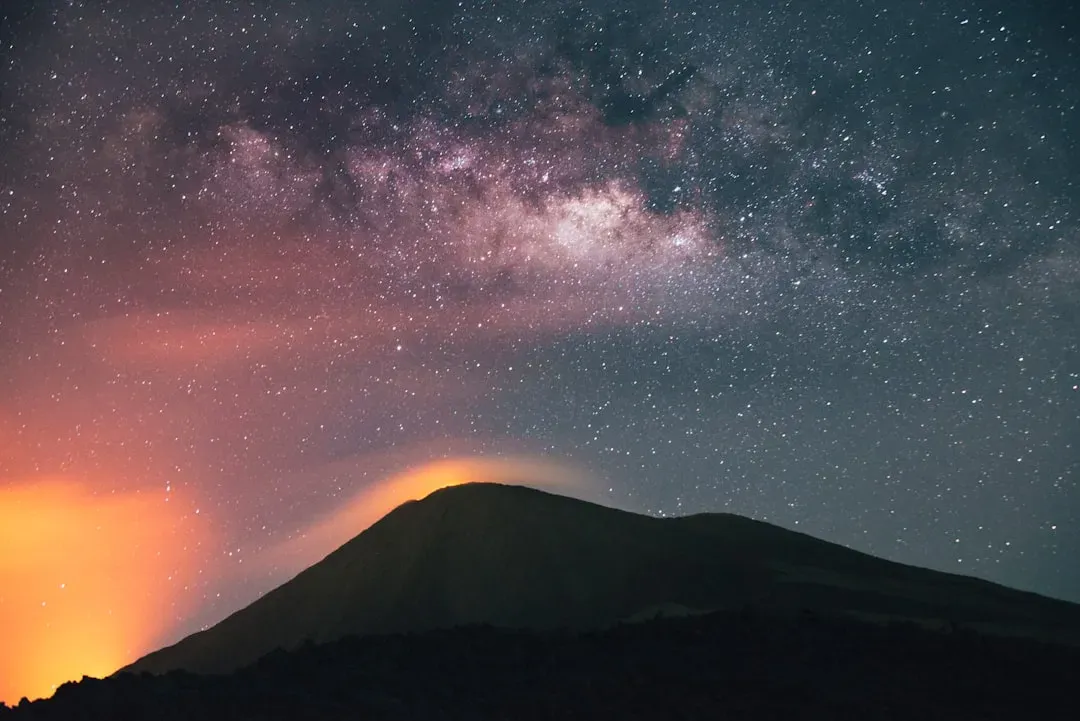
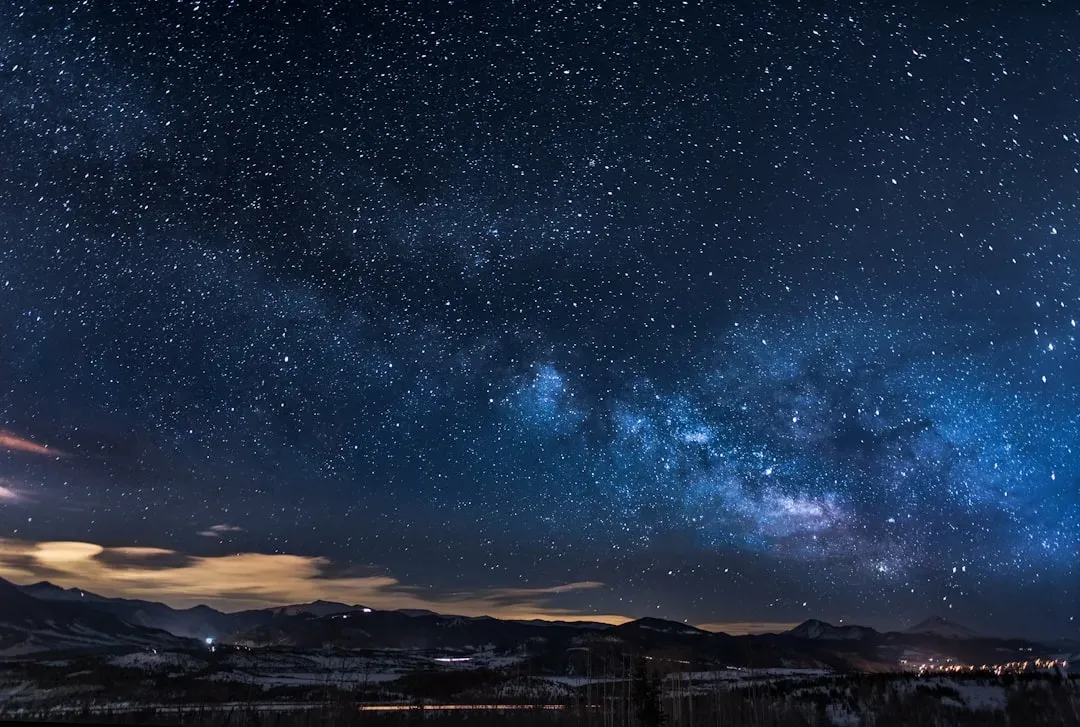
One of the most underrated cosmic events isn’t rare at all – it’s just hidden by our own lights. Under truly dark skies, far from cities and streetlamps, the Milky Way stretches across the sky as a hazy, luminous band full of intricate knots and dark dust lanes. Seeing it clearly for the first time can be a shock; many people raised in bright urban areas have never realized that the night sky is supposed to look like that.
The best times to view the Milky Way are moonless nights during the local dry season, when humidity and haze are low, and when the bright central region of the galaxy is above the horizon, which for many locations happens in late spring through early autumn. You don’t need any equipment, just a trip to a dark-sky area and time for your eyes to adjust. Lie back and you’ll start to see more detail the longer you look, as if the galaxy is slowly revealing itself. It’s less a brief event and more a reminder that we’re tucked inside an immense stellar city.
Zodiacal Light and Gegenschein: Subtle Solar System Glow
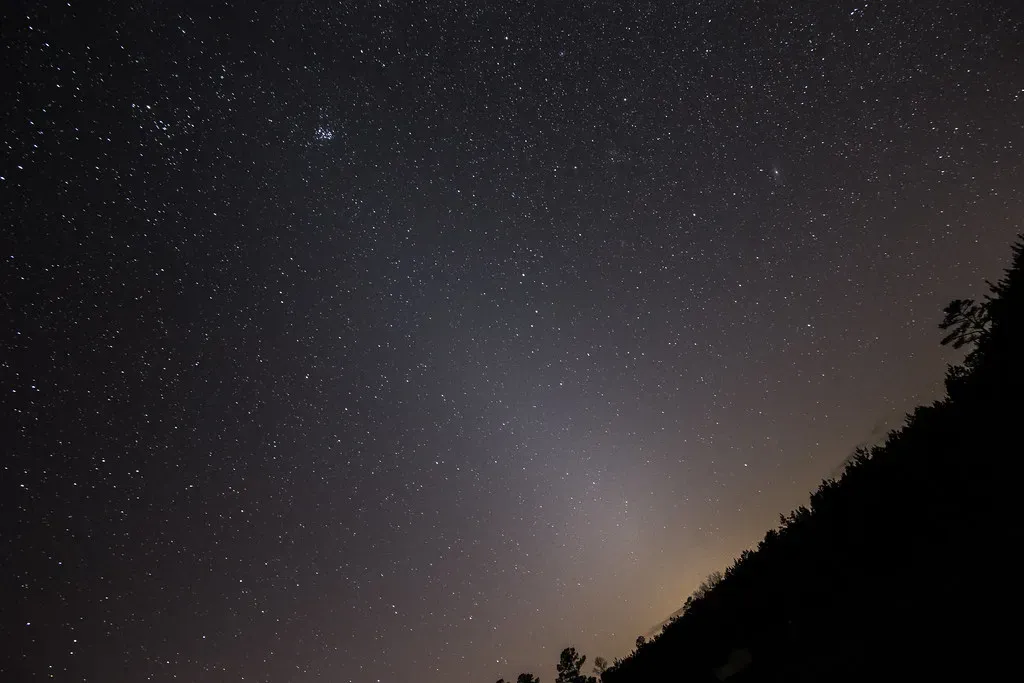
Not all cosmic sights are bold and obvious; some are whisper-quiet, barely visible unless you know exactly what to look for. Zodiacal light appears as a faint, triangular glow extending up from the horizon along the ecliptic just before dawn or after dusk, caused by sunlight scattering off interplanetary dust. It’s easiest to see in very dark locations during certain seasons, often in the spring before sunrise or in the autumn after sunset, depending on your hemisphere.
Even subtler is the gegenschein, a faint patch of light directly opposite the Sun in the night sky, again created by sunlight reflecting off dust in the inner Solar System. Both phenomena demand pristine conditions: dark skies, no Moon, minimal light pollution, and well-adjusted night vision. They’re not the kind of thing that will wow a casual observer in a lit city park, but for people who enjoy chasing the rare and delicate, they’re like finding a hidden watermark on the sky. Once you’ve seen them, you start to feel the Solar System as a dusty, glowing plane rather than just a backdrop of stars.
Occultations and Transits: Precise Cosmic Lineups
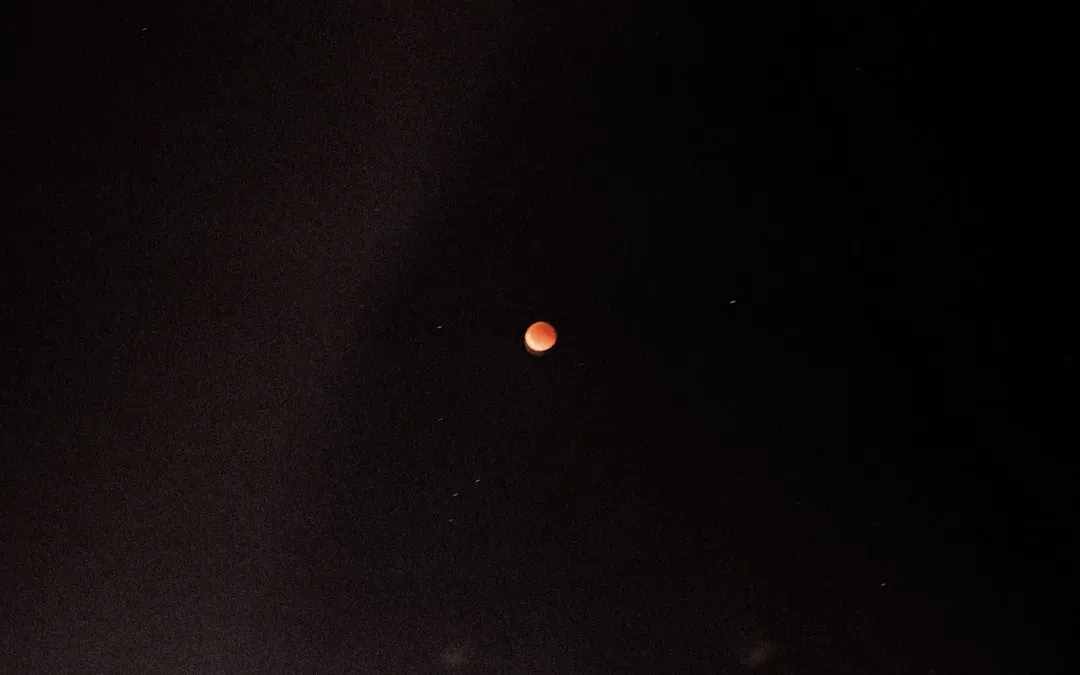
An occultation happens when one object in the sky passes in front of another, hiding it from view. The most dramatic examples for casual observers are when the Moon slides in front of a bright star or a planet, briefly swallowing it and then revealing it again. These events are highly predictable but visible only from certain parts of Earth, so their paths and timings are carefully mapped out by astronomers.
Transits are related but involve a smaller object crossing the face of a much larger one, such as when planets pass in front of the Sun as seen from Earth. While transits of Mercury and Venus across the Sun are rare and require proper solar filters to observe safely, they’ve historically been crucial for understanding our Solar System’s scale. For the average skywatcher today, lunar occultations of bright planets can be especially striking and need nothing more than your eyes or binoculars. They’re blink-and-you-miss-it alignments that make the sky feel suddenly dynamic and layered, like a play with perfectly timed entrances and exits.
Planetary Alignments and “Parades” Across the Sky
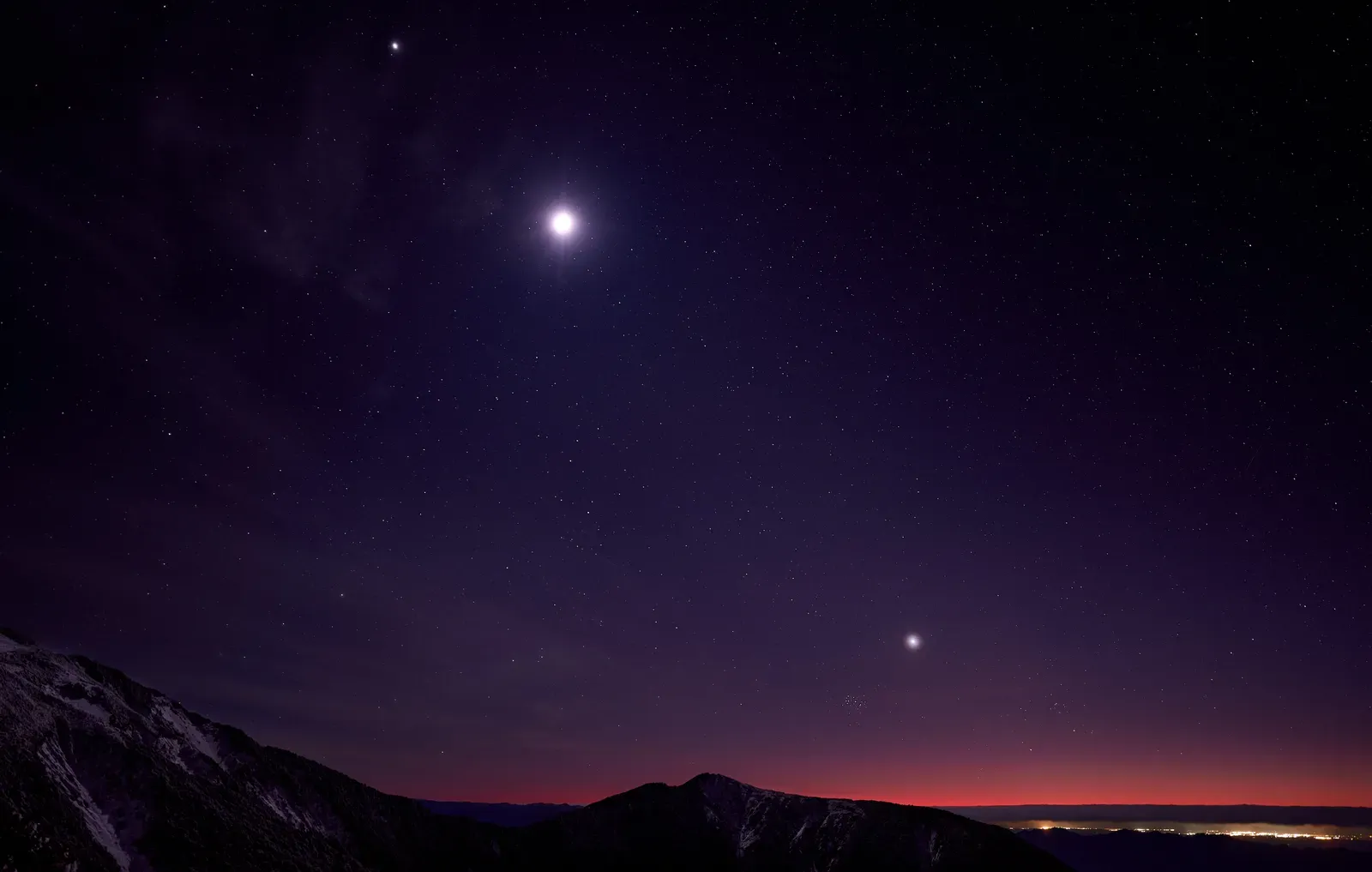
Every so often, several of the bright planets gather on the same side of the Sun and appear stretched across the sky in the same general region, sometimes all visible in a single night or even at once. These alignments are sometimes called planetary “parades,” and while they are more visual patterns than mystical events, they still create gorgeous, memorable evenings. You might see Mercury hugging the horizon, Venus blazing brightly, Mars glowing red, and Jupiter and Saturn following along like distant lanterns.
Such groupings are not ultra-rare, but the exact mix of planets and their separations can make some years far more interesting than others. Astronomy forecasts often highlight these periods well in advance, as they’re easy entry points for beginners and a good reason to gather friends outside at dawn or dusk. The best part is that you can follow the parade over days or weeks and watch the planets shift positions against the stars. It’s a gentle reminder that we’re all moving together around the Sun, caught in a slow but intricate cosmic dance.
The Universe Is Closer Than It Looks
Once you start paying attention to the sky, it stops being a static backdrop and becomes something alive, full of rhythm and surprise. Total eclipses, meteor showers, auroras, and quiet glows like zodiacal light all share one thing in common: they reward anyone willing to step away from screens, check a simple forecast, and look up at the right time. You don’t need perfect equipment or perfect conditions every time; even catching one or two of these events over a year can change how you feel about our place in the universe.
Keeping a simple sky calendar, using a basic astronomy app, or following current observing alerts can turn ordinary weeks into something to anticipate. The next time someone mentions an eclipse, a bright Mars, or an upcoming meteor shower, you’ll know it’s not just trivia – it’s an invitation. The cosmos is already putting on the show; all that’s left is deciding which night you’ll step outside, tilt your head back, and see it for yourself. Which of these events are you going to try to catch first?