
Nature doesn’t just play fair; it plays weird. The more scientists look closely at animals, the more it feels like the planet is full of bizarre superpowers that would seem ridiculous in a science fiction movie. Yet, for the species that have them, these strange traits are the difference between life and death.
Some animals rewrite the rules of aging, others turn their own bodies into weapons or backup power systems, and a few basically reject the idea of having just one sex. It’s messy, ingenious, and occasionally a little unsettling. Let’s dive into six of the strangest biological adaptations that quietly keep entire species alive while we’re busy thinking humans are the clever ones.
The Immortal Jellyfish That Rewinds Its Own Life
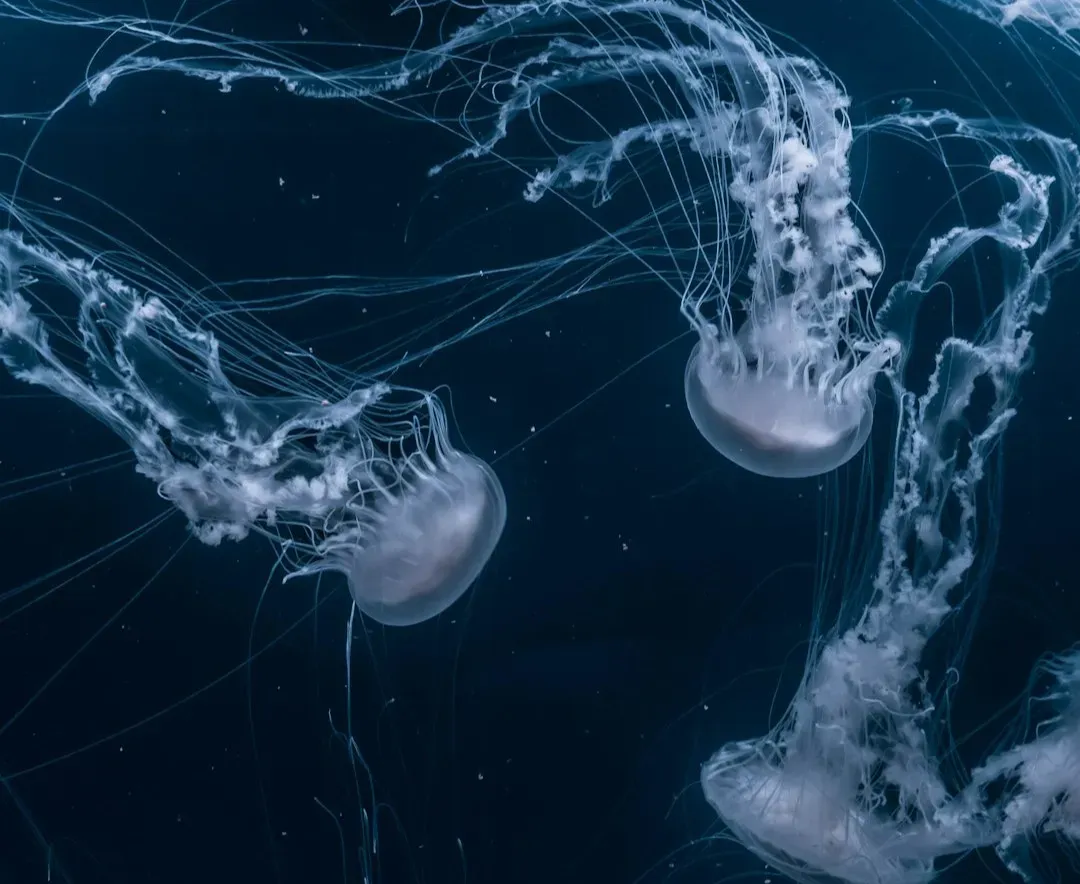
Imagine hitting a reset button on your life whenever things get rough: body damaged, environment bad, resources low? Just turn yourself back into a baby and start again. The tiny jellyfish Turritopsis dohrnii, often called the “immortal jellyfish,” actually does this. When stressed or injured, instead of dying, it can revert from its adult form back to a juvenile polyp stage, rebuilding its body from the ground up.
This bizarre reversal is possible because its cells can essentially “de-specialize” and then specialize again, a bit like turning a finished Lego castle back into a pile of bricks and then rebuilding something new. It doesn’t mean individual jellyfish literally can’t ever die – predators, disease, or accidents can still end them – but aging itself doesn’t have the final word. From a survival standpoint, this gives the species an incredible way to ride out bad conditions and expand rapidly when the environment improves.
Exploding Ants That Turn Themselves Into Living Bombs
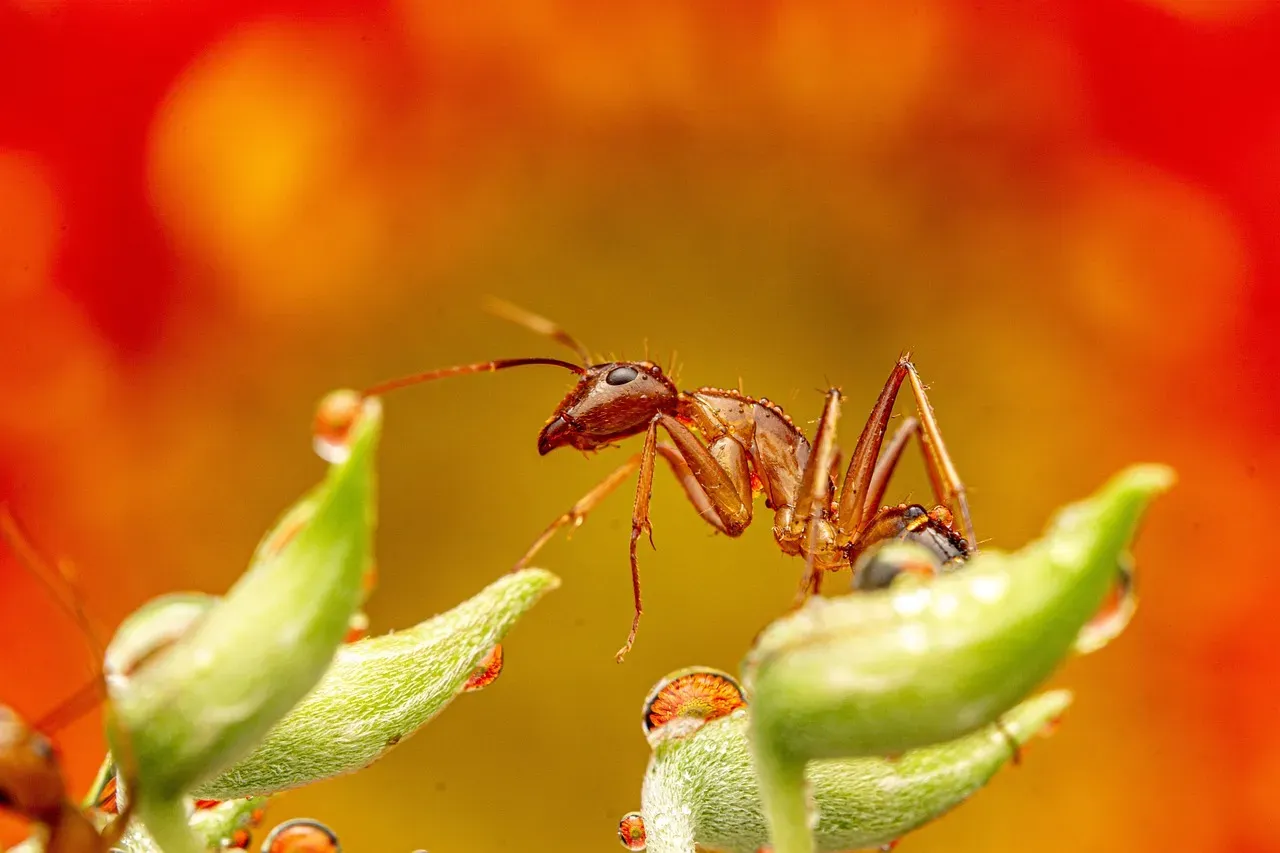
Some ants don’t just defend the colony; they sacrifice themselves in a way that feels almost too dramatic for real life. In certain Southeast Asian species nicknamed “exploding ants,” specialized workers can literally burst their own bodies when threatened. Their abdomens rupture and release a sticky, toxic fluid that can kill or immobilize attackers. It’s not just self-defense; it’s deliberate self-destruction for the greater good.
This adaptation came from extreme division of roles within the colony. Some ants are soldiers, some are workers, and a tiny group are living landmines. The exploding individuals are often smaller and packed with oversized glands full of defensive chemicals. They give up their own chance at survival so the queen and the rest of the colony live on. From a human point of view, it’s brutal. From an evolutionary point of view, it’s brutally effective.
Regenerating Limbs And Organs In Axolotls
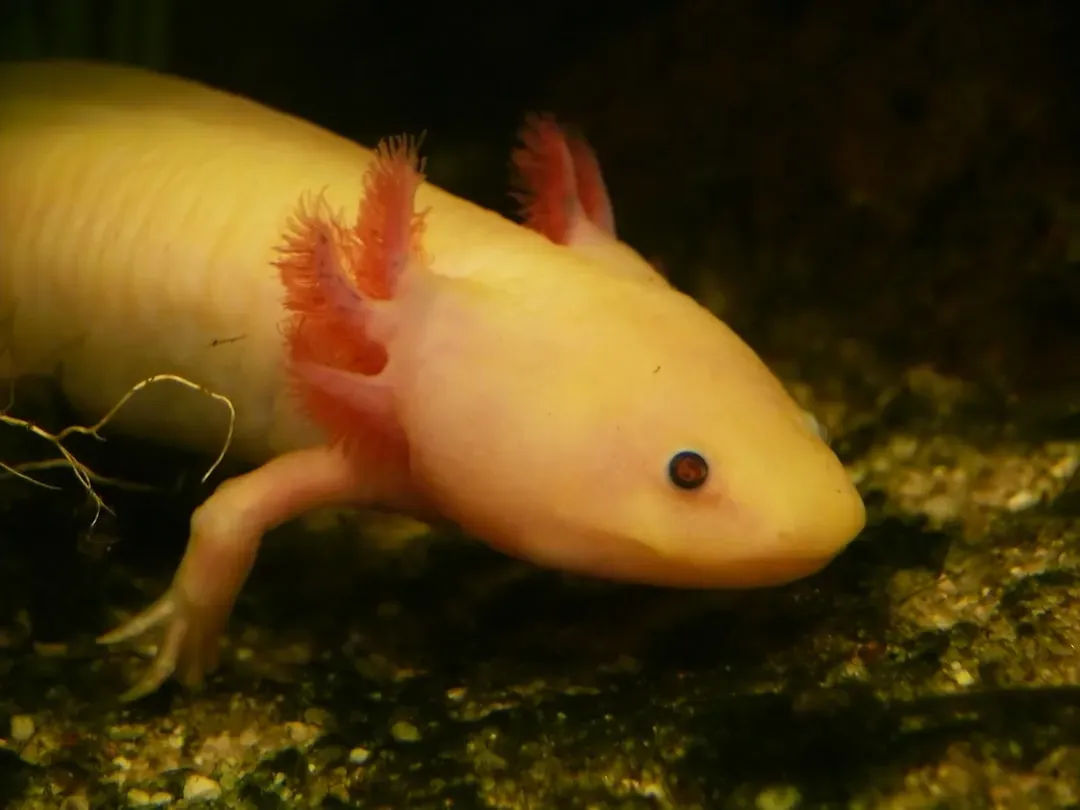
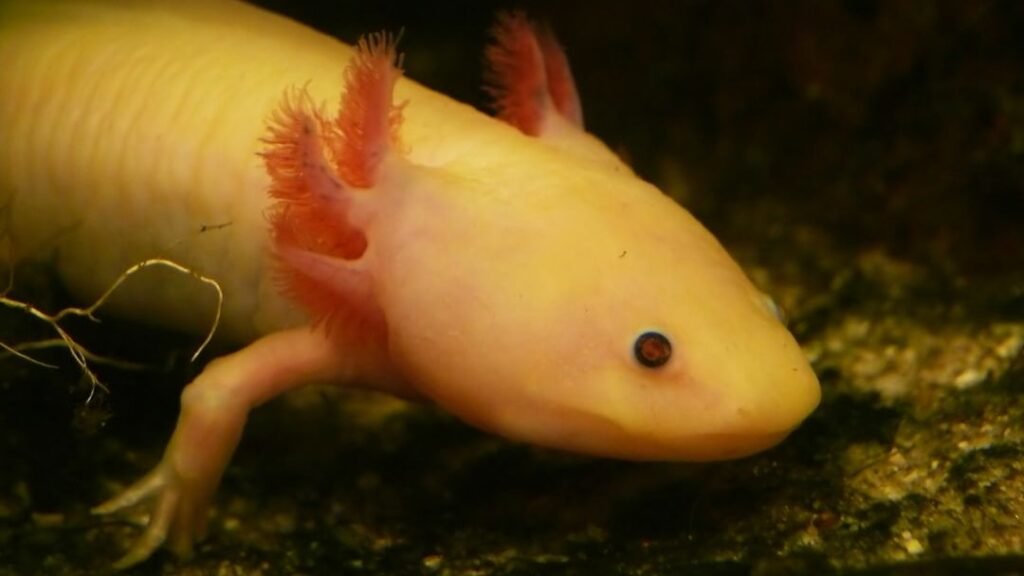
If humans lose a limb, that’s it. If an axolotl, a Mexican salamander, loses a limb, an organ, or even part of its spinal cord, it just grows it back. Not with scar tissue, not as a misshapen stump, but as a fully functional structure. It can regenerate eyes, chunks of its brain, and sections of its heart in a way that has fascinated scientists for decades.
The trick lies in how its cells respond to injury. Instead of scar formation that locks in damage, axolotl cells revert to a more flexible, early state, then rebuild what was lost with eerie precision, like restoring a deleted file rather than patching a broken one. This power gives axolotls a huge survival edge in the wild, where injuries from predators or rough environments are common. It’s no wonder researchers keep staring at these animals hoping to figure out how to copy even a fraction of that ability for human medicine.
Sex-Changing Fish That Rewrite Their Social Roles
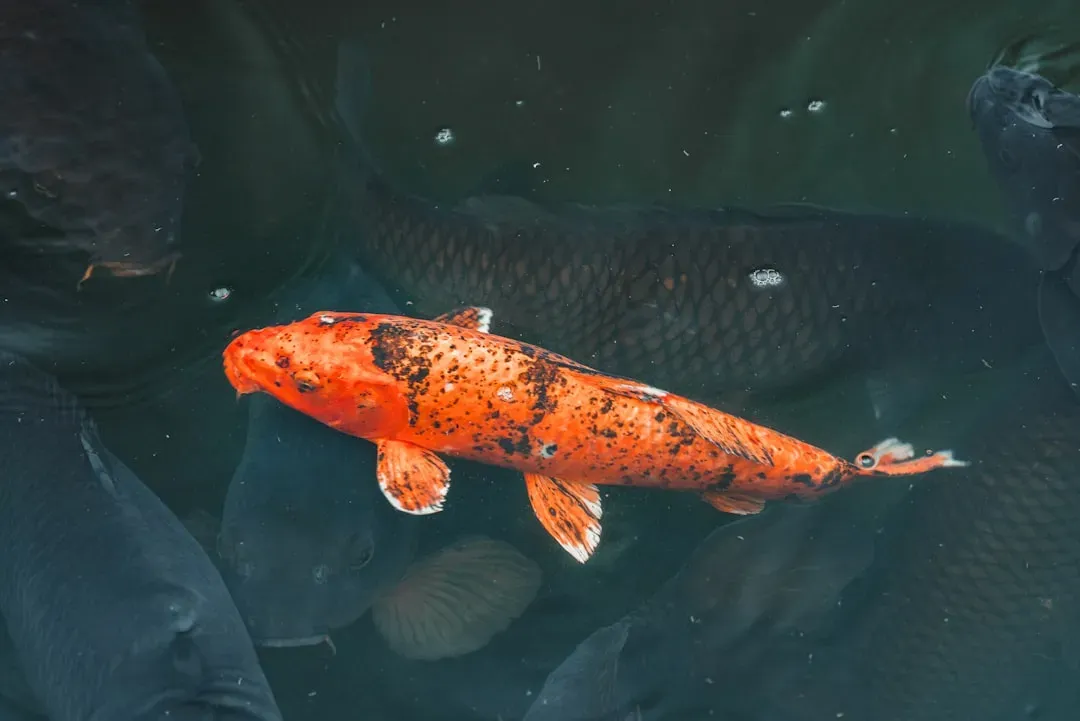
In many coral reef fish, the idea of being permanently male or female is more of a suggestion than a rule. Clownfish and wrasses are famous examples of sequential hermaphrodites, meaning they can change sex depending on social and environmental conditions. In some species, if the dominant female dies, the biggest male transforms into a female and takes her place. In others, females can become males if the group’s social structure requires it.
This flexibility solves a tricky survival problem: how to keep reproducing when population sizes are small or partners are scarce. Instead of waiting for the right sex to appear, the fish reorganize their own bodies and hormones to fill the gap. It’s like a team where players can switch from goalkeeper to striker overnight because the game demands it. For reef ecosystems constantly disrupted by storms, predators, and human impacts, this kind of adaptability can mean the difference between a population crashing or recovering.
Toothless But Deadly: Venomous Platypus Spurs
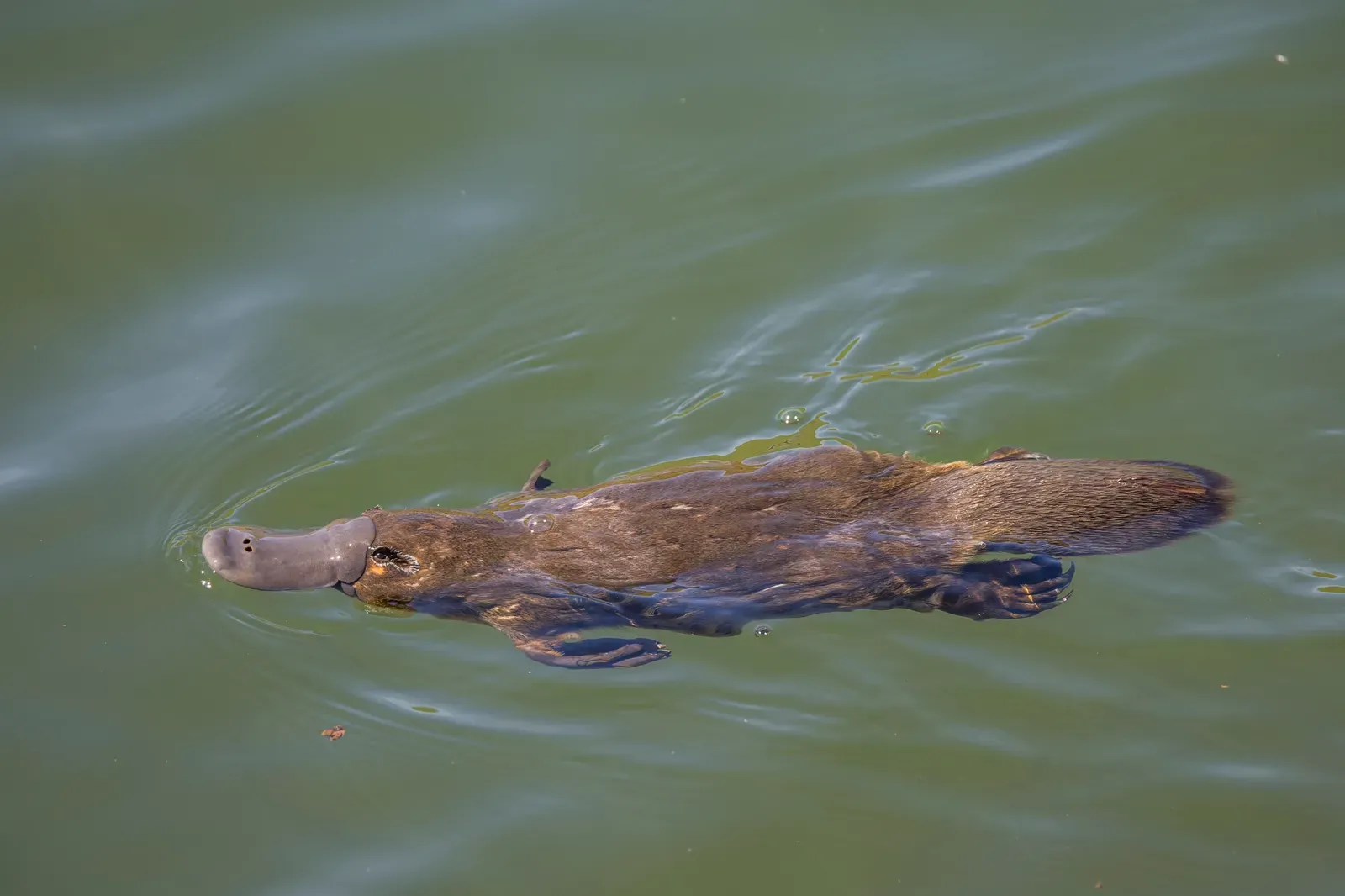
The platypus already looks like nature accidentally shuffled the parts list: duck bill, beaver tail, otter feet. But one of its strangest features is mostly hidden unless you know to look for it. Male platypuses have sharp spurs on their hind legs connected to venom glands. During the breeding season, these glands swell with a cocktail of toxins that can deliver an excruciating sting to rivals or predators.
This venom isn’t usually deadly to humans, but it can cause intense pain and swelling that may last for days or longer. For the platypus, it’s a powerful tool in competition with other males and in self-defense. What makes it especially odd is that many close mammal relatives lost venom over evolutionary time, but the platypus kept and refined this ancient trait. It’s a reminder that even cozy, semi-cuddly-looking animals can be armed in ways you’d never guess from a distance.
Freeze-Tolerant Frogs That Turn Into Living Ice Blocks
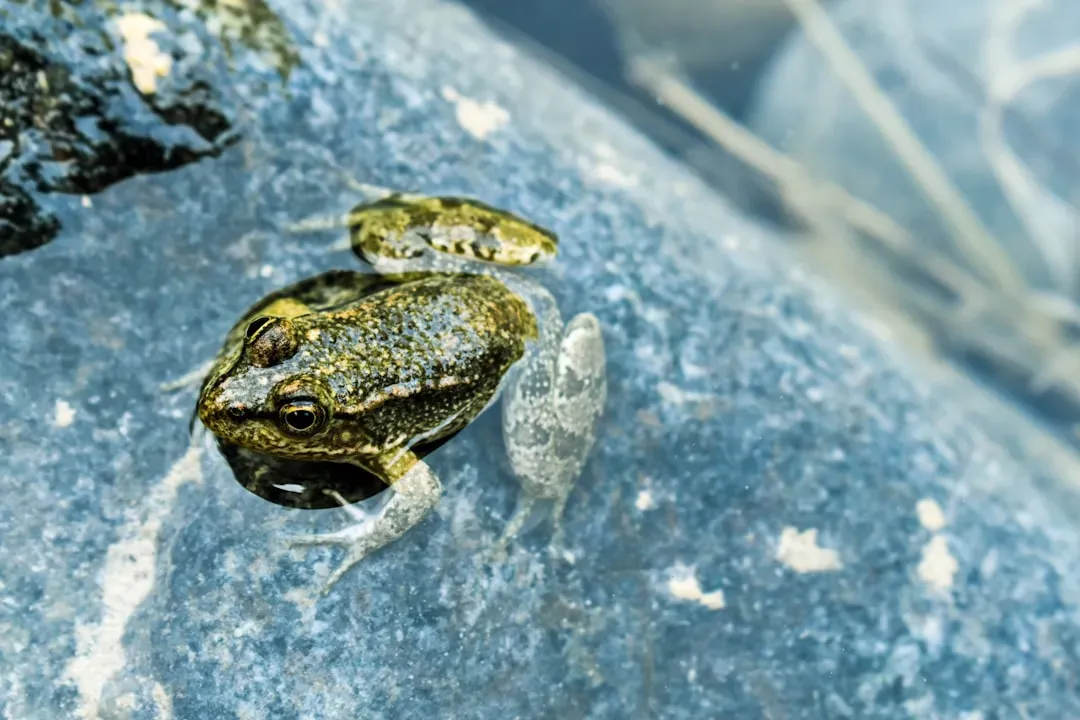
Some frogs in North America do something that sounds like a dark fairy tale: they freeze solid in winter and come back to life in spring. Species like the wood frog can let a huge portion of their body water turn to ice. Their hearts stop, they stop breathing, and yet they don’t die. Instead, they flood their tissues with natural antifreeze molecules like glucose and urea that protect their cells from permanent damage.
While frozen, these frogs are motionless, buried under leaves or soil, basically existing as little biological ice sculptures. When temperatures rise, the ice melts, organs restart, and the frog just goes on with its life as if nothing happened. This terrifying-sounding trick lets them survive in places where winters would kill less adapted amphibians. It’s an extreme survival strategy that looks reckless but is actually incredibly precise, like putting life itself on pause and trusting that the “play” button will still work months later.
Survival Favors The Strange
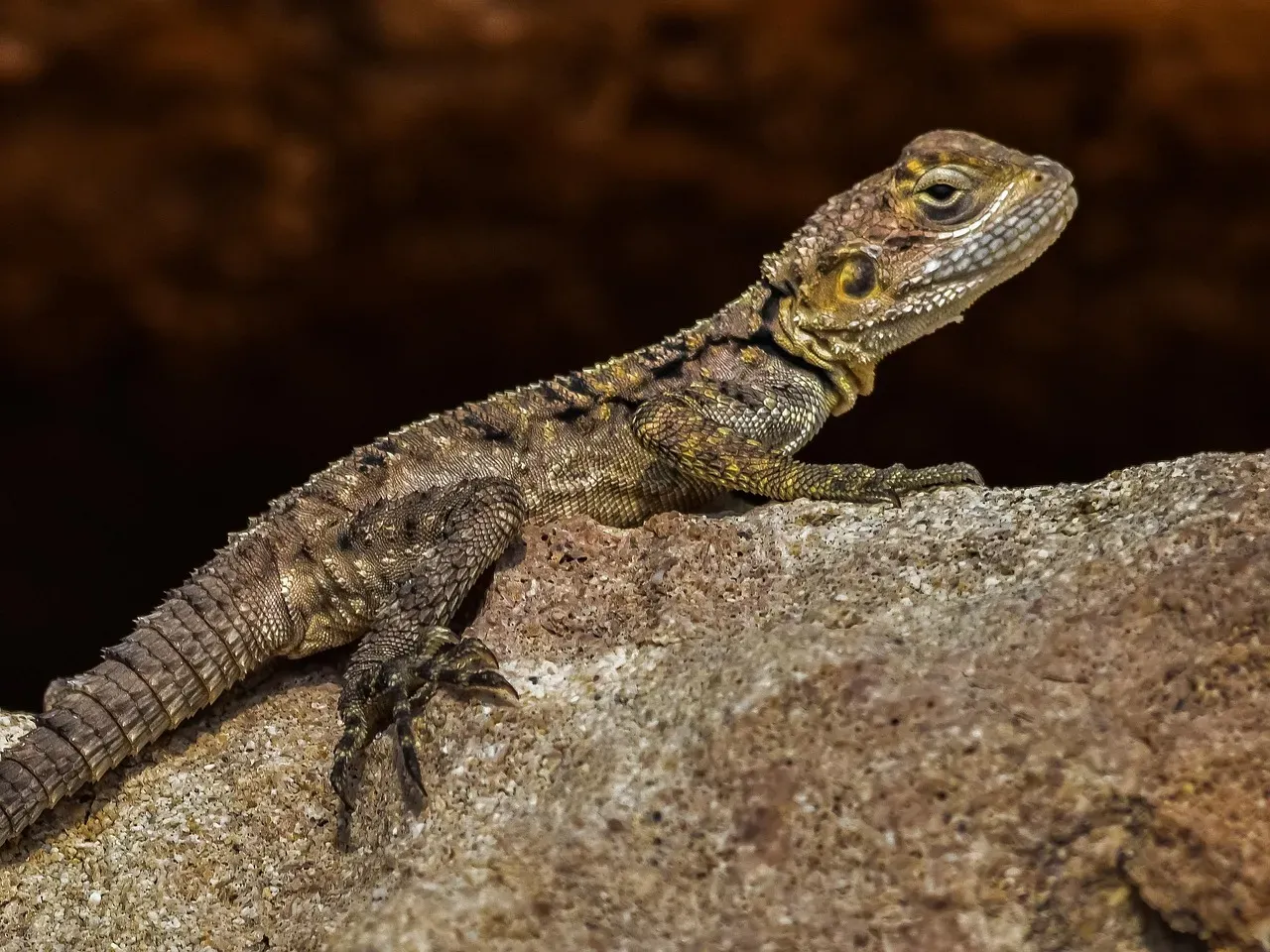
All of these animals break the unspoken rules we assume biology has to follow. They reset their age, self-destruct for their families, rebuild lost parts, switch sexes, inject venom, or freeze themselves on purpose. None of it is elegant in a neat storybook way, but it works, and evolution only cares about what works. What seems monstrous, magical, or absurd to us is often just a brutally smart solution to a very real problem.
Looking at these adaptations, it’s hard not to feel that our own version of “normal” biology is just one weird option among many. The planet is full of creatures quietly proving that survival doesn’t belong to the strongest or the prettiest, but to the strangest ideas that actually function. Next time you see a simple-looking animal, it might be hiding a superpower you’d never expect. Which of these strange survival tricks surprised you the most?