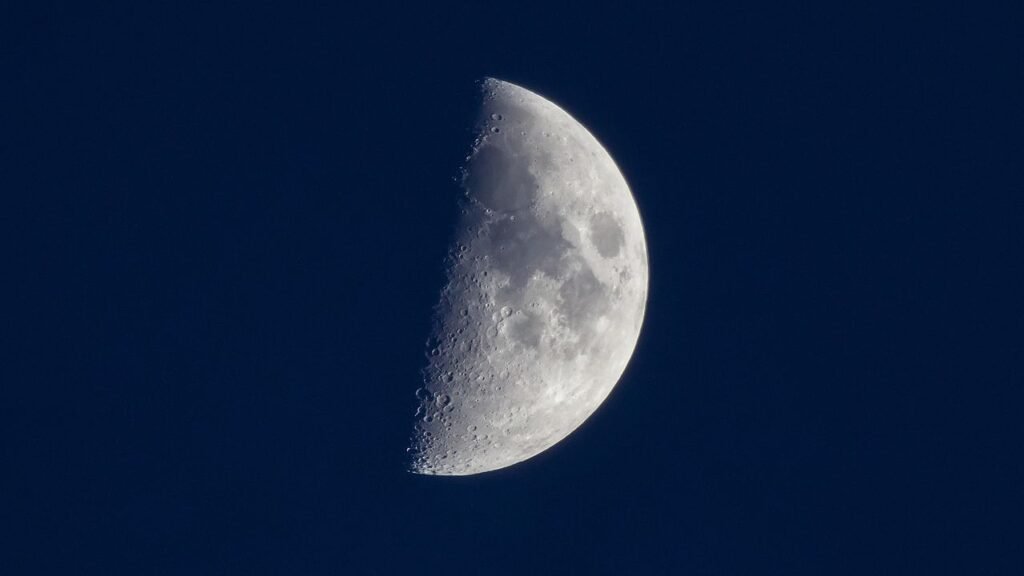
If you think you already know the Moon, think again. That pale, familiar disc in the night sky hides a seriously wild backstory, strange physics, and a few details that sound more like science fiction than everyday astronomy. The more scientists look at it, the weirder and more fascinating it becomes.
What I love most is that the Moon is both ordinary and extraordinary at the same time. It pulls on our oceans, shapes our calendars, and lights our nights, yet it’s also a scarred fossil of the early Solar System and a potential future home for humans. Let’s dig into some of the most surprising things about our closest cosmic neighbor.
The Moon Is Drifting Away From Earth Every Year
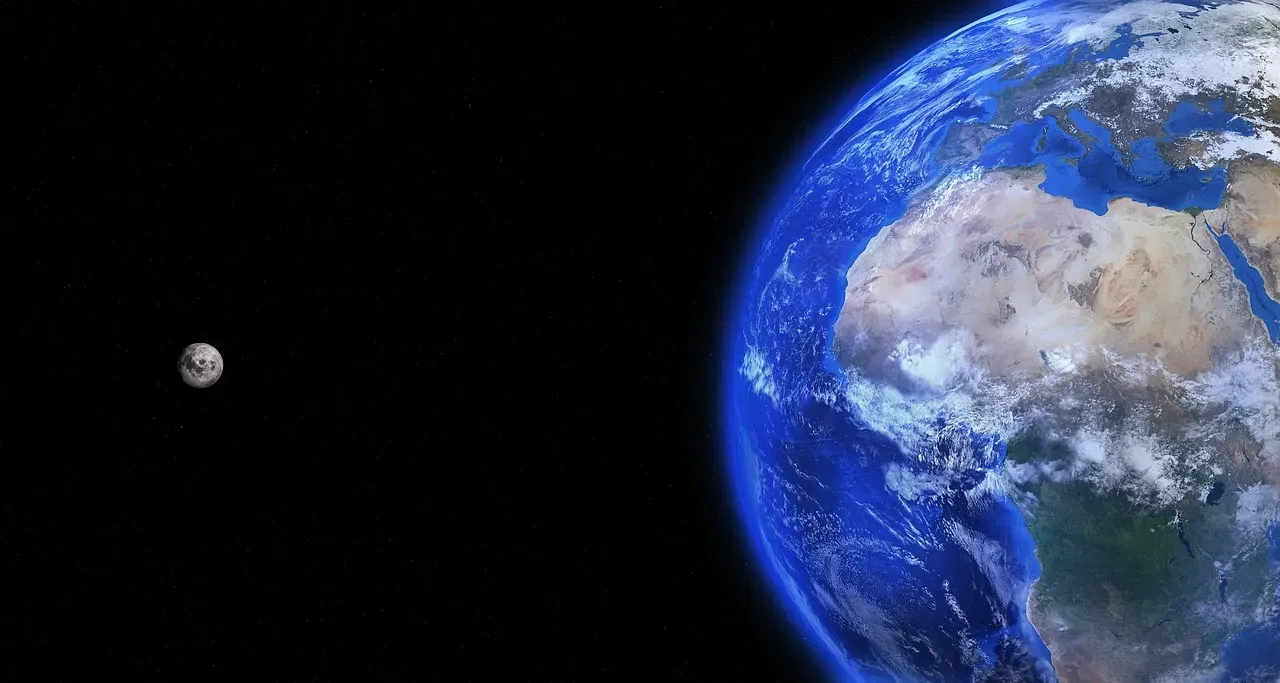
It feels permanent up there, but the Moon is slowly slipping out of our gravitational embrace. Laser measurements left on the lunar surface by Apollo astronauts show that the Moon is moving away from Earth by a few centimeters every single year. It’s like a very slow-motion breakup that started billions of years ago and will quietly continue long after we’re gone.
This drift is caused by the same thing that makes ocean tides: friction between Earth’s rotating oceans and the pull of the Moon. Over unimaginably long timescales, this changes Earth’s rotation and the Moon’s orbit. In the distant future, days on Earth will be longer and the total solar eclipses we enjoy today will eventually disappear as the Moon creeps farther away and looks smaller in our sky.
The Far Side Of The Moon Is Totally Different From The Side We See
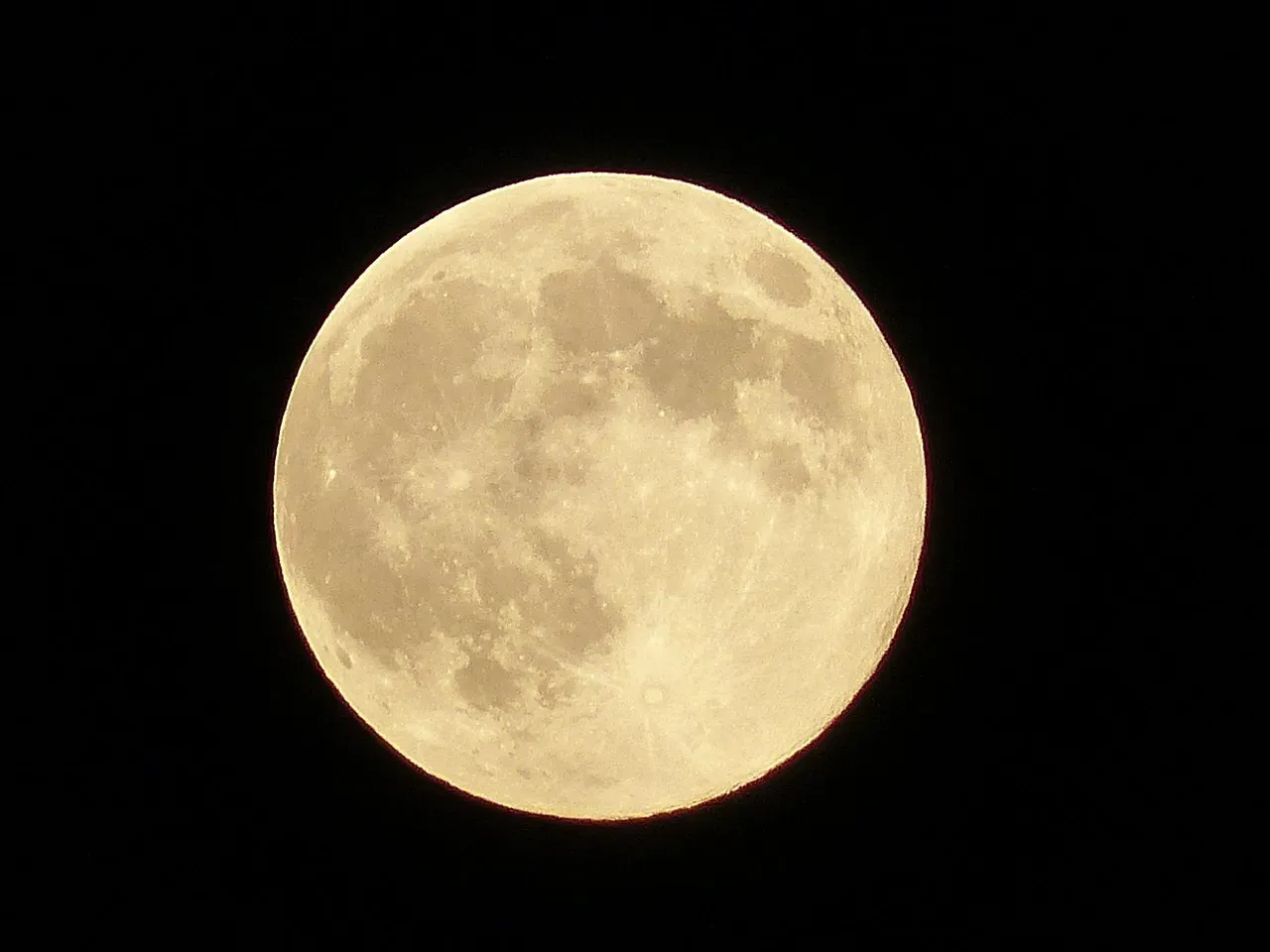
For most of history, people imagined the “dark side” of the Moon as some mysterious hidden realm. When spacecraft finally photographed it in the twentieth century, scientists were stunned to find a landscape very different from the familiar face we see. The near side is dominated by dark, smooth lava plains, while the far side is heavily cratered and rough, with far fewer of those big dark “seas.”
The current leading idea is that this imbalance comes from the Moon’s early history, when its crust was thinner on the Earth-facing side, making it easier for molten rock to burst through and fill giant impact basins. The far side’s crust seems thicker and more rugged, so it kept more of its battered, ancient look. It’s like seeing someone’s face for the first time from the other side and realizing they look almost like a different person.
The Moon Was Born From A Catastrophic Planetary Collision
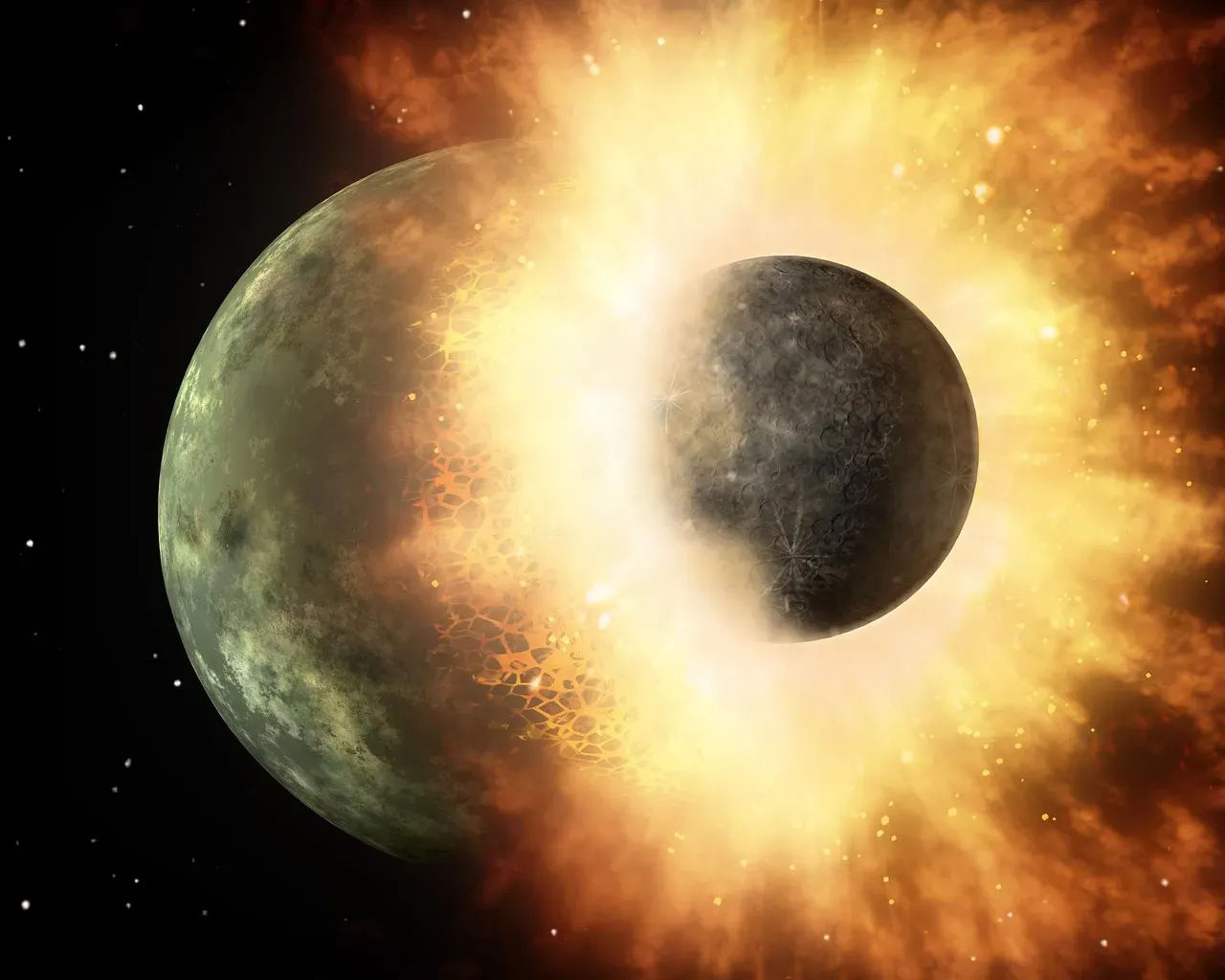
The most widely accepted theory today is that the Moon formed after a colossal impact early in Earth’s history. A Mars-sized object slammed into the young Earth, throwing vaporized rock and molten debris into orbit. Over time, this debris clumped together under gravity, eventually becoming the Moon. It’s not just a companion; it’s literally made from the wreckage of a planetary-scale disaster.
Evidence for this comes from the chemistry of lunar rocks brought back by the Apollo missions, which closely match Earth’s outer layers. The idea that our beautiful, gentle-looking Moon is the child of an ancient cosmic smash-up is honestly one of those facts that changes how you see the sky. Every time I picture it, I imagine that collision like a slow, fiery explosion in space that reshaped both worlds forever.
The Moon Is Slowly Making Our Days Longer
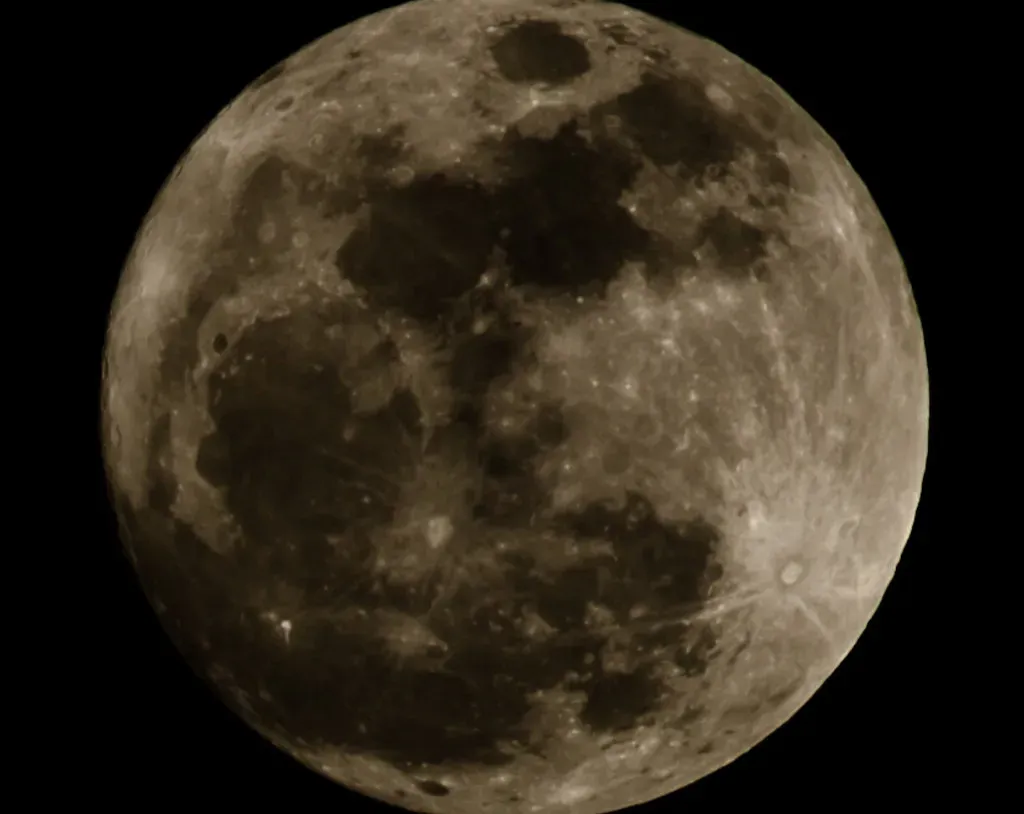
Right now, the effect is tiny on human timescales, adding only a tiny fraction of a second to the length of a day over a human lifetime. But if you stretch that out over geological time, it adds up to a huge difference. If you could travel back to the age of the dinosaurs, days would be noticeably shorter, and the Moon would loom larger in the sky because it sat closer to Earth than it does today.
Lunar Gravity Is So Weak You’d Walk Very Differently There
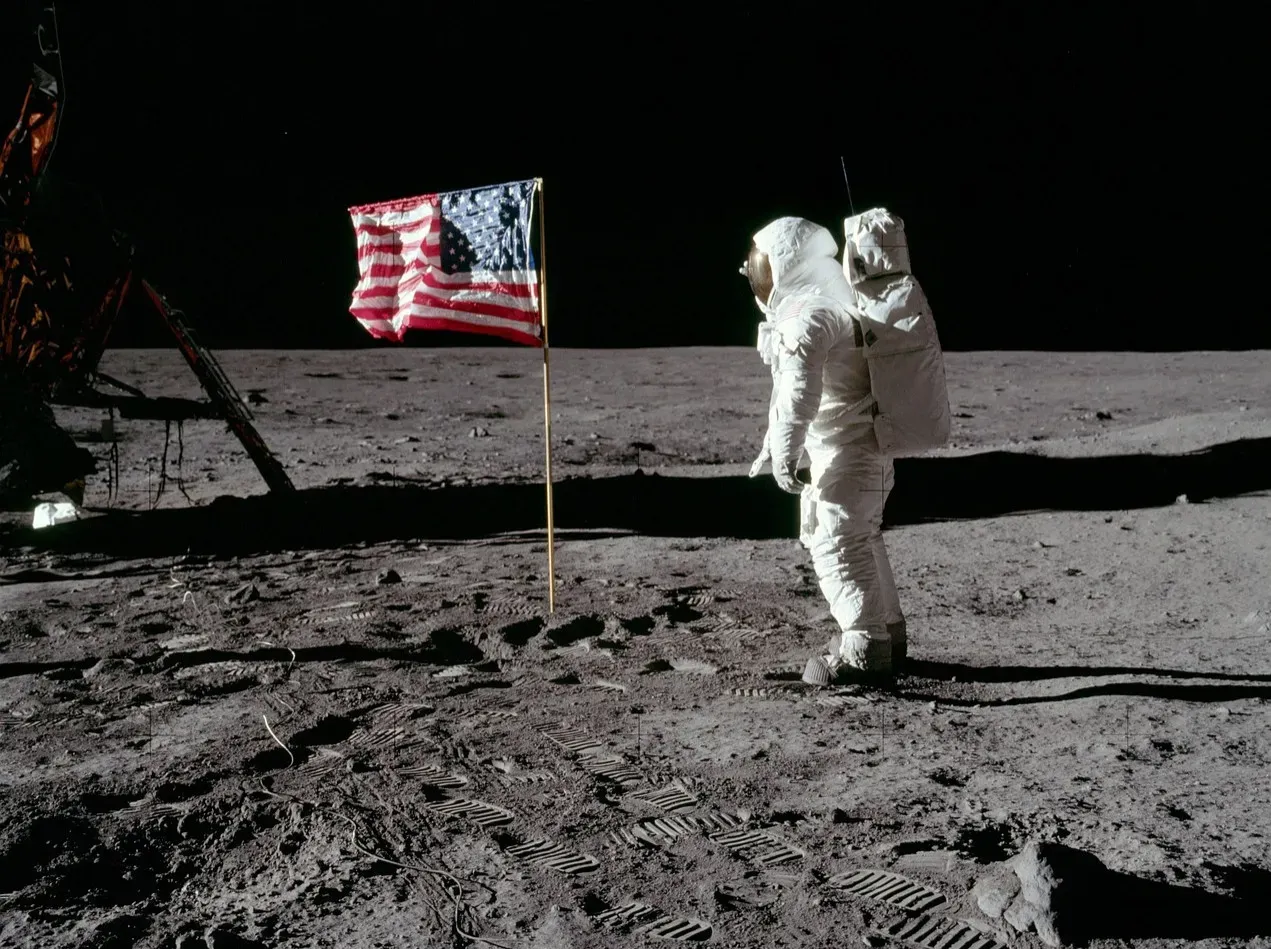
The Moon’s gravity is only about one sixth as strong as Earth’s, and that changes everything about how you’d move. Astronauts during the Apollo missions found that walking the way we do on Earth felt awkward and unstable, so they ended up doing a kind of bouncing, loping gait that took advantage of the low gravity. They could hop higher and farther with much less effort, almost like they were moving underwater but without the drag.
If you weighed, say, seventy kilograms on Earth, you’d feel like you weighed roughly a sixth of that on the Moon. Carrying equipment, climbing slopes, or even falling over all play out differently when gravity is that weak. It sounds fun, but it can also be dangerous; with so little pull, it’s easy to push off too hard and lose balance, especially in a bulky spacesuit on uneven ground.
The Moon Has Moonquakes And A Still-Active Interior
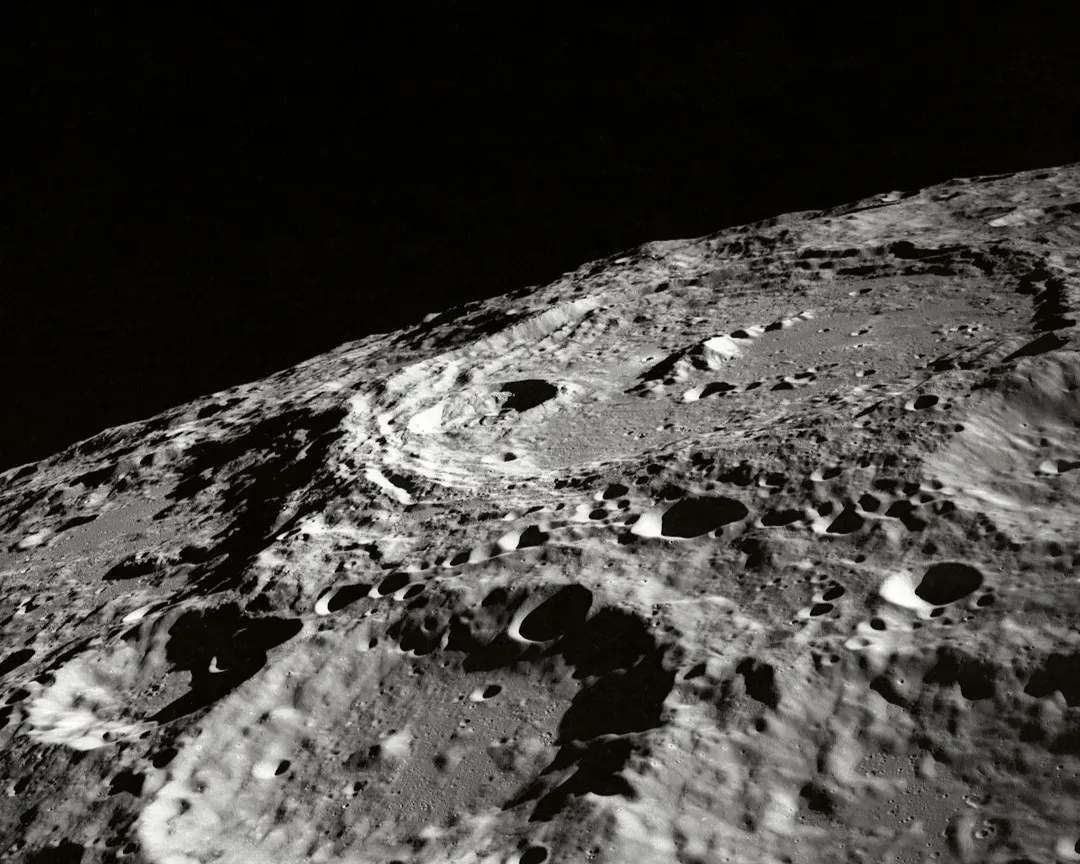
It’s easy to imagine the Moon as a completely dead, frozen rock, but that’s not the full story. Instruments left behind by Apollo astronauts recorded moonquakes, some of them surprisingly strong. These tremors can be caused by tidal forces from Earth, tiny meteor impacts, and the way the Moon’s crust flexes as its interior cools and contracts.
Some quakes come from deep within, hinting that the Moon still has a partially warm interior and a complex structure rather than being just a solid, uniform ball of rock. Unlike on Earth, where tectonic plates move and recycle the surface, the Moon’s crust mostly just cracks, shifts, and creaks without large-scale plate tectonics. It’s more like an old wooden house settling and groaning over time than a planet with shifting continents.
The Lunar Surface Is Covered In Razor-Sharp Dust
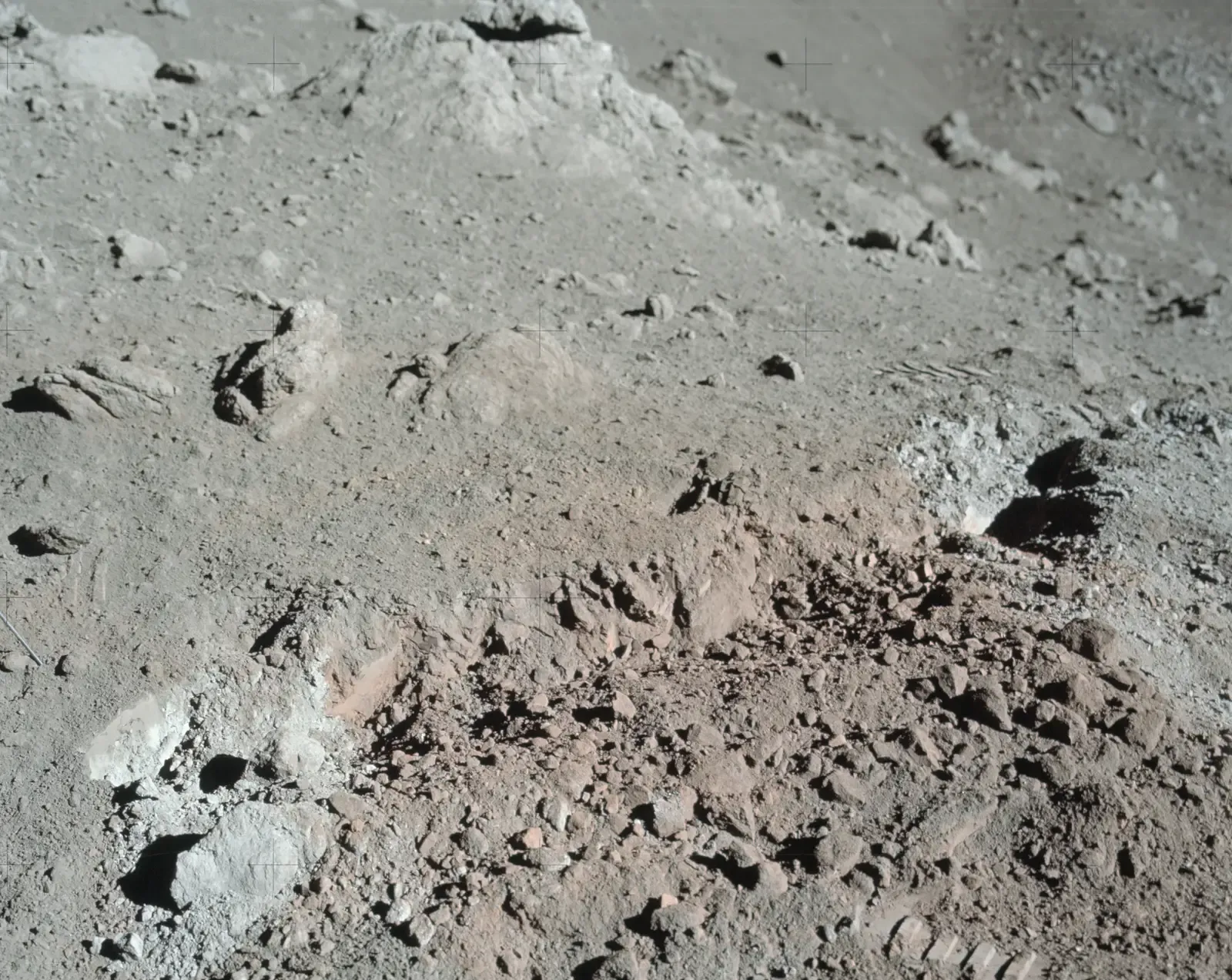
One of the biggest surprises for early Moon explorers wasn’t the lack of air or the strange gravity, but the dust. Lunar dust, or regolith, is made of tiny fragments created by billions of years of impacts, with no wind or water to smooth the edges. Under a microscope, those grains look jagged and glassy, almost like tiny shards of broken stone and glass.
This dust clings to everything because it picks up electric charge from solar radiation. It got stuck in seals, scratched visors, irritated astronauts’ lungs and eyes, and even wore down equipment faster than expected. Any long-term lunar base will have to seriously deal with this problem, kind of like planning to live on a beach made of microscopic, clingy sandpaper.
The Moon Has Water Ice Hidden In Dark Craters
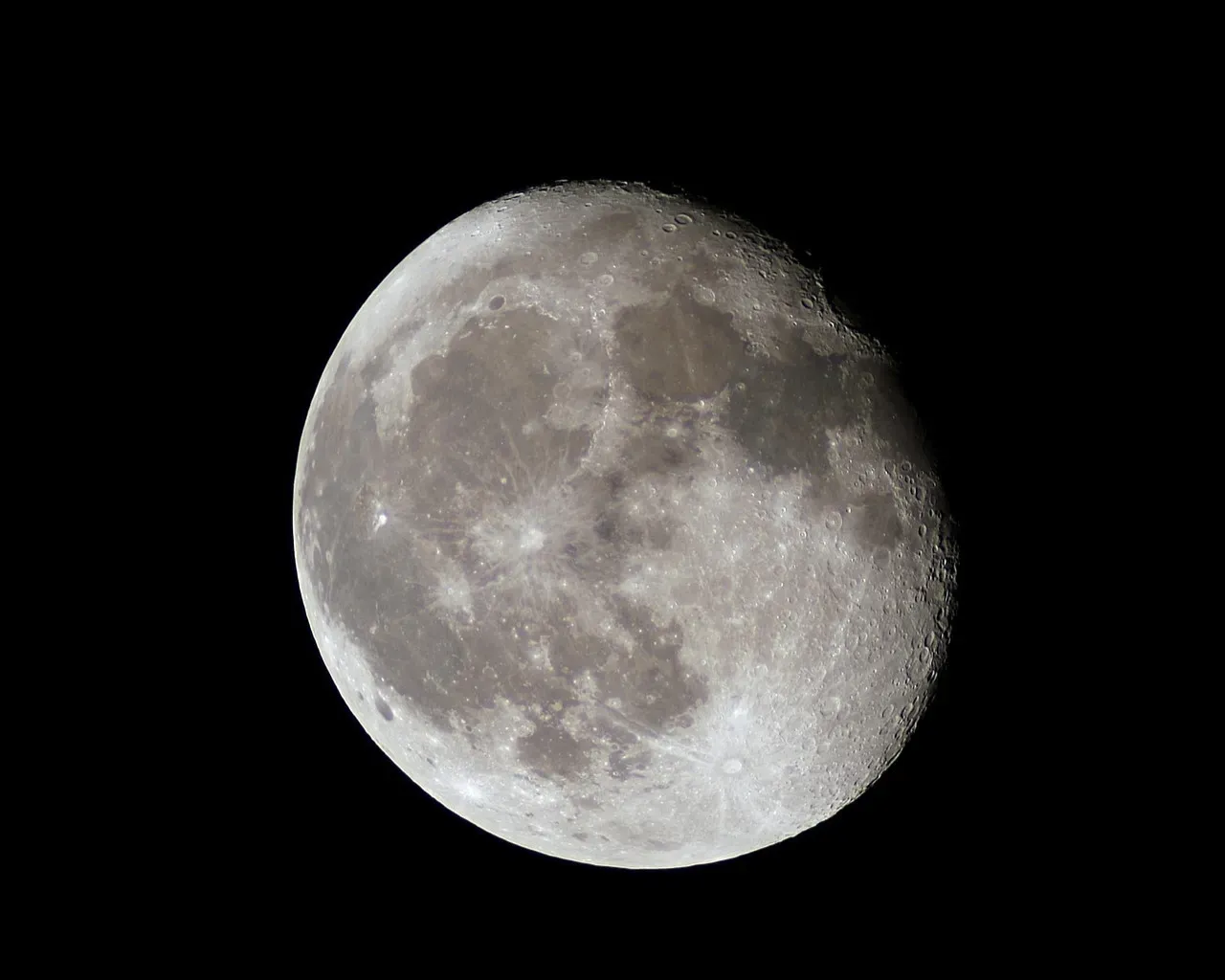
For a long time people pictured the Moon as completely dry, but that’s no longer true. Spacecraft have detected water ice locked in permanently shadowed craters near the lunar poles, places where sunlight never reaches and temperatures plunge to extreme lows. In these frozen traps, water delivered by comets, asteroids, or other processes can accumulate over vast timescales.
This ice is a game changer for future exploration because water isn’t just for drinking. It can be split into hydrogen and oxygen for rocket fuel and breathable air, turning the Moon into a potential refueling station in space. Instead of hauling everything up from Earth, future missions might mine these dark, frigid craters, turning them from mysterious pits into vital resources.
The Same Side Of The Moon Always Faces Earth
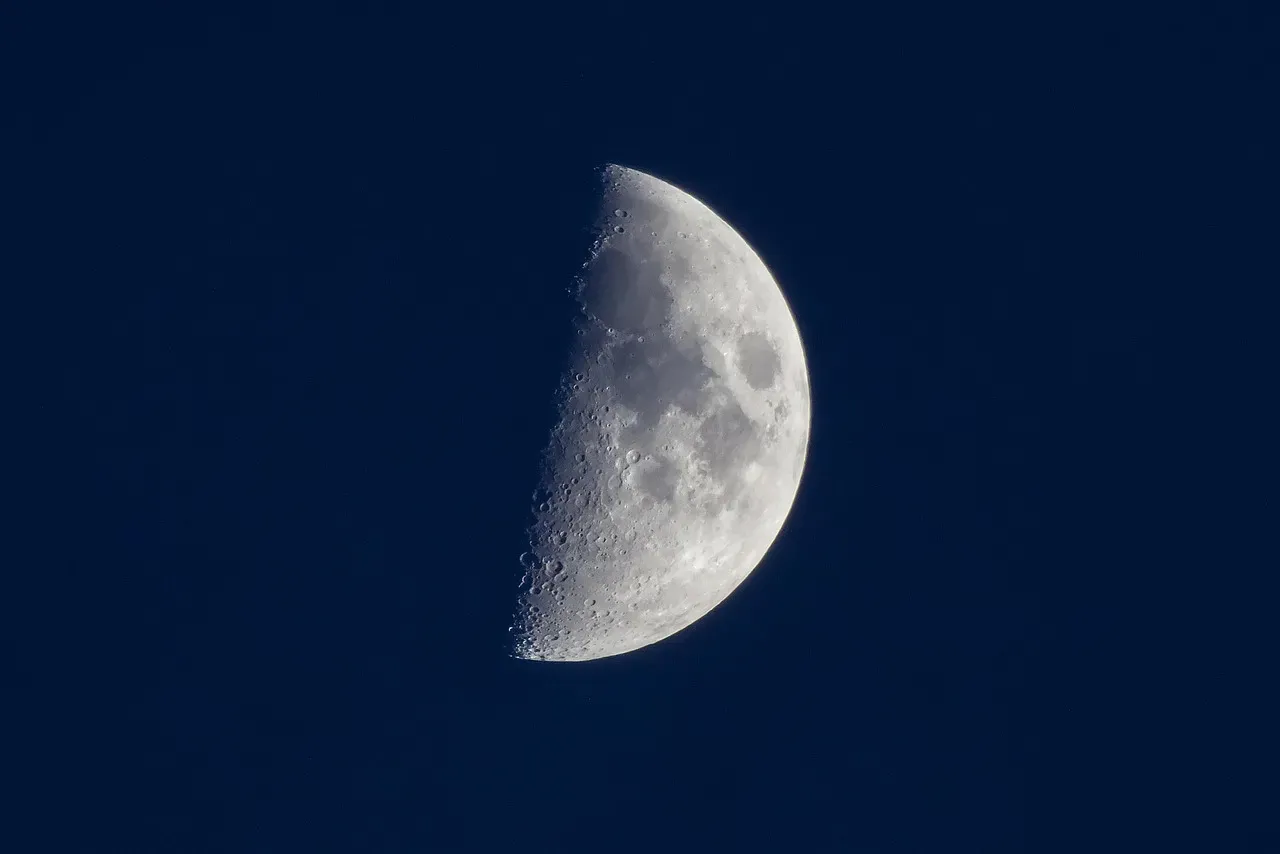
Even though the Moon spins on its axis, we only ever see one face from Earth. That’s because its rotation period matches the time it takes to orbit Earth, a state known as tidal locking. At some point in its early history, the mutual gravitational pull between Earth and Moon gradually synchronized the Moon’s spin and orbit, until one side became permanently turned toward us.
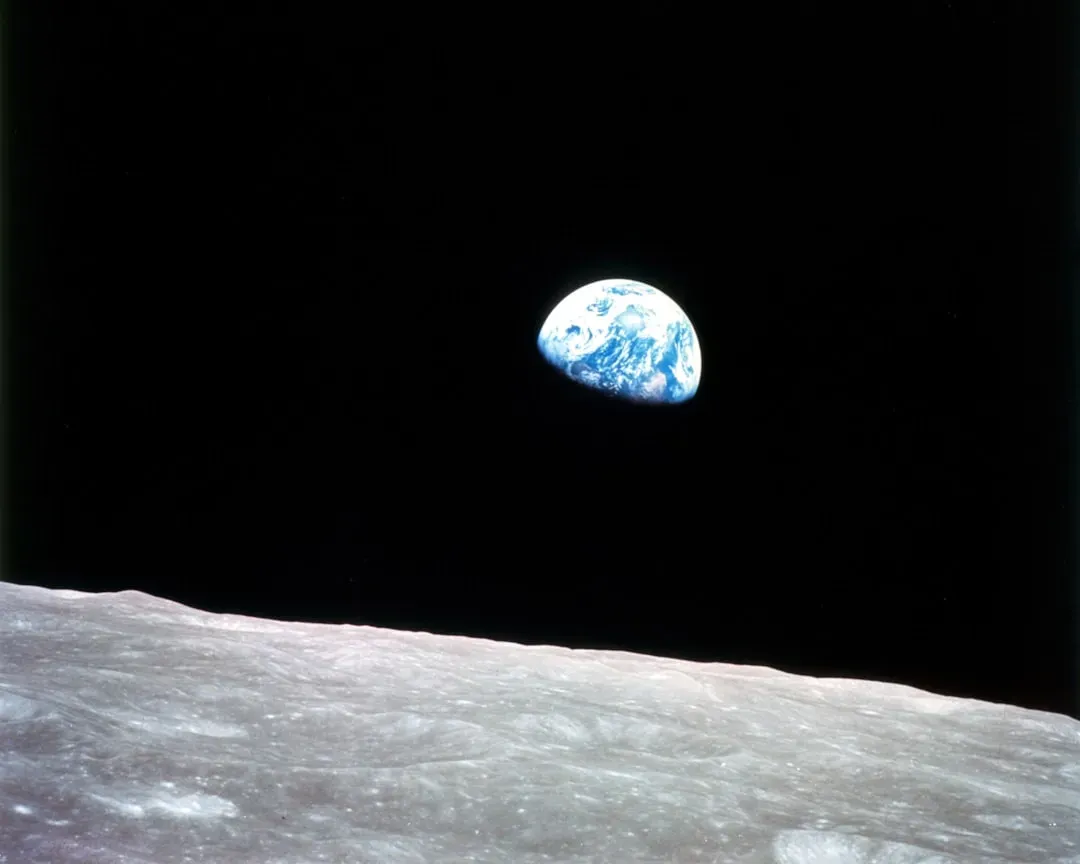
If you stood on the near side, Earth would always hang in roughly the same spot in the sky, slowly wobbling but never rising or setting. On the far side, you’d never see Earth at all. This locked dance makes the Moon feel oddly intimate and eerie: half of it is forever staring at us, while the other half never once looks back.
The Moon Plays A Huge Role In Stabilizing Earth’s Climate
The Moon does more than light up the night; it also helps keep our planet’s tilt relatively steady. Earth is tilted on its axis, which is why we have seasons, and the Moon’s gravity helps prevent that tilt from wobbling wildly over time. Without the Moon, computer models suggest our axis might swing much more dramatically, leading to extreme and chaotic climate shifts.
By acting as a kind of gravitational stabilizer, the Moon may have helped create a calmer, more predictable environment over millions of years. That stability likely mattered a lot for the evolution of complex life, including us. It’s strange to think that our everyday weather and long-term climate are partly shaped by a silent rock hanging hundreds of thousands of kilometers away.
Multiple Countries Are Racing To Build Moon Bases
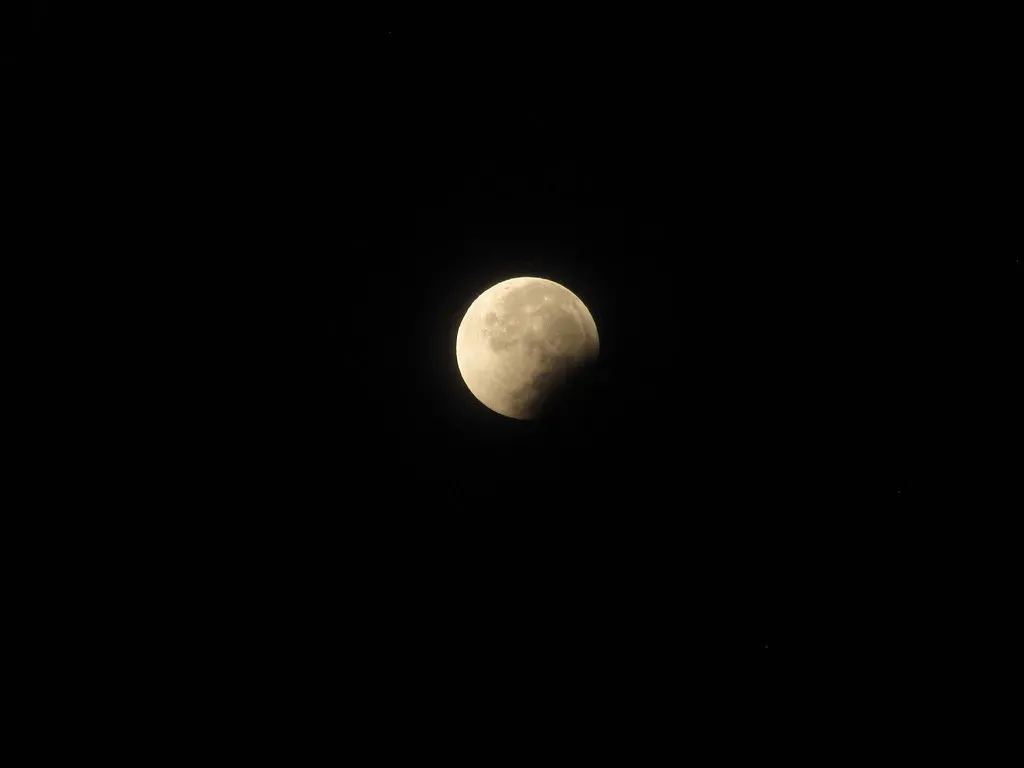
For decades after Apollo, the Moon felt like old news, but that’s changing fast. Space agencies and private companies across the world are now treating the Moon as a serious destination again. Plans involve not just short visits, but staying there: building research stations, habitats, and infrastructure on or beneath the surface.
The reasons are practical as much as symbolic. The Moon is a testbed for living off-Earth, a launchpad for deeper missions to Mars, and a source of valuable materials like water ice and certain metals. In a way, the twenty-first century’s Moon story isn’t about planting a single flag, but about learning how to live and work on another world for the long haul.
The Moon Will Eventually Make Total Solar Eclipses Disappear
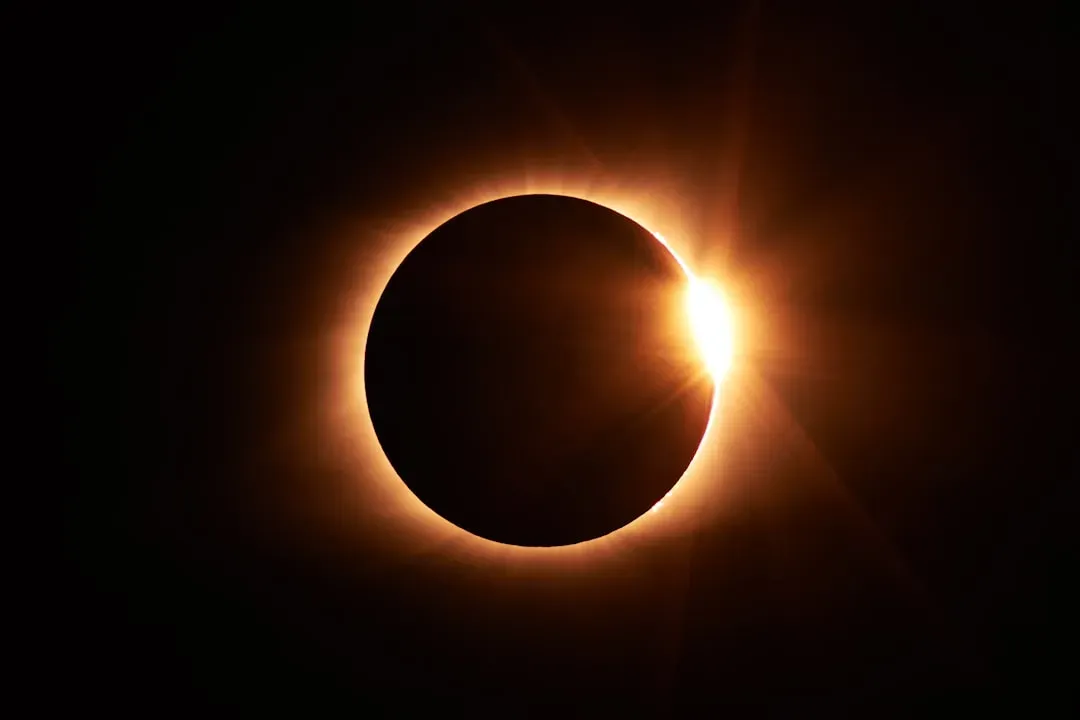
One of the most stunning sights in nature is a total solar eclipse, when the Moon perfectly covers the Sun and day briefly turns to twilight. That perfect fit is a cosmic coincidence: the Sun is about four hundred times farther away than the Moon, but also roughly four hundred times bigger, so they appear almost the same size in our sky. As the Moon drifts away from Earth over millions of years, that perfect match will slowly be lost.
In the far future, observers on Earth will only see partial eclipses and “ring” eclipses where the Sun peeks out around the Moon, but never again a total blackout like we enjoy today. The fact that humans happen to be alive in the era of perfect total eclipses is quietly mind-blowing. Every time one happens now, it’s not just beautiful; it’s a fleeting arrangement in cosmic time that won’t last forever.
A Familiar Neighbor With A Wild Story
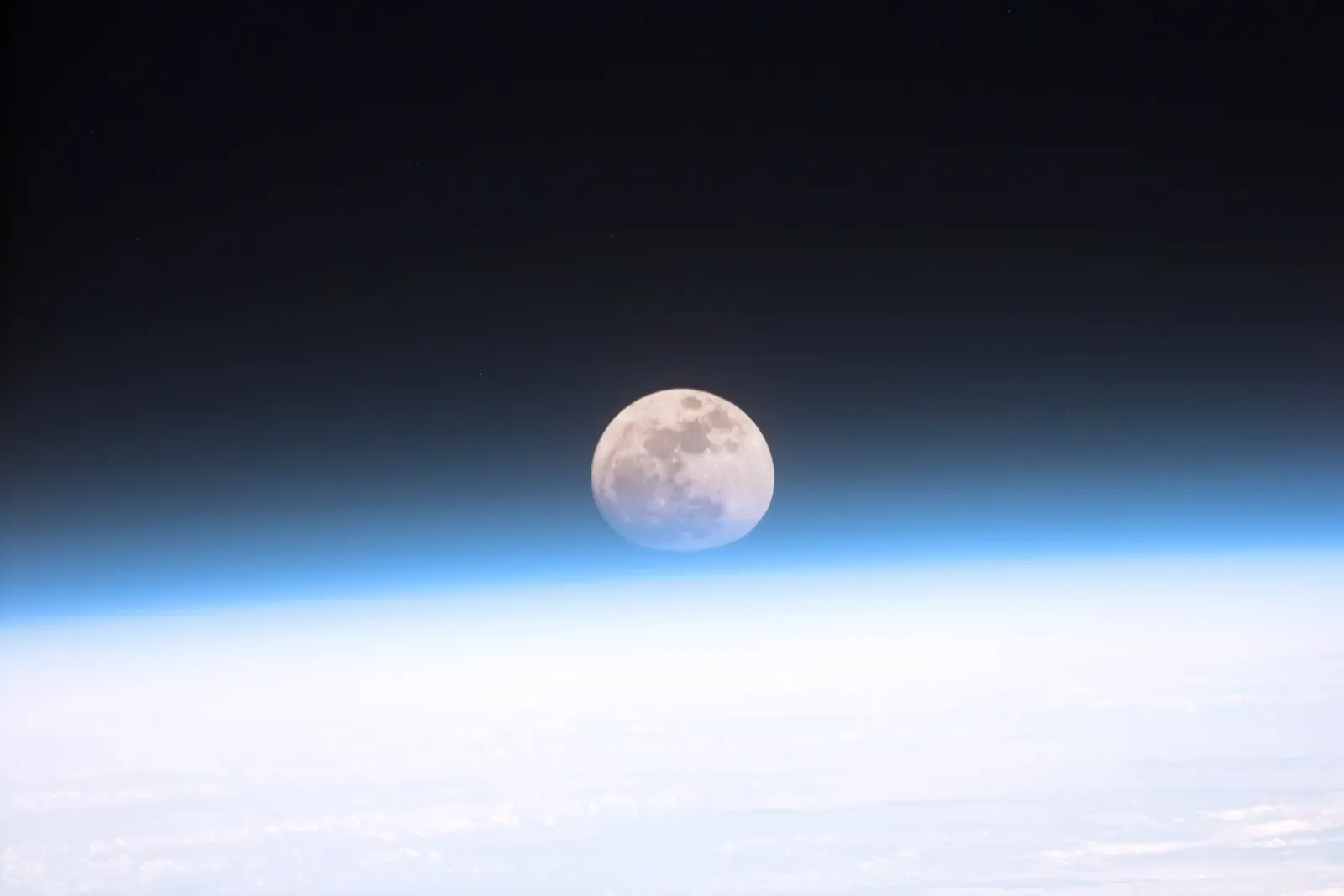
The Moon might look calm and unchanging, but its history and influence are anything but boring. It’s a collision-born survivor that shapes our tides, stretches our days, steadies our climate, and holds hidden ice, creaking faults, and treacherous dust. The more we learn, the more it feels less like a simple night-light and more like a complex character in Earth’s story.
As new missions head back, we’re treating the Moon less as a final destination and more as the first real step into the wider Solar System. It’s the archive of our past and the launchpad for our future, sitting right above us every night, quietly waiting. When you look up at it next time, what will you see differently?