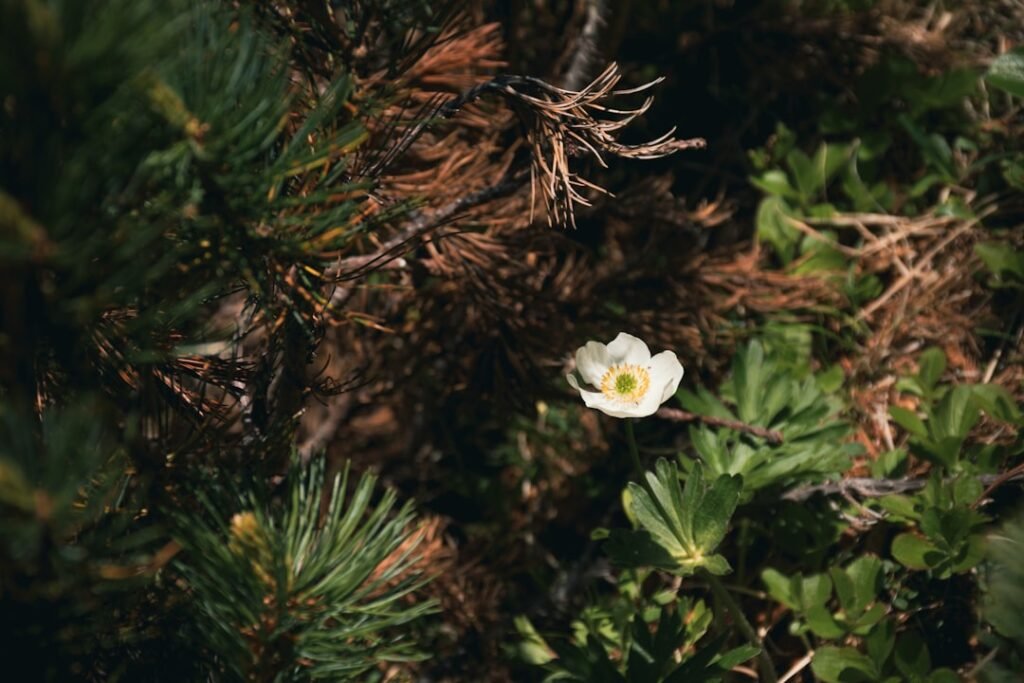
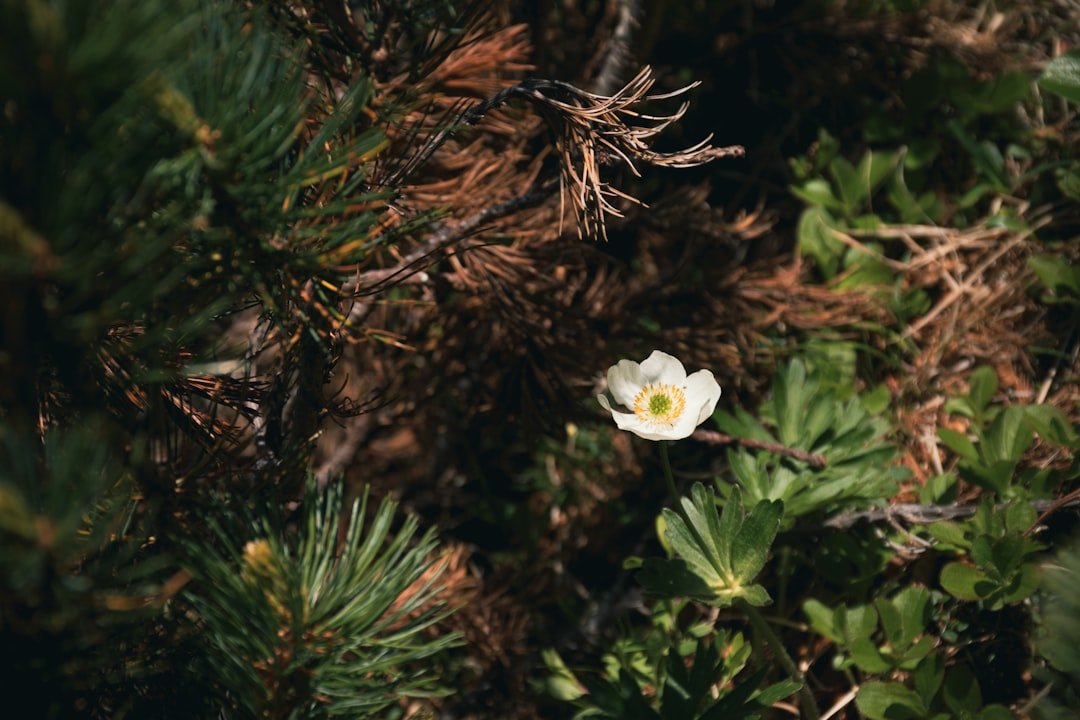
Horizon Scan Uncovers Vast Pool of Potential Invaders (Image Credits: Unsplash)
Researchers have identified thousands of alien vascular plants that match current Arctic climates, signaling heightened risks to the region’s biodiversity as human activity intensifies.[1][2]
Horizon Scan Uncovers Vast Pool of Potential Invaders
A team from the Norwegian University of Science and Technology (NTNU) and the University of Liverpool analyzed roughly 14,000 alien plant species known to spread beyond their native ranges. They drew on more than 51 million occurrence records from the Global Biodiversity Information Facility, databases, and scientific literature to model each species’ climatic niche.
Comparisons with Arctic conditions revealed 2,554 species that could tolerate the local climate today if introduced. Lead analyst Tor Henrik Ulsted, a recent NTNU master’s graduate honored for his sustainable development thesis, spearheaded the data work. The effort produced detailed maps of climatic suitability across the Arctic, pinpointing areas vulnerable to colonization.[1]
Northern Norway Emerges as Prime Hotspot
Northern Norway topped the list for climatic suitability, owing to its milder temperatures and heavy human presence. Maps highlighted these zones as capable of supporting the largest numbers of newcomers per square kilometer.
Svalbard, despite its remoteness and sparse vegetation, ranked as another concern, with conditions suitable for 86 alien species. Associate Professor Kristine Bakke Westergaard from NTNU’s University Museum noted, “Even in Svalbard, 86 alien species can find a climatic niche.”[1] Recent discoveries there, such as common meadow rue blooming near Barentsburg in 2024, underscored the pace of change.
| Region | Potential Alien Species |
|---|---|
| Northern Norway | Highest density |
| Svalbard | 86 |
| Broader Arctic | 2,554 total |
Rising Temperatures and Travel Open Doors
Arctic warming has extended growing seasons and raised soil temperatures, easing barriers for species once excluded by cold. At the same time, tourism, research stations, shipping, and resource projects ferry seeds and plant fragments northward.
Unintentional hitchhiking via equipment, vehicles, and cargo represents a key pathway. Westergaard observed, “Alien species from virtually all over the world can find a niche in the Arctic. And with all the human activity in the Arctic now, there are lots of opportunities to get there.”[2]
- Increased tourism and settlement introduce propagules through soil and gear.
- Industrial expansion heightens seed transport risks.
- Lengthening warm periods boost establishment chances.
- Ports and airports serve as high-risk entry points.
Practical Tools for Biodiversity Guardians
The study equips expert committees, such as those under Norway’s Biodiversity Information Centre, with pre-filtered species lists for risk assessments. Ulsted emphasized, “Our long-term goal is to help identify alien species before they become invasive and problematic.”
Findings align with the Kunming-Montreal Global Biodiversity Framework’s target to halve invasive species introductions by 2030. Norwegian action plans against harmful aliens also benefit from the prioritized watch lists, enabling focused surveillance at vulnerable sites.[1] For details, see the full study in NeoBiota.
Key Takeaways
- 2,554 alien plants match Arctic climates today.
- Northern Norway faces the greatest threat density.
- Early prevention trumps later control efforts.
Proactive monitoring and cooperation across Arctic nations offer the best defense against this botanical influx. As invasions loom, will global efforts keep pace with the thaw? Share your thoughts in the comments.