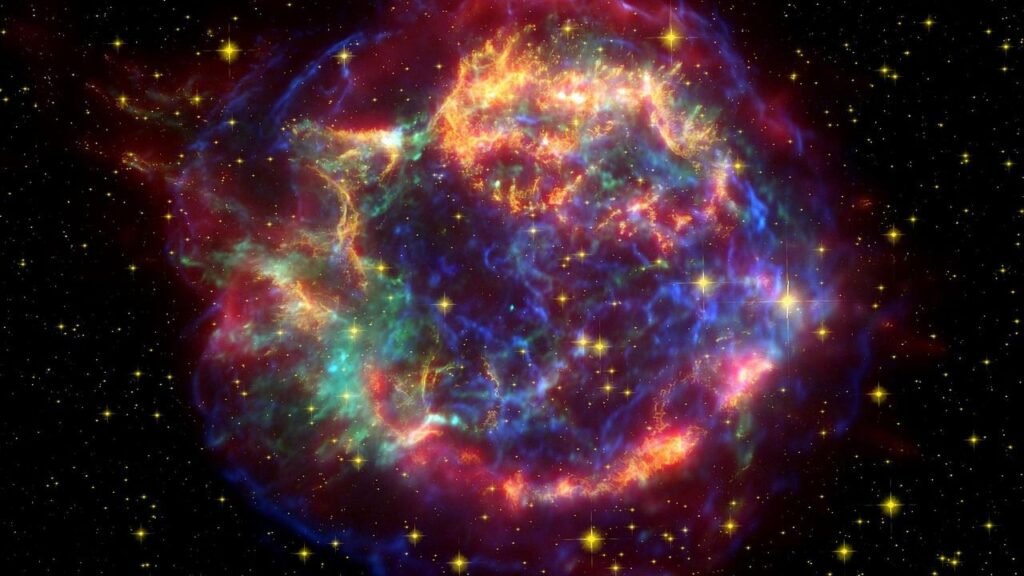

Have you ever wondered where the atoms that make up your body actually came from? The answer is far more dramatic than you might expect. You’re not just made from the stuff of stars – you’re the byproduct of some of the most violent explosions the universe has ever witnessed. Supernovae, those colossal stellar detonations, forged many of the elements coursing through your veins right now.
Think about it. Nearly all of the mass of your body is made up of just six elements: hydrogen, carbon, nitrogen, oxygen, calcium, and phosphorus. Yet each of these has its own incredible cosmic origin story. Let’s be real, understanding these explosive cosmic furnaces gives you a whole new perspective on your place in the universe. So let’s dive in.
Your Body Contains the Remnants of Ancient Stellar Explosions
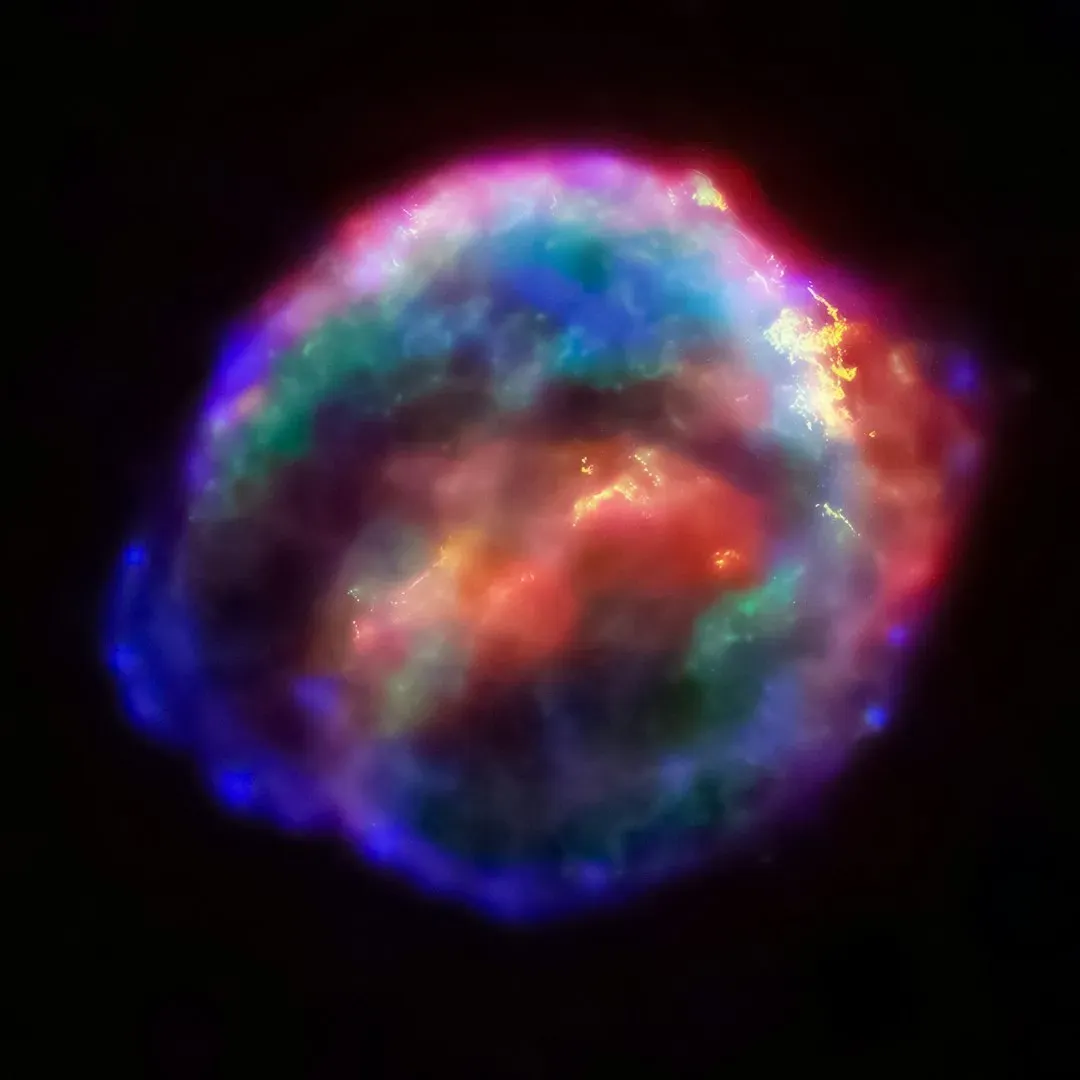
Heavy elements are only produced in supernovae, so all of us carry the remnants of these distant explosions within our own bodies. It’s hard to say for sure how many different supernovae contributed to your personal atomic makeup, but scientists believe it’s likely dozens or even hundreds. The heavy elements that are in your body and in objects around you are the products of many different supernovae over many millions of years all over the Galaxy.
Every time your heart beats, iron atoms within your blood cells circulate through your body. Even the iron in your blood can be traced back to supernovae or similar cosmic explosions from long before our Sun had formed. Imagine that – atoms forged in the death throes of massive stars billions of years ago, now keeping you alive. That calcium strengthening your bones? Also from supernovae.
Supernovae Are the Universe’s Most Powerful Element Factories
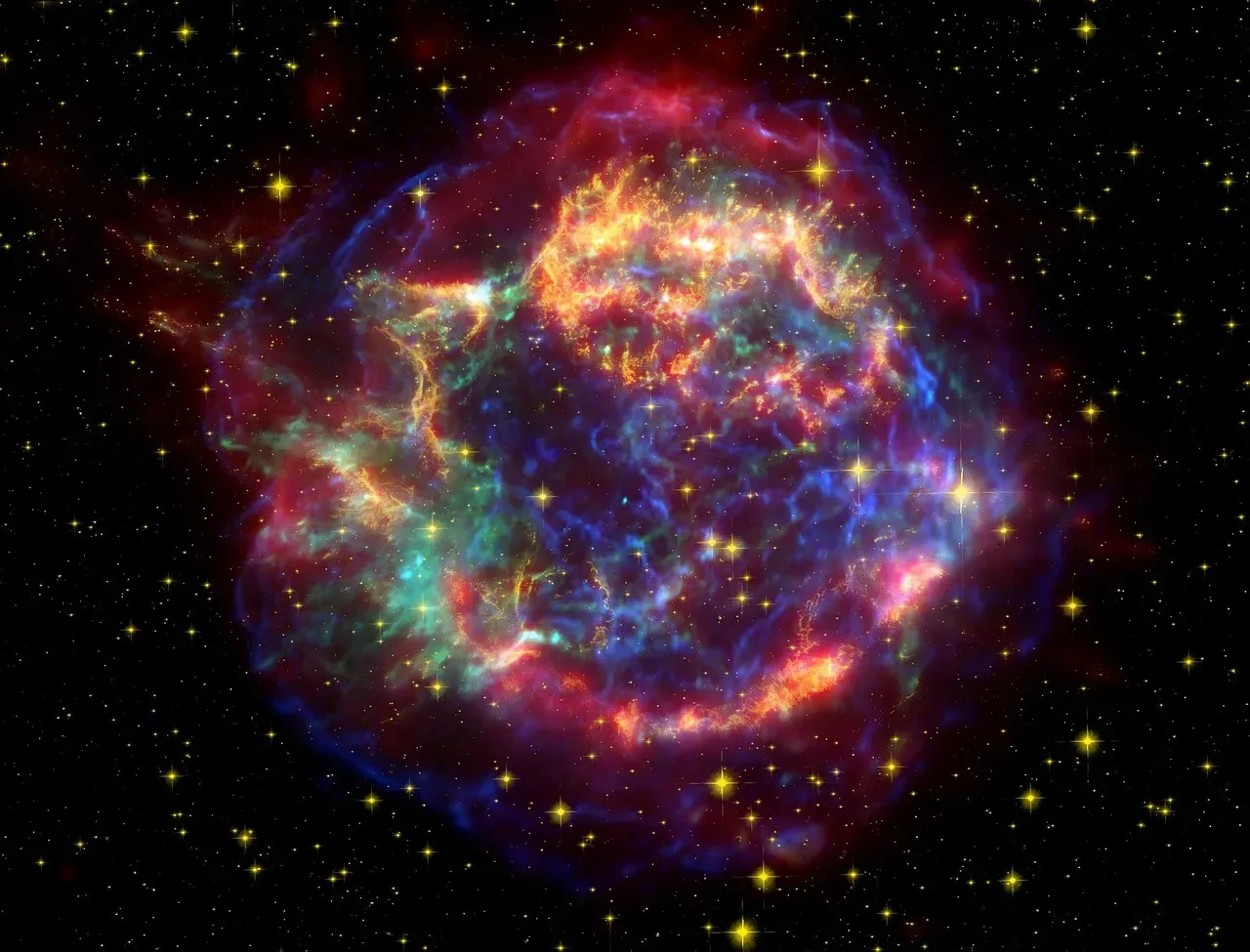
A supernova is the biggest explosion that humans have ever seen, with each blast being the extremely bright, super-powerful explosion of a star. These aren’t gentle events. When a massive star exhausts its nuclear fuel, gravitational collapse triggers an explosion so powerful it briefly outshines entire galaxies. We’re talking about temperatures reaching billions of degrees.
Here’s the thing: the shock wave and extremely high temperature and pressure rapidly dissipate but are present for long enough to allow for a brief period during which the production of elements heavier than iron occurs. In just seconds during the supernova explosion, nuclei are bombarded with neutrons until elements all the way up to uranium are formed. It’s this incredibly brief but intense moment that produces the gold in jewelry, the uranium in nuclear reactors, and countless other heavy elements.
Iron Marks the Point of No Return for Dying Stars

The heaviest elements, like iron, are only formed in the massive stars which end their lives in supernova explosions. During their lifetimes, massive stars progressively fuse lighter elements into heavier ones through various burning stages. They start with hydrogen, then helium, carbon, and so on – like a cosmic assembly line building up the periodic table.
Yet iron presents a unique problem. When you fuse iron, the product of iron fusion has more mass than the reactants. This means fusing iron actually consumes energy instead of releasing it. When iron builds up in the core of a high mass star, there are catastrophic consequences, as the process of fusing iron requires the star’s core to use energy, which causes the core to cool and the pressure to go down, which speeds up the gravitational collapse of the core. It’s essentially a death sentence for the star.
A Star’s Core Collapses in Less Than a Second
The collapse happens so fast it’s almost unbelievable. This causes a chain reaction: core collapses, iron fusion rate increases, pressure decreases, core collapses faster, iron fusion rate increases, pressure decreases, core collapses faster, which causes the star’s core to collapse in on itself instantaneously. Honestly, instantaneously is barely an exaggeration here.
Once this process starts, in a fraction of a second, an iron core the size of the earth and with a mass like our Sun collapses into a ball of neutrons a few kilometers across. Think about that compression ratio for a moment. Something the size of Earth squeezed down to roughly the size of a city. This gravitational collapse releases an enormous amount of energy, more than 100 times what our Sun will radiate over its entire 10 billion year lifetime.
The Explosion Scatters Elements Across Billions of Miles
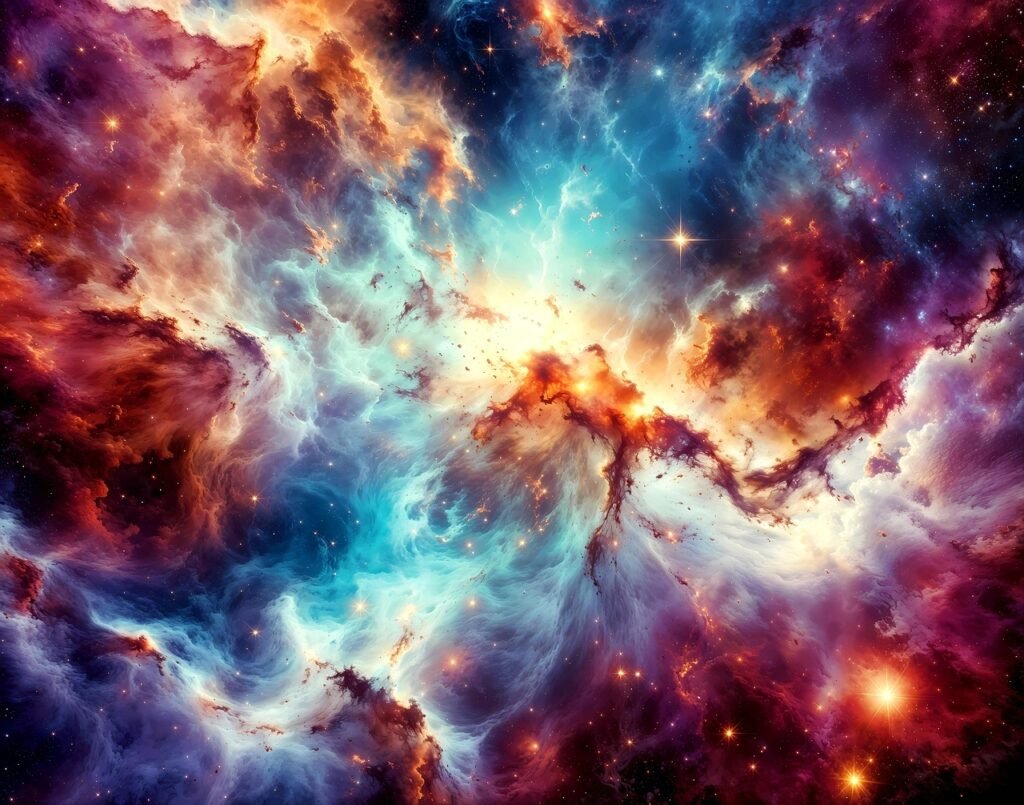
After the core collapses, it rebounds, and a large quantity of neutrinos get created in reactions in the core, expelling the outer layers of the star in a gigantic explosion called a supernova. The rebounding shock wave blasts the star’s outer layers into space at incredible velocities. When supernovae explode, they jettison matter into space at some 9,000 to 25,000 miles per second.
When a star’s core collapses, an enormous blast wave is created with the energy of about 10 to the 28th power mega-tons, and this blast wave plows the star’s atmosphere into interstellar space, propelling the elements created in the explosion outward. These elements don’t just disappear – they spread throughout galaxies, mixing with clouds of gas and dust. Eventually, some of this enriched material coalesces into new stars, planets, and yes, living organisms like you.
Your DNA Building Blocks Required Supernova Temperatures
Every element required to make DNA is found in the aftermath of exploding stars. Let that sink in. The double helix structure carrying your genetic code couldn’t exist without ancient stellar explosions. Carbon forms the backbone of DNA molecules, nitrogen appears in the base pairs, oxygen in the sugar-phosphate backbone, and phosphorus in those crucial phosphate groups.
Life as we know it depends on a combination of many elements, principally carbon, nitrogen, oxygen, sulphur and phosphorous, and while scientists have found ample abundance of the first four elements in other star explosions, new observations of the supernova remnant Cassiopeia A revealed the first evidence of phosphorus. Phosphorus was actually one of the trickiest elements to detect in supernova remnants, making its discovery particularly exciting for understanding life’s cosmic origins.
Without Supernovae, Earth Would Be a Barren Rock
Without supernova explosions, there would be no heavy elements in the interstellar gas, and in particular, there would be no silicon to form rocky planets, no oxygen to form water, none of the elements we depend on here on Earth. Our entire planet is essentially recycled stardust. The ground beneath your feet, the oceans, the atmosphere – all built from elements forged in stellar furnaces and scattered by supernovae.
Since the Earth (and all of us!) are made of heavy elements, life as we know it would not be possible without the occurrence of supernovae prior to the formation of our Sun. It’s a sobering thought. Every breath you take, every step you make, depends on stars that exploded long before our solar system even existed. We owe our very existence to stellar destruction on an unimaginable scale.
Supernovae Create Elements Through Rapid Neutron Capture
The escaping portion of the supernova core may initially contain a large density of free neutrons, which may synthesize, in about one second while inside the star, roughly half of the elements in the universe that are heavier than iron via a rapid neutron-capture mechanism known as the r-process. The r-process is absolutely fascinating – it’s like nature’s own particle accelerator working at breakneck speed.
During the core collapse and explosion of a massive star, the intense temperatures and pressures inside the star allow for the synthesis of elements heavier than iron, such as gold, silver, and uranium, through the rapid neutron capture process. This happens so quickly that unstable isotopes don’t have time to decay before capturing another neutron. It’s a cosmic race against time, lasting mere seconds, that produces some of the rarest and most valuable elements on Earth.
Different Types of Supernovae Produce Different Elements
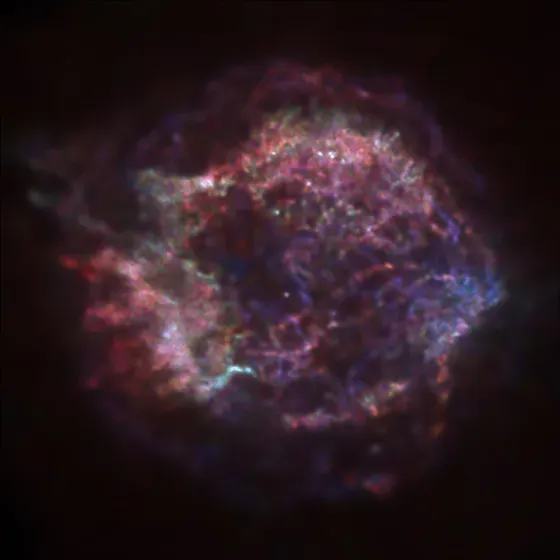
Not all supernovae are created equal. Type Ia supernovae produce mainly silicon and iron-peak elements, metals such as nickel and iron, while core collapse supernovae eject much smaller quantities of iron-peak elements but larger masses of light alpha elements such as oxygen and neon, and elements heavier than zinc. It’s like different cosmic recipes producing different elemental outcomes.
Type II core collapse supernovae produce both intermediate-mass nuclei from oxygen to calcium and iron-peak nuclei, and calculations reveal that elements from oxygen through calcium are overproduced relative to iron by a factor of roughly two to three. This diversity in supernova types helps explain why certain elements are more abundant than others in the universe. The variety ensures a rich chemical palette for planet formation and eventually, biological chemistry.
The Cycle of Stellar Death and Rebirth Continues Today
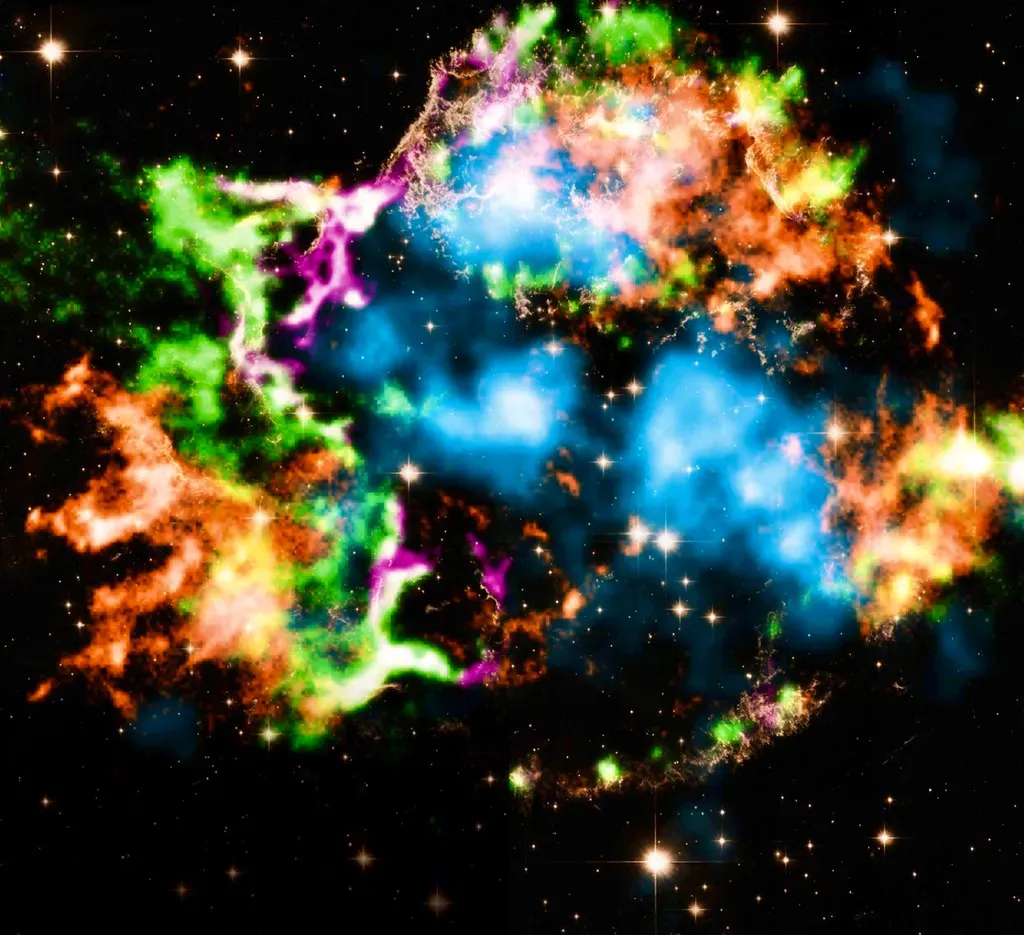
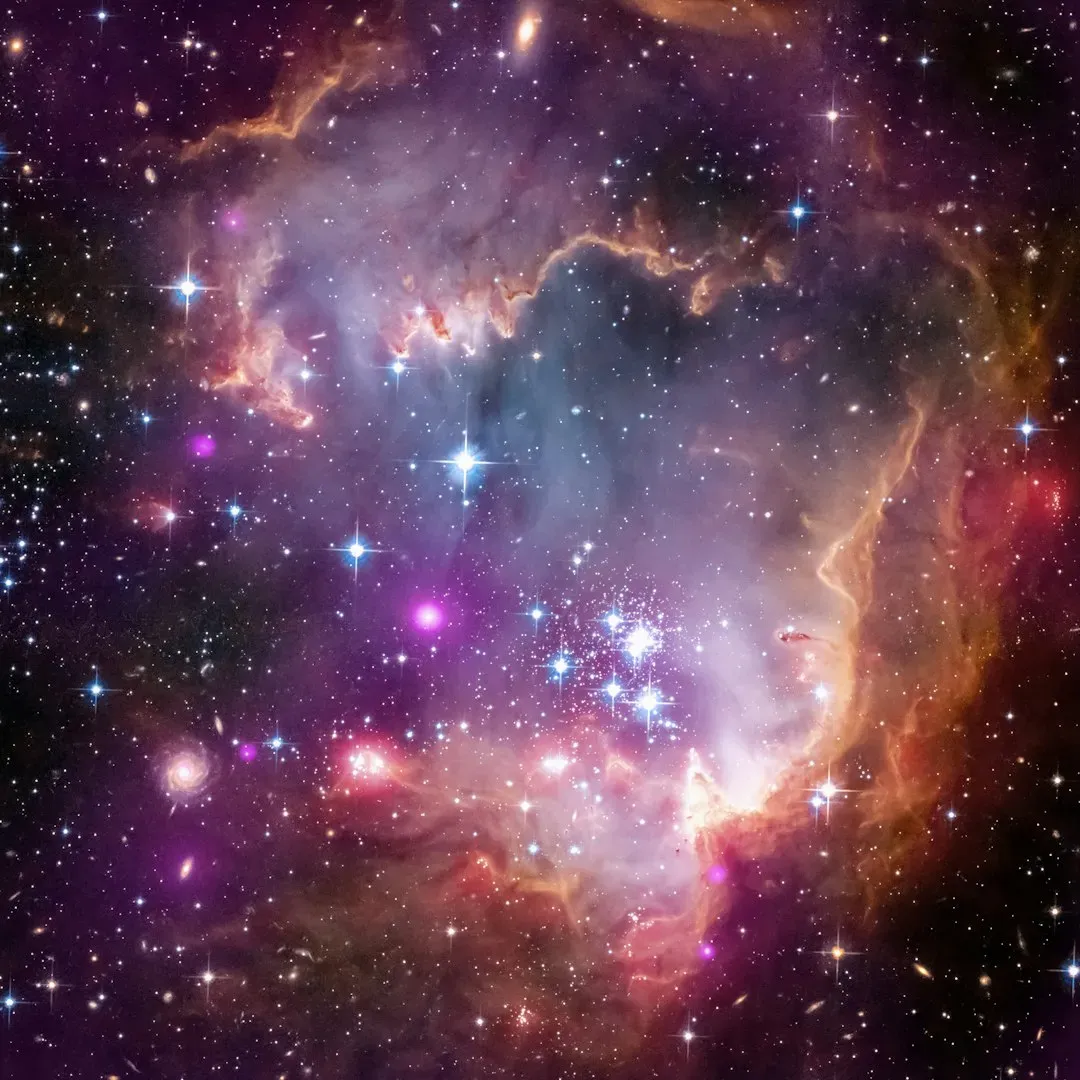
When stars die and lose their mass, all the elements that had been generated inside are swept out into space, the next generation of stars form from those elements, burn and the elements are swept out again in a constant reprocessing of everything called galactic chemical evolution. This cosmic recycling program has been running for billions of years, gradually enriching the universe with heavier elements.
Over many millions of years, the intersteller medium is continuously enriched by thousands of supernovae. New stars forming today contain more heavy elements than stars born billions of years ago. Our own Sun is considered a relatively metal-rich star (in astronomy, everything heavier than helium counts as a “metal”), meaning it formed from gas already enriched by countless previous generations of stars. This ongoing cycle connects us not just to ancient supernovae, but to the continuing evolution of the cosmos itself.
Conclusion: You Are Literally Made of Star Stuff
The story of supernovae isn’t just about distant cosmic events – it’s fundamentally your story. Any element in your body that’s heavier than iron has travelled through at least one supernova. The oxygen you breathe, the calcium in your teeth, the iron in your blood – all were forged in the hearts of dying stars and scattered across space in violent explosions.
It’s totally 100% true that nearly all the elements in the human body were made in a star and many have come through several supernovas. Next time you look up at the night sky, remember that you’re not just observing the universe from a distance. You’re an intimate part of it, assembled from the debris of stellar catastrophes that happened eons ago. Pretty mind-blowing when you think about it, isn’t it? Did you ever imagine your cosmic origins were this explosive?
Hi, I’m Andrew, and I come from India. Experienced content specialist with a passion for writing. My forte includes health and wellness, Travel, Animals, and Nature. A nature nomad, I am obsessed with mountains and love high-altitude trekking. I have been on several Himalayan treks in India including the Everest Base Camp in Nepal, a profound experience.