
Picture a cosmic object so strange it makes black holes seem almost ordinary. These stellar remnants compress impossible amounts of matter into city-sized spheres, spin faster than your blender, and warp the very fabric of space around them. Let’s be real, neutron stars are one of the universe’s most bizarre creations.
You probably know stars explode, but what happens afterward? Sometimes, you get something so extreme that physicists are still scratching their heads about how matter can even behave this way. These aren’t your average celestial bodies. They’re laboratories for physics that shouldn’t exist according to everything we experience here on Earth.
A Teaspoon Would Weigh As Much As A Mountain
One sugar cube of neutron star material would weigh about 1 trillion kilograms on Earth, about as much as a mountain. Honestly, that’s difficult to even comprehend. A single cubic centimeter of neutron star material would weigh around 400 million tons.
Neutron stars squeeze up to two solar masses into a city-size volume, giving rise to the highest stable densities known anywhere. Try imagining the entire mass of our sun compressed down to something the size of a major city. Neutron stars are typically about 20 km in diameter, with masses ranging between 1.18 and 1.97 times that of the Sun, though most are 1.35 times that of the Sun. That’s the kind of density that completely defies ordinary logic.
They’re Born In Explosions That Outshine Entire Galaxies
When a star that is eight times larger than the Sun ends its life, it does not go gentle into that good night – shifting pressure in its core causes it to collapse and trigger a supernova, one of the largest explosions in the universe. Think about that for a moment.
As the temperature of the core continues to rise, electrons and protons combine to form neutrons via electron capture, releasing a flood of neutrinos. When densities reach a nuclear density of 4×10¹⁷ kg/m³, a combination of strong force repulsion and neutron degeneracy pressure halts the contraction, with the contracting outer envelope rapidly flung outwards by a flux of neutrinos, resulting in a supernova and leaving behind a neutron star. The violence required to create one of these objects is almost incomprehensible.
Their Surface Temperature Is Hotter Than The Sun’s Core
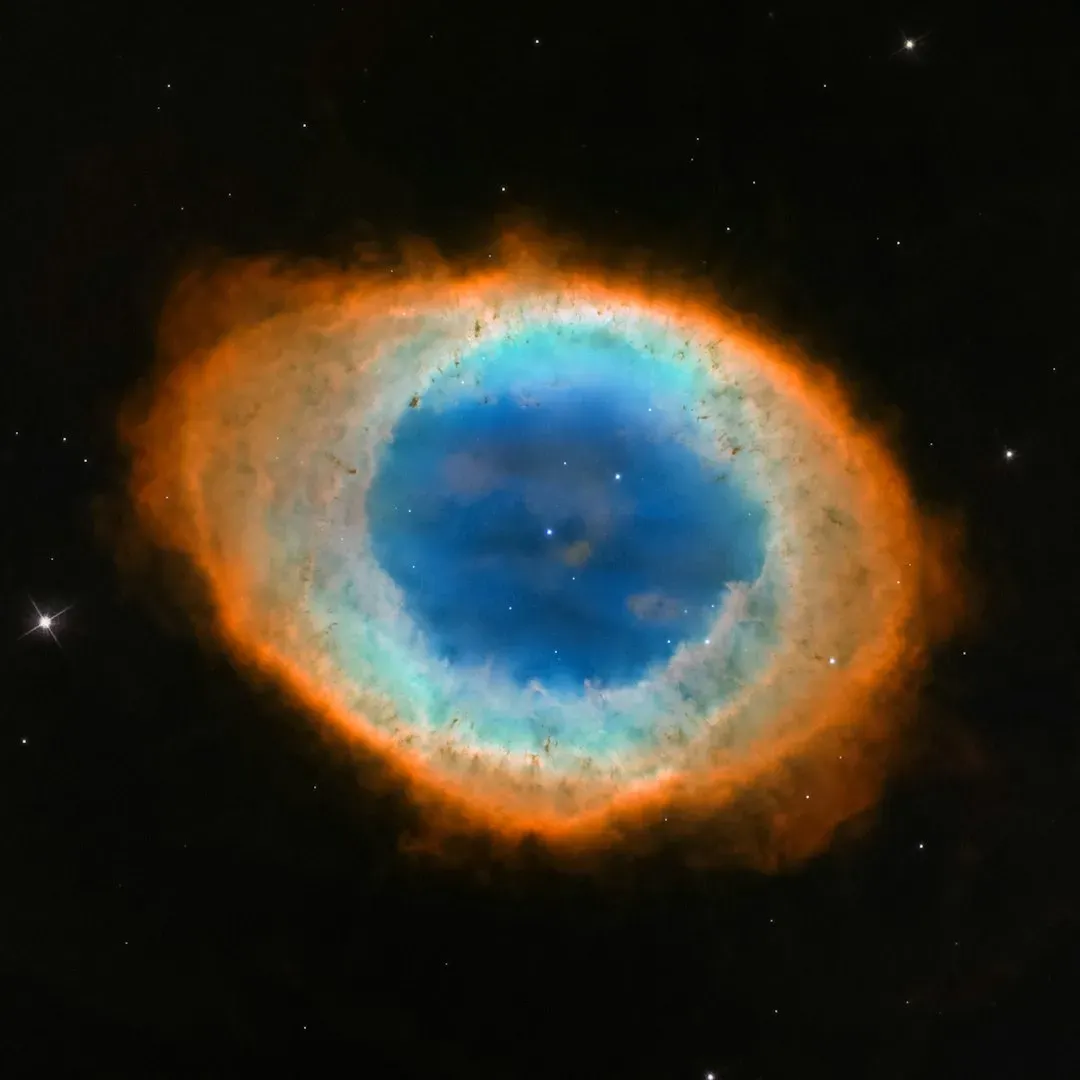
Here’s where things get truly wild. The neutron stars we can observe average about 1.8 million degrees Fahrenheit, compared to about 9,900 degrees Fahrenheit for the Sun. Let that sink in for a second.
The well-studied neutron star RX J1856.5-3754 has an average surface temperature of about 434,000 K, while the Sun’s effective surface temperature is only 5780 K. However, they eventually cool down. Since neutron stars generate no new heat through fusion, they inexorably cool down after their formation, with surface temperatures around one million kelvin after one thousand to one million years.
Gravity Is 2 Billion Times Stronger Than Earth’s
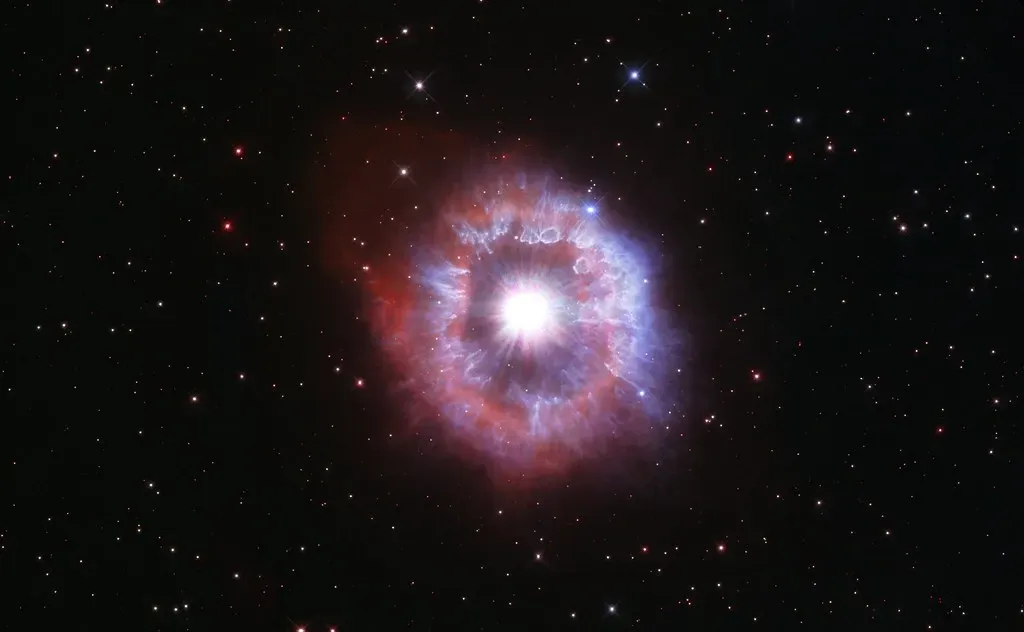
If you thought the density was extreme, wait until you hear about the gravity. The gravitational field of a neutron star is incredibly intense, reaching approximately 2 billion times stronger than Earth’s gravity, meaning anything falling toward the surface would be accelerated to unimaginable speeds in just a fraction of a second, and a person weighing 70 kilograms on Earth would weigh roughly 14 billion kilograms on a neutron star.
If an object were to fall from a height of 1 m on a neutron star 12 km in radius, it would reach the ground at around 1400 km/s, though even before impact, the tidal force would cause spaghettification, breaking any sort of ordinary object into a stream of material. You wouldn’t just die – you’d be atomized before you even knew what happened.
They Spin Hundreds Of Times Per Second
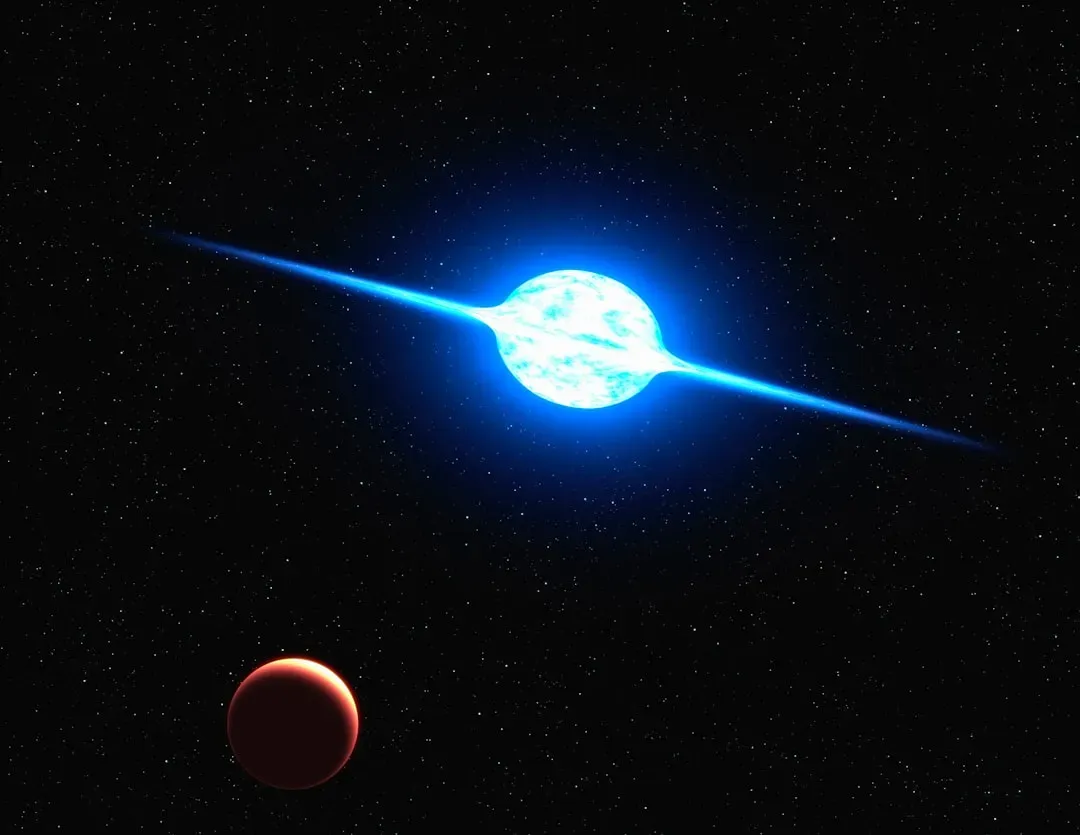
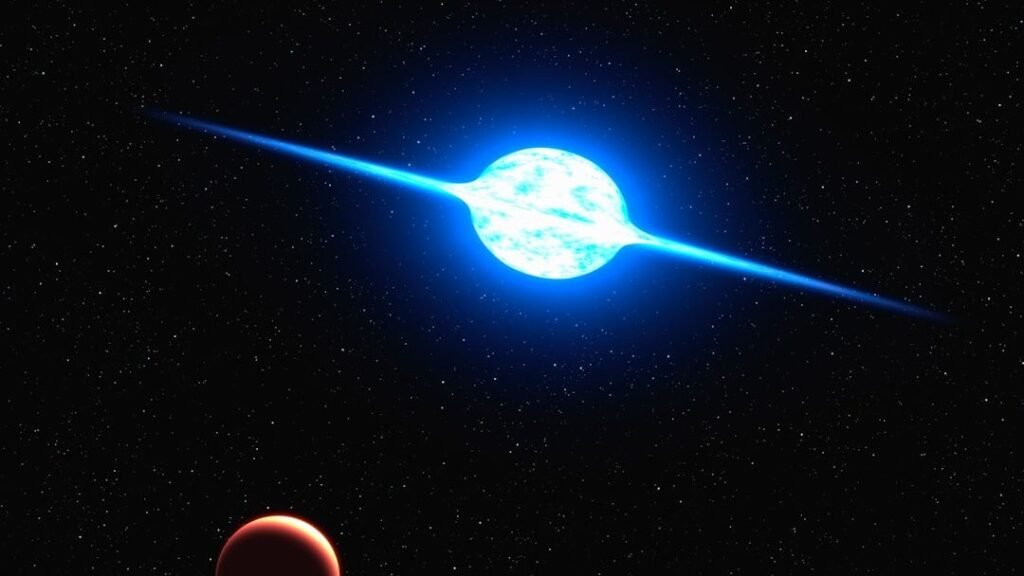
As a star’s core collapses, its rotation rate increases due to conservation of angular momentum, so newly formed neutron stars typically rotate at up to several hundred times per second. Imagine something with more mass than our sun spinning like a figure skater who just pulled their arms in tight.
Neutron stars rotate very rapidly, up to 600 times per second. Some millisecond pulsars can actually spin even faster. These cosmic lighthouses can spin as fast as 700 rotations per second. It’s hard to say for sure, but at those speeds, the equator of the star is moving at roughly a fifth of the speed of light.
Their Magnetic Fields Are Trillions Of Times Stronger Than Earth’s
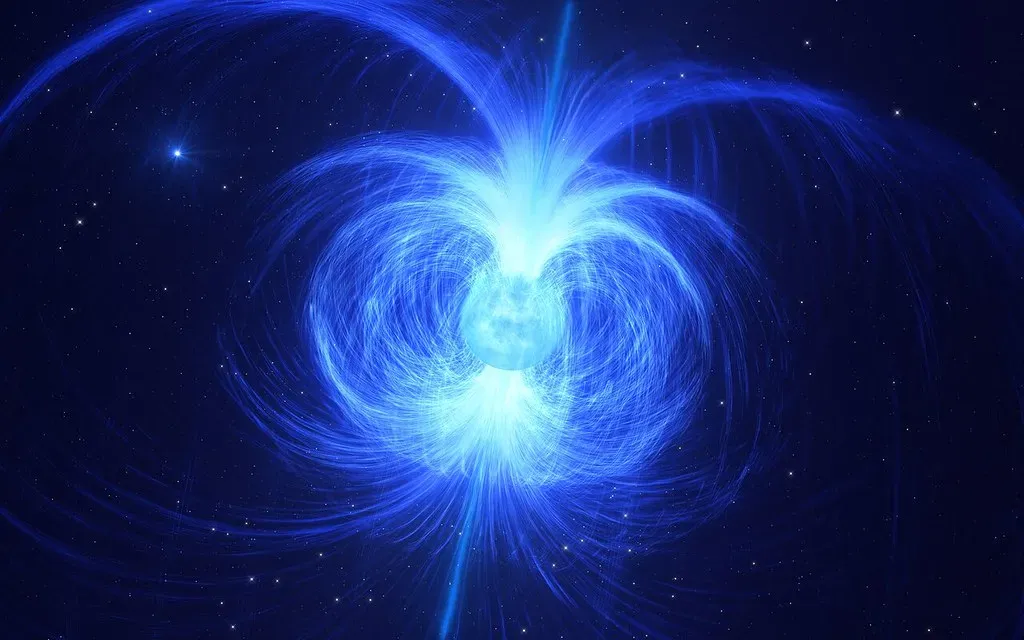
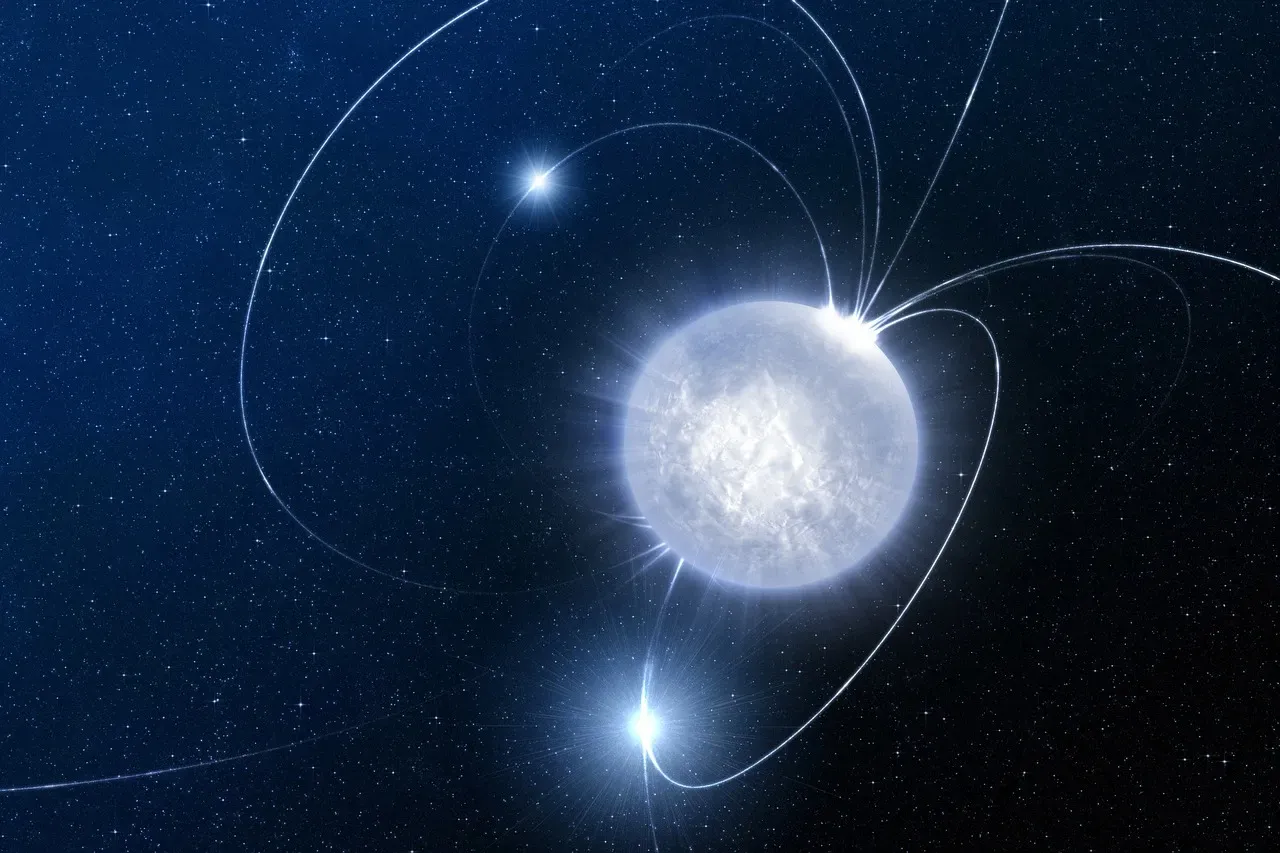
While all known neutron stars have magnetic fields billions and trillions of times stronger than Earth’s, a type of neutron star known as a magnetar can have a magnetic field another thousand times stronger. The numbers involved here are truly staggering.
The presence of very strong magnetic fields, upward of 10¹² gauss compared to Earth’s magnetic field of 0.5 gauss, causes the surface iron to be polymerized in the form of long chains of iron atoms. Magnetars are characterized by their extremely powerful magnetic fields of around 10⁹ to 10¹¹ T, created when the spin, temperature and magnetic field of a newly formed neutron star falls into the right ranges, converting heat and rotational energy into magnetic energy.
Time Moves Differently On Their Surface
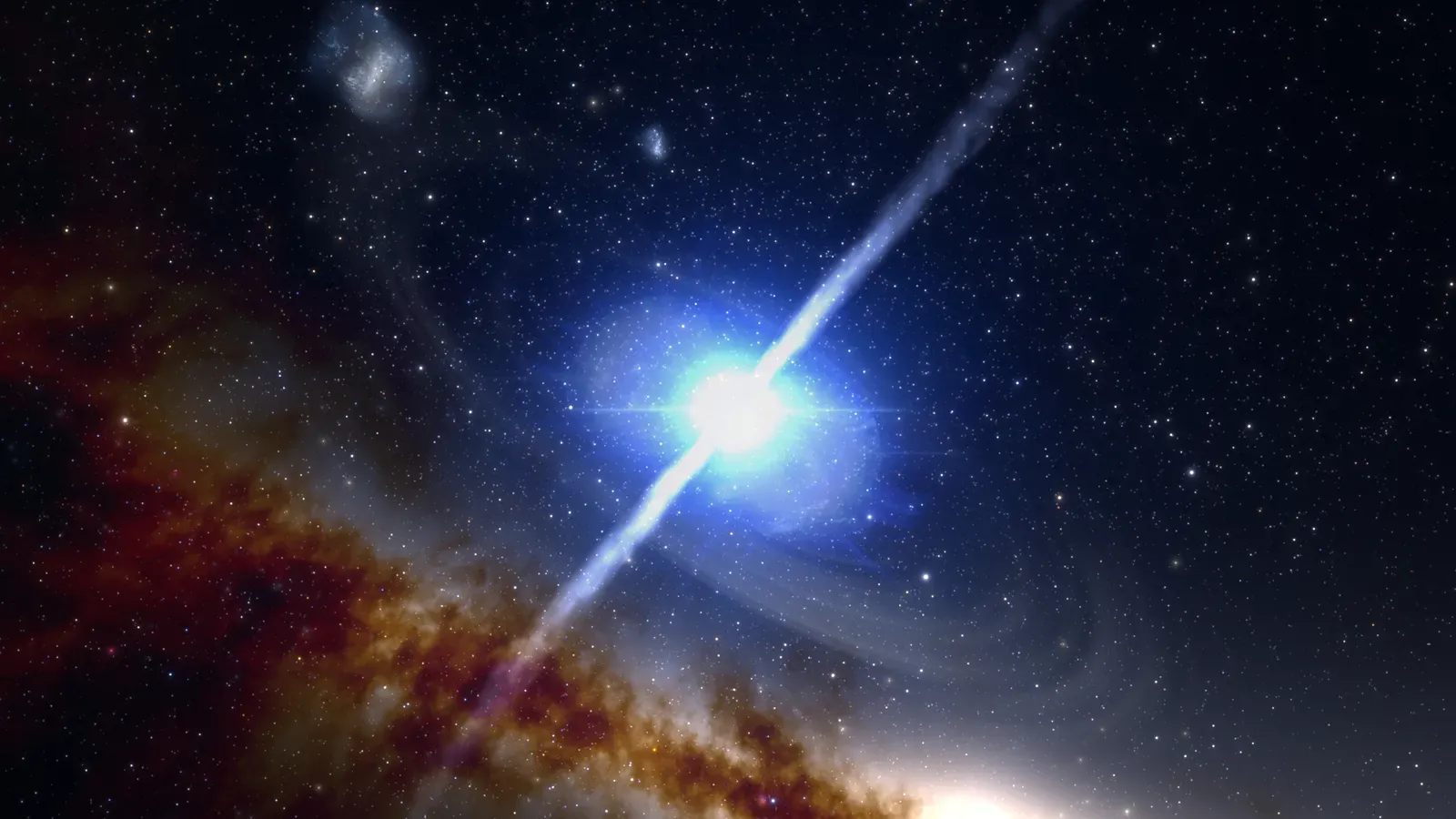
Because of the enormous gravity, time dilation between a neutron star and Earth is significant – for example, eight years could pass on the surface of a neutron star, yet ten years would have passed on Earth, not including the time-dilation effect of the star’s very rapid rotation. This isn’t science fiction. This is Einstein’s relativity in action.
The gravitational field is so intense that it literally warps spacetime around the star. Such immense gravity warps space-time dramatically, creating strong relativistic effects that can significantly alter the path of nearby light, allowing astronomers to observe more than just the half of the star that directly faces them, as some of the hidden hemisphere can be visually lifted into view due to gravitational lensing.
They Might Contain Exotic Matter That Shouldn’t Exist
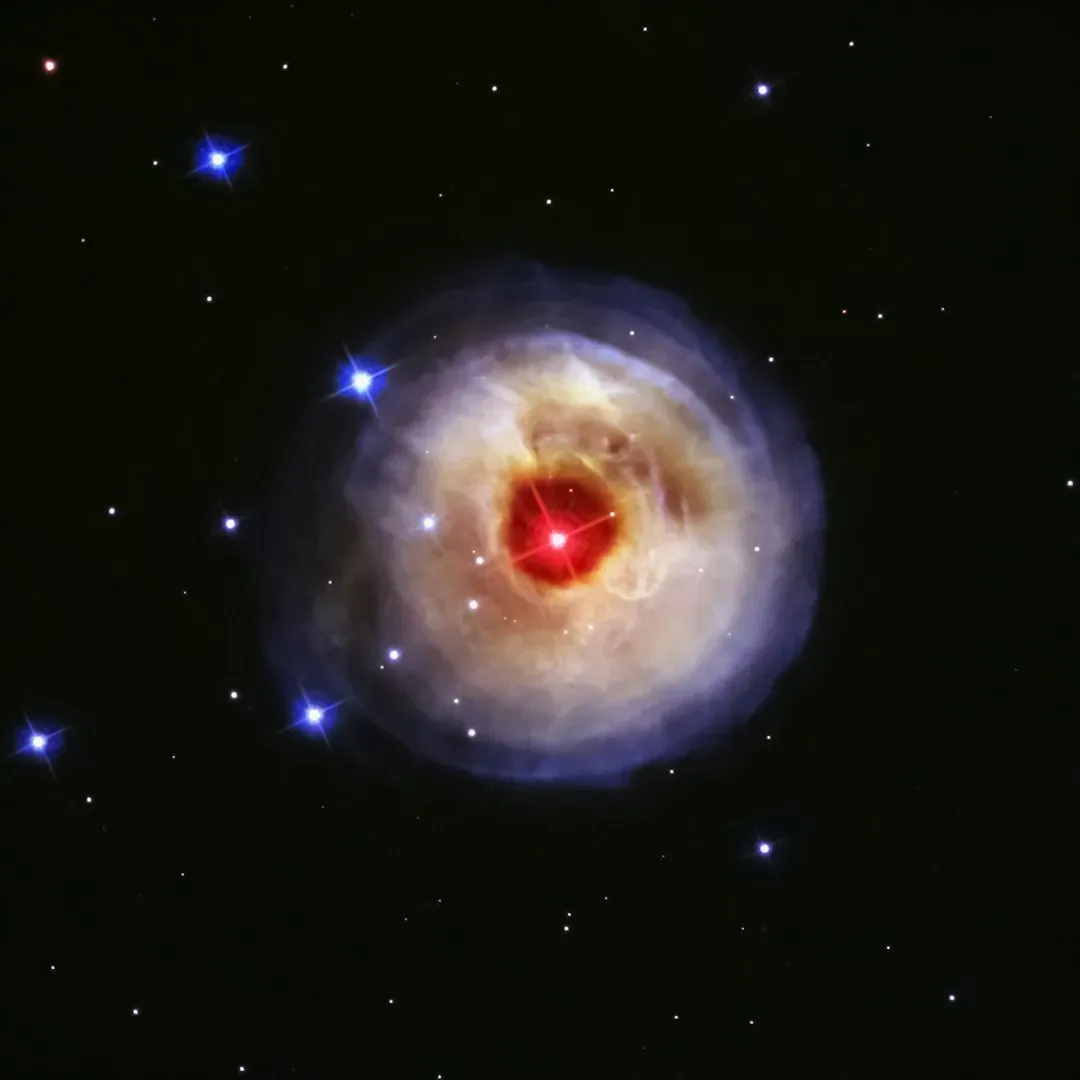
The extreme conditions inside neutron stars give rise to unusual states of matter, with scientists believing portions of the core exist in a superfluid state, meaning the matter behaves like a liquid with zero viscosity, flowing indefinitely without losing energy, while certain layers may exhibit superconductivity, where electrical currents can flow without any resistance, properties that help explain sudden changes in a neutron star’s rotation speed known as glitches.
Although neutron stars primarily consist of neutrons, the extreme pressures at their cores might allow for even more exotic states of matter, with some theories suggesting the existence of quark stars, an even denser form of matter where neutrons break down into their fundamental components – up and down quarks. We’re talking about matter in states that have never been observed anywhere else in the universe.
Magnetars Can Release More Energy In A Tenth Of A Second Than The Sun Does In 100,000 Years
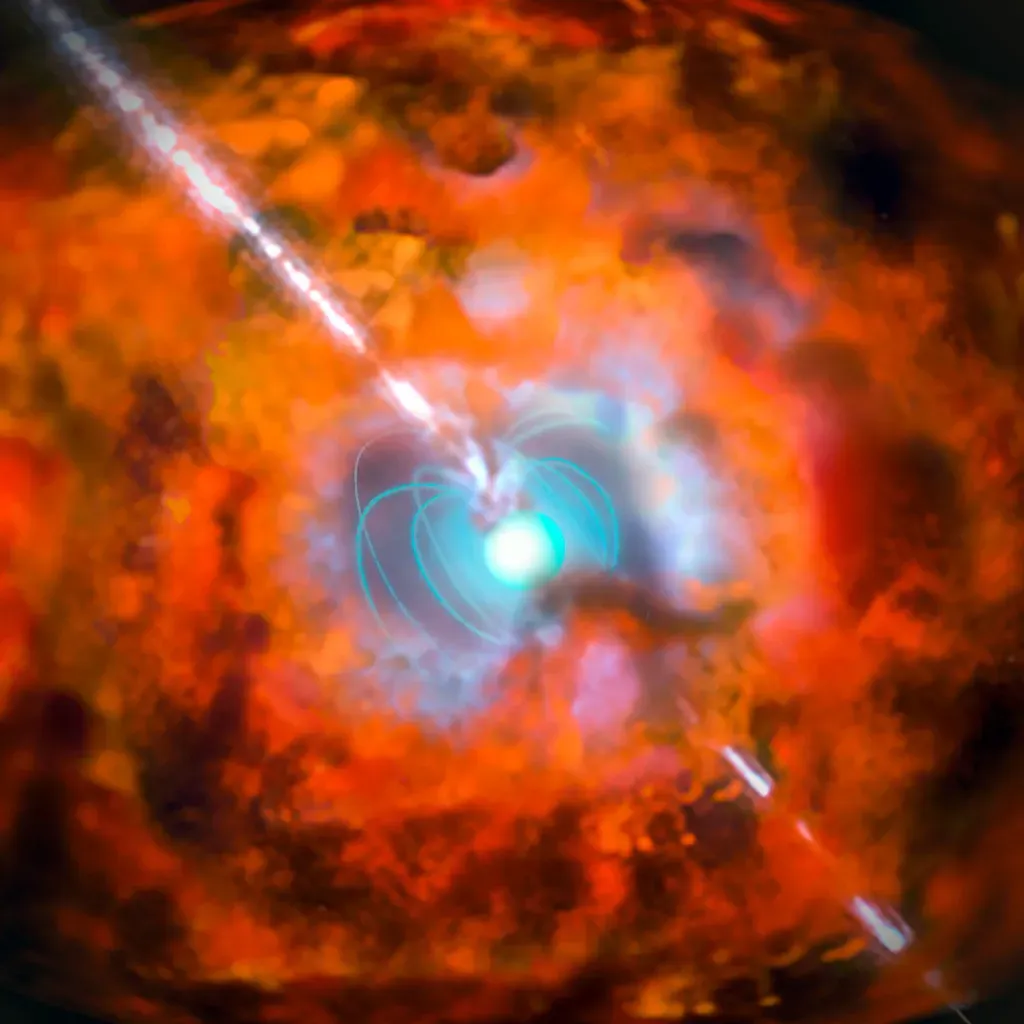
A magnetar called SGR 1806-20 had a burst where in one-tenth of a second it released more energy than the sun has emitted in the last 100,000 years. That statement alone should make you pause. One tenth of one second.
These intense magnetic forces can cause starquakes on the surface of a magnetar, rupturing the star’s crust and producing brilliant flashes of gamma rays so powerful that they have been known to travel thousands of light-years across our Milky Way galaxy, causing measurable changes to Earth’s upper atmosphere. The sheer violence of these events is almost beyond comprehension.
They Were First Mistaken For Alien Signals
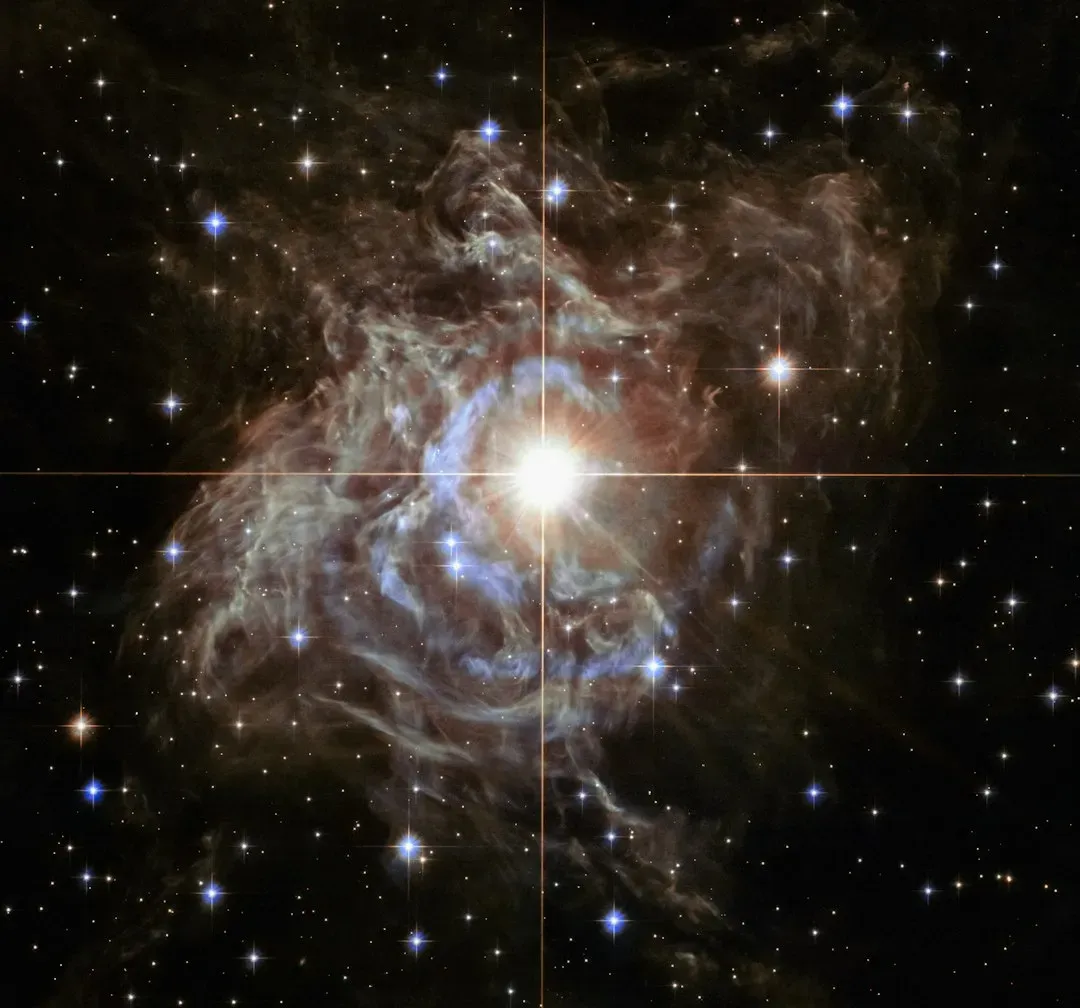
The discovery of pulsars began with a mystery in 1967 when astronomers picked up very regular radio flashes but couldn’t figure out what was causing them, with the early researchers toying briefly with the idea that it could be a signal from an alien civilization, an explanation that was discarded but lingered in their nickname for the original object – LGM-1, a nod to the “little green men” – though scientists now understand that pulsars are spinning neutron stars sending out light across a broad range of wavelengths.
The regularity of the pulses was so precise that it seemed artificial. Pulsars are rotating neutron stars observed to have pulses of radiation at very regular intervals that typically range from milliseconds to seconds. Turns out, nature can create clockwork precision without any intelligent design required.
There Could Be A Billion Of Them In Our Galaxy Alone
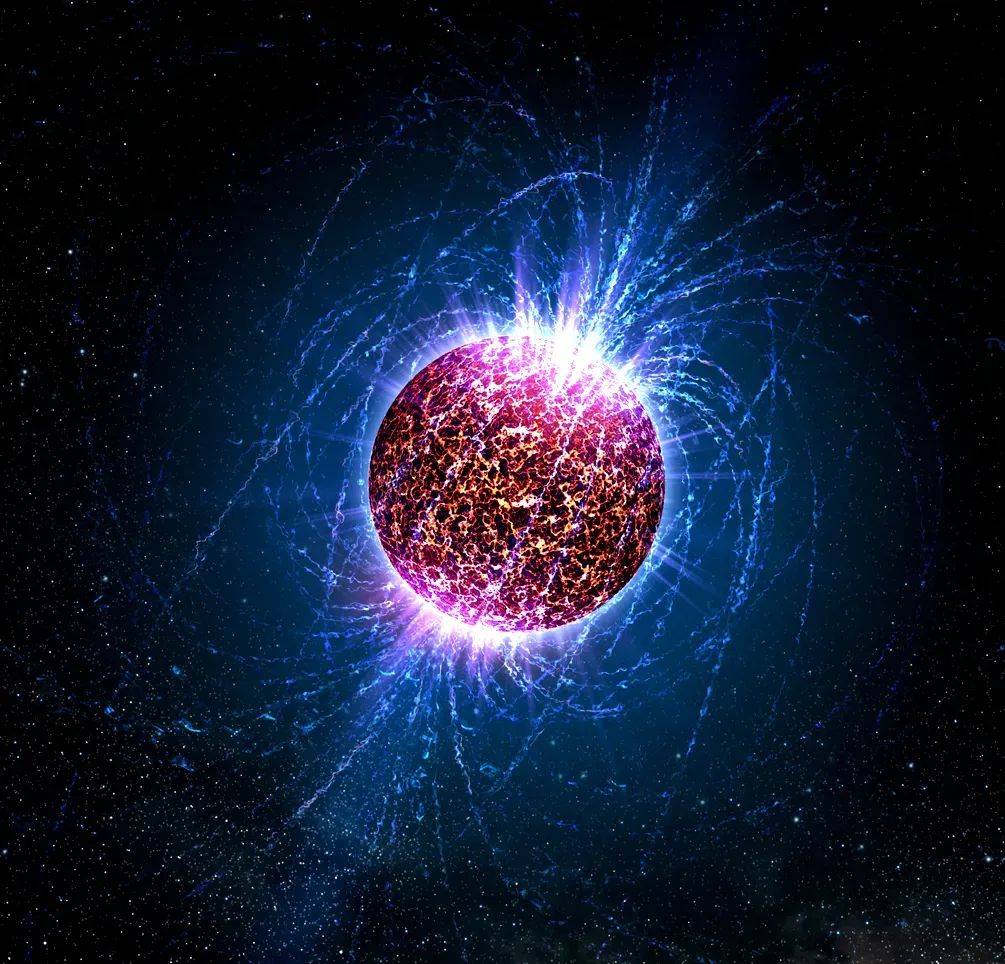
There are thought to be around one billion neutron stars in the Milky Way, and at a minimum several hundred million, a figure obtained by estimating the number of stars that have undergone supernova explosions. That’s an astonishing number of these bizarre objects hiding in our cosmic neighborhood.
Many neutron stars are likely undetectable because they simply do not emit enough radiation. So the ones we’ve discovered? They’re probably just the tip of the iceberg. It’s estimated there are more than a hundred million neutron stars in our Milky Way galaxy, but many will be too old and cold to be easily detected.
Conclusion
Neutron stars represent some of the most extreme physics our universe has to offer. They’re laboratories where matter behaves in ways that challenge our understanding of physics, where gravity crushes atoms out of existence, and where magnetic fields powerful enough to disrupt atoms stretch across space. Each discovery about these stellar remnants reveals just how much we still have to learn about the cosmos.
These aren’t just distant curiosities. They’re sources of gravitational waves, producers of heavy elements like gold and platinum, and windows into physics at densities we can never replicate on Earth. So, what do you think – are neutron stars the strangest objects in the universe, or is there something even more bizarre waiting to be discovered?