
Have you ever watched a nature documentary and found yourself wondering how certain creatures pull off what seems completely impossible? You’re not alone in that curiosity. Our planet is home to animals that bend the very rules we thought governed biology. Some heal injuries that should be fatal, others navigate using senses we can’t even comprehend, and a few appear to have discovered the secret to cheating death itself. These aren’t the abilities you learned about in school. These are the mysteries that keep scientists awake at night, scratching their heads, running experiments that yield more questions than answers. Let’s dive into the strange world of animal superpowers that remain tantalizingly out of reach of complete scientific understanding.
The Immortal Jellyfish That Reverses Aging
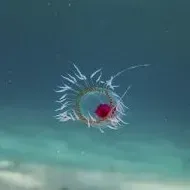
When stressed or aging, Turritopsis dohrnii can reverse its life cycle, collapsing from its adult form and reverting to a juvenile polyp. Honestly, it sounds more like science fiction than reality.
This jellyfish undergoes a process called transdifferentiation, transforming its adult cells into their earlier developmental stages when faced with environmental stress, predation, or injury. The really mind-bending part? Researchers still don’t fully grasp the precise cellular mechanisms that trigger this transformation or how the jellyfish’s cells manage to reorganize without losing critical genetic information. Even in 2026, this tiny creature holds secrets that could revolutionize our understanding of aging.
The Axolotl’s Perfect Regeneration Without Scarring
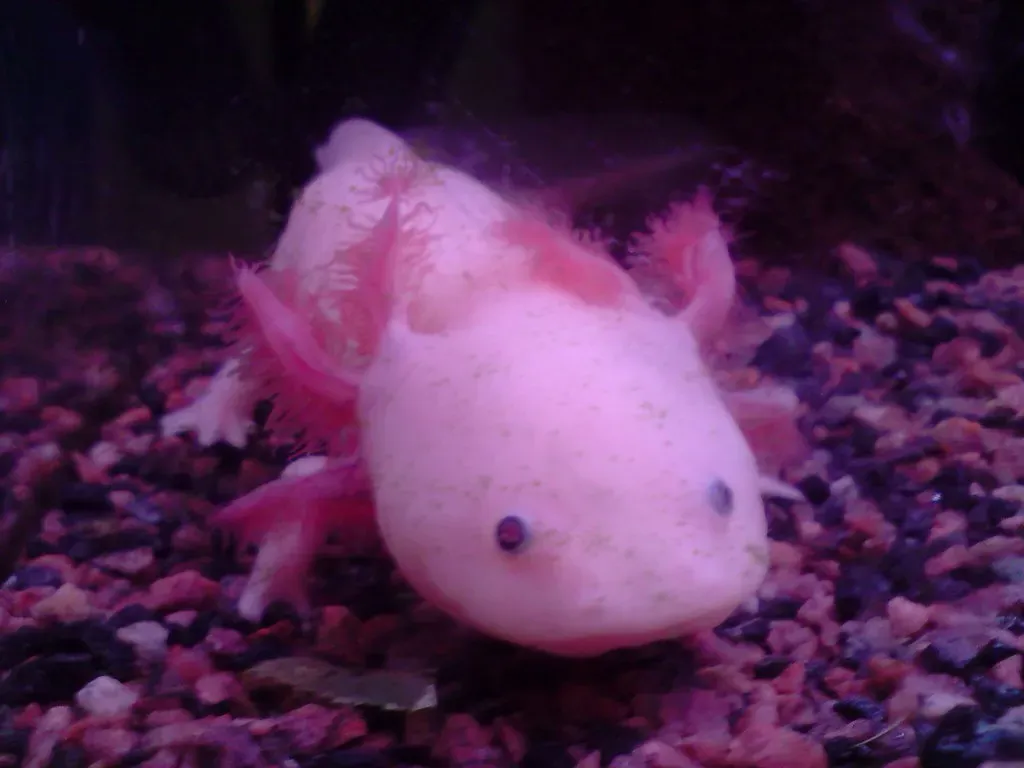
The axolotl can achieve complete limb regeneration, with wounds that don’t scar but instead form a blastema that reconstructs bones, muscles, nerves, and skin with flawless precision. It’s hard to say for sure, but this might be the closest thing to a real-life healing superpower.
This salamander can regrow entire limbs, spinal cords, and even parts of its brain, regenerating flawlessly without forming scar tissue. What truly baffles researchers is how the axolotl’s cells know exactly where to go and what to become during regeneration. The genetic triggers, the cellular communication pathways, the prevention of tumor formation during such rapid growth – all of these remain partially unexplained mysteries that scientists continue to investigate with intense focus.
The Naked Mole Rat’s Oxygen-Free Survival
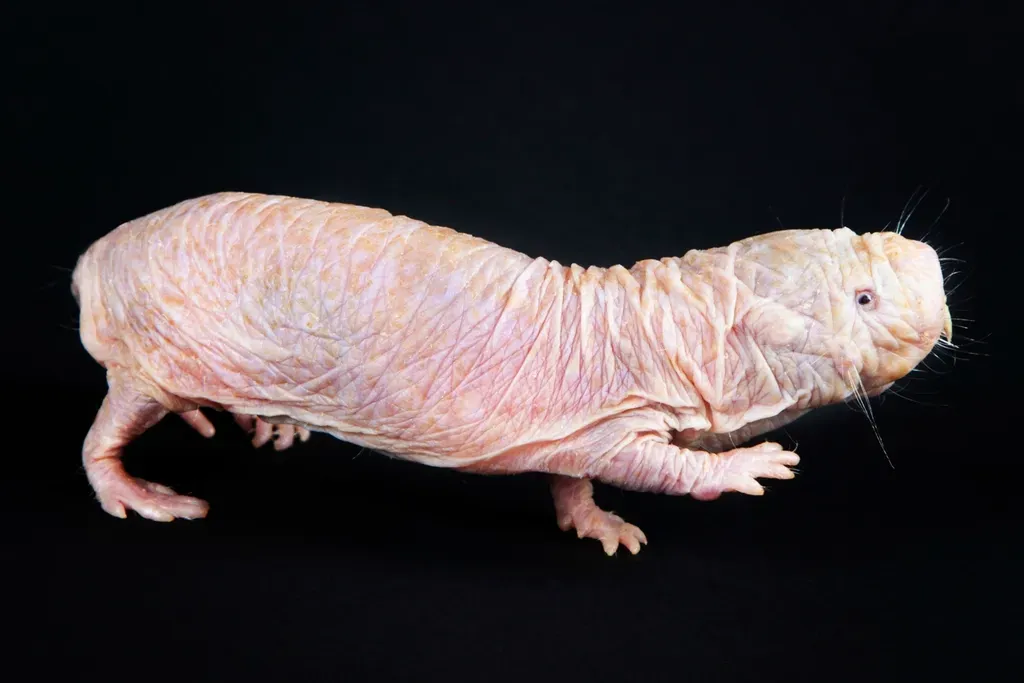
The naked mole rat can survive without oxygen for up to 18 minutes by switching its metabolism from glucose to fructose-driven glycolysis, a process more commonly found in plants. Let’s be real, no other mammal on Earth can do this.
These rodents live for over 30 years, roughly ten times longer than similar-sized rodents, and show extraordinary resistance to cancer due to their tissues being rich in high-molecular-mass hyaluronan. Scientists remain puzzled by how these wrinkled creatures developed such radically different biology from other mammals. The mechanisms protecting them from cancer while allowing such extreme metabolic flexibility continue to challenge our understanding of mammalian physiology.
The Mantis Shrimp’s Incomprehensible Vision
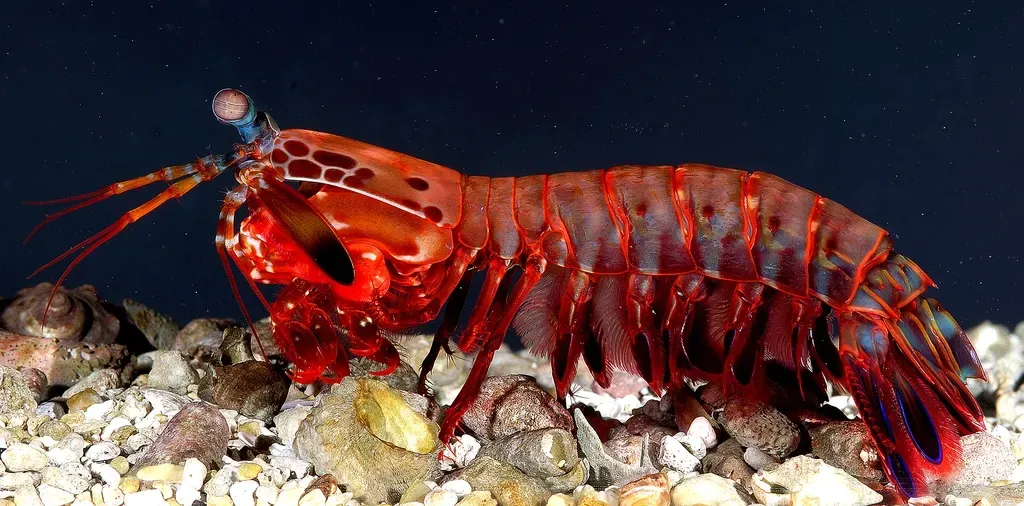
The mantis shrimp possesses one of the most sophisticated visual systems known to science, with up to 16 types of photoreceptor cells allowing them to perceive polarized light and ultraviolet wavelengths, which appears to enable forms of communication invisible to other animals. Here’s the thing – we have only three types of photoreceptors, so imagining what they see is nearly impossible.
Scientists still don’t fully understand how the shrimp’s brain processes such an overwhelming amount of visual information. Recent research suggests their visual processing might work completely differently than ours, but the exact neural architecture remains elusive. Their ability to detect cancerous tissue and their incredibly fast strike – which creates cavitation bubbles hot enough to rival the sun’s surface – adds even more layers to this already mysterious creature.
Electric Eels’ Sophisticated Electrical Control
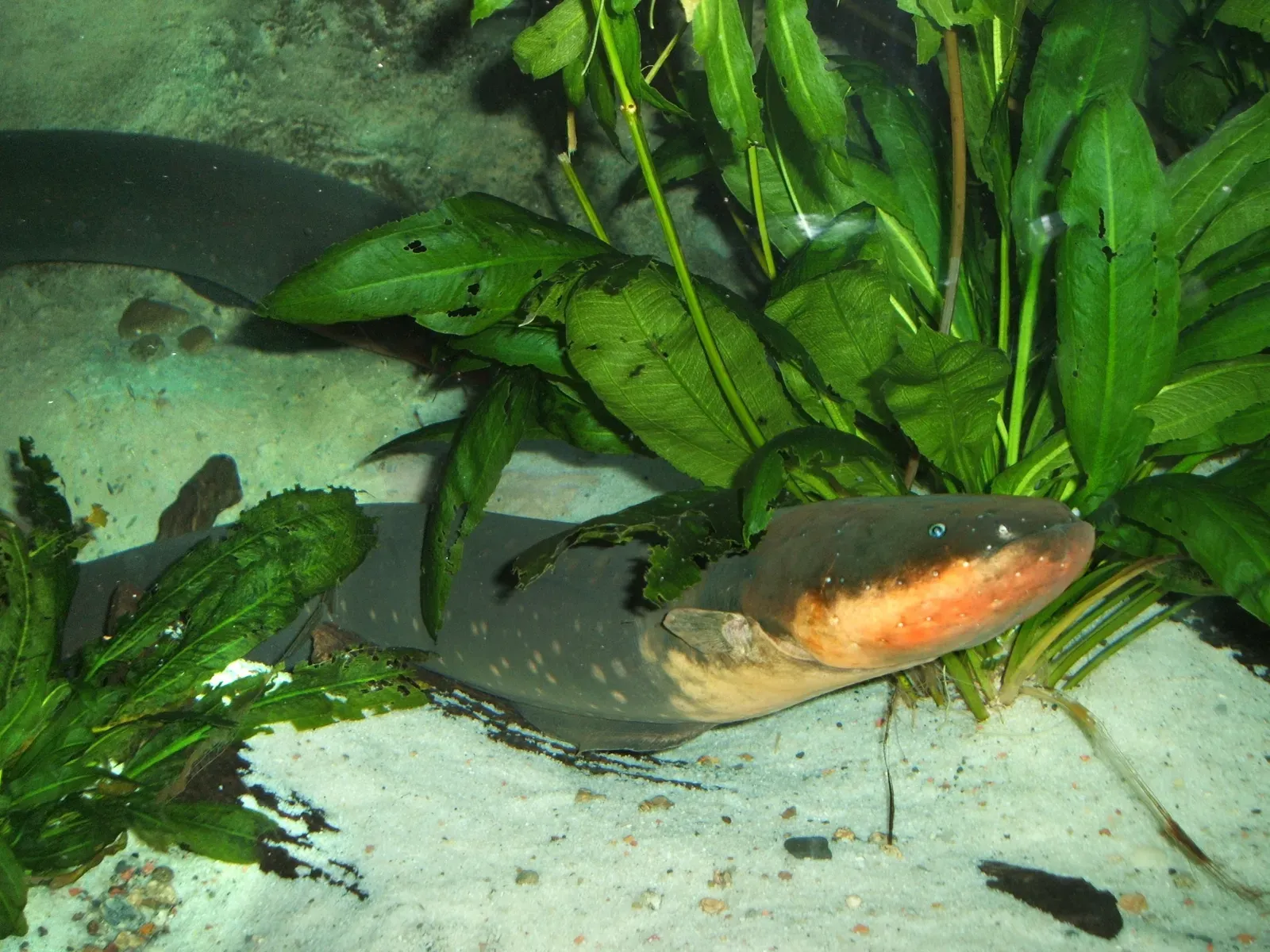
Electric eels can generate bursts of electricity of up to 600 volts, and recent studies in 2024 revealed they can coordinate electrical discharges in rapid, seemingly purposeful sequences to manipulate prey behavior in ways previously thought impossible. The precision is almost unsettling when you think about it.
While we understand the basic biology of their electric organs, the sophisticated control mechanisms remain mysterious. How do they modulate voltage and timing with such accuracy? How do they avoid shocking themselves? The neural pathways that govern these split-second decisions and the evolutionary pressures that led to such remarkable control continue to baffle researchers who study these South American predators.
The Pigeon’s Mysterious Navigation System
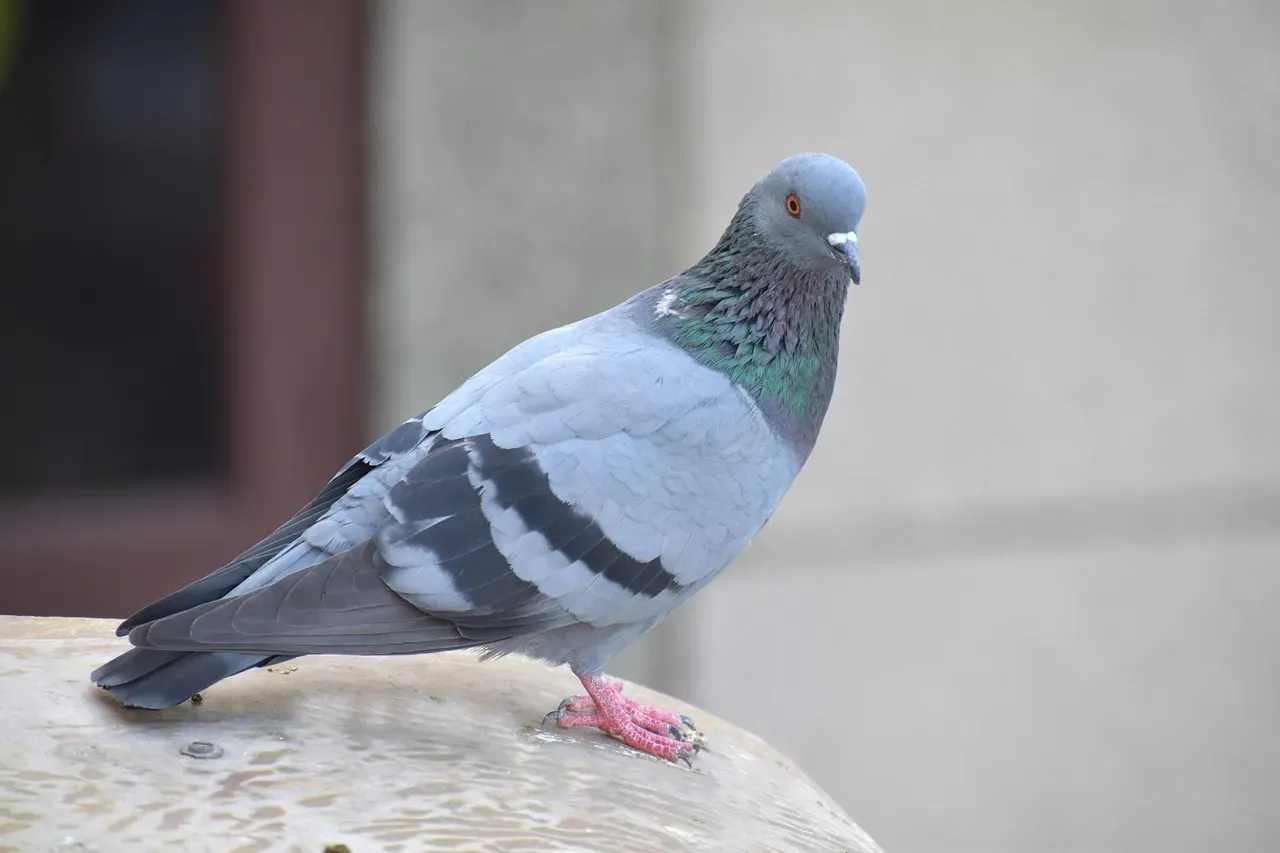
Pigeons can apparently detect magnetic anomalies and shifts in the Earth’s field, adjusting their route in ways that no other animal seems capable of, and some pigeons appear to recalibrate their sense of direction after being displaced hundreds of miles from their home lofts without prior exposure to the terrain. I know it sounds crazy, but these common birds possess something science can’t fully explain.
The exact biological “compass” mechanism remains a subject of debate, blending physics, biology, and a touch of mystery. Researchers have proposed magnetite crystals in their beaks, specialized proteins in their eyes, even olfactory maps, yet none of these theories completely account for the pigeon’s remarkable homing abilities. The cognitive processing required for such navigation remains one of ornithology’s enduring puzzles.
The Lyrebird’s Perfect Mimicry Mystery
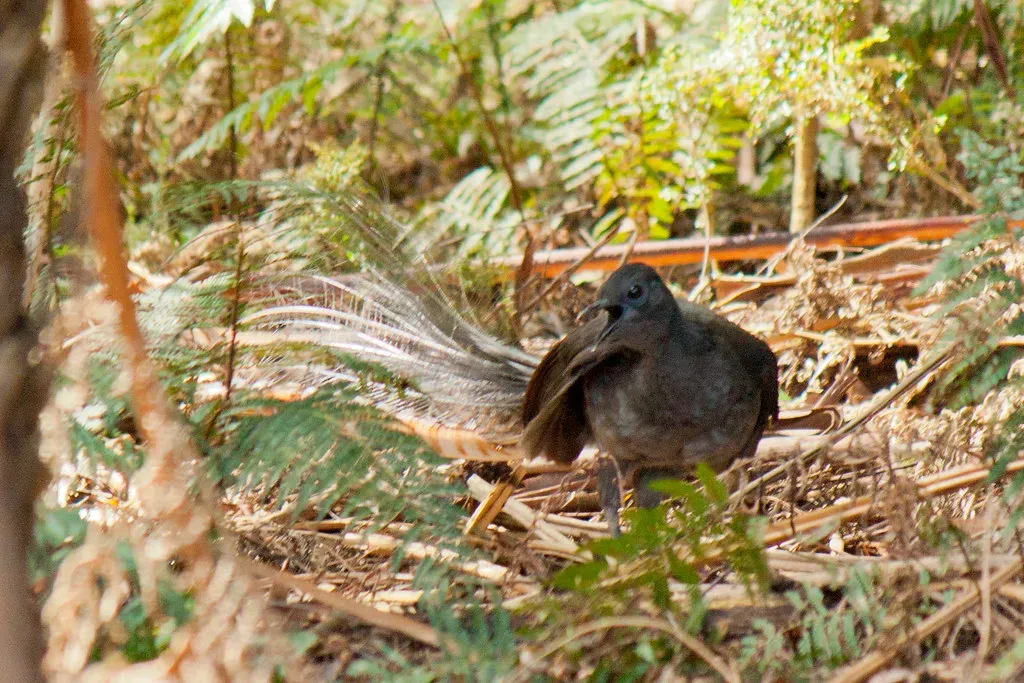
Australia’s lyrebird is a master of imitation, capable of replicating chainsaws, camera shutters, car alarms, and human voices with uncanny accuracy, and while scientists understand the mechanics of its syrinx and impressive neural control, the lyrebird’s cognitive abilities are still astonishing. Honestly, hearing recordings of these birds is absolutely surreal.
The real mystery is why and how lyrebirds learn to mimic sounds they have likely never heard in the wild and reproduce them with perfect timing and tone, with some researchers theorizing this skill plays a role in mating rituals and social hierarchy, yet the precision and breadth of mimicry suggest a level of auditory intelligence that pushes the boundaries of current animal cognition studies. The neural architecture that allows such perfect replication without practice remains largely unexplained.
Sea Cucumbers’ Extreme Organ Ejection
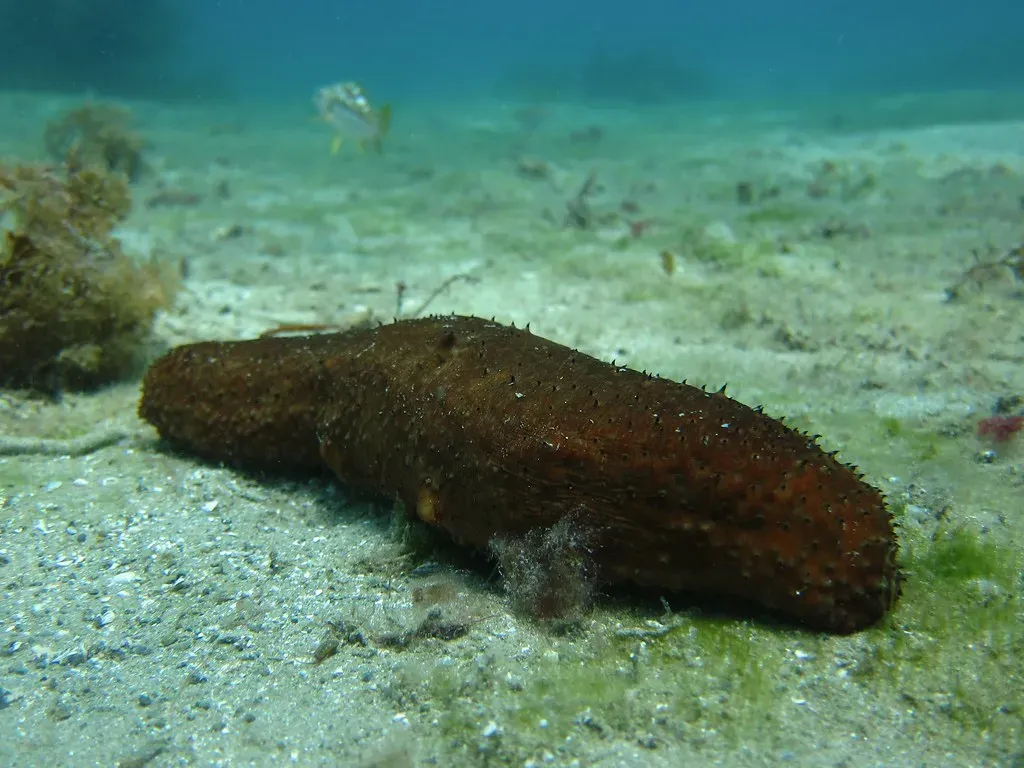
When threatened, sea cucumbers literally eject their internal organs, which later regenerate, and while self-amputation as a defense isn’t uncommon in nature, scientists are still baffled by how they survive this dramatic response and why evolution favored such an extreme defense mechanism. It genuinely seems like overkill for a survival strategy.
The regeneration process itself poses enormous biological challenges. How do these creatures prevent infection in such vulnerable states? How do they manage blood loss and maintain vital functions while regrowing entire organ systems? The cellular signaling and metabolic adjustments required remain poorly understood, making sea cucumbers a continuing source of scientific fascination and confusion.
Tardigrades’ Near-Indestructibility
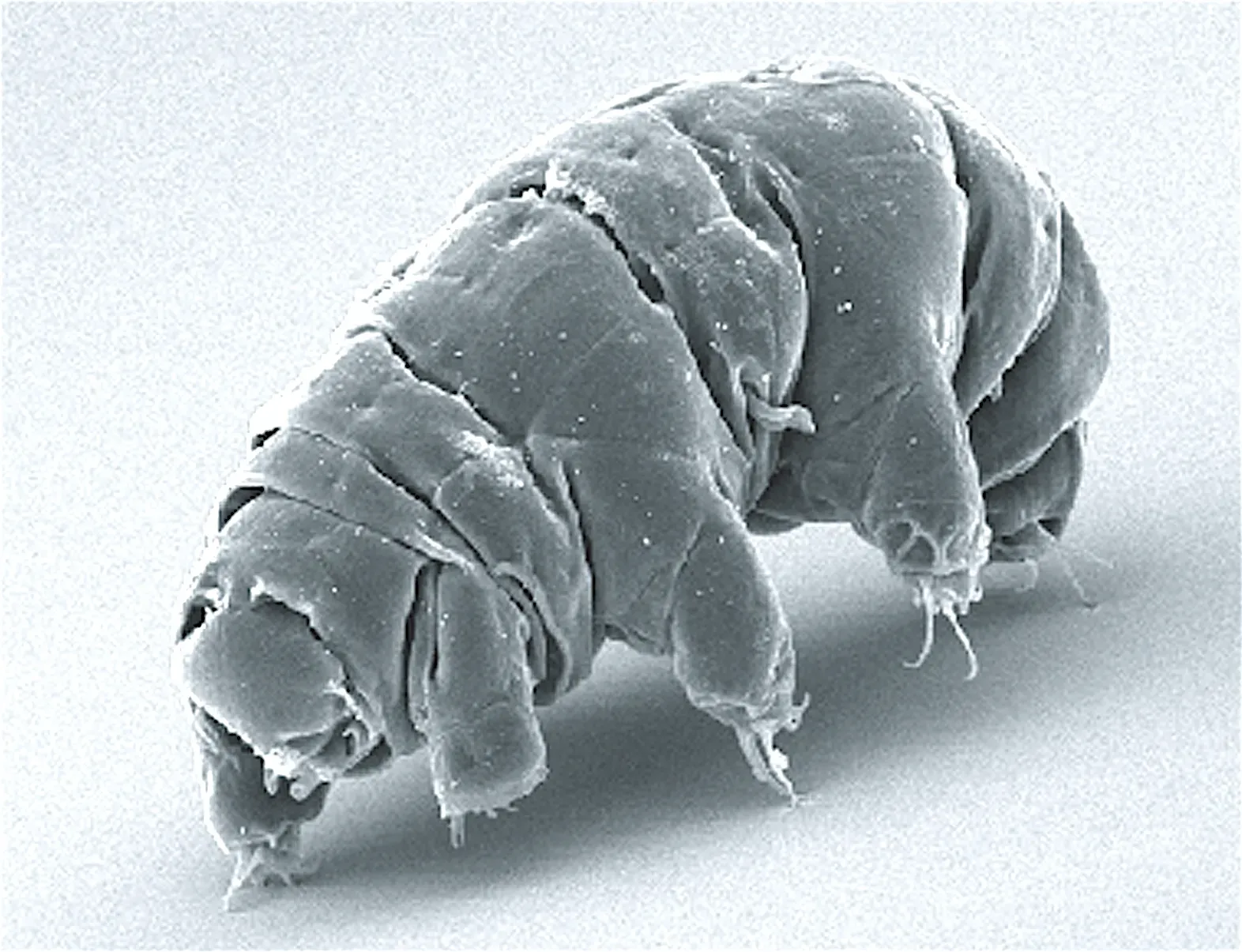
Tardigrades can withstand temperatures ranging from near absolute zero to well above boiling point, endure crushing pressures, and even survive the vacuum of space. These microscopic creatures shouldn’t be able to exist, yet here they are.
They can survive in the most extreme environments, including the deep sea, high mountain ranges, and even the vacuum of space, and can go without food or water for more than 30 years by entering a state of suspended animation. Scientists have identified some of the proteins involved in their cryptobiosis state, but the complete picture of how they essentially shut down and restart life remains incomplete. The mechanisms protecting their DNA from radiation damage and the signals that trigger their revival continue to challenge our understanding of biological limits.
Monarch Butterflies’ Unexplained Multi-Generational Navigation
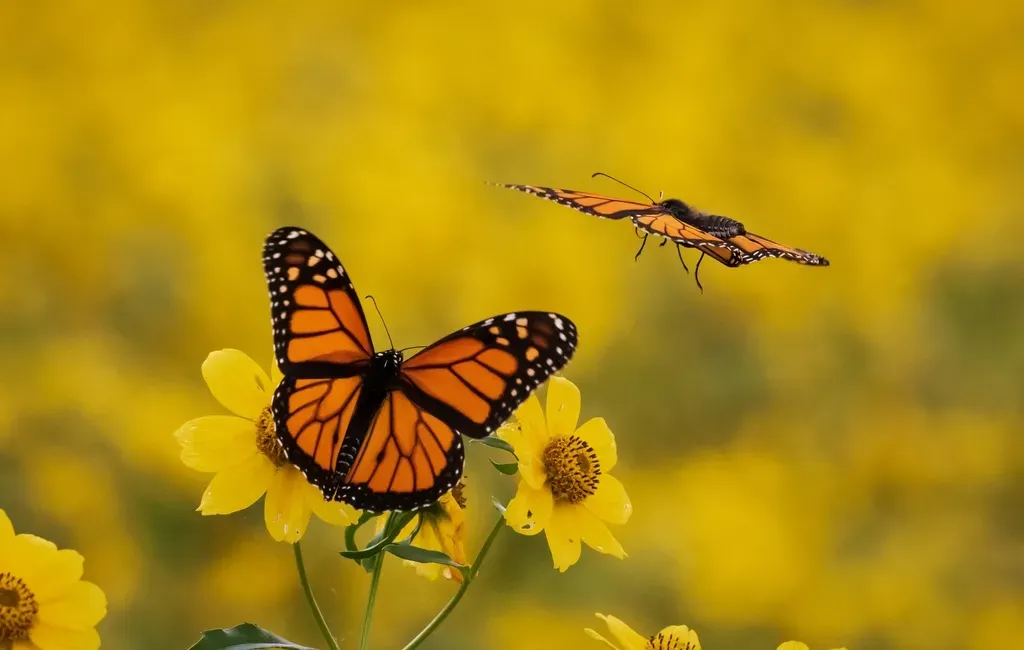
Every year, monarch butterflies embark on one of the most incredible migrations in the animal kingdom, traveling thousands of miles from North America to Mexico with no map, no GPS – just instinct, and scientists don’t fully understand how these tiny creatures navigate such a long, complex journey. The scale of this achievement is genuinely staggering.
The butterflies don’t follow landmarks but rely on the Earth’s magnetic field, the sun’s position, and possibly even the stars, yet monarchs born in captivity, who’ve never seen the migration route, still find their way to Mexico. This suggests genetic encoding of navigational information, but how such complex spatial data gets passed through generations without learning remains one of biology’s most perplexing questions. The neural mechanisms in such tiny brains capable of processing multiple navigation cues simultaneously continue to defy complete explanation.
Conclusion
These ten animals remind us that nature still holds cards close to its chest, refusing to reveal all its secrets despite centuries of scientific inquiry. Each creature pushes the boundaries of what we thought was biologically possible, operating with abilities that seem to bend fundamental rules. From jellyfish that reverse time to birds that perfectly mimic chainsaws, from rodents that survive without oxygen to butterflies that navigate continents without ever having seen the route – these animals prove that evolution is a far more creative engineer than we often give it credit for.
The mysteries these creatures present aren’t just academic curiosities. They hold potential keys to medical breakthroughs, technological innovations, and a deeper understanding of life itself. Still, even in 2026, with all our advanced imaging, genetic sequencing, and computational modeling, we’re left with more questions than answers. What do you think – will we ever fully understand these incredible abilities, or will nature always stay one step ahead? Tell us in the comments what animal superpower amazes you most.