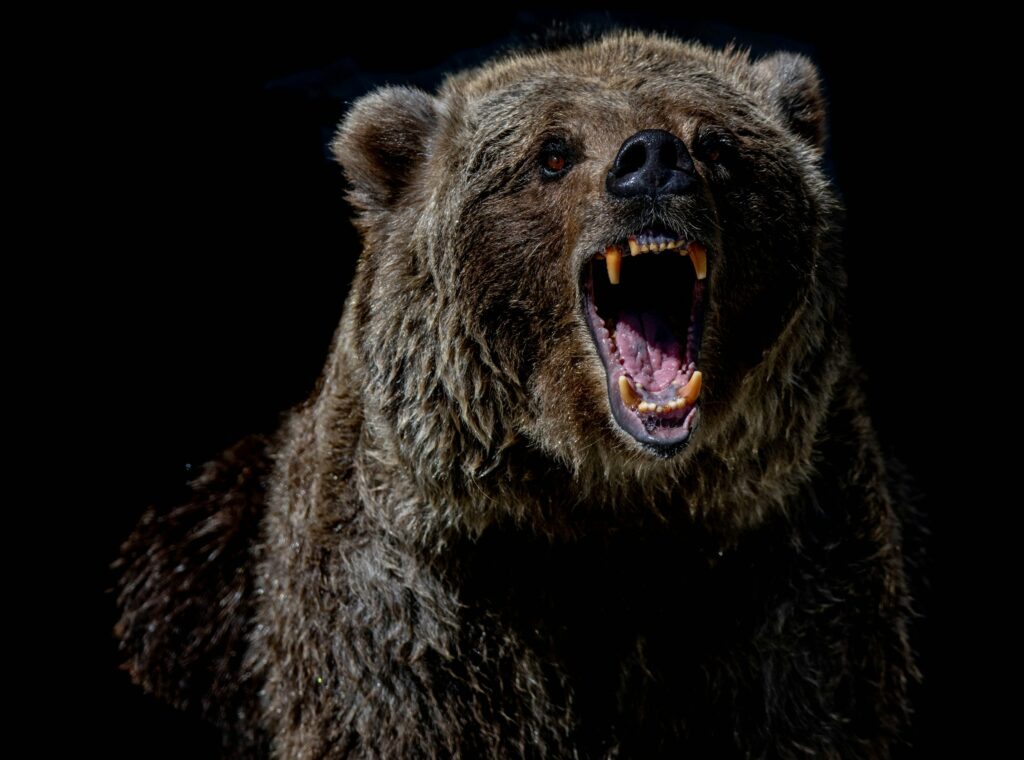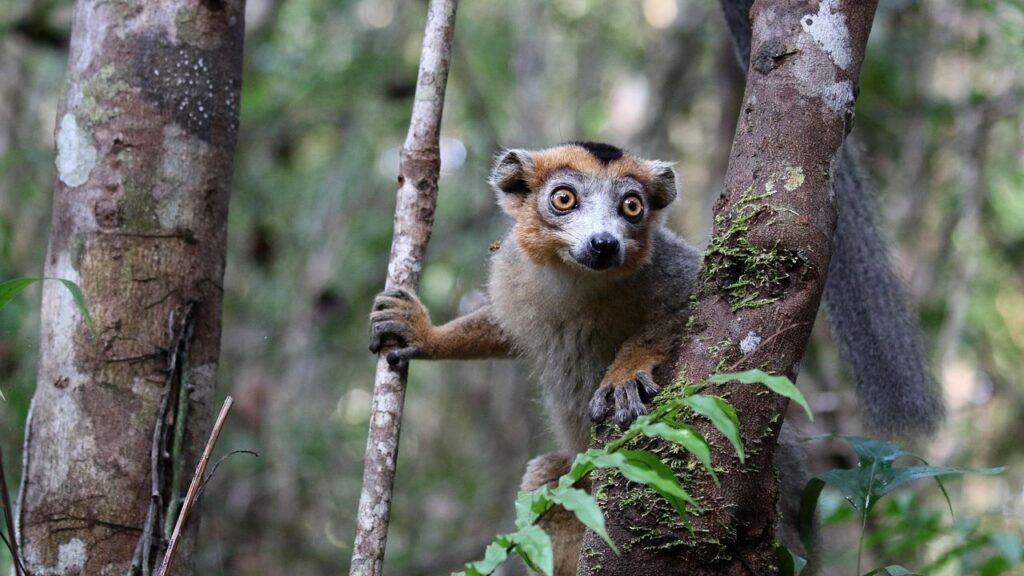

Wildlife conservation has always been a race against time. With species disappearing at alarming rates and ecosystems under unprecedented pressure, conservationists need every advantage they can get. Enter artificial intelligence, a technology that’s quietly revolutionizing how we protect the natural world. From analyzing millions of camera trap photos in minutes to predicting where poachers might strike next, AI is giving conservationists superpowers they never imagined possible just a decade ago. The question isn’t whether technology can help save wildlife anymore, it’s how quickly we can deploy these tools across the planet before it’s too late. Let’s dive in.
Instant Species Recognition From Camera Traps
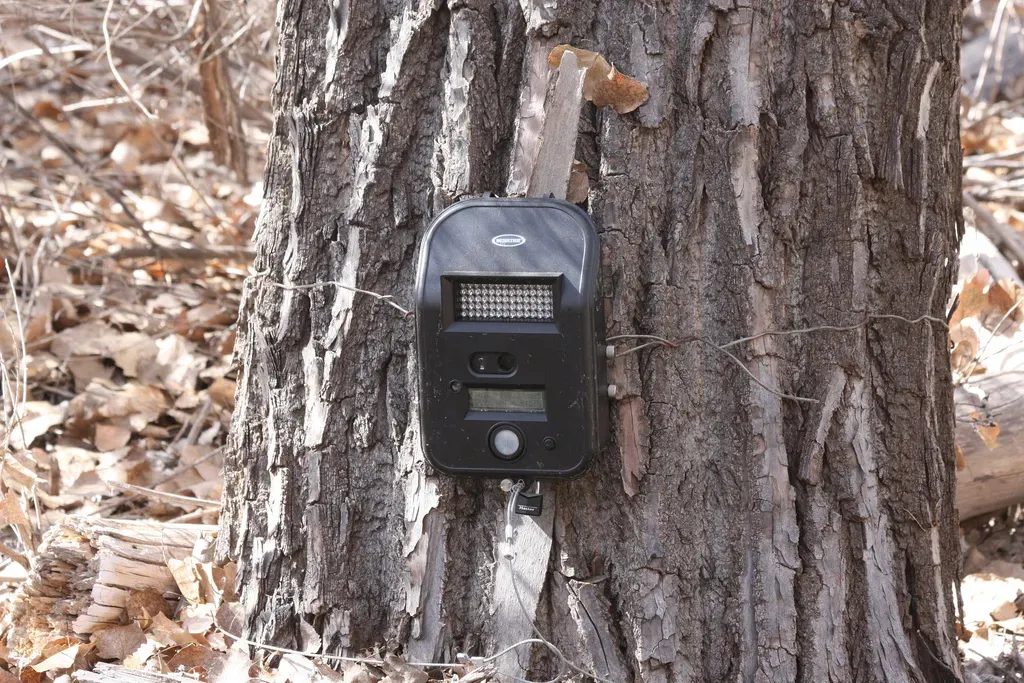
Every year, conservation organizations deploy thousands of motion-triggered cameras to monitor wildlife populations, generating millions of images. The problem? Sorting through this mountain of visual data manually used to take months of painstaking work. AI systems like Wildlife Insights can automatically identify thousands of species in minutes, transforming what was once a tedious bottleneck into a streamlined process.
These AI models detect images containing animals with accuracy rates exceeding 99%, and when making species-level predictions, they’re correct about 94.5% of the time. In Australia’s bushfire recovery efforts, 7 million images were sorted using AI in just weeks, detecting more than 150 different species. This speed means conservationists can make critical decisions in real time rather than waiting months for data analysis to catch up with reality.
Predictive Analytics to Stop Poachers Before They Strike
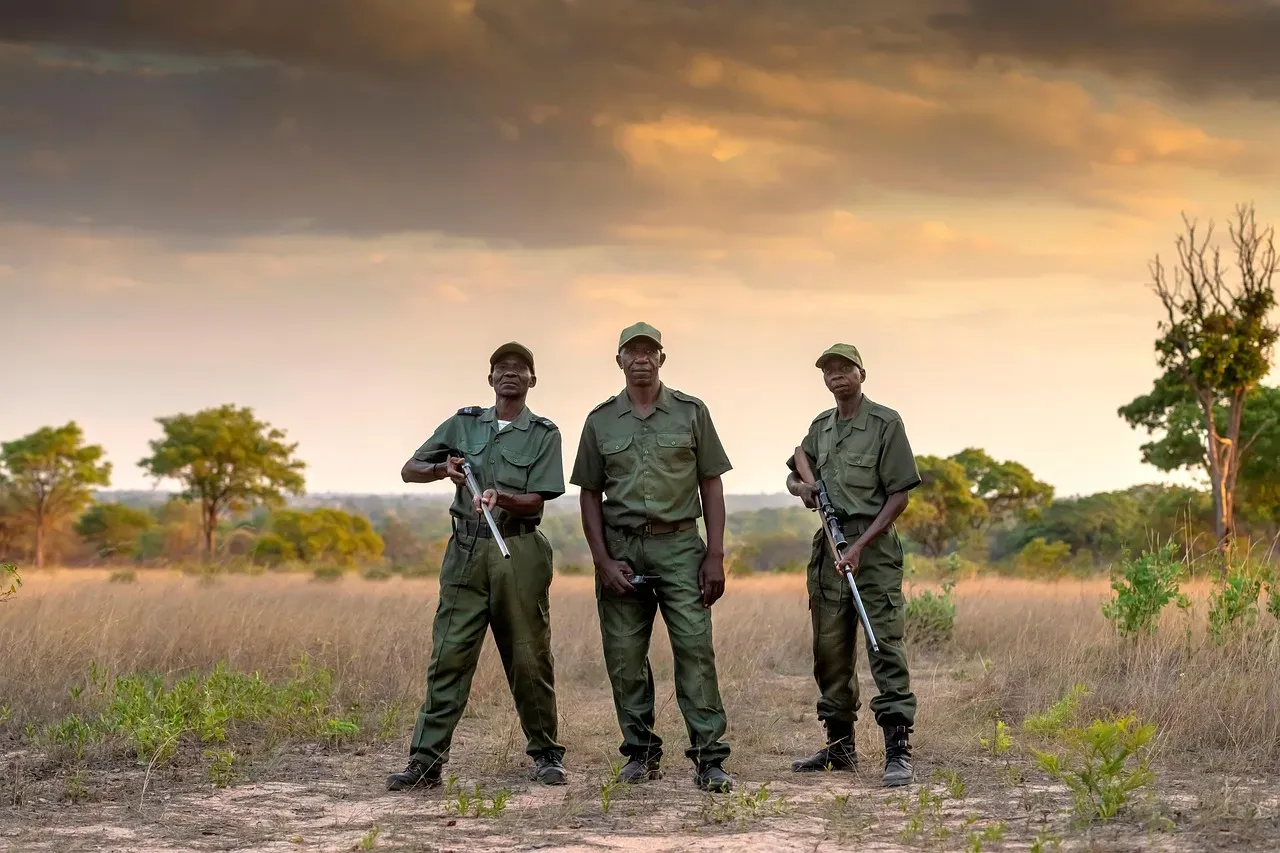
The Protection Assistant for Wildlife Security (PAWS) uses predictive AI software that crunches massive amounts of data and leverages machine learning to suggest the most effective patrol routes. Think of it as a chess game where AI helps rangers stay several moves ahead of poachers. In one sanctuary, rangers using PAWS recovered more than 1,000 snares from mid-December to late January, more than double what they found before deploying the AI software.
The system works by analyzing historical poaching data, terrain features, and environmental factors to predict where illegal activity is most likely to occur. Thermal cameras equipped with AI can detect human, wildlife, or vehicle movements in protected areas at night, sending real-time alerts to operators. FLIR cameras have greatly increased the effectiveness of nighttime patrols and improved ranger safety, with 11 rhino sites in Kenya significantly reducing or completely halting wildlife poaching.
Drones That Monitor Wildlife Without Disturbance
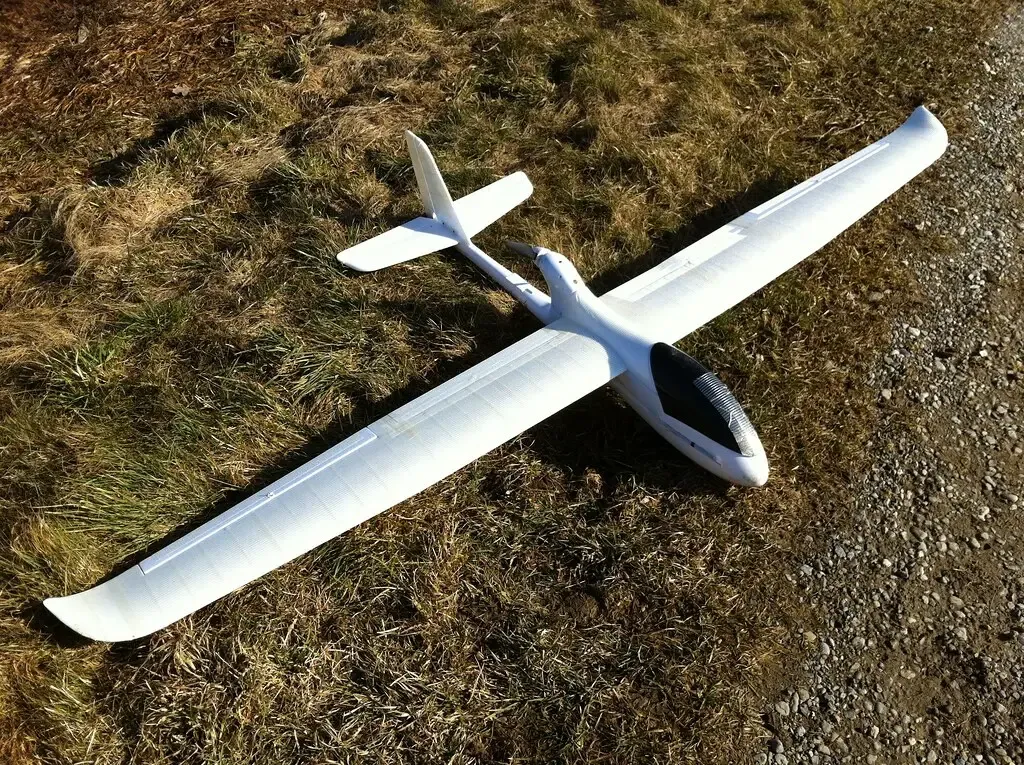
Drones provide access to remote and dangerous habitats while AI unlocks the potential to process vast amounts of wildlife data, offering solutions for species identification, animal tracking, anti-poaching, population estimation, and habitat analysis. These flying sentinels can cover enormous territories that would take rangers days or weeks to patrol on foot.
AI-powered image recognition automatically identifies species and individuals, distinguishing between elephants, rhinos, and lions while tracking individual characteristics such as size, weight, and markings. In Kenya’s Ol Pejeta Conservancy, drones fly over vast areas identifying and tracking animals, with the data used to create detailed population and habitat maps. The technology allows conservationists to monitor endangered species continuously without the stress and disruption caused by human presence on the ground.
Acoustic Monitoring That Hears What Humans Miss
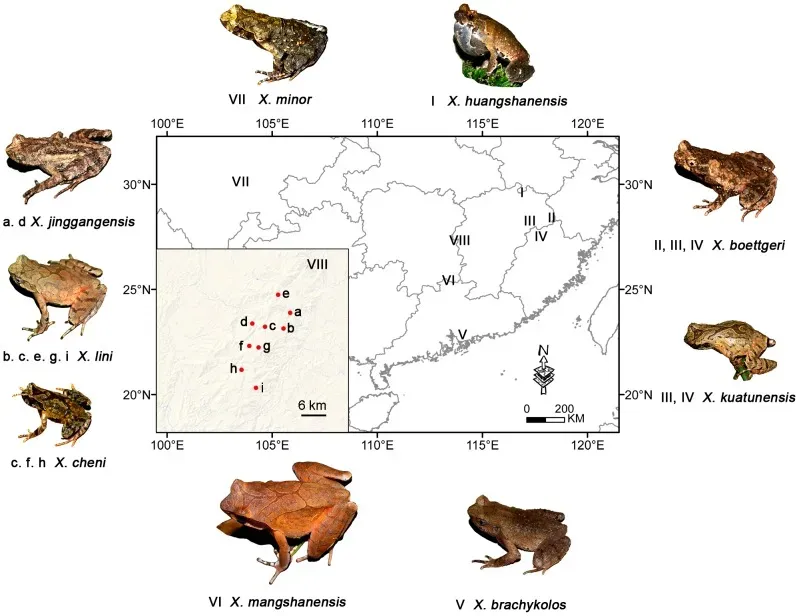
Let’s be real, you can’t always see wildlife, especially creatures that are nocturnal or live in dense forests. That’s where acoustic monitoring powered by AI becomes invaluable. Researchers have shown that AI tools can help quantify biodiversity in tropical forests by identifying animal species from audio recordings, analyzing the entire soundscape of an ecosystem.
Autonomous recording units placed throughout forests capture vast amounts of audio data, but realistically only about 1% could be analyzed by experts manually, leaving 99% of recordings sitting unused until AI made it practical to process them all. These AI systems can distinguish the calls of hundreds of species, detecting population trends and behavioral patterns that would otherwise remain invisible to researchers.
Individual Animal Identification Without Physical Tags
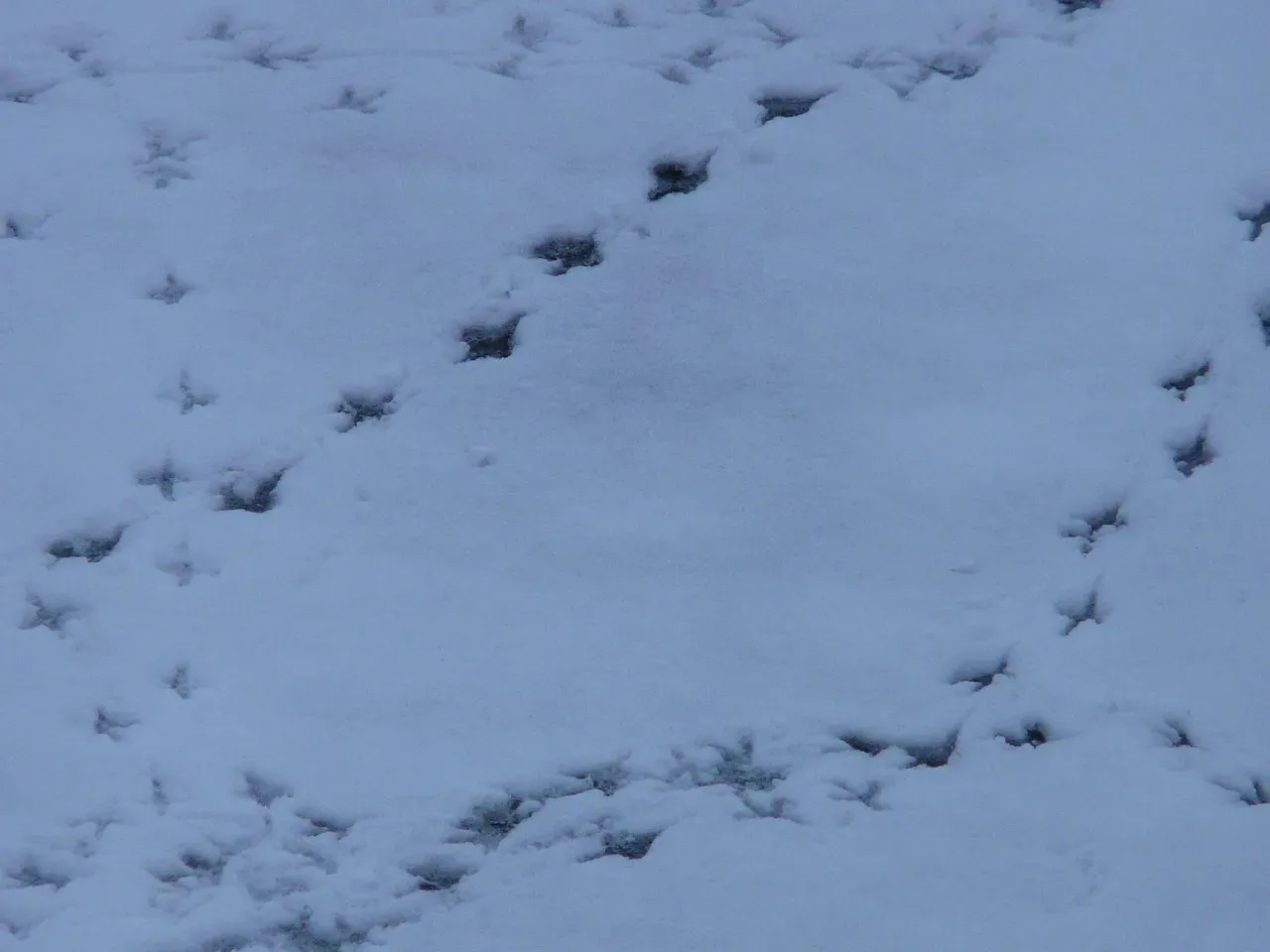
The WildTrack Footprint Identification Technique (FIT) uses AI to monitor endangered species through digital images of footprints, with measurements analyzed by customized mathematical models to identify species, individual animals, sex, and age-class. Here’s the thing: this approach eliminates the need to physically capture and tag animals, which can cause stress and potential harm.
Computer vision systems can recognize individual animals by their natural markings, teaching computers to distinguish patterns like whale shark spots to amass tag-and-track data at a much larger scale than traditional methods. Wild Me now hosts a network of open-source sites monitoring nearly 200,000 individual animals from 53 species, from whales and dolphins to African wild dogs and snow leopards. This non-invasive approach respects animal welfare while still providing the detailed tracking data scientists need.
Real-Time Detection of Illegal Wildlife Products
Wildlife traffickers often exploit air and sea transport to smuggle illegal products, and conservation organizations are now deploying automated systems equipped with sophisticated machine learning algorithms that can automatically identify and flag illegal wildlife products. These AI systems work similarly to security scanners at airports, except they’re trained to spot ivory, pangolin scales, and other contraband.
The beauty of this technology is its consistency. Human inspectors get tired, distracted, or overwhelmed by the sheer volume of cargo to examine. AI doesn’t have these limitations. These autodetection systems help ensure that nothing is overlooked and that no bad actor can look the other way. By enhancing detection accuracy at major transport hubs, AI creates a technological barrier that makes wildlife trafficking significantly riskier and more difficult.
Habitat Mapping and Deforestation Prediction
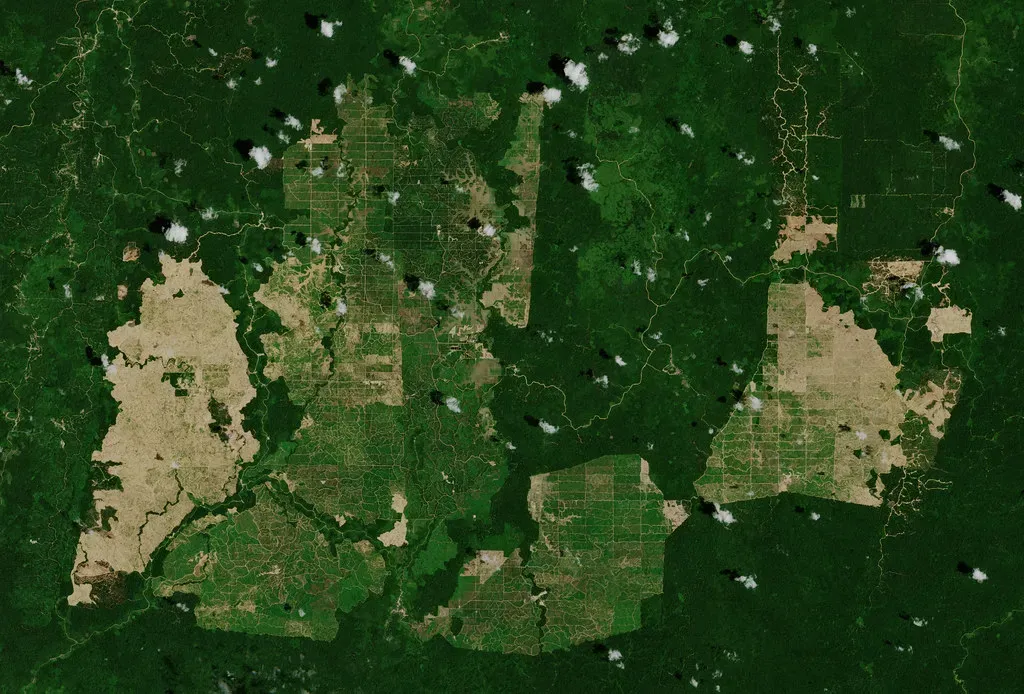
AI enables conservationists to predict deforestation before it happens by identifying patterns in satellite imagery and environmental data. This isn’t science fiction anymore, it’s happening right now. Global Forest Watch uses AI to track deforestation, providing crucial data that influences policy and promotes public awareness on a global scale.
Drones equipped with multispectral sensors can detect variations in vegetation, soil moisture, and land use, helping scientists understand the effects of climate change and human activity on ecosystems. The technology allows conservationists to monitor ecosystem health continuously and intervene before degradation becomes irreversible. In places like Brazil, AI has pinpointed exactly where water levels have dropped critically, enabling targeted interventions to protect vulnerable animal populations.
Behavioral Analysis and Population Health Monitoring
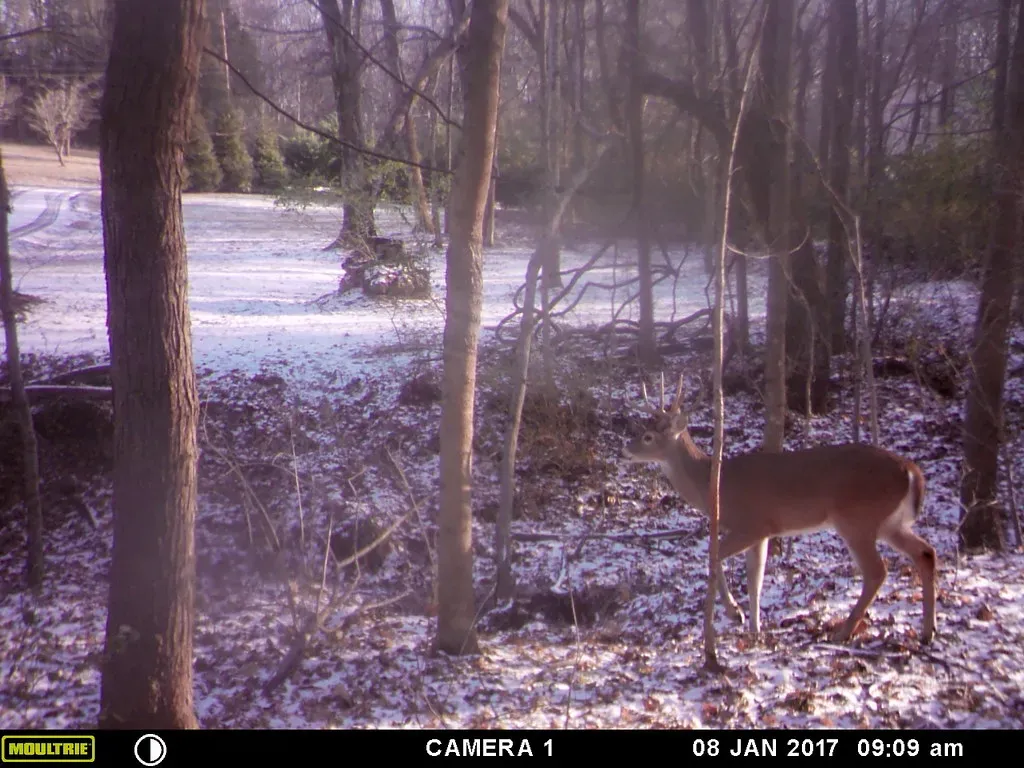
Automatic recognition of endangered animal behavior is crucial for biodiversity conservation, with AI enabling non-invasive, scalable, and efficient monitoring that supports long-term ecological balance. Traditional observation methods are not just time-consuming, they can actually alter animal behavior through human presence.
AI can analyze images to identify not just distinct species but individual animals, tracking their movements and posture. This level of detail reveals insights into social structures, mating patterns, stress indicators, and overall population health. In Australia’s bushfire recovery zones, AI analysis of camera trap photos showed that endangered greater gliders were using every single artificial nest box deployed, confirming the effectiveness of the emergency intervention. These rapid insights allowed conservationists to scale successful strategies immediately.
Combating Human-Wildlife Conflict
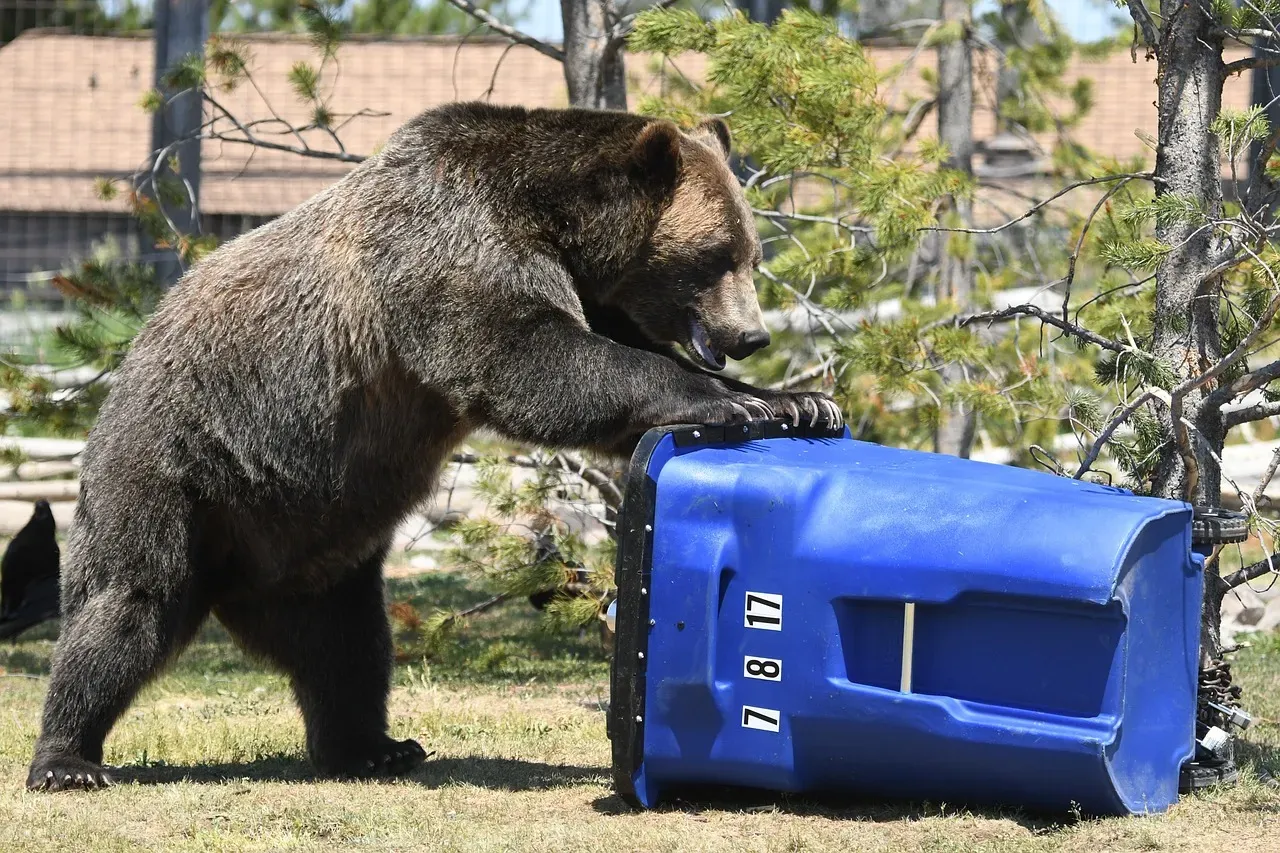
When TrailGuard cameras identify predators like tigers, the system instantly transmits that data to forest rangers who can quickly inform local livestock operators so they can move their animals to safety. This proactive approach reduces conflicts that often result in retaliatory killings of endangered predators.
At Ol Pejeta, where more than 600 rangers work to prevent human-wildlife conflict, drones offer real-time insights across large areas, reducing the need for constant human presence on the ground while tracking animal movements to avoid conflicts with nearby communities. It’s hard to say for sure, but this technology might be the key to long-term coexistence between humans and dangerous wildlife. By giving communities advance warning when elephants or other large animals are approaching farmland, AI helps protect both people’s livelihoods and endangered species.
Accelerating Conservation Research and Decision-Making
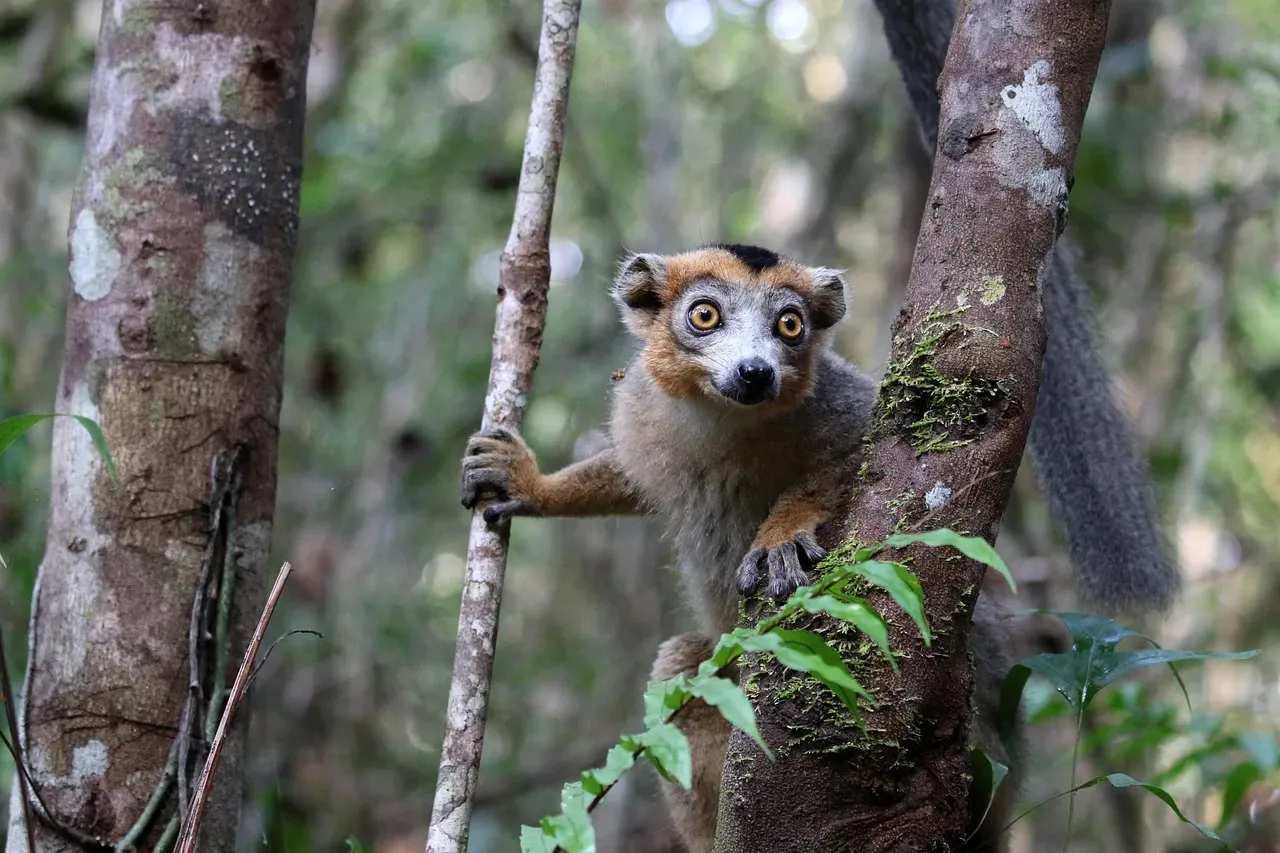
AI helps conservationists accelerate conservation efforts by processing data that would take years for humans to analyze alone. The speed difference is staggering. What once took research teams months or years can now happen in days or even hours. Information now gets into the hands of decision-makers more quickly, which is critical for species whose habitat burned in fires, including tree hollows that can take up to 250 years to form.
Increasingly sophisticated AI systems can run highly detailed models of current and future conditions that incorporate predictions about human behavior as well as physical settings, providing realistic scenarios of possible outcomes that guide conservation decisions. This predictive capability allows conservationists to test strategies virtually before committing resources, maximizing the impact of limited conservation budgets. The technology doesn’t replace human expertise, it amplifies it, allowing conservationists to make smarter, faster decisions when every moment counts.
Conclusion
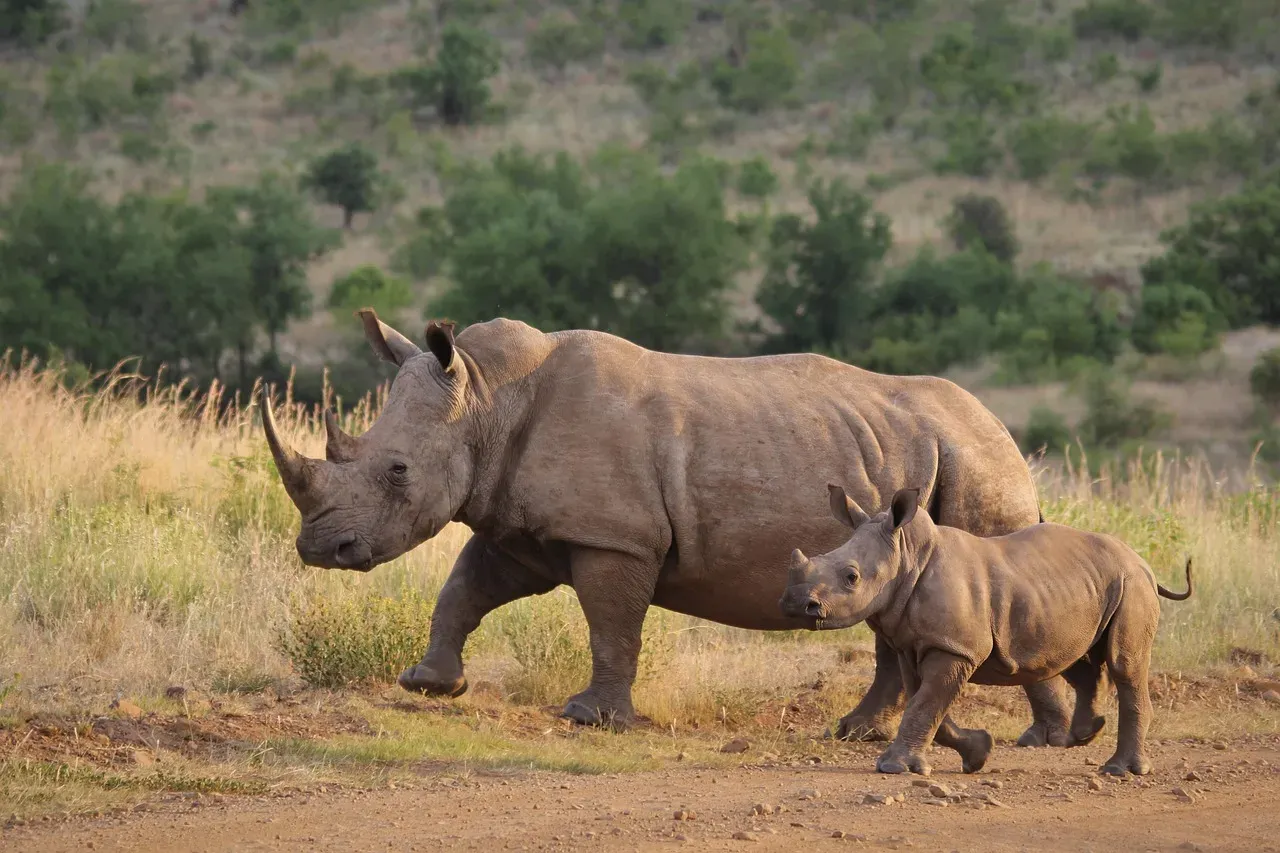
Artificial intelligence has fundamentally transformed wildlife conservation from a reactive discipline to an increasingly proactive one. The technology gives conservationists unprecedented ability to monitor vast areas continuously, predict threats before they materialize, and respond to crises with remarkable speed. From sorting millions of camera trap images in minutes to directing rangers toward poaching hotspots, AI is multiplying the effectiveness of every conservation dollar and every ranger in the field.
Yet technology alone won’t save wildlife. AI works best when combined with traditional ecological knowledge, local community involvement, and the dedication of people who’ve spent their lives protecting nature. The algorithms are tools, powerful ones, that enhance rather than replace human expertise and commitment. As these technologies continue to evolve and become more accessible, they offer genuine hope that we can slow, and perhaps even reverse, the biodiversity crisis threatening our planet. What do you think about AI’s role in conservation? Does it give you hope for the future of endangered species?
Hi, I’m Andrew, and I come from India. Experienced content specialist with a passion for writing. My forte includes health and wellness, Travel, Animals, and Nature. A nature nomad, I am obsessed with mountains and love high-altitude trekking. I have been on several Himalayan treks in India including the Everest Base Camp in Nepal, a profound experience.