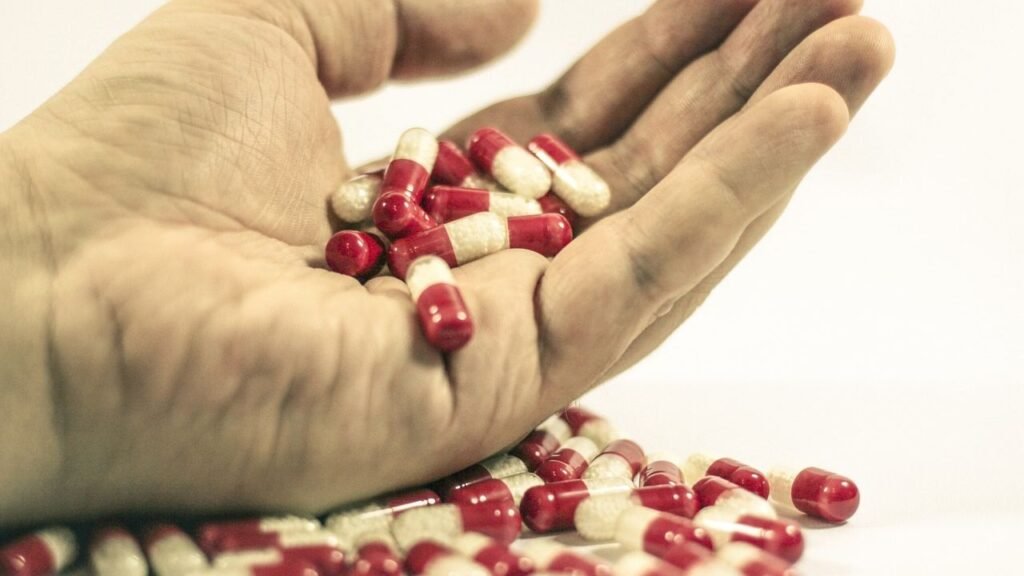

Have you ever felt better after taking a pill, only to discover later it was completely inactive? Maybe you’ve watched someone relax just by thinking they received a painkiller. This isn’t trickery or weakness. It’s your brain doing something extraordinary. Your thoughts, beliefs, and expectations can trigger real, measurable changes in your body that scientists are only beginning to fully understand. What used to be dismissed as mere imagination is now recognized as a genuine biological phenomenon with profound implications for how we think about healing. So let’s dive into the fascinating world where your mind becomes medicine.
The Brain Chemistry Behind Your Belief System
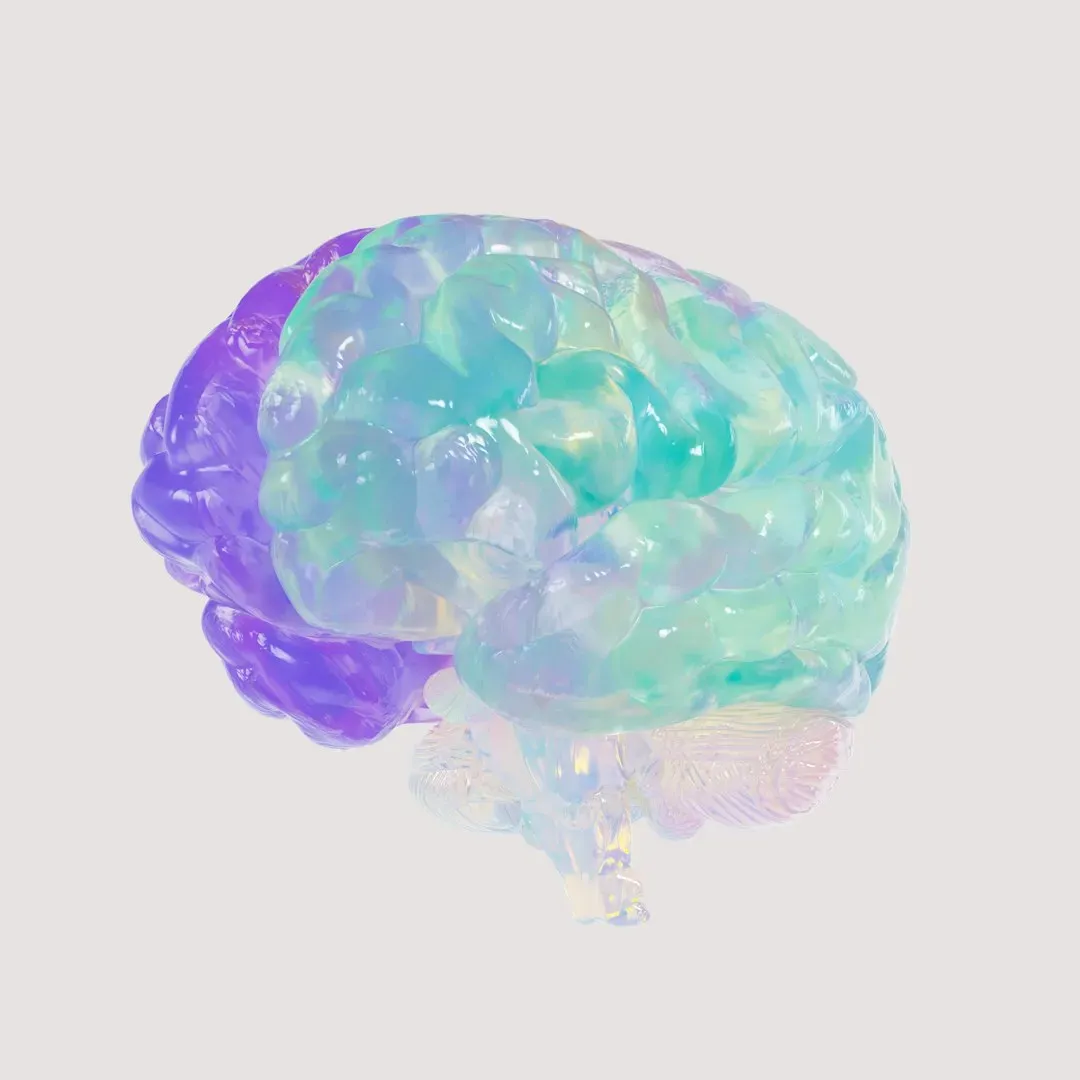
Multiple neurotransmitters and hormones are involved in creating placebo effects, including opioids, dopamine, endocannabinoids, and serotonin. When you believe you’re receiving treatment, your brain doesn’t just sit back and wait. It actively produces chemicals that can genuinely reduce pain, ease anxiety, and improve how you feel.
Believing that a treatment will work can trigger neurotransmitter release, hormone production, and an immune response. Think of your brain as having its own internal pharmacy. Once it gets the signal that help is on the way, whether real or perceived, it starts filling prescriptions. The result is tangible relief that shows up not just in how you report feeling, but in actual brain scans and biological markers.
What Medical Conditions Actually Respond to Placebos
Depression, pain, fatigue, allergies, irritable bowel syndrome, Parkinson’s disease and even osteoarthritis of the knee are just a few of the conditions that respond positively to placebos. The list might surprise you. These aren’t minor complaints or imaginary ailments.
Research has shown that placebos can be roughly half as effective as real medication for reducing migraine pain. The key factor seems to be symptoms that involve brain processing. Placebos work on symptoms modulated by the brain, like the perception of pain. Your cholesterol won’t budge and tumors won’t shrink, honestly. Yet for pain management, stress-related sleep problems, and treatment side effects like nausea, the effect can be substantial.
The Ritual of Healing Matters More Than You Think

Research suggests that the placebo effect is caused by positive expectations, the provider-patient relationship and the rituals around receiving medical care. Here’s the thing: swallowing a pill, visiting a clinic, seeing doctors in white coats, these actions carry meaning. Your brain picks up on every detail.
People associate the ritual of taking medicine as a positive healing effect, and even if they know it’s not medicine, the action itself can stimulate the brain into thinking the body is being healed. The ceremony surrounding treatment creates powerful expectations. You sit in a waiting room, fill out forms, get examined by professionals with diplomas on the wall. All of this builds an environment where healing feels possible, expected even. Research shows that even when people know they are receiving a placebo, the inactive treatment still has effects on the brain and reported levels of improvement.
Inside Your Brain During a Placebo Response
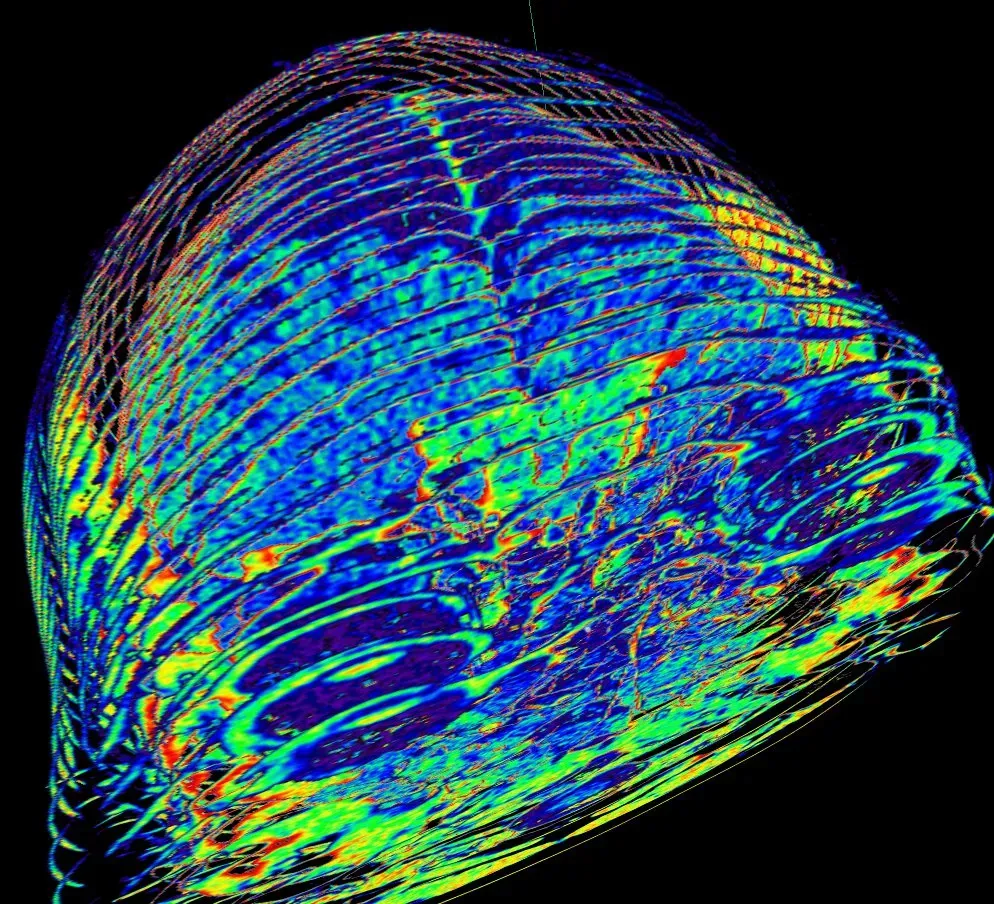
Large-scale studies have confidently localized placebo effects to specific zones of the brain, including the thalamus and the basal ganglia, with parts of the thalamus most important for pain sensation being most strongly affected. Scientists can now watch your brain light up in real time when placebos work their magic.
In response to a placebo, neurochemicals increase, causing even more opioid to be made by a brain region called the periaqueductal gray. Your prefrontal cortex, the area handling high-level thinking, becomes more active. It processes context clues and integrates expectations. Meanwhile, deeper brain structures that regulate pain and emotion shift their activity patterns. Brain-imaging studies show that the brain has an identifiable response to the expectations and context that come with placebos, and multiple studies demonstrate changes in the brain in response to successful placebo treatments for pain.
The Controversial Truth About Antidepressants and Placebos
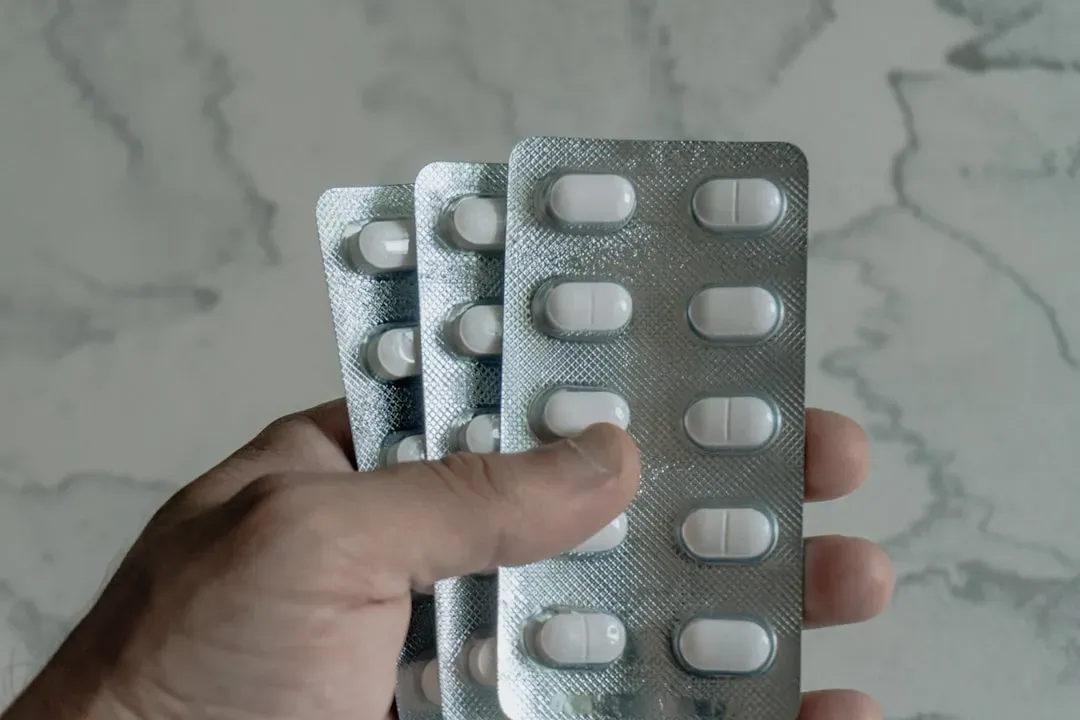
According to researchers who have studied placebo effects for decades, a large part of what makes antidepressants helpful in alleviating depression is the placebo effect, in other words, the belief that the medication will be beneficial. This revelation makes some people uncomfortable. It doesn’t mean depression isn’t real or that medication doesn’t help.
Studies have shown that the placebo effect is so strong that many drugs don’t provide more relief than placebo treatments. The pharmaceutical industry sometimes views this as a nuisance during drug trials. The placebo response is such a challenge for drug development that a company has even developed a coaching script to discourage patients who received placebos from reporting benefits. Let’s be real, that’s a strange position to take when we’re talking about people feeling better.
Why More Doctors Should Embrace This Power
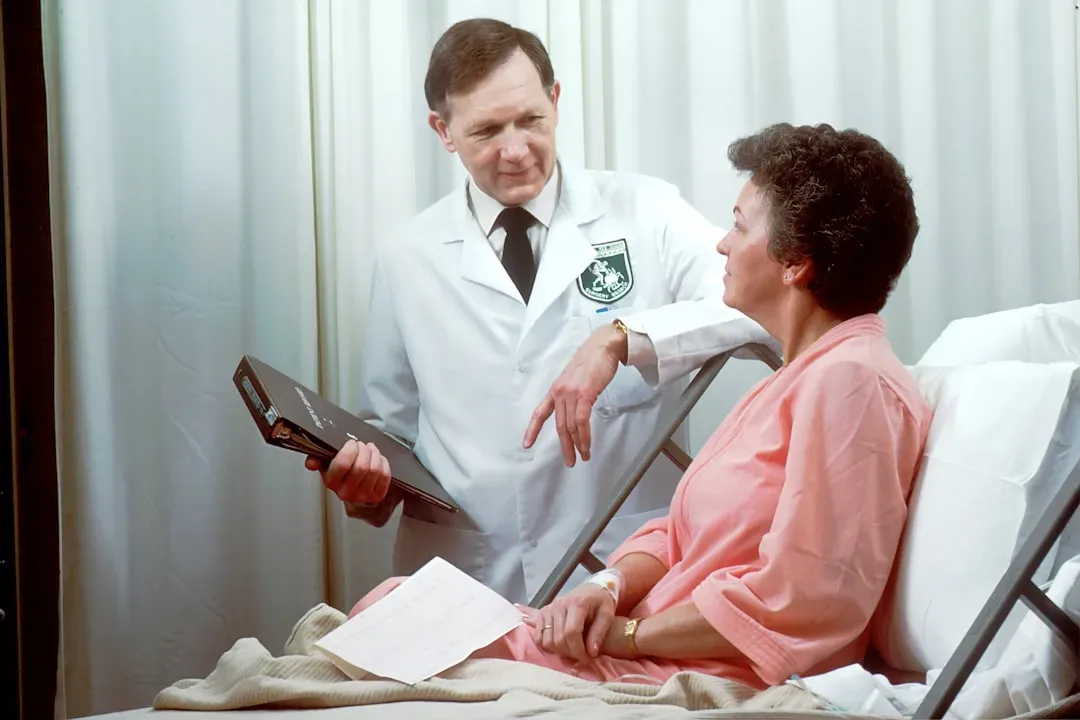
Placebos offer multiple benefits including no side effects, low cost, no addiction potential, and they provide hope when there might not be a specific chemically active treatment available. Imagine a treatment option that carries virtually no risk. That’s what we’re discussing here.
The American Medical Association considers it ethical to use placebos to enhance healing on their own or with standard medical treatments if the patient agrees to it. The medical community is slowly recognizing what this means for patient care. You don’t have to choose between real medicine and placebo effects. They can work together. Placebos mobilize a person’s own ability to heal through multiple pathways, including those studied in psychoneuroimmunology, which examines how your immune system, hormones, and nervous system communicate.
Harnessing Your Mind’s Healing Potential in Everyday Life

Engaging in the ritual of healthy living, including eating right, exercising, yoga, quality social time, and meditating, probably provides some of the key ingredients of a placebo effect. You don’t need a doctor to prescribe fake pills to tap into this power. Your daily habits create their own healing rituals.
Individuals may be able to self-induce placebo effects through conscious and deliberate psychological mechanisms, such as mental imagery, somatic focusing, and perceived control. Recent research explores whether you can actively engage your own placebo response. The idea is still being tested, yet it opens fascinating possibilities. When you mindfully practice self-care, believing it will benefit you, that belief may amplify the actual physical benefits. Your expectations shape your reality more than most people realize.
Conclusion

The placebo effect reveals something profound about being human. Your mind and body aren’t separate entities operating independently. They’re deeply interconnected in ways science is only beginning to map. Your mind can be a powerful healing tool when given the chance, and the placebo effect is about creating a stronger connection between the brain and body and how they work together.
This doesn’t mean all healing is “in your head” or that you should abandon evidence-based medicine. Rather, it means your beliefs, expectations, and the context surrounding treatment genuinely matter. They produce measurable biological changes. They release real chemicals. They alter actual brain activity. Lectures emphasizing the body’s self-healing abilities and the mind’s capacity to shape lived reality reflect emerging research into mind-body interventions.
The next time you take medication or undergo treatment, remember that your belief in its effectiveness isn’t just wishful thinking. It’s activating internal healing mechanisms that complement whatever treatment you’re receiving. What do you think about your mind’s ability to influence your healing? Does knowing about these mechanisms change how you approach your own health?