
Imagine a place so alien, so hostile, that scientists once believed nothing could possibly survive there. Picture absolute darkness, crushing pressure, and water spewing from the seafloor at temperatures hot enough to melt lead. It sounds like something from another planet, right? Yet in this extreme world, sprawling ecosystems flourish, packed with bizarre creatures that defy everything we thought we knew about life itself.
Until the 1970s, people thought the deepest parts of the ocean were devoid of life, but then hydrothermal vents were discovered on the sea floor. The discovery of these remarkable structures changed everything. Let’s be real, it was a jaw-dropping revelation that forced us to rewrite the rulebook on where life can exist.
The Discovery That Changed Everything
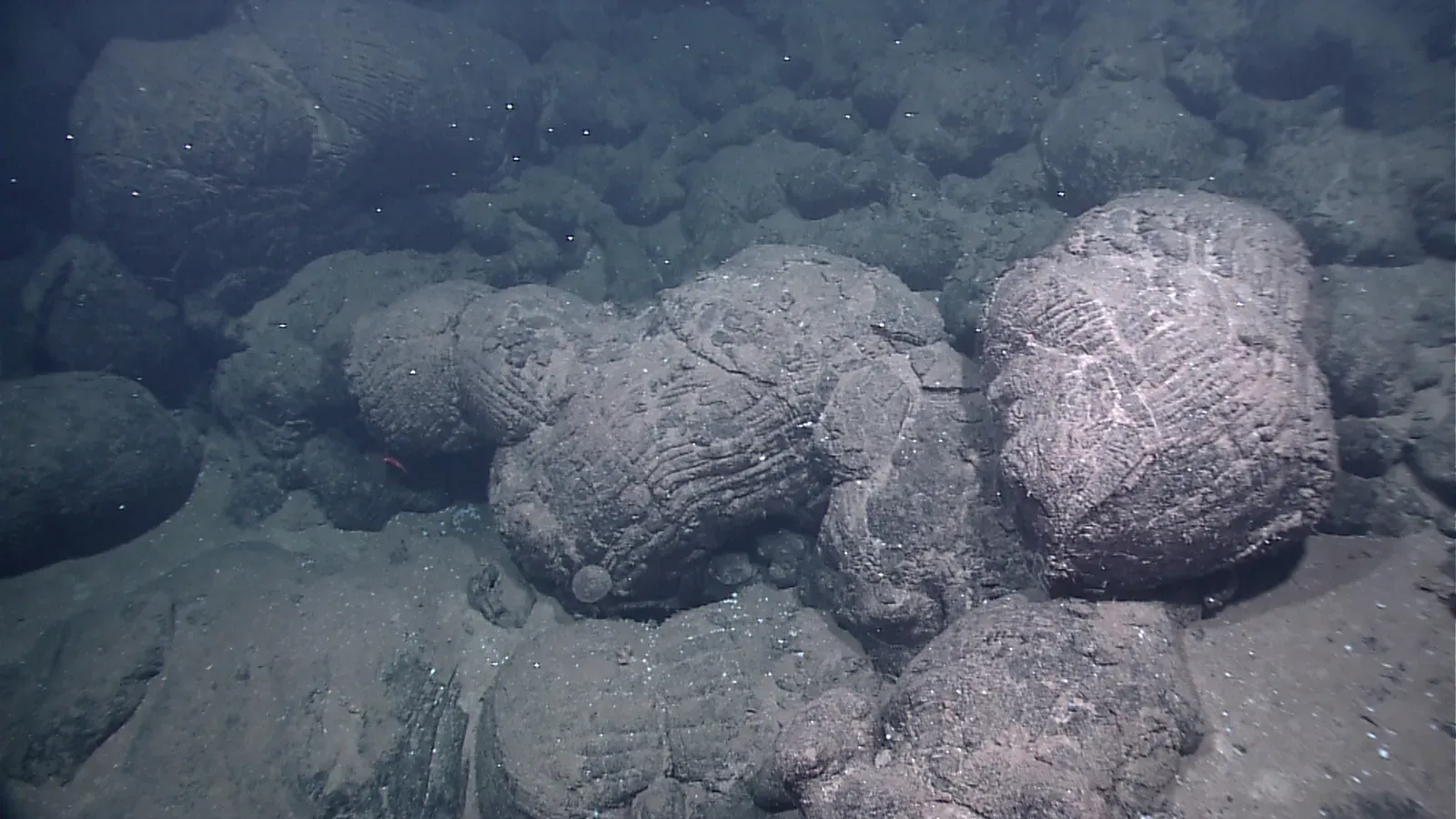
In 1977, scientists exploring the Galápagos Rift along the mid-ocean ridge in the eastern Pacific noticed temperature spikes changing drastically from near freezing to 400 degrees Celsius in such a short distance, leading to the fascinating discovery of deep-sea hydrothermal vents. This wasn’t just another deep-sea finding. This was monumental.
They also realized that an entirely unique ecosystem, including hundreds of new species, existed around the vents, despite the extreme temperatures and pressures, toxic minerals, and lack of sunlight. Think about that for a second. The environment was so toxic, so impossibly harsh, that it should have been sterile. Instead, life was absolutely thriving there.
How These Underwater Chimneys Form
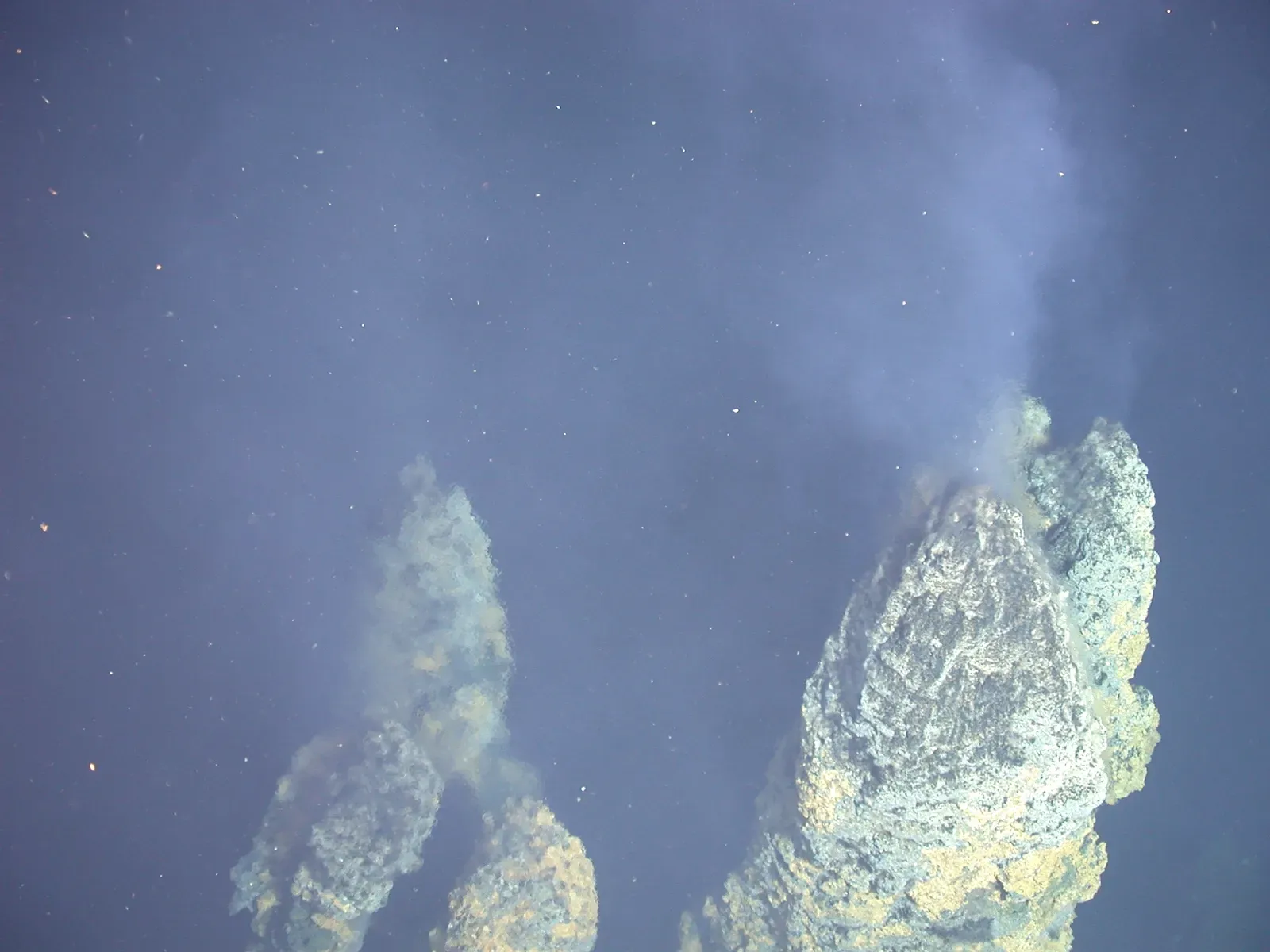
Hydrothermal vents form in volcanic areas where subseafloor chambers of rising magma create undersea mountain ranges known as mid-ocean ridges, where cold seawater seeps into cracks in the seafloor and can be heated up to 750 degrees Fahrenheit by interacting with magma-heated subsurface rocks, before the fluids percolate back up through vent openings as a chemical-laden soup. It’s essentially Earth’s deep-sea plumbing system.
Hydrothermal vents are like hot springs on the seafloor, forming as tectonic plates of oceanic crust move apart, stretching the crust until it breaks and forms cracks and fissures, then seawater percolates into these cracks and seeps deep into the crust where it comes into close contact with the underlying mantle and is heated. The process is surprisingly simple in concept but remarkable in execution. When that superheated water erupts back into the frigid ocean, it creates those iconic smoky plumes we associate with these vents.
Black Smokers and White Smokers
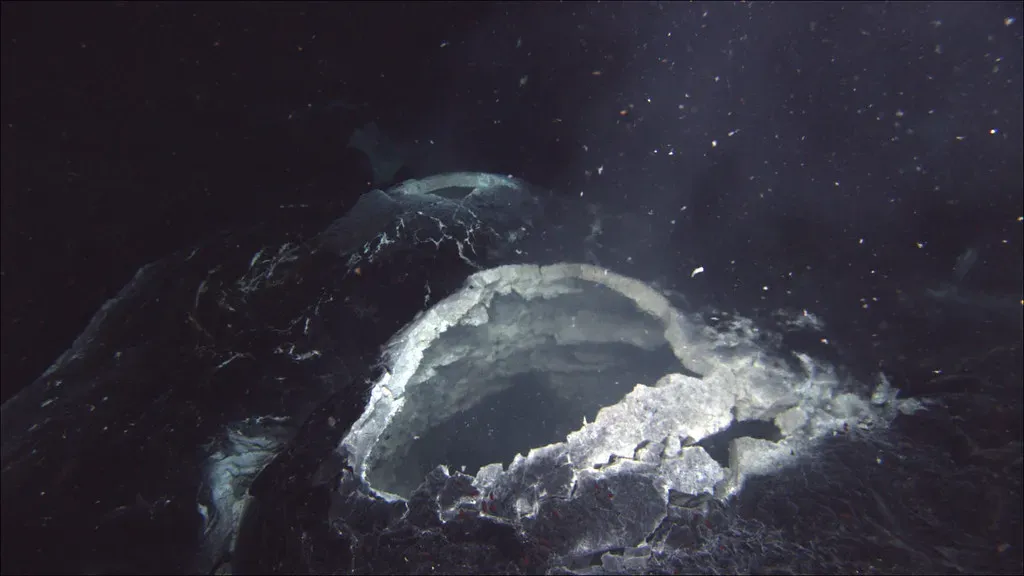
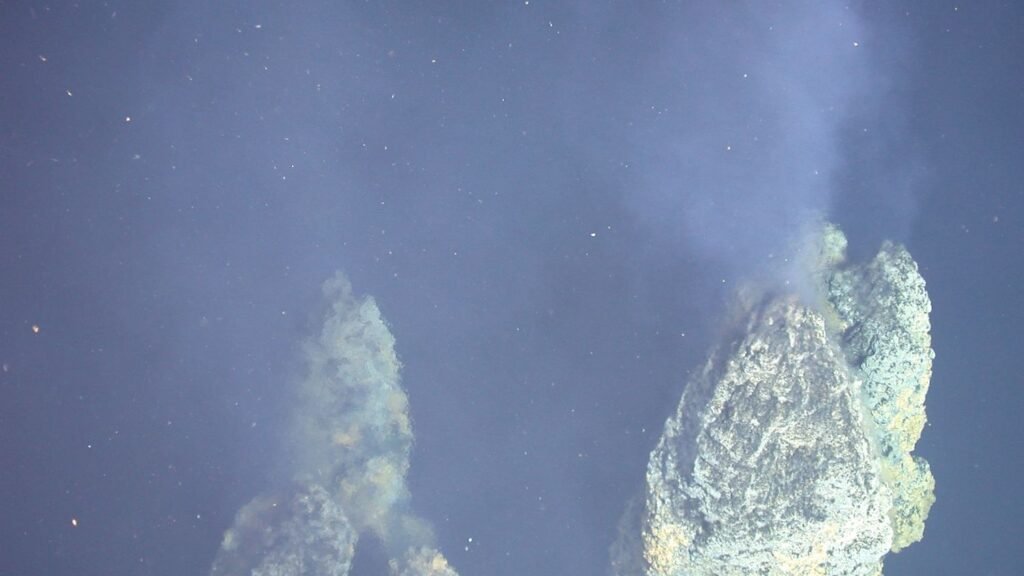
Here’s the thing. Not all hydrothermal vents look the same. Black smokers emit the hottest, darkest plumes, which are high in sulfur content and form chimneys up to 18 stories tall, or 55 meters. Honestly, I think the scale of these structures is mind-blowing when you consider they’re built entirely by mineral deposits.
White smokers typically occur at lower temperatures, and the light appearance is due to the minerals carried, which can include silica and barite that appear white when precipitated, while black smokers are hotter and spew out a fluid that carries mostly iron sulfides, which make them look darker. Each type creates its own microhabitat, supporting different communities of organisms adapted to specific temperature ranges and chemical compositions.
Chemosynthesis: Life’s Alternative Energy Source
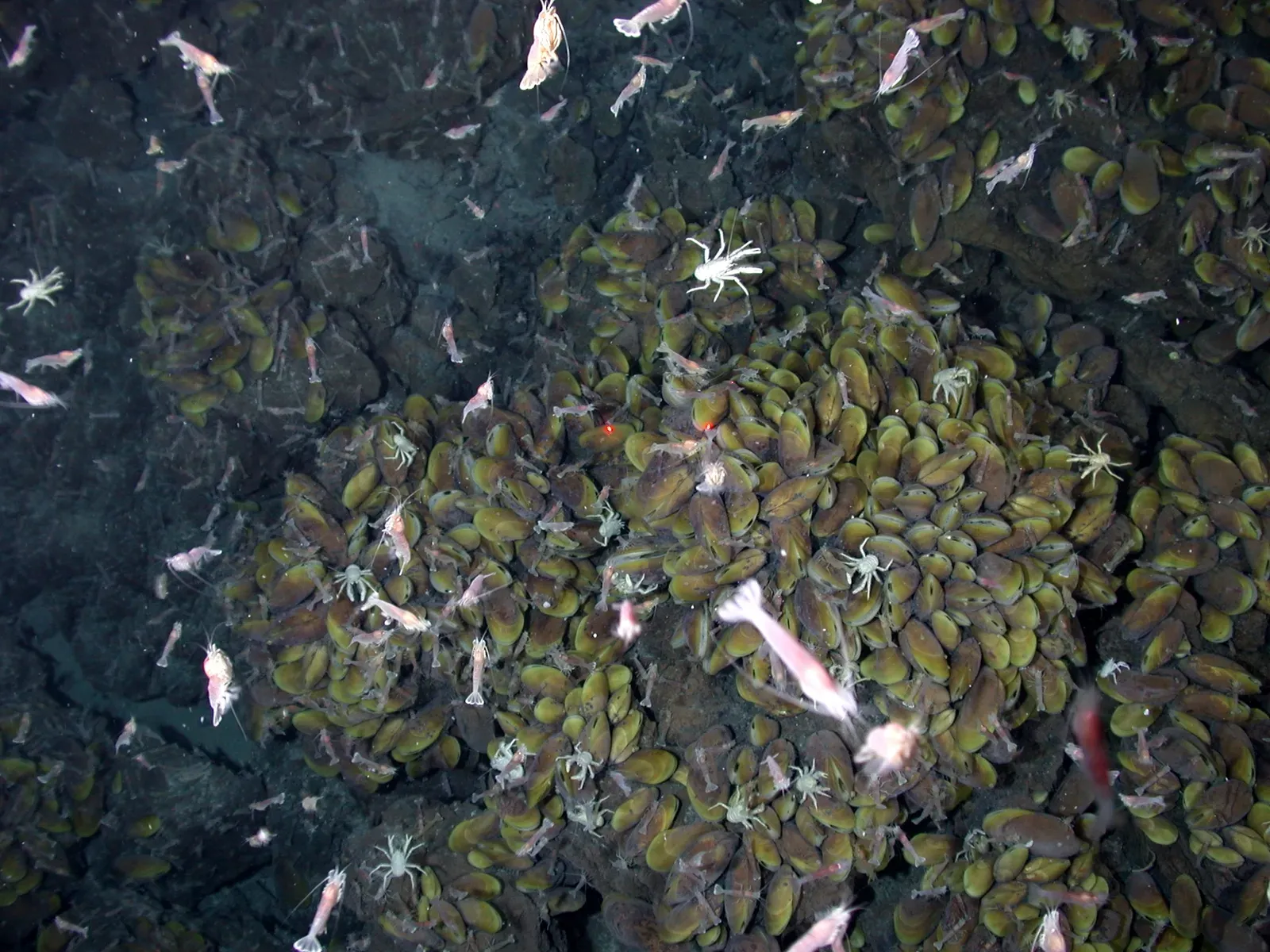
The heated waters spewing out of hydrothermal vents are rich in chemicals that chemosynthetic organisms can use as a source of energy, with chemicals that would be toxic for human beings being converted to energy by chemosynthetic microorganisms. Let’s be clear about this: this process completely bypasses sunlight. Life on the surface depends almost entirely on photosynthesis, but down here, it’s all about chemistry.
Chemosynthesis is similar to photosynthesis used by plants on land, but instead of using light energy from the Sun, the bacteria use chemicals drawn from the vent fluid to convert carbon dioxide into sugar, essentially into food, in the complete absence of sunlight. These bacteria form the foundation of an entire food web. Everything in these ecosystems ultimately traces back to these microscopic chemical engineers.
Extraordinary Creatures of the Vents
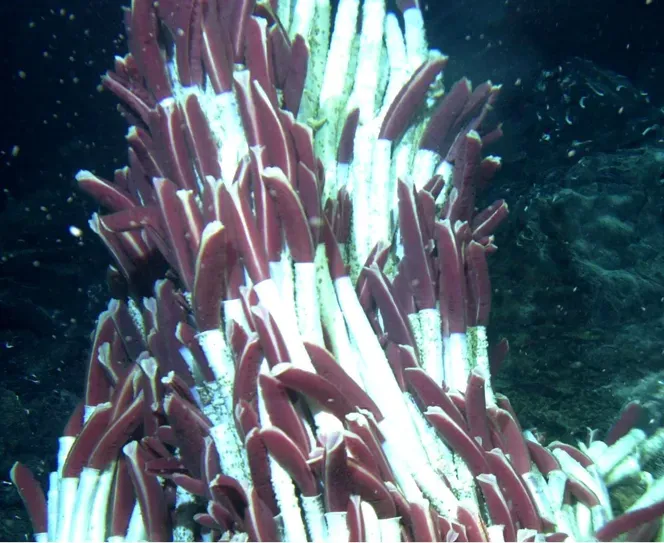
Giant tube worms can reach a length of three meters, and their tubular bodies have a diameter of four centimeters. That’s nearly ten feet tall. What makes them even stranger is what they lack.
They lack a mouth, stomach, or digestive tract, instead depending on chemosynthetic bacteria housed in a specialized internal organ called the trophosome, with these symbiotic microbes converting hydrogen sulfide from vent fluids into organic nutrients, sustaining the worm entirely. Imagine living your entire existence without ever eating. Giant tube worms can live for over 250 years. That’s older than most countries on Earth.
The vents are also home to other bizarre residents. The cocktail-size shrimp that dominate vents in the mid-Atlantic have no eyes, though at least one species has an extremely sensitive receptor on its head that may be used to detect heat or even dim light coming from vents.
Surviving the Impossible Conditions
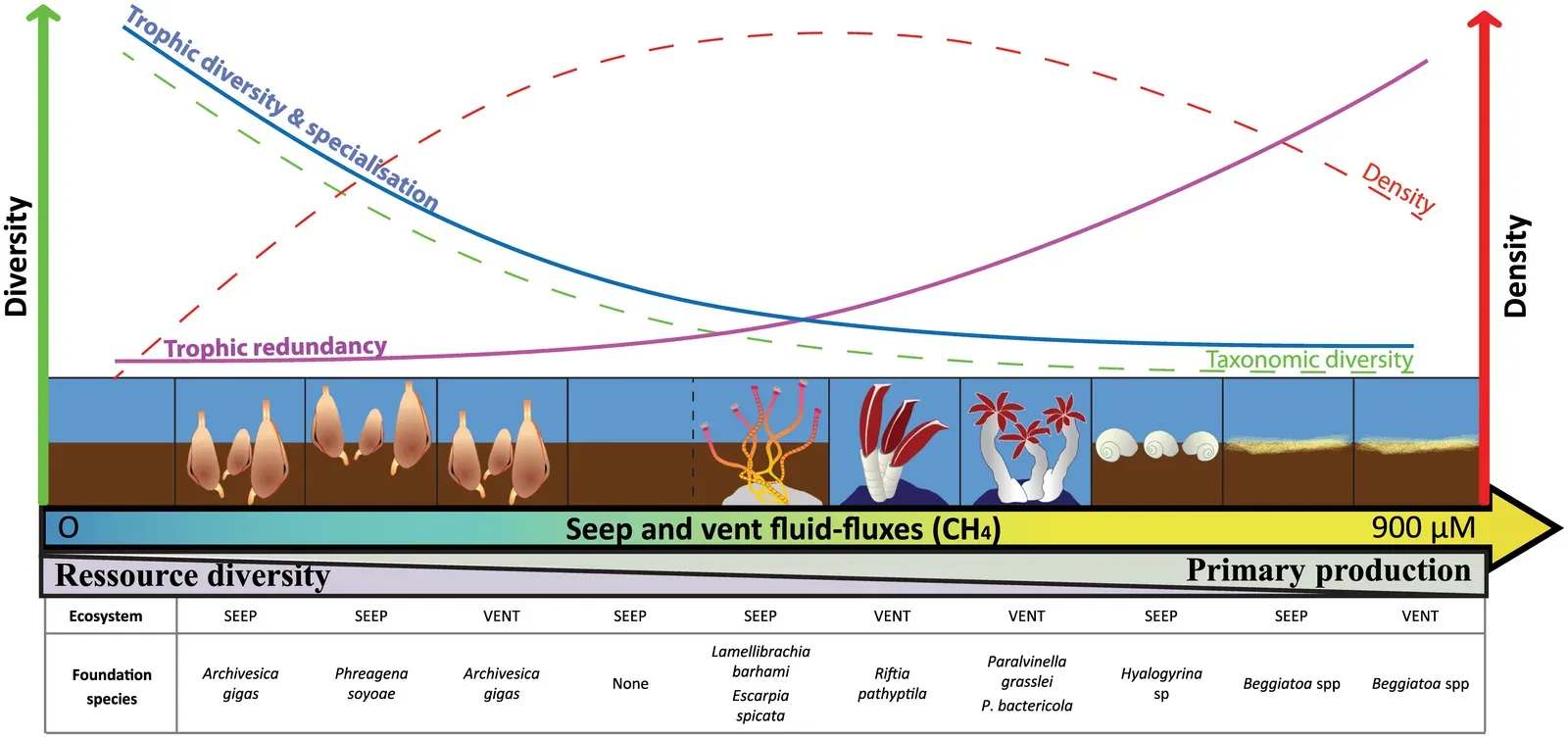
Because some vent locations are deep below water, the pressure can be extremely high, requiring organisms at hydrothermal depths to be adapted to withstand the physical stress of high pressures, with these organisms known as barophiles. These creatures aren’t just tolerating the pressure. They’ve evolved specifically to thrive in it.
The material spewing out of hydrothermal vents can also be extremely hot, creating niches for thermophilic microorganisms that can withstand the heat, with a gradient between the hot fluid of the vents and the cold water surrounding them where heat-loving microorganisms serve as the basis of the food chain. Some organisms, like the Pompeii worm, can withstand temperatures approaching the boiling point of water. It’s hard to say for sure, but these adaptations might represent some of the most extreme biological innovations on the planet.
Origins of Life on Earth
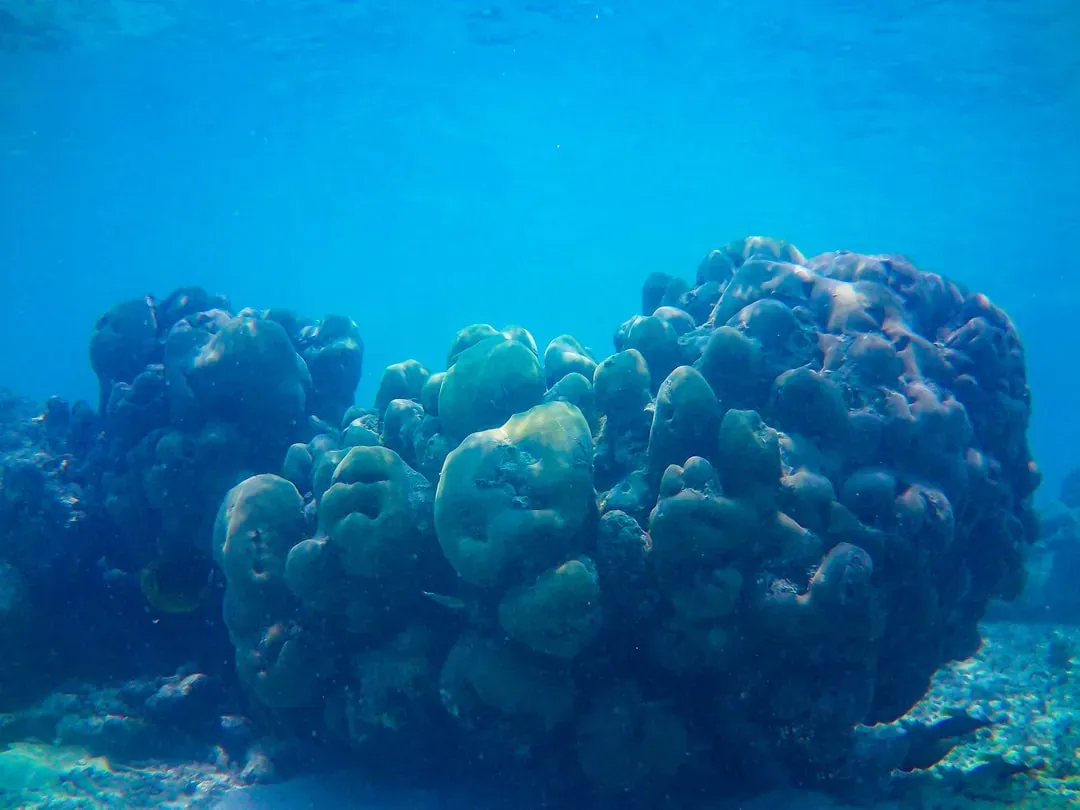
Submarine hydrothermal vents are geochemically reactive habitats that harbour rich microbial communities, with striking parallels between the chemistry of the hydrogen-carbon dioxide redox couple present in hydrothermal systems and the core energy metabolic reactions of some modern prokaryotic autotrophs, suggesting the biochemistry of these autotrophs might harbour clues about the kinds of reactions that initiated the chemistry of life. This isn’t just speculation.
Since their discovery, hydrothermal vents have become the most popular theory among scientists for explaining the origins of life on Earth. The hostility of the planet’s surface at the time of earliest life suggests that life is more likely to have begun within the Earth’s crust or in the deep sea, with research also indicating that early life relied on chemosynthetic processes like those seen in the ocean today, making hydrothermal vents a likely candidate for the origin of life on Earth. The implications are staggering when you really think about it.
A Glimpse Into Other Worlds
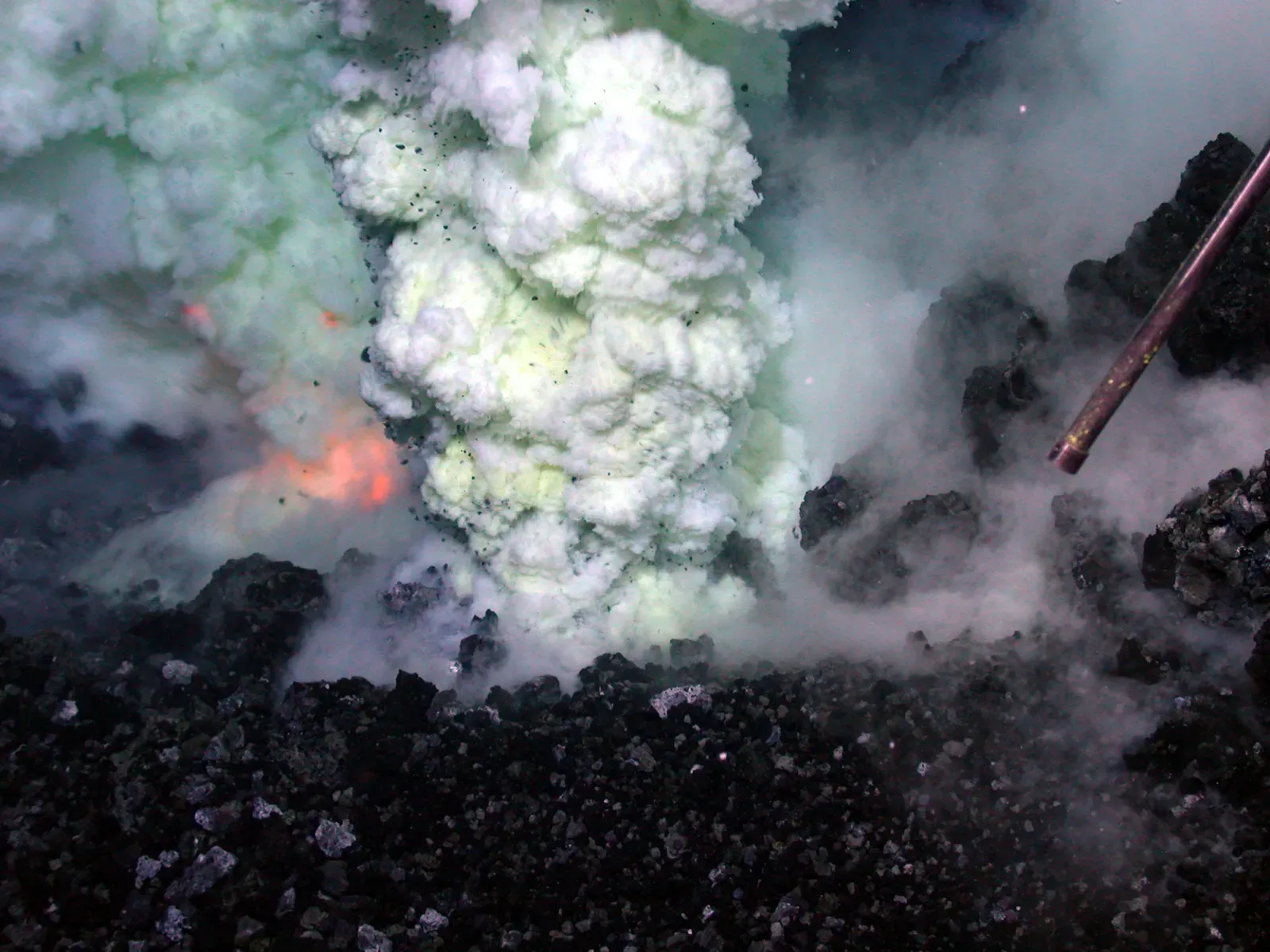
The discovery of hydrothermal vents showed that life could thrive independent of the Sun, giving scientists an Earthly example of how life might survive on ocean worlds in the outer Solar System, such as Jupiter’s moon Europa or Saturn’s moon Enceladus, which are thought to harbor oceans of dark, liquid water beneath their icy surfaces.
This changes everything about our search for extraterrestrial life. Space missions have found evidence that icy moons of Jupiter and Saturn might also have similarly alkaline hydrothermal vents in their seas. If life can flourish in Earth’s most extreme environments, perhaps the universe is far more hospitable to biology than we ever imagined. Maybe we’ve been looking in the wrong places all along, searching for Earth-like planets when we should have been investigating frozen ocean worlds with active geology beneath the ice.
The deep-sea vents remind us that life is remarkably tenacious and creative in finding ways to persist. These ecosystems operate on fundamentally different principles than the sunlit world we inhabit, yet they’re just as complex and vibrant. What other surprises might be waiting in Earth’s unexplored depths, or on distant worlds we’ve barely begun to investigate? Did you ever imagine life could be so adaptable?