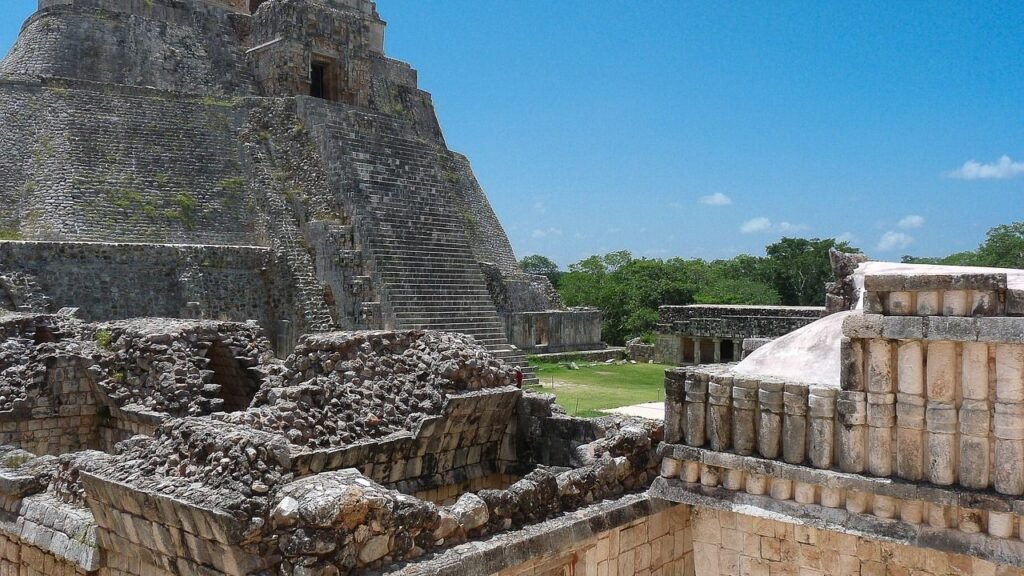

Most of what people think they know about the Maya boils down to three things: pyramids, human sacrifice, and that whole “end of the world in 2012” panic. That’s a tiny, distorted slice of a civilization that was far more complex, creative, and surprising than the stereotypes suggest. The real story of the Maya is less about doomsday predictions and more about brilliance, resilience, and a long, living legacy that’s still here today.
Once you start digging in, it almost feels like discovering a hidden level in a game you thought you’d already finished. Suddenly you realize they were tracking planets with shocking precision, running bustling cities in jungles that seem impossible to farm, and writing books that Spanish conquerors later burned by the thousands. Let’s walk through some of the things you probably weren’t told in school – the details that turn the Mayan world from a vague textbook chapter into something intensely human and alive.
The Maya Never Actually “Disappeared”
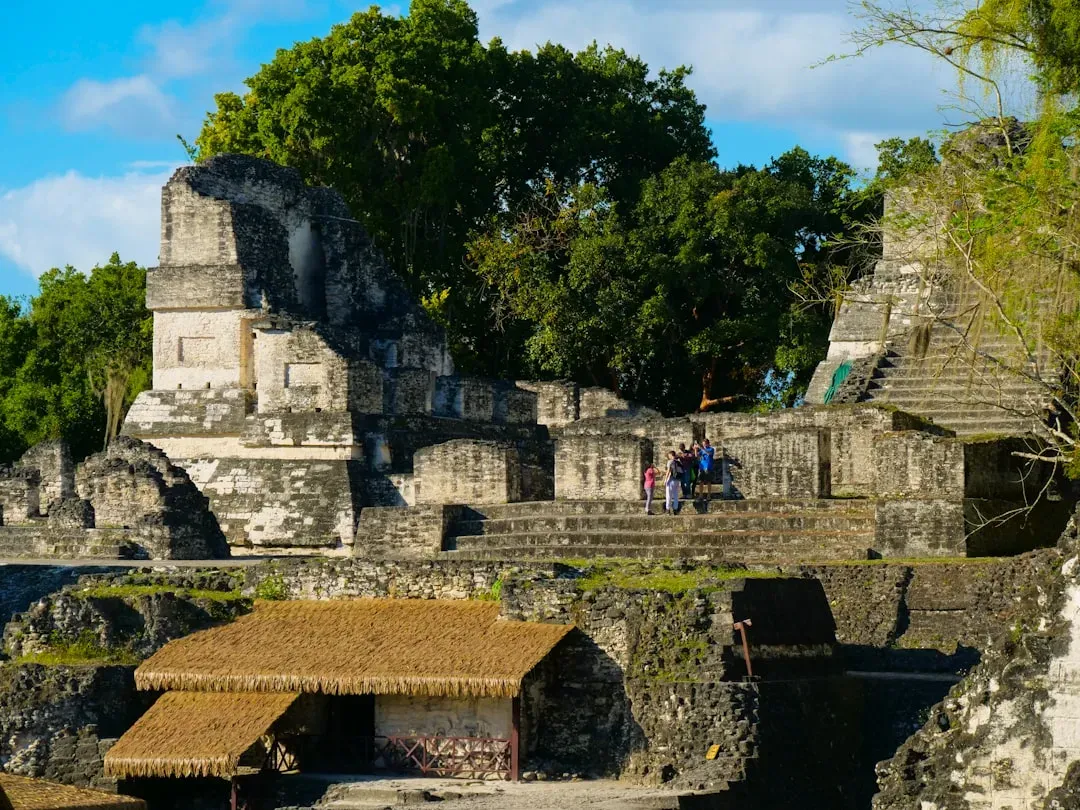
One of the biggest myths is that the Maya vanished overnight, like a lost city swallowed by the jungle. In reality, millions of people today in Mexico, Guatemala, Belize, Honduras, and El Salvador still identify as Maya, speak Mayan languages, and keep many traditions alive. What did collapse, mostly between the eighth and tenth centuries, were certain large city-states in the southern lowlands, not the people themselves.
After those political centers fell, populations shifted, new cities rose in the north, and life went on with different forms of power and culture. When the Spanish arrived centuries later, they didn’t stumble on an empty landscape; they met organized Maya communities, some fiercely resistant. Even now, you’ll hear K’iche’, Yucatec, Tzotzil, and many other Mayan languages on buses, in markets, and in homes, which makes the idea of a “lost” civilization feel pretty absurd once you’ve seen it firsthand.
The Mayan Calendar Was Brilliant – And Misunderstood
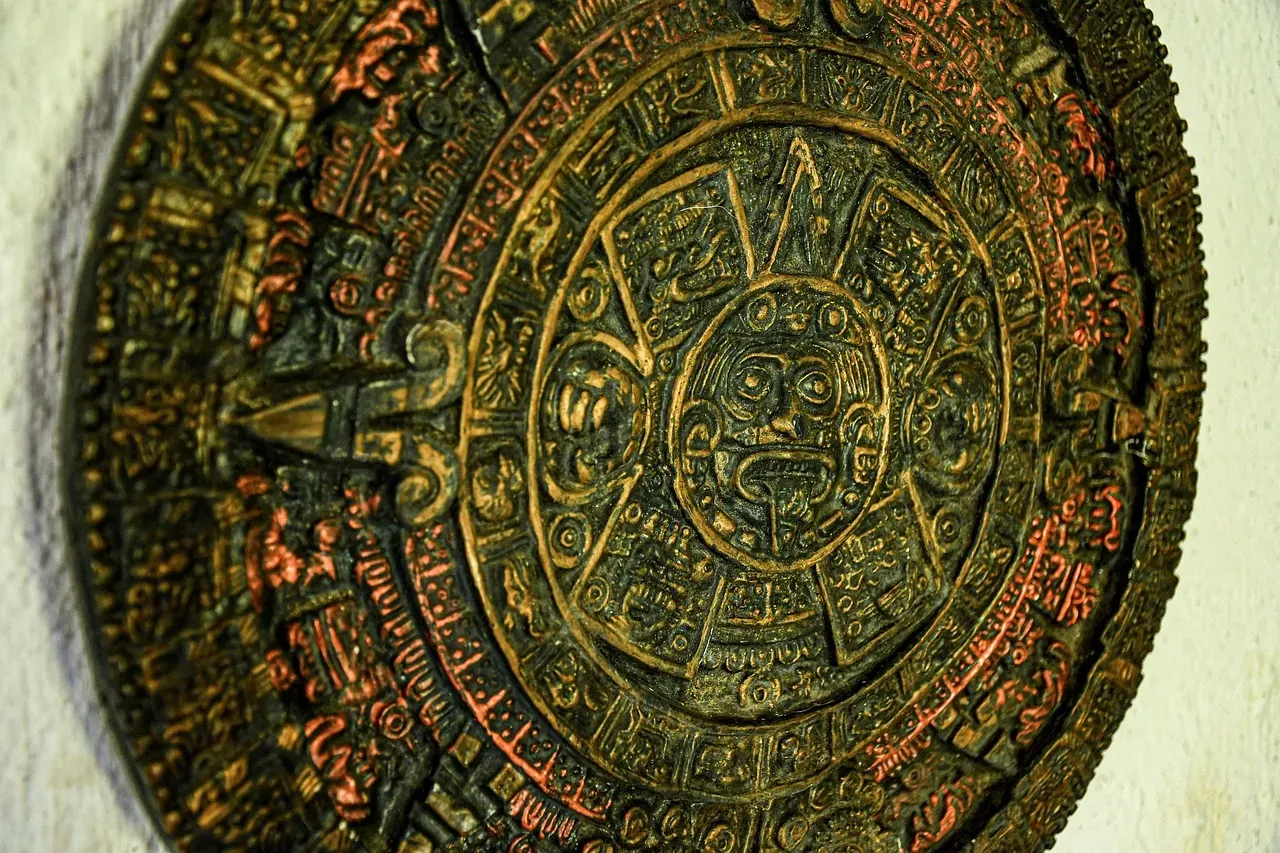
The 2012 hysteria made it sound like the Maya picked a random date for global annihilation, but that’s not what their calendar meant at all. They used overlapping cycles: a ritual 260-day calendar, a 365-day solar year, and a much longer count for tracking big historical eras. What ended in December 2012 was one of these massive cycles, somewhat like an odometer rolling over, not a scripted apocalypse.
They could predict solar eclipses, track planetary movements, and align temple constructions with astonishing accuracy. Archaeologists and astronomers today still marvel at how their timekeeping, built without modern instruments, lined up closely with the actual solar year. Instead of being harbingers of doom, the Maya were obsessive record keepers of time, treating it almost like a living, sacred architecture laid over reality.
They Developed One of the Most Sophisticated Writing Systems in the Americas
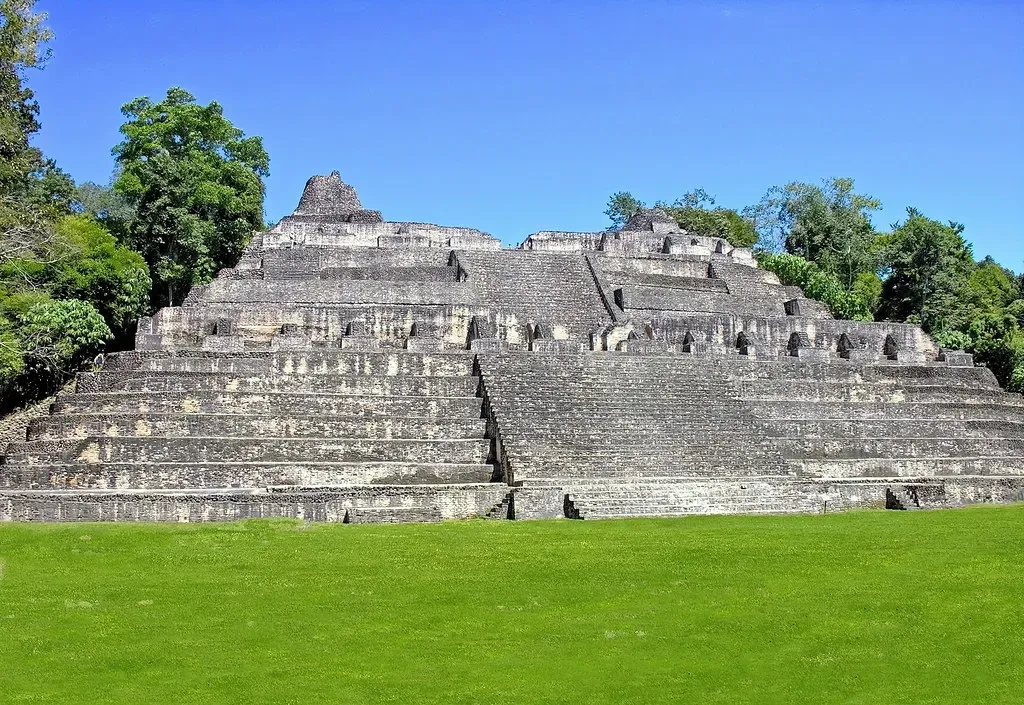
For a long time, scholars dismissed Maya glyphs as mostly decorative, assuming they were simple religious symbols. Then, piece by piece through the twentieth century, researchers cracked the code and realized this was a full-blown writing system capable of representing sounds, words, names, and complex ideas. It includes hundreds of signs, combining logograms (symbols for whole words) and syllabic components, more like a rich hybrid than a single simple alphabet.
What’s heartbreaking is how much was erased before anyone could read it. Spanish clergy destroyed nearly all the bark-paper books, or codices, that carried astronomical charts, histories, and myths. Only a small handful survived, sitting today in European libraries and museums. Even so, inscriptions on monuments, pottery, and stairways now let us hear royal names, wars, marriage alliances, and even bits of poetry that were silent for centuries.
Their Cities Were Anything But Primitive Jungle Villages
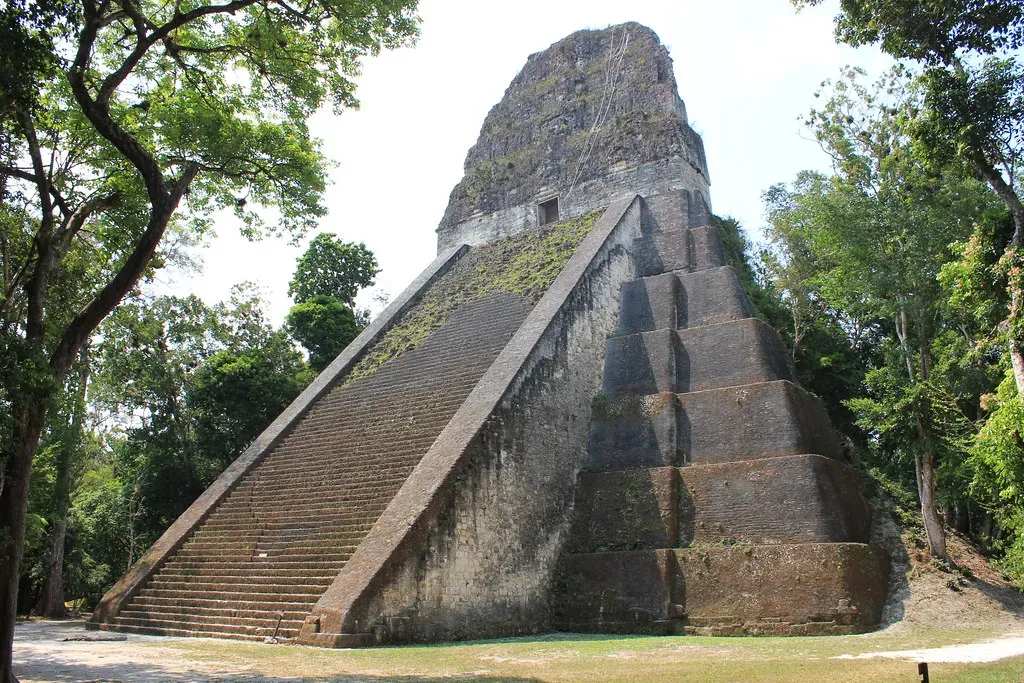
When you see photos of Tikal or Palenque, it’s easy to think of them as a few isolated pyramids poking out of the forest. Modern mapping technology, especially airborne laser scanning called LiDAR, has blown that picture apart. Under the jungle canopy, researchers have found huge networks of roads, causeways, terraces, canals, and dense clusters of buildings connected over vast areas. Many Maya cities were sprawling urban worlds, not little temple clearings.
These centers included palaces, observatories, ball courts, markets, housing for elites and commoners, and sophisticated water management systems. Some urban regions in the Maya lowlands may have supported populations numbering in the hundreds of thousands. Imagine living in a city of stone towers and painted stucco, with processions of nobles crossing white raised roads through the jungle; that’s a lot closer to what it was like than the lonely ruin in the trees we usually picture.
They Engineered the Jungle Instead of Just Surviving It
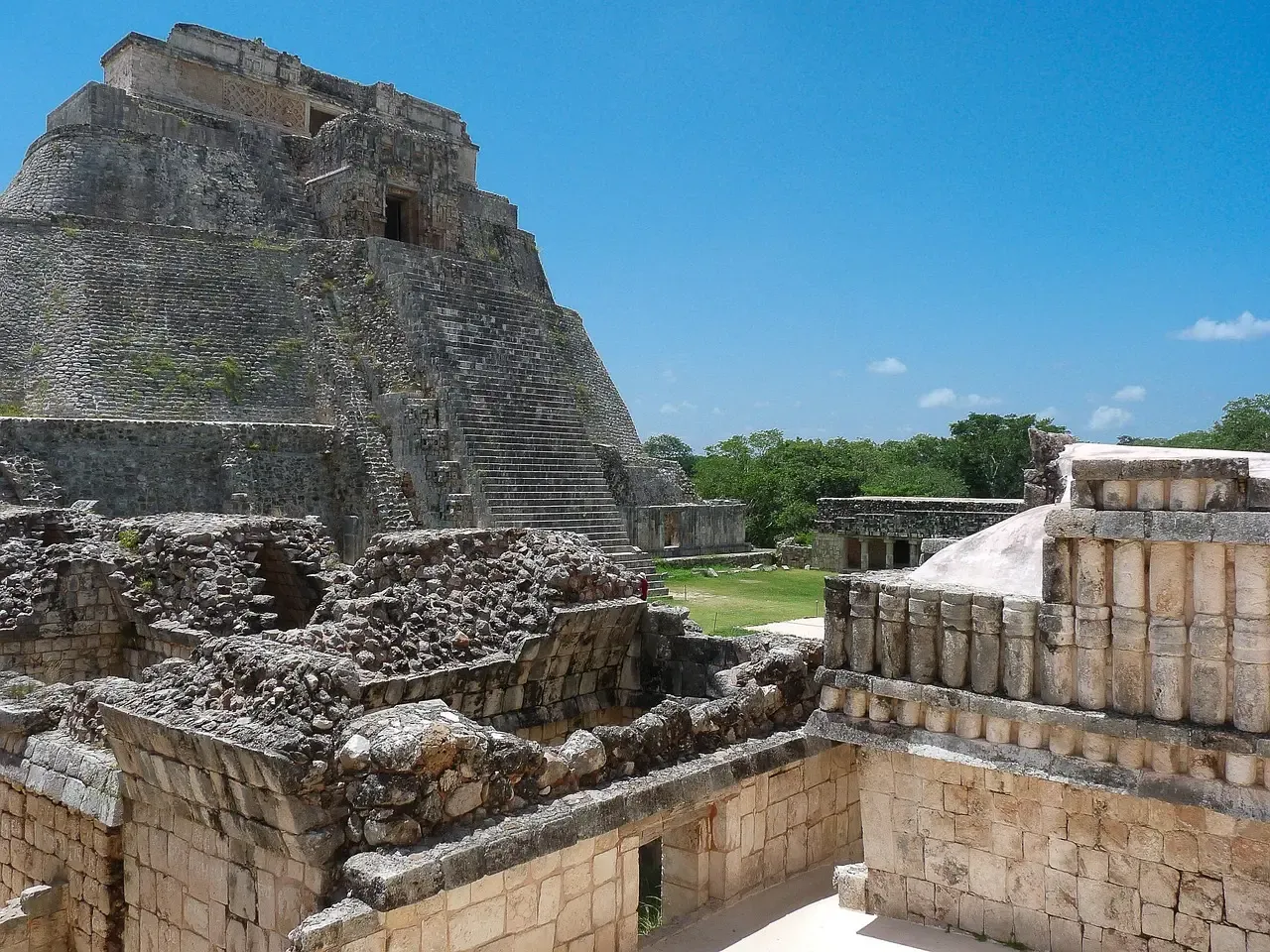
The tropical lowlands look like a nightmare for farming: thin soils, heavy rains, periods of drought. Yet the Maya fed large populations for centuries using strategies that feel surprisingly modern. They built raised fields in wetlands, carved terraces into hillsides, and dug canals and reservoirs to hold rainwater. Studies of soil and plant remains show they carefully managed forests, encouraging useful trees and plants rather than just clearing everything.
Some archaeologists now talk about a “garden city” model for Maya landscapes, where urban centers and managed forests blended together. They selectively planted species for food, medicine, construction, and ritual use, turning what looks like wild jungle today into something more like an enormous, subtly designed orchard in the past. When climate stress and political chaos eventually hit, those systems were pushed to the limit, but the underlying knowledge was anything but primitive guesswork.
The Famous Ball Game Was Part Sport, Part Sacred Drama
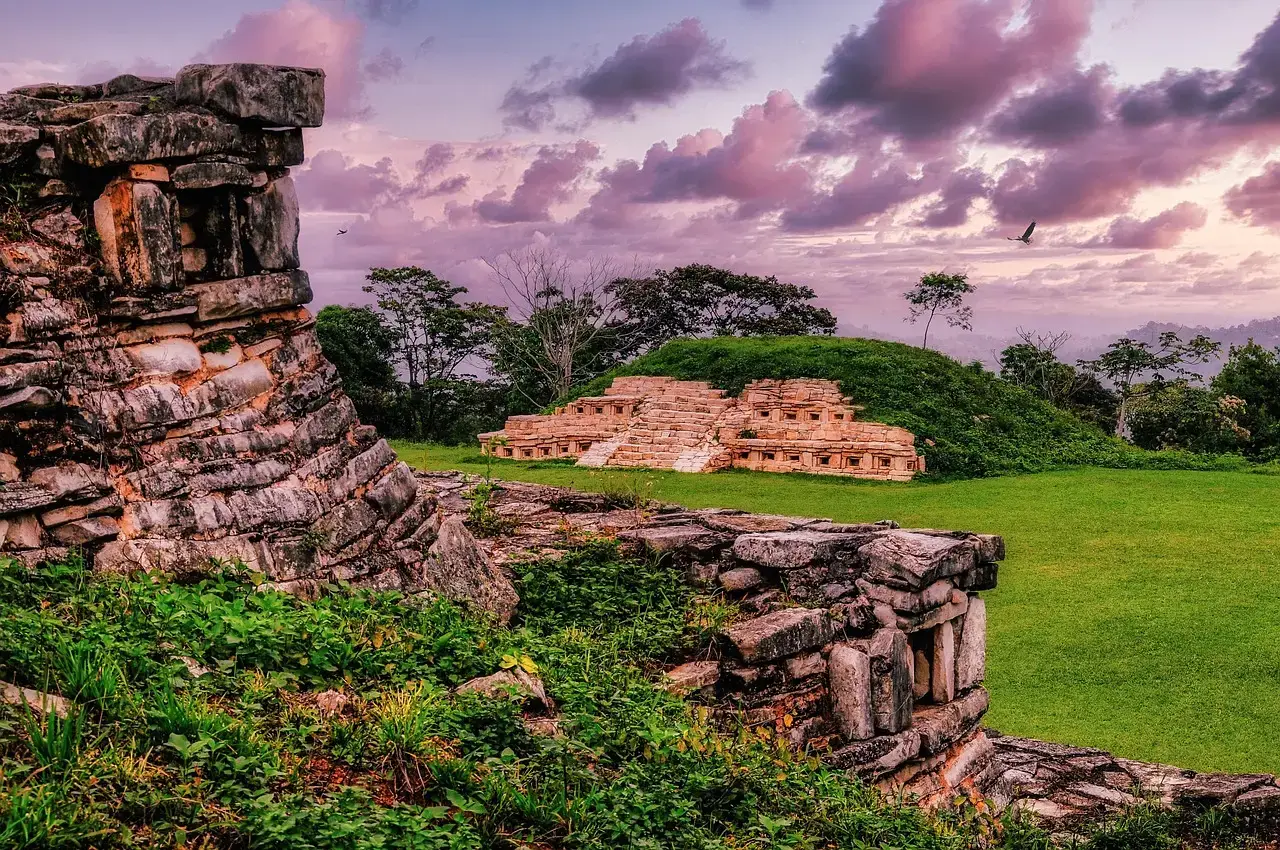
Almost every major Maya site has a ball court, and sometimes several, which tells you how central the game was to their world. The players used rubber balls and tried to keep them in motion using mainly hips, thighs, and torso, often without hands, which is insanely hard if you’ve ever tried anything similar. It wasn’t just entertainment; it carried religious and political weight, sometimes representing cosmic battles between forces of life and death.
There is evidence that, in some cases, games or rituals around them could end in sacrifice, though not every match was a horror show. Courts were also stages for showing off elite status, settling rivalries, and reinforcing alliances between cities. You can think of it like a strange mix of championship sports, high-stakes diplomacy, and sacred pageant, all played out in stone arenas whose acoustics still carry a shout eerily well.
Chocolate Was a Luxury – And Mostly a Drink
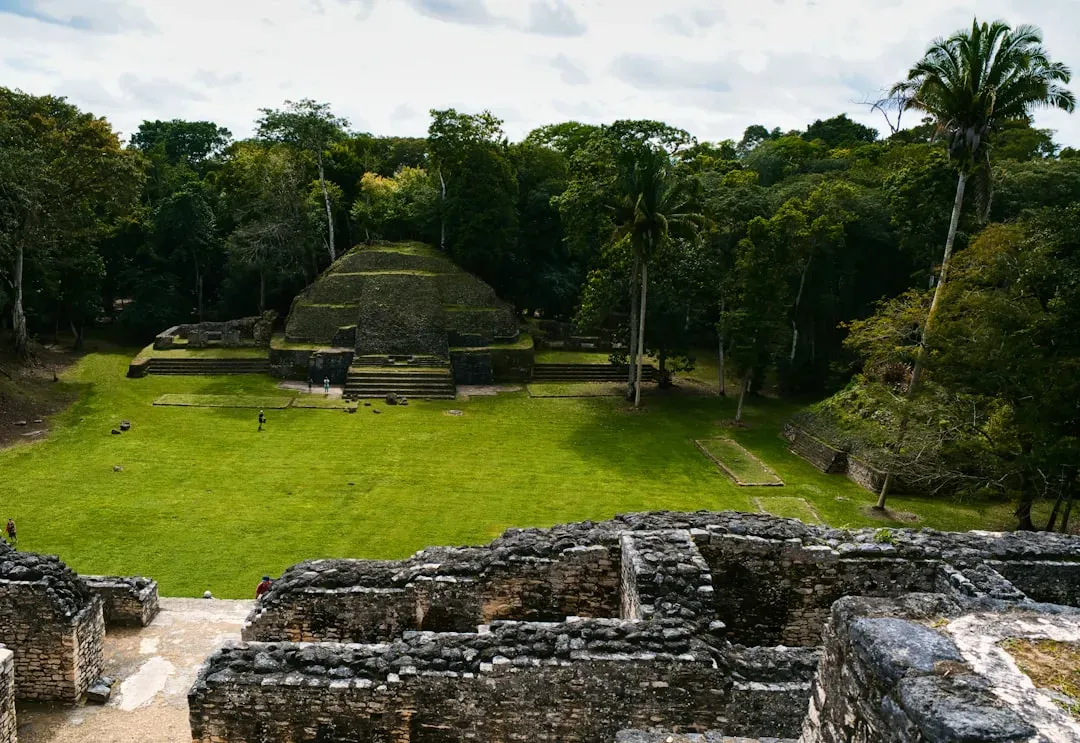
If you love chocolate, you owe the ancient peoples of Mesoamerica, including the Maya, a serious thank-you. They cultivated cacao trees and turned the beans into a frothy, often bitter drink flavored with chili, flowers, or spices, not the sweet candy bar we know today. Archaeological residues on pottery and written records show that cacao was connected with status, rituals, and gift-giving among elites.
Cacao beans were so valuable in some times and places that they even functioned like a form of money. The idea that chocolate was once reserved for nobles and special ceremonies makes that afternoon snack feel strangely royal in retrospect. Next time you sip hot chocolate, it’s worth remembering you’re participating in a tradition that goes back more than a millennium, though your version probably has way more sugar and far fewer gods involved.
Maya Science Reached Deep Into the Sky
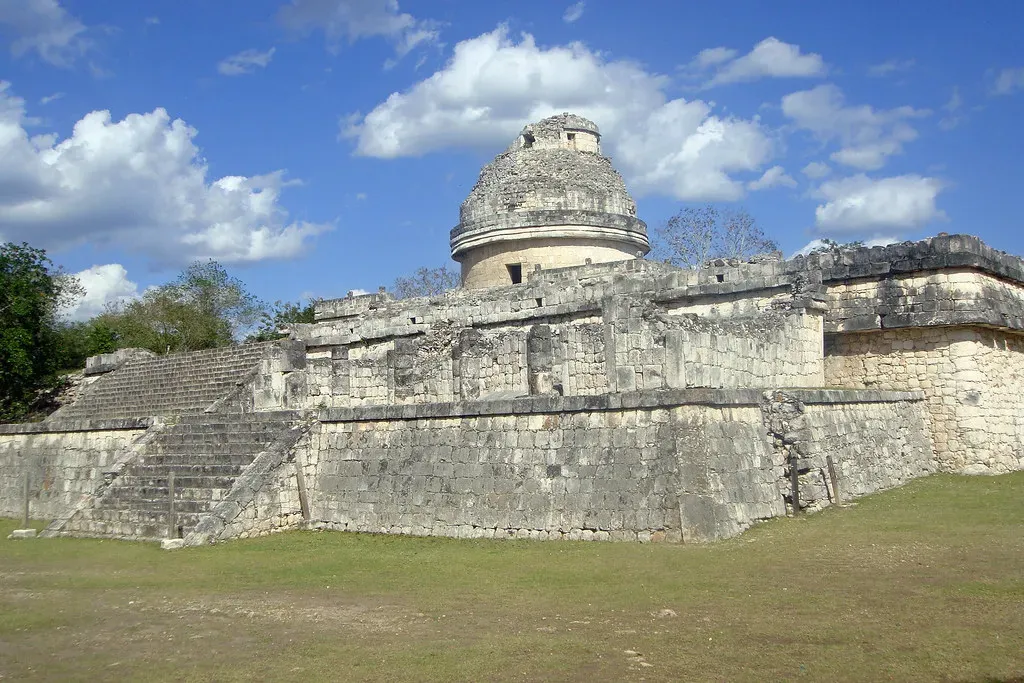
Maya astronomers watched the heavens with a precision that still surprises researchers. They tracked the movements of Venus, the sun, and the moon well enough to predict eclipses and important alignments. Some temples and observatories were built so that on specific days, sunlight would slice through windows or along stairways in ways that marked crucial calendar events, almost like giant stone instruments.
They tied this sky-watching to agriculture, politics, and religion, weaving cosmic cycles into decisions about planting, coronations, and wars. What looks to us like mythology often sat on top of careful observation and long-term record keeping passed down over generations. It’s a reminder that “science” and “spirituality” were not separate compartments for them; the sky was both a laboratory and a living, divine script they were constantly reading.
They Weren’t a Single Unified Empire
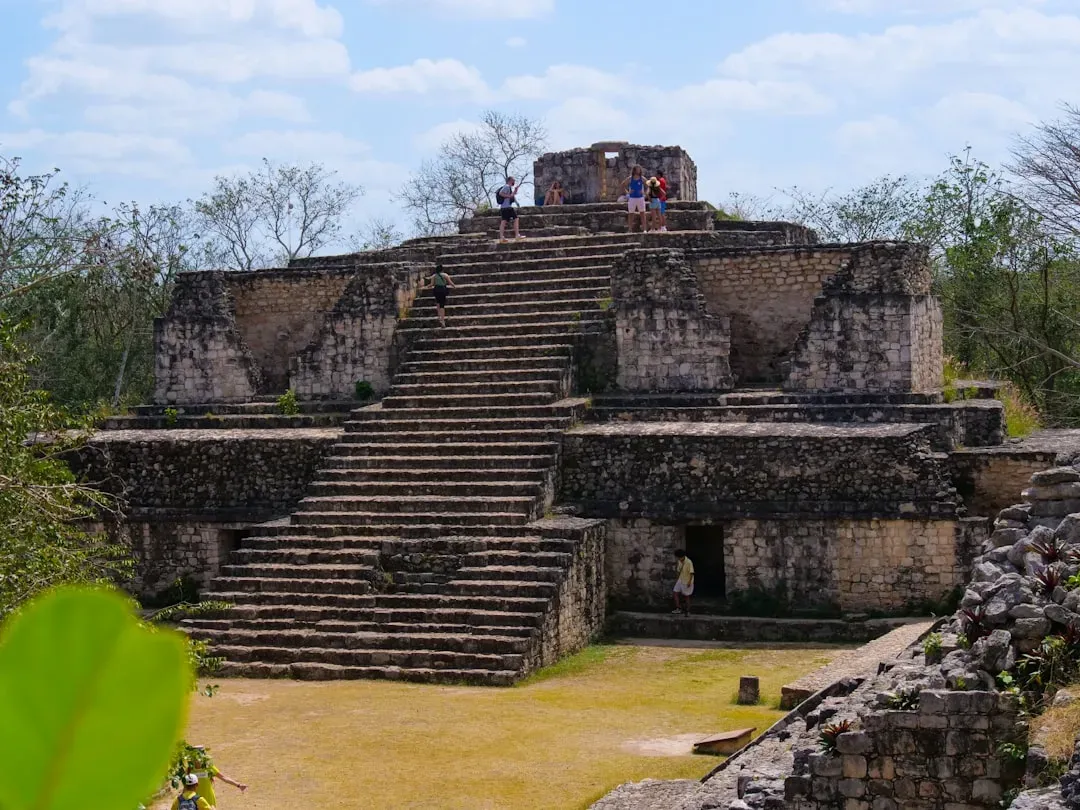
It’s tempting to lump all of Maya history into one giant empire, but that’s not how it worked. Instead, the region was dotted with independent city-states like Tikal, Calakmul, Copán, and Palenque, each with its own rulers, alliances, rivalries, and ambitions. They went to war, made peace, married into each other’s royal families, and sometimes shifted loyalties in ways that look a lot like the chessboard politics of medieval Europe.
This patchwork of powers meant cultural innovation could spread quickly but also made the region vulnerable to spirals of conflict and instability. Inscriptions talk about captured kings, burned cities, and triumphant victories carved into stone for all to see. When you stand in front of one of those monuments and realize you’re basically reading the political gossip and war headlines of a thousand years ago, it suddenly feels a lot less distant.
Modern Maya Communities Are Still Shaping the Story
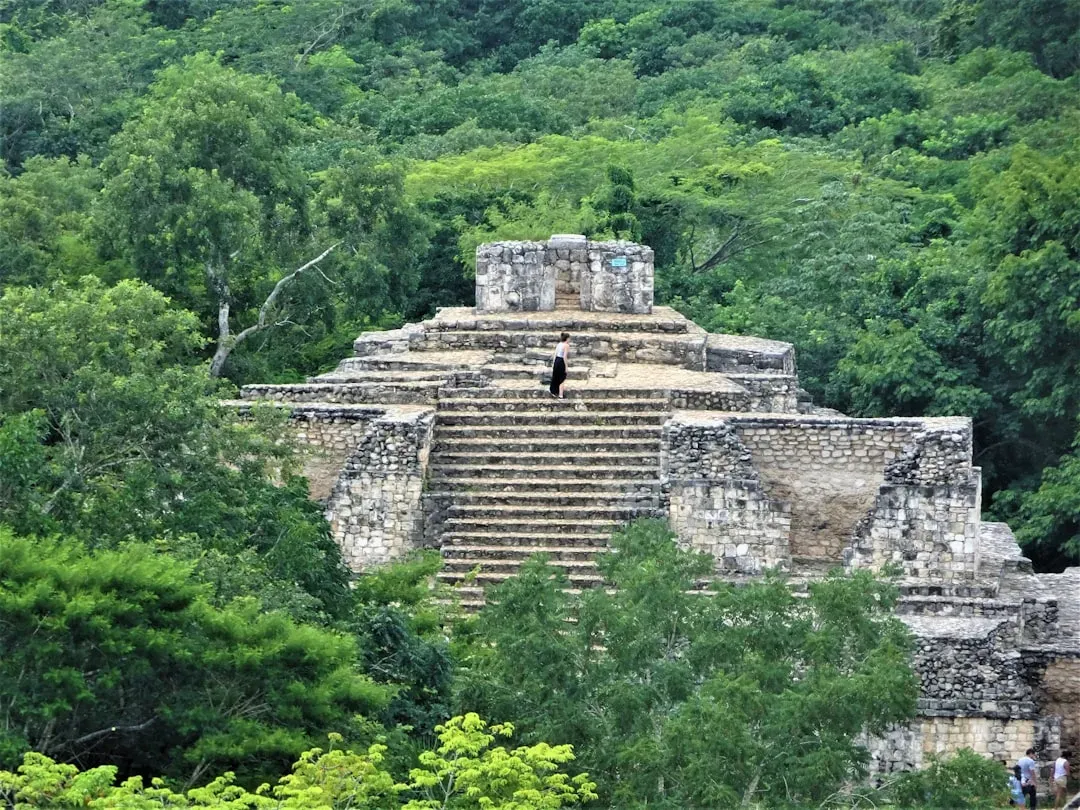
The tale of the Maya isn’t locked in the past; it’s unfolding right now in villages, towns, and cities across Central America. Millions of people speak Mayan languages at home, maintain traditional clothing styles, practice rituals that blend pre-Hispanic and Christian elements, and fight to protect their land and rights. In many places, Maya communities are directly involved in research and heritage projects, offering oral histories and local knowledge that change how archaeologists interpret the ruins.
There’s also a growing cultural resurgence, from literature and film in Mayan languages to political movements demanding recognition and autonomy. When tourists walk through sites like Chichén Itzá or Tikal, they are often only seeing the stone skeleton of something that still has living descendants just outside the gates. Understanding that the Maya are not just a past civilization but a present people shifts the whole conversation from “What happened to them?” to “What are they doing now, and how are we listening?”
A Civilization Hiding in Plain Sight
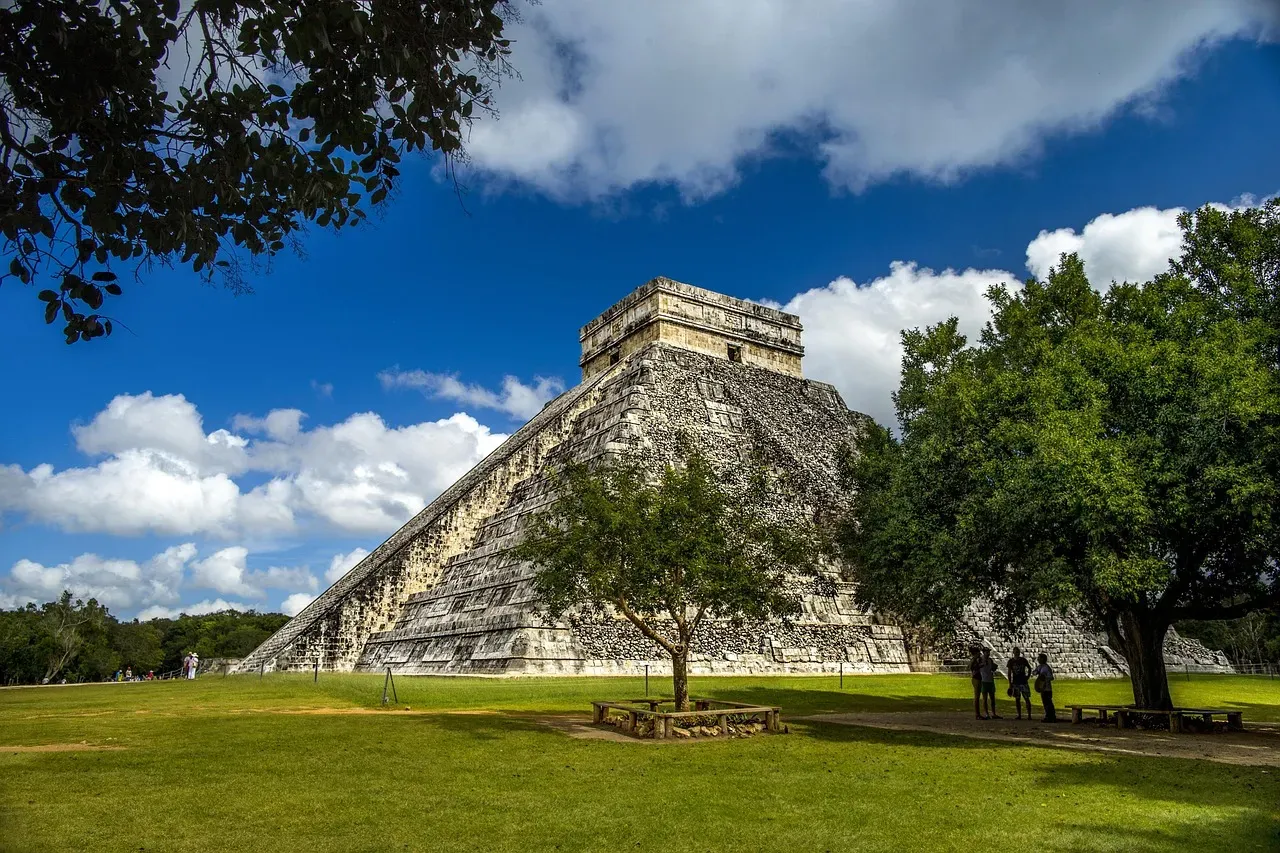
The deeper you look into the Mayan world, the more it stops feeling like a lost mystery and starts feeling like a complex, flawed, brilliant society that simply got flattened into a few lazy clichés. They built cities that reworked entire landscapes, watched the sky with a patience modern people rarely have, and developed writing, math, and art that still speak across a gulf of centuries. At the same time, their story includes droughts, wars, political breakdowns, and cultural survival through brutal colonial rule.
What’s most striking is that this isn’t just archaeology; it’s also about neighbors many of us barely notice, speaking languages and holding traditions that stretch back far beyond the countries drawn on today’s maps. The “mystery of the Maya” is less about where they went and more about why we stopped seeing them in the first place. Now that you know a bit more, what else do you start to wonder about the civilizations hiding in plain sight around us?