
Most of us grow up believing humans sit alone at the top of the emotional ladder, feeling things in ways no other species possibly could. But the more scientists watch animals closely, the more that comfortable story falls apart. From elephants pausing in silence around bones of their dead, to dogs staring into our eyes when we’re sad, the evidence is piling up that animals are not just reacting – they’re feeling, choosing, remembering, and caring in ways that look uncannily familiar.
In the last couple of decades, researchers have started to take animal emotions seriously, using brain scans, hormone measurements, and thousands of hours of careful observation. What’s emerging is not a fuzzy, sentimental picture, but a sharp, often surprising one: emotional lives that are rich, complex, and sometimes painfully close to our own. Once you see that, it becomes really hard to look at a dog, a pig, or even a fish the same way again.
The Surprising Science Behind Animal Emotions
One of the most striking discoveries of modern neuroscience is how similar mammal brains actually are at the emotional level. The same brain regions that light up in humans when we feel fear, joy, or grief often show similar activation in animals under comparable circumstances. When a rat is comforted by a familiar companion after stress, or a dog reunites with a beloved person, their bodies release oxytocin and other “bonding” chemicals in patterns that look very much like ours.
Scientists also now track stress hormones such as cortisol in everything from primates to farm animals to fish. When individuals are separated from social partners, exposed to bullying, or trapped in frightening situations, their bodies respond in ways that match the internal turmoil we associate with anxiety or sadness. We can’t ask a horse to fill out a feelings survey, but we can compare behavioral changes, heart rate, sleep, and biochemistry, and the picture that emerges is consistent: these are not mechanical reflexes, but whole-body emotional states.
Grief, Loss, and Mourning in the Animal World
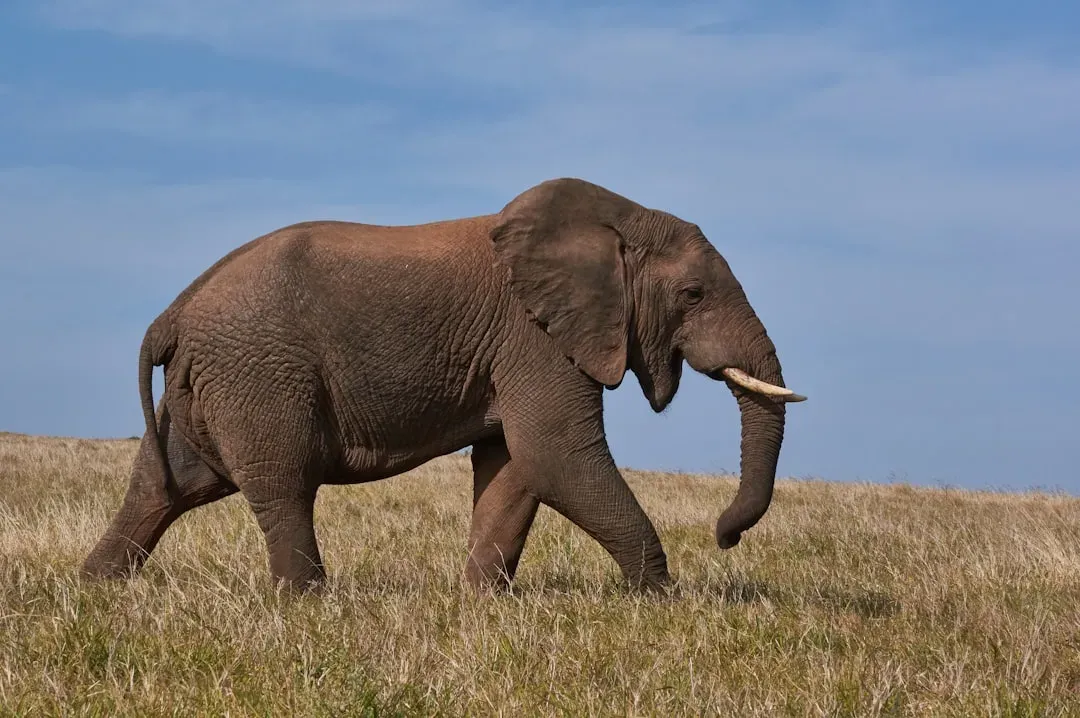
Few things feel more human than the ache of losing someone you love, yet grief is where animals repeatedly shock us. Elephants have been seen returning to the bones of deceased herd members, touching and gently exploring them with their trunks, and standing quietly in what looks eerily like a vigil. Primates sometimes carry the bodies of dead infants for days or weeks, grooming them, refusing to let go, and showing visible signs of distress when separation finally happens.
Even in our homes, many people have watched one pet withdraw, stop eating normally, or wander the house after another animal companion dies. Studies in dogs and cats have documented behavior changes after the loss of a bonded partner, including lethargy, changes in sleep, and seeking more comfort from humans. Some birds, especially highly social species like parrots and corvids, show clear disruption in routine and vocalization when a bonded mate or flock member disappears. The emotions might not be identical to ours in every detail, but it’s increasingly hard to deny that something like mourning is going on.
Empathy, Comfort, and Helping Behavior Across Species
Empathy sounds like a lofty, almost philosophical trait, but in animals it often shows up as something very simple: one individual reaching out when another is in distress. Rats have been observed freeing trapped cage-mates, even when there’s no obvious reward for doing so, and sometimes even sharing treats afterward instead of keeping the food to themselves. In controlled experiments, many of them seem driven by the discomfort of seeing another in trouble, not just by curiosity or habit.
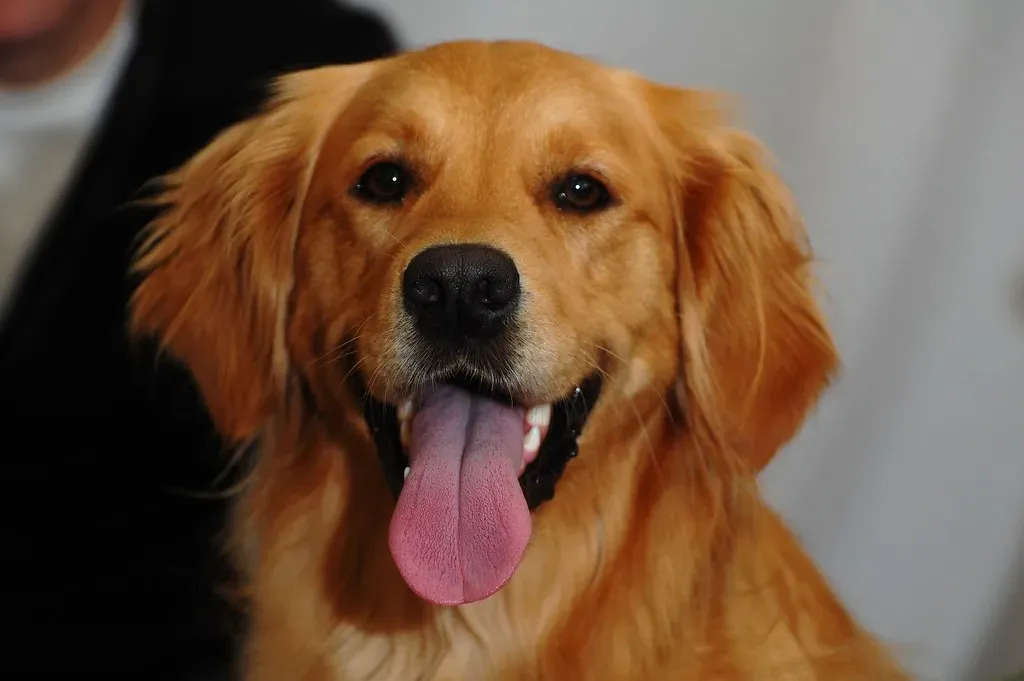
Among primates, comfort behavior is especially striking. After conflicts, bystanders often groom or sit close to a distressed individual, calming them down and reducing visible signs of stress. Dogs are remarkably quick to approach crying or visibly upset humans, often with body language that mirrors how they comfort each other: soft eyes, leaning in, slow movements. These patterns suggest an ability not just to notice another’s emotional state, but to feel compelled to do something about it.
Complex Social Bonds, Jealousy, and Fairness
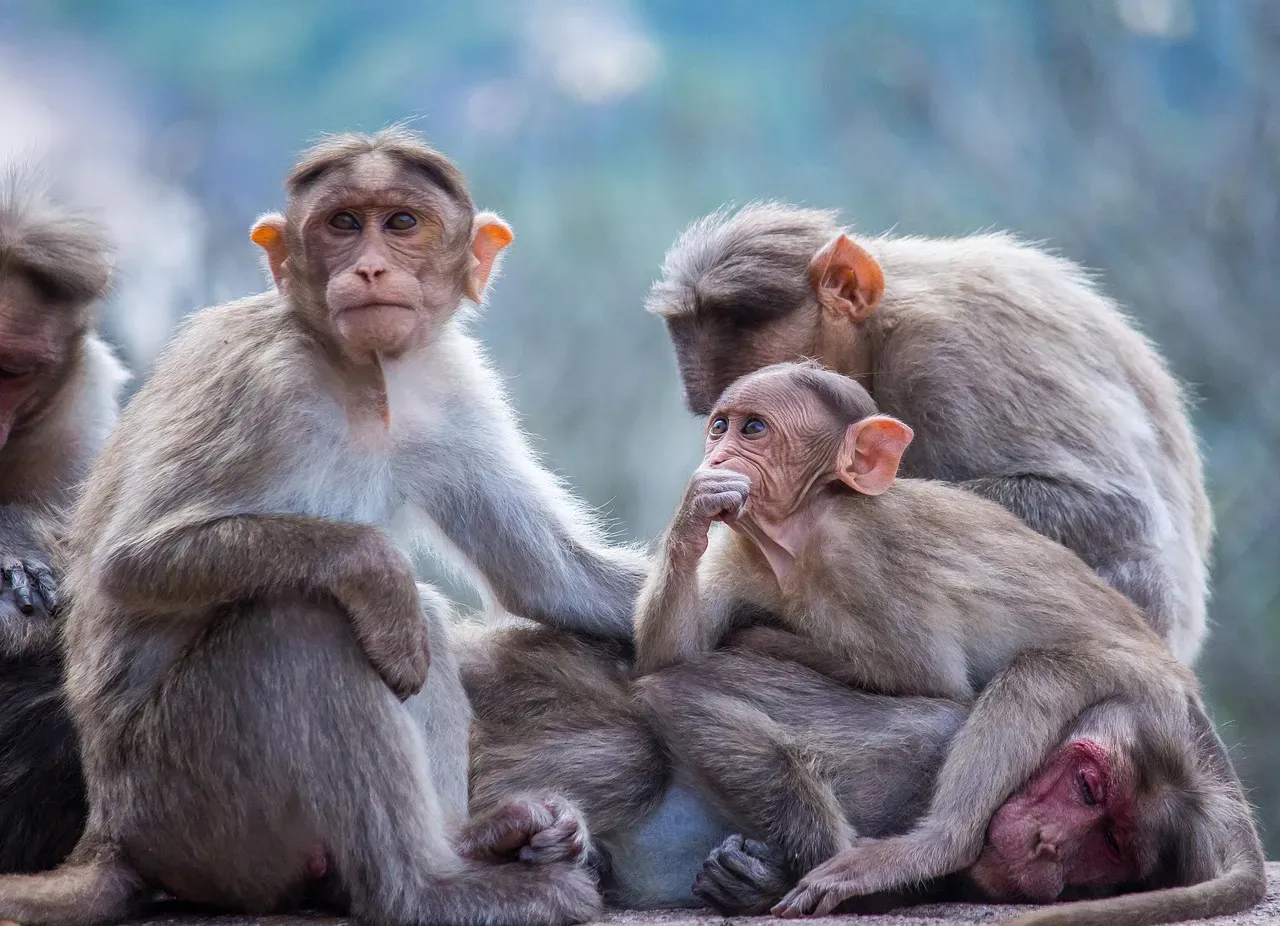
Living in a social group means navigating a whole minefield of emotions, and many animals do this with impressive skill. Some primates track alliances, favors, and betrayals over months and even years, returning kindness, punishing slights, and choosing partners carefully. Social animals like wolves, dolphins, and certain birds maintain stable long-term relationships, with individuals showing clear preferences for specific companions in play, grooming, or cooperative tasks.
Experiments have also revealed something that sounds uncomfortably close to our own sense of fairness. When two animals perform the same task but receive different rewards, some species protest, refuse to keep playing, or visibly show agitation. Dogs, for instance, may stop offering a paw if the neighbor gets a better treat for doing the same thing. Jealousy-like behavior pops up when attention or resources suddenly favor one individual over another, hinting that these animals are constantly comparing, judging, and emotionally tracking the social landscape.
Fear, Trauma, and Emotional Scars
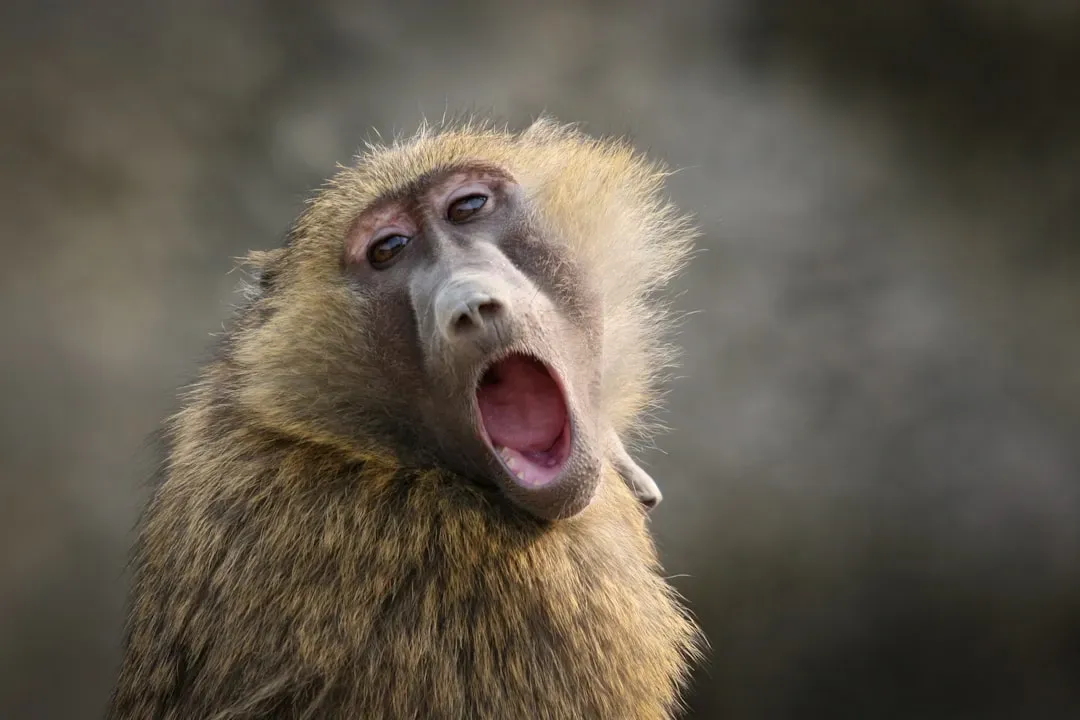
Fear is one of the simplest emotions to measure in the lab, but in real life it can become something far more long-lasting and damaging. Animals that endure repeated threats, violence, or unstable environments can develop patterns that closely resemble human trauma responses. They may become hypervigilant, startle at small noises, avoid reminders of past events, or show obsessive and self-harming behaviors. These are not just “bad habits” – they line up disturbingly well with the symptoms of chronic stress and anxiety in people.
Rescue organizations often see this firsthand when they take in animals from abusive or highly stressful backgrounds. Some dogs shut down emotionally, barely responding to food or affection, while others swing the opposite way, clinging to people yet flinching at sudden movements. Similar patterns have been documented in laboratory animals, farm animals, and even wildlife exposed to prolonged danger. Once you recognize these as emotional scars rather than simple “training problems,” it changes how we think about responsibility and care.
Joy, Play, and the Lighter Side of Animal Minds
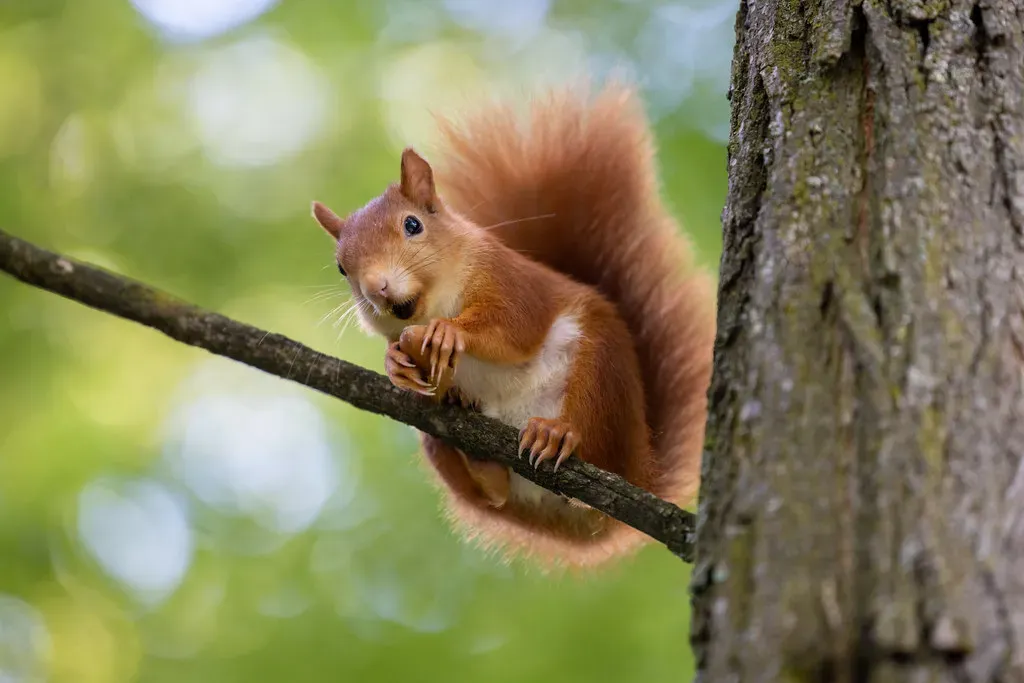
If all of this sounds heavy, it’s worth remembering that animals are also experts at joy. Play is one of the clearest windows into positive emotion, and it shows up across an astonishing range of species, from dogs spinning with excitement to young ravens sliding down snowy roofs just for the thrill of it. Neuroscientists have recorded brain responses in playful animals that match the patterns we associate with pleasure and anticipation in humans, including the release of dopamine and other “feel-good” chemicals.
Many animals also seem to seek out beauty, novelty, and fun in ways we still don’t fully understand. Certain birds collect colorful objects for their displays, dolphins appear to invent new games with bubbles or seaweed, and some primates seem to engage in rough-and-tumble play well past the age when it has any obvious survival benefit. Joy, curiosity, and a love of messing around may be less a human luxury and more a common thread running through many intelligent, social creatures.
How Recognizing Animal Emotions Changes Our Choices
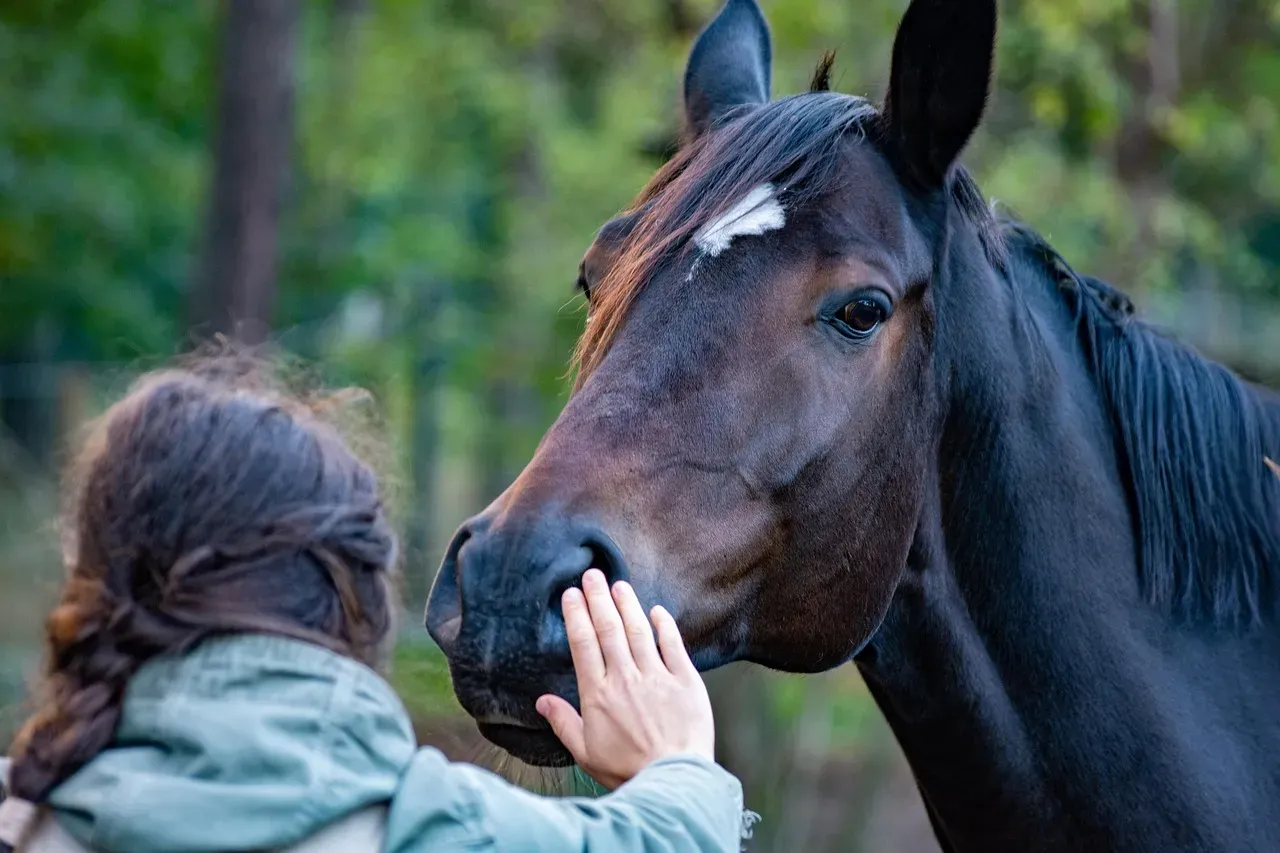
Once we accept that animals feel deeply, it forces a hard look at how we treat them in everyday life. Everything from how we train our dogs, to how we design zoos, to the way we raise and slaughter farm animals starts to look different when we see them as emotional beings instead of living machines. Practices that rely on fear, isolation, or constant stress become much harder to justify when we acknowledge the inner cost they impose.
This shift isn’t only about ethics; it’s also about practicality and respect. Animals that are allowed to form stable bonds, express natural behaviors, and experience at least some measure of control over their lives tend to be healthier and easier to live and work with. Seeing animals as emotionally intelligent does not mean pretending they are little humans in fur or feathers, but it does mean recognizing that their feelings are real, that they matter, and that our growing understanding leaves us with fewer excuses to ignore them.
Rethinking Our Place Among Feeling Beings
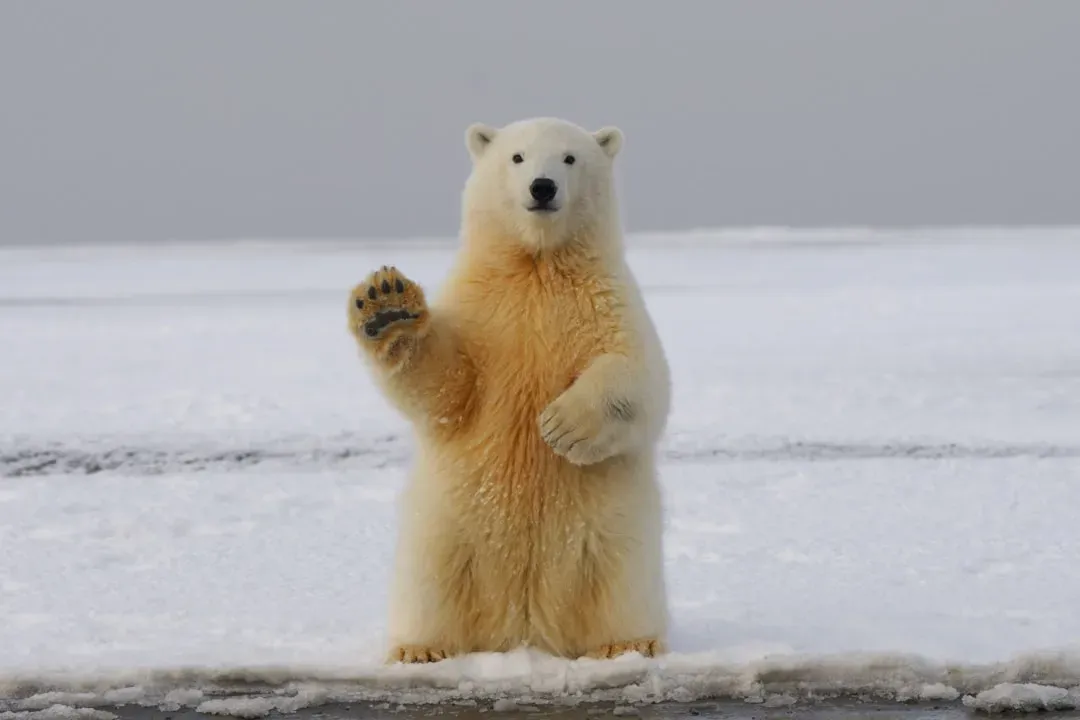
The more we learn, the less credible the old idea becomes that humans stand alone as the only truly emotional species. Across grief and joy, fear and comfort, fairness and loyalty, animals keep showing us patterns that echo our own inner lives. Their emotional intelligence may not mirror ours perfectly, but it rivals our understanding in depth and complexity far more than we once dared to admit.
In a way, animals are quietly holding up a mirror, asking us to notice how much we share and how much responsibility comes with that knowledge. If their feelings are real, then our choices toward them are not small or neutral; they are acts that shape the emotional worlds of other minds. Knowing that, what kind of neighbors do we want to be to the other feeling creatures who share this planet with us?