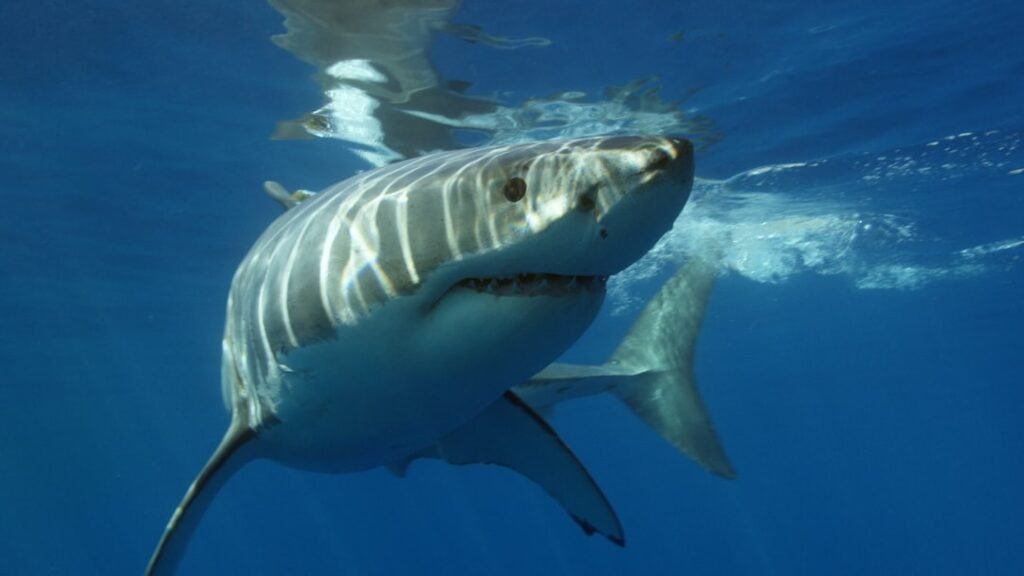

If you only know great white sharks from disaster movies and dramatic headlines, you’re missing the most fascinating parts of their story. The truth is far stranger, more complex, and, in many ways, more beautiful than the fear-soaked image we’ve been sold for decades. These animals are not just “monsters of the deep”; they’re finely tuned, ancient predators that play a vital role in keeping the ocean alive and balanced.
When I first started really looking into great whites years ago, I expected to come away more afraid of the ocean. Instead, I ended up more afraid of how quickly we misunderstand and damage what we don’t bother to learn about. Once you get past the scary teeth and jump-scare headlines, you start to see a creature shaped by millions of years of evolution, surviving in a world that is rapidly changing underneath it. Let’s strip away the hype and get into what makes the great white genuinely shocking, in all the best ways.
Their Brains Are Smarter Than Their Reputation
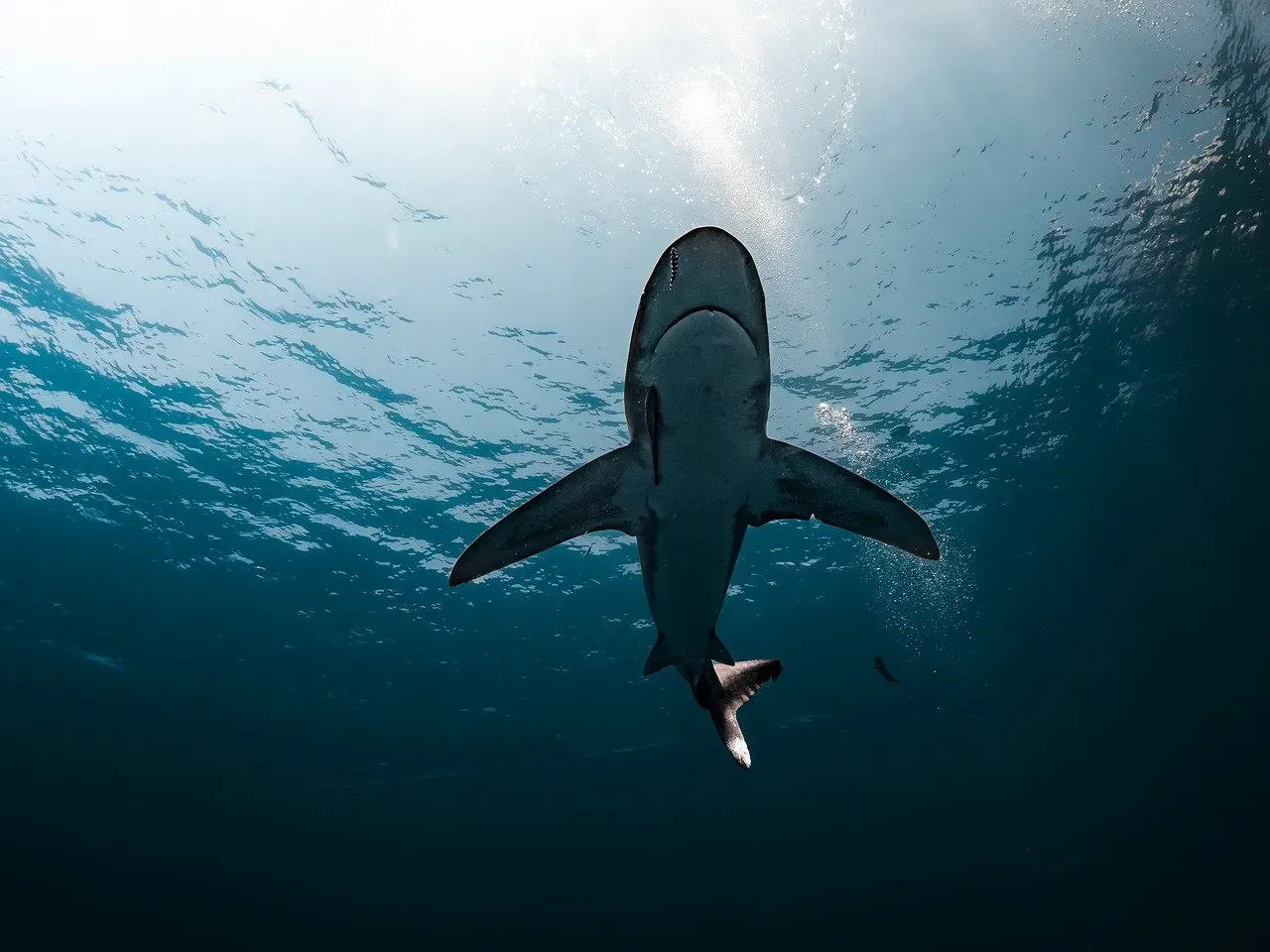
Most people picture great whites as brainless eating machines, but their brains are surprisingly developed and specialized. Brain scans and dissections have shown complex structures tied to learning, decision-making, and social behavior, not just raw instinct. That means a great white doesn’t simply bite everything that moves; it’s evaluating, testing, and adjusting based on experience. In some cases, individuals have even been seen changing their hunting strategy depending on how prey responds over time.
In coastal regions where seals are common, great whites seem to remember specific haul-out spots and approach patterns that work best under certain conditions. That’s not just instinct; that’s experience being stored and reused. To put it bluntly, if you think of them as underwater wolves rather than mindless robots, you’re much closer to the truth. They’re not geniuses writing symphonies, but they’re absolutely not the simple villains movies make them out to be.
They Have A Sixth Sense You Can’t See
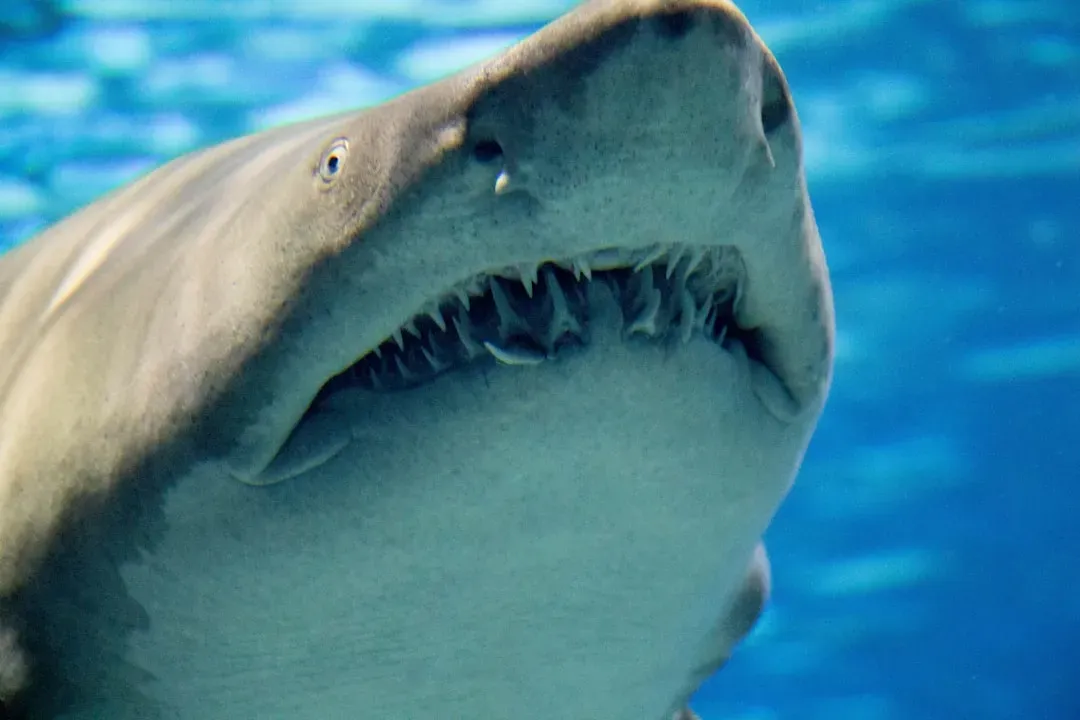
Beyond sight, smell, and hearing, great white sharks have a built-in superpower: they can detect tiny electrical signals in the water. Along their snouts, they have gel-filled pores called the ampullae of Lorenzini, which allow them to sense the faint electrical fields produced by the muscles and hearts of other animals. We’re talking about sensitivity to levels so small humans couldn’t consciously detect them even with our best natural senses. For a predator that often hunts in murky water or low light, this is like having night-vision goggles and a metal detector rolled into one.
This sixth sense is so precise that a great white can find a hidden fish under sand or zero in on a struggling animal without needing to see it. It also helps them navigate long distances by detecting Earth’s magnetic field, acting like an internal compass. Imagine walking into a dark room and still knowing where every moving thing is, just from the smallest electrical whisper of its heartbeat. That’s the edge great whites swim with every day, far beyond what most headlines ever mention.
Their Eyes Are Not “Black And Lifeless”
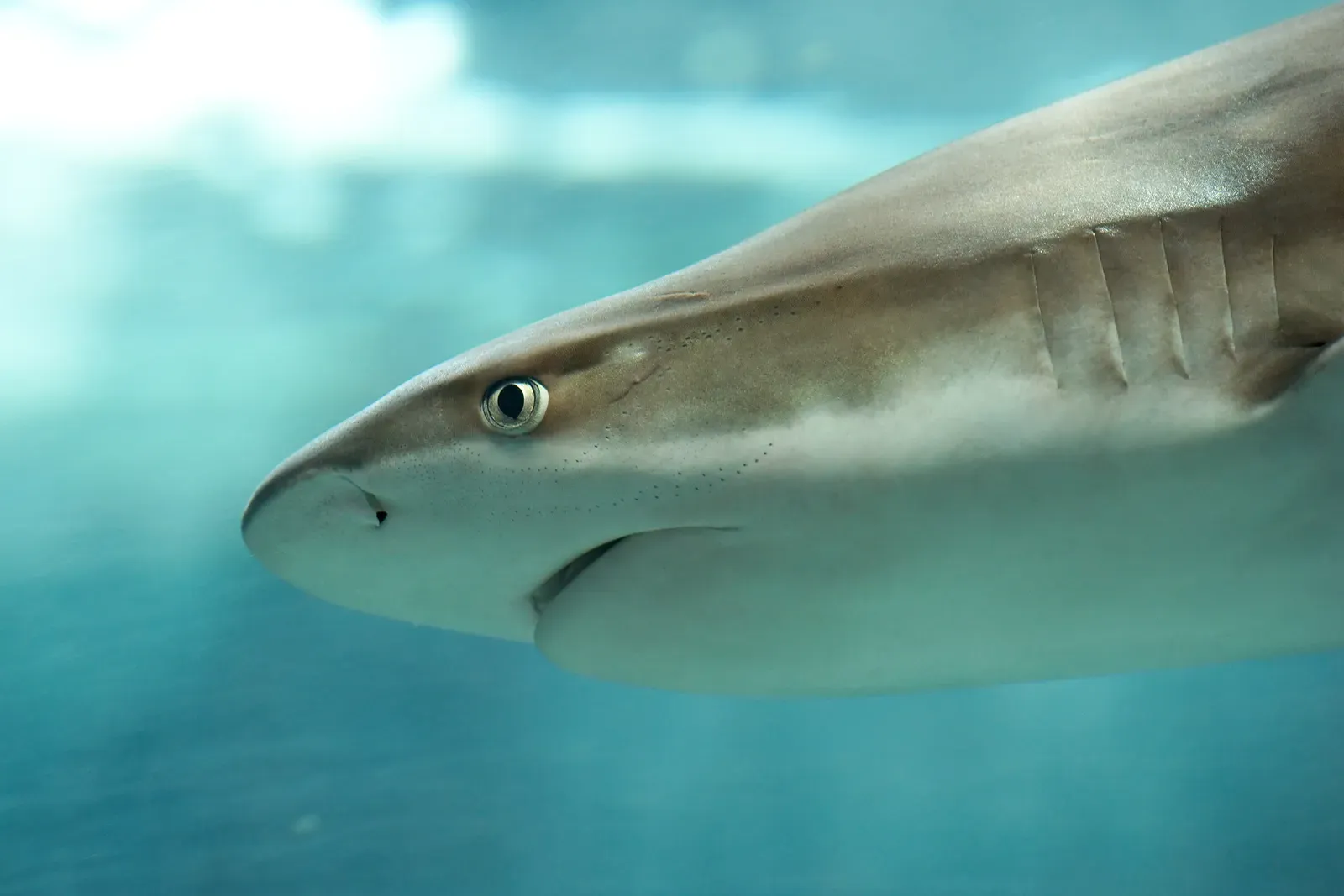
That classic idea that great white eyes are just “cold and dead” doesn’t hold up anatomically or behaviorally. Their eyes actually have a complex structure with a retina packed with rod cells, giving them strong low-light vision, and a reflective layer behind the retina to boost image brightness. Some research suggests they see in shades of blue and gray, which makes sense in the filtered blue world of the open ocean. They’re not just reacting to motion; they’re taking in contrast, shapes, and patterns.
On top of that, great whites can roll their eyes back into their heads when they attack, protecting them from injury. This eye-rolling sometimes gives people the impression that the eye disappears or goes blank, feeding the myth. But that behavior is actually evidence of how valuable their vision is to them, not how empty it is. When you think about it, no animal evolves a protective eye mechanism unless sight is absolutely crucial to survival.
Most “Attacks” Are Cases Of Mistaken Identity
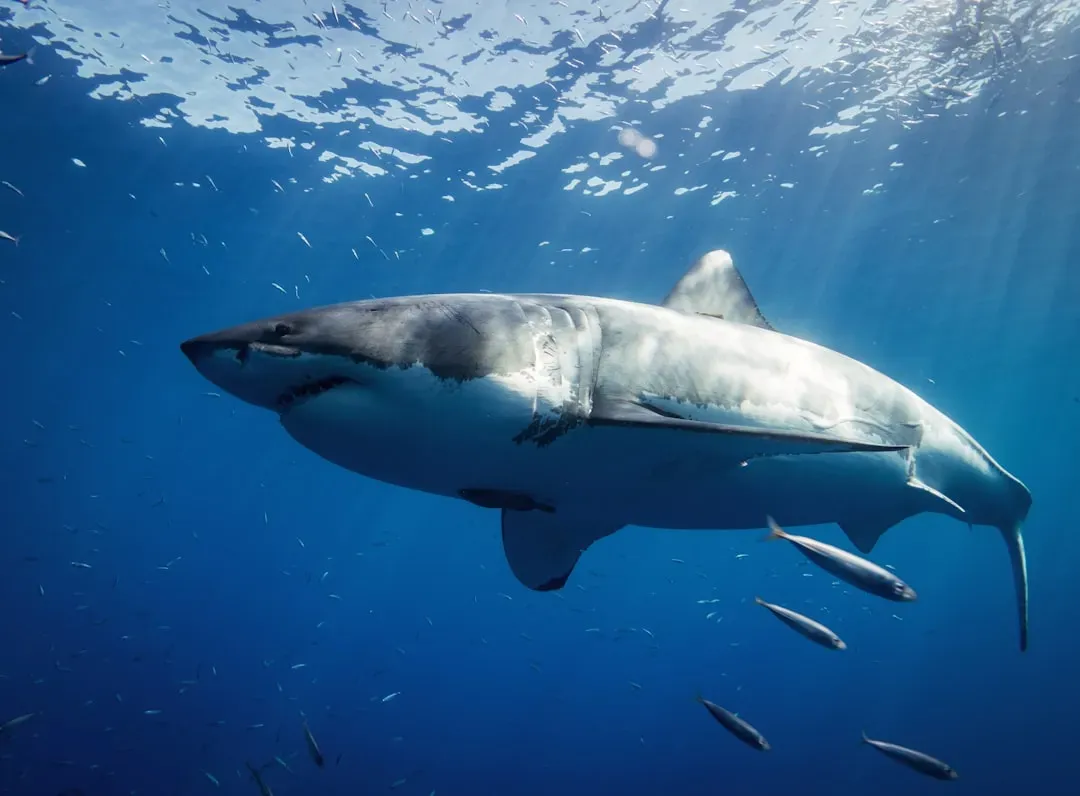
Despite all the horror stories, the number of unprovoked great white incidents with humans each year is very small compared to how many people enter the ocean. And when they do occur, they’re often not deliberate attempts to hunt humans as prey. Great whites are visual hunters, and from below, a surfer on a board can look confusingly like a seal or sea lion. Many bites on humans are single, investigative bites, followed by the shark quickly letting go and leaving the area.
If great whites genuinely saw humans as ideal prey, you’d expect repeated bites and much higher fatality rates. Instead, many incidents show the shark taking one bite and then moving off, which fits with the idea of a test bite gone wrong. It doesn’t make the experience any less terrifying or serious, but it does totally change the narrative about sharks “targeting” people. In a sad twist, the species that gets blamed as a ruthless man-eater is more often just making a costly mistake in a confusing, noisy coastal environment.
They Are Crucial To Healthy Oceans
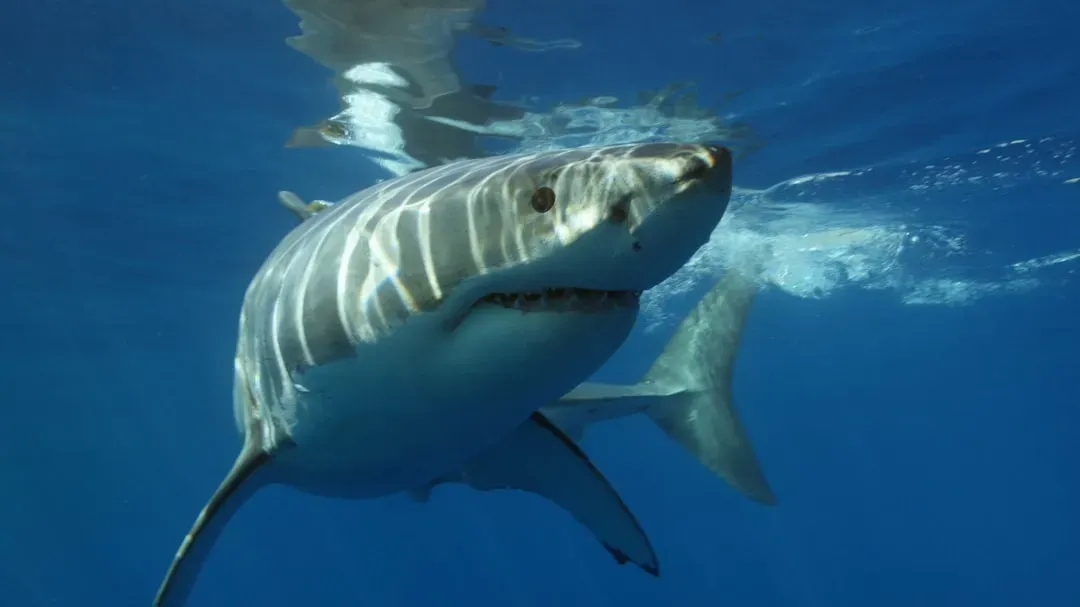
Great whites sit at or near the top of the marine food web, and that position comes with a big ecological job description. By preying on sick, weak, or injured animals, they prevent disease from spreading as quickly through populations of seals, sea lions, and other marine mammals. They also help keep mid-level predator numbers in check, which in turn protects fish populations and even the health of habitats like seagrass beds and kelp forests. Take away an apex predator, and the entire food web can wobble or even crash in surprising ways.
There have been documented cases where declines in large sharks were linked to explosions of mid-sized predators, which then hammered shellfish or other species further down the chain. That ripple effect ultimately hits fisheries and coastal economies, not just wild ecosystems. The great irony is that the shark often portrayed as a threat to humans is quietly doing the behind-the-scenes work that helps support human food security. Think of them as the tough, unsentimental managers of the ocean, making harsh cuts that keep the whole system functioning.
They Travel Ocean Highways You Never See
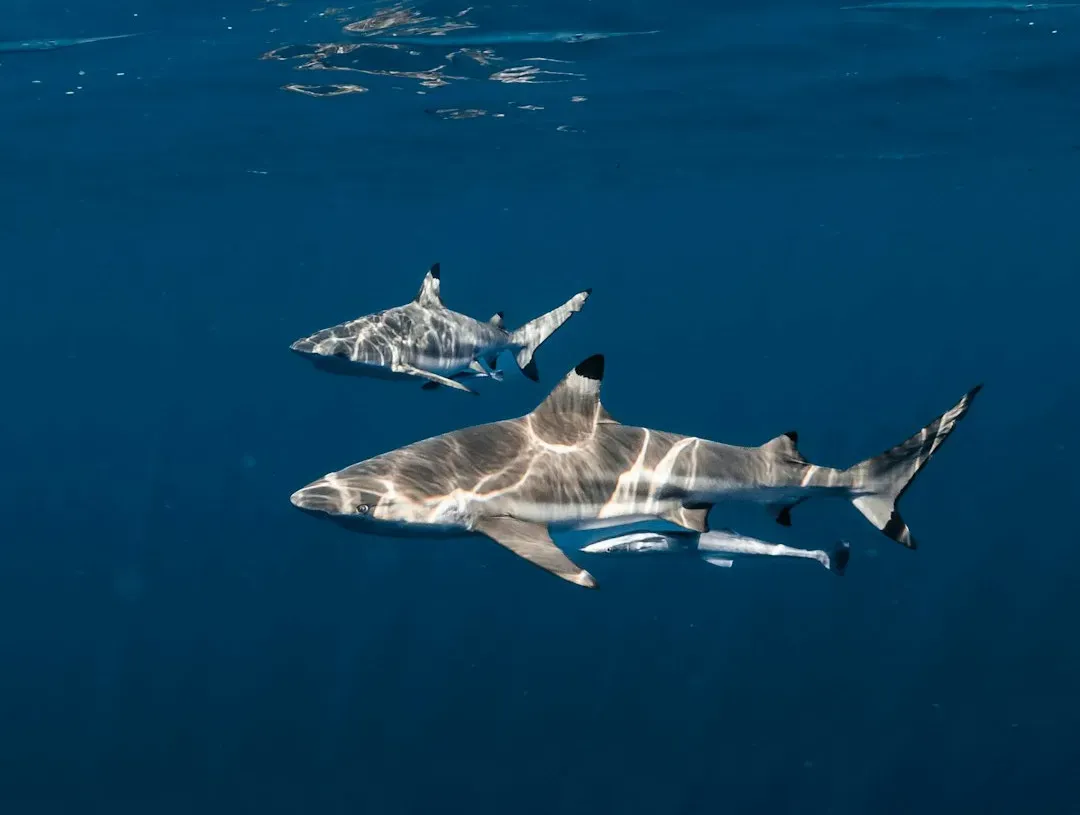
Tagging studies over the past couple of decades have completely rewritten what we thought we knew about great white movement. Instead of hanging out in one spot, many individuals undertake massive migrations that span entire ocean basins. Some great whites off South Africa have been tracked traveling thousands of kilometers into the open ocean and then back, following seasonal patterns of prey and temperature. Others move between coastal feeding grounds and mysterious mid-ocean “hotspots” where they spend months at a time.
In the Pacific, researchers have identified regions where tagged great whites from different coastlines seem to converge, suggesting hidden gathering zones we’re only just beginning to understand. These travel routes are like invisible highways running through the blue, totally unknown to the beachgoers hanging out just a few meters from shore. When we talk about protecting sharks, we’re not just talking about single beaches or bays; we’re talking about safeguarding these entire transoceanic routes. Miss that, and you protect the driveway while ignoring the highway system.
They Can Launch Their Entire Bodies Out Of The Water
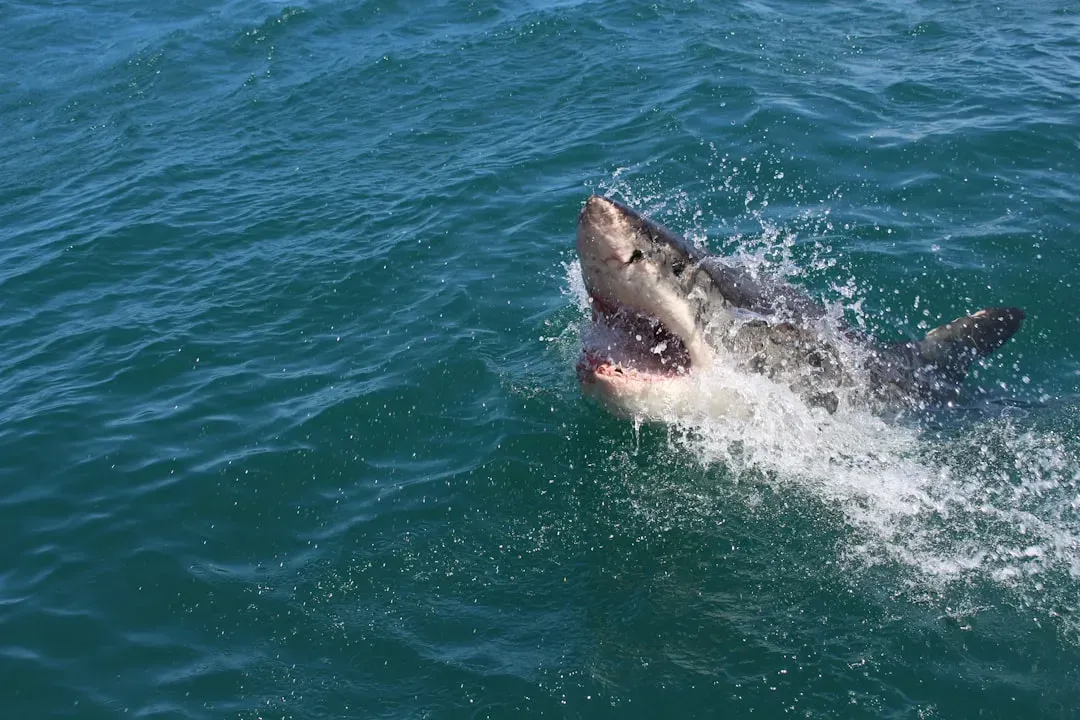
One of the most jaw-dropping behaviors great whites are known for is breaching: rocketing up from below and launching their entire body out of the water. This is most famously seen near places like Seal Island in South Africa, where sharks use the element of surprise on seals at the surface. Underneath that dramatic moment is a lot of physics and power; to fully clear the water, a shark weighing hundreds of kilograms has to build serious speed on the way up. It’s closer to a missile launch than a simple jump.
Breaching is usually hunting-related, but it may also have other functions, like dislodging parasites or even communicating dominance. Seeing it in person can completely rewire your impression of sharks as slow, plodding cruisers. For the seals, that deep, dark water beneath them is like the floor of a trampoline waiting to catapult death straight at them. For scientists, every breach is also a clue about shark behavior, energy use, and decision-making that can’t really be faked or misread.
They Start Smaller Than You Think, And Grow Slowly
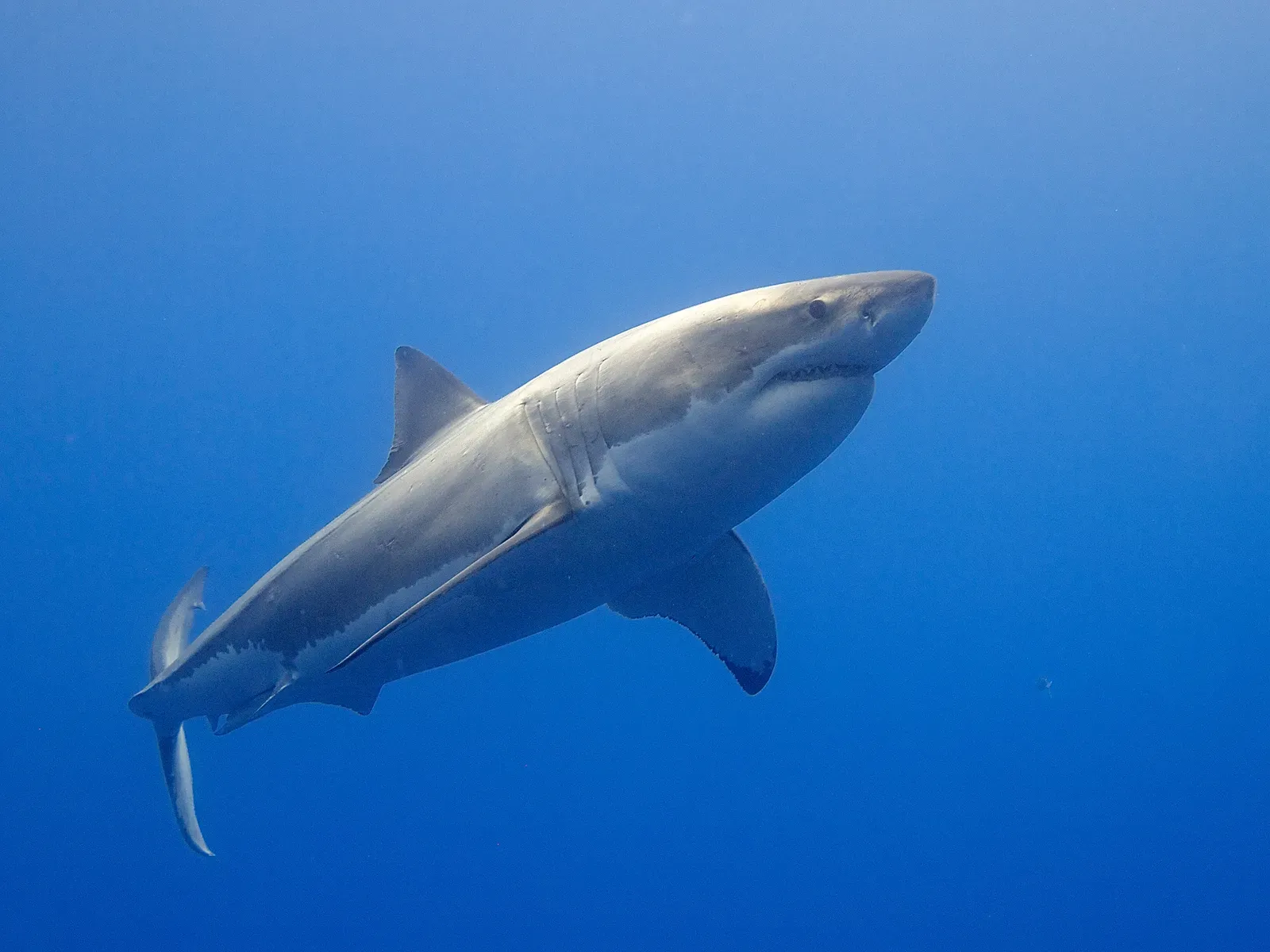
It’s easy to focus only on the massive adults, but every great white starts life at a size much more modest than Hollywood would have you believe. Pups are born already fairly capable hunters, but they’re a far cry from the huge individuals people imagine when they think “shark.” They grow slowly compared to many fish species, and it can take them many years to reach sexual maturity. That slow growth and late maturity mean they can’t quickly bounce back from heavy fishing pressure or accidental catches.
For females especially, the timeline to maturity can stretch over a significant portion of their lifespan. Combine that with relatively low reproductive rates, and you’ve got a predator that’s biologically set up for stability, not rapid expansion. When we remove too many great whites from the ocean, whether through targeted killing or bycatch, we’re pulling bricks out of a wall that takes decades to rebuild. Understanding their growth and life cycle is one of the most underrated parts of realizing how fragile their populations can be.
They Are More At Risk From Us Than We Are From Them
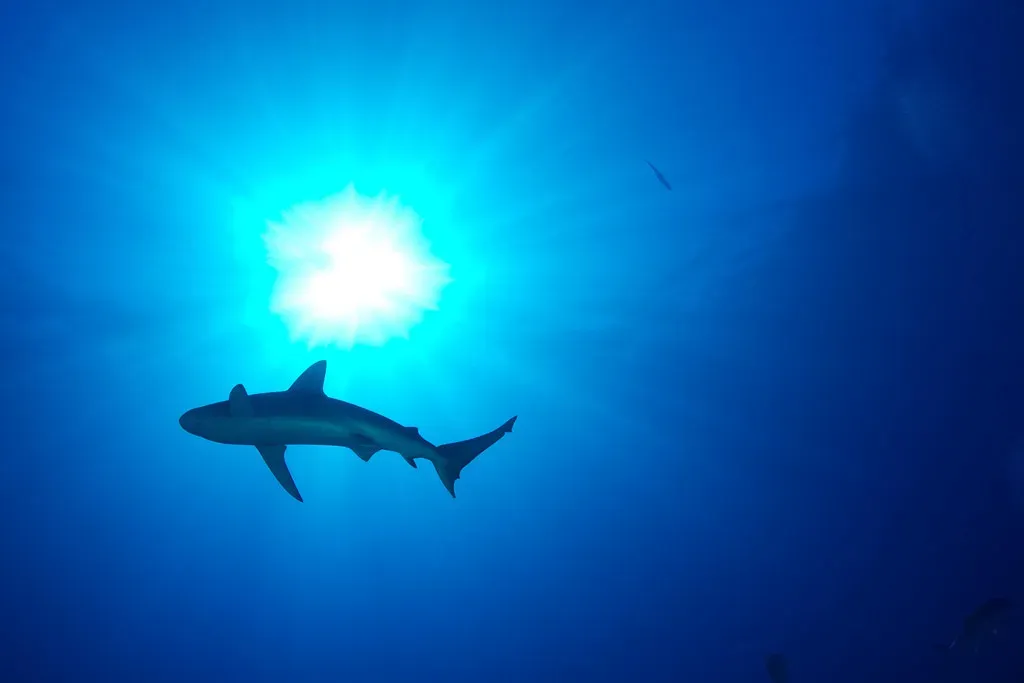
When you compare human risk from sharks to shark risk from humans, the imbalance is stark. A very small number of shark-related deaths occur in a typical year worldwide, while humans kill huge numbers of sharks annually through commercial fishing, bycatch, and illegal trade in fins and other body parts. Great whites themselves are protected in many countries now, but that doesn’t mean they’re safe. They still get caught accidentally in fishing gear or targeted out of fear or for trophies in places where enforcement is weak.
Habitat degradation and climate change add extra pressure, shifting where their prey lives and altering migration patterns in ways we’re only starting to track. The big fear-driven narrative has also justified culls and bounty hunts in the past, the kind of actions that can knock local populations down rapidly. From a purely numbers-based view, great whites should be far more afraid of us than we are of them. Yet they keep doing their job in the ecosystem without holding a grudge, which is more grace than we usually show them.
They Are Slowly Losing The PR War – And Science Is Fighting Back
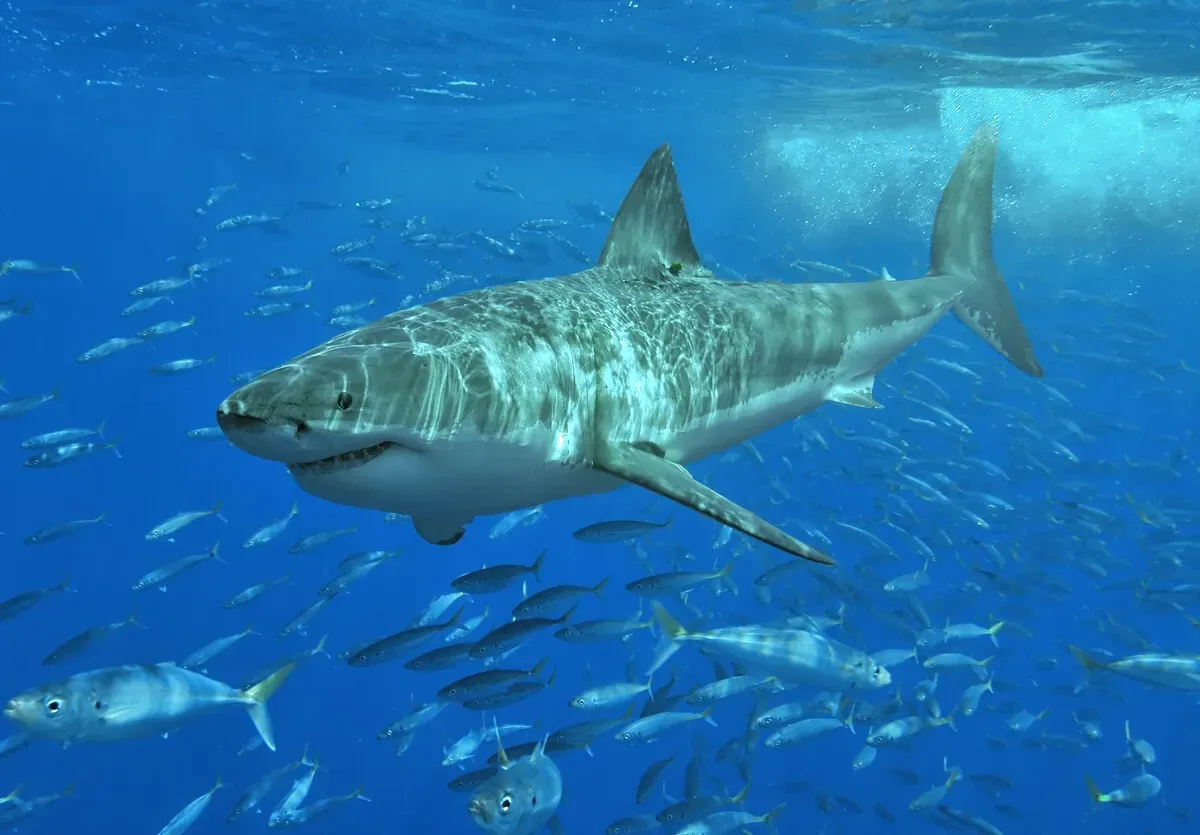
Decades of movies, clickbait stories, and sensational footage have carved a deep groove in how people feel when they hear the word “shark.” Great whites, in particular, have become an easy shorthand for danger and fear. But in the last twenty years, scientists, conservation groups, and some governments have been pushing back hard with data, education, and better storytelling. Long-term tagging, photo-identification, and population studies are revealing individual sharks with recognizable patterns, routes, and behaviors that people can follow and connect with.
Public attitudes are slowly shifting from automatic fear to cautious respect and curiosity, especially in communities that share coastal waters with these animals. Shark tourism, when done responsibly, has helped turn dead sharks into more valuable live ones, economically speaking. It’s not a perfect turnaround and the old myths are stubborn, but the trend is increasingly toward coexistence instead of eradication. As more people learn that the real story of great whites is about balance, vulnerability, and complexity, the old one-note monster script starts to crumble.
The Real Great White Is Stranger Than Fiction
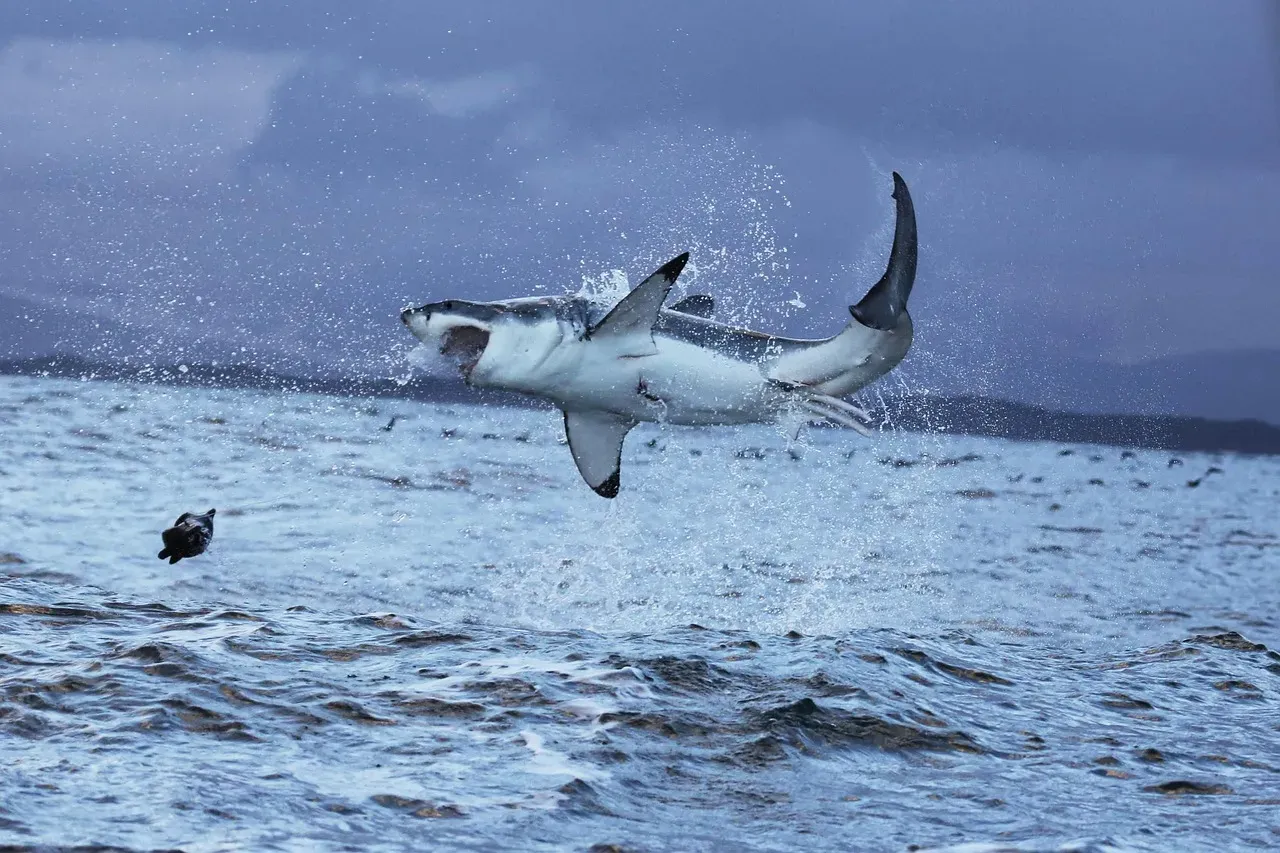
Once you strip away the movie soundtrack and the splashy headlines, the great white shark turns out to be less of a nightmare and more of a tightly tuned part of a vast, living machine. It’s an animal with a sharp brain, a suite of bizarre senses, long-distance travel plans, and a crucial ecological job that props up entire ocean systems. It makes mistakes, it faces risks, and it’s far more threatened by human activity than most people ever realize. The fear we project onto it says as much about us as it does about the shark.
We’re at a point in 2026 where our choices about the ocean are increasingly permanent, and great whites are part of the test of how seriously we take that responsibility. Seeing them clearly means accepting that they are neither villains nor saints, but necessary, powerful pieces of a world we still depend on more than we admit. The next time you see a fin in a dramatic news clip, it might be worth asking yourself whether you’re seeing a monster or a misunderstood manager of the sea. Which one will you picture now?