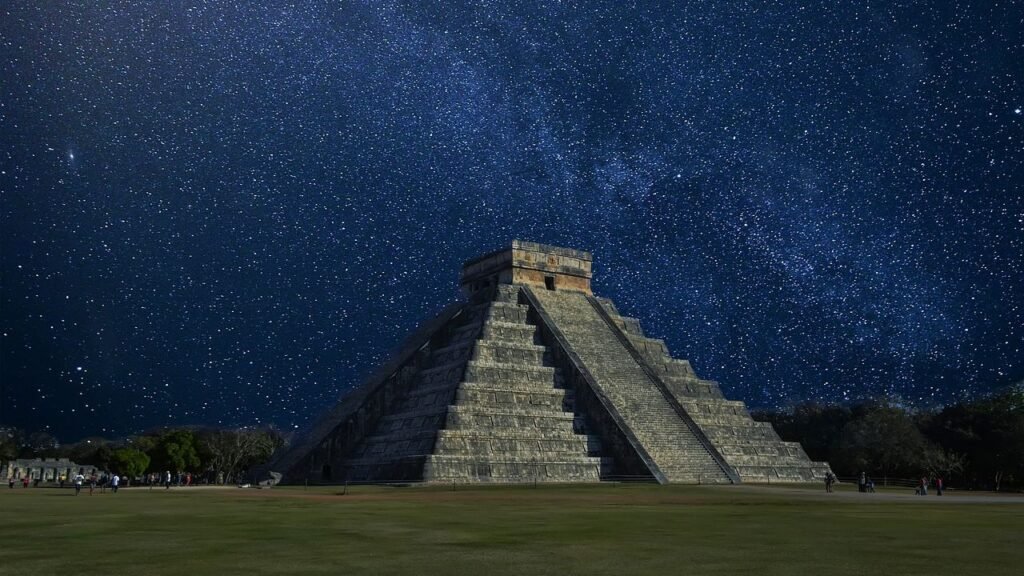

Every time we think we’ve reached the cutting edge of human knowledge, archaeology quietly taps us on the shoulder and says: “Actually, people thousands of years ago were already onto this.” From precision stonework that still baffles engineers to forgotten medical techniques now backed by modern research, the past is not nearly as primitive as many school textbooks made it seem. Instead of a straight line from ignorance to progress, history looks more like a spiral: ideas discovered, lost, and sometimes rediscovered in unexpected ways.
When I first dug into this topic, I honestly expected a few fun trivia facts and that’s it. Instead I kept running into the same unsettling pattern: ancient builders, healers, navigators, and astronomers routinely punched far above what we assume was possible for their time. They did not have smartphones, yes – but they had a deep, patient, hands-on engagement with the world that modern life rarely allows. And in field after field, we’re only now realizing how much they already knew.
Unexpected Precision: Ancient Engineering That Refuses To Erase

The more closely engineers and archaeologists examine ancient structures, the less “primitive” they look. Massive stone blocks at places like Giza, Sacsayhuamán, and Baalbek can fit together so tightly that not even a sheet of paper slips through the joints, and some surfaces are astonishingly flat and true. Modern tools can reproduce this precision, but the question that lingers is how consistently ancient builders managed it with the materials at hand.
What’s become clear is that these civilizations had an incredibly sophisticated understanding of geometry, load distribution, and material behavior, even if they didn’t write it in the equations we use today. Many ancient temples and fortifications are built to survive earthquakes by cleverly distributing forces and allowing controlled movement in walls and foundations. When modern architects study this, it’s less like looking at a crude prototype and more like reading an old masterclass in long-term durability.
Stone, Sound, And Vibration: Old Worlds, New Physics
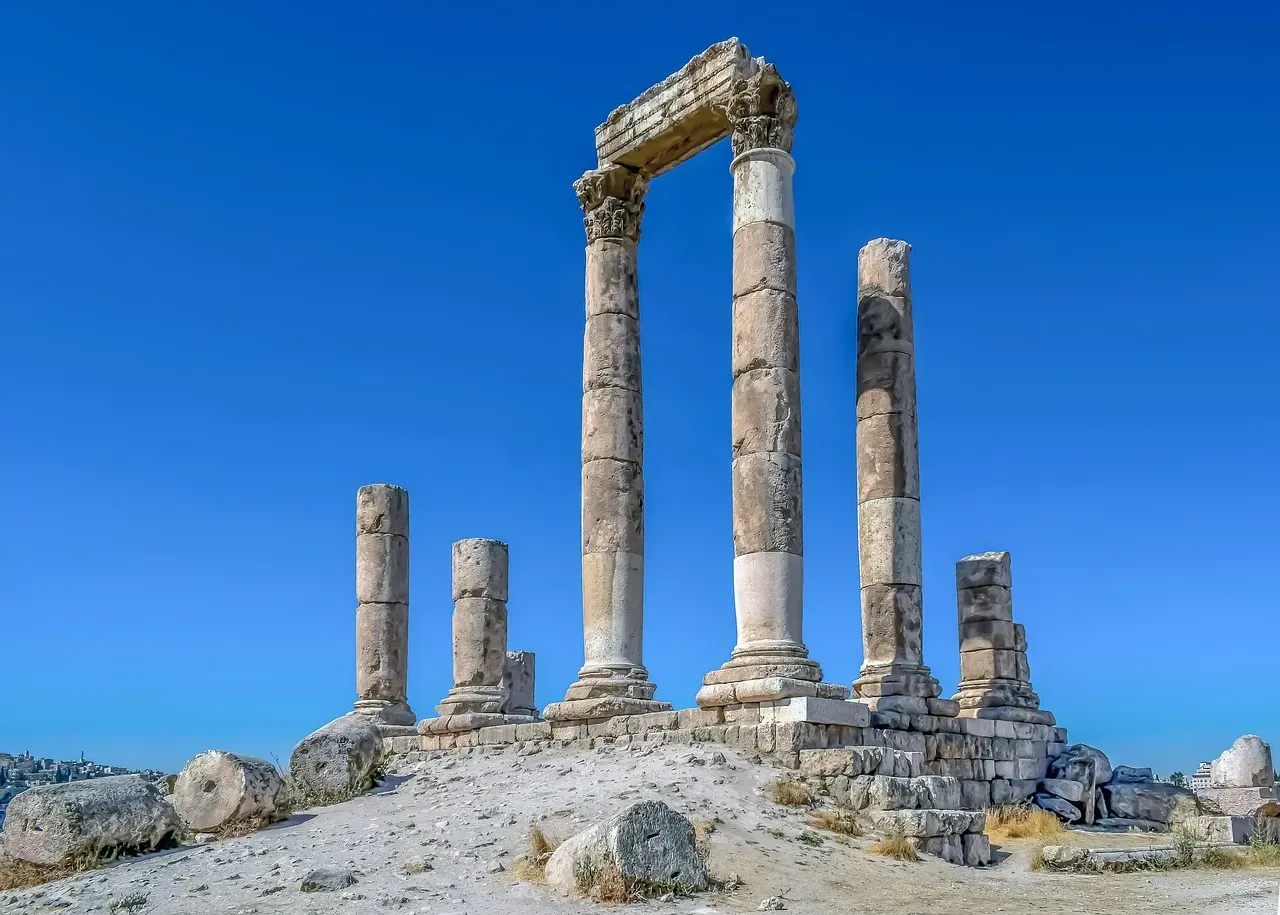
Walk into certain ancient temples or tombs and your voice suddenly changes, echoing in strange ways or resonating at specific pitches. These aren’t accidents. Many ancient structures appear to be tuned to particular acoustic properties – amplifying chants, focusing sound, or dampening outside noise. Archaeologists and acoustics experts have spent the last couple of decades mapping these “soundscapes,” and they keep stumbling on deliberate design choices that match concepts we now describe with wave physics.
Think of it like a stone guitar body, carved not just for beauty but for tone. Some Mesoamerican ballcourts carry whispers so far across the space that it feels like a magic trick, while domed chambers in the Mediterranean can produce focused echoes easy to hear but hard to explain without understanding reflection and interference. Modern concert halls use advanced software and simulations to chase similar results; ancient builders relied on trial, error, memory, and probably a very good ear. The underlying physics is the same – we just use different tools to talk about it.
Lost In The Stars: Ancient Astronomy And Cosmic Cycles
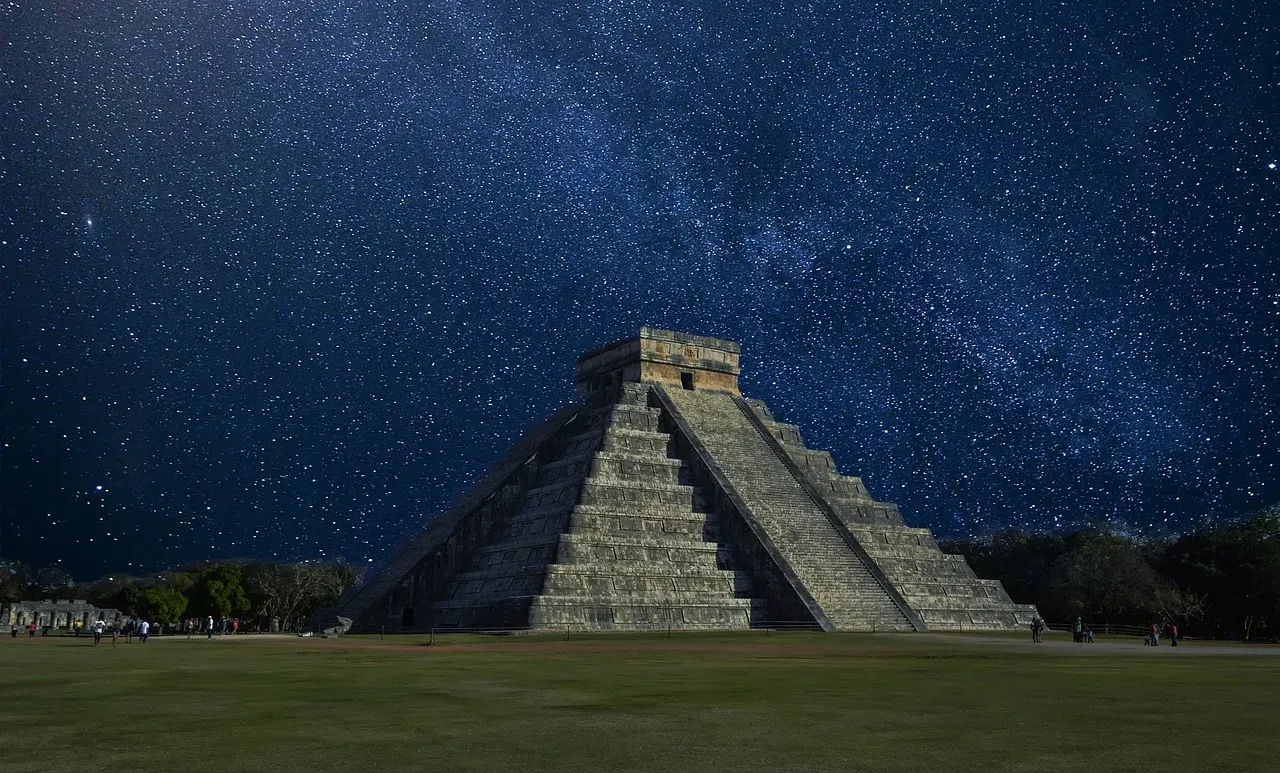
Long before telescopes, ancient sky-watchers tracked the movements of the sun, moon, and planets with a level of dedication that’s hard to imagine from a city lit by billboards and screens. Stone alignments in places like Stonehenge, Nabta Playa, and various Mesoamerican sites are not just pretty circles; they line up with solstices, equinoxes, and lunar standstills with striking accuracy. This required long-term observation, careful recordkeeping, and a mental model of the sky that was surprisingly robust.
In some cases, ancient calendars captured astronomical cycles that modern scientists only formally described centuries or even millennia later. The way certain Mesoamerican cultures tracked the Venus cycle and wove it into ritual calendars, for example, lines up very closely with planetary periods we now calculate using orbital mechanics. We might express it with different math and technology, but the core insight – that the sky runs on repeating, predictable patterns – was already deeply embedded in their worldview.
Ancient Medicine: Folk Remedies That Turned Out To Work

Traditional medicine from Egypt, India, China, Greece, and elsewhere often gets dismissed as superstition in a white lab coat era. Yet, when researchers systematically test some of these old remedies, an uncomfortable number of them hold up. Ancient texts describe herbal mixtures with anti-inflammatory, antimicrobial, and pain-relieving properties that current pharmacology can now measure, isolate, and sometimes refine. In a way, ancient healers were early experimentalists, even if they lacked microscopes and modern trial design.
Take practices like fermented preparations, honey-based wound treatments, or specific plant combinations used for digestion or anxiety. These were not random stabs in the dark; they were the product of observation across generations and communities, weeding out what clearly did not work. Today, a lot of cutting-edge research into new drugs and therapies is circling back to these traditional pharmacopeias, running controlled studies, and finding that the “old wives’ tales” sometimes concealed very real biochemical wisdom.
Earth, Magnetism, And Direction: Navigation Before GPS
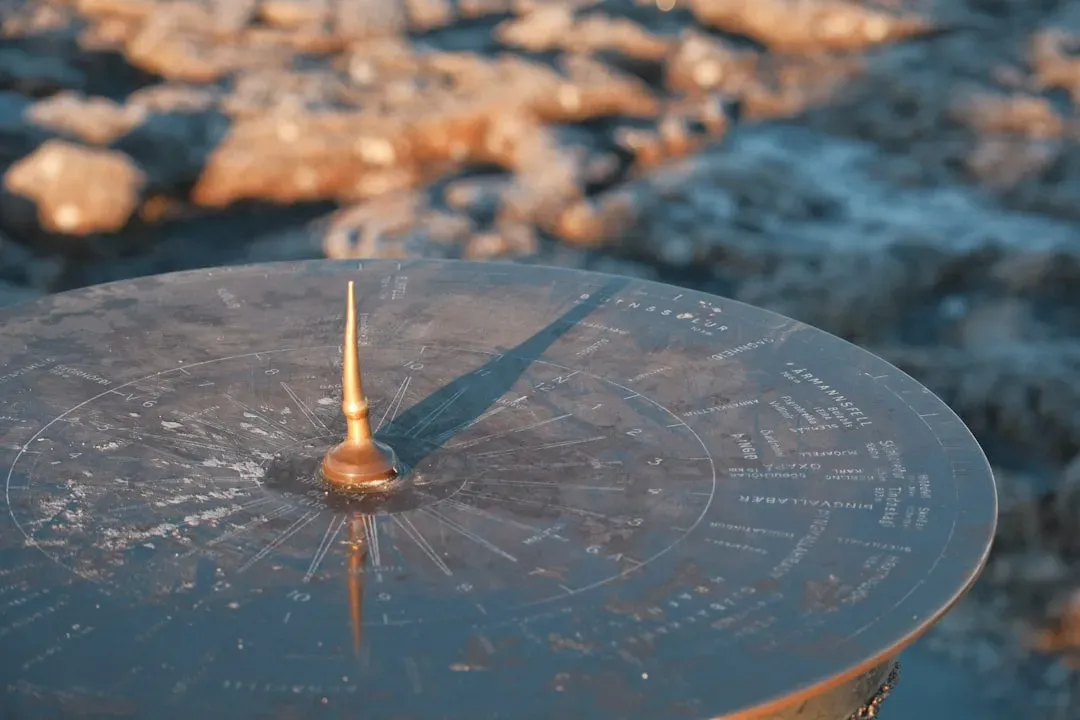
For most of us, navigation now means tapping a screen and following a robotic voice, but ancient travelers crossed oceans, deserts, and forests with tools that look incredibly simple on the surface. Yet behind those tools was a deep grasp of environmental cues: star positions, seasonal winds, currents, animal behavior, and subtle changes in light and temperature. In some regions, there’s evidence of surprisingly early understanding of magnetism through lodestones and basic compasses, long before these concepts were formalized in physics.
Traditional wayfinding methods used by cultures like the Polynesians reveal mental maps that rival a modern navigation app – only the “data” is encoded in stars, swells, clouds, and bird flight patterns. Researchers who train with master navigators often describe it as learning a different operating system for the brain, one that blends pattern recognition, memory, and environmental awareness at a very high level. The science behind it – reading magnetic fields, understanding fluid dynamics, tracking celestial motion – is what we now dissect in labs, but ancient navigators lived it every time they set out on the water.
Mathematics, Measurement, And The Language Of Proportion

When you look at the layouts of ancient cities, temples, and pyramids, a quiet pattern emerges: regular ratios, repeated dimensions, and consistent units that show a deliberate mathematics at work. Civilizations from the Indus Valley to Mesopotamia, Egypt, Mesoamerica, and beyond relied on standardized measures long before anyone wrote down the modern concept of a “metric system.” Their builders used proportionality and scaling so reliably that structures built thousands of years ago still line up with each other and with celestial events.
Many of the mathematical ideas we treat as modern – like basic algebraic thinking, geometric proofs in practice, and even rudimentary forms of calculus-like reasoning – have echoes in these old planning systems. They may not have used the same symbols or notation, but they clearly understood that certain relationships held steady when scaled up or down, and they exploited that for everything from irrigation channels to monumental architecture. In rediscovering their systems, we’re not gifting them math from our supposedly superior vantage point; we’re often translating a language they were already fluent in.
Mind, Ritual, And States Of Consciousness

One of the most surprising areas where ancient knowledge and modern research are converging is the human mind. Practices like meditation, breathwork, rhythmic chanting, and controlled ritual experiences were treated as serious tools for shaping perception and emotion, not just as background religion. Today, neuroscience and psychology are testing some of these same techniques and finding measurable effects on stress, attention, pain tolerance, and even structural changes in the brain over time.
While the surrounding myths and symbols were very different from our clinical language, the core idea – that the mind is trainable, and certain patterns of behavior can reliably alter inner experience – was already embedded in ancient cultures across continents. In some ways, current mental health approaches are circling back to integrate structured breath practices, mindfulness, and communal rituals that look strikingly familiar. We tend to assume that only modern science understands the brain; the evidence suggests ancient people understood the mind’s levers and switches far earlier than we gave them credit for.
A Past That Refuses To Stay “Primitive”
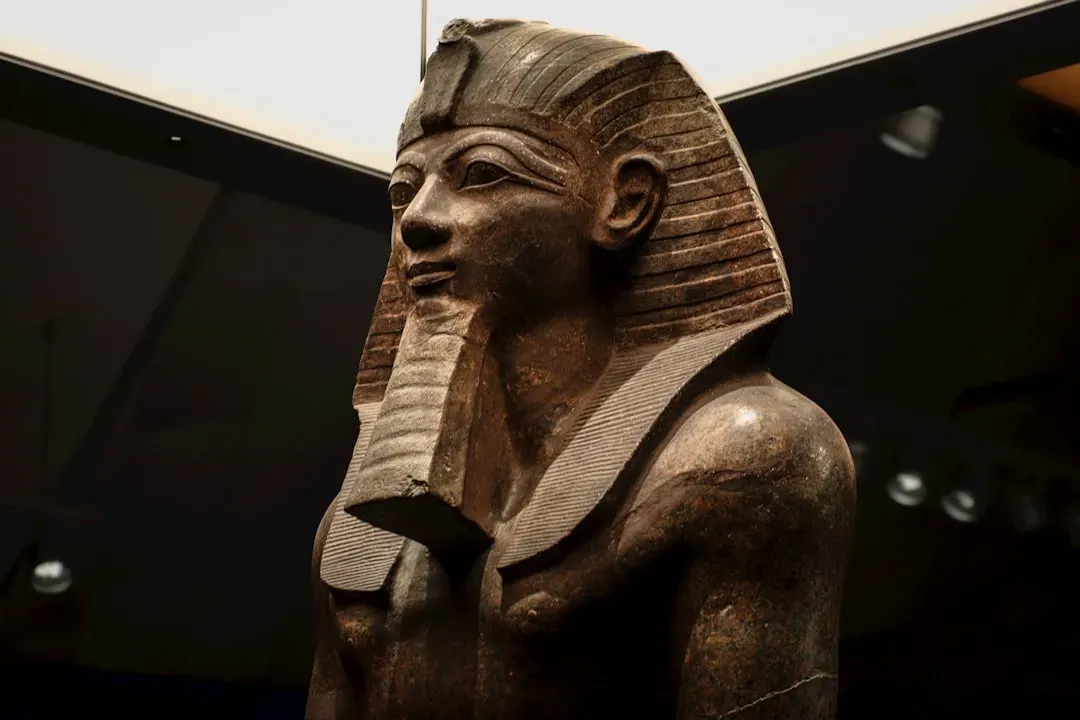
The deeper we dig into the records and ruins of ancient civilizations, the less convincing the old story of linear, one-way progress becomes. Instead of a climb from darkness to light, we see pockets of astonishing clarity, insight, and technical skill that sometimes surpassed what came after them for centuries. Knowledge was gained, refined, scattered, and occasionally forgotten, only to be picked up again by later generations who thought they were starting from scratch.
In engineering, astronomy, medicine, navigation, mathematics, and even the study of consciousness, we’re finding that much of what feels “cutting edge” rests on foundations far older than we realized. That doesn’t diminish modern science or technology; it just reminds us that human curiosity and intelligence have always been there, working with whatever tools were available. Maybe the more honest question is not whether ancient civilizations were advanced, but how much of their wisdom we’re still blind to – what do you think we’ll rediscover next?