
Every day, without you noticing, tiny miracles are happening inside your body. Cells are being repaired, microscopic invaders are being defeated, and injuries you forgot you even had are being quietly cleaned up and rebuilt. We tend to think of healing only when we get a big cut, a broken bone, or a serious illness, but the truth is that your body is constantly in repair mode, even when you feel perfectly fine.
What’s really stunning is how far this self-healing capacity can go when we stop getting in the way of it and start working with it. In the past two decades, research has shown that things like sleep, food, movement, and even our thoughts can nudge our biology in powerful ways. I remember the first time I saw an X-ray of a broken bone fully knitted back together; it felt less like medicine and more like watching a skilled builder quietly restore a damaged house. Once you really see how much your body is trying to protect and repair you, it becomes hard not to feel a bit of awe.
The Skin: Your Everyday Self-Repairing Armor
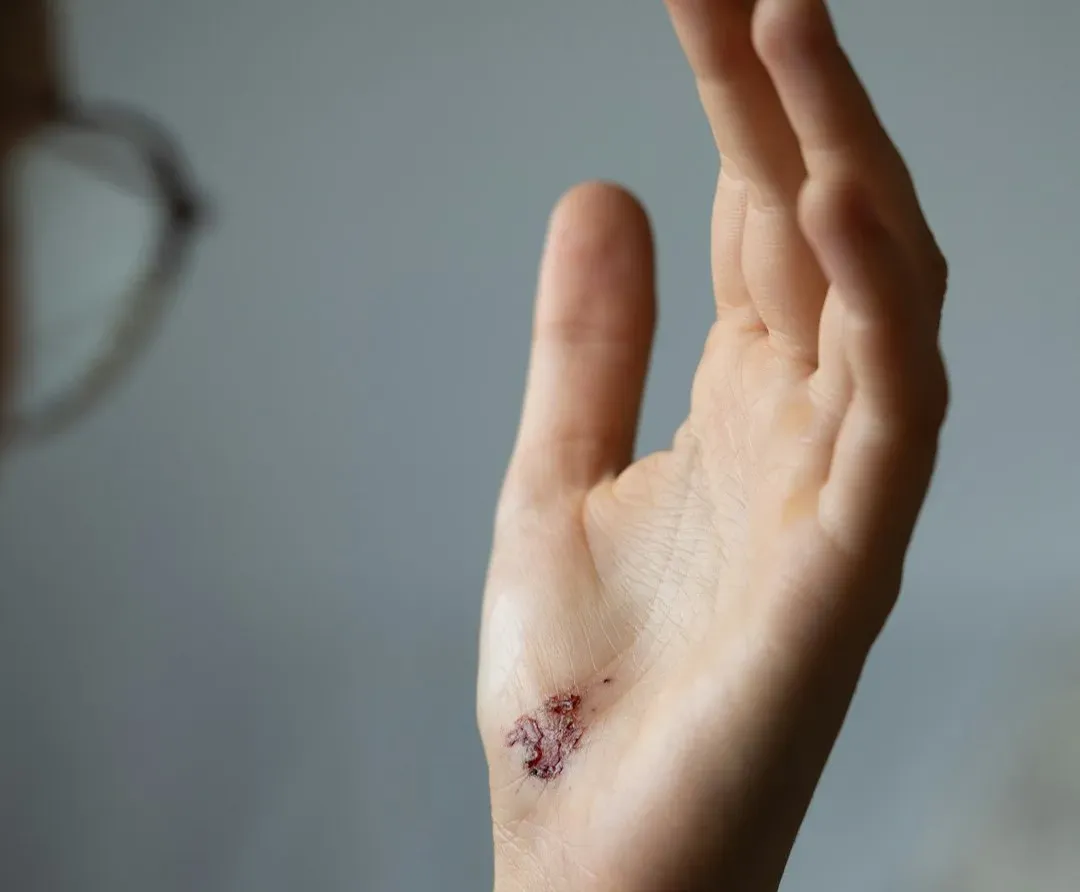
Think about the last time you got a small cut on your finger and just carried on with your day. Within minutes, your blood clotted, a scab formed, and over the next few days, the skin pulled itself back together as if nothing had ever happened. That’s not luck; that’s a tightly choreographed sequence involving clotting factors, immune cells, collagen-producing fibroblasts, and new blood vessels growing like fresh roots to nourish the area. Even when you’re annoyed by a scab or a bit of itchiness, that’s a sign the repair team is on the job.
What’s wild is how much abuse your skin can handle and still regenerate. As long as the damage doesn’t go too deep, the outer layers can be replaced, pigment can even out, and tiny scars can fade with time as collagen is remodeled. Proper nutrition, hydration, and not roasting your skin in the sun give this system better building blocks to work with. It’s a bit like giving a construction crew high-quality materials instead of asking them to rebuild using soggy cardboard. Your skin is proof that healing is not a rare event in your life; it’s your body’s normal daily routine.
Bones That Break and Come Back Stronger
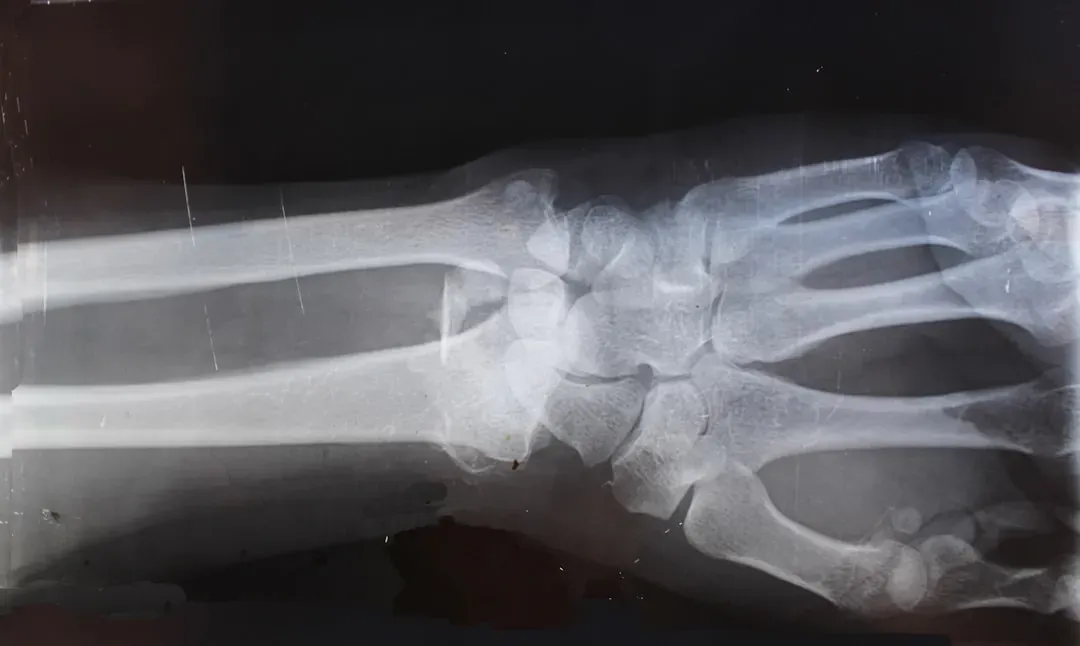
When a bone snaps, it can look and feel like something permanent has been ruined, but biologically, the clock for rebuilding starts almost instantly. First, the body sends in blood and immune cells to clean up damaged tissue, then forms a soft callus made of cartilage and collagen that acts like a natural internal splint. Over weeks and months, specialized bone cells gradually replace that soft callus with hard, mineralized bone. In many cases, the repaired section ends up as strong as, or sometimes even stronger than, the original spot.
What’s impressive is how much your behavior can influence this process. Weight-bearing movement, once your doctor clears it, signals bones to adapt and reinforce themselves, like a bridge that thickens its supports when traffic increases. On the other hand, long stretches of immobility tell your bones that they’re not needed, so they start losing density. Adequate protein, calcium, vitamin D, and resistance exercises can stack the odds in favor of strong recovery. If you’ve ever gone from an X-ray showing a fracture to one showing a smooth, solid line of healed bone, you’ve witnessed one of the most tangible examples of your body rebuilding itself.
The Liver: The Regeneration Champion
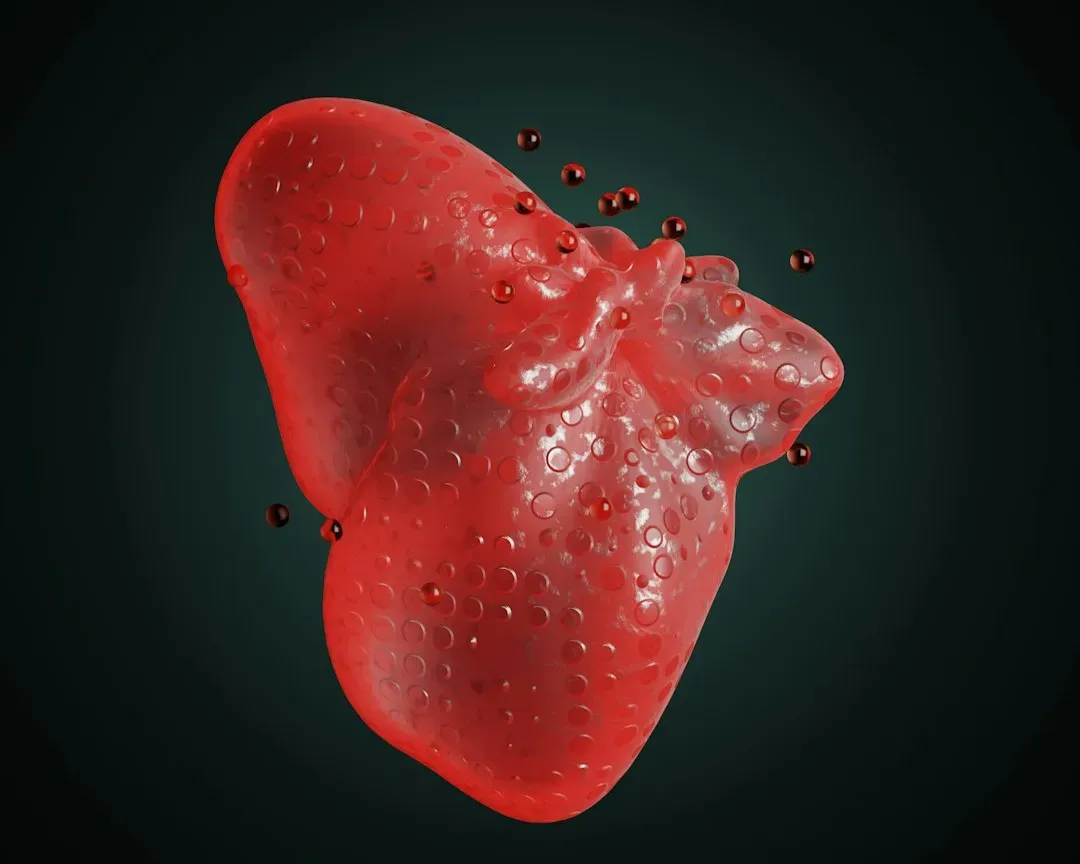
The liver is one of the most underrated heroes in the body, quietly filtering toxins, processing nutrients, and managing hormones. What many people don’t realize is that it’s also the organ with probably the most impressive regenerative power. If a portion of healthy liver tissue is lost or surgically removed, the remaining part can grow back toward its original size through cell division and remodeling. This doesn’t mean a brand-new organ magically appears, but the existing liver can expand its capacity in a way that would sound like science fiction if we weren’t so used to it.
However, just because the liver can regenerate doesn’t mean it’s indestructible. Chronic heavy drinking, long-term exposure to certain toxins, viral infections, and very fatty diets can overwhelm its repair systems and lead to scarring. Scar tissue, or fibrosis, is much harder to reverse, and in advanced stages it can turn into cirrhosis, where function is severely limited. The encouraging side is that reducing alcohol, improving diet, and treating underlying conditions can allow still-healthy liver cells to rebound. The liver’s ability to bounce back is like a friend who forgives a lot, but not forever, so the earlier you give it a break, the more it can help you.
The Immune System: Invisible Battles and Silent Victories
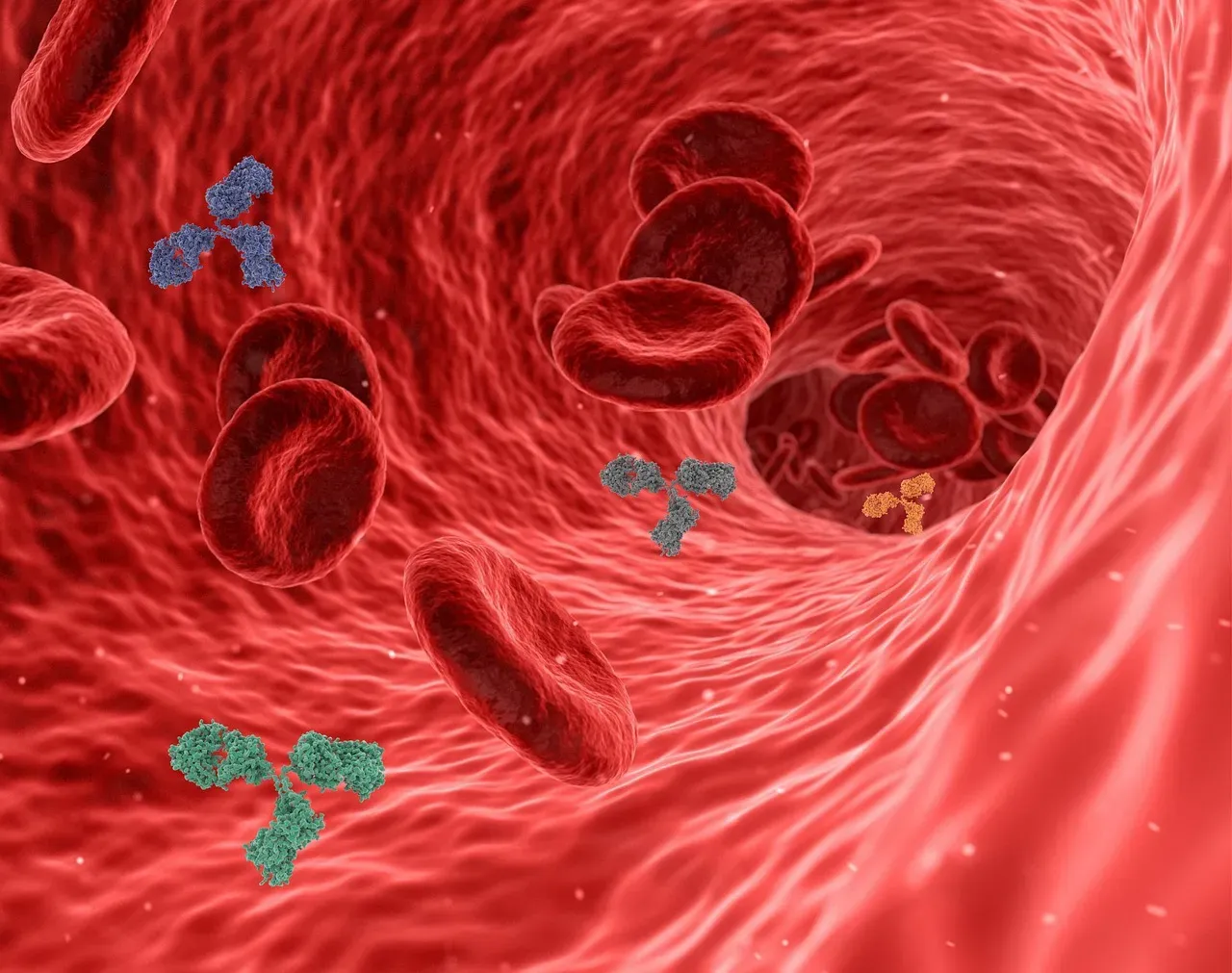
Every day, your immune system is waging countless tiny battles you never feel or see. Bacteria on your skin, viruses in the air, and abnormal cells that pop up from everyday DNA copying errors all get scanned, tagged, and, if needed, destroyed. White blood cells patrol like neighborhood guards, antibodies recognize familiar threats from past infections or vaccines, and inflammation acts as an alarm system calling in reinforcements. When everything works smoothly, you stay healthy and barely notice that anything happened at all.
What’s truly fascinating is that your immune system learns from experience and can refine its response over time. Vaccines essentially train it like a rehearsal before a real performance, so when the actual pathogen appears, your body already knows the moves. On the flip side, when the system gets confused, it can overreact to harmless things like pollen, or even attack your own tissues in autoimmune diseases. That’s where lifestyle choices like sleep, stress management, and diverse nutrition come in, because they support a more balanced immune response. It’s not about “boosting” everything blindly; it’s about helping your internal defense team distinguish friend from foe more accurately.
Repairing the Brain and Rewiring the Mind
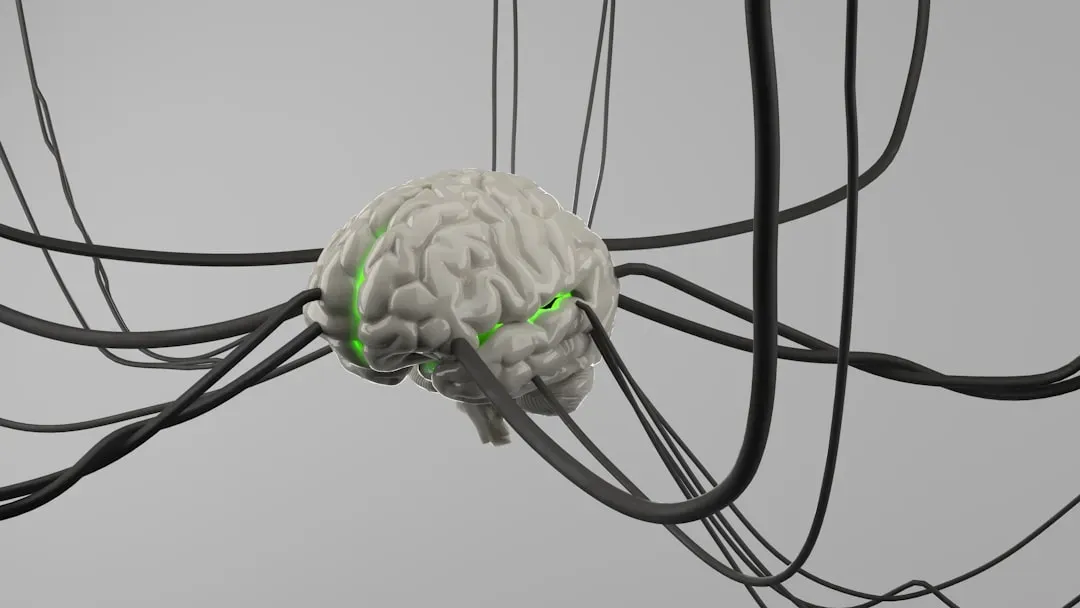
For a long time, people believed that once brain cells were damaged, the story was over. We now know that, while the brain is delicate, it’s also far more adaptable than previously thought. Certain areas can generate new neurons, and the brain as a whole can rewire itself by strengthening or weakening connections between existing cells. After strokes or injuries, many patients relearn skills through therapy because the brain reroutes functions to healthier areas in a process known as plasticity. It’s not magical, and it has limits, but it’s real and observable.
This capacity for change shows up not only in physical recovery but also in how thoughts and habits reshape the brain over time. Practicing a musical instrument, learning a new language, or even consistently working with a therapist can leave measurable changes in brain structure and function. On the flip side, chronic stress, sleep deprivation, and isolation can push the brain in the opposite direction, reinforcing circuits that keep us tense or low. I’ve personally felt how a regular routine of walking outside and journaling pulled me out of a mental fog after a rough period; it wasn’t instant, but over weeks, it felt like my brain was quietly making new paths. The mind is not just a passenger; it’s part of the steering system of your healing.
The Gut and Microbiome: Healing With a Little Help From Our Tiny Tenants
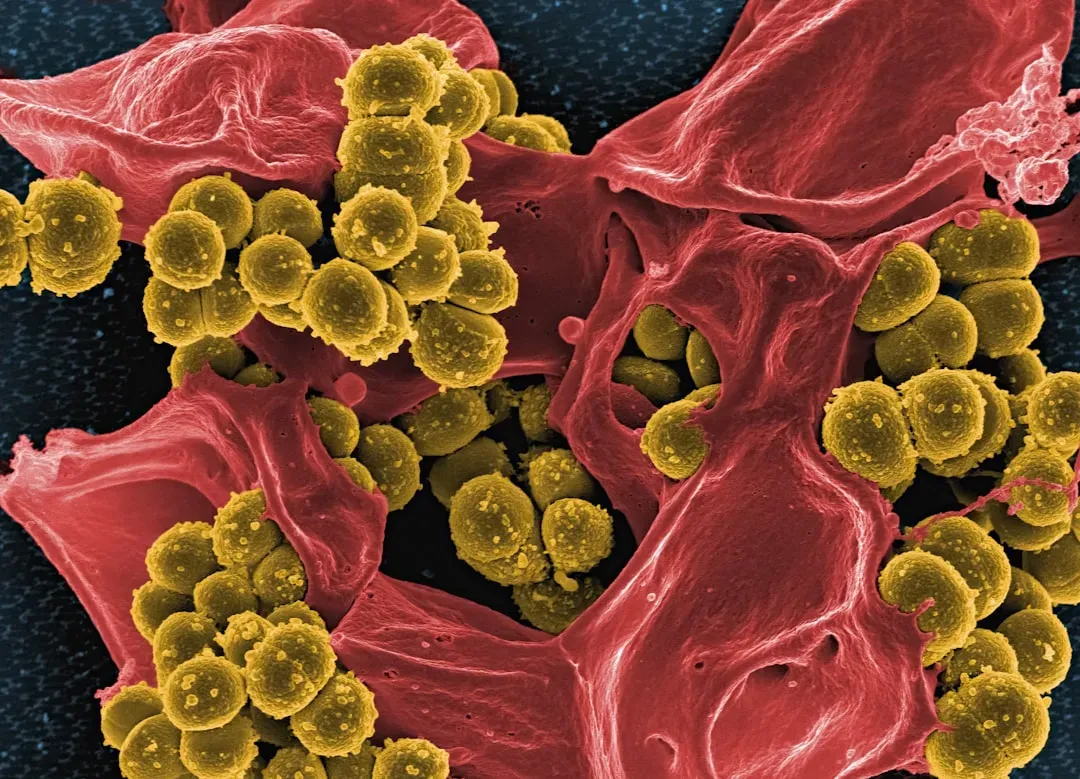
Inside your digestive tract lives a sprawling community of bacteria, viruses, and fungi that weighs roughly as much as a small piece of fruit but influences nearly every system in your body. These microbes help break down food, make certain vitamins, train the immune system, and even produce signaling molecules that talk to the brain. When the gut lining is damaged by infections, harsh medications, or poor diet, it has to repair itself quickly because it sits at the boundary between the outside world and your internal environment. The cells lining your intestines are replaced frequently, like tiles being regularly swapped on a well-used floor.
The balance of your gut microbes can tilt healing in a positive or negative direction. Diets rich in fiber from vegetables, fruits, legumes, and whole grains tend to feed beneficial bacteria that produce short-chain fatty acids, which support gut lining repair and reduce unnecessary inflammation. Highly processed foods, excess sugar, and frequent antibiotics can shift the microbial balance in ways that may strain the system. Many people notice that when their digestion settles and their gut feels calmer, their energy and even mood improve as well. It’s a good reminder that healing is rarely happening in one isolated spot; it’s more like an ecosystem getting back into balance.
The Role of Rest, Stress, and Lifestyle in Self-Healing

Even the most powerful healing systems in your body need the right conditions to do their job. Sleep, for example, is when your brain clears out metabolic waste, your hormones rebalance, and tissues repair after the small wear and tear of daily life. Chronic stress, on the other hand, keeps your body in a low-level emergency mode, redirecting energy away from long-term maintenance and toward short-term survival. Over time, that can slow healing, weaken immune responses, and make pain feel worse.
What’s encouraging is that relatively small lifestyle changes can sometimes have outsized effects on your body’s natural repair efforts. A consistent sleep schedule, a bit of regular movement, more whole foods and fewer ultra-processed snacks, time outdoors, and supportive social connections all send a quiet signal of safety to your nervous system. That sense of safety allows your body to shift from constant defense into deeper restoration. I’ve noticed that when I finally unplug, eat something that actually grew in the ground, and go to bed on time for a few nights in a row, I feel different in a way that no supplement has ever matched. Your body is ready to heal more often than you realize; it just needs you to stop pulling the emergency alarm all the time.
Working With, Not Against, Your Built-In Healing Power

When you step back and look at everything your body is quietly fixing, cleaning, and rebuilding, it’s hard not to feel a bit of respect for it. Cuts close, bones knit, the liver regenerates, the brain rewires, and your immune system keeps a constant watch, usually without you even noticing. These systems are not perfect, and they all have limits, but they’re far more capable and adaptable than many of us were taught growing up. Healing is not a rare exception reserved for dramatic medical stories; it is your body’s everyday setting.
You can’t control everything, and no amount of positive thinking will magically fix every illness or injury, but you do have more influence than it might seem. The basics that often sound boring – sleep, movement, real food, stress reduction, meaningful connection – are actually the levers that help your internal repair teams do their best work. Instead of seeing your body as something fragile that constantly lets you down, it can be powerful to see it as an ally that is always trying to move you back toward balance. With that in mind, the real question becomes: how much more could your body heal if you started truly working with it instead of fighting against it?