
Across the Americas, there are ruins that feel less like leftovers from the past and more like open questions carved in stone. You can read the plaques, listen to the guides, browse all the documentaries, and yet… a handful of details stubbornly refuse to make sense. The result is a strange mix of awe and frustration: we know enough to be amazed, but not enough to feel satisfied.
Some of these places are massive cityscapes, others are isolated towers or lonely mounds in the forest. They stretch from the Arctic circle to the Andes, built by cultures that rose, flourished, and vanished long before Europeans ever appeared. Archaeologists have done incredible work untangling their histories, but key puzzles remain: How were they built so precisely? Why were they aligned the way they are? What beliefs shaped them? Let’s walk through ten of the most baffling examples – and see why, even in 2026, they still refuse to give up all their secrets.
1. Teotihuacan’s Pyramids
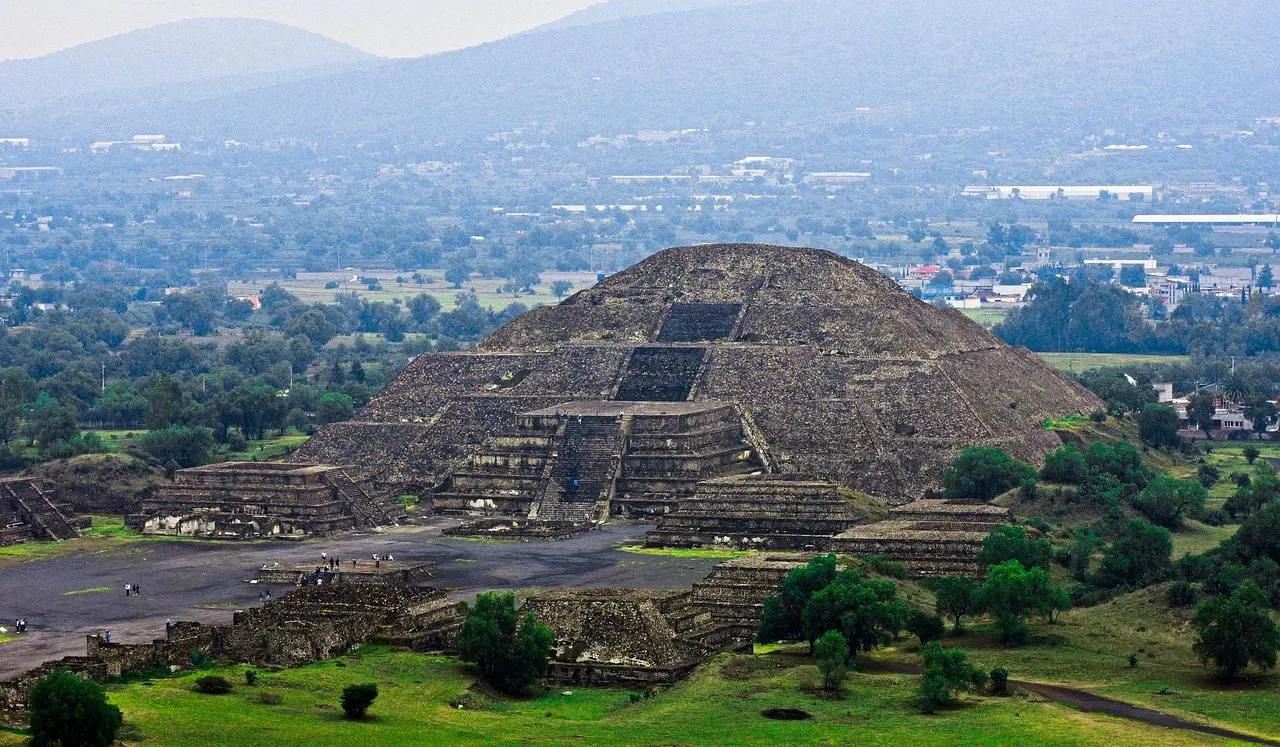
Stand on the Avenue of the Dead in Teotihuacan and it feels like you’ve walked into a lost blueprint for a mega-city. The Pyramids of the Sun and the Moon dominate the landscape with a scale that’s hard to wrap your head around, especially when you remember they were built without metal tools, the wheel for transport, or draft animals. Archaeologists have identified apartment compounds, workshops, and sacred spaces, but they still argue about exactly who ruled this place and how its society was organized at its peak.
The layout of Teotihuacan deepens the mystery: its central avenue is offset from true north, and some researchers see astronomical patterns in its alignments and distances, possibly tied to planetary cycles or the movement of the sun. Others warn that humans are very good at seeing patterns even when they’re not really there. Under the Pyramid of the Sun, tunnels and chambers have been found, including offerings of jade, obsidian, and even liquid mercury in other nearby complexes, suggesting elaborate rituals we only partially understand. For a city that once may have housed tens of thousands of people, its original name and language still remain unknown.
2. Machu Picchu
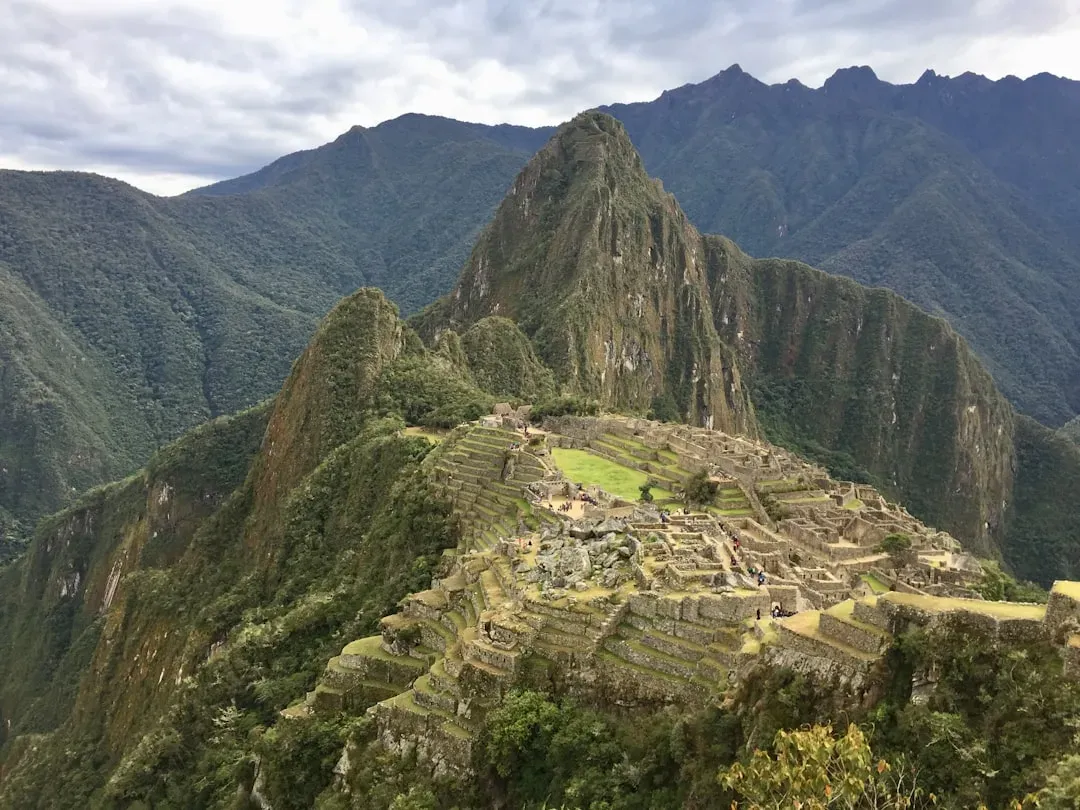
Machu Picchu gets so many tourists that it can feel more like a postcard than a puzzle, but beneath the selfie spots there’s still a lot that baffles experts. The Inca carved terraces into the mountain to farm at high altitude, and they fitted stones together so perfectly that you can’t slip a blade of grass between them. Yet this mountaintop estate, likely built in the fifteenth century and later abandoned, never shows up in Spanish colonial documents in a clear, indisputable way, leaving a frustrating silence in the written record.
Debate continues about why it was built in such a remote, spectacular location. Some archaeologists think it was a royal retreat; others see it as a ceremonial or pilgrimage center linked to sacred mountains and the course of the sun. The site is laced with astronomical alignments: certain windows capture solstice light, and carved stone features seem to echo the shapes of surrounding peaks. Underneath all that stonework lies an intricate system of drains and foundations designed to anchor the city on a ridge that would otherwise be prone to landslides. We can describe how it works, but the thought process that led Inca engineers to such precise solutions is still partly hidden from us.
3. Chaco Canyon’s Great Houses
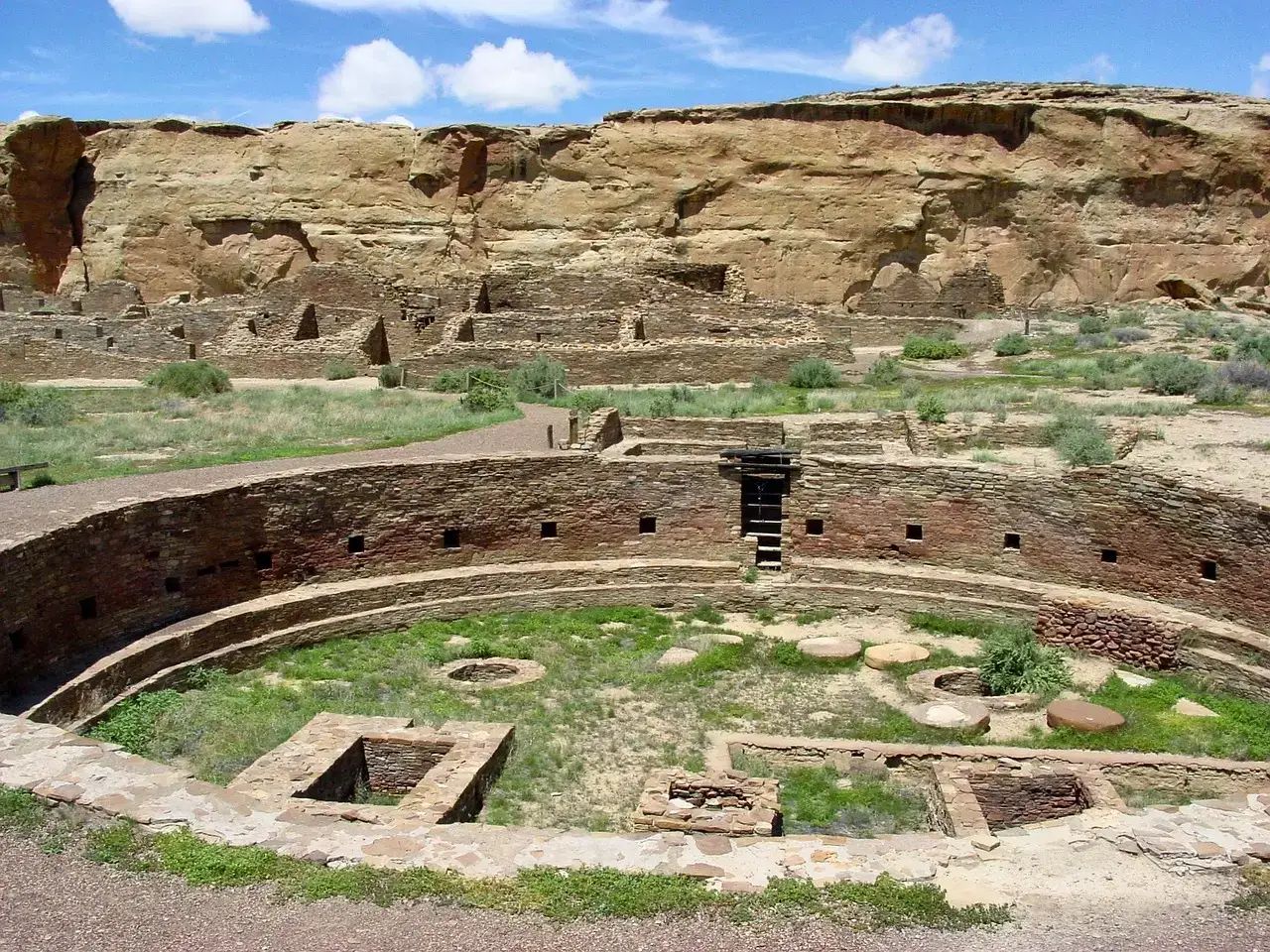
Deep in the high desert of what is now New Mexico, Chaco Canyon looks at first like the remains of a quiet settlement. Then you get close to the so‑called Great Houses – multi-story complexes like Pueblo Bonito – and the scale hits you. These were enormous buildings with hundreds of rooms, built in stone with carefully planned layouts and thick walls, constructed over generations by ancestral Pueblo peoples. The real puzzle is why such an intense building effort happened in a place with limited water and challenging agriculture.
Researchers have discovered that roads radiate out from Chaco, some astonishingly straight for many kilometers, and that certain buildings are aligned with solar and lunar cycles in precise ways. This has led to ideas that Chaco was more of a ceremonial or political hub than a typical town, drawing people in seasonally rather than housing huge permanent populations. There’s also evidence of cacao and exotic feathers arriving from far to the south, suggesting wide trade networks. Yet we still do not fully understand how authority was organized or why, after centuries of investment, the center was eventually abandoned and activity shifted elsewhere.
4. The Nazca Lines
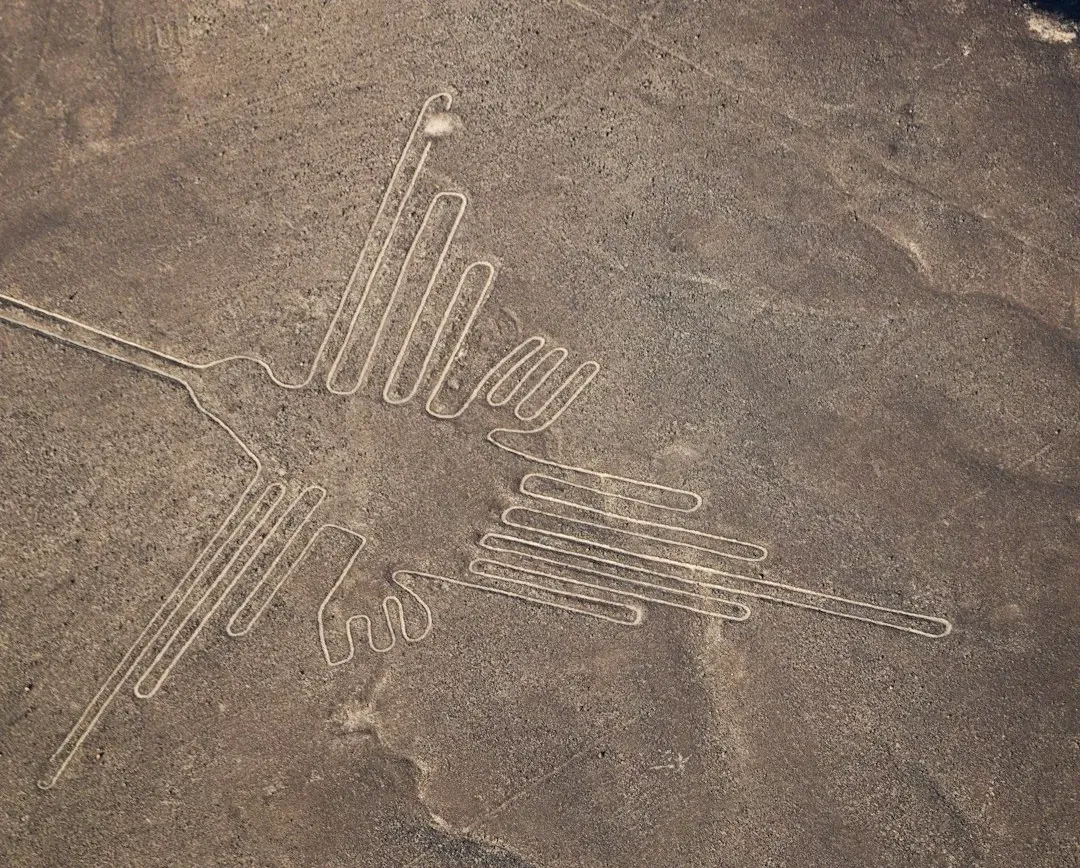
The Nazca Lines are one of those things that feel almost unreal until you see aerial photos: immense figures of animals, plants, and geometric shapes etched into the coastal desert. On the ground, many of them are barely visible; from above, they’re unmistakable. The lines were made by removing the dark surface stones to reveal lighter soil beneath, and they’ve survived for centuries thanks to the region’s extreme dryness and lack of wind. Archaeologists generally agree the Nazca culture created them between roughly one and six centuries after the start of the common era, but their exact purpose is still fiercely debated.
Some scholars see processional paths and ritual walkways tied to water sources in a harsh environment; others emphasize astronomical alignments, with certain lines pointing to horizon positions of the sun or specific stars. Not every proposed alignment holds up under scrutiny, though, which keeps the debate lively. The animal figures, such as hummingbirds and monkeys, probably held symbolic meanings tied to myths and fertility, but we lack direct written explanations. The result is a kind of massive desert canvas where we have the brushstrokes, but not the legend that explains the scene.
5. Tiwanaku and Puma Punku
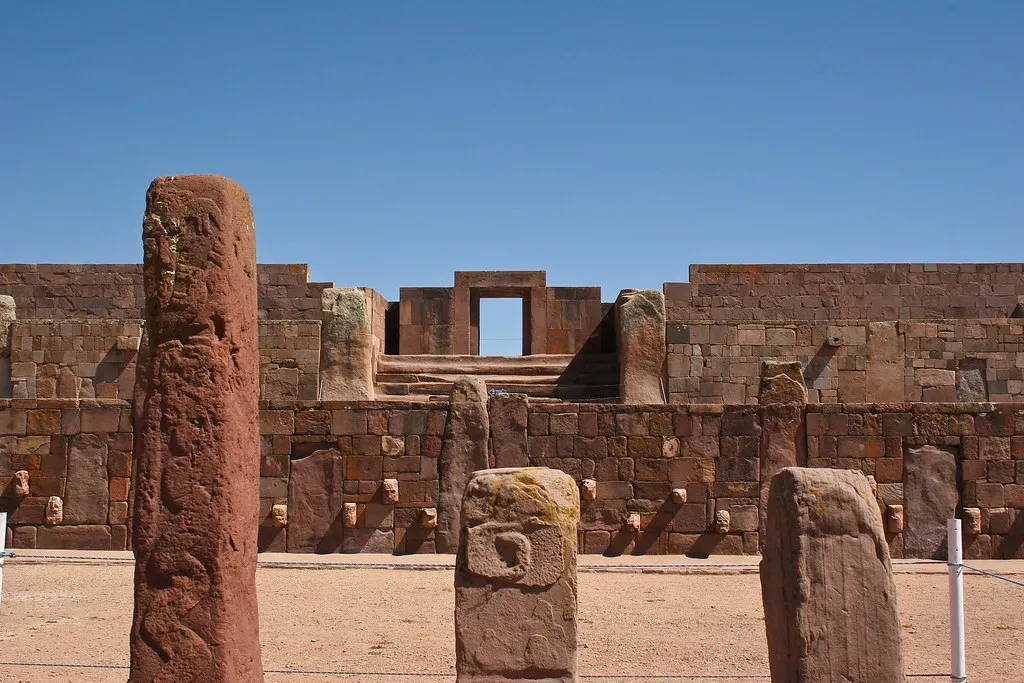
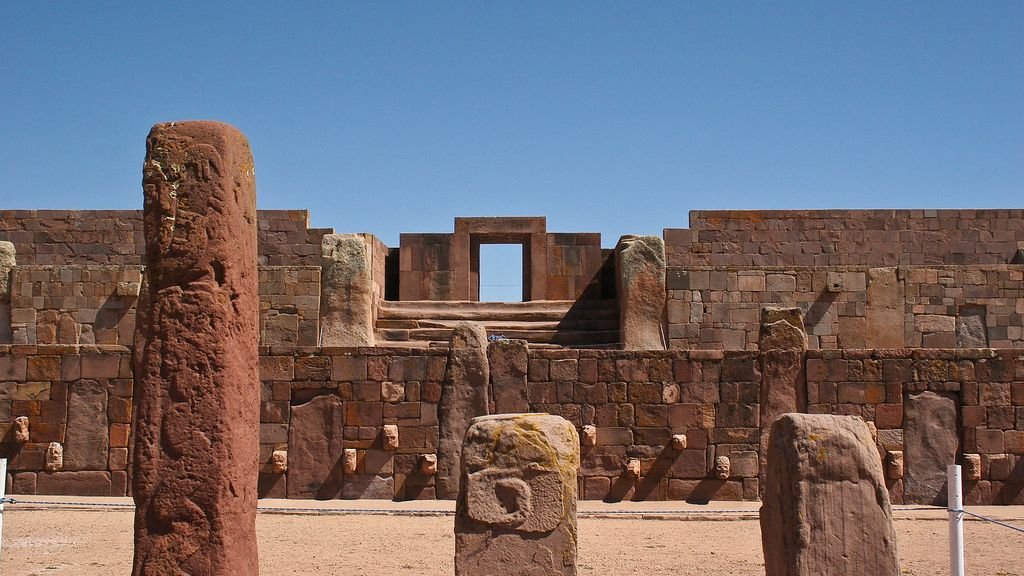
On the southern shore of Lake Titicaca, the ruins of Tiwanaku hint at a powerful civilization that flourished long before the Inca. Its monumental gateways, sunken courts, and carved stone heads suggest a complex religious and political center. Nearby, the site of Puma Punku has become especially famous – and controversial – for its oddly precise stone blocks. Some of these andesite and sandstone pieces feature sharp cuts, interlocking shapes, and carved grooves that look almost machine-made to the modern eye.
Archaeologists attribute this craftsmanship to skilled stonemasons using stone and metal tools, abrasion techniques, and a lot of time and labor, not to lost advanced technology. Still, the exact construction process and how the builders handled and positioned such massive blocks at high altitude remain only partly understood. Tiwanaku’s influence stretched across parts of the Andean highlands, but there is still disagreement about how its society functioned and whether it was a centralized empire or a looser network. To make matters more confusing, Spanish chroniclers wrote about the area centuries after its peak, when local knowledge had already transformed into legend.
6. Cahokia’s Monks Mound
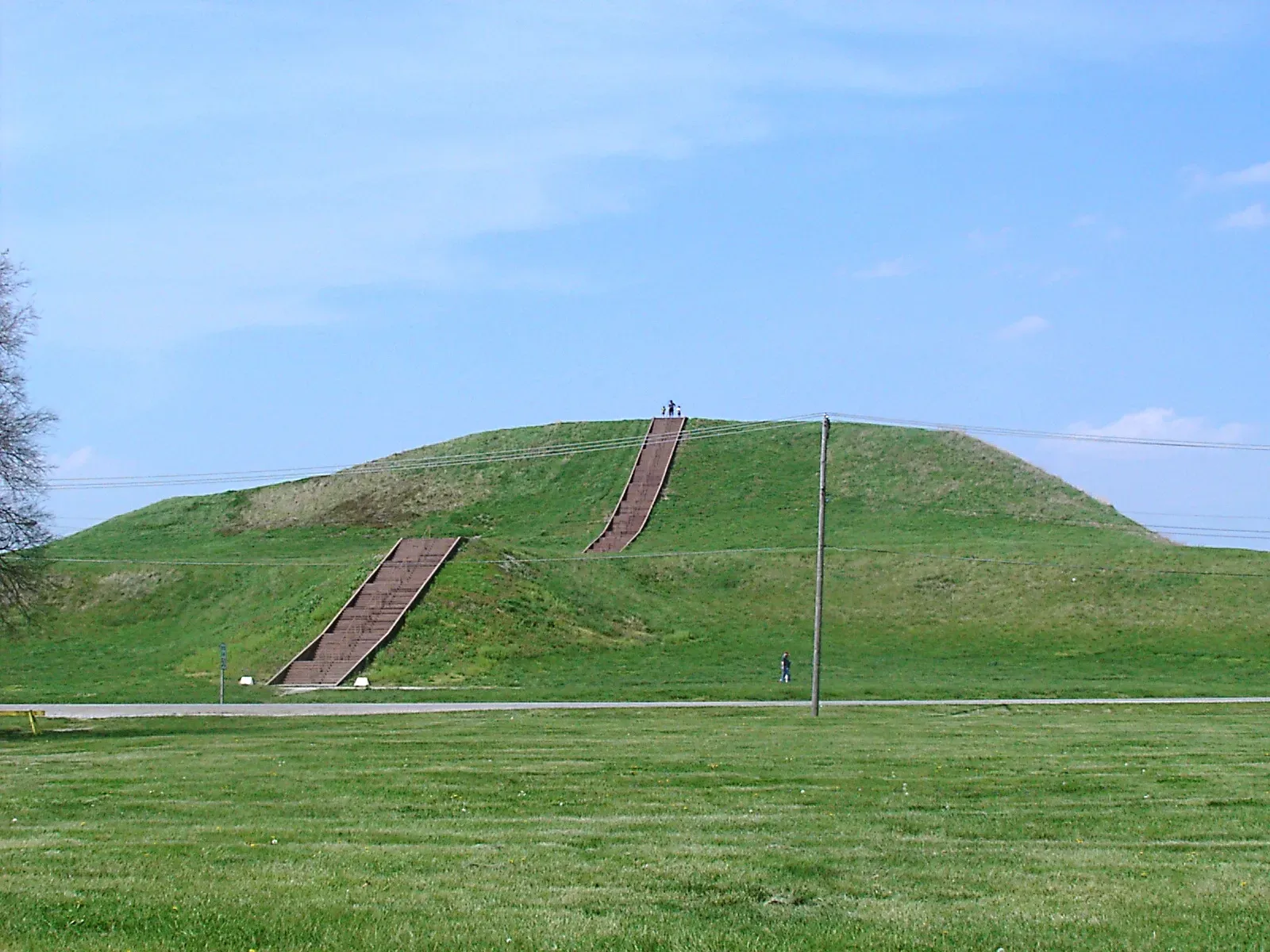
Just across the Mississippi River from modern St. Louis, the ancient city of Cahokia overturns the old stereotype that North America lacked big, complex societies before European contact. At its heart stands Monks Mound, a massive earth platform larger at its base than the Great Pyramid of Giza. Built by the Mississippian culture roughly a thousand years ago, the mound was raised in stages with carefully chosen soils, and likely supported important buildings or a ceremonial complex on top. The effort required to move all that earth without beasts of burden is mind-boggling.
Cahokia once had plazas, neighborhood mounds, and a wooden circle structure some call a “woodhenge” because of its apparent solar alignments. Archaeologists have found evidence of social hierarchy, long‑distance trade, and ritual activity, including Mass graves that hint at human sacrifice. Yet we still do not fully understand why Cahokia rose so suddenly or why it declined after only a few centuries. Environmental stress, political turmoil, disease, or social upheaval have all been suggested, but no single explanation fits neatly. For many visitors, the biggest surprise is that such a large and sophisticated city existed in what is now the American Midwest, and that it’s still not widely known.
7. The Olmec Colossal Heads
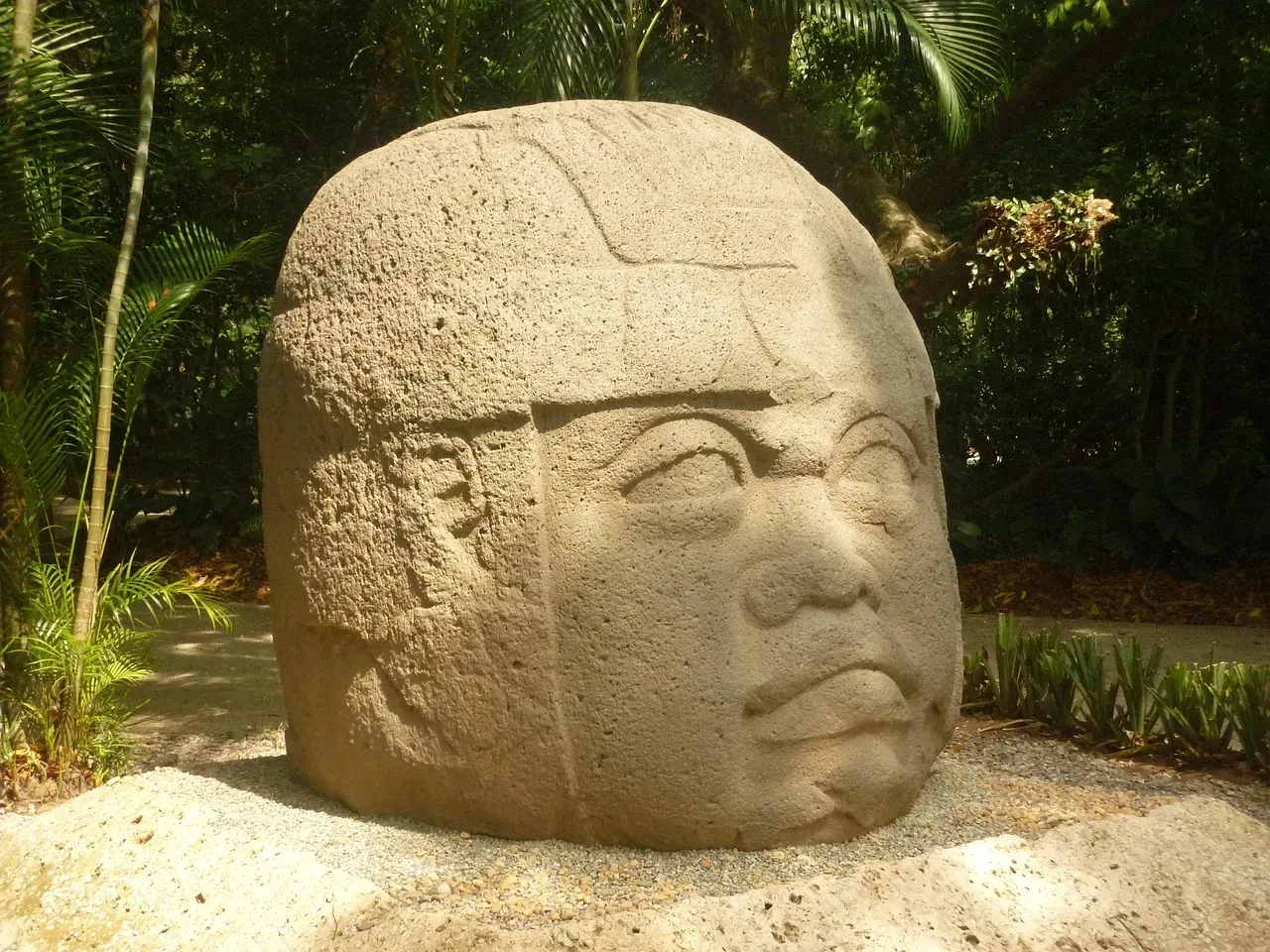
In the tropical lowlands of the Gulf Coast, the Olmec civilization left behind some of the most striking sculptures in the ancient Americas: enormous stone heads that can weigh many tons and stand taller than a person. Each head has a distinct face, with individualized features and headgear, leading many archaeologists to suspect they represent rulers or important individuals. The logistics alone are impressive – the basalt used for these heads often came from distant quarries, meaning it had to be moved long distances without wheeled vehicles.
The mystery is partly about identity and partly about symbolism. The Olmec are often called a foundational culture for later Mesoamerican civilizations, but they left no deciphered writing explaining their beliefs, political structure, or how exactly these heads fit into their rituals. Some heads were deliberately buried or repositioned, hinting at changing meanings over time. We can trace influences of Olmec art and iconography in later cultures, yet the faces on the colossal heads still stare back at us without a clear story. Looking at them feels like overhearing a conversation in a language you almost, but not quite, recognize.
8. Sacsayhuamán Fortress Walls
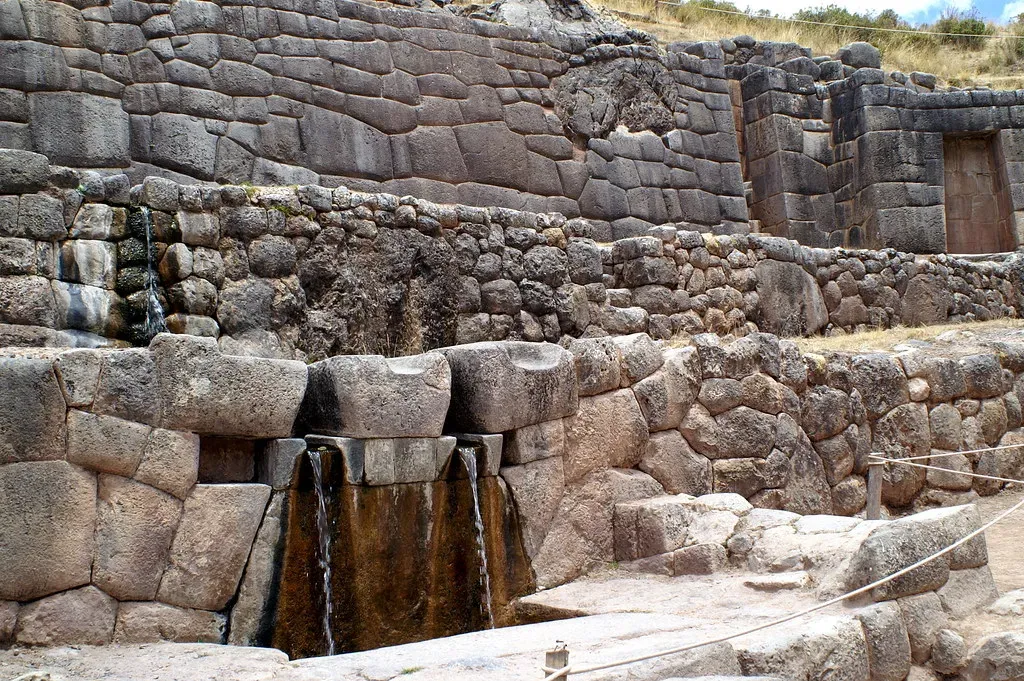
Above the city of Cusco, the zigzag walls of Sacsayhuamán look like something from a fantasy movie: enormous polygonal stones fitted together so tightly that many visitors comment on the lack of visible mortar. Some of the stones weigh dozens of tons, shaped with multiple angles that lock into neighboring pieces like a three‑dimensional jigsaw puzzle. The conventional view is that Inca engineers used a mix of stone hammers, abrasion, and patient trial and error to achieve this fit, but the exact workflow is still being studied.
The site itself likely served both ceremonial and defensive roles, overlooking what was once the Inca capital. During the Spanish conquest, a major battle was fought here, and later many stones were removed for building projects in the growing colonial city below, leaving gaps in the original layout. The astonishing precision of the remaining walls, especially given the lack of iron tools, keeps provoking new research and, inevitably, wild outsider theories. What we do know is that the design has proven resilient in a seismically active region, surviving earthquakes that toppled later, more conventional masonry nearby.
9. Palenque’s Temple of the Inscriptions
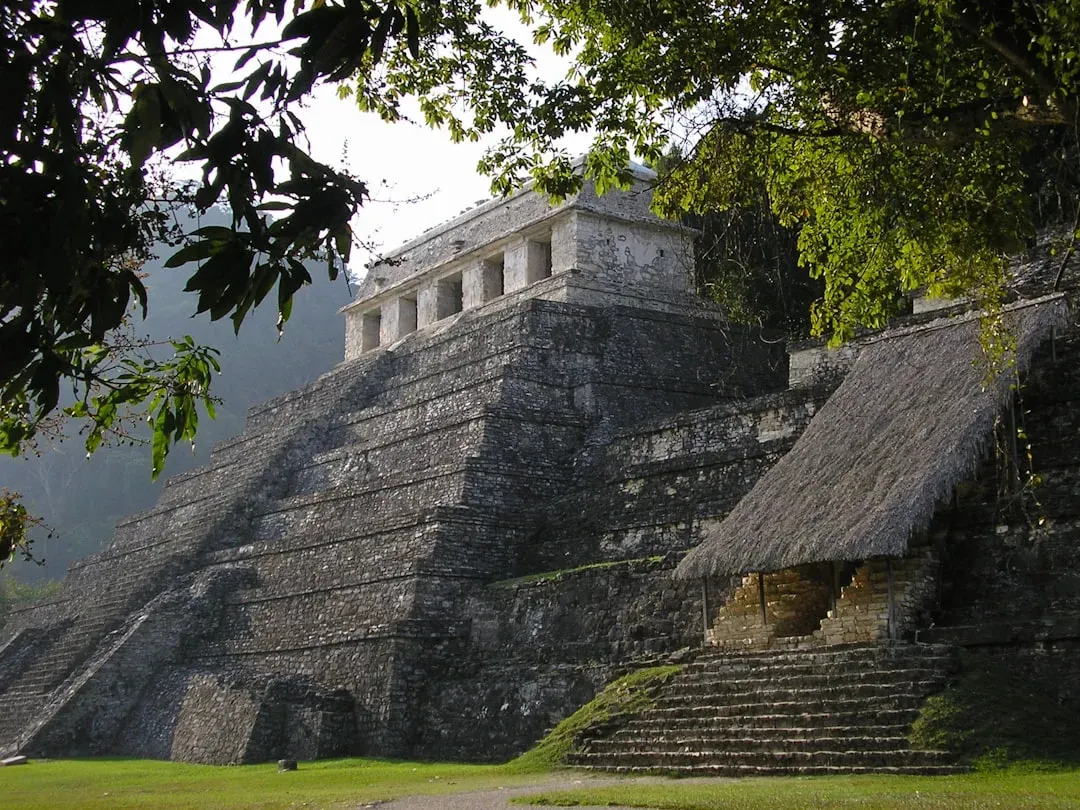
Deep in the jungles of Chiapas, the Maya city of Palenque hides one of the most intriguing structures in Mesoamerica: the Temple of the Inscriptions. This stepped pyramid looks like a classic temple from the outside, but inside it contains a long, narrow stairway leading down to an elaborate burial chamber. The tomb, discovered in the twentieth century, belonged to a ruler now known from inscriptions, surrounded by carved stone, offerings, and rich symbolism. It completely changed scholars’ understanding of Maya temples and royal burials.
Even with the inscriptions partly deciphered, there are still open questions about some of the imagery and architectural choices. The temple’s design blends political messaging, cosmology, and ancestor veneration in a way that’s still being unpacked. The Maya had an incredibly sophisticated writing and calendar system, but many texts were destroyed in the colonial period, and not all of the remaining glyphs are fully understood. That leaves researchers constantly cross‑checking architecture, art, and surviving texts in an effort to reconstruct the mindset behind buildings like this. For visitors, the combination of dense rainforest, echoing stone chambers, and partially decoded messages feels both thrilling and incomplete.
10. The Mystery Towers of the Chankillo Solar Observatory
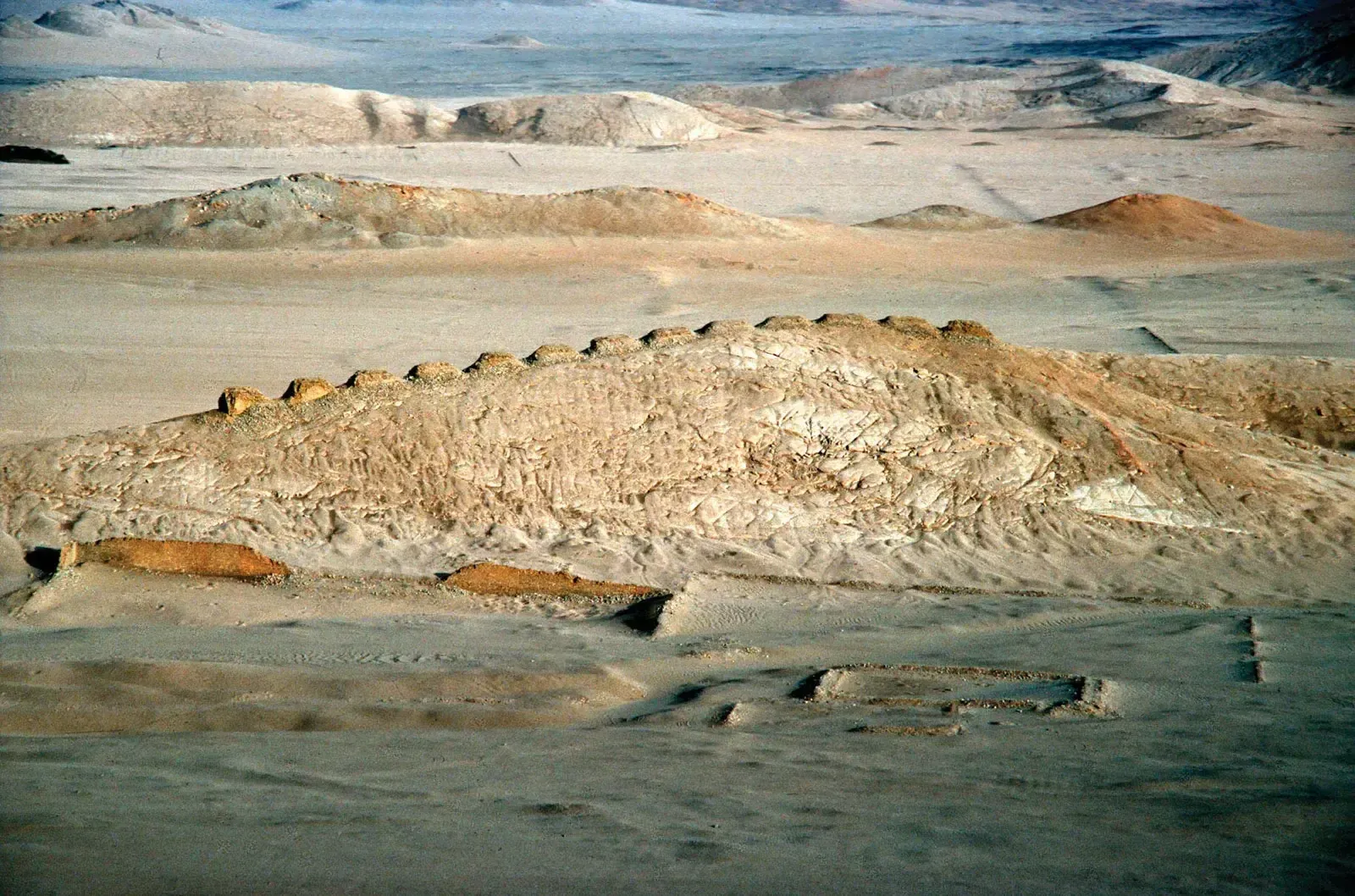
In the coastal desert of Peru, the little‑known site of Chankillo has rapidly gained attention in recent years as one of the oldest known solar observatories in the Americas. Thirteen stone towers span a ridge, and when viewed from specific observation points, the sun rises and sets between these towers over the course of the year. This allowed ancient observers to track the solar calendar with remarkable accuracy long before European contact, guiding agricultural or ritual activities. The very existence of such a planned astronomical installation speaks to a sophisticated understanding of the sky.
What remains mysterious is the broader cultural and political context behind Chankillo. The people who built it did not leave surviving written records, and the site shows signs of fortifications and possible conflict, suggesting a world where control over time and ritual may have been tightly linked to power. Archaeologists are still debating exactly how the observatory, nearby structures, and surrounding landscape fit together as a social system. Some see Chankillo as a specialized ceremonial center; others suspect a more complex community with layers of daily life we have not yet fully detected. In a way, it’s like finding a perfectly working clock without the instruction manual for the house it once regulated.
The Ancient Structures that Survived Thousands of Years
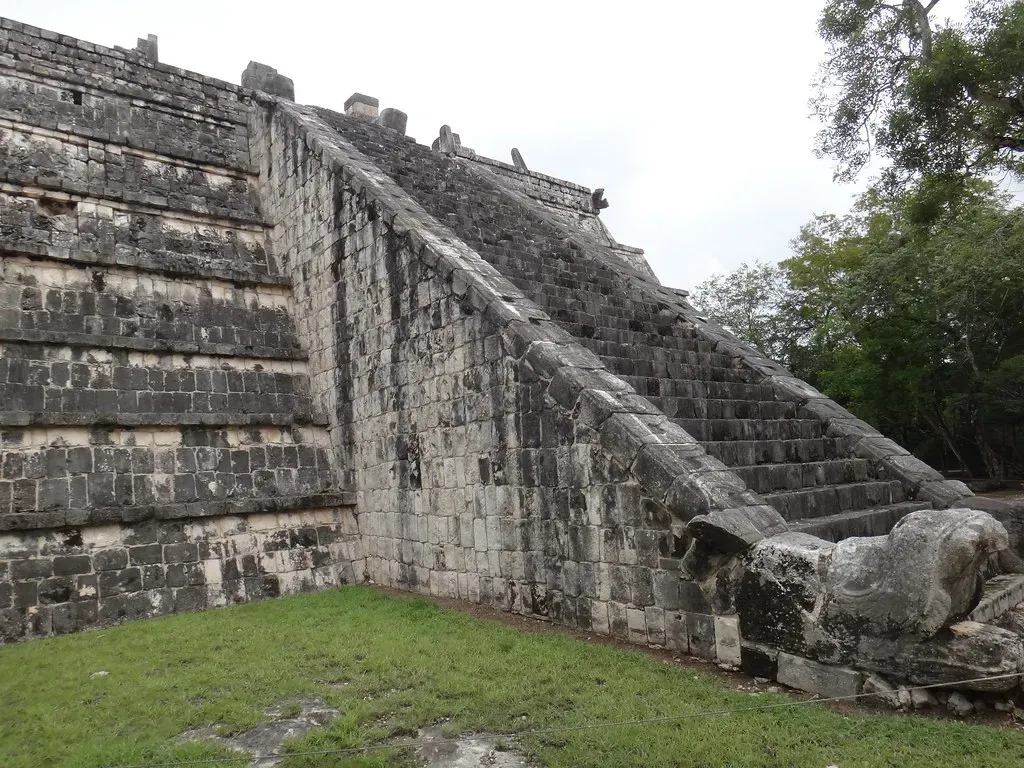
From desert geoglyphs to jungle pyramids, these ancient American structures feel like messages that survived while the keys to fully reading them were lost. Archaeologists can measure, date, and analyze them in countless ways, and their work has cleared away a lot of old myths. Yet the most haunting questions – about meaning, motivation, and lived experience – often sit just beyond our reach. That tension between what we know and what we still don’t is exactly what keeps these places so compelling.
When you walk among these ruins, you’re not just looking backward; you’re bumping up against the edges of present-day knowledge. Each stone, mound, and carved line is proof that complex ideas thrived here long before modern borders and narratives. Maybe the real puzzle is not only how these structures were built, but why it took us so long to truly see them. If you could ask the builders a single question, what would it be?