
You might not realize it, but your home is constantly broadcasting signals to the outside world. Some of those signals are more like open invitations to unwanted guests. The smells wafting through your kitchen, bathroom, or even your living room could be rolling out the welcome mat for , from disease-carrying rodents to destructive insects that multiply faster than you can imagine.
It’s not always about having a dirty home either. Even the cleanest houses can unknowingly emit odors that act like homing beacons for critters. Think about it: that fragrant bowl of fruit on your counter, the garbage you forgot to take out last night, or even your pet’s food dish could be sending chemical signals that travel surprisingly far. Let’s dive into which specific smells might be putting your home at risk and what you can do to stop attracting these uninvited houseguests.
Sweet and Sugary Scents Drawing in the Swarm
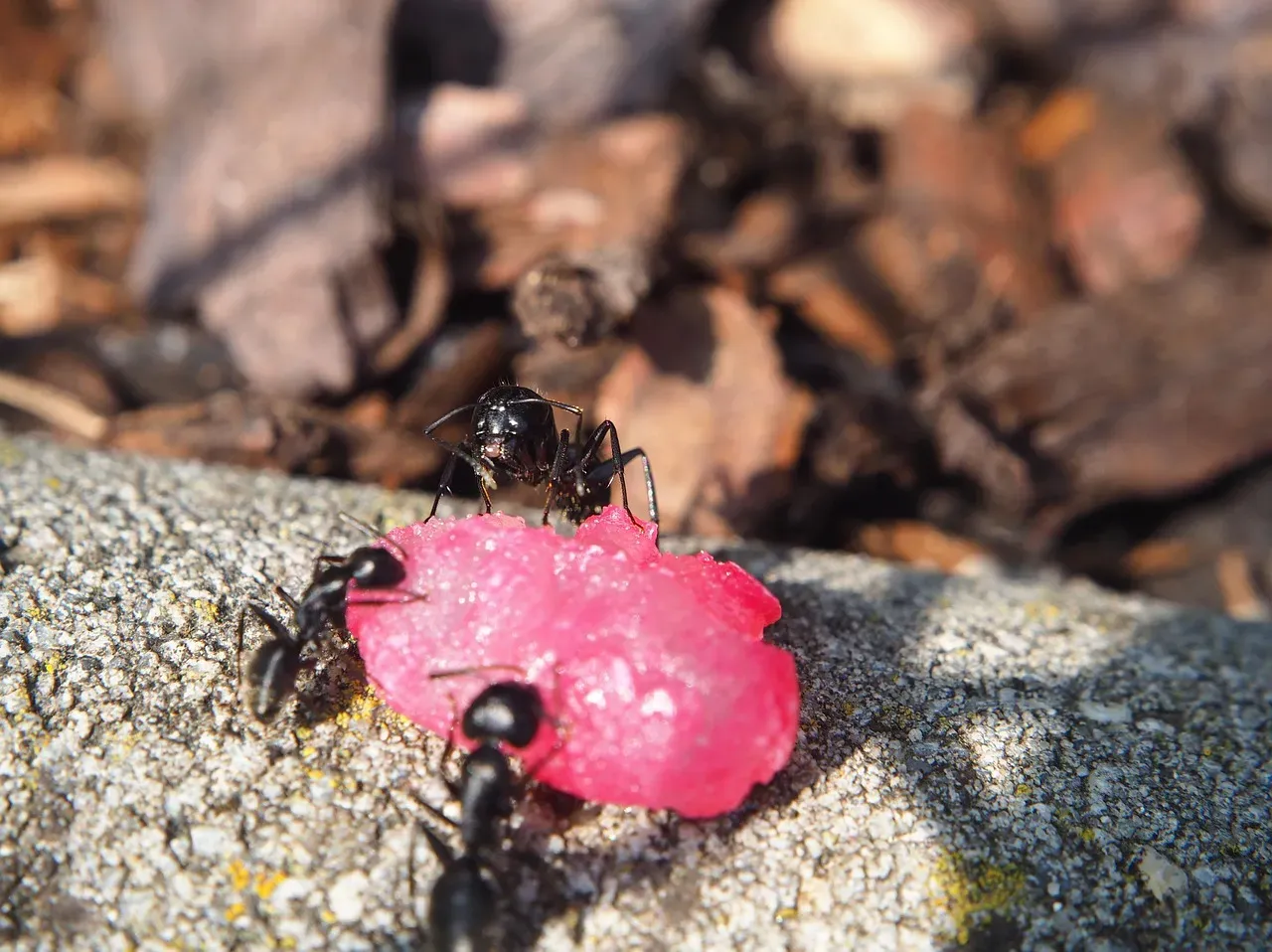
Sugar and sweet scents from foods and drinks, including soft drinks, baked goods, and syrups, are irresistible to pests like ants, flies, and even wasps. The moment you leave a sticky spill on the counter or forget to seal that honey jar, you’re essentially throwing a dinner party for insects. Even dried residue from a juice glass can trigger an invasion.
Even the dried residue on a cup from sugary drinks can attract bugs. What’s fascinating is that these pests can detect sugar molecules from considerable distances. Your morning coffee with three spoons of sugar? Those tiny droplets that splashed near the pot are enough. These sweet-loving invaders don’t need much to start scouting your home as their new feeding ground.
Rotting Fruits and Vegetables Becoming Pest Magnets
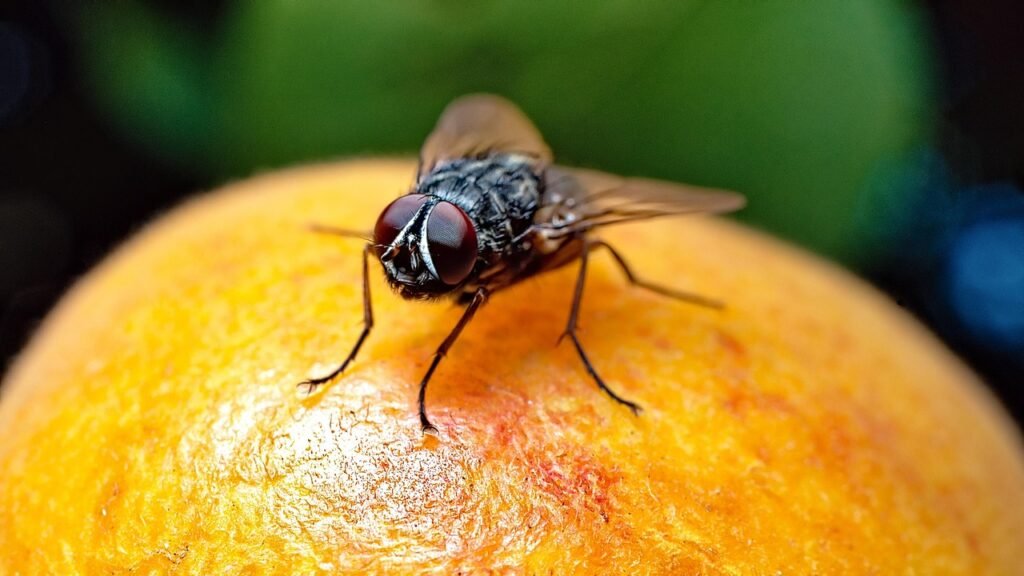
Decay produces strong odors that attract pests such as fruit flies and even rodents, and a forgotten fruit at the bottom of a bowl can quickly spark an infestation. That banana you meant to eat last week but shoved to the back of the counter is now fermenting and sending out chemical distress signals. Here’s the thing: fruit flies have an absolutely uncanny ability to detect decomposing produce.
Fruit flies have an uncanny ability to locate fermenting fruits and vegetables, and even that banana peel you tossed in the kitchen trash yesterday starts attracting these tiny invaders within hours through the sweet, yeasty smell of decomposition. It’s almost impressive how quickly they arrive. One day you have a slightly soft apple, the next morning you’re dealing with a cloud of tiny flies. The fermentation process creates odors that are basically irresistible advertisements for pests looking for their next meal.
Moisture and Standing Water Creating Hidden Havens
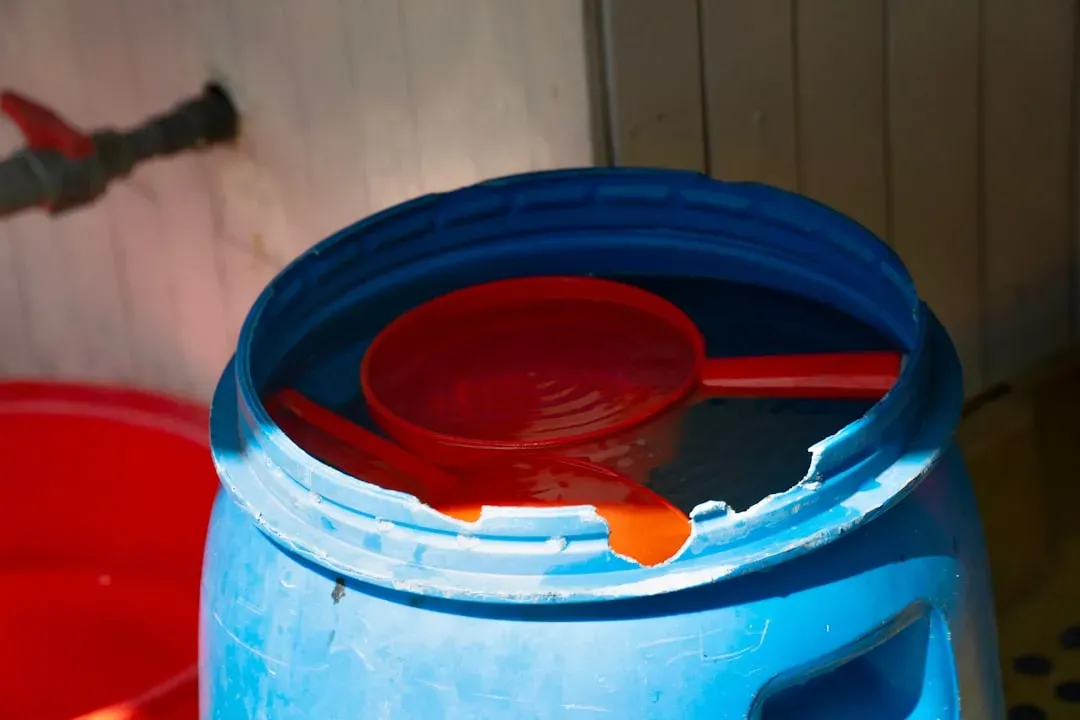
Water might not seem like it has a smell, but stagnant water develops distinct odors that many pests can detect, and moisture itself serves as a powerful attractant for insects and other pests that require water for survival and reproduction. Your leaky pipe under the sink or that puddle that forms near the washing machine is more than just annoying. It’s a breeding ground in the making.
Leaky pipes create hidden moisture problems that attract silverfish, cockroaches, and other moisture-loving pests, and these leaks often go unnoticed for weeks or months, creating perfect breeding environments in wall cavities and under floors. The worst part? You might not even know it’s happening until the infestation has taken hold. Moisture combined with the smell of mildew can draw in pests like cockroaches and mosquitoes, as these pests are particularly sensitive to damp environments. Honestly, it’s like setting up a five-star resort for bugs in the walls of your home.
Trash Bins Broadcasting Dinner Invitations
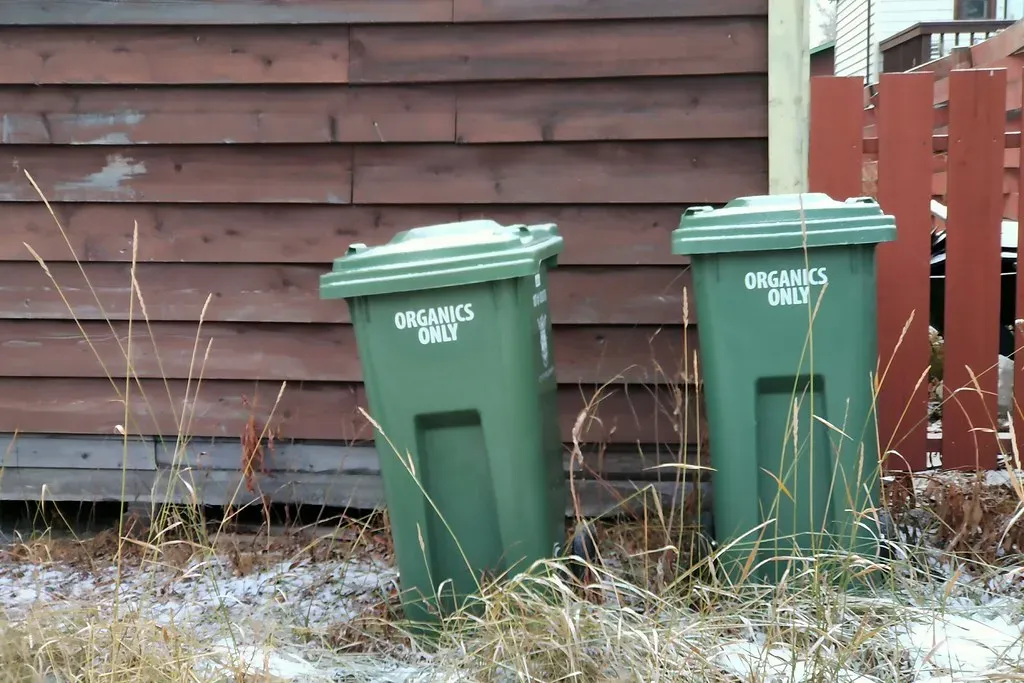
Let’s be real: your garbage can is probably the biggest pest attractor in your entire house. Trash bins might be the most obvious pest attractor in your home, but the problem extends beyond what’s visible on the surface, as decomposing organic matter produces complex chemical compounds that different pests find irresistible. Every piece of food waste, every greasy napkin, every coffee ground is releasing odors into the air.
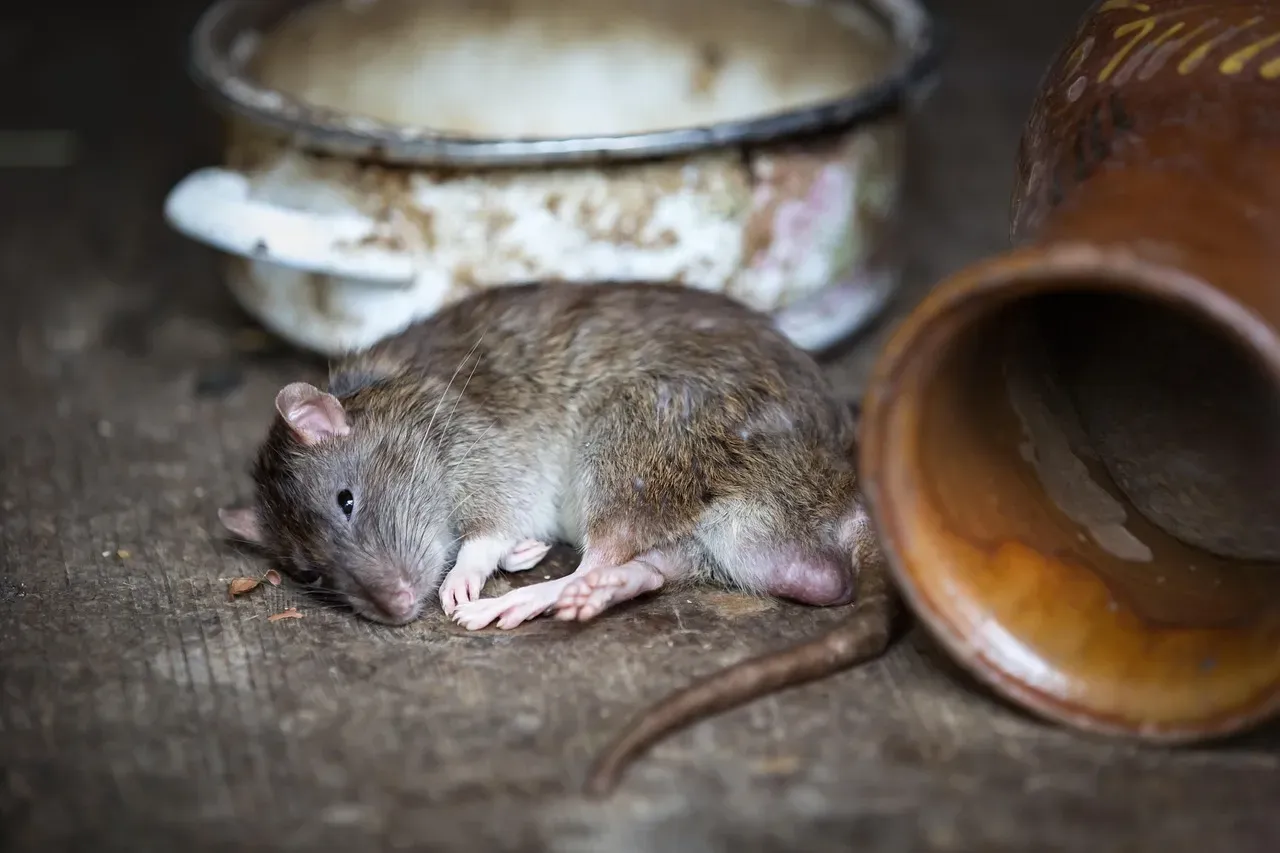
Meat scraps and dairy products create different but equally problematic odors, and these protein-rich waste products attract larger pests like rats and mice, who rely heavily on their sense of smell to locate food sources, with a small piece of chicken skin or a splash of sour milk turning your garbage into a pest magnet. The variety of smells coming from a typical household trash can is like a buffet menu for rodents and insects. That’s why taking out the trash regularly isn’t just about keeping your kitchen fresh; it’s about protecting your home from becoming a pest headquarters.
Pet-Related Odors Luring Unwanted Visitors
Pet waste produces strong odors that attract flies and other insects, and litter boxes, even when regularly cleaned, emit ammonia-like smells that some pests find appealing. If you have cats, dogs, or other pets, you’re dealing with additional scent challenges. Pet food left out in bowls all day is basically an all-you-can-eat buffet sign for ants and cockroaches.
Pet bedding and toys accumulate oils, food particles, and organic matter over time, and these items develop distinctive odors that can attract various pests, particularly if they’re not washed regularly. Your furry friend’s favorite blanket might smell comforting to you, but to pests, it smells like opportunity. Spilled birdseed attracts rodents, while pet water dishes provide essential moisture that draws insects. Even something as innocent as a bird feeder can create a pest pathway right to your door.
Food Residue and Cooking Smells Sending Signals

Food-related scents top the list of pest attractants, and it’s not just obvious sources like dirty dishes or crumb-covered counters, as even trace amounts of food residue can send powerful chemical signals that travel surprisingly far. You might think you cleaned up after dinner, but pests operate on a different level. That microscopic grease splatter behind your stove? They can smell it.
Leftover food, whether visible crumbs on counters or residue in trash bins, releases odor molecules that can quickly attract insects like ants and cockroaches. It’s the invisible mess that gets you. I know it sounds crazy, but wiping down your counters with just water isn’t enough. Those molecular traces of food are still there, broadcasting to every pest within range that your kitchen is open for business.
Hidden Pest Colonies Creating Their Own Smells
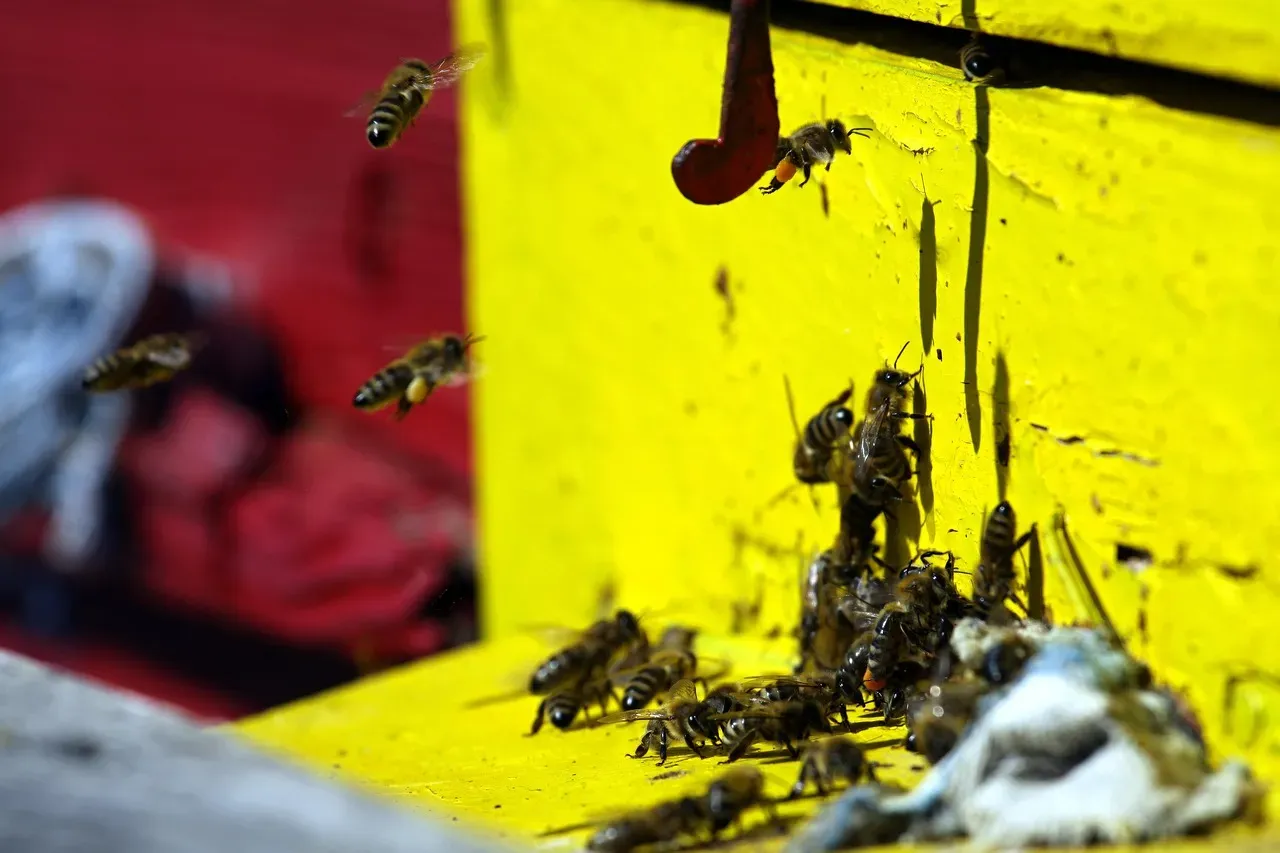
Here’s where things get disturbing. Perhaps the most overlooked pest attractor is the presence of other pests themselves, as dead insects, pest droppings, and pheromone trails create chemical signals that attract additional unwanted visitors. It’s like a pest version of word-of-mouth advertising. One colony attracts another, and before you know it, you’re dealing with multiple species.
Carpenter ants leave pheromone trails that other ants can follow for weeks or even months, and these invisible highways lead new colonies straight to established food sources and nesting areas. Dead rodents in wall cavities or attic spaces create strong odors that attract scavenging insects like carpet beetles and dermestid beetles, and these secondary invaders can cause additional problems, particularly with stored clothing and other organic materials. The cycle becomes self-perpetuating unless you break it completely.
Damp Drains and Forgotten Areas Breeding Trouble
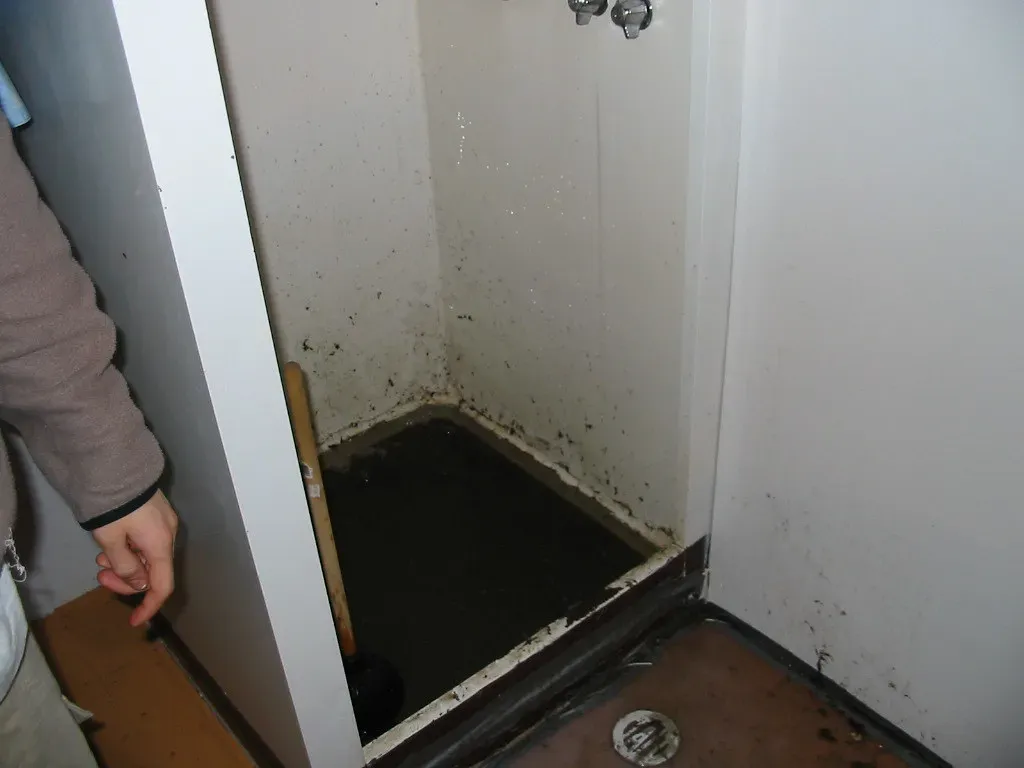
Clogged drains develop biofilm, a slimy mixture of bacteria and organic matter that produces musty, unpleasant odors, and this biofilm attracts drain flies, cockroaches, and other pests that thrive in moist environments. Your bathroom and kitchen drains are basically underground highways for pests if you’re not careful. That slight sewage smell you’ve been ignoring? It’s not just unpleasant; it’s dangerous.
Houseplants can contribute to moisture problems if overwatered, as soggy soil creates ideal conditions for fungus gnats, while water-filled saucers under pots attract various insects. Even your attempts at bringing nature indoors can backfire. The key is staying vigilant about areas you don’t think about daily. Check under sinks, inspect drain covers, and make sure nothing is creating those damp, dark conditions that pests absolutely love.
Conclusion
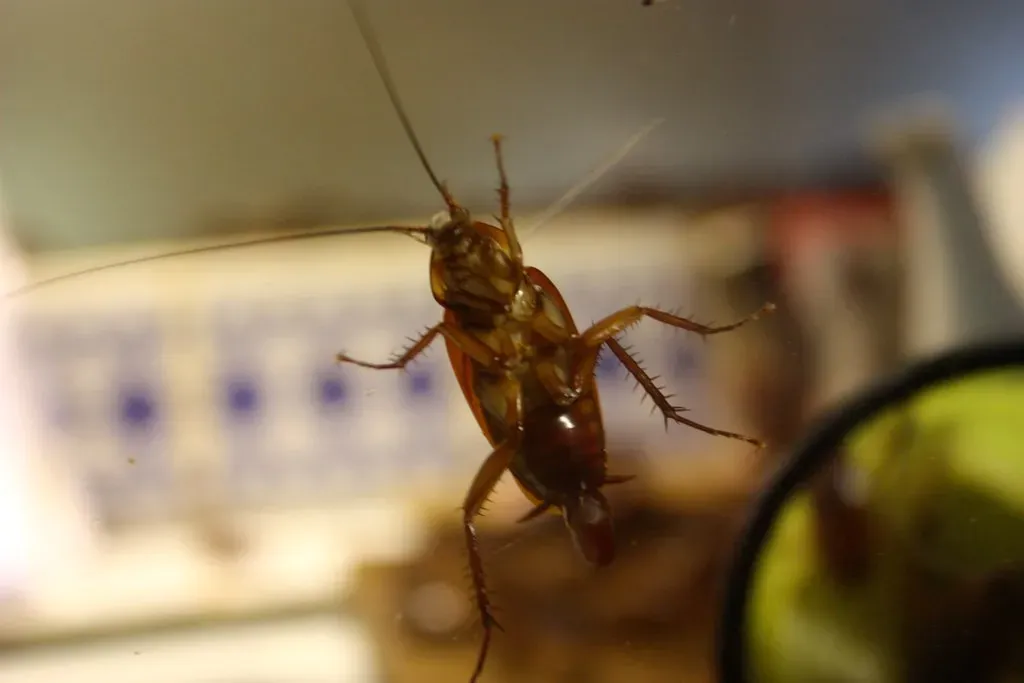
The smells in your home tell a story that pests can read better than you might imagine. From sugary spills to hidden moisture problems, every odor is a potential invitation for dangerous invaders. The good news is that awareness is half the battle. By understanding which scents attract pests and taking proactive steps to eliminate them, you can protect your home and family from infestations before they start.
Regular cleaning, proper food storage, fixing leaks promptly, and managing waste effectively are your best defenses. Remember, it’s not about perfection; it’s about consistency. What surprised you most about the smells attracting pests to your home?
Hi, I’m Andrew, and I come from India. Experienced content specialist with a passion for writing. My forte includes health and wellness, Travel, Animals, and Nature. A nature nomad, I am obsessed with mountains and love high-altitude trekking. I have been on several Himalayan treks in India including the Everest Base Camp in Nepal, a profound experience.