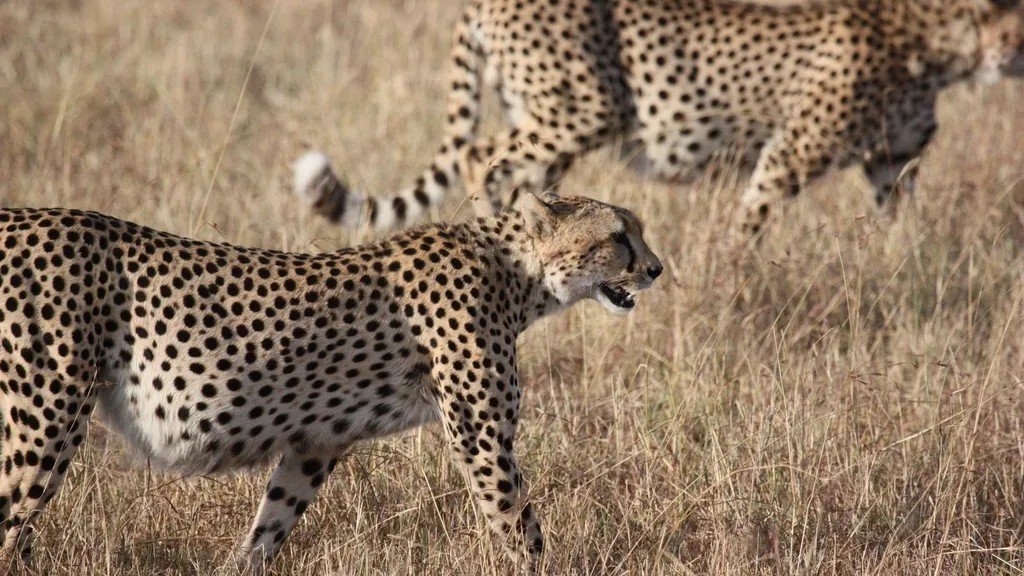
You might know cheetahs as the land speed champions of the natural world, but honestly, speed is just the beginning of their story. These sleek predators have a fascinating suite of adaptations, behaviors, and quirks that often get overlooked. From their surprisingly social personalities to their bizarre vocal repertoire, cheetahs are way more complex than most people realize.
Let’s be real, these animals face tremendous challenges in the wild today, despite their incredible abilities. If you think being the fastest runner automatically makes them apex survivors, think again. So let’s dive into some cheetah facts that’ll change the way you see these incredible cats.
They Can’t Actually Roar
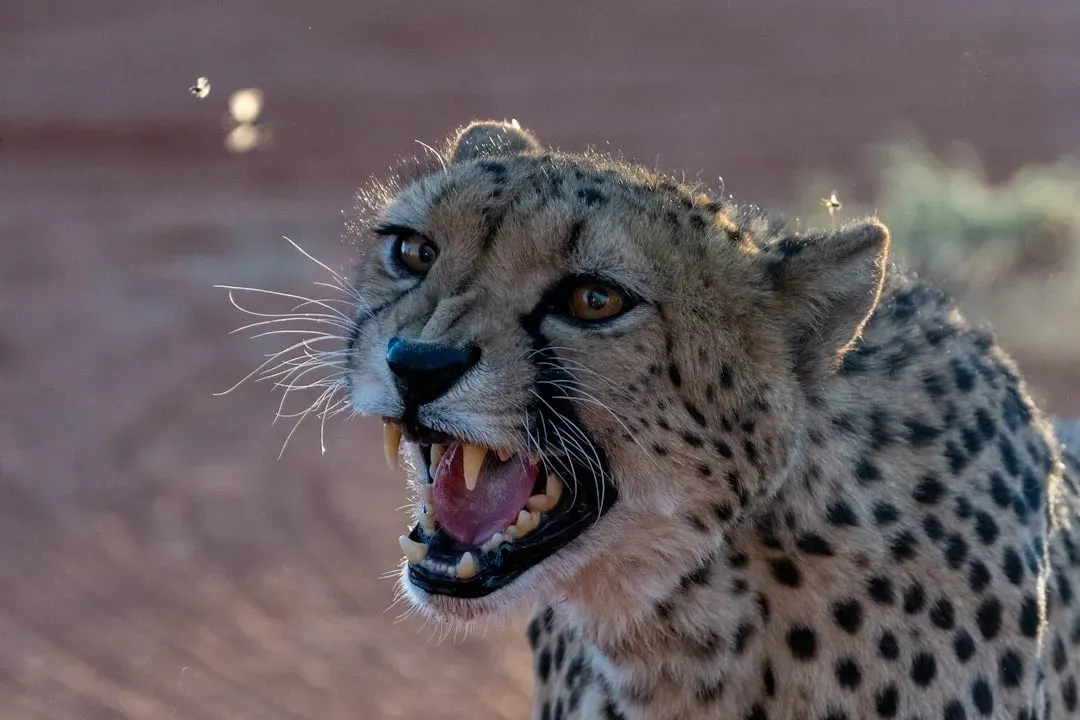
Here’s something that surprises most people: cheetahs can’t roar like other big cats. Cheetahs make sounds including purrs, barks, growls, hisses and chirps that are unlike those of any other cat. That chirping sound is particularly strange for a large carnivore. It almost sounds like a bird call rather than something you’d expect from a predator.
Unlike other big cats like lions, tigers, leopards, and jaguars, cheetahs cannot roar; instead, they growl when threatened, chirp or make birdlike calls to communicate, and bark in social interactions, and are also one of the few cats that can purr continuously while both inhaling and exhaling. Think about that for a second. While a lion’s roar can be heard from miles away, a cheetah essentially tweets at you.
Their Spots Are Like Fingerprints
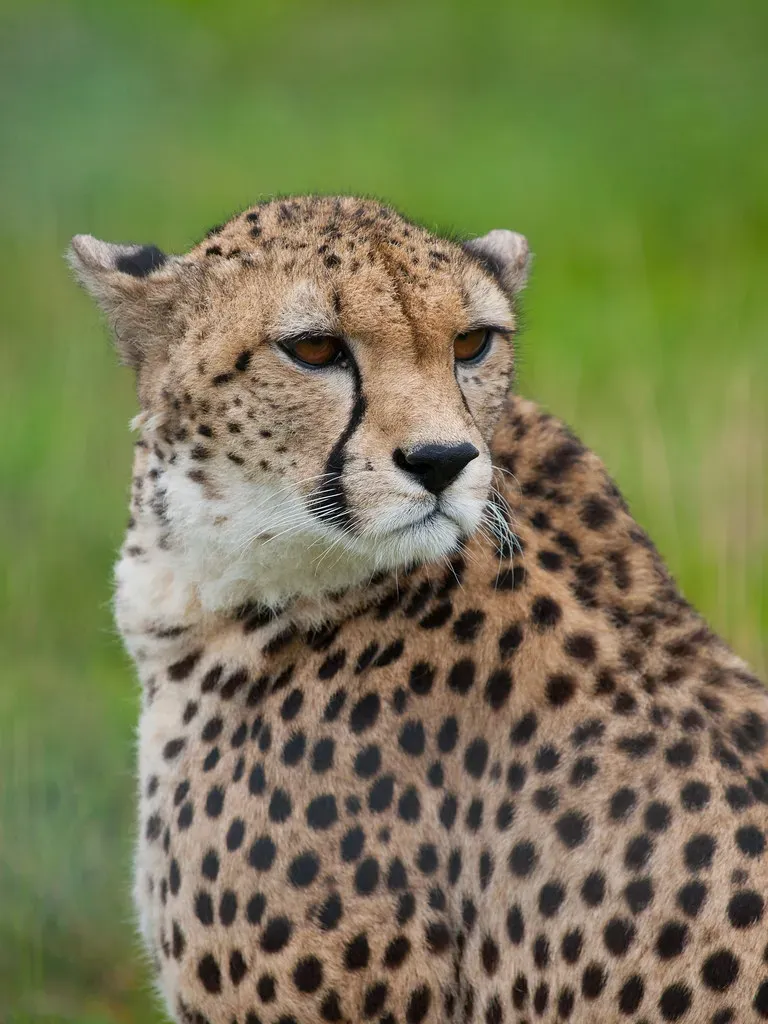
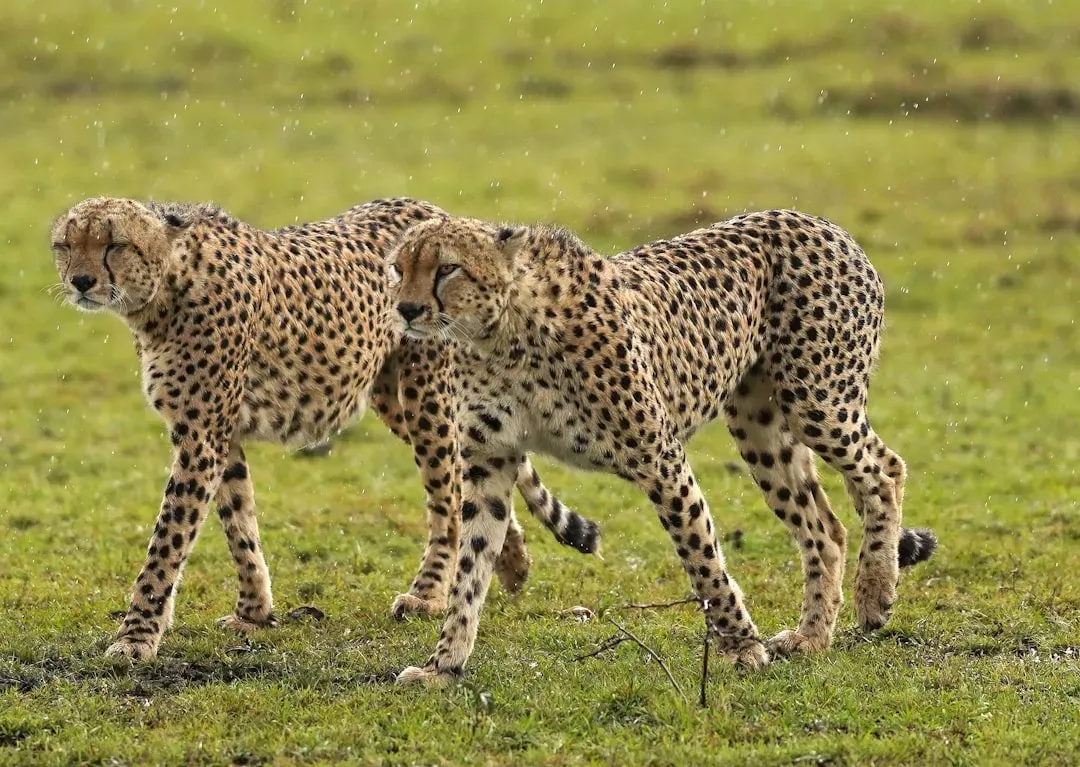
Much like a human fingerprint, a cheetah’s spots and the ring pattern of its tail are unique, enabling researchers in the field to identify individuals. Each cheetah wears its own distinctive pattern. This isn’t just a cool fact, it’s incredibly useful for conservation work.
Researchers studying wild populations use these unique markings to track individual animals over time, monitor their health, and understand their movements. Cheetahs are famous for their tawny coats covered in black spots, each arranged in a unique pattern to help the animals identify one another. It’s nature’s way of giving every cheetah its own ID card.
Males Form Lifelong Brotherhoods
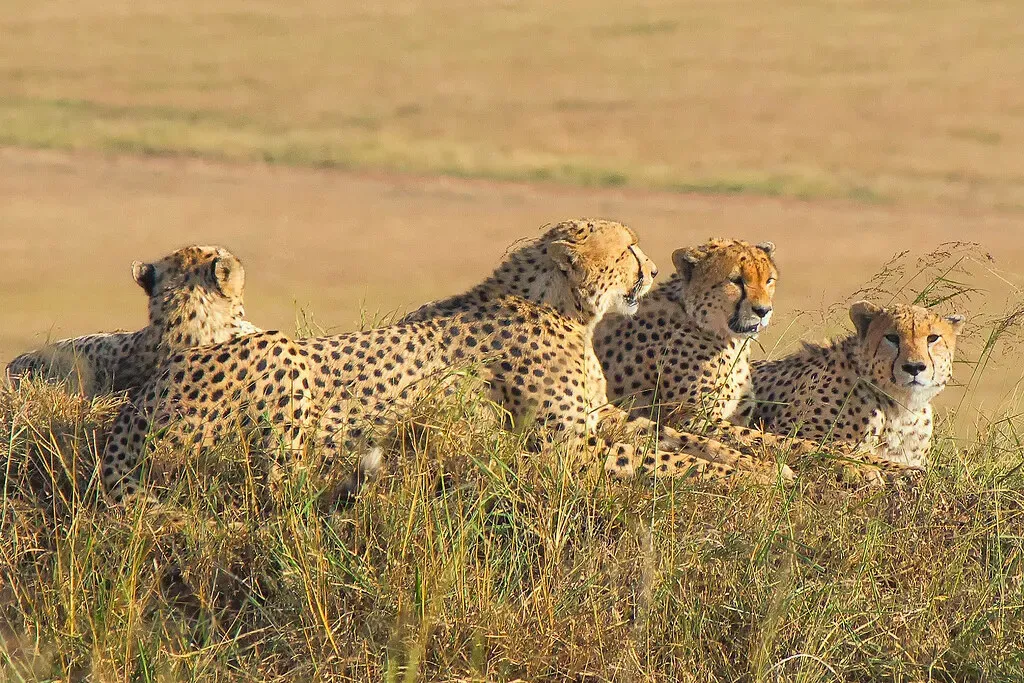
Female siblings leave the group and become solitary around two years old, while the young males remain together for life in a group called a coalition, usually made up of two to three littermates and forming a very tightly bonded group. This social structure is genuinely unusual among big cats. Brothers stick together through thick and thin.
These coalitions aren’t just for companionship. This coalition will live and hunt together for life claiming a territory, which may encompass several female home ranges. Working together gives them better odds of defending territory and accessing mates. Meanwhile, female cheetahs prefer the solitary life except when raising cubs.
They Have Genetic Diversity Problems
During the last Ice Age, cheetah numbers collapsed to only a small group of survivors, causing a dramatic loss of genetic diversity, leaving today’s cheetahs unusually uniform. This population bottleneck created serious issues that persist today. It’s like the entire species went through an extreme genetic funnel.
Experiments have shown that reciprocal skin grafts between unrelated cheetahs are often accepted because of their genetic similarity. That’s wild when you consider how genetically similar they are to each other. Low genetic diversity has been linked to several health problems in cheetahs, including poor sperm quality, focal palatine erosion, greater susceptibility to disease, and physical deformities such as kinked tails.
Cubs Have a Clever Disguise
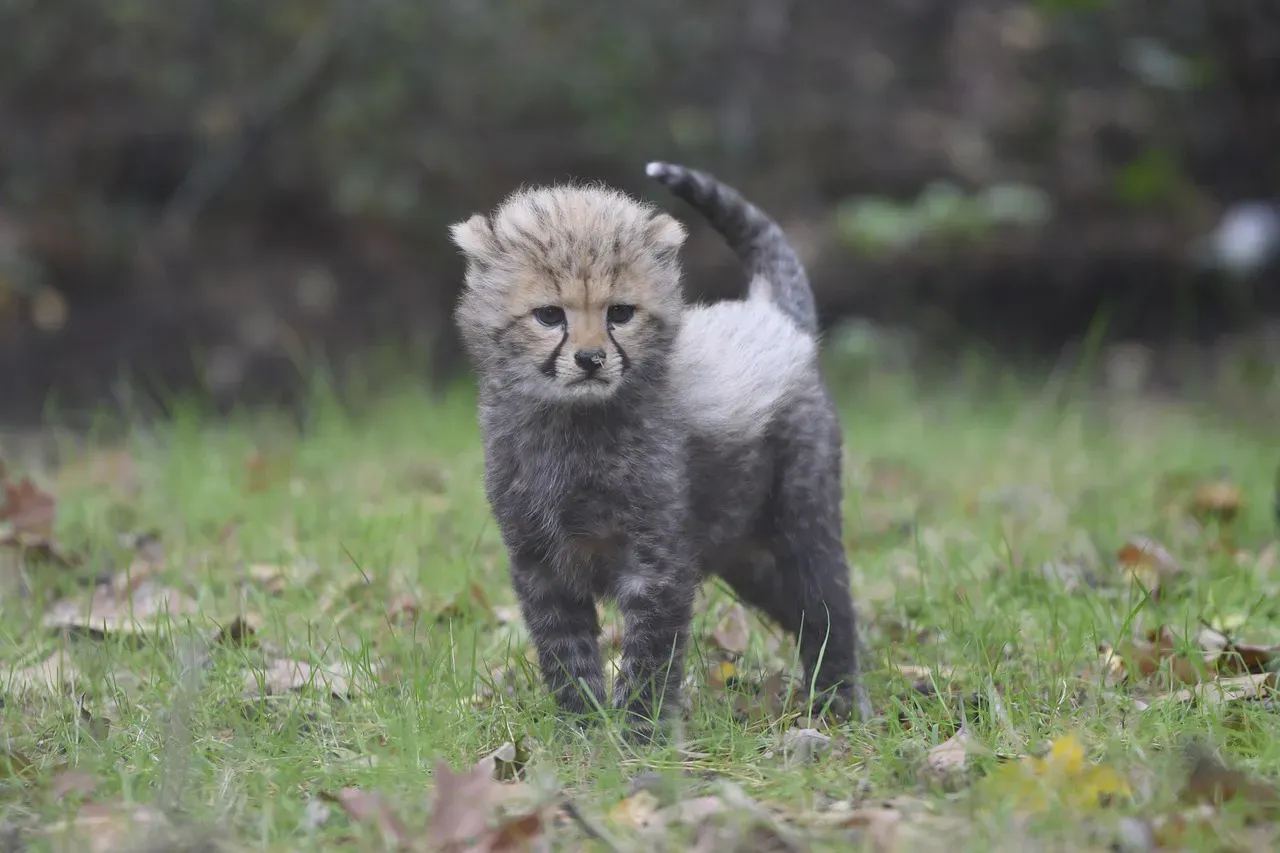
Cheetah cubs are born with a thick gray mane of fur running down their backs, called a mantle. Cheetah kittens have fur colored in a way that mimics the coloration of a honey badger; honey badgers, known in part for their highly aggressive nature, are more visible with their opposing countershaded coloration, likely serving as a visual warning so they can be more easily seen by larger predators and avoided. It’s basically evolutionary camouflage through mimicry.
Cheetah kittens are highly susceptible to predators like lions that rely heavily on eyesight to target prey, so with coloration similar to honey badgers, predators may spot them from a distance and may avoid them if mistaken for a honey badger. Pretty clever survival strategy if you ask me. The mantle disappears as the cubs mature into adults.
Those Tear Marks Serve a Real Purpose
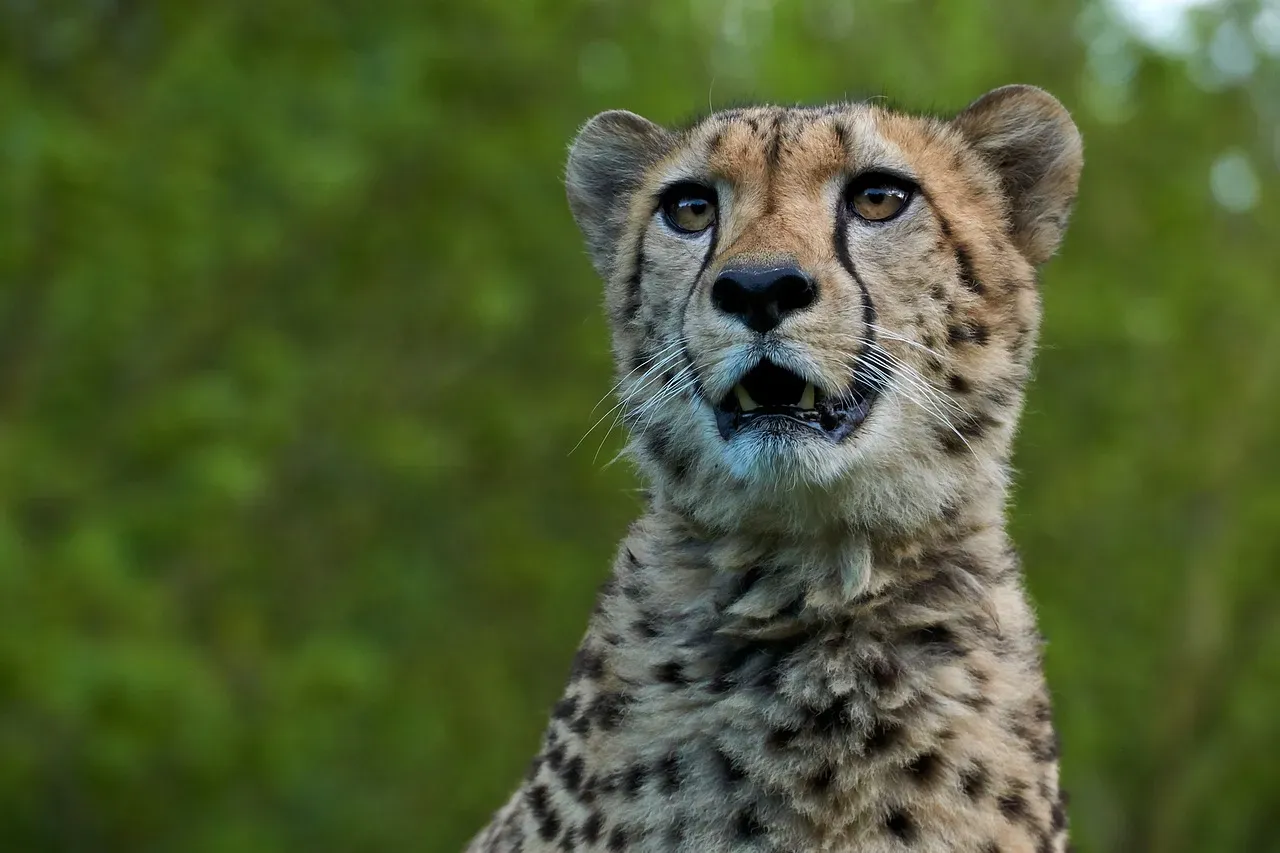
You’ve probably noticed those distinctive black streaks running from a cheetah’s eyes down to its mouth. They’re not just for show. Black tear markings under the eyes are thought to protect against the sun’s glare and to help focus better attention on prey. Think of them like the eye black athletes wear under stadium lights.
Cheetahs hunt during daylight hours when the African sun blazes overhead. During the daytime on the plains, the scorching sun can reflect its heat and light off of light-colored grasses and flatlands, making long-distance vision difficult for most predators; the head of a cheetah is smaller and streamlined than other big cats, including the famous tear marks. Those markings genuinely help them see better when tracking prey across open savanna.
Their Claws Are More Like Dog Claws
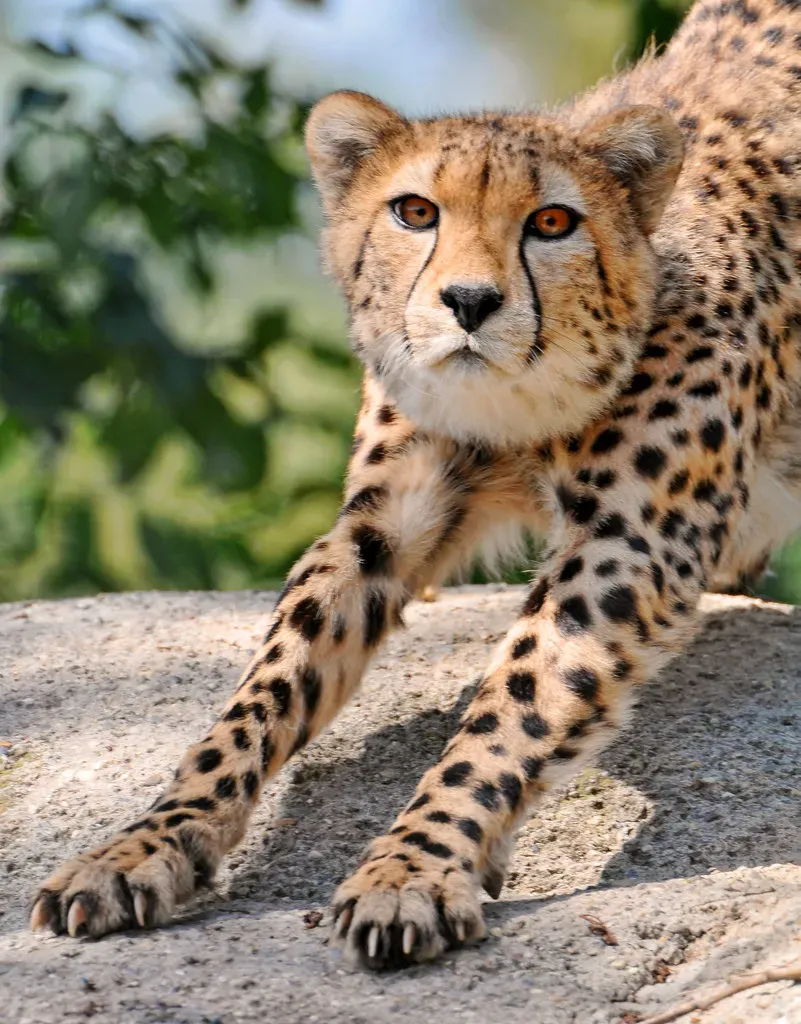
Unlike most cats, cheetahs have claws that don’t fully retract. Cheetahs have claws that are blunt, slightly curved, and only semi-retractable; cheetah claws are like running spikes, used to increase traction while pursuing prey. They’re built for grip, not climbing trees or slashing.
Ridges running along the footpads act like tire treads for additional traction. Every element of their paw structure is optimized for high-speed pursuits on open ground. This is also why cheetahs rarely climb trees like leopards do. Their body is a sprinting machine, not a climbing apparatus.
They Need Recovery Time After Chases
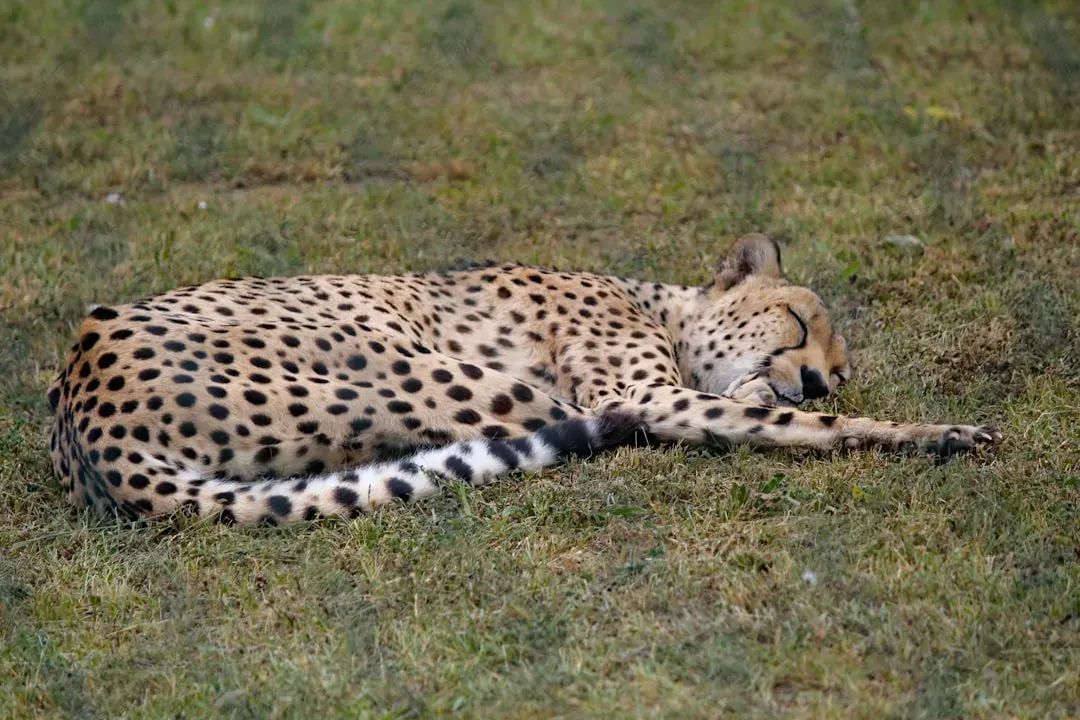
Sprint performance comes with a serious metabolic cost. After a chase, a cheetah needs half an hour to catch its breath before it can eat. That recovery period is actually dangerous time for them. They’re exhausted and vulnerable.
Chases are usually limited to sprints of less than 200 to 300 metres because the increased physiological activity associated with running creates heat faster than it can be released through evaporative cooling. Their bodies literally overheat from the effort. During that vulnerable recovery period, larger predators like lions or hyenas often steal their freshly caught meal.
They’re Surprisingly Shy Around Humans
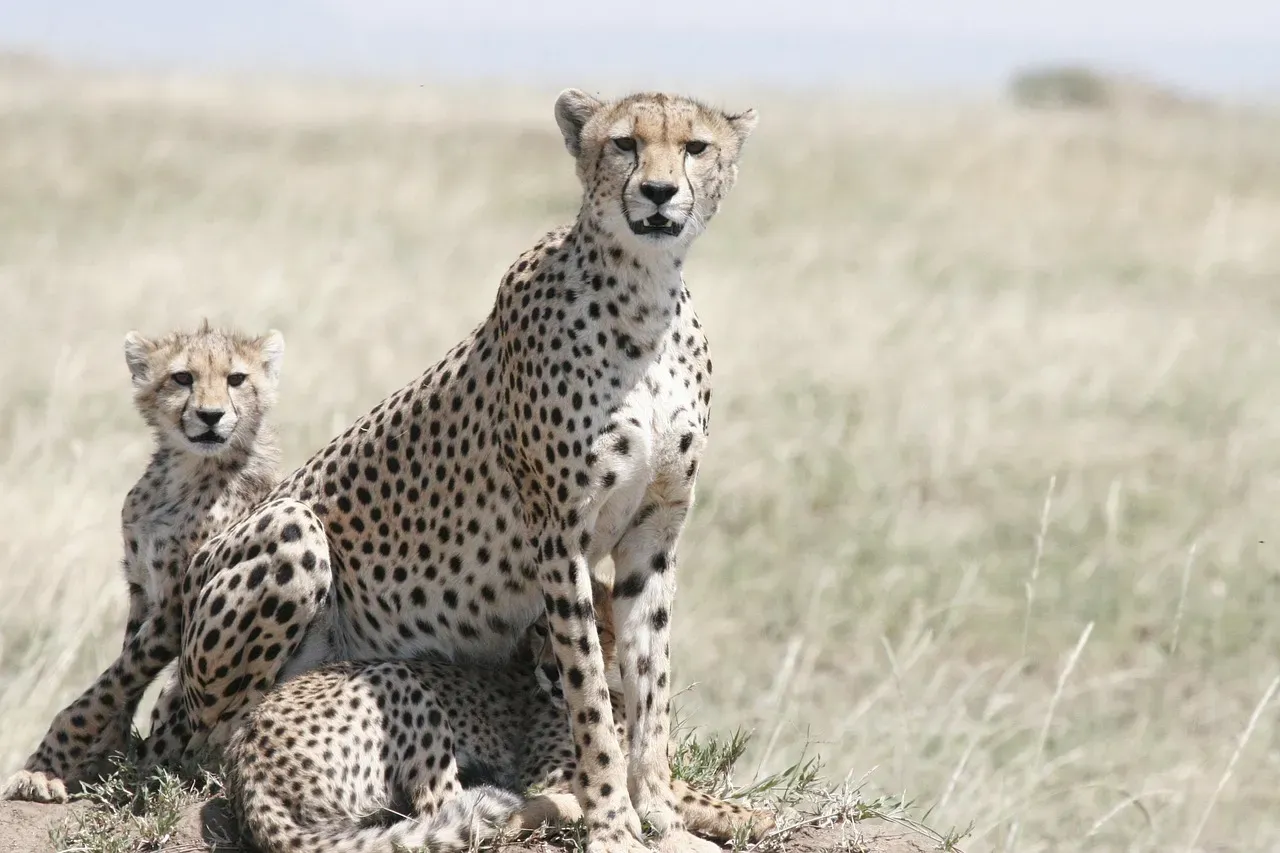
Cheetahs are relatively shy animals who avoid human contact, and as a result, there has never been a recorded case of a cheetah attacking a human in the wild. Let that sink in for a moment. Despite being powerful predators, wild cheetahs pose virtually no threat to people.
This doesn’t mean they’re harmless, but their temperament is remarkably different from other large cats. They’re conflict avoiders by nature. The cheetah chooses to avoid a fight, knowing that damage to its lean runners body would be disastrous. Even a minor injury could end their ability to hunt and survive.
They’re Rapidly Losing Their Historic Range
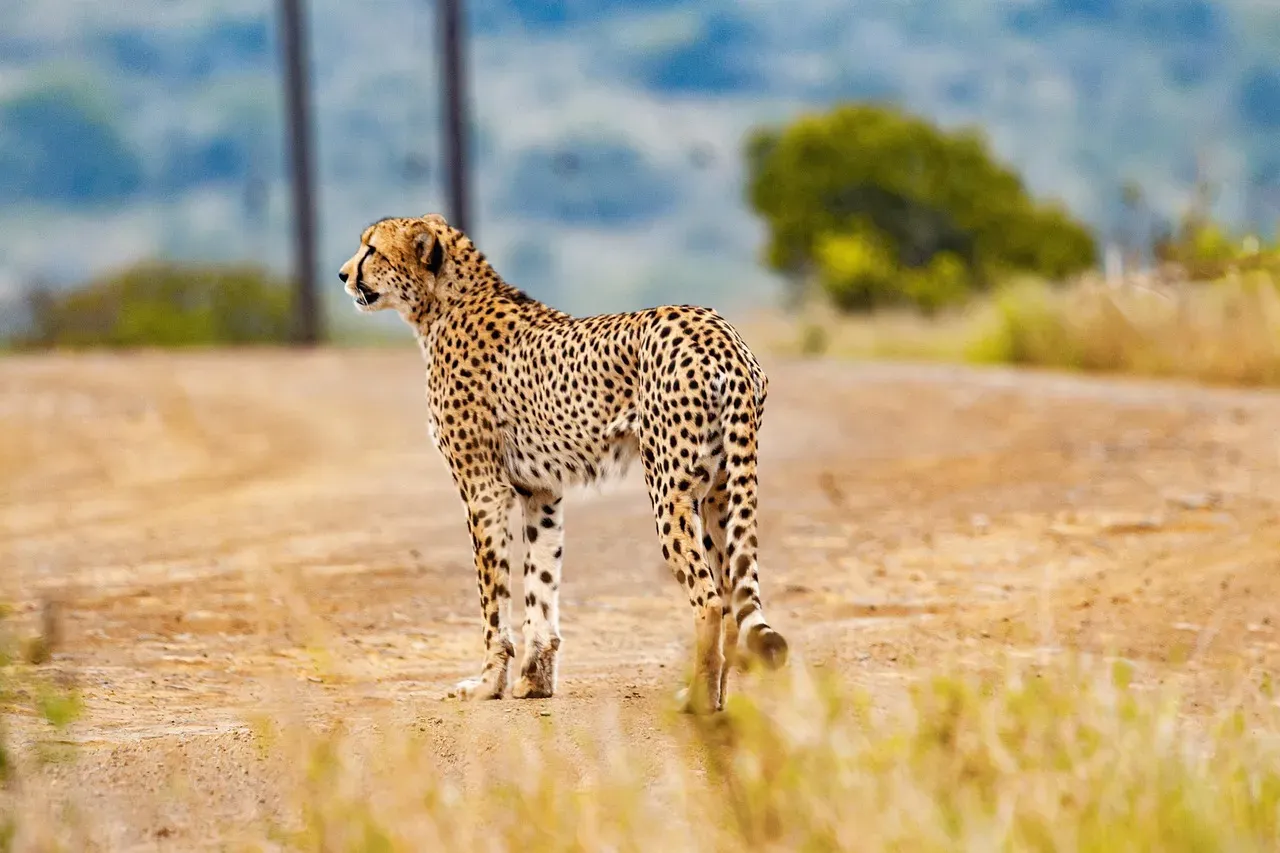
Over the past 50 years, cheetahs have become extinct in at least 13 countries, and they are most prevalent in Kenya and Tanzania in east Africa, and Namibia and Botswana in southern Africa. Their population collapse has been dramatic and heartbreaking. In the 1970s, European settlers saw these big cats as vermin to be eradicated, and populations were widely reduced; currently, they only inhabit about 10 percent of their historic range.
An estimated 7,500 to 10,000 cheetahs remain in the wild, with the largest population of 2,500 found in Namibia and Southern Africa as the last remaining stronghold of roughly 4,500 adults. Habitat loss, human conflict, and competition with other predators continue to threaten their survival. These numbers should honestly alarm us all.
Conclusion
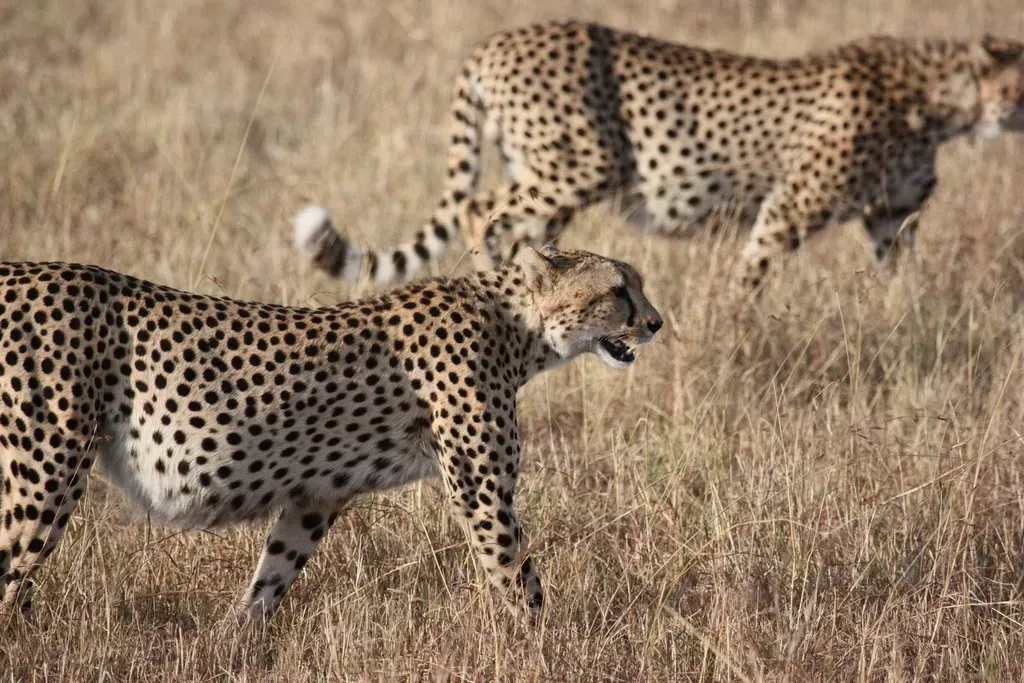
Cheetahs are so much more than just speed demons. They’re evolutionary marvels with unique social structures, specialized adaptations, and a surprisingly gentle disposition. Yet despite millions of years perfecting their survival strategy, they’re now struggling against habitat destruction and human encroachment.
The more we understand about these remarkable cats beyond their famous acceleration, the better equipped we are to protect them. Their story reminds us that even nature’s most impressive athletes can be vulnerable. What surprised you most about these spotted sprinters?