
Imagine a bird so massive, so powerful, that it commands the icy shores of northeastern Asia like an airborne predator straight out of ancient times. The Steller’s sea eagle isn’t your everyday raptor. This is a creature built for extremes, thriving in landscapes where few other species dare to survive. With striking plumage that contrasts against frozen waters and a hunting prowess that’s both efficient and awe-inspiring, these eagles represent one of nature’s most impressive evolutionary achievements.
If you’ve never heard of this incredible bird before, prepare to be fascinated. From their colossal size to their surprisingly specialized diet, these eagles have adapted to one of the harshest environments on the planet. Let’s dive into what makes them truly extraordinary.
The Heaviest Eagle On Earth
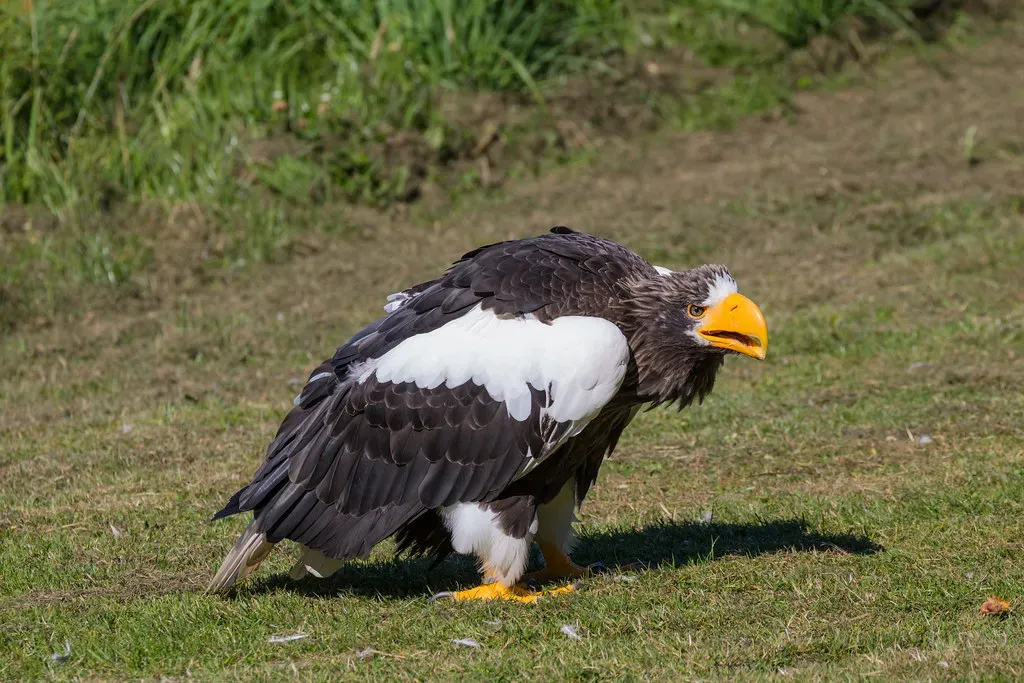
Typically, it is the heaviest eagle in the world, at about 5 to 10 kg, which is genuinely staggering when you think about it. Females vary in weight from 6.2 to 9.5 kg, while males are rather lighter with a weight range of 4.9 to 6.8 kg. This isn’t just impressive for a bird; it’s impressive for any creature that needs to get off the ground. The sheer mass of these eagles gives them a hunting advantage that few other raptors can match.
The weight difference between males and females is substantial, which is typical for birds of prey where females are usually larger. At its average weight, the Steller’s seems to outweigh the average harpy by around 0.5 kg and the average Philippine eagles by more than 1 kg. Think about the momentum these birds generate when diving toward prey. It’s like being hit by a feathered cannonball with talons.
Wingspan That Commands The Sky
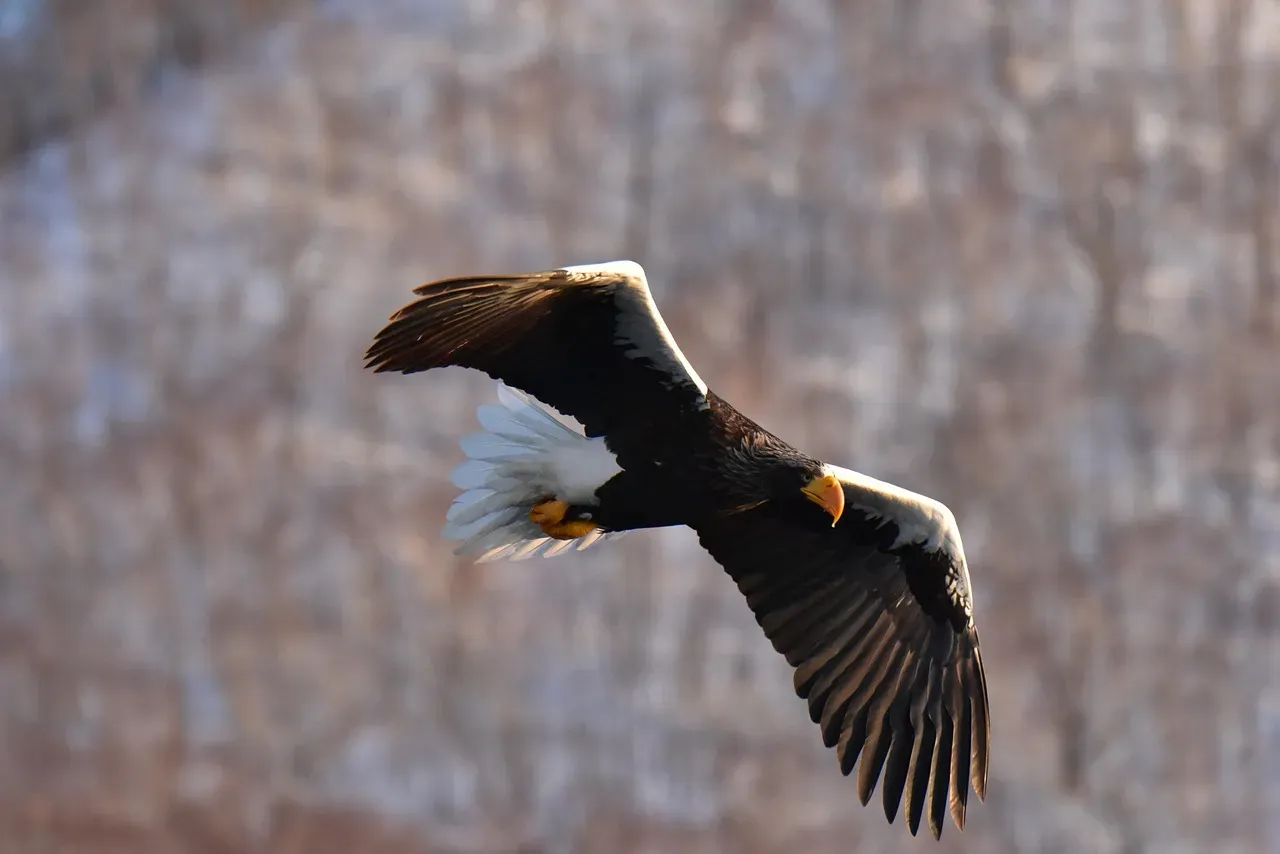
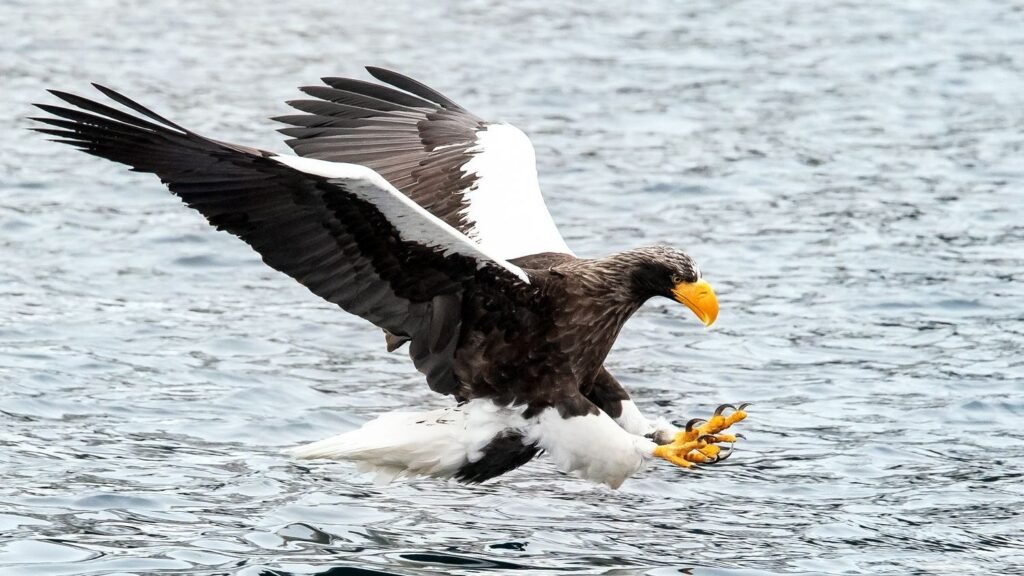
The wingspan is from 1.95 to 2.50 m, which translates to roughly six and a half to over eight feet. Standing next to one of these eagles with wings fully extended would be an unforgettable experience. The sea eagle’s wingspan is one of the largest of any living eagle, at a median of 2.13 m, giving them incredible aerial capabilities.
What’s even more intriguing is that some unverified reports suggest even larger wingspans. Three separate sources claim unverified Steller’s sea eagles spanning up to 2.7 m, 2.74 m, and 2.8 m, respectively. While these measurements aren’t officially confirmed, they hint at the species’ remarkable size potential. Their broad wings aren’t just for show; they’re essential for soaring over icy coastlines and scanning vast stretches of water for fish.
Striking Black And White Plumage
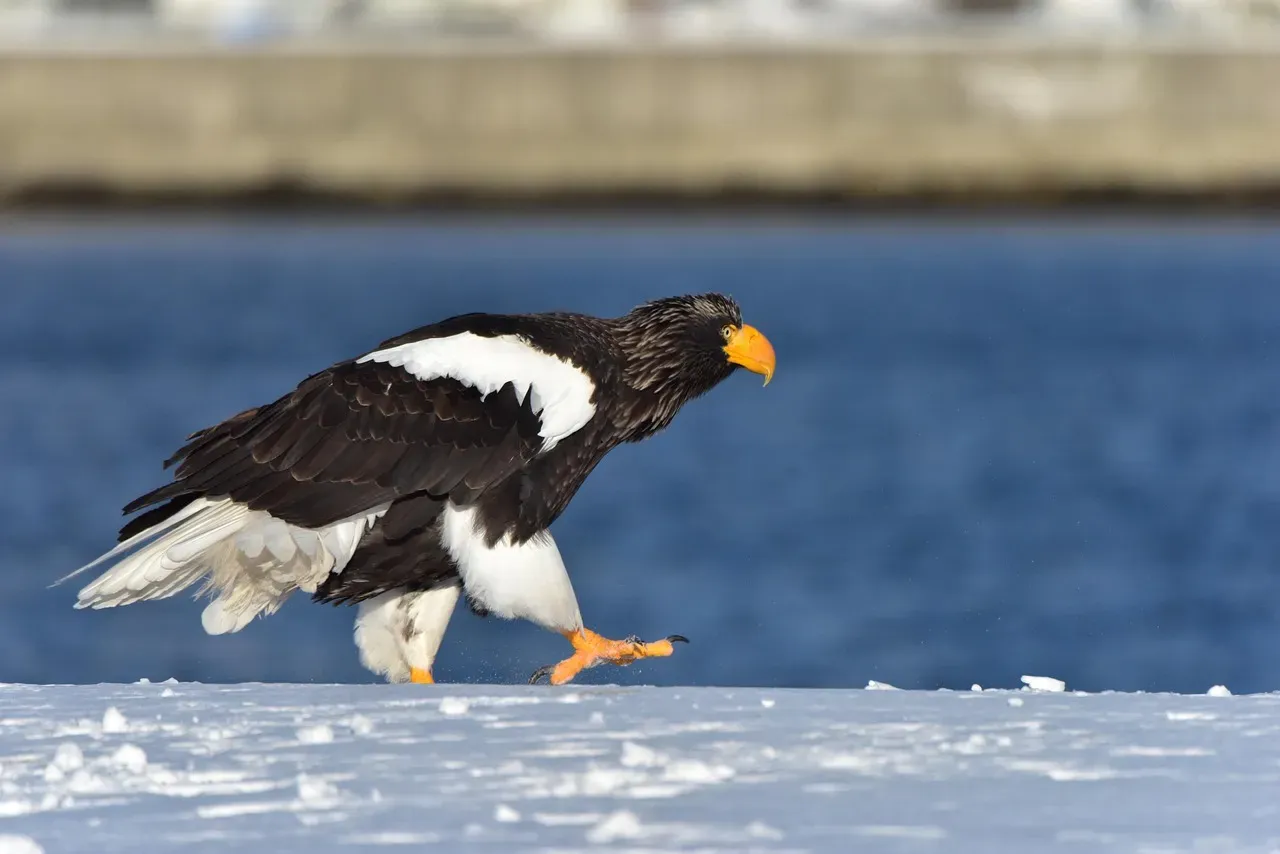
A sturdy eagle, it has dark brown plumage with white wings and tail, a yellow beak, and yellow talons. This dramatic coloring isn’t just beautiful; it serves important purposes in their social structure. The contrast between the dark body and brilliant white markings makes these birds instantly recognizable, even from a distance.
Mature Steller’s sea eagles have mostly dark brown to black plumage, with strongly contrasting white on the lesser and median upper-wing coverts, under-wing coverts, thighs, under-tail coverts, and tail. Their diamond-shaped, white tails are relatively long. Interestingly, there’s also an extremely rare dark morph that lacks most white markings except on the tail. This variant was once thought to be a separate subspecies, though captive breeding has confirmed it’s simply a rare color variation.
Uniquely Yellow Beaks Even As Juveniles
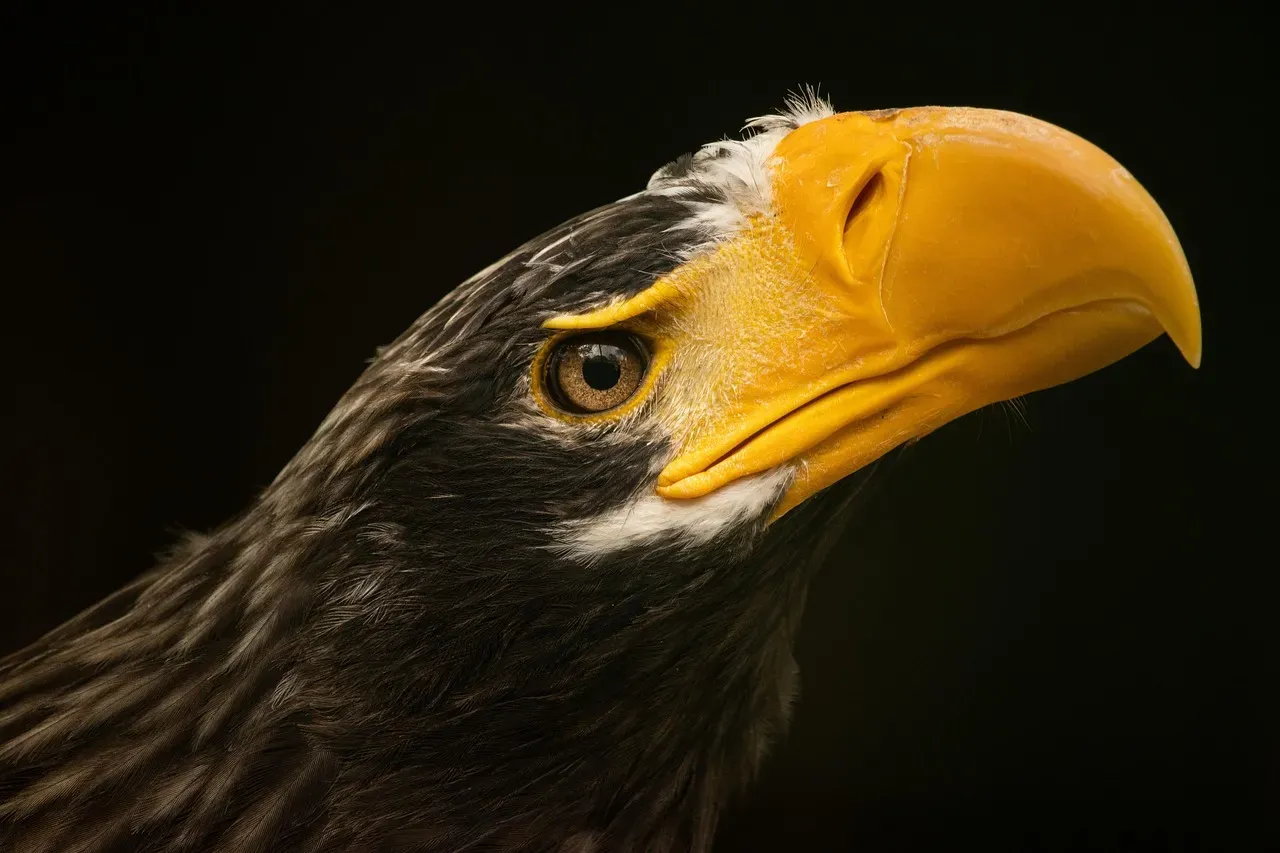
Here’s something that sets them apart from other sea eagles. Steller’s sea eagle is unique among all sea eagles in having a yellow beak even in juvenile birds, and possessing 14, not 12, rectrices. Most eagle species have dark beaks when young that gradually turn yellow with maturity, making this trait particularly distinctive.
Their hooked, sharp, beaks (the largest of any eagle) are perfectly suited for tearing flesh. The massive yellow beak isn’t just for identification purposes; it’s a precision tool designed to rip through tough salmon skin and tear apart their prey efficiently. The size and power of this beak reflect the eagle’s need to process substantial meals in a challenging environment where every calorie counts.
Specialized Fish Hunters With Unique Feet
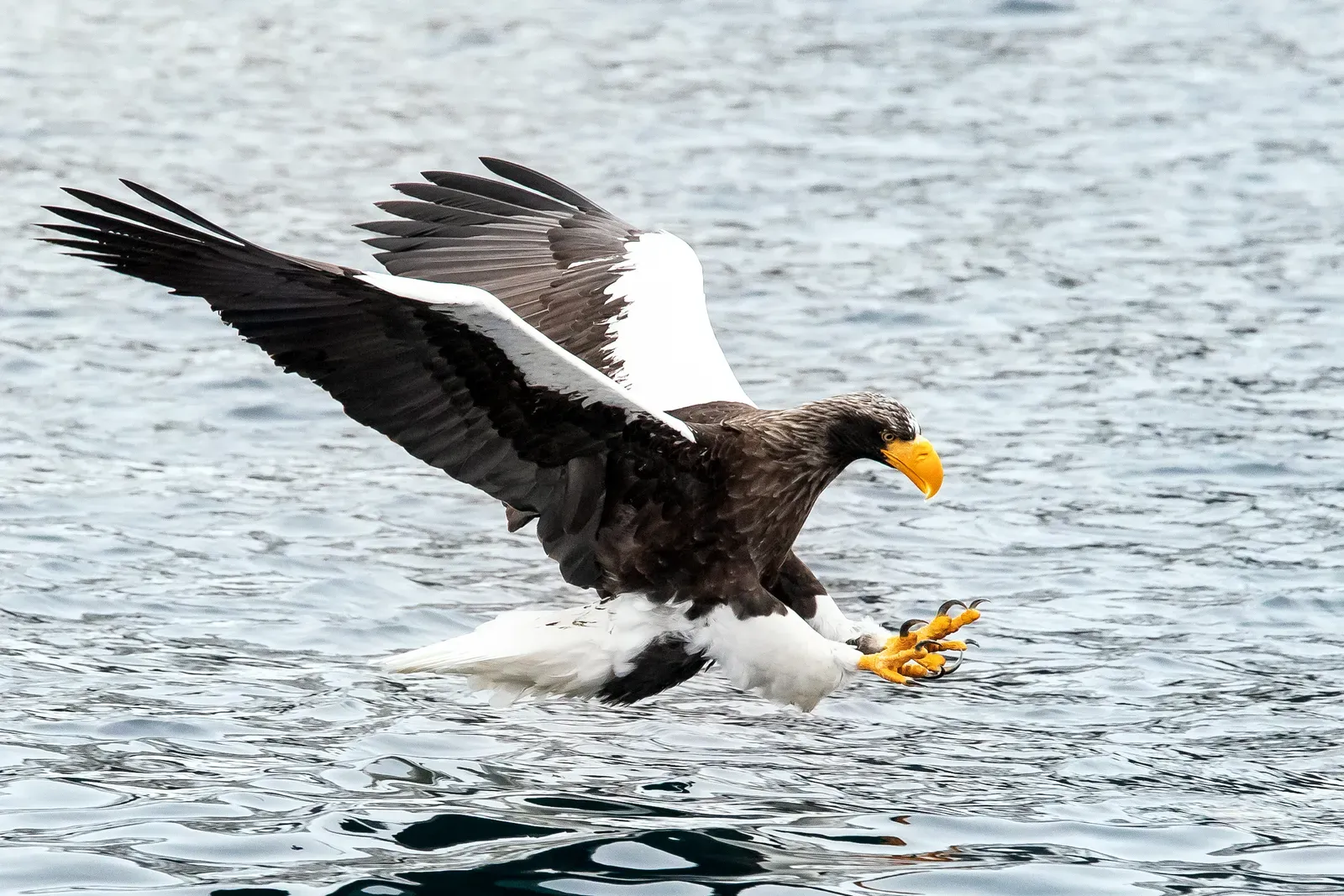
In all sea and fish eagles, the toes are relatively short and stout, with the bottom of the foot covered in spicules and the talons being relatively shorter and more strongly curved than in comparably sized eagles of forests and fields. The spicules, which are bumpy waves all along the bottom of their feet, allow them to hold fish that may otherwise slip out of their grasp. This adaptation is absolutely brilliant when you consider the challenges of catching slippery prey.
Their hunting strategy is equally impressive. Three types of hunting behaviors have been observed, hunting from a perch, hunting on the wing while circling 6 to 7 meters above the water, and hunting in shallow water. They’re remarkably versatile, adapting their technique to conditions and prey availability. Sometimes they’ll even stand patiently in shallow water, grabbing passing fish like a feathered fisherman.
Salmon Specialists Of The North Pacific
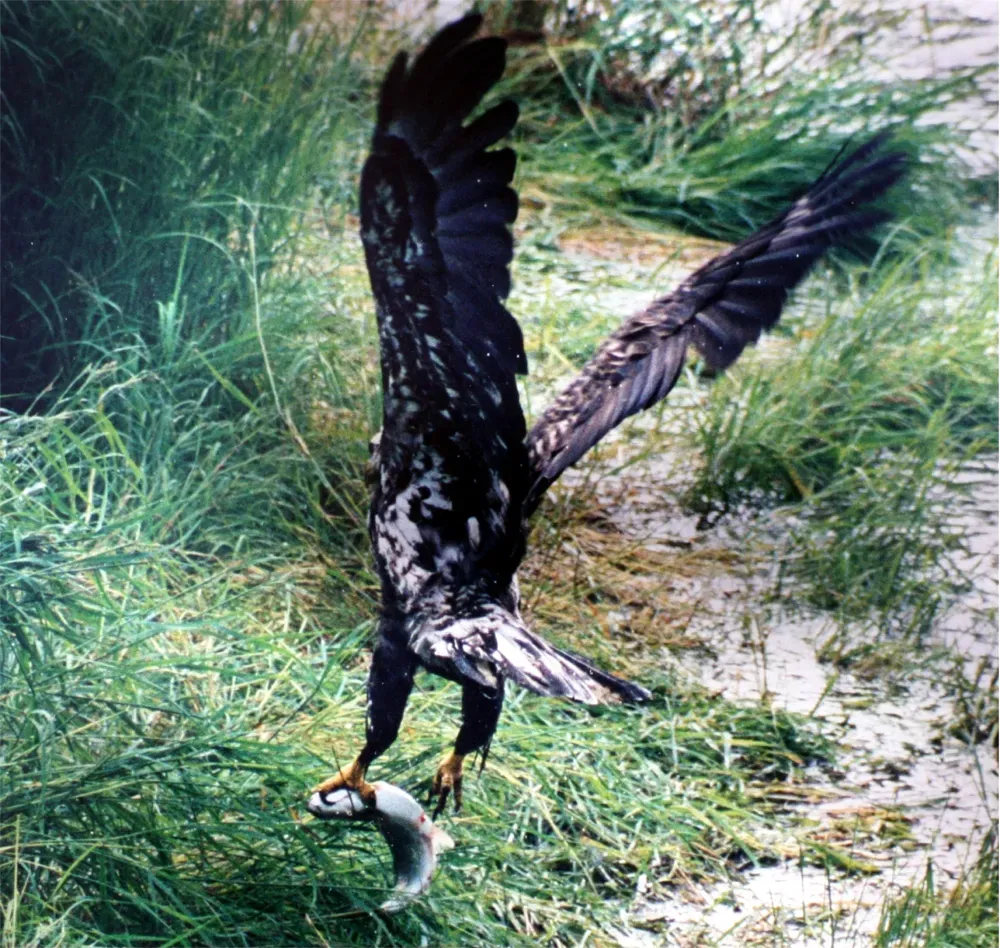
Their favored prey in river habitats are salmon and trout. Among these, pink salmon and chum salmon are reportedly favored. The annual salmon runs provide these eagles with an enormous feast, and they’ve evolved to time their breeding and migration around this crucial food source.
They have been recorded in groups of up to 700 eagles around the riverbanks when there is an abundant food supply. Imagine witnessing that spectacle! Though typically solitary, these eagles will temporarily tolerate each other when food is plentiful. They’re not above stealing from one another either, a behavior scientists call kleptoparasitism. When winter comes and salmon are scarce, they’ll eat crabs, seabirds, small mammals, and even carrion to survive.
Extremely Limited Geographic Range
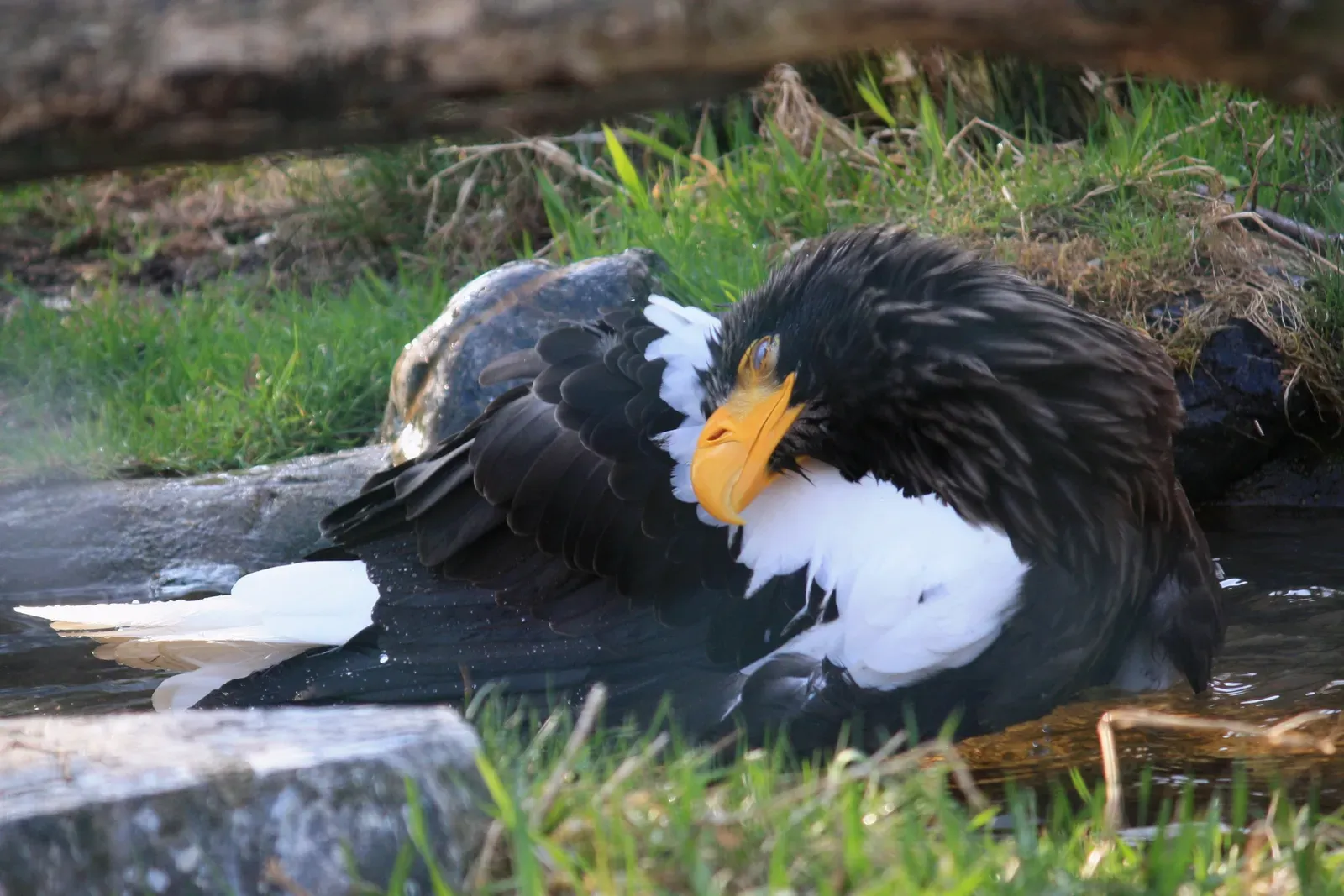
The Steller’s sea eagle is endemic to coastal northeastern Asia, where it lives in Russia, Korea, Japan, and China. This incredibly narrow distribution makes them vulnerable to regional threats. Many others migrate slightly southward for the winter to the southern Kuril Islands and to Hokkaido, Japan, where food is more plentiful, but that’s it – this is the only region of the world where this eagle is found.
The Kamchatka Peninsula in Far Eastern Russia is known for its relatively large population of these birds; about 4,000 of these eagles live there. The species’ entire existence depends on this small corner of the planet, which makes conservation efforts particularly critical. Climate changes, habitat disruption, or pollution in this specific region could have catastrophic effects on the entire global population.
Massive Nests Called Aeries
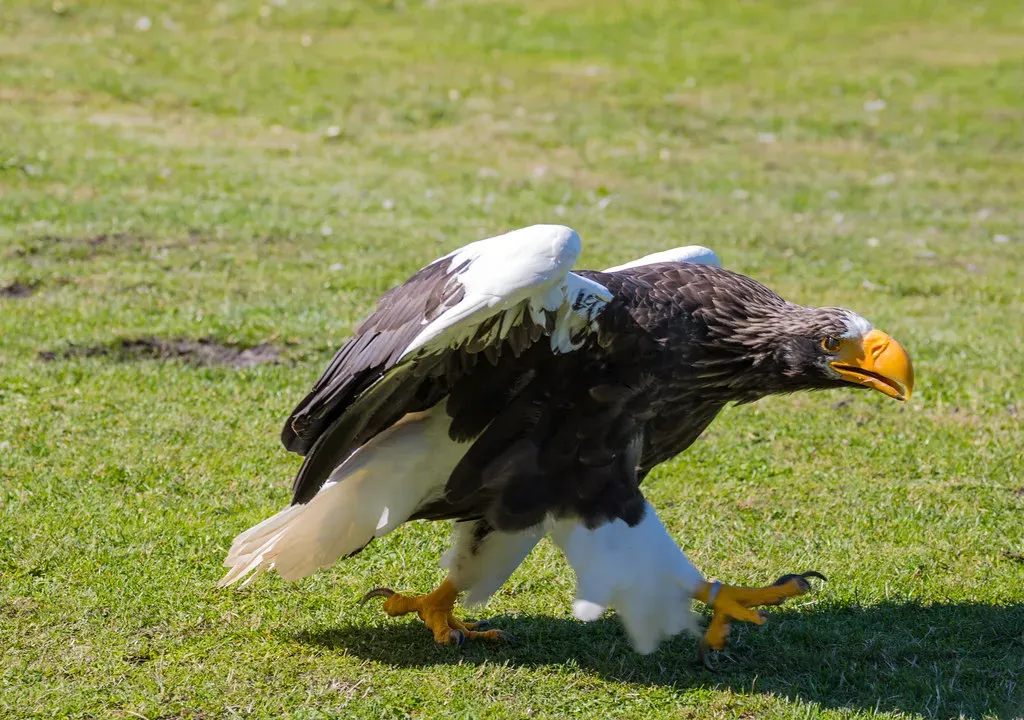
Sea-eagle nests are called aeries, and they are built high in dead or open-topped trees near rivers or on rocky cliffs, up to 100 feet above ground. The massive nests they build sometimes contain 400 or more large branches. These structures are architectural marvels, built to withstand harsh weather and support the weight of adult eagles and their young.
Typically, a pair returns to the same nest each year and adds a little more to it to prepare for the season’s clutch, but pairs sometimes build and oversee more than one aerie and choose which one to use each spring. Aeries can be 6 to 8 feet wide and can weigh hundreds of pounds. Sometimes nests become so heavy they literally collapse from their own weight, forcing the eagles to start over. These birds invest enormous effort into creating safe breeding platforms for their offspring.
Low Reproductive Rates And Long Maturation
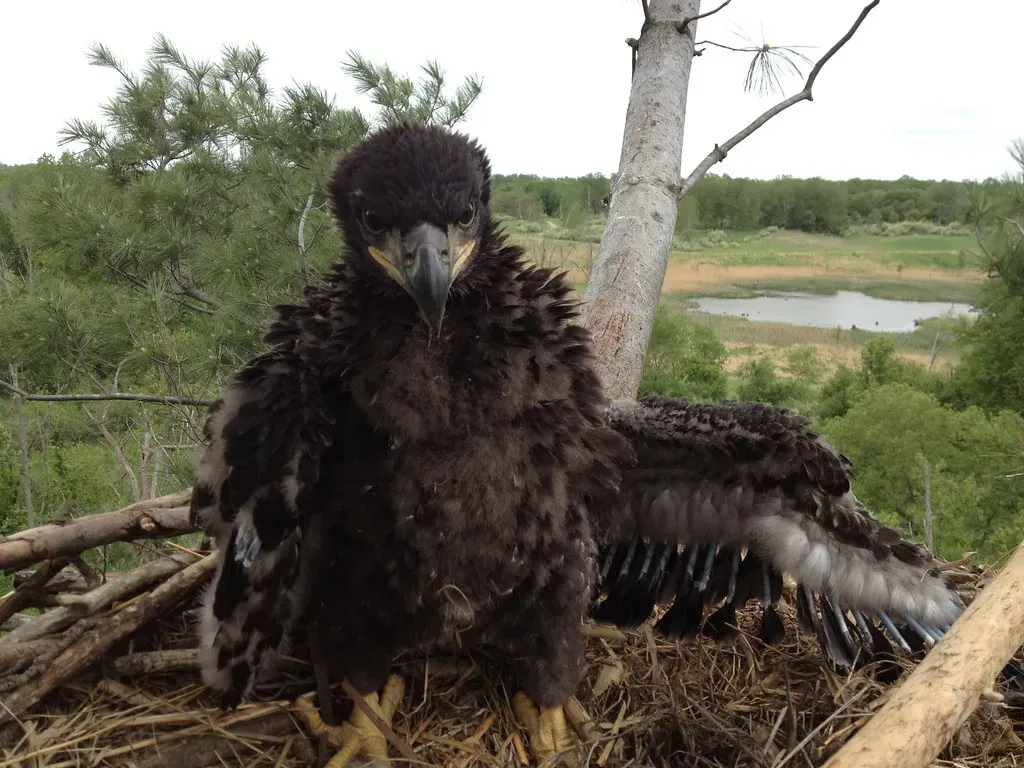
The mother eagle lays one to three greenish-white eggs at a time, out of which, only one baby chick usually survives. The young ones hatch out after an incubation period of 39-45 days. This low reproductive rate means population recovery from threats is painfully slow.
Both male and female Steller’s sea eagles reach sexual maturity by six or seven years. That’s a remarkably long time before they can contribute to the next generation. It takes about ten weeks for the baby Steller’s Sea Eagles to have their striking plumage and learn flying. The lengthy development period reflects the complex skills these birds must master to survive in their demanding environment.
Critically Vulnerable Conservation Status
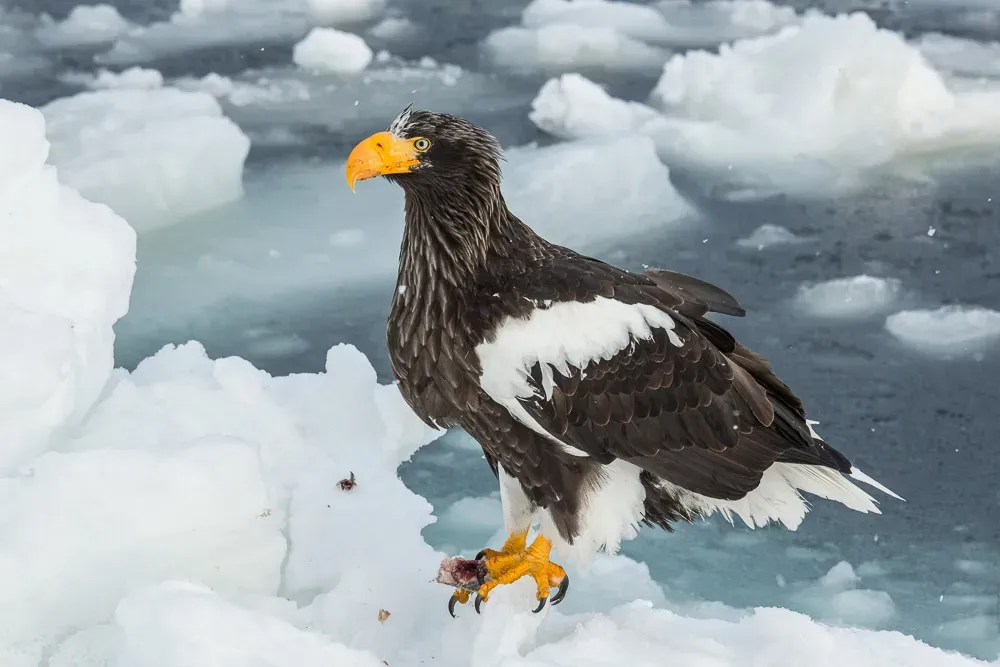
Steller’s sea eagles are classified as vulnerable by the IUCN. These mainly include habitat alteration, industrial pollution, and overfishing, which in turn decrease their prey source. The current population is estimated at 5,000 and decreasing. The numbers are sobering when you realize the entire species could fit in a large stadium.
Overfishing by humans in Japanese waters has led the birds to scavenge on sika deer remains left by hunters. Eating carrion filled with lead shot from hunters has had devastating effects on the sea-eagle population, leading to the outlawing of lead ammunition on Japan’s Hokkaido Island. Climate change is also causing flooding that destroys nests and makes fishing impossible for parent eagles. These magnificent birds face threats from multiple directions, making conservation efforts more urgent than ever.
Conclusion
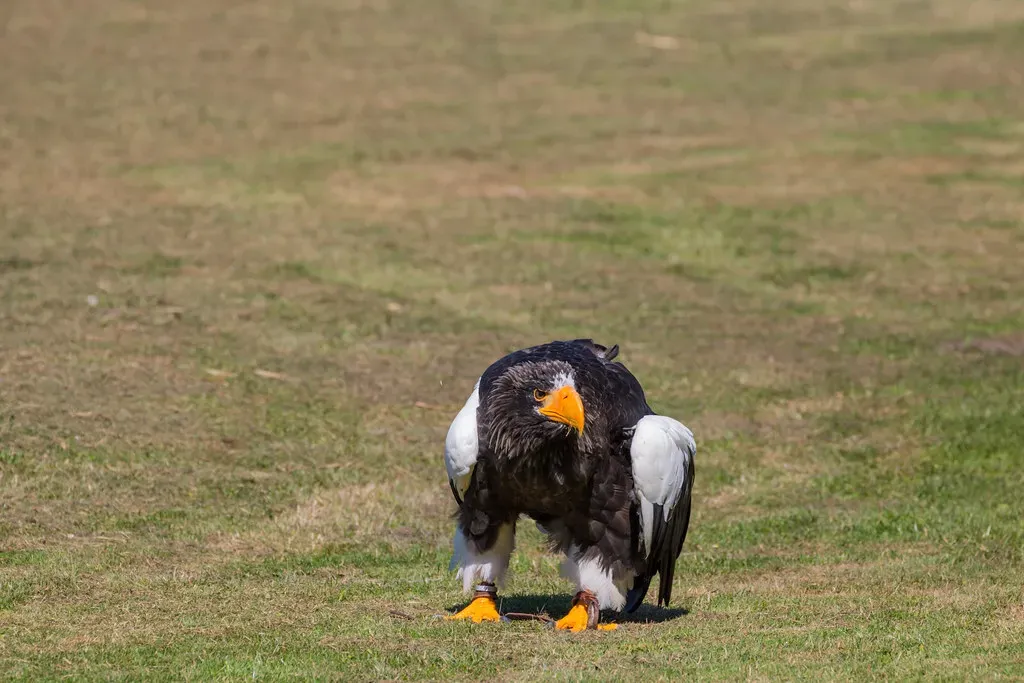
The Steller’s sea eagle represents something increasingly rare in our modern world: a creature of such grandeur that it demands our attention and respect. These birds have survived ice ages and countless environmental changes, yet today they face challenges unlike any in their evolutionary history. From their record-breaking weight to their specialized hunting adaptations, every aspect of their biology tells a story of survival against the odds.
What strikes me most is how their fate is now intertwined with human decisions. Whether these eagles continue soaring over the frozen coastlines of Asia depends on choices we make about pollution, fishing practices, and habitat protection. They’ve mastered their environment; now they need us to be better stewards of ours. What’s your take on conservation efforts for endangered raptors like these? The conversation about protecting these magnificent birds is far from over.