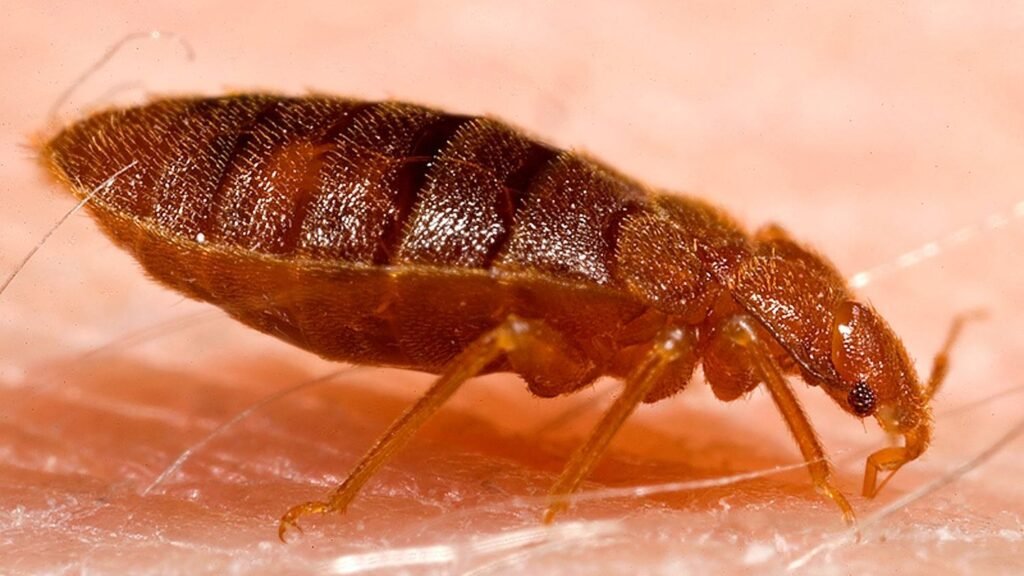

Have you ever wondered why bed bugs seem to have an obsession with your sleeping space? These unwelcome guests don’t just randomly pick a place to call home. There’s actually a science behind their choice, and your bed happens to be their dream destination for some very specific reasons.
Understanding what draws these tiny invaders to your mattress is the first step in protecting yourself from an infestation. Let’s explore the fascinating yet unsettling factors that make your bed such an irresistible target for these persistent pests.
Your Body Heat Acts Like a Homing Beacon

Bed bugs are drawn to body heat between roughly 70 to 80 degrees Fahrenheit, similar to human skin temperature. When you settle into bed at night, your body creates a warm zone that these pests can detect from surprisingly far away. They can detect warmth and moisture from up to three feet away, which essentially transforms your resting body into a giant “come here” signal.
Think of it this way: bed bugs are ectothermic creatures that rely on external heat sources to regulate their own body temperature. Research has shown that the ideal temperature for adult bed bugs is between 70 and 90 degrees Fahrenheit. Your bed, especially when you’re in it, provides that perfect climate control they’re seeking. The materials that make up your mattress already retain warmth, but add your sleeping body to the equation and you’ve essentially created a five-star resort for these unwanted visitors.
Carbon Dioxide From Your Breath Guides Them to You

Here’s something that might make you think twice about your next breath. Carbon dioxide is significantly more attractive to bed bugs than heat, according to scientific studies. Every time you exhale, you’re releasing CO2 that these pests use as a tracking system to locate their next meal.
CO2 levels tend to be higher when you’re sleeping, especially if the room is sealed, and the CO2 you release when you’re sleeping stays near your head. This explains why bed bugs often congregate at the top of your bed and why bites frequently appear on your face, neck, and shoulders. These creatures have developed incredibly sensitive detection abilities precisely because they need to find hosts in the dark. Since bed bugs have poor eyesight and may even be completely blind, they’ve evolved to become expert chemical detectors instead.
The Scent of Your Skin is Irresistible
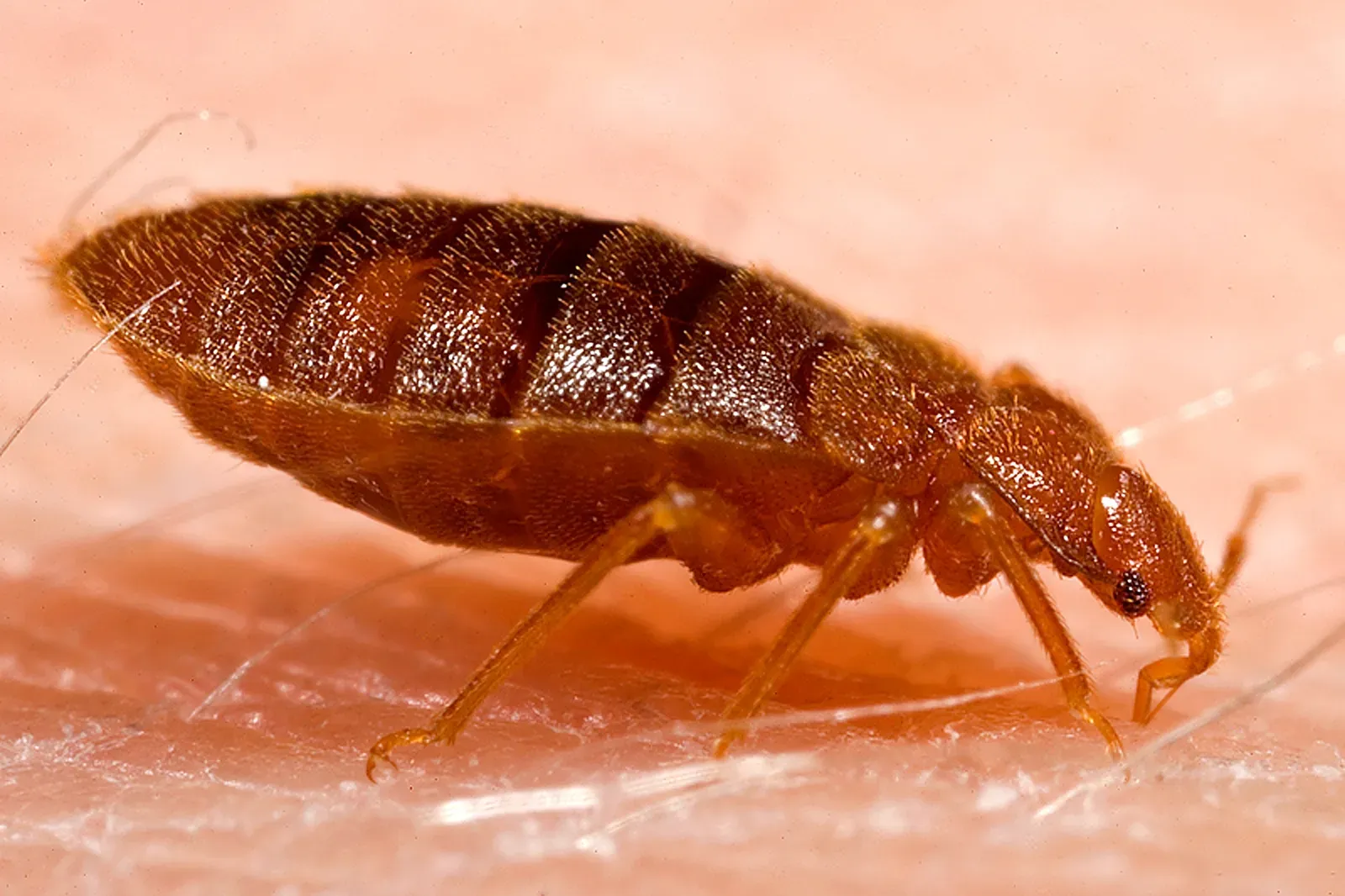
Let’s be real, this one sounds a bit creepy. Bed bugs are attracted to the chemicals released in the oils and sweat on our skin. Your unique body chemistry creates a scent signature that bed bugs can pick up and track, even from soiled laundry.
They use their antennae to pick up on the sweat, oils, and odor you release, and research has provided strong evidence that bed bugs respond to and prefer human odors. It’s not about being clean or dirty either, contrary to popular belief. A pristine bedroom in a luxury hotel is just as susceptible as any other space because cleanliness doesn’t eliminate your natural body scent. Bed bugs are indeed attracted to dirty laundry because scientific studies have shown that the lingering odors of sweat, body oils, and skin cells on worn garments can effectively lure bed bugs.
Your Bed Offers Perfect Hiding Spots
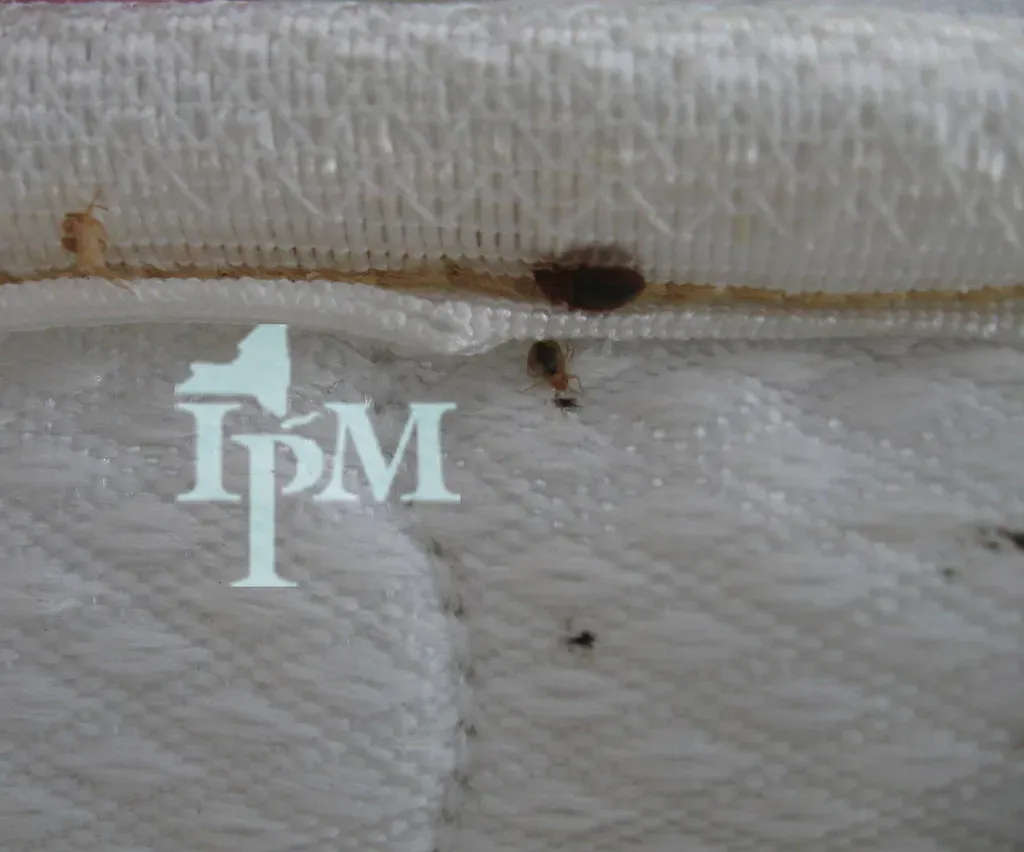
Bed bugs prefer hiding in crevices and box springs of your bed because these are the places where we hardly search for any pests. Your mattress is essentially a multilayered fortress with seams, folds, and tiny gaps that provide ideal concealment during daylight hours.
These pests are incredibly flat, allowing them to squeeze into spaces you wouldn’t think possible. Mattress seams, the underside of your box spring, bed frame joints, and even the tiny space between your headboard and the wall all become perfect sanctuaries. The proximity to their food source combined with numerous hiding opportunities makes your bed the ultimate strategic location. After feeding, they retreat to these dark corners to digest and reproduce, all within arm’s reach of you. It’s hard to say for sure, but the design of modern beds almost seems tailor-made for bed bug habitats.
Clutter Around Your Bed Creates More Opportunities

More clutter equals more hiding spots, as clothes piles, stacks of books, and items under the bed can all become safe harbors for bed bugs, giving them more chances to thrive without being noticed. If you’re someone who treats the area around your bed like extra storage space, you’re inadvertently rolling out the welcome mat for these pests.
The Softness and Texture They Crave
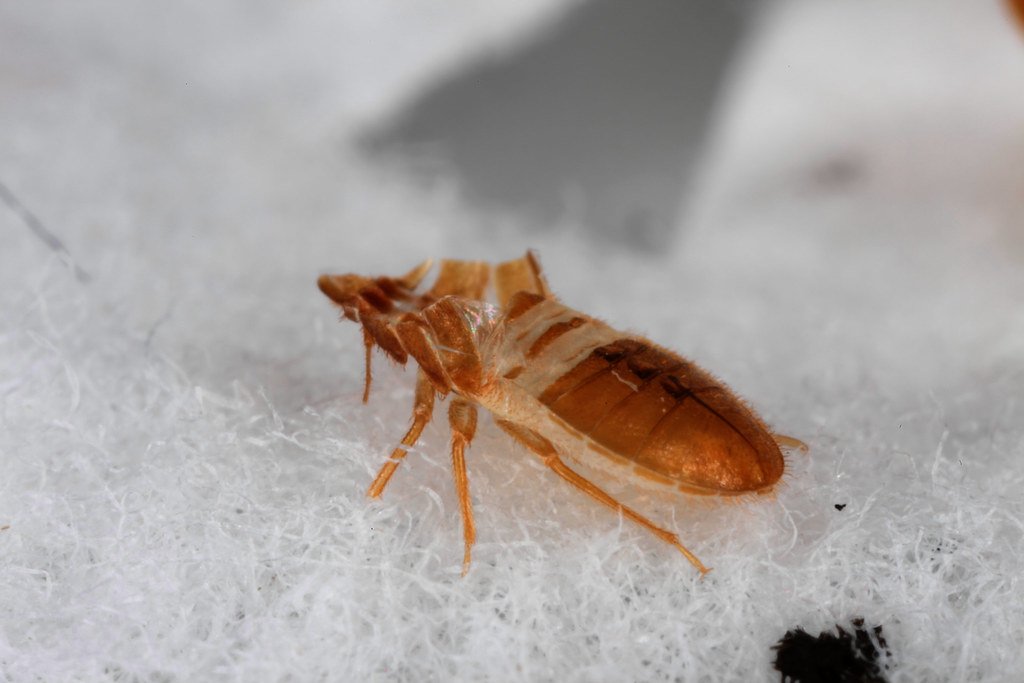
Bed bugs are attracted to soft, cushioned materials like pillows, duvets, and thick mattresses because these materials provide cozy crevices and warmth, making them ideal spots to hide and breed. There’s something about the fabric composition and structure of bedding that bed bugs find particularly appealing.
Bed bugs demonstrate a preference for warm surfaces such as wood, cloth, plaster, paper, or cardboard, while cooler surfaces of metals, glass, tile, stone or concrete are less preferable. Your plush comforter, cotton sheets, and foam pillows check all their boxes. The fibers in these materials create microclimates that maintain stable temperatures and humidity levels. These conditions are not just comfortable for sleeping, they’re also perfect for bed bug survival and egg laying.
You Stay Still for Hours at a Time

Bed bugs feed day or night and don’t wait for your sleep, they’re just waiting for you to become inactive. When you’re sleeping, you’re typically motionless for extended periods, which gives these pests uninterrupted access to feed.
A feeding session can last anywhere from three to ten minutes. Bed bugs feed for two to five minutes and then move quickly to a hiding spot. They need that window of time where you won’t disturb them by rolling over or swatting at an itch. Your bed is where you’re most predictably stationary, making it the logical choice for their feeding ground. Bed bugs are nocturnal creatures that prefer to do their work when the host is sound asleep, making it possible for the insect to feed to repletion without interruption. Honestly, it’s a bit unsettling to think about how they’ve adapted their entire feeding schedule around human sleep patterns.
They’re Already There and Multiplying

Bed bugs release pheromones, which are chemical substances they use to communicate and attract other bed bugs, and when there are ample hiding spots and clutter, bed bugs will take shelter there, making it easier for them to avoid being detected. Once a few bed bugs establish themselves in your bed, they actively recruit more through chemical signals.
This creates a snowball effect. An individual bed bug can lay 200 to 250 eggs in her lifetime, and the eggs hatch in six to 10 days. Your bed becomes not just a feeding station but a breeding ground where multiple generations overlap. The aggregation behavior means they cluster together, and where one bed bug sets up shop, dozens or even hundreds may follow. The pheromones they release essentially say “this is a great spot” to other bed bugs in the vicinity.
Dark Colors on Your Bedding Draw Them In

Bed bugs prefer darker shades, particularly dark bed sheets, because they find them helpful to camouflage in darker shades, and bed bugs are particularly fond of black and red color items. If you’ve been sleeping on dark-colored sheets thinking they hide stains better, you might also be making your bed more attractive to these pests.
Research has shown that bed bugs are attracted to certain colors, particularly red and black, as these colors mimic the appearance of their hiding spots or other bed bugs, making them feel safe. It’s their way of seeking out environments where they can blend in and avoid detection. While color isn’t the primary factor in infestation, it can influence where bed bugs choose to congregate once they’re already present. Switching to lighter-colored bedding might not prevent an infestation, but it can certainly make detecting these pests much easier.
Conclusion
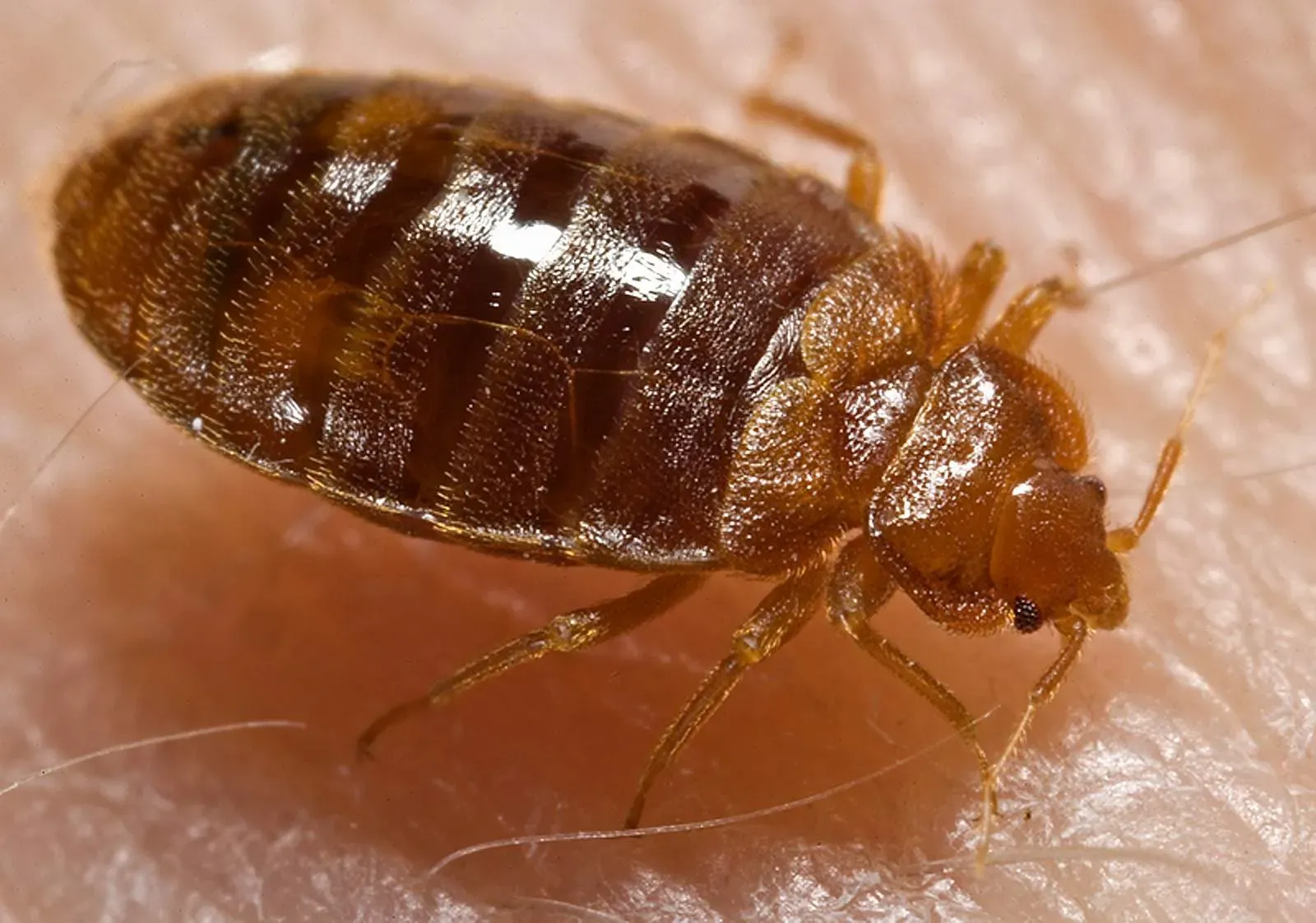
Your bed attracts bed bugs for a combination of biological, environmental, and behavioral reasons that all converge in one place. From the warmth of your body and the carbon dioxide you exhale to the soft textures and perfect hiding spots, your sleeping space offers everything these pests need to survive and thrive.
The good news is that understanding these attraction factors gives you the knowledge to take preventive action. Regular inspections, reducing clutter around your bed, using lighter-colored bedding, and being vigilant when traveling can all help protect you from an infestation. If you suspect you already have bed bugs, acting quickly with professional help is essential because these pests multiply fast and are notoriously difficult to eliminate once established.
What’s your biggest concern when it comes to bed bugs? Have you taken steps to protect your sleeping space?