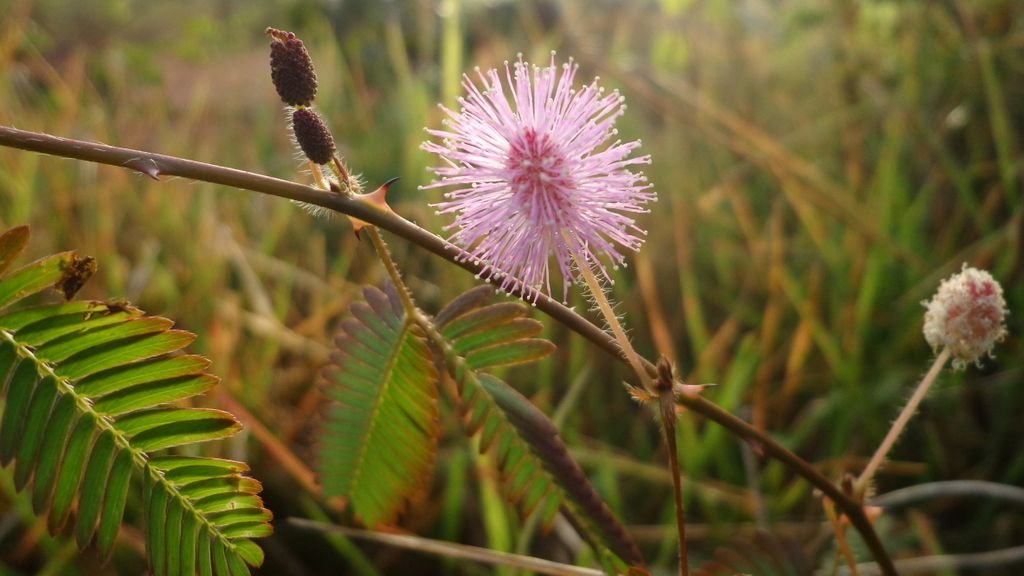

If someone told you your windowsill herb, that annoying weed in the driveway, or the tree outside your apartment could calm your nervous system, clean toxic air, or even survive wildfires on purpose, you’d probably shrug it off. But plants are quietly running some of the most complex, hardcore survival strategies on the planet, and most of us walk right past them without a second glance.
Once you start paying attention, it feels almost like discovering a hidden level in a video game you thought you’d already beaten. Suddenly, that “just a houseplant” becomes a sleep aid, a mood booster, or an air purifier. Some of these plants have been used for centuries; others only recently revealed their secrets thanks to modern science. Let’s dive into ten of the most surprising ones – and what they’re secretly doing while we’re busy scrolling.
1. Moringa – The “Miracle Tree” That Purifies Water
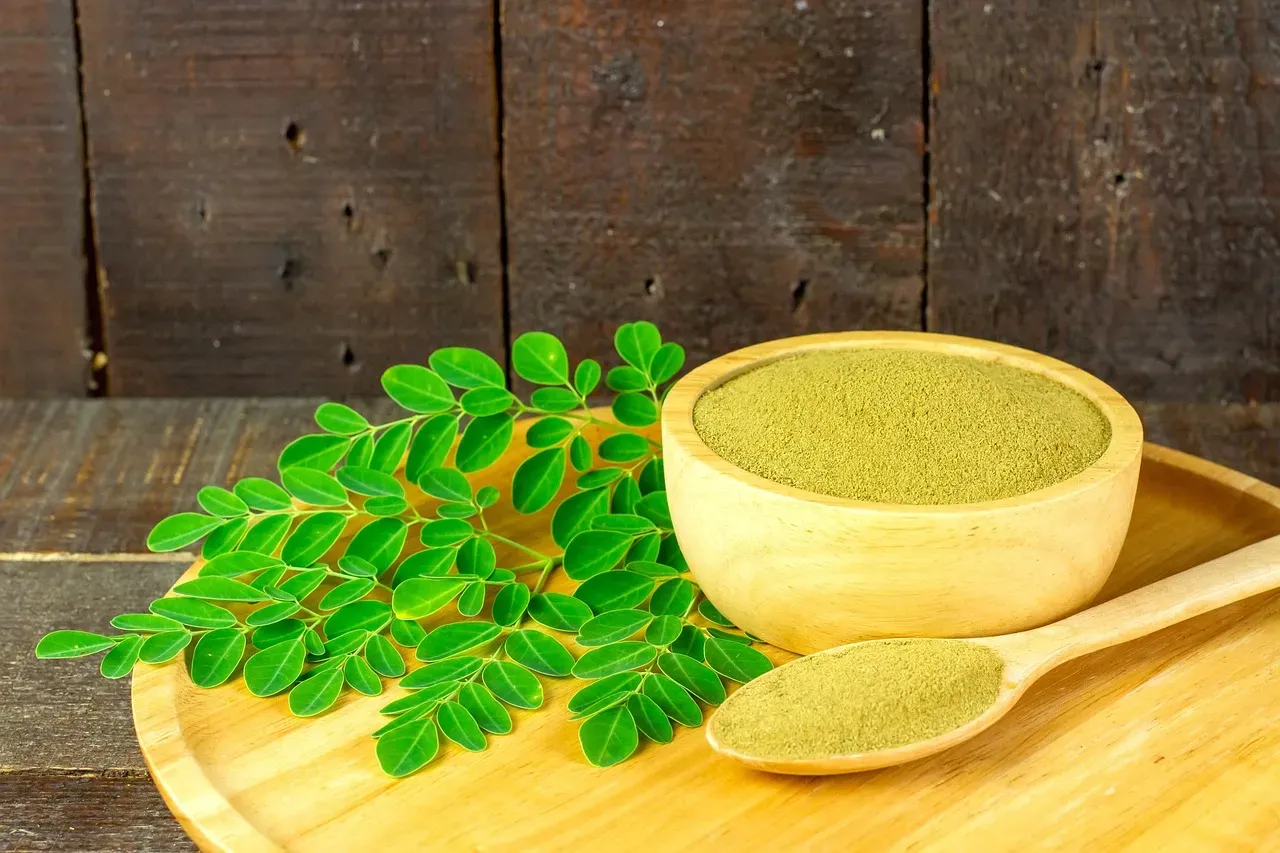
Moringa looks unassuming, but its seeds can literally help clean dirty water. When crushed and added to water, compounds on the seed surface bind to particles like clay, bacteria, and other impurities, pulling them together into clumps that sink to the bottom. It’s like watching a natural, plant-based filter quietly do the work of a small treatment plant.
In many rural regions, moringa seeds are used as a low-cost way to make water safer where modern filtration is hard to access. The leaves are also nutritional powerhouses, rich in protein, vitamins, and minerals, which has made this tree a key ally against malnutrition in some parts of the world. I remember the first time I drank tea made from dried moringa leaves; I thought it was just another herbal fad until I learned it was being used to keep kids alive where options are brutally limited. It’s one of those plants that makes you rethink what “ordinary” really means.
2. Mimosa Pudica – The Plant That Moves When You Touch It
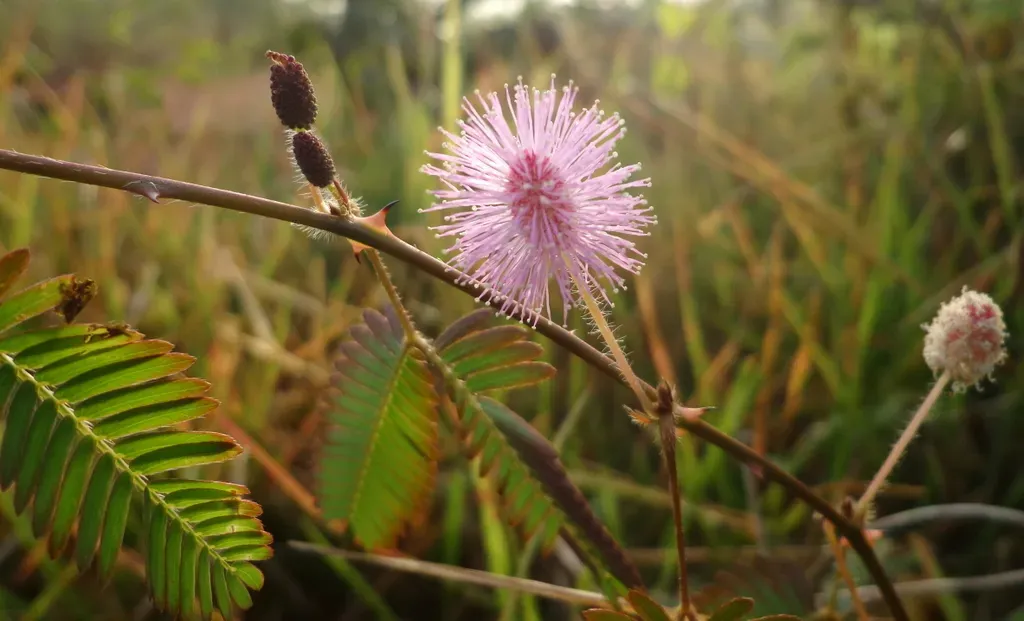
Mimosa pudica, often called the sensitive plant, looks like a delicate fern – until you touch it. Brush a finger along its leaves and they fold up and droop in seconds, as if the plant just flinched. This movement is driven by changes in water pressure in specialized cells at the base of the leaflets and stems, acting almost like tiny hydraulic pistons.
Scientists think this rapid movement may help scare off insects or make the plant less appealing to herbivores, like a “back off” reflex. Watching it react feels strangely emotional, like the plant is shrinking away from you, and it can really mess with your sense of what’s alive and aware. Kids love it because it feels like the plant is playing along; adults love it because it quietly challenges that old idea that plants just sit there doing nothing.
3. Resurrection Plant – The Desert Survivor That Comes Back from the “Dead”
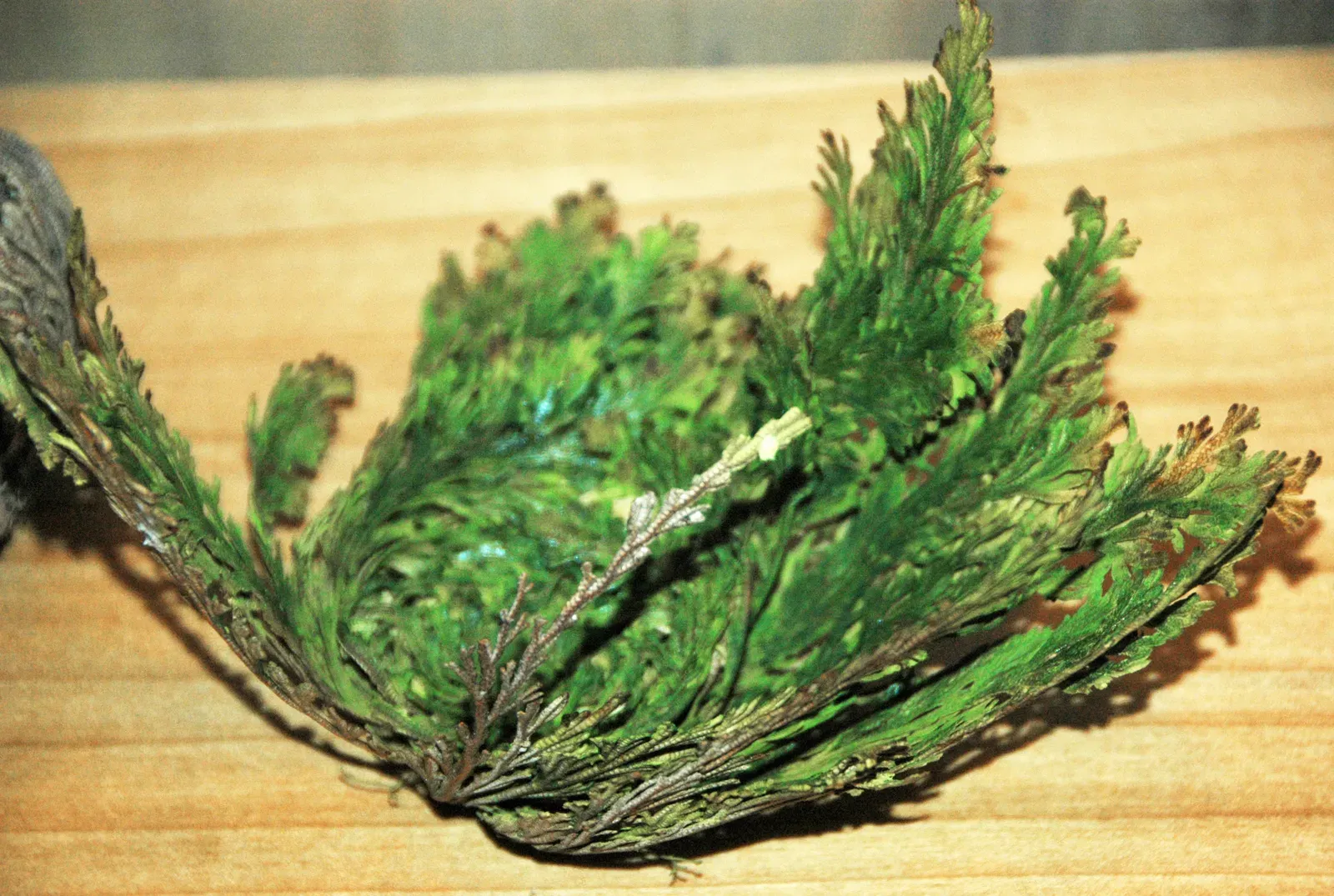
Resurrection plants look like sad, dried-up tumbleweeds when water is scarce, curled into tight brown balls that appear completely dead. But once they encounter moisture, they slowly unfurl, turn greenish, and start photosynthesizing again, sometimes within hours. They’re able to survive extreme dehydration that would kill most other plants, almost like they’ve put their lives on pause.
The secret is a combination of protective sugars and proteins that stabilize their cells when water disappears, preventing the kind of damage that typically makes drying out fatal. Researchers study resurrection plants to understand how their survival tricks could help crops endure harsher droughts as the climate changes. Watching one rehydrate in a bowl of water feels like witnessing a tiny, private miracle on your kitchen counter. It’s the botanical equivalent of hitting “resume” on life after a hard shutdown.
4. Yarrow – The Wound-Healing Herb Hiding in Plain Sight
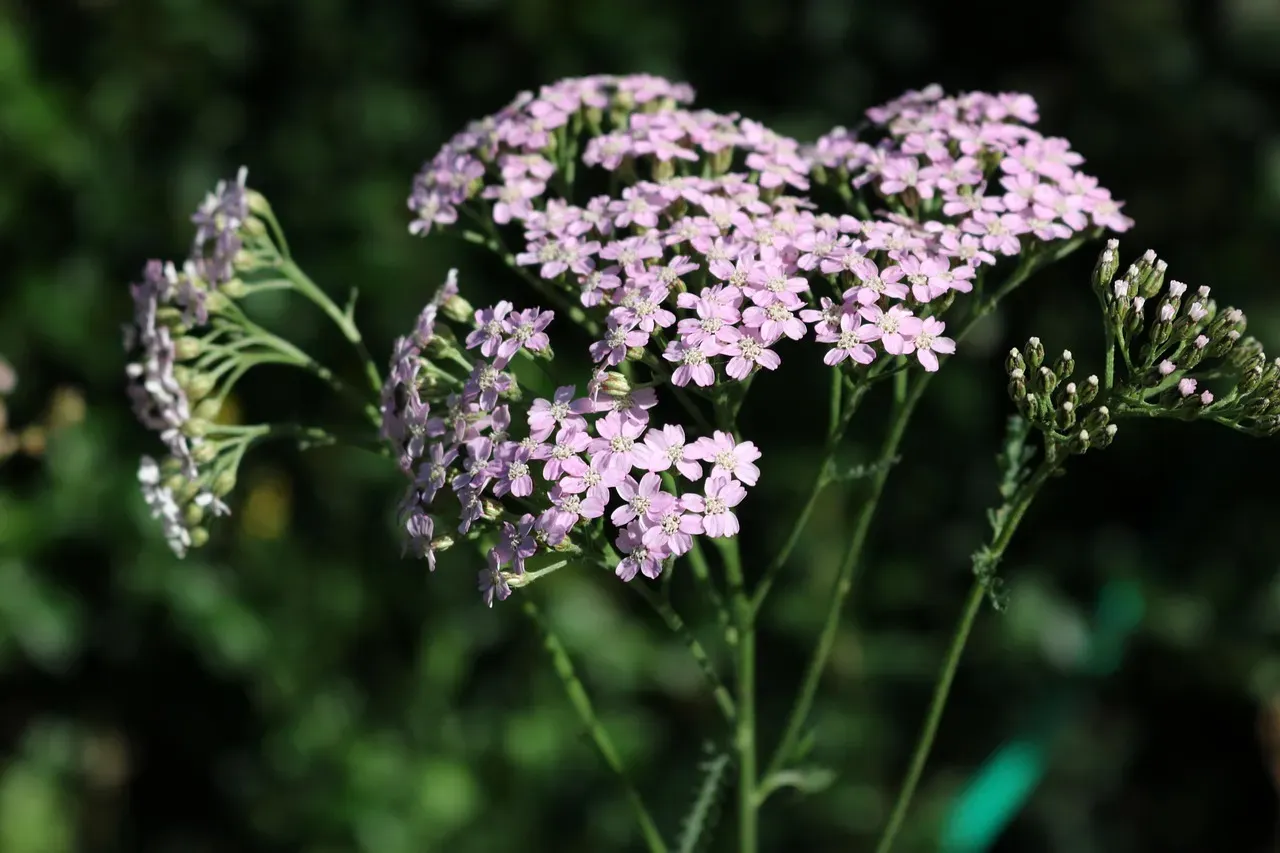
Yarrow is the kind of plant you might walk past on a roadside path, thinking it’s just another wildflower. But for centuries, people have used its leaves and flowers on cuts and scrapes because it helps slow bleeding and support healing. The plant contains compounds that can encourage blood vessels to constrict and may support the body’s natural clotting processes.
Beyond basic wound care, yarrow has also been used in teas and extracts for digestive and menstrual discomfort, though modern evidence is still developing. I once saw a friend on a hike casually crush fresh yarrow and press it on a minor cut, like it was the most normal first-aid move in the world. It felt like someone had pulled an herbal toolkit straight out of a story about ancient healers – except the plant was literally just growing beside the trail.
5. Blue Lotus – The Ancient Flower Linked to Calm and Dreamy States
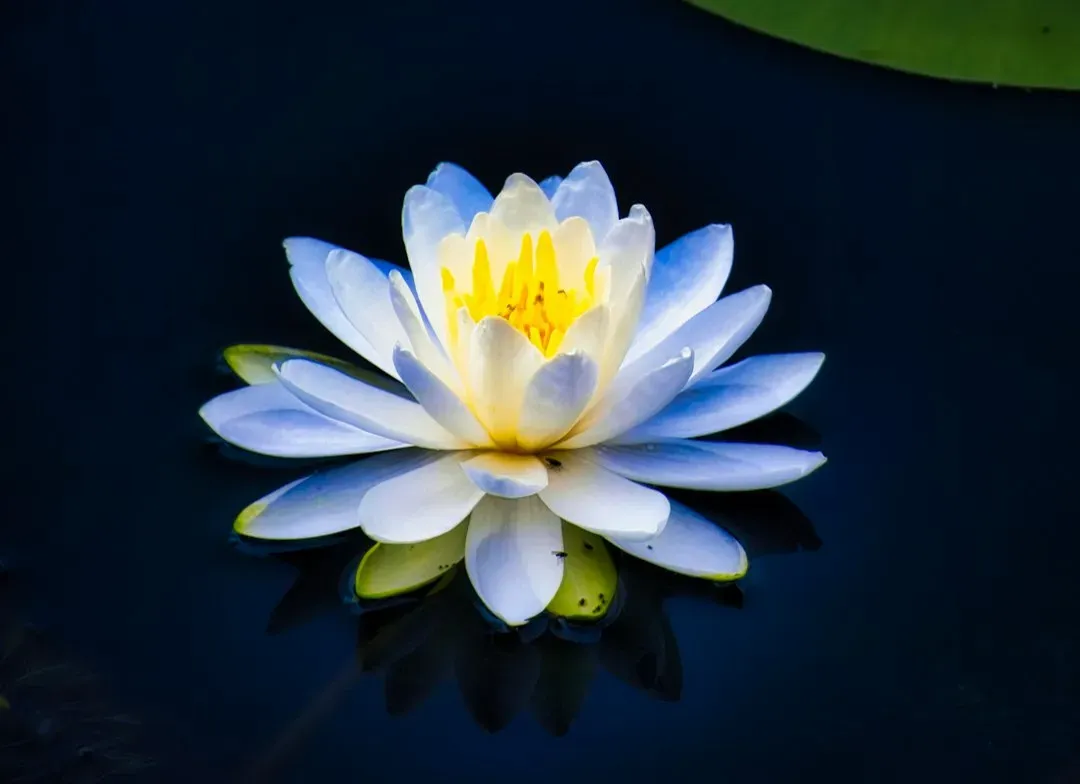
Blue lotus, with its soft, otherworldly petals, has been associated with relaxation and altered states for a long time in human history. The flowers contain alkaloids that appear to have mild sedative and mood-soothing effects when used in teas or tinctures. Some people describe a gentle sense of calm or slightly dreamier sleep after using it, though responses can vary a lot from person to person.
Modern research on blue lotus is still limited, so it sits in that intriguing space between tradition and science. It’s not some magic psychedelic, but more like a soft-focus filter for the nervous system, at least according to many users’ experiences. Seeing dried blue lotus flowers steep in hot water feels a bit like watching an artifact wake up, a ritual echoing practices that go back thousands of years. It’s a reminder that humans have always turned to plants when they wanted to shift their inner world.
6. Aloe Vera – The Succulent That Stores a Mini First-Aid Kit in Its Leaves
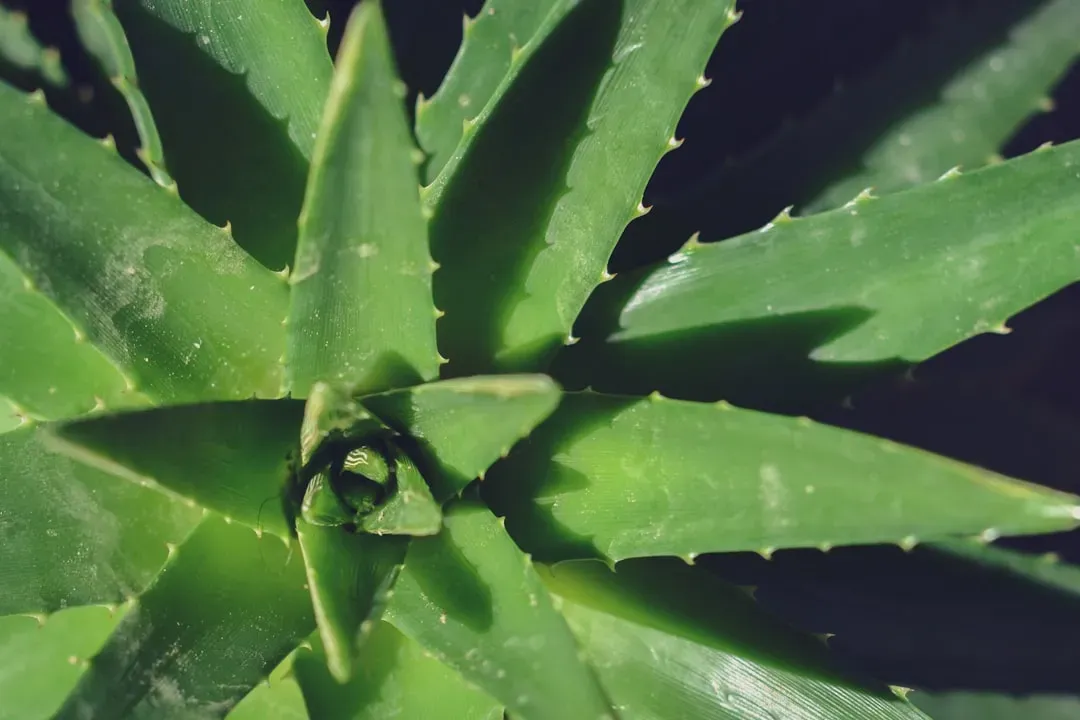
Aloe vera might be the most “normal” looking plant on this list, but its inner gel is almost ridiculously useful. Snap a leaf and you’ll find a soothing, cooling gel that’s long been applied to minor burns, sunburns, and skin irritation. Many studies suggest that aloe can help support skin healing and hydration, which is why you see it listed in so many creams and gels.
What’s wild is how self-contained this little system is: a tough outer skin for protection and water conservation, and a moist, bioactive inner world ready to help repair tissue. Oral aloe products exist too, though they’re more controversial and need caution because parts of the plant can act as a strong laxative. The first time you use raw aloe straight from the leaf on a sunburn, it almost feels like cheating – like the plant had been quietly holding onto this secret skin serum the whole time.
7. Venus Flytrap – The Carnivore That Counts Its Prey
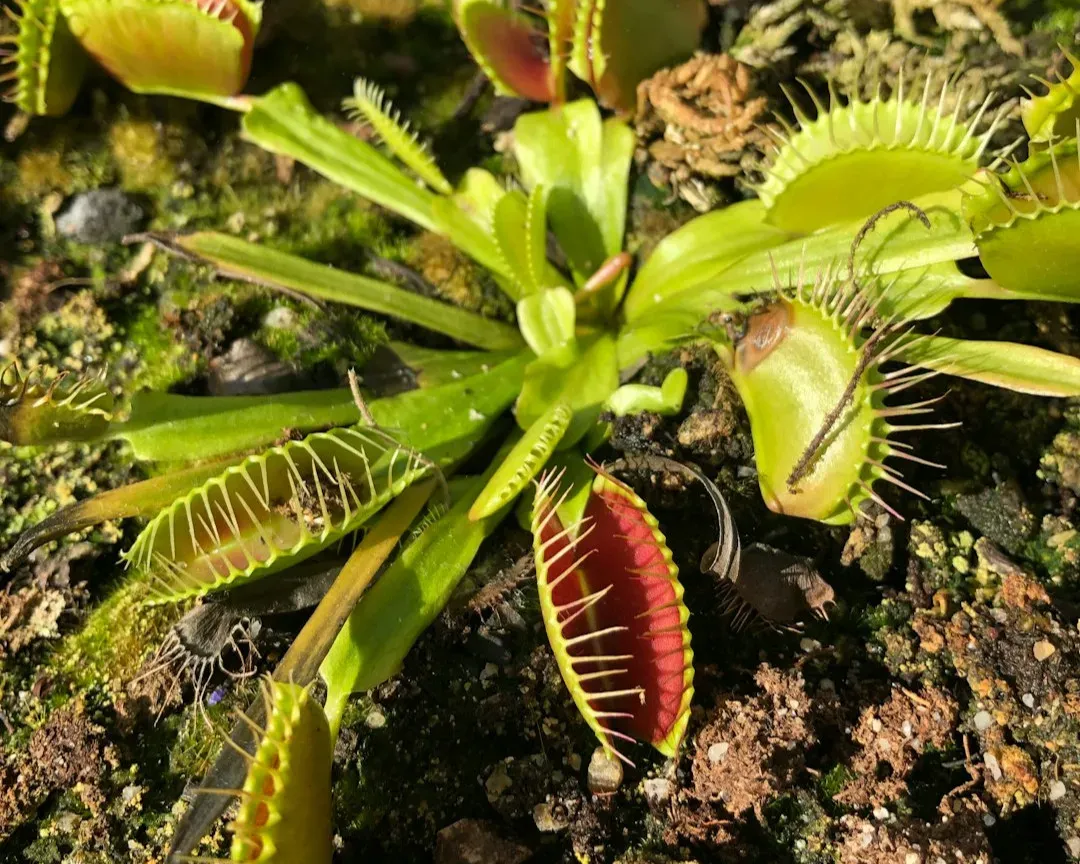
The Venus flytrap is famous for its jaw-like leaves that snap shut on unsuspecting insects. Less well known is that it sort of “counts” touches before committing to closing. Tiny trigger hairs inside the leaf must be stimulated at least twice within a short window for the trap to slam shut, which helps the plant avoid wasting energy on raindrops or random debris.
Once trapped, the plant secretes enzymes that break down soft parts of the insect, absorbing nutrients like nitrogen that are hard to come by in the poor soils where it lives. In a way, it’s hacked the system: instead of relying only on the ground, it turned to the sky for its dinner. Watching a flytrap in slow motion is both fascinating and a bit unsettling – an everyday houseplant acting with the cold precision of a tiny predator. It’s one of those moments where you suddenly realize just how creative evolution can be.
8. Gingko Biloba – The Living Fossil That Protects Its Own Brain (and Maybe Ours)
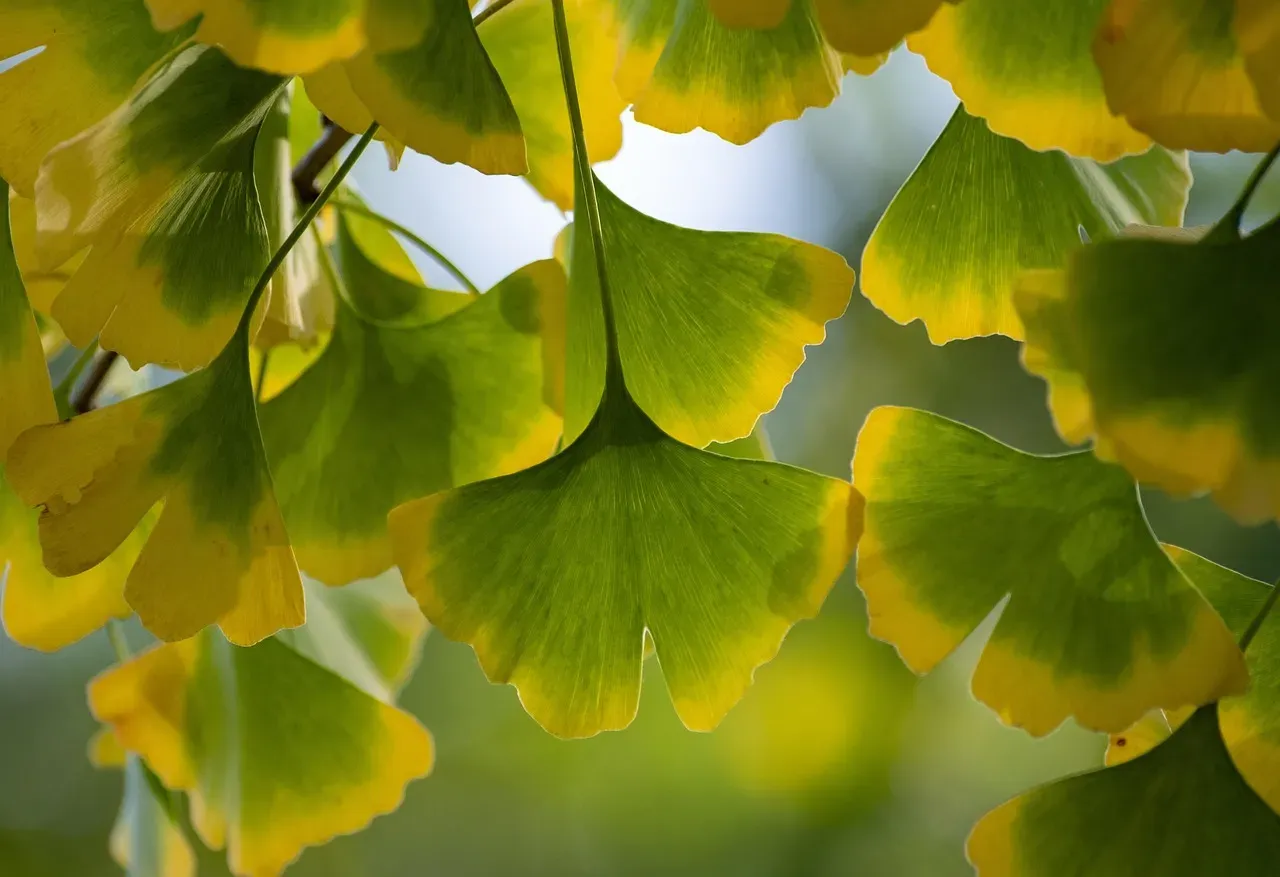
Gingko biloba trees are sometimes called living fossils because their lineage goes back hundreds of millions of years, long before humans even existed. Their fan-shaped leaves contain compounds with antioxidant and circulation-supporting effects, which is why gingko extracts are widely used for brain health and memory support. Research results are mixed, but some studies suggest modest benefits for certain types of cognitive decline.
Beyond supplements, gingko trees themselves are stunning survivors, with some individuals known to live for centuries or even longer. They’ve shrugged off pollution in big cities and can tolerate tough urban environments where other trees struggle. Walking under a mature gingko in autumn, with golden leaves carpeting the ground, feels like stepping into a time machine built out of living tissue. Knowing that this species has outlived mass extinctions makes its quiet presence on a city street feel strangely humbling.
9. Devil’s Claw – The Desert Root That Targets Joint Discomfort
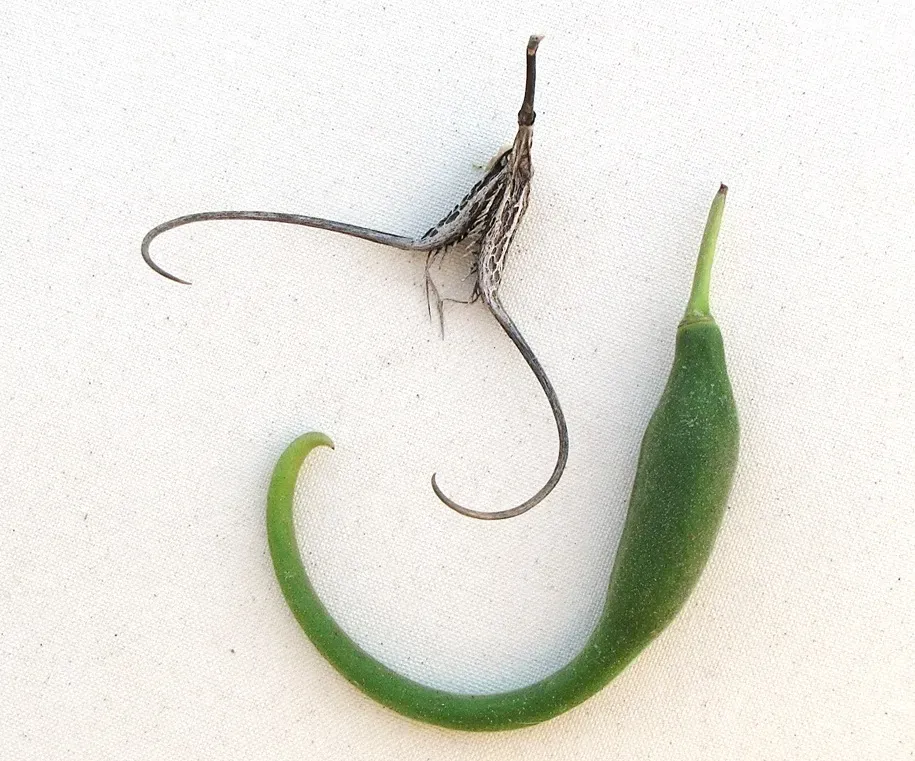
Devil’s claw gets its name from its hooked seed pods, which look like tiny grappling tools. But the real action is underground, in its thick roots, which have been used traditionally for joint and back discomfort. Modern studies have found that extracts of devil’s claw can help relieve mild to moderate pain in some people with conditions like osteoarthritis, likely thanks to its anti-inflammatory compounds.
What’s fascinating is how a plant adapted to harsh, dry landscapes ended up lending its chemistry to human pain management. You look at those twisted, spiky seed pods and they seem almost hostile, yet the plant’s internal chemistry is quietly working in the direction of relief. It’s a bit like meeting someone with a tough exterior who turns out to be unexpectedly kind once you get to know them. This contrast between outer thorniness and inner usefulness shows up again and again in plant medicine.
10. Japanese Knotweed – The Invasive Menace with a Powerful Inner Weapon
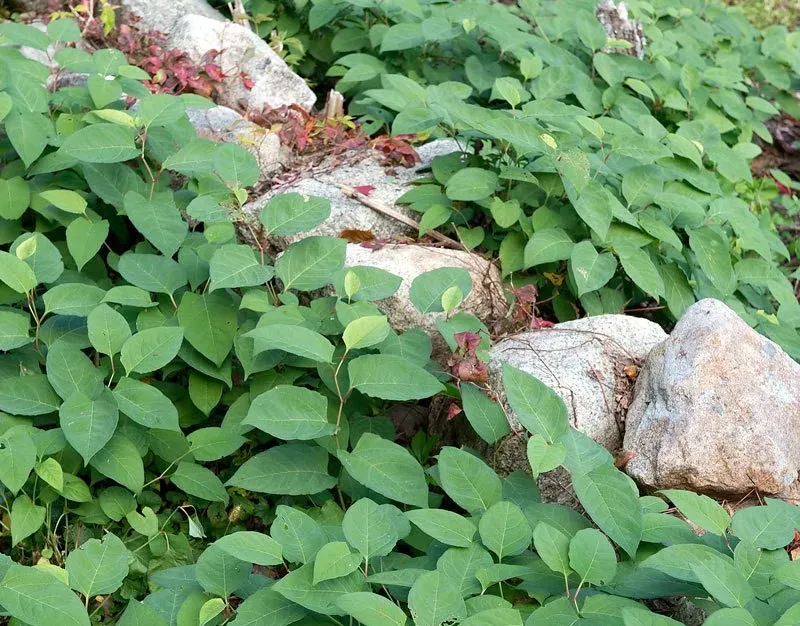
Japanese knotweed is usually described as a nightmare: it spreads aggressively, damages structures, and is notoriously hard to eliminate. But inside its tough, bamboo-like stems and roots lies a compound that’s made it famous in the wellness world – resveratrol. This antioxidant has been studied for potential heart and metabolic health benefits, and knotweed is one of the richest plant sources used in supplements.
There’s something almost poetic about a plant that’s considered an urban villain also being harvested for compounds seen as protective. It doesn’t cancel out the real environmental damage knotweed can cause outside its native range, but it does show that even the “bad guys” of the plant world can hold surprising value. I like thinking of it as nature’s way of reminding us that the story is rarely simple: one organism can be both a problem and a resource, depending on how we meet it.
The Hidden Superpowers Growing All Around You
Once you start noticing what plants are really doing – healing wounds, purifying water, surviving near-death droughts, even counting insect leg taps – it’s hard to go back to seeing them as mere background scenery. The rosemary on your counter, the weeds in the sidewalk, the old trees lining city streets might all be running quiet, astonishing programs that we’ve barely begun to understand. The more we learn, the more obvious it becomes that we’re walking through a living library of chemistry, engineering, and survival strategies every single day.
There’s also a humbling lesson tucked inside all this: our “modern” solutions often echo things plants have been doing for ages on their own. Whether it’s inspiration for medicine, technology, or just taking better care of our bodies and our environment, these green neighbors have a lot left to teach us. Next time you pass a so-called ordinary plant, it might be worth pausing and wondering what hidden power it’s quietly keeping to itself. Which of these secret skills surprised you most?