

Earth looks calm most days, but that calm is a lie. Beneath your feet, rock bends, melts, fractures, and moves like a slow, furious ocean. The landscapes we treat as backdrops for selfies are actually scars, fractures, and monuments carved by forces so huge it’s almost uncomfortable to think about.
Geology is basically the planet’s memory. Every cliff is a page, every volcano a sudden exclamation. The seven wonders below aren’t just pretty places; they’re proof that the ground we trust is anything but stable. Once you see them for what they are, it’s hard to look at a mountain or canyon the same way again.
The Grand Canyon: A River That Sliced Through Time
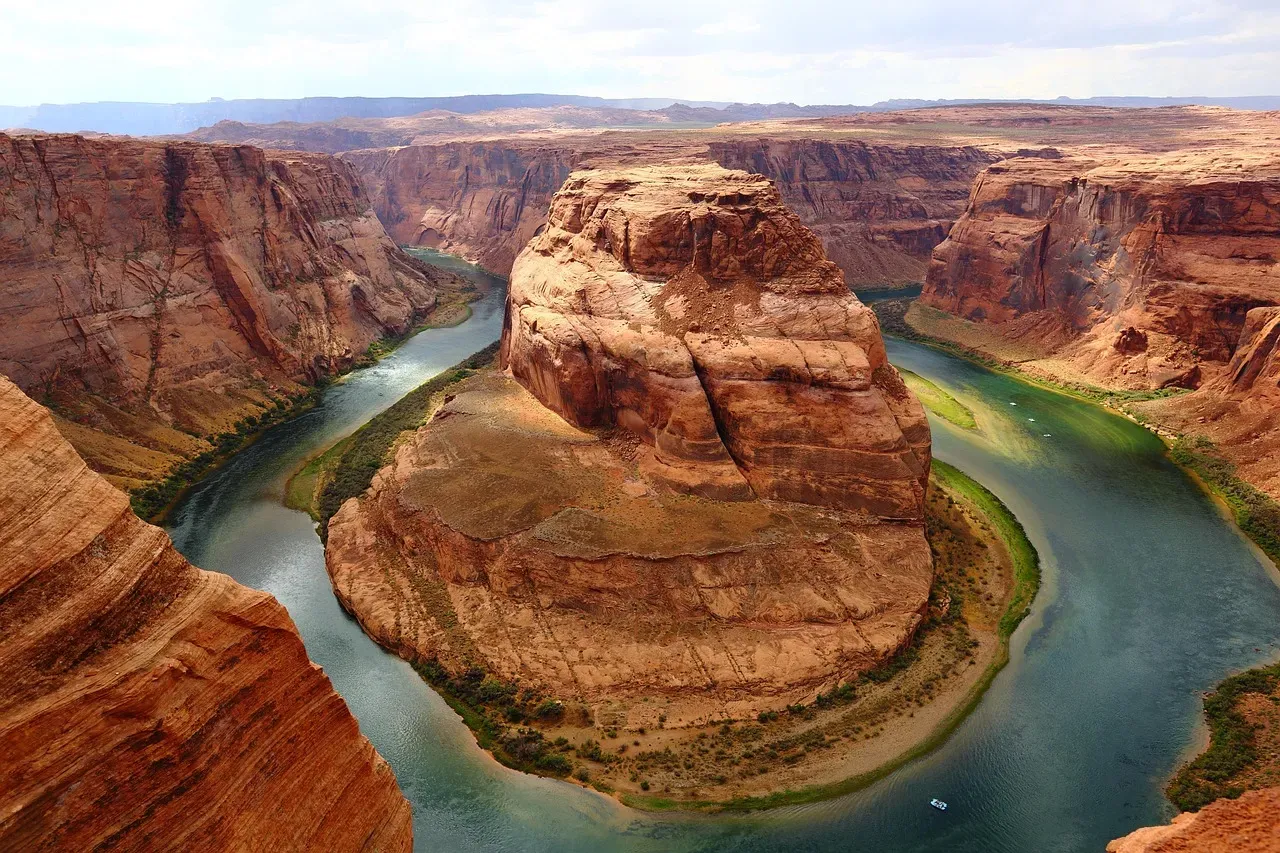
Stand on the edge of the Grand Canyon and your first instinct might be to step back. The scale is almost rude: a chasm more than a mile deep in places and stretching for hundreds of miles, carved not by explosions or instant catastrophe, but by a river patiently sawing down through rock. Layer after layer of multicolored stone tells a story of ancient oceans, deserts, and swamps stacked on top of each other across nearly two billion years.
What makes the Grand Canyon so shocking is not just its size but its patience. The Colorado River, armed with nothing more than water, grit, and gravity, cut through solid rock the way a file slowly eats into metal. Plate uplift raised the Colorado Plateau, the river cut faster, and the canyon deepened. When you look across those sheer walls, you’re looking back into a time before complex life on land, reading history that no human will ever live long enough to see repeated.
Mount Everest and the Himalayas: Mountains Born from Collision
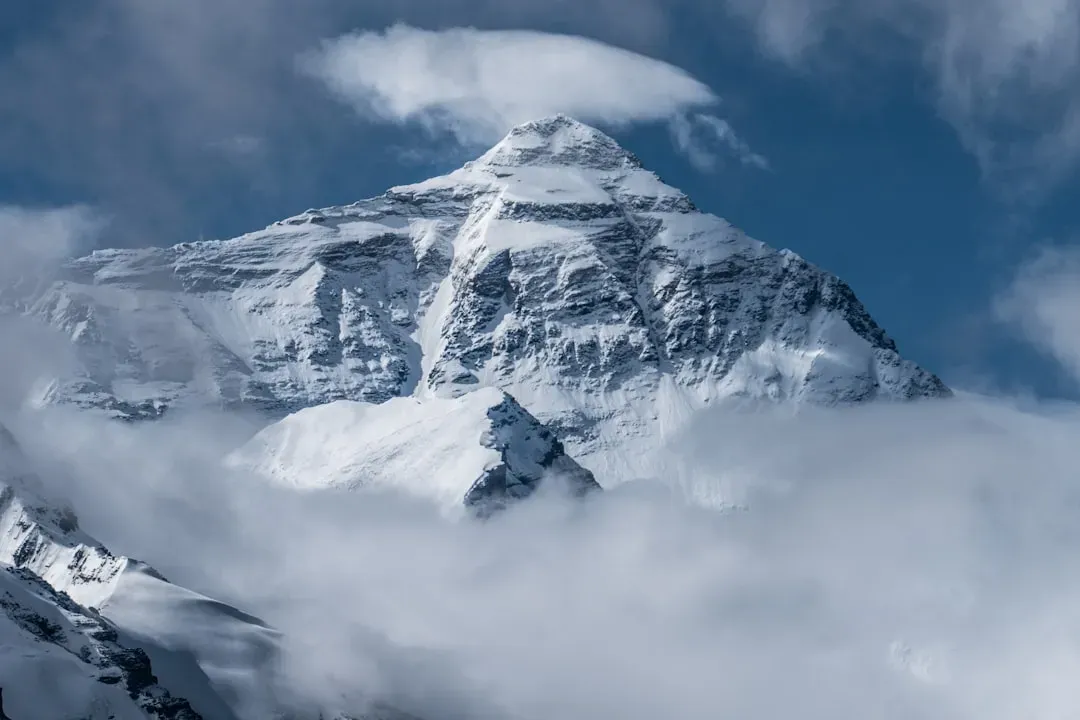
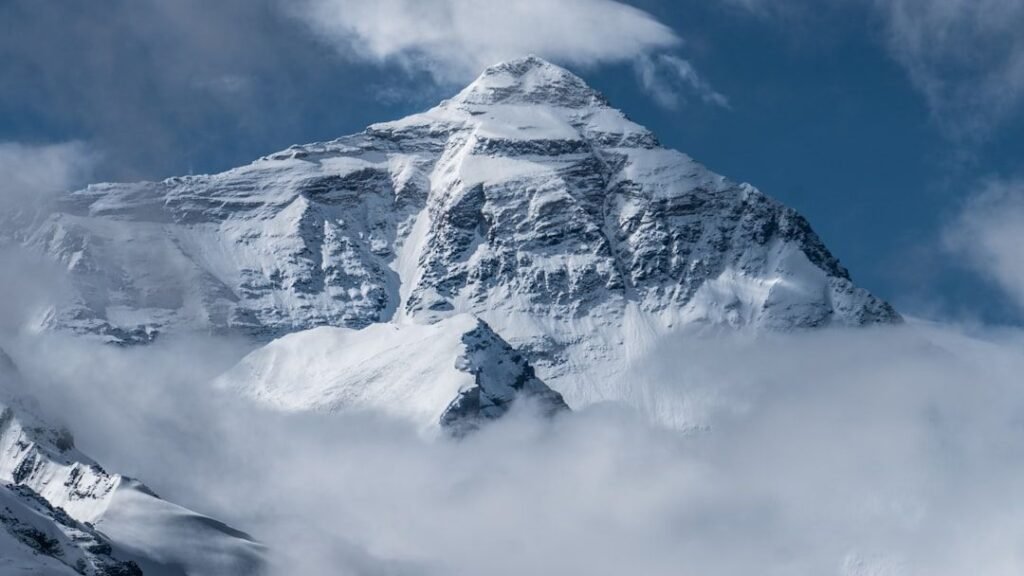
Mount Everest isn’t just the tallest point on Earth’s surface; it’s a frozen explosion of tectonic violence. The Himalayas exist because the Indian tectonic plate rammed into the Eurasian plate and never really stopped, shoving rock upward like a slow-motion car crash. The wild part is that the summit of Everest is made of marine limestone that once sat at the bottom of an ancient ocean, complete with fossils of tiny sea creatures.
Geologists estimate that this continental collision kicked into high gear tens of millions of years ago, and the mountains are still rising in some areas. Earthquakes in the region are a constant reminder that the collision isn’t over; the plates are still grinding, still pushing, still reshaping the roof of the world. Every ridgeline and jagged peak is a snapshot of rock that was squeezed, folded, and thrust upward under pressures and temperatures that would crush anything human-made like a soda can.
Iceland: A Living Laboratory of Fire and Ice
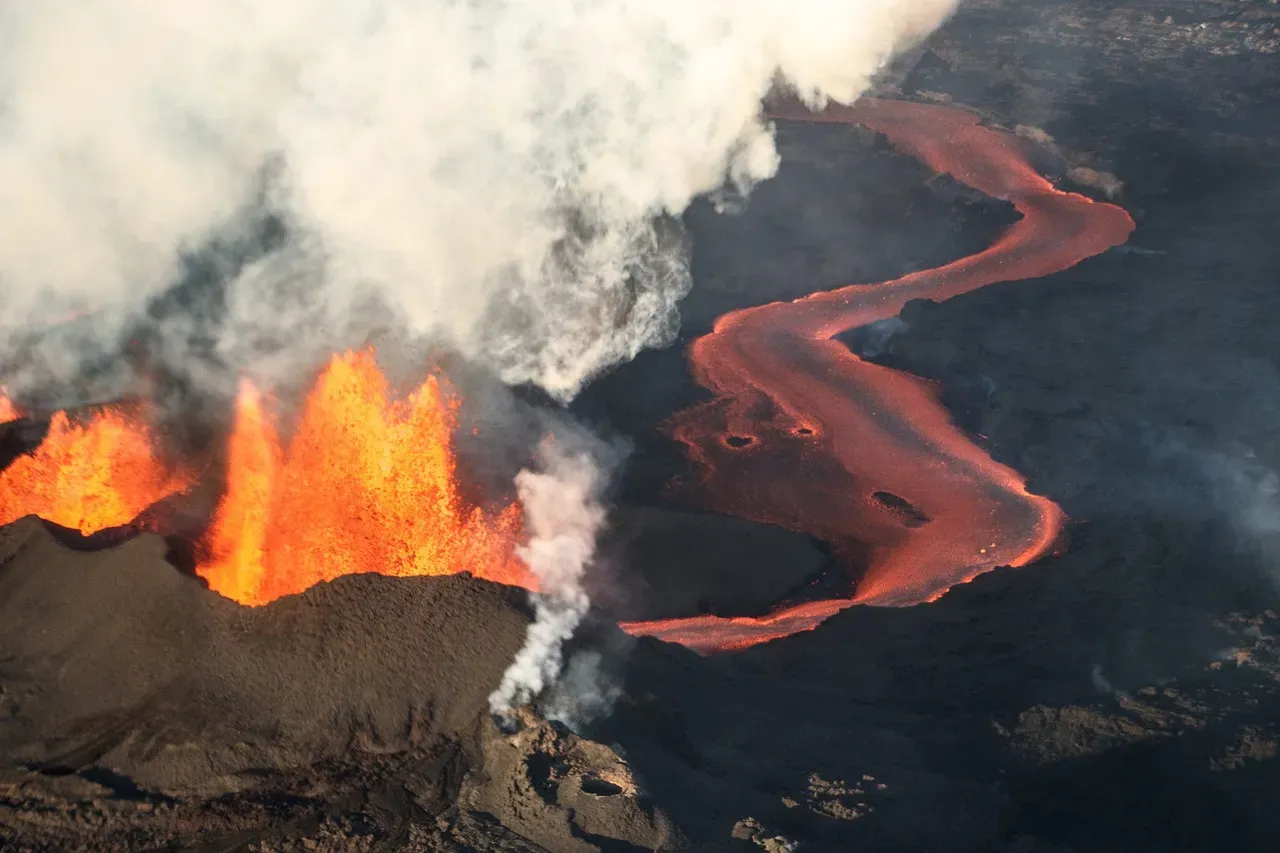
Iceland is one of those places that feels like Earth decided to put all its tricks in one small island. It straddles the Mid-Atlantic Ridge, where the Eurasian and North American plates are pulling apart, and at the same time it sits on top of a powerful hotspot. The result: volcanoes, geysers, hot springs, lava fields, and glaciers all sharing the same stage. It’s like watching a planet being built in real time, just with better coffee and Wi-Fi.
Rifts such as the one in Þingvellir National Park show, in visible cracks and cliffs, where the crust is literally tearing apart. Repeated volcanic eruptions have added new land, while glaciers carve and grind that land back down. Major eruptions in recent decades have shut down air travel across Europe, reminding everyone that Iceland’s drama doesn’t stay local. Nowhere else makes it so obvious that Earth’s crust isn’t a solid shell, but more like eggshells drifting on a simmering pot.
The Mariana Trench: The Deepest Scar on Earth
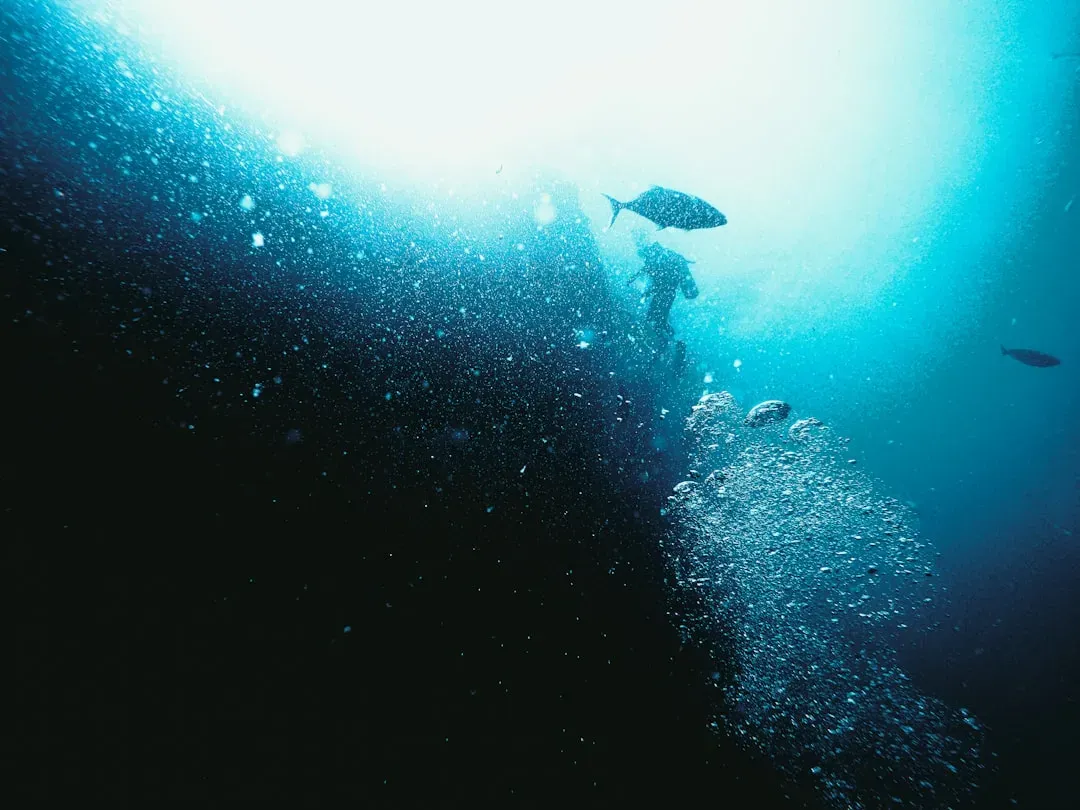
If mountains are Earth’s raised scars, ocean trenches are the cuts that disappear into darkness. The Mariana Trench in the western Pacific is the deepest known point in the world’s oceans, plunging nearly seven miles down at its lowest spot. You could drop Mount Everest into it and still have water above the summit. That depth is not just empty space; it’s the direct result of one tectonic plate diving beneath another in a process called subduction.
At the trench, the dense Pacific plate is forced down into the mantle beneath the lighter plate to the west. As it sinks, it drags water and sediments with it, fueling melting, earthquakes, and arc volcanoes in nearby regions. Temperatures and pressures at the bottom are beyond brutal, yet strange life still survives there, feeding on chemical energy rather than sunlight. The Mariana Trench is a reminder that some of Earth’s most extreme geology, and some of its most alien life, exist in places humans barely touch.
Yellowstone: A Supervolcano Hiding Under a National Park
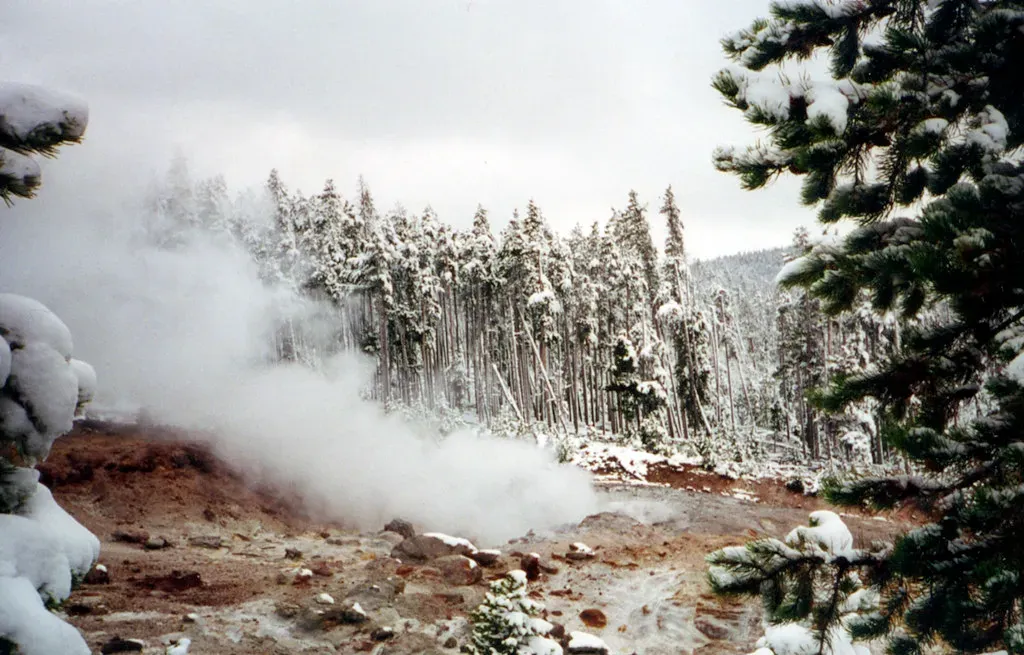
Yellowstone looks peaceful: bison grazing, forests whispering, tourists wandering between hot springs. Under that calm surface, though, sits one of Earth’s most powerful volcanic systems. Instead of a classic cone-shaped volcano, Yellowstone is a caldera, a giant depression formed by past explosive eruptions that were powerful enough to blanket huge portions of North America in ash. The same heat that caused those eruptions now powers the park’s famous geysers, mud pots, and steaming pools.
Modern monitoring shows the ground in Yellowstone slowly rising and falling, like a giant creature breathing in its sleep. Seismic swarms, gas emissions, and changes in geyser activity keep scientists paying very close attention. While sensational headlines often exaggerate the odds of an imminent eruption, the raw potential is real; this is a place where Earth has already proven it can unleash continent-scale effects. Walking over the boardwalks there, you’re literally strolling on the roof of an active magma system that dwarfs anything humans have ever built.
The Great Rift Valley: A Continent Tearing Itself Apart
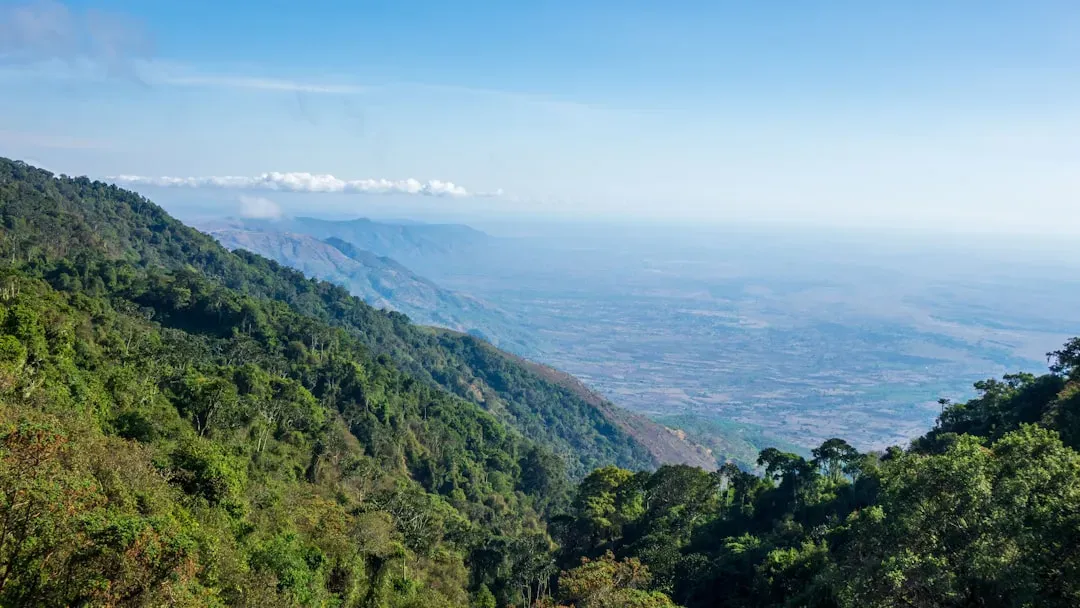
In East Africa, a geological breakup is underway that will eventually redraw the map of the world. The Great Rift Valley is a huge fracture system stretching thousands of kilometers, where the African continent is slowly splitting into two major pieces. Vast cliffs, long lakes, active volcanoes, and frequent earthquakes trace out the wounds of this separation. It’s not just scenery; it’s the early stage of an ocean being born.
In some places, the crust is thinning and sagging, creating deep basins where lakes like Tanganyika and Malawi sit. Elsewhere, volcanoes such as Ol Doinyo Lengai and Erta Ale tap into rising mantle material that’s prying the continent apart from below. Over many millions of years, those rifts could widen, flood, and become a new ocean basin, leaving eastern Africa as a separate landmass. To drive over parts of the Rift today is to glide along a fracture that, given enough time, will become as profound as the Atlantic itself.
Uluru (Ayers Rock): A Stone Giant Shaped by Time
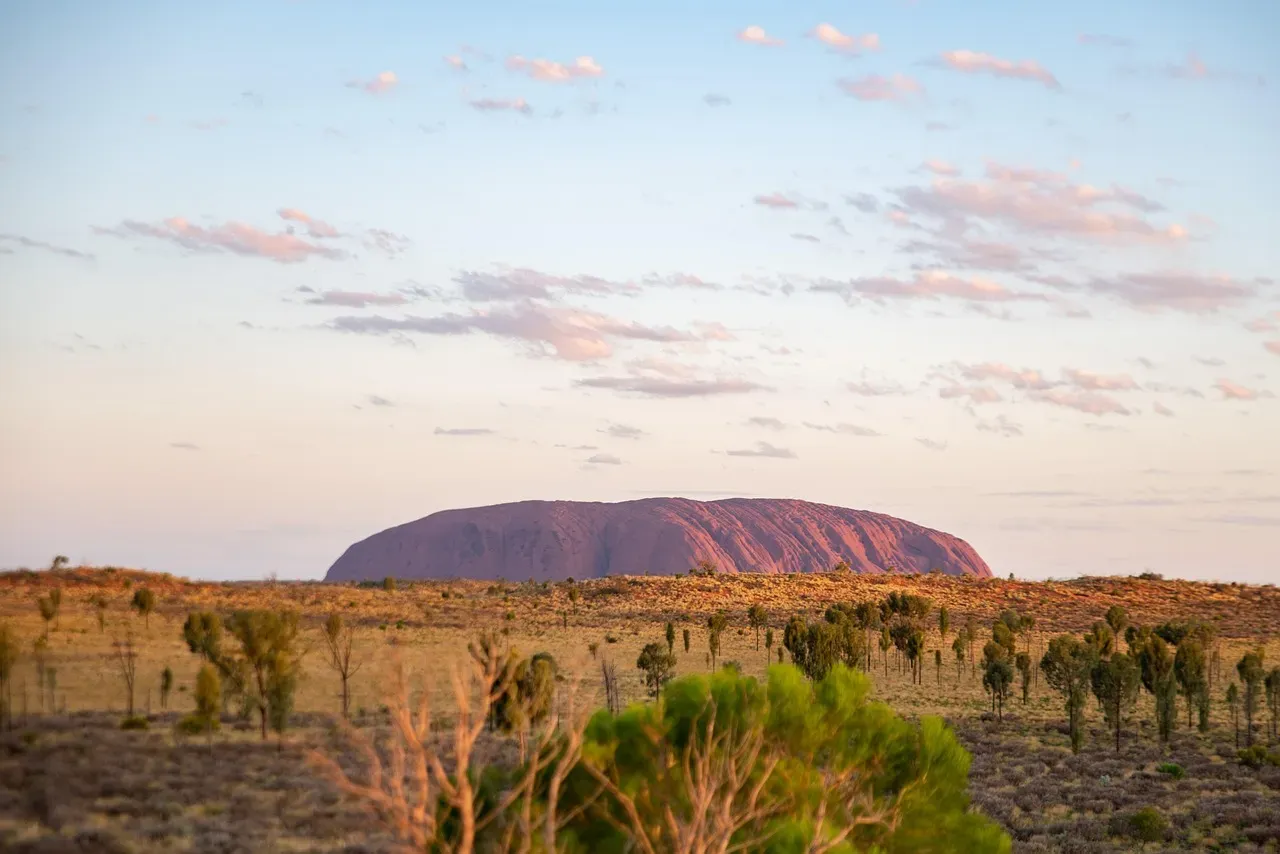
Uluru rises out of the flat central Australian desert like some massive ship that ran aground eons ago. It’s a single, enormous sandstone outcrop, tinted deep red by iron oxidation, and it’s one of the most striking examples of how stubborn rock and brutal erosion can work together. The surrounding softer rocks have been worn away by weather, while Uluru’s more resistant material has endured, leaving a lone monolith that grabs the horizon and refuses to let go.
Geologically, Uluru is a remnant of an ancient mountain range, its layers originally laid down as sediments in long-vanished environments. Over hundreds of millions of years, tectonic forces pushed and tilted those layers, then wind and water did the slow work of sculpting and stripping the landscape bare. The result is a formation whose smooth curves, caves, and vertical streaks bear the fingerprints of water runoff and temperature swings. Uluru’s power is quiet but undeniable, a reminder that sometimes Earth’s greatest feats aren’t sudden eruptions, but slow, relentless survival.
Living on a Restless Planet
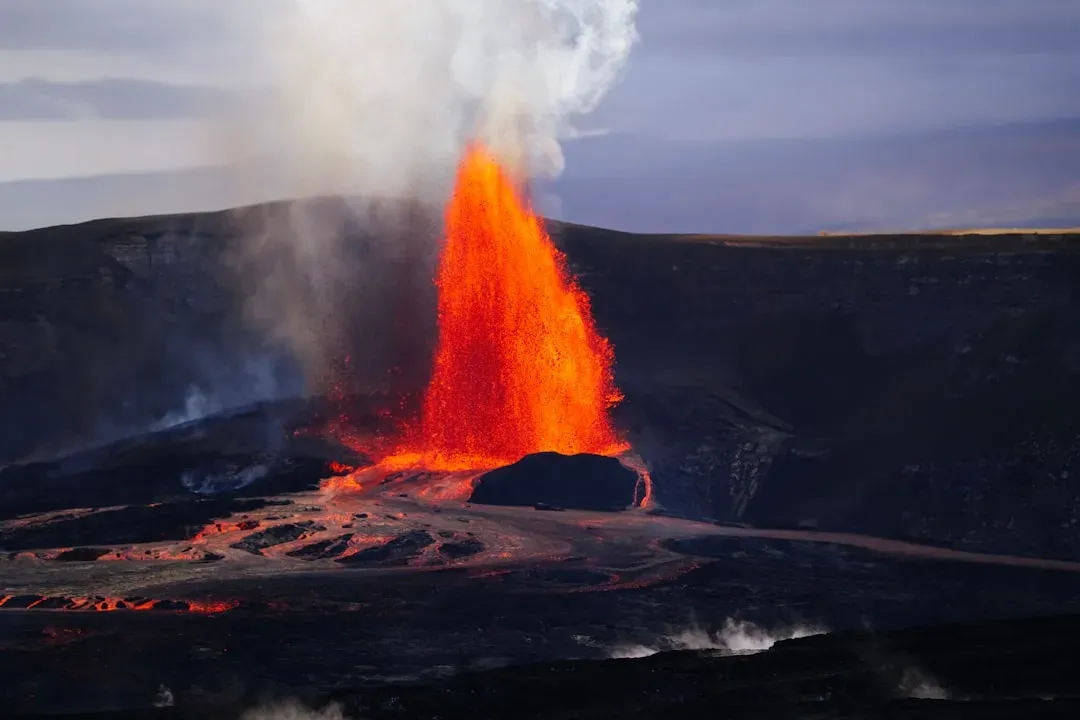
These seven wonders are not isolated oddities; they’re the visible edges of a deeper truth about our planet. Earth is not stable, not finished, and not gentle. Rivers carve canyons, plates collide, continents split, magma rises, and the seafloor sinks, all on timescales far longer than human lives but short in the life of a planet. We just happen to be here at one particular frame in a never-ending movie.
Once you start seeing landscapes as evidence of movement instead of static wallpaper, everything changes. A hill becomes a wrinkle, a cliff becomes a history book, and an earthquake feels less like a random disaster and more like a reminder of the forces that built everything around you. The ground beneath you is not just where you stand; it is a participant in your story, whether you notice it or not. Which of these forces shaping our world did you underestimate the most?


