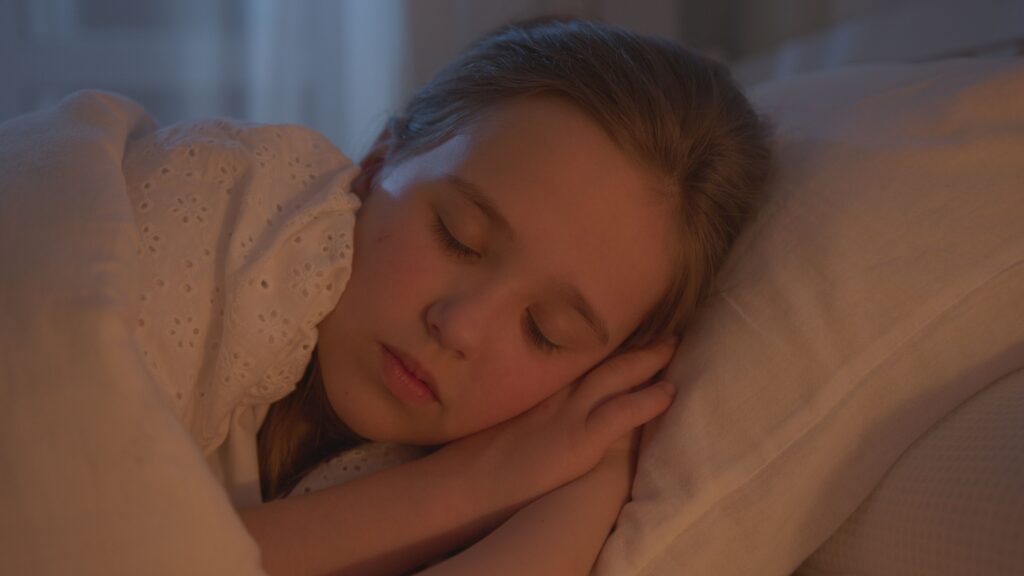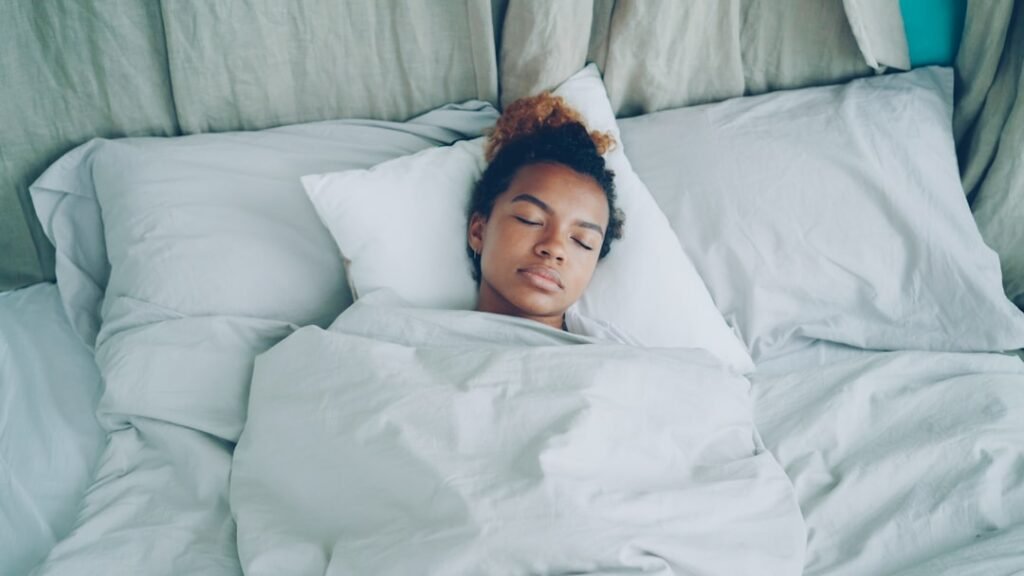

Sleep looks so simple from the outside: you close your eyes, drift off, and somehow wake up hours later. But under the surface, your brain is running a wild, carefully choreographed show that scientists are still trying to fully understand. The more researchers learn, the clearer it becomes that sleep isn’t “wasted time” at all – it’s one of the most powerful things you do for your body and mind.
Yet most of us go through life treating sleep like a negotiable luxury instead of a survival system. We brag about getting by on a few hours, scroll our phones at midnight, and then wonder why we feel exhausted, foggy, and on edge. Once you see what your brain is secretly doing each night – from cleaning out toxic waste to rewriting memories – you’ll never think about bedtime the same way again.
Your Brain Literally Washes Itself While You Sleep
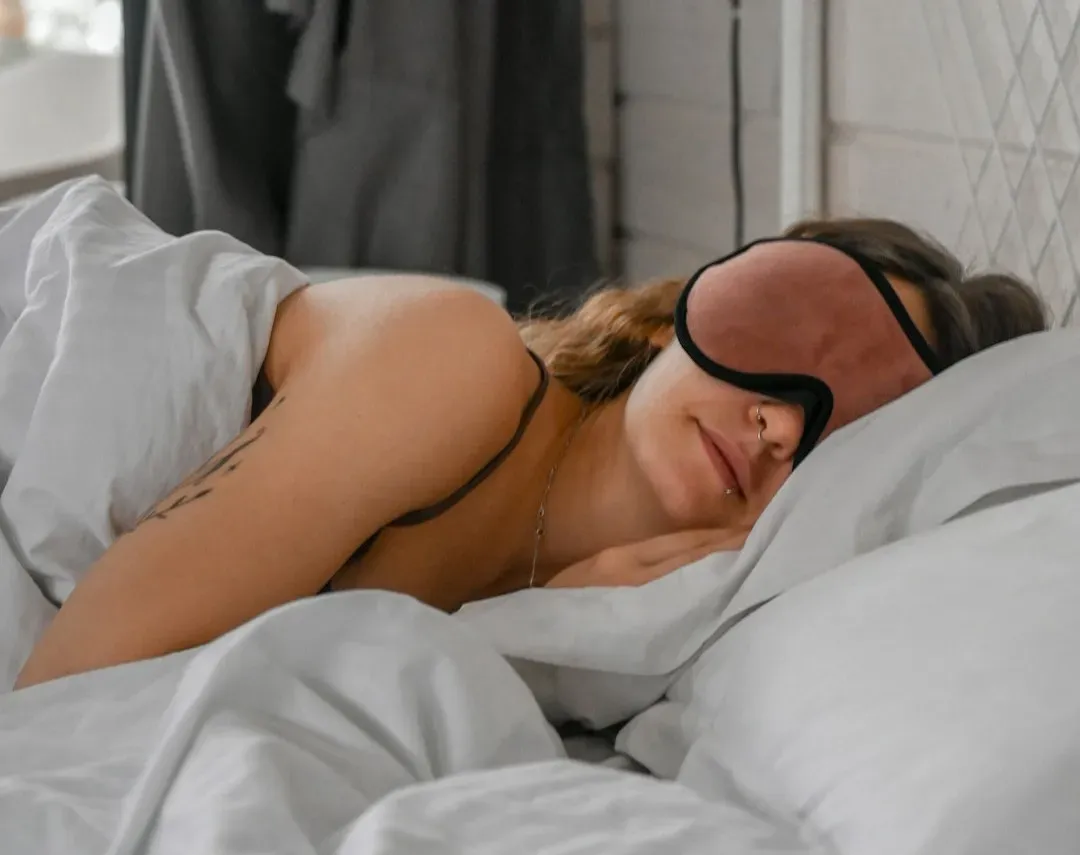
One of the most surprising discoveries of the last decade is that your brain has a kind of overnight cleaning crew. During deep sleep, brain cells shrink slightly and channels between them widen, letting cerebrospinal fluid wash through and flush out waste products. Among these wastes are proteins linked with neurodegenerative diseases, which makes this nighttime rinse cycle feel alarmingly important.
Think of it like closing a busy restaurant for the night so staff can mop floors and clear the kitchen. If they never closed, grime would build up until everything broke down. In a similar way, chronic sleep loss seems to interfere with this wash-and-rinse system, and researchers have linked long-term poor sleep to a higher risk of cognitive decline. You’re not just resting at night; you’re literally taking your brain to the car wash.
Your Immune System Uses Sleep as Its Secret Weapon
When you’re sick and feel like you want to sleep all day, that isn’t weakness; it’s a very smart biological strategy. During sleep, especially deep sleep, your body ramps up production of certain immune molecules that help fight infections and reduce inflammation. At the same time, sleep helps your immune system “remember” past invaders, which is why good sleep improves how well vaccines work.
On the flip side, regularly cutting sleep short makes your immune defenses surprisingly clumsy. Studies have shown that people who sleep less than they need are more likely to catch colds when exposed to viruses and take longer to recover. It’s a bit like sending tired security guards to patrol a huge building: they miss things they’d easily catch if they were well-rested. Going to bed earlier might be one of the cheapest immune boosters you’ll ever find.
Your Brain Rewrites and Edits Memories at Night
While you sleep, your brain is busy replaying parts of your day, strengthening some memories and quietly fading others. Deep, slow-wave sleep helps “lock in” facts and skills, while dream-rich REM sleep seems to help connect ideas, make associations, and file experiences into long-term storage. In a way, sleep acts like an editor going through a messy first draft of your day.
This is why cramming all night for an exam, or practicing a skill without proper sleep, backfires so often. Without enough sleep, the brain’s filing system breaks down, making it harder to recall what you learned or perform smoothly the next day. I still remember nearly failing a university exam after pulling an all-nighter; once I started sleeping properly before tests, my grades jumped more than any study trick ever managed. Sleep is the unfair advantage we pretend we don’t need.
Your Body Has a Built-In Sleep “Chronotype” You Can’t Just Will Away

If you’ve always felt like a night owl in a world built for early birds, you’re not simply lazy or undisciplined. Many people have a natural chronotype, a biological tendency to feel sleepy and alert at certain times, influenced by genes and age. Teenagers, for example, tend to shift later, which is why early school start times often clash brutally with their natural rhythms.
Trying to force yourself into a completely different schedule by sheer willpower usually feels like permanent jet lag. You can nudge your internal clock earlier or later with consistent routines, morning light, and careful use of caffeine, but there are limits to how far you can bend biology. Understanding your chronotype lets you plan demanding work for your naturally alert hours instead of constantly battling your own brain. It’s less about moral strength and more about working with your wiring.
Sleep and Mental Health Are Locked in a Two-Way Loop
Sleep problems and mental health issues almost never travel alone. People with anxiety, depression, or PTSD commonly struggle with insomnia, restless nights, or disturbing dreams, and those sleep issues in turn make mood and stress harder to manage. It’s not just that you feel cranky when tired; the emotional centers of the brain become more reactive and less balanced when you’re sleep-deprived.
Researchers have found that improving sleep can sometimes ease symptoms of depression and anxiety even when nothing else changes. That doesn’t mean sleep is a magic cure, but it acts like a foundation: shaky sleep makes every emotional challenge heavier to carry. I’ve noticed personally that when I get several bad nights in a row, even small problems feel overwhelming, and after a solid week of good sleep, those same problems shrink back to normal size. Taking sleep seriously can be one of the most underrated mental health decisions you ever make.
Your Heart and Metabolism Quietly Depend on a Good Night’s Rest
Most people know sleep affects energy, but they’re shocked to learn how much it shapes heart and metabolic health. During normal sleep, blood pressure dips, heart rate slows, and your cardiovascular system gets a chance to reset. When you consistently cut sleep short or have fragmented sleep, that nightly reset never fully happens, and over time it’s linked with higher risks of high blood pressure, heart disease, and stroke.
Sleep also plays a surprisingly big role in appetite and blood sugar. When you don’t sleep enough, hormones that drive hunger rise while those that signal fullness drop, which helps explain late-night snack attacks after a long, tired day. Over months and years, that hormonal tilt can increase the risk of weight gain and problems with blood sugar control. It’s not that sleep is the only factor, but it’s like the background setting that quietly makes every healthy habit work better.
Your Dreams Are a Playground for Emotions and Problem-Solving

Dreams can feel completely bizarre, but they often serve a very practical purpose. During REM sleep, the brain seems to replay emotional experiences in a safer, low-stress environment, which may help you process feelings and reduce their sting. That might be why intense life events often show up in dreams, even in strange, symbolic form.
Dreaming also seems to help with creativity and problem-solving. Many people have had the experience of going to bed stuck on an issue and waking up with a fresh angle or sudden clarity. Scientific studies back this up: sleep can increase the chance of making unexpected connections and insights. It’s as if your brain works on your homework behind your back while you’re off wandering through dreamland.
Sleep Is a Deeply Individual Need, Not a One-Size-Fits-All Number
We often hear that everyone needs a strict eight hours, but the reality is a bit more flexible. Most adults function best somewhere in a range–commonly around seven to nine hours–while some truly need more and a few do fine with slightly less. Age, genetics, health conditions, and daily demands all shape how much sleep leaves you feeling genuinely restored, not just barely functional.
The problem is that many of us have forgotten what well-rested even feels like. We adapt to being tired and call it normal, like someone who’s always walking around slightly hungry and thinks that’s just how life is. A good test is to see how you feel on days when you can sleep without an alarm for several nights in a row. Your natural pattern can be surprisingly different from the schedule you force yourself into during the workweek.
Technology and Light Are Quietly Sabotaging Your Sleep
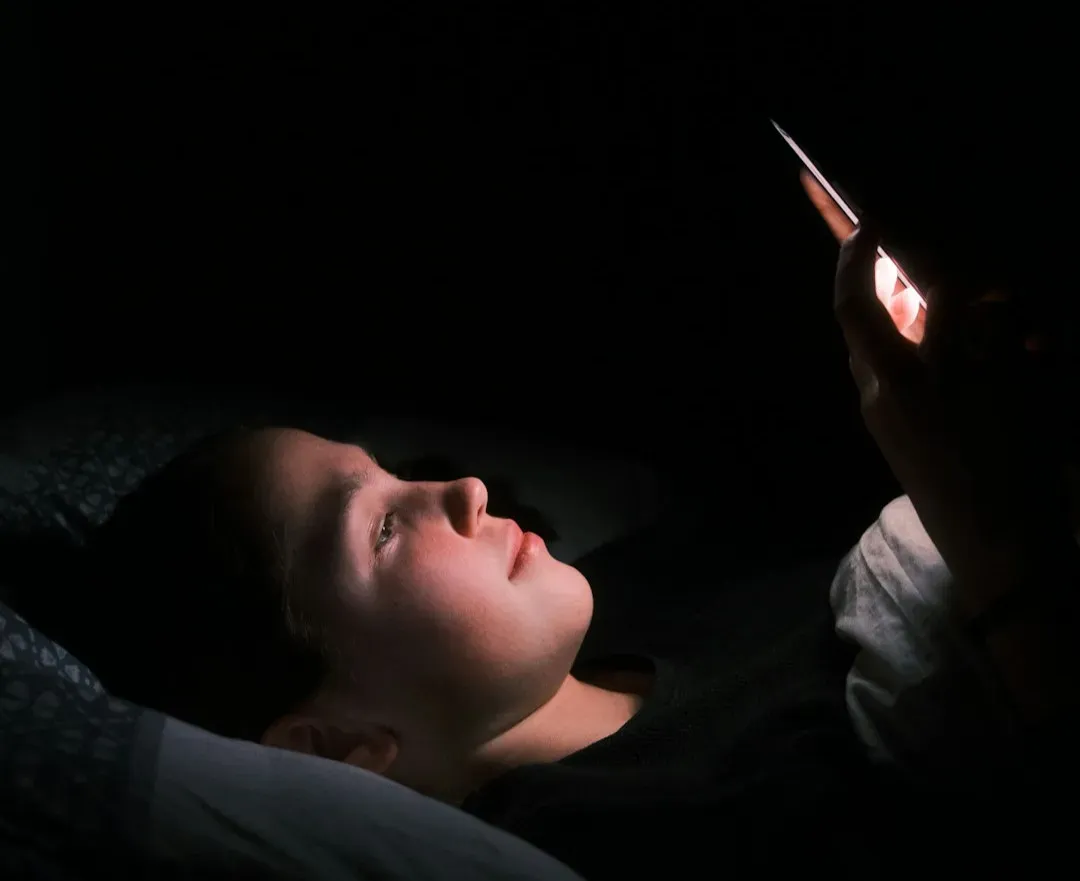
Modern life has done something evolution never prepared us for: it put tiny suns into our hands in the form of glowing screens. The blue-enriched light from phones, tablets, and laptops in the evening can delay the release of melatonin, the hormone that tells your body it’s time to sleep. Even if you feel tired, that artificial light confuses your internal clock and pushes your natural sleep time later.
On top of that, what you do on those screens matters just as much as the light itself. Doomscrolling, late-night work emails, intense video games, or emotionally charged shows all crank up mental and emotional arousal right when you should be winding down. Swapping the last hour of screen time for something calmer–a book, a warm shower, even boring chores–sounds annoyingly simple, but it often pays off faster than any fancy supplement. Sometimes the most powerful sleep upgrade is just learning to put your phone to bed before you put yourself to bed.
Short Naps Can Help You, but Long Ones Can Backfire

Naps have a strange reputation: some people see them as lazy, while others rely on them to get through the day. In reality, short naps can be a sharp performance tool when used wisely. A brief nap, often under half an hour, can boost alertness, reaction time, and mood without leaving you groggy. It’s like taking a quick mental coffee break without the caffeine.
Longer naps, especially late in the day, can push you into deeper stages of sleep and make waking up feel rough and disorienting. They can also steal some of your sleep drive, making it harder to fall asleep at night. If you find yourself needing long, frequent naps to function, it may be a sign that your nighttime sleep quality is poor or that something else is going on. Used sparingly and strategically, though, a short, well-timed nap can be a secret energy weapon.
Sleep isn’t just a nightly shutdown; it’s the hidden engine behind your memory, mood, health, and even your personality. Knowing what really happens while you’re asleep turns bedtime from an afterthought into a deliberate choice that shapes almost every part of your life. Now that you’ve seen what’s at stake, what will you do differently before you close your eyes tonight?