
For all the satellites we’ve launched and all the genomes we’ve sequenced, the animal kingdom still hides questions that make scientists stop and say, “We honestly don’t know.” Some of these puzzles live in the deep ocean where light never reaches, others in plain sight in our backyards. They challenge what we think we know about evolution, intelligence, even memory and time.
What fascinates me most is that these mysteries aren’t tiny details tucked into obscure textbooks. They’re big, wild, almost unbelievable phenomena: animals that seem to sense earthquakes before instruments do, creatures with brains rewired in ways that border on science fiction, migrations that cross entire oceans with no GPS, no maps, no elder showing the way. Let’s dive into nine of the strangest riddles that, even in 2026, researchers are still trying to crack.
The Impossible Migrations of Monarch Butterflies
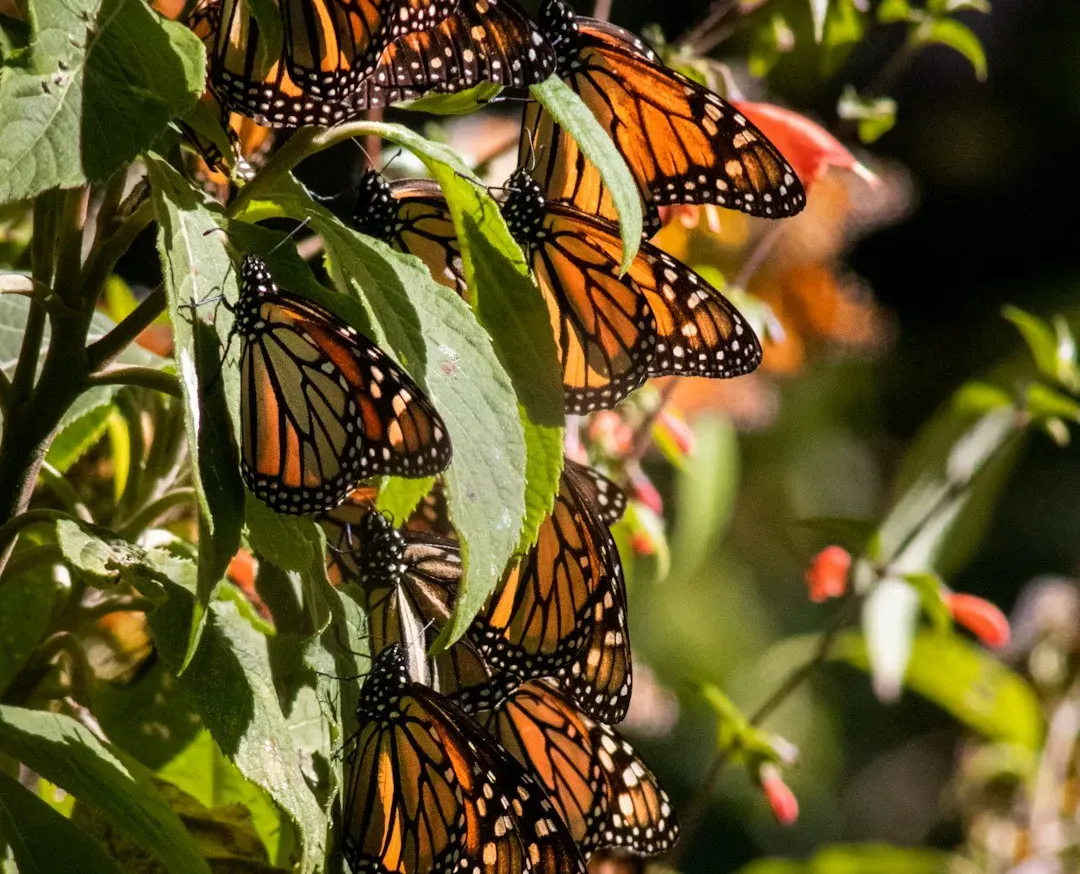
Imagine taking a road trip that your great-grandchildren will finish for you, following a route you have never personally seen. That’s essentially what monarch butterflies do. Every year in North America, these fragile insects travel thousands of kilometers from Canada and the United States down to specific mountain forests in central Mexico, returning to the same groves of fir and oyamel trees. The shocking part is that the butterflies arriving there have never been to those forests before; they’re several generations removed from the ones that left.
Scientists have figured out pieces of the puzzle, like how monarchs use the sun’s position and an internal circadian clock to navigate, and possibly sense Earth’s magnetic field. But that doesn’t fully explain how multiple generations somehow keep to the same ancient route, or how they home in on specific patches of forest instead of just roughly the right region. No single gene or simple behavior rule seems to account for such accurate, inherited navigation. It feels less like a road trip and more like a living, multi-generational relay race coordinated by a script we haven’t yet learned how to read.
The Deep Intelligence of Octopuses
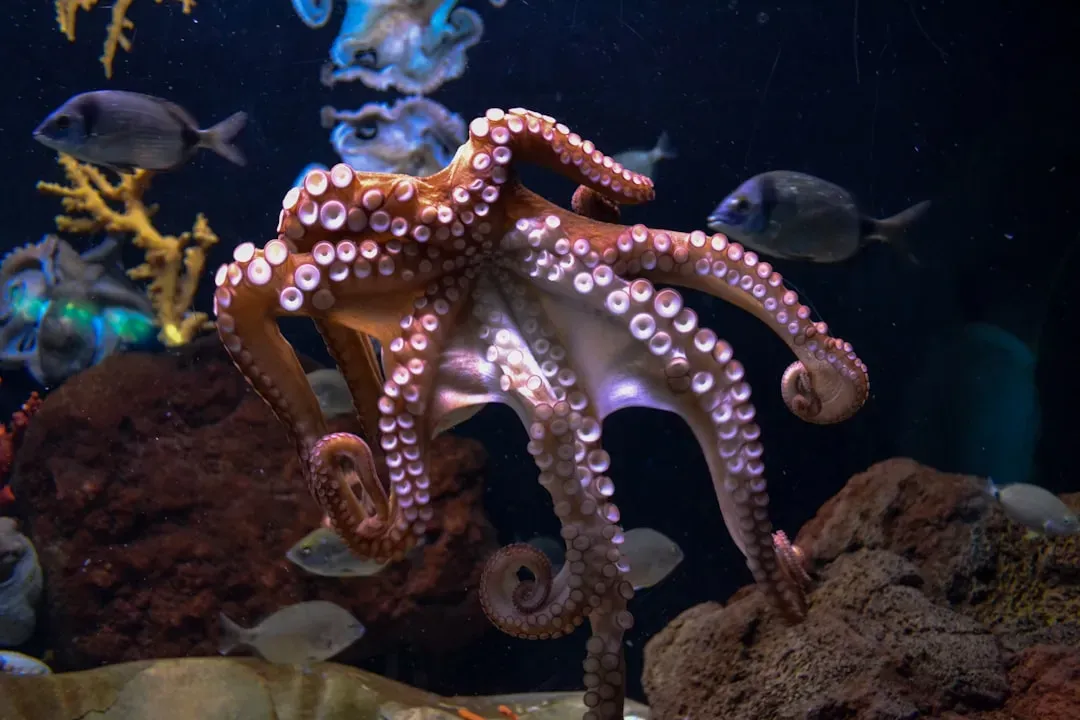
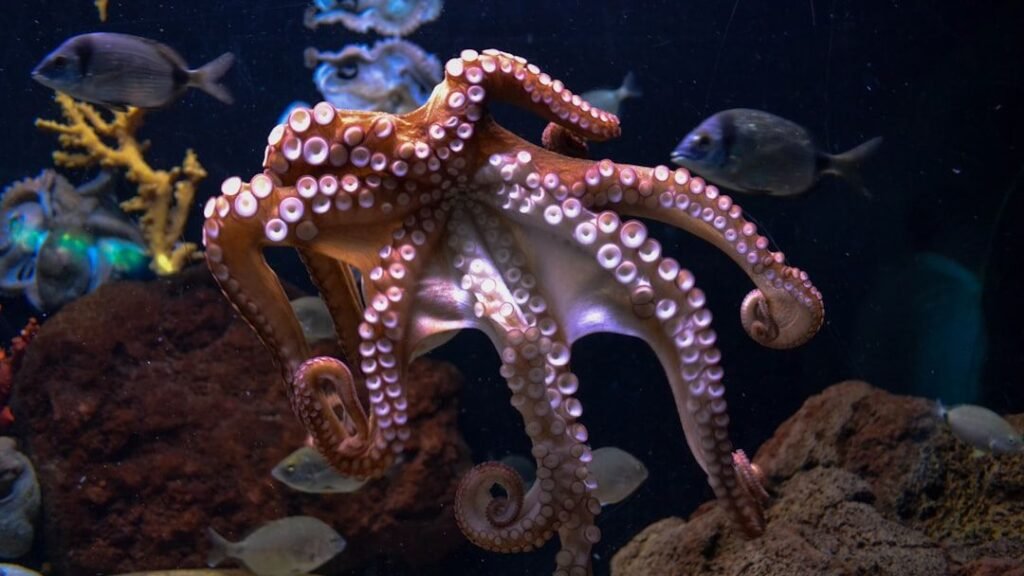
Octopuses are basically aliens with passports. They solve puzzles, escape closed tanks, open jars, and sometimes appear to recognize individual humans at aquariums. What makes this truly mysterious is that their brains are arranged in a way that’s completely different from ours. A large portion of their neurons are scattered throughout their arms, which can seem to act semi-independently, as if each limb has its own mini-mind coordinating touch, taste, and movement.
Researchers know octopuses can learn by observation, remember complex tasks, and improvise solutions, yet they live relatively short lives and don’t raise their young. That means there’s no long parental teaching process like you see in primates or whales. How did such advanced, flexible intelligence evolve in an animal so evolutionarily distant from us, with such a different brain structure? And what does it even feel like to be a mind spread across eight arms? Right now, science can measure behavior and brain activity, but the inner experience and exact mechanisms of that distributed intelligence remain out of reach.
How Birds Navigate Across Entire Oceans

Every year, tiny birds weighing less than a smartphone cross entire oceans in a single push, navigating through storms, across empty seas, in the dark. Some Arctic shorebirds are known to fly from Alaska to New Zealand in one non-stop journey that spans thousands of kilometers. Others, like certain songbirds, migrate at night, sometimes changing routes mid-journey as if they’ve checked the weather report. Their precision is unnerving; many return to the same patch of forest year after year.
We know that birds use a mix of cues: the sun, the stars, landmarks, smells, and possibly Earth’s magnetic field. The magnetic sense is especially baffling. Evidence suggests some birds can literally “see” magnetic fields with their eyes through quantum-level reactions involving special proteins. Yet no one has fully pinned down how that information is integrated inside the brain and combined with memory and weather data to produce such consistent accuracy. It’s like a navigation app that runs entirely inside a walnut-sized brain, using sensors and algorithms we still only half understand.
The Enigma of Whale Strandings
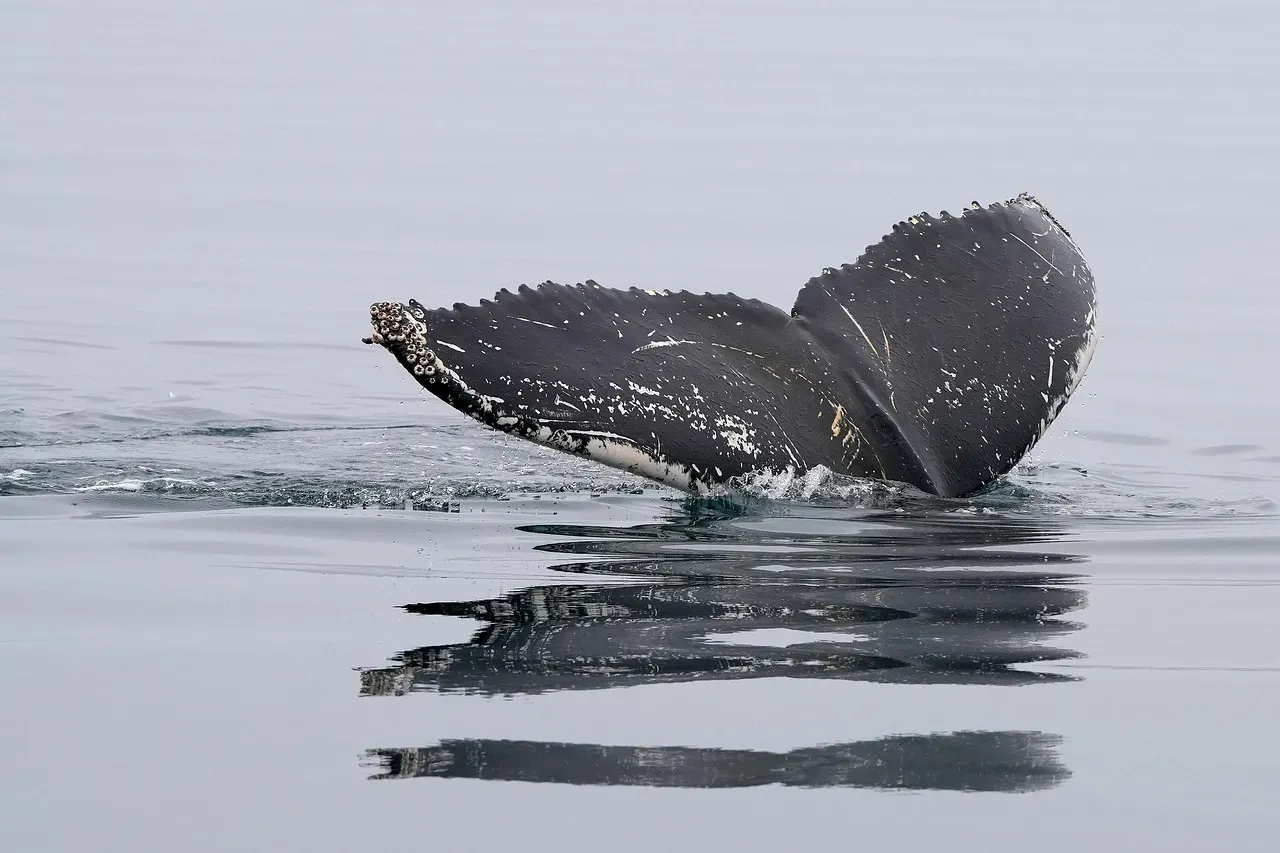
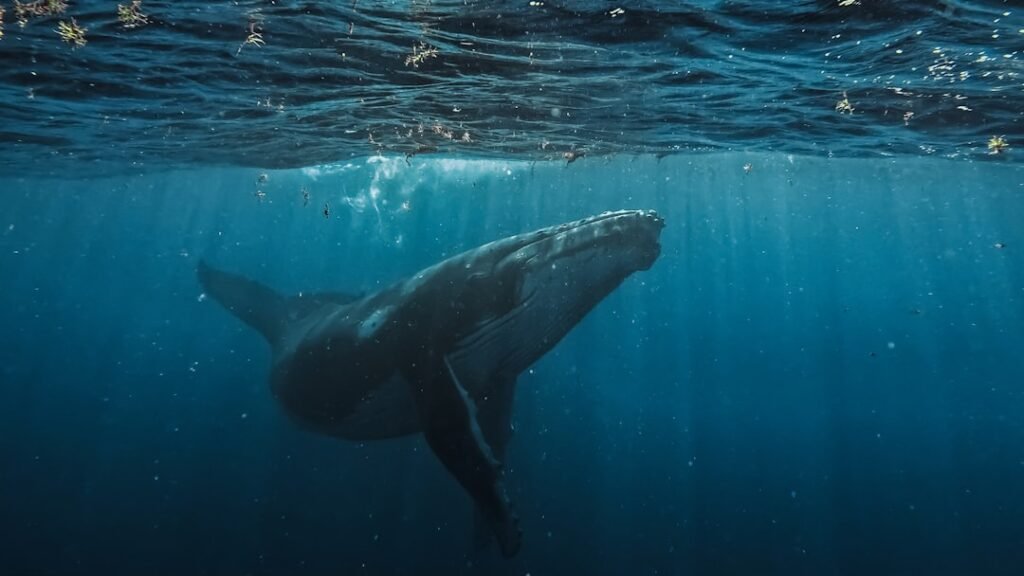
There’s something deeply unsettling about images of dozens of whales lying helpless on a beach, sometimes in places where this happens again and again over the years. Mass strandings have been recorded for centuries, yet we still don’t have a single, clear explanation for why they occur. Various ideas float around: confusion from shallow, sloping shorelines, illness, following a sick leader, sonar from ships or military exercises, or disruptions to Earth’s magnetic field.
The reality seems to be a messy mix of factors that can differ from one stranding to the next, and that makes it hard to predict or prevent. Even as more whales are tagged and monitored, and as acoustic data is collected, sudden mass events continue to catch us off guard. What’s particularly haunting is that whales rely on sound and social bonds so intensely that one confused or distressed animal can potentially pull an entire group into danger. Science can describe patterns and correlations, but the final “why this beach, this day, this pod?” still slips through our fingers.
The Bizarre Magnet Sense in Animals
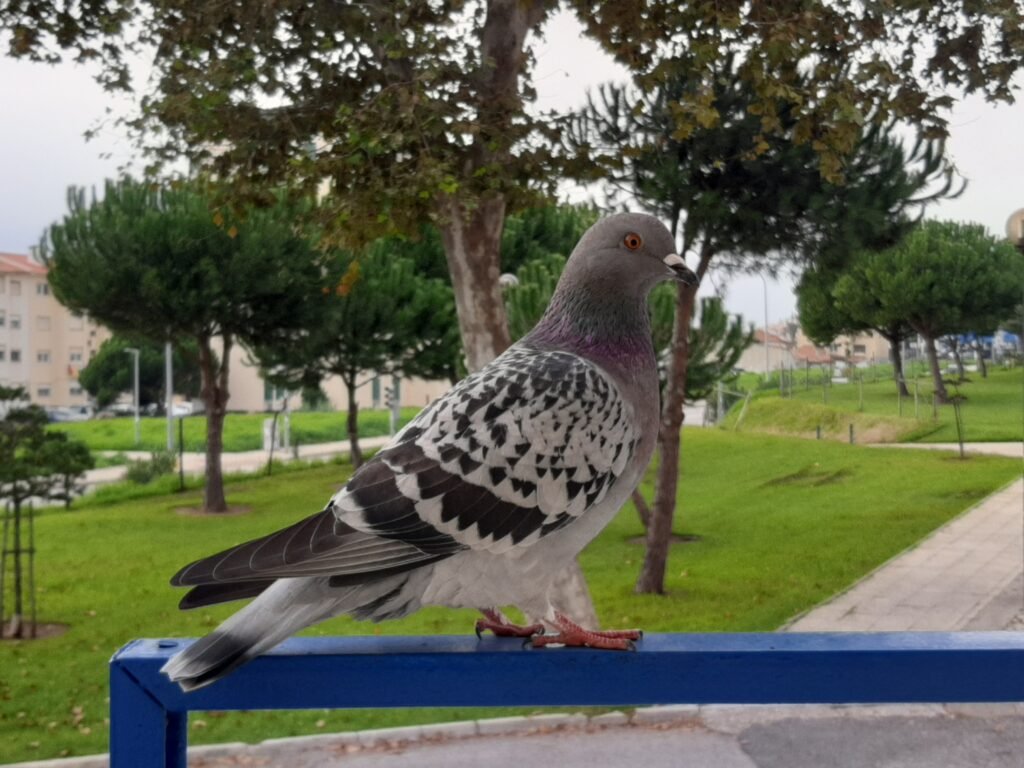
From sea turtles to salmon to homing pigeons, many animals behave as if they carry an invisible compass. Newly hatched turtles scramble across a beach at night and swim straight into the waves, somehow setting a bearing that guides them across thousands of kilometers of open ocean. Salmon disappear into the Pacific and then return years later to the exact river where they were born. Some mammal species even seem to align their bodies along north–south lines when grazing or resting, as if quietly syncing with the planet itself.
Scientists strongly suspect these animals are detecting Earth’s magnetic field, but how they do it is still a contested mystery. Two main ideas dominate: that they use tiny magnetic particles, like microscopic compass needles in their tissues, or that special light-sensitive molecules in their eyes generate quantum signals when aligned with magnetic fields. Both theories have some experimental support, and both have gaps that no one has convincingly filled. The really mind-bending part is that if the quantum explanation is right, a migrating bird may be unconsciously using quantum physics just to figure out which way to fly.
The Uncanny Earthquake Senses of Some Animals

Stories about animals behaving strangely before earthquakes go back hundreds of years: dogs barking frantically, snakes emerging in winter, toads abandoning ponds. In modern times, some of these accounts have been backed by video or observational studies, but others are just anecdotes. Still, enough reports exist that seismologists and biologists have tried to study whether animals truly sense earthquakes before instruments record the first waves.
Several guesses are on the table. Animals might detect tiny vibrations too subtle for human senses, or pick up on changes in groundwater, gases, or electrical charges in the air before a quake. Some studies near active faults have reported unusual animal activity in the hours or days before significant seismic events, while others saw nothing out of the ordinary. The inconsistency is maddening: there’s no reliable “animal alarm system” scientists can plug into a monitoring network. Whether animals really have an extra sense here, or whether we’re just very good at noticing strange behavior after the fact, remains an open and surprisingly emotional question.
The Puzzle of Animal Emotions and Grief
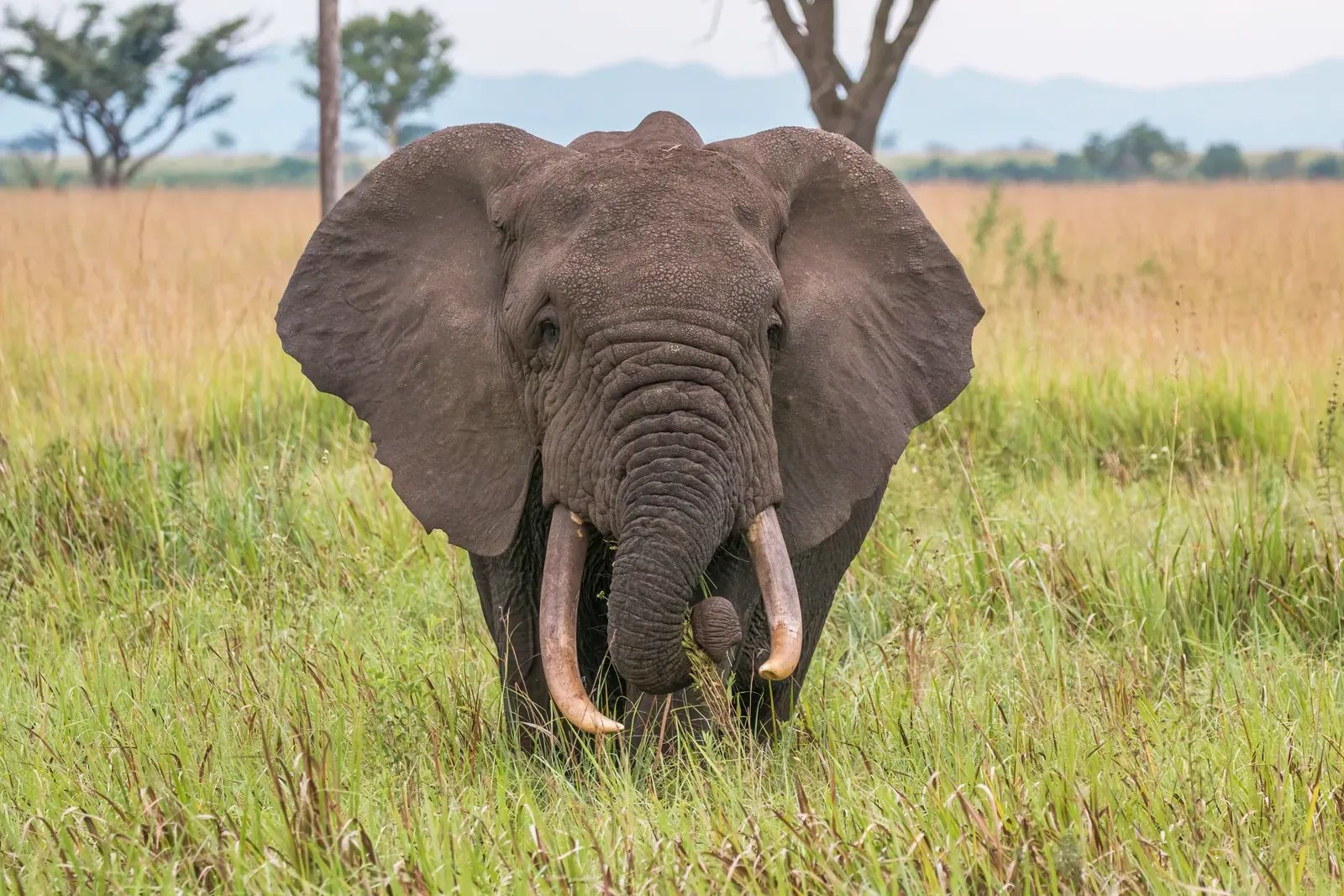
Watch an elephant gently touch the bones of another elephant, or a crow quietly stand by a dead companion, and it’s hard not to see something like grief. People who live closely with dogs or parrots will swear their animals feel jealousy, embarrassment, even a sense of humor. Science has moved past the old idea that animals are just simple automatons, but pinning down what they actually feel, and how similar it is to human emotion, is still a major challenge.
Researchers have measured stress hormones, brain activity, and behavioral changes to infer emotional states in animals ranging from rats to primates to livestock. There’s evidence of empathy-like responses, long-term social bonds, and even what looks like mourning behaviors. Yet emotions are deeply subjective experiences; you can’t put a microphone into a dolphin’s mind and ask how it feels. The line between careful interpretation and projecting our own inner world onto other species is thin. The mystery here isn’t whether animals have inner lives, but how far those inner lives go and how we might ever fairly measure them.
The Strange Group “Mind” of Insects
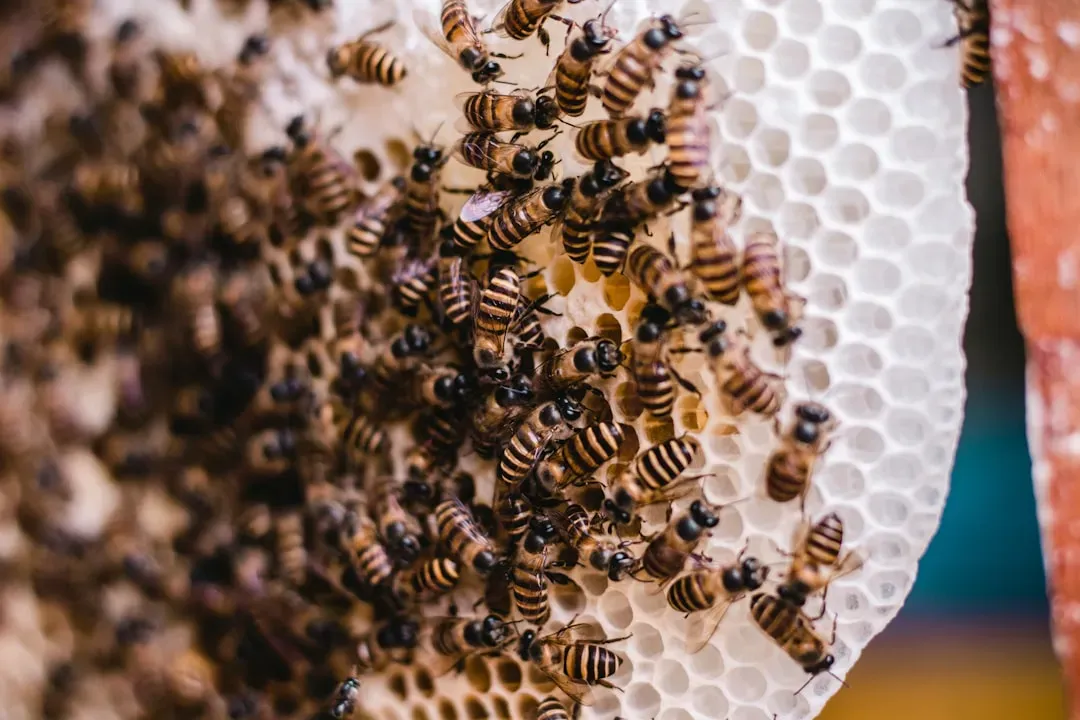
A single ant is not particularly impressive, but a colony can farm fungi, build air-conditioned mounds, and wage organized wars. Honeybee swarms make what looks very much like democratic decisions about where to move a hive. Termites construct intricate cathedral-like towers with ventilation systems that regulate temperature and humidity. None of these feats come from a leader issuing instructions; they emerge from thousands or millions of simple individuals following local rules.
This phenomenon, often called collective intelligence or swarm behavior, is both elegant and mysterious. Biologists can simulate aspects of it with computer models, but real colonies often show flexibility and creativity that go beyond those models. How does a group of brain cells in our heads become a mind, and how is that different from a mind that seems to emerge from thousands of tiny insect brains working together? Insects force us to confront a strange idea: intelligence might not always live inside a single body. It can spill out into networks and groups in ways we still don’t fully understand.
The Immortal-ish Life of the Turritopsis Jellyfish
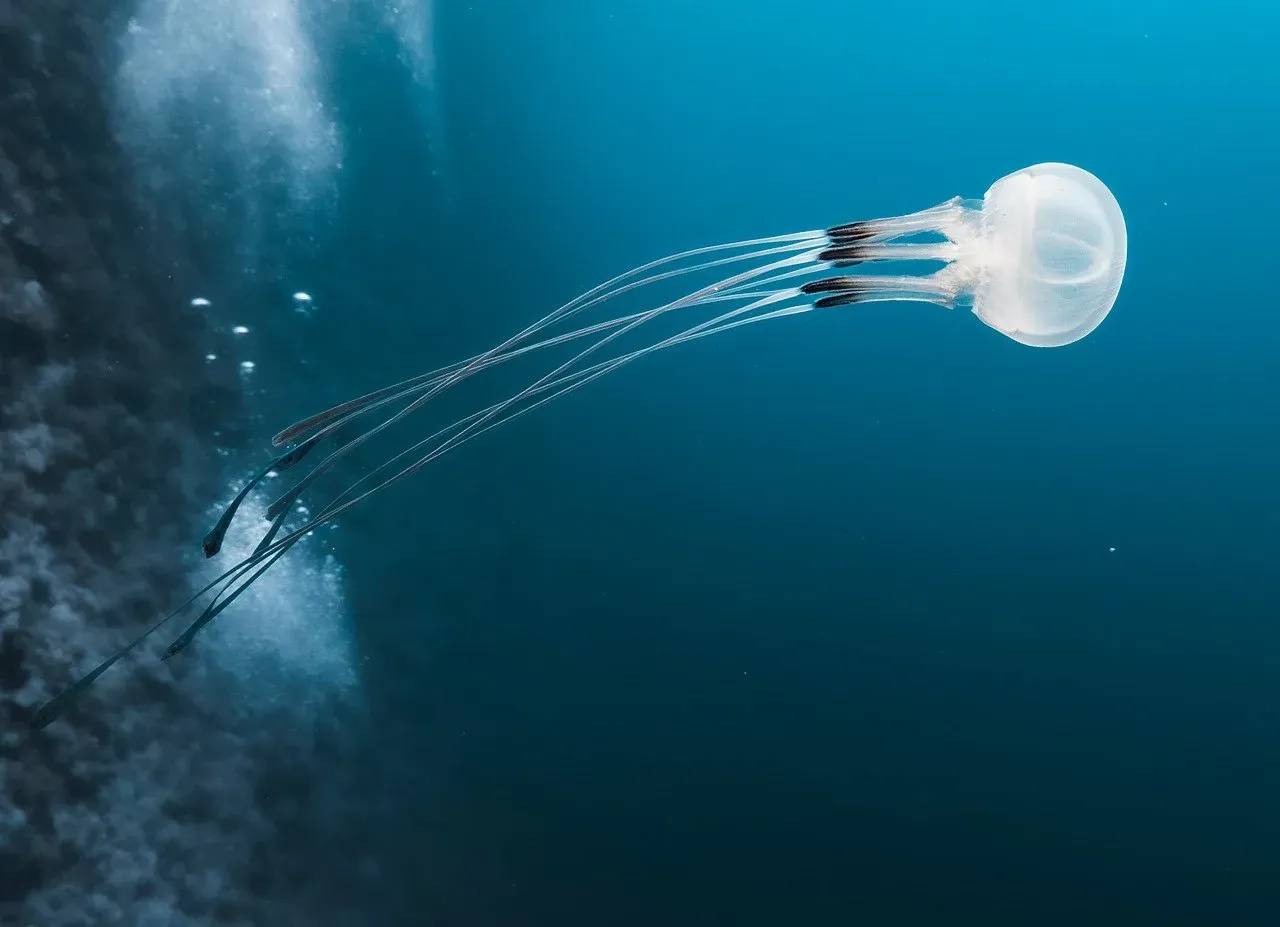
One small jellyfish, Turritopsis dohrnii, is often called the “immortal jellyfish,” and while that label is a bit dramatic, there’s something genuinely wild going on. When this jellyfish is stressed, injured, or starving, it can reverse its life cycle, transforming its adult body back into a younger, polyp-like stage. It’s a bit like a butterfly turning back into a caterpillar and then regrowing into a new butterfly, potentially over and over again.
Scientists have identified some of the genetic and cellular tricks behind this reversal, involving processes such as cell reprogramming and regeneration. But the full system that allows such radical rejuvenation without obvious long-term damage is still not fully mapped. We don’t know how often this happens in the wild, or what natural limits exist on how many cycles an individual can go through. For humans obsessed with aging, this tiny jellyfish feels like a taunting riddle from the ocean: here is proof that biological “reset buttons” exist, yet the details stay stubbornly out of reach.
When you step back and look at these mysteries together, a pattern appears: the more we learn, the stranger the animal kingdom becomes. Migrations across continents, minds spread across limbs or colonies, invisible senses that read magnetic fields or perhaps even earthquakes – it all suggests that our human way of being alive is just one narrow version of what life can do. Every time we think we’ve got a neat explanation, some new data or bizarre observation cracks the story back open.
In a way, that’s the best part. These unanswered questions keep science honest and keep our sense of wonder alive, reminding us that a butterfly, a whale, or a jellyfish can still rewrite the rules we assumed were fixed. Next time you see a bird turning in the sky or an ant carrying a crumb, it might be worth asking yourself: what quiet mystery is hiding behind that ordinary little moment?