
Imagine waking up and suddenly being able to see electricity in the air, hear the heartbeat of someone across the room, or feel a storm coming long before clouds appear. For humans, that sounds like science fiction. For many animals, it’s just another Tuesday. Their everyday senses quietly outclass our own in ways that are almost unsettling.
We like to think of ourselves as pretty advanced, but once you start digging into the animal world, it becomes obvious: we are basically sensory amateurs. From sharks that read electric fields to birds that feel the Earth’s magnetic heartbeat, these creatures live in a reality that’s richer, stranger, and far more detailed than ours. Let’s step into their world for a moment – and you might never look at your own senses the same way again.
Mantis shrimp: the technicolor vision we can’t even imagine
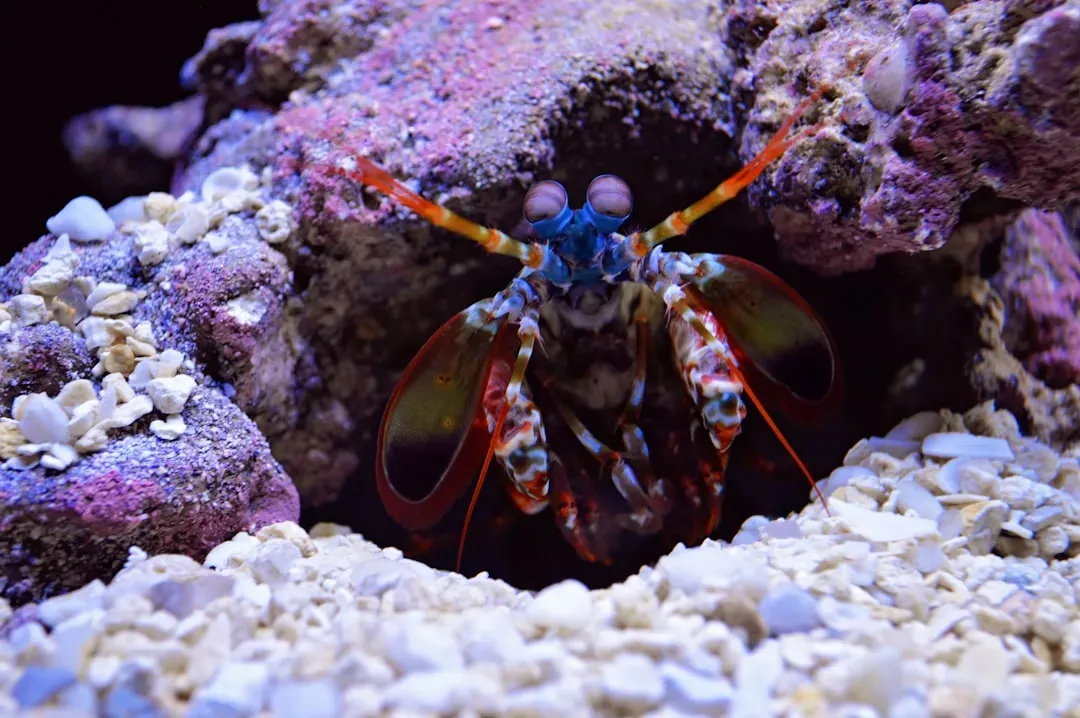
The mantis shrimp looks like a small, flashy underwater alien, and in terms of vision, it might as well be one. While humans see color using three types of cone cells in our eyes, mantis shrimp have more than a dozen types, letting them detect colors and light patterns we can’t even name. They don’t just see the rainbow; they see intricate ultraviolet patterns and polarized light that are completely invisible to us.
Researchers think this bizarre visual system helps them spot prey, signal to each other with secret color codes, and navigate complex coral reefs. Some species are brutally powerful hunters, using their super-vision to line up deadly strikes with shocking accuracy. It’s like having built-in high-end photography filters and night vision goggles rolled into one. Next time you look at a coral reef picture and think it’s vibrant, remember: to a mantis shrimp, that same scene probably looks like a whole different universe.
Sharks: sensing the invisible electricity of life
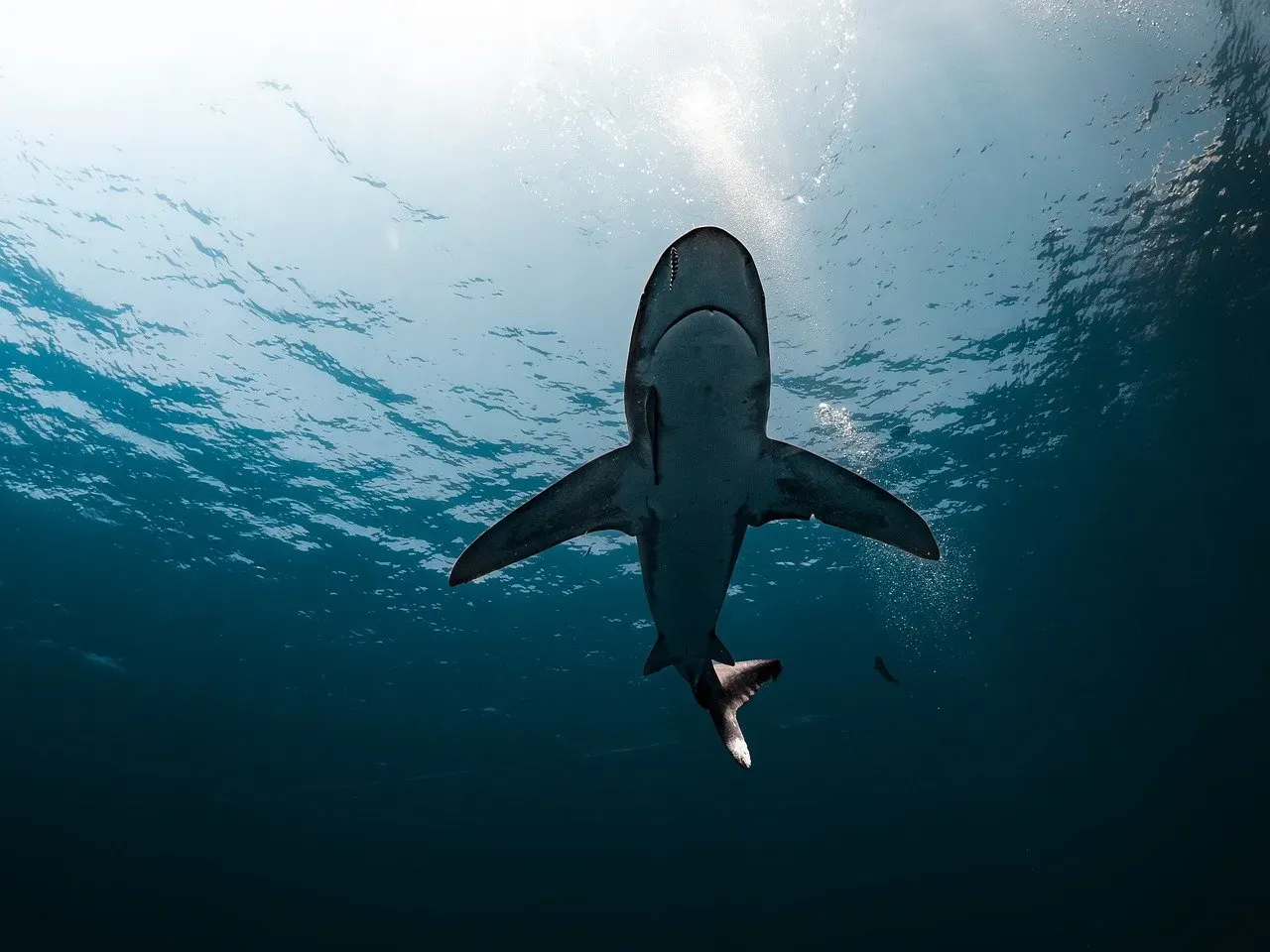
Sharks do more than smell a drop of blood in the water; they can literally feel the electricity pulsing from living bodies. Along their snouts and heads they have special jelly-filled pores, called ampullae of Lorenzini, that act like biological voltage detectors. Every muscle movement and heartbeat generates a tiny electric field, and sharks can pick up those signals even when visibility is terrible.
This sense is so sensitive that some shark species can detect electrical fields about a billion times weaker than what humans need to notice static. It helps them hunt animals hiding under sand or lurking motionless in the dark. Some scientists also think sharks may use this sense to navigate by detecting the Earth’s own magnetic field filtered through seawater. When you picture a shark cruising in the deep, it’s not just smelling and seeing – it’s swimming through an invisible map of electricity that we’ll never directly perceive.
Platypus: the oddball with a sixth sense in its bill
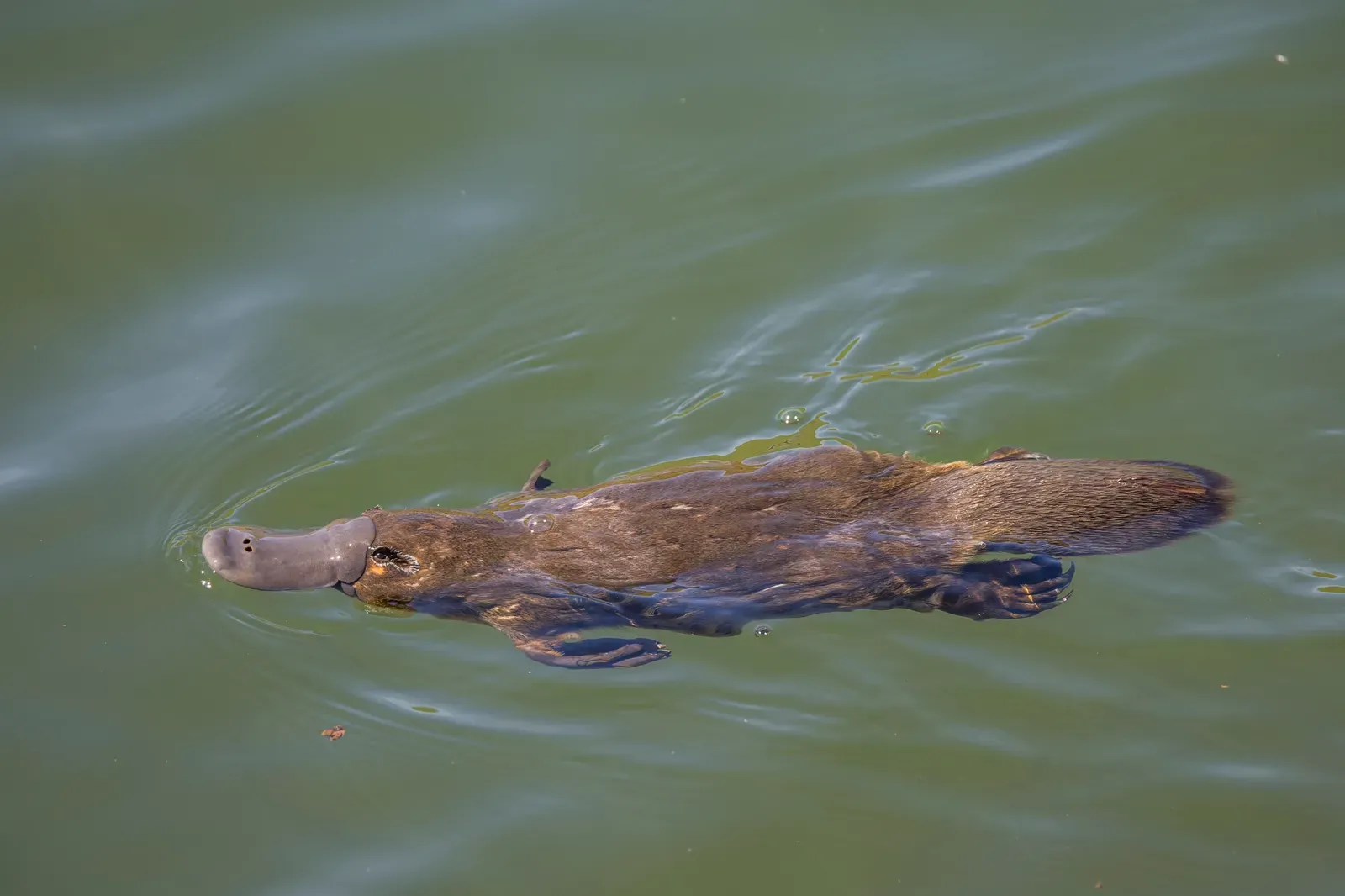
The platypus already looks like nature’s prank: duck bill, beaver tail, otter feet, and it lays eggs. Hidden inside that strange mix, though, is a seriously advanced sensory trick. Its soft, rubbery bill is packed with electroreceptors and mechanoreceptors, allowing it to detect both tiny water movements and the faint electric signals from the muscles of its prey. This means a platypus can effectively “feel” the presence of a shrimp or insect even when its eyes, ears, and nostrils are closed underwater.
When a platypus hunts, it sweeps its bill in slow arcs, almost like a living metal detector tracking buried treasure. Signals from both the touch and electric sensors are combined in its brain to build a detailed map of what’s happening in front of it. Humans have nothing like this blended sense, where touch and electricity merge into a single picture. The result is that a platypus can hunt efficiently in muddy, pitch-black rivers where vision is basically useless, turning its strange face into a genuine superpower.
Owls: masters of silent sound and nighttime precision
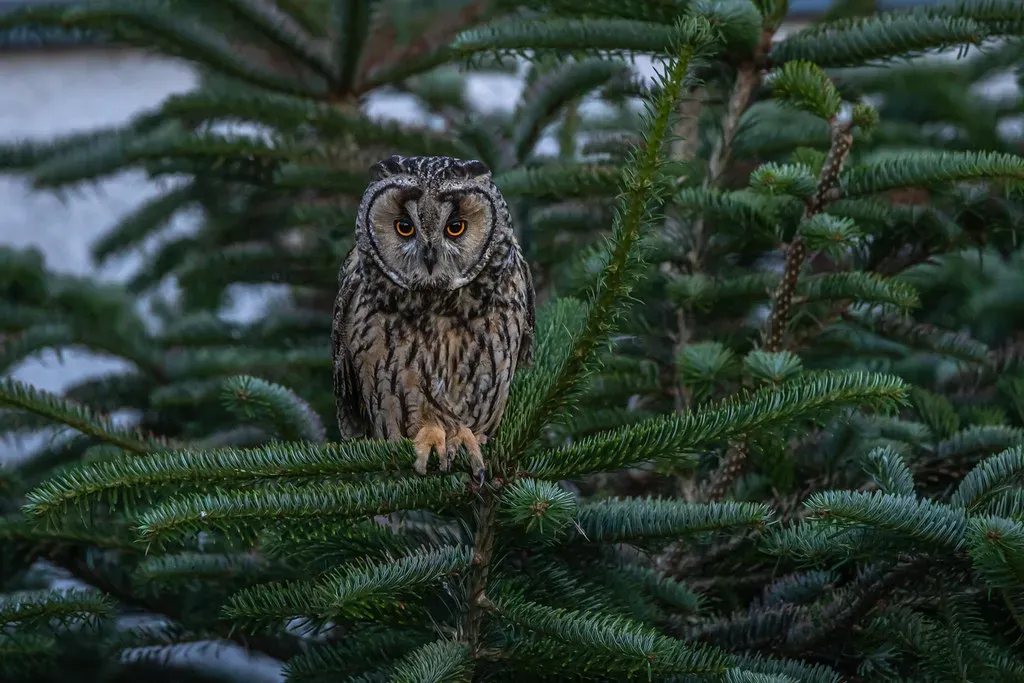
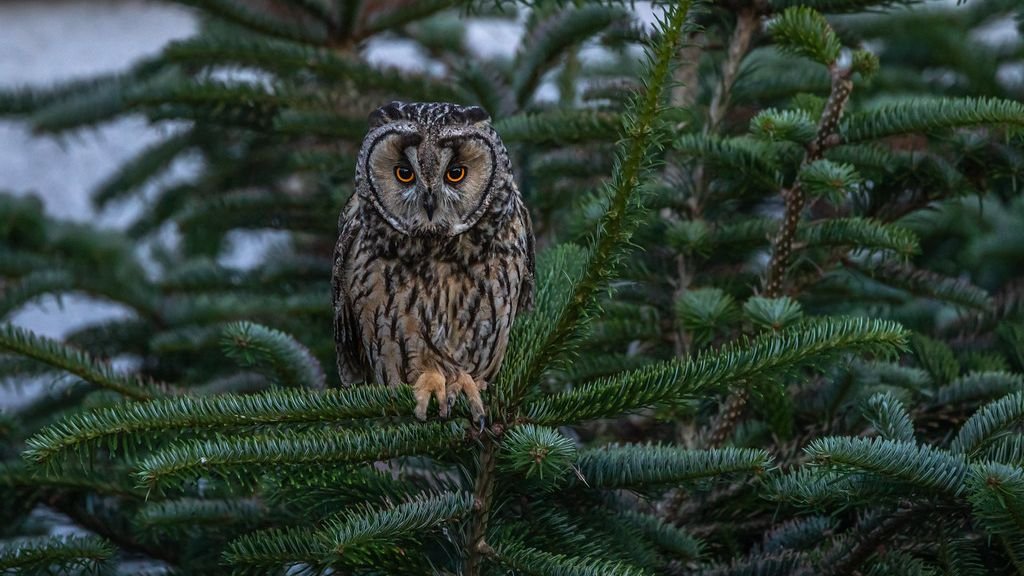
Owls might look calm and almost wise, but their hearing is more like high-end surveillance gear wrapped in feathers. Many species have asymmetrical ears – one slightly higher than the other – so sounds reach each ear at slightly different times and volumes. Their brains use these tiny differences to pinpoint exactly where a noise is coming from, even in complete darkness. It’s the acoustic equivalent of laser-guided targeting.
Combine that with feathers specially shaped to muffle flight noise, and you get a bird that can hear a mouse beneath snow or leaves and attack without making a sound. Their facial disks, the circular arrangement of feathers around their eyes, act like satellite dishes that funnel sound toward the ears. Humans can close their eyes and still be pretty helpless in the dark, but an owl can map its surroundings using sound alone. When an owl glides silently over a field at night, it’s experiencing a soundscape so precise that it borders on eerie.
Bloodhounds: noses that read the world like a story

Most people know dogs have a better sense of smell than humans, but bloodhounds take that to another level entirely. Their noses are built with hundreds of millions of scent receptors, vastly more than ours, and their brains devote a huge chunk of processing power just to handling smells. For them, every scent trail is like a vivid storyline lingering in the air and on the ground, sometimes for days.
Their long, droopy ears and wrinkled skin actually help funnel and trap scents as they track, almost like a moving scent net. In real-world cases, bloodhounds have followed human scent trails over large distances and long after the person has left. Where we might catch a faint whiff of perfume, a bloodhound can separate layers of odor, telling one individual from another and following that identity through cluttered environments. It’s like comparing a stick-figure doodle to a detailed mural – same idea, but wildly different levels of detail.
Snakes: seeing body heat like glowing lanterns
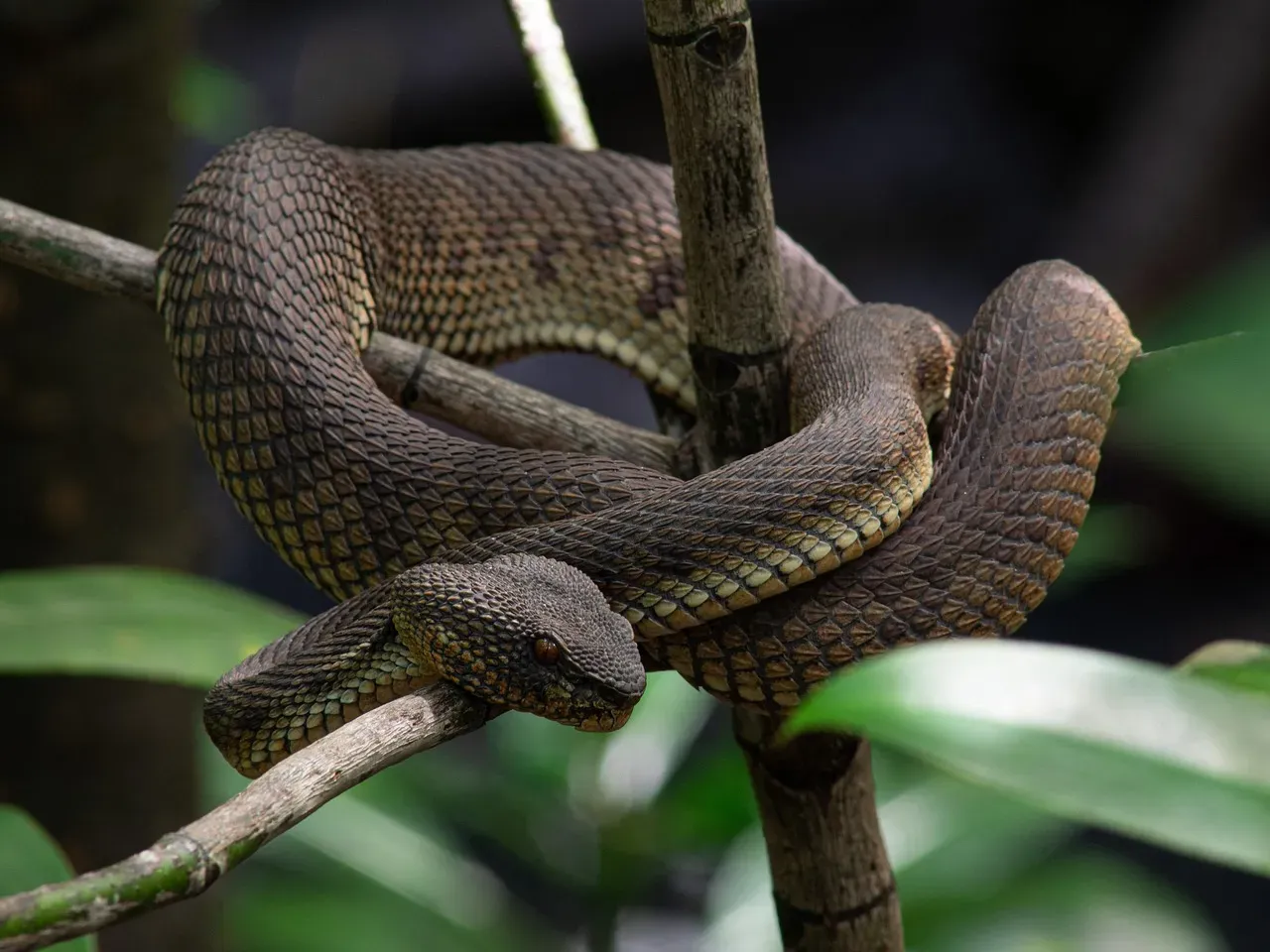
Some snakes, like pit vipers, pythons, and boas, have a sense that might be the closest thing in nature to thermal vision. They possess tiny pit organs on their faces that detect infrared radiation – basically, the heat given off by warm bodies. In the dark, that means a mouse or bird stands out like a bright beacon against a cooler background, even if it’s perfectly still and silent.
These heat-sensing pits are unbelievably sensitive, able to detect extremely small temperature differences across very small distances. The information from these organs is combined with normal vision in the snake’s brain, giving it a kind of blended sight that overlays shape and heat together. For humans, seeing in the dark usually means fumbling for a flashlight; for these snakes, nighttime is just another chance to use a different visual channel. To them, the world is full of glowing outlines we’ll never see without special cameras.
Homing pigeons: navigating with an inner compass we still don’t fully understand
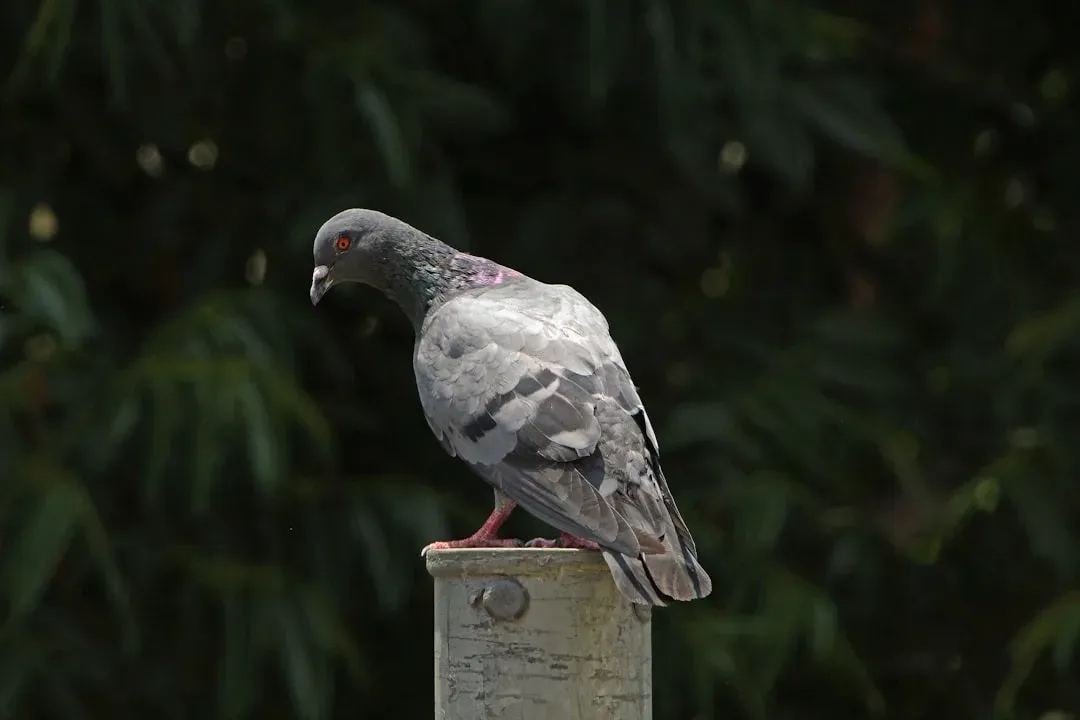
Homing pigeons look pretty ordinary, but their ability to find their way home from unfamiliar places is still one of the most puzzling skills in the animal world. They can be released hundreds of kilometers away, in areas they’ve never seen, and still manage to aim roughly in the right direction, then refine their route as they get closer. They seem to blend several cues: the position of the sun, the smell of regional air, low-frequency sounds, and – most intriguingly – a sense of the Earth’s magnetic field.
There’s strong evidence that pigeons have a kind of internal compass, probably involving special cells that respond to magnetism, letting them feel direction in a way that is completely foreign to us. Some experiments suggest they may build a “map” of smells and subtle environmental signatures as they grow up, then lock that to their magnetic sense. While we stare at GPS screens and occasionally still get lost, a pigeon can circle, orient itself, and quietly head home using tools built into its body. It’s hard not to feel a bit humbled by a bird that treats long-distance navigation as casually as a stroll to the corner store.
It’s a little unsettling, and also strangely comforting, to realize how limited but adaptable we are. We build tools and technologies to make up for what our bodies can’t do, from night-vision cameras to GPS and thermal sensors. Animals, meanwhile, carry their high-tech gear inside their skin. Knowing that, it’s hard not to look at a simple bird or a strange little mammal and wonder: what are they sensing right now that I will never feel at all?