You might imagine the deepest parts of the ocean as barren wastelands, devoid of anything except crushing darkness and unbearable pressure. Think again. These trenches, carved into the seafloor like ancient scars, harbor some of the most alien and resilient creatures on Earth. It’s hard to say for sure, but we might know more about the surface of Mars than what lurks in the deepest crevices of our own planet.
Recent expeditions have uncovered thriving ecosystems where life was once thought impossible. Scientists are still piecing together how organisms not only survive but flourish in these extreme environments. What secrets do these unexplored worlds hold, and what can they tell us about the limits of life itself?
What Makes the Hadal Zone So Extreme
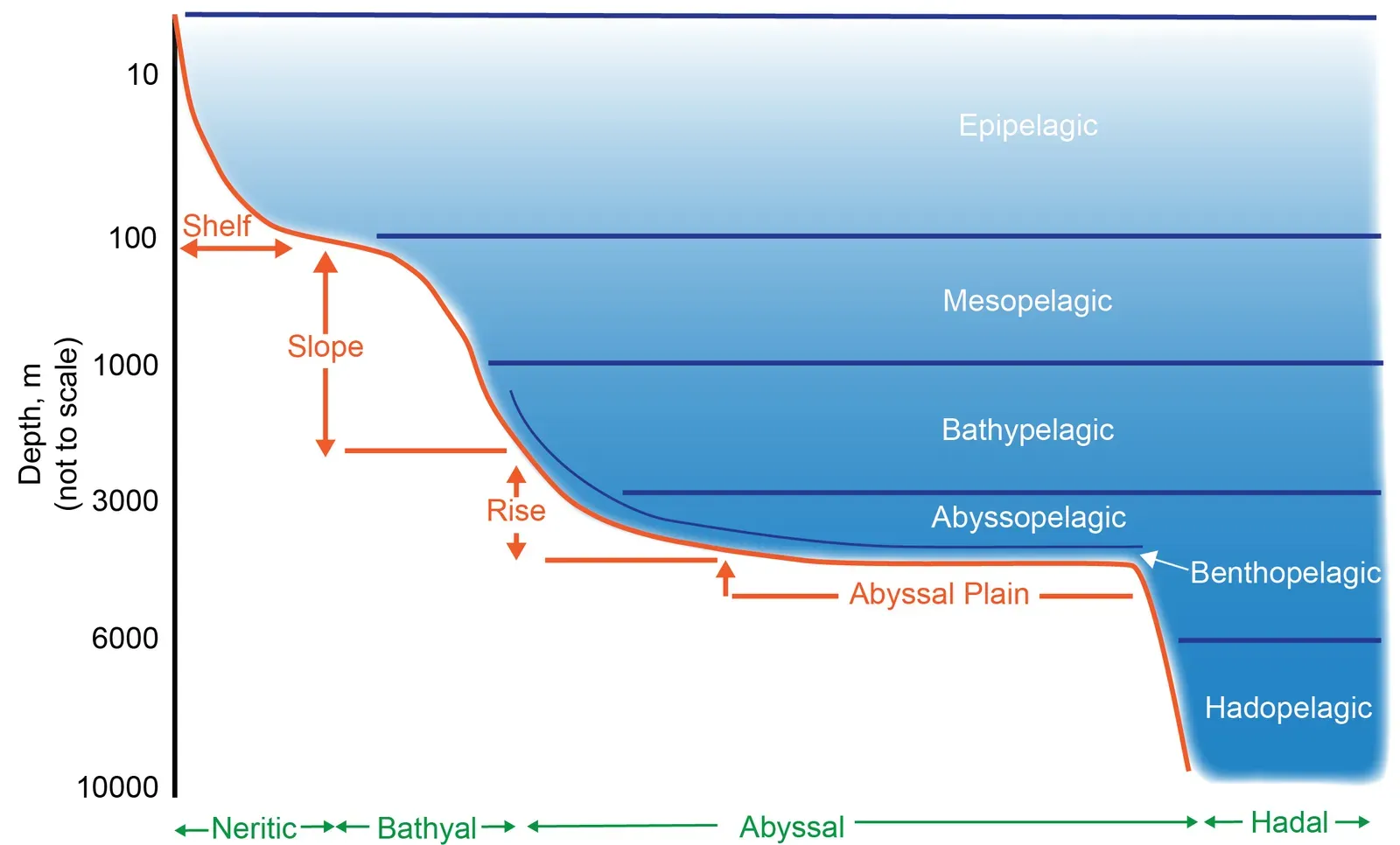
The hadal zone lies within oceanic trenches between 6,000 and 11,000 meters down, representing one of the most hostile environments imaginable. At these depths, water pressure reaches more than 1,100 times that at sea level, equivalent to having 50 jumbo jets pressing down on every square meter of surface. Let’s be real, the idea of anything surviving that is mind-boggling.
No sunlight penetrates to these depths, and the hadal zone exists in absolute darkness, broken only by the occasional bioluminescent flash from deep-sea creatures. Water temperatures hover just above freezing, typically ranging from 1-4°C, making the environment even more challenging. Food is scarce down there, with most nutrition arriving as organic matter drifting down from the surface in what scientists poetically call marine snow. About 94% of the hadal zone is found in subduction trenches, formed where massive tectonic plates collide.
Thousands of New Species Hiding in Plain Sight
An incredible level of diversity was uncovered, with more than 7,000 new microbial species identified in the Mariana Trench, 89% of them new to science. This discovery alone reshapes our understanding of deep-sea biodiversity. Between August and November 2021, the submersible Fendouzhe made dozens of dives in the Mariana Trench and neighboring regions, bringing back samples of microbe-filled sediment, fish, and tiny shrimplike crustaceans called amphipods.
The sheer number of new organisms continues to astonish researchers. Findings reveal an unprecedented level of taxonomic novelty, with 89.4% of identified microbial species previously unreported. These aren’t just minor variations of known species; many possess fundamentally different genetic adaptations. Some microbes have small, highly specialized genomes optimized for the scarcity of light and nutrients, while others boast larger, more flexible genomes for coping with change, with many possessing genes that break down hard-to-digest compounds, such as carbon monoxide.
The Deepest Animal Communities Ever Found
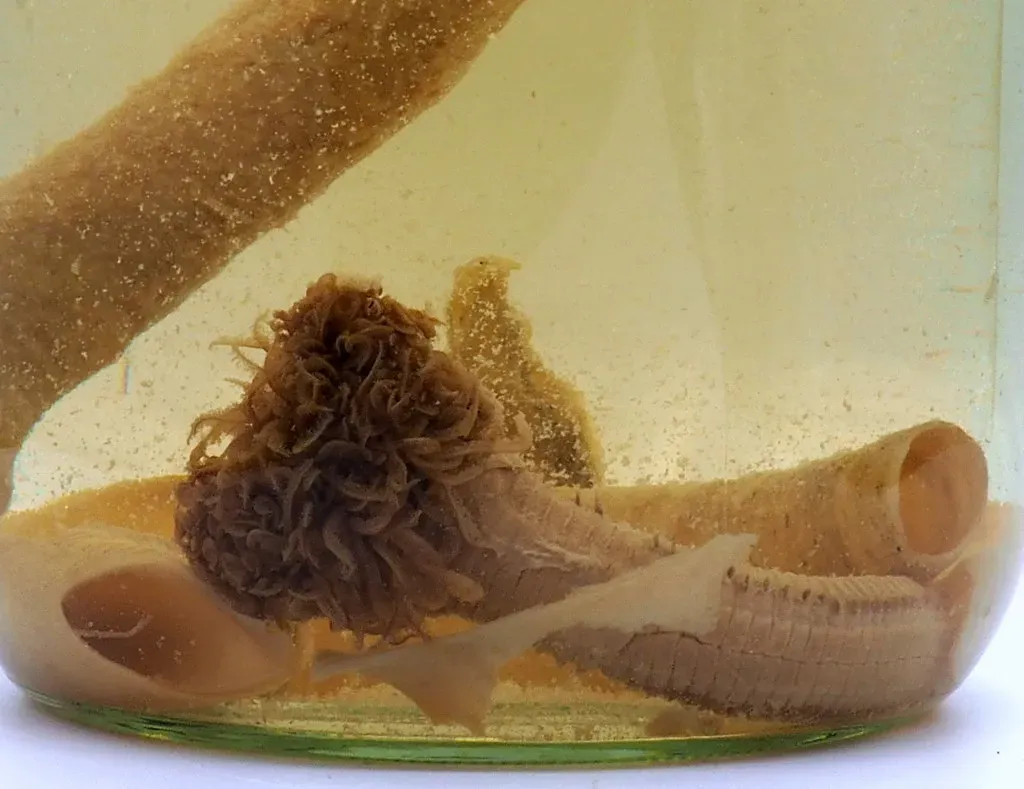
Scientists recently stumbled upon something extraordinary. Animal communities, including thousands of tubeworms and bivalves, have been observed at depths up to 9,533 meters in the Mariana Trench, marking the deepest and most extensive chemosynthesis-based ecosystems known. Ocean researchers have discovered thriving alien-like communities filled with tube worms, mollusks and spiky white creatures at the bottom of ocean trenches in the northwest Pacific Ocean.
In a video collected by Fendouzhe, the ocean floor is shown teeming with 12-inch-long tubeworms, alongside clusters of mollusks and clams. Other life forms recorded include sea lilies, sea cucumbers, crustaceans, and various types of worms, forming communities that stretch for approximately 1,500 miles. Honestly, it challenges everything scientists once believed about the deep ocean as a barren wasteland. In the total darkness at the bottom of the world, these creatures live off of chemicals such as methane seeping through cracks in the seafloor, a process called chemosynthesis.
Bizarre Creatures with Unbelievable Adaptations
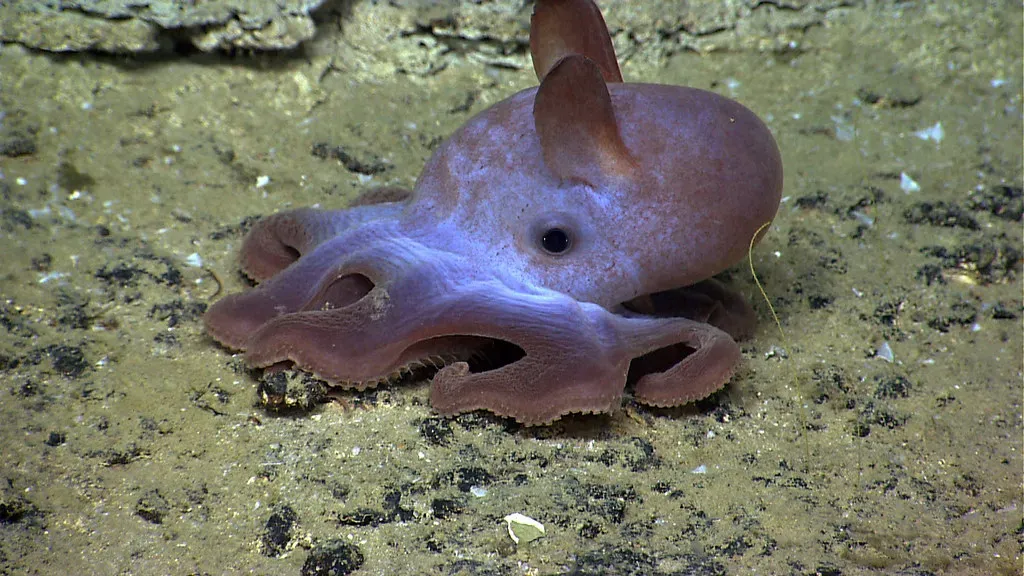
The creatures inhabiting these trenches look like they belong in a science fiction movie. The dumbo octopus may look dainty, but it’s actually durable enough to make it the deepest-dwelling octopus known to science, preferring to make its home all the way down between 9,800 and 13,000 feet. Unlike most octopuses, this species doesn’t chomp and grind food with a beaklike mouth; instead, it simply swallows its prey whole.
In 2023, the snailfish specimen was recorded swimming in waters around 26,000 feet deep and crowned the deepest living fish. Hadal snailfishes exhibit high volumes of gelatinous tissues, watery muscles, transparent skin and scales, thin and incompletely ossified bones, and a non-closed skull. Then there are the supergiant amphipods, crustaceans that grow to shocking sizes in the depths. Supergiant amphipods have been discovered in the hadal area, with body length ranging from 102 to 290 mm, far larger than their shallow-water relatives.
How Life Survives the Crushing Pressure
Here’s the thing: surviving these depths requires molecular-level innovations. Researchers suspect microbes help produce trimethylamine N-oxide, a compound stabilizing body fluids under high pressure, a critical adaptation for organisms living in crushing conditions. Scientists initially thought this compound increased steadily with depth, but recent findings surprised them. Previous research suggested that trimethylamine-N-oxide, a compound that stabilizes proteins under high pressure, increases in fish as depth increases; however, this study found no significant rise in TMAO levels in fish living below 6,000 meters.
These adaptations include flexible, gelatinous bodies that reduce the risk of injury from pressure changes, as well as specialized biochemical processes that allow them to thrive without sunlight. Some species rely on entirely different strategies. Some species also have unique reproductive strategies or rely on chemosynthesis for energy, utilizing chemicals from hydrothermal vents or organic matter from above. The variety of survival mechanisms demonstrates that life finds not just one way, but countless creative solutions.
Bioluminescence in the Eternal Darkness
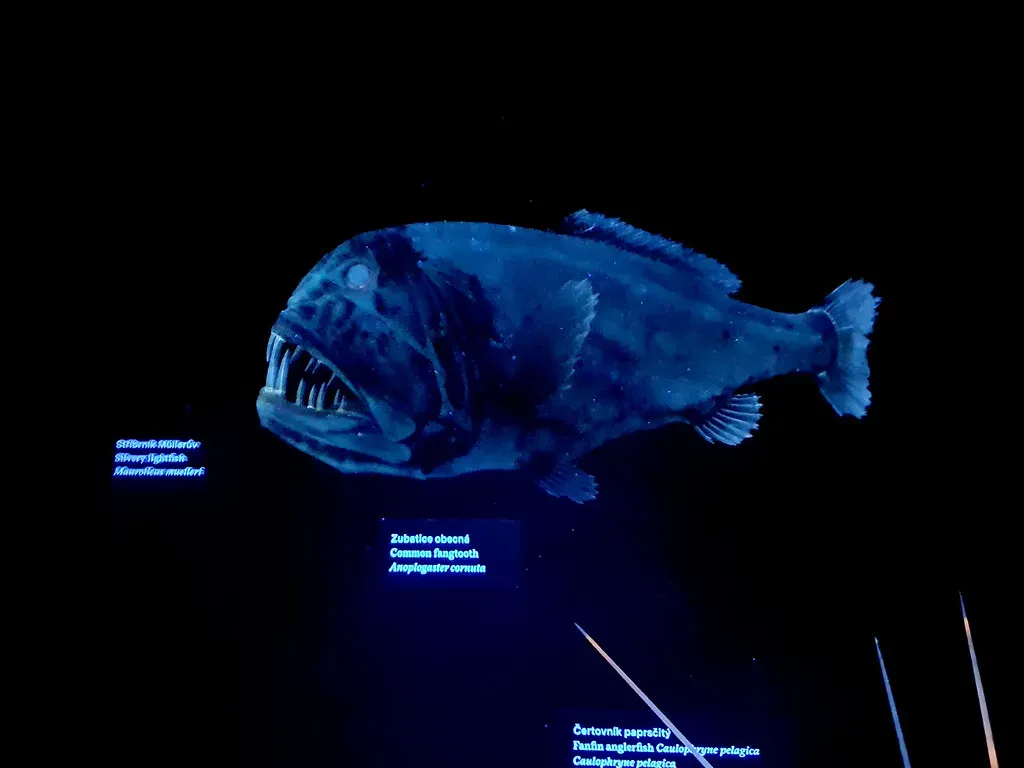
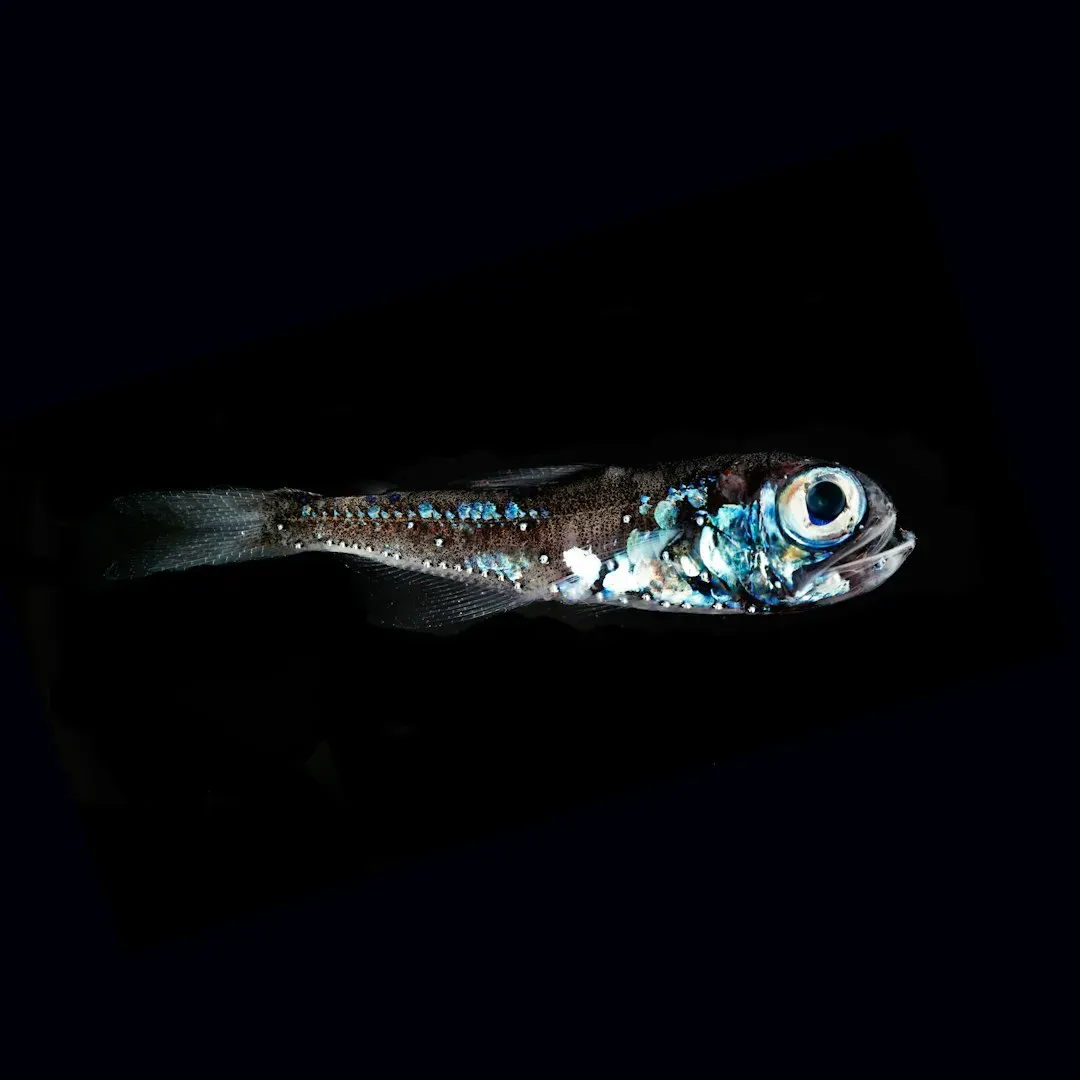
In the deep sea, bioluminescence is extremely common, and because the deep sea is so vast, bioluminescence may be the most common form of communication on the planet. It’s a stunning realization when you think about it. Most of the bioluminescence produced in the ocean is in the form of blue-green light, because these colors are shorter wavelengths of light, which can travel through and thus be seen in both shallow and deep water.
Like many deep-water creatures, species rely heavily on bioluminescent body parts, which leverage internal chemical reactions to produce an eerie glow, and the fish may use this glow to communicate with other fish or to provide camouflage. Many deep-sea creatures are dark red in colour, red wavelengths of light are the first to be absorbed in the Ocean, and very few deep-sea creatures can see red light; red-coloured creatures therefore appear black and blend in against the near-lightless backdrop. The stoplight loosejaw fish takes a different approach. The stoplight loosejaw is the only known animal to use chlorophyll pigments inside its eyes, which allows it to see red wavelengths of light, using these red beams as a flashlight to search for prey; since most deep-sea fish can only see blue light, these predators have a huge advantage as they can see their prey, but their prey can’t see them.
Technology Breaking Through to the Deepest Points
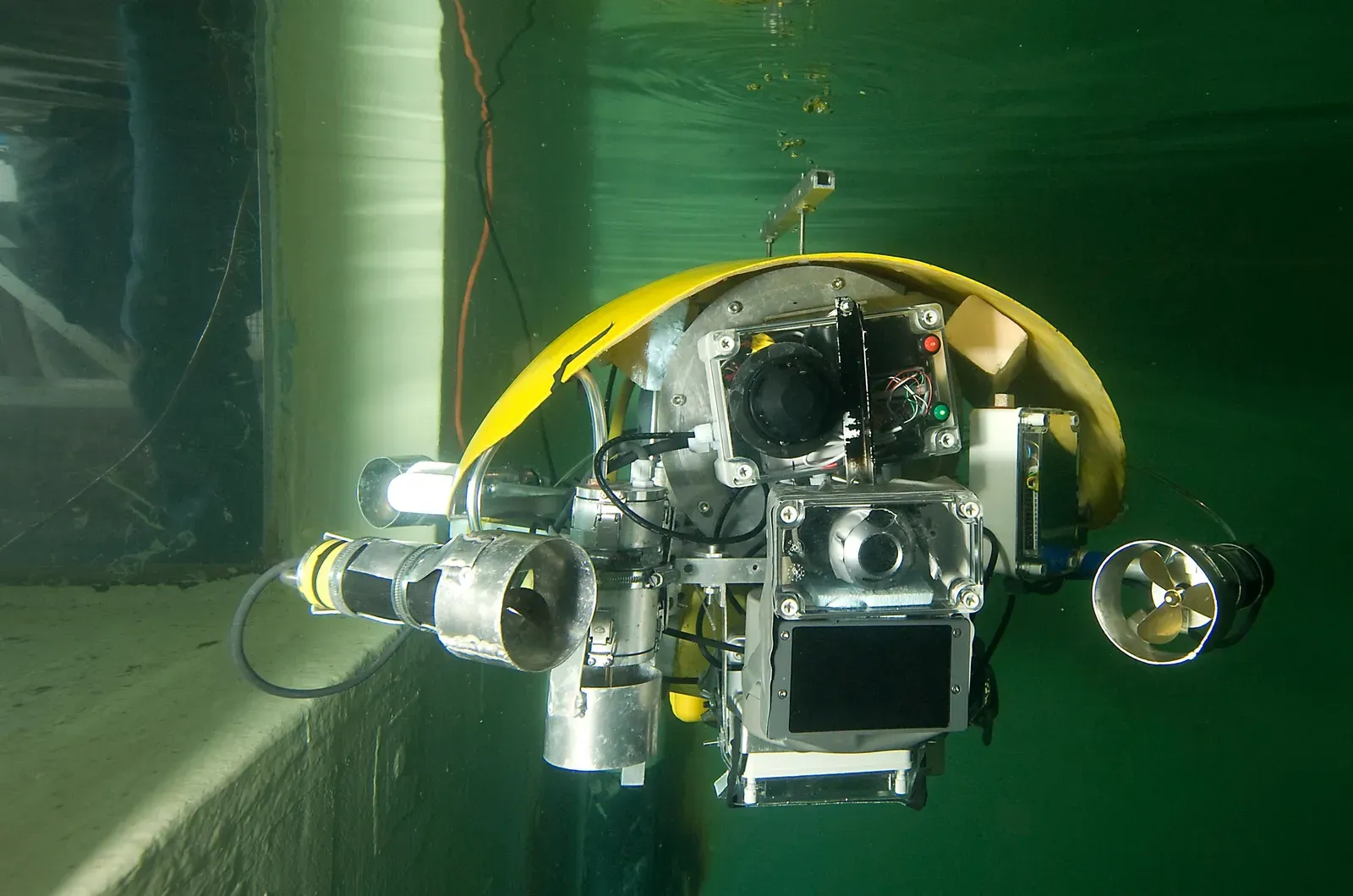
Exploring these depths requires engineering marvels. Researchers used Fendouzhe, which is described as an engineering marvel, capable of carrying three people to the very deepest parts of the ocean, the vessel is equipped with a pair of robotic arms and a sample basket, enabling it to collect hundreds of samples in a single dive. These submersibles must withstand pressures that would instantly crush conventional vessels.
WHOI and NASA have developed Orpheus autonomous underwater vehicles; these small AUVs can withstand pressure greater than 1,000 times that at the ocean’s surface, and they can navigate narrow, rocky sections of trenches, with Orpheus AUVs able to work independently or in a swarm to explore, map, and analyze the water, seafloor, and organisms in the hadal zone. The advances in autonomous underwater vehicles have fundamentally changed ocean exploration; these robotic submarines can operate independently, navigating the ocean’s depths without any crew on board. The future of deep-sea exploration increasingly relies on these unmanned systems.
The Vast Majority Remains Unexplored
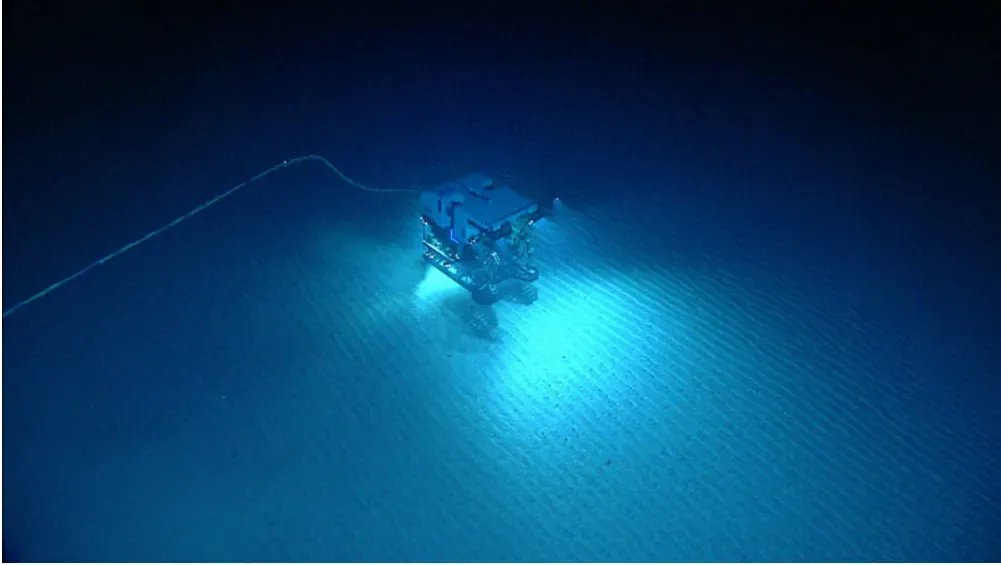
Eighty percent of the global hadal zone is still a mystery to us, and there could be even more extraordinary life forms to be discovered in this uncharted biosphere. Let me put that in perspective. Humans have explored just 0.001% of the deep seafloor, an area roughly the size of Rhode Island. That’s a sobering statistic when you consider how many discoveries have already been made in such a tiny fraction.
A Chinese expedition using advanced submersible technology discovered thousands of worms and mollusks nearly 10 kilometers below sea level in the Kuril-Kamchatka Trench and the western Aleutian Trench, representing the deepest colony of creatures ever observed on the hadal seafloor. The discovery suggests that these communities might also exist in other hadal trenches, opening opportunities for further research into just how deep these animals can survive. Each expedition reveals something unexpected, suggesting the ocean’s secrets are far from exhausted.
The Troubling Reality of Human Pollution
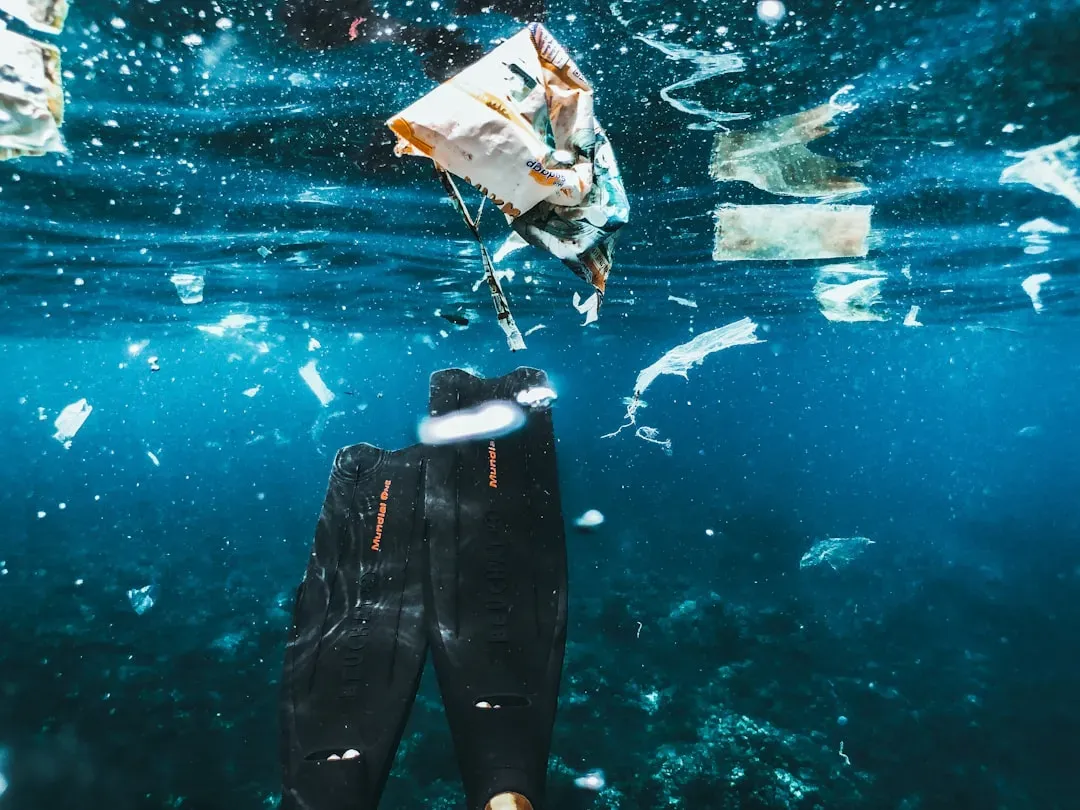
Even at the deepest points on Earth, humanity’s fingerprint is disturbingly visible. The team came across plastic bags, beer bottles, and soda cans, and even a nearly intact laundry basket at the deepest part of another seafloor chasm, the Yap Trench, which was deeply shocking. Microplastics and other pollutants like PCBs have been found in hadal animals in disturbingly high concentrations, and scientists even named a newly described species of hadal crustacean Eurythenes plasticus, after the high concentration of microplastics found in the animal.
The contamination reaches places few humans will ever see. Most deep-sea creatures give the trench a wide berth, yet human pollution has reached it; scientists believe plastic sinks very slowly to such depths, or is carried there by strong ocean currents, and once plastic settles on the ocean floor or in a trench, it can remain there for centuries due to the absence of sunlight and low oxygen levels. It’s gut-wrenching when you realize that we’ve managed to pollute environments we’ve barely begun to understand.
What These Discoveries Mean for Science and Beyond
Given geological similarities with other hadal trenches, chemosynthesis-based communities might be more widespread than previously anticipated, and these findings challenge current models of life at extreme limits and carbon cycling in the deep ocean. The implications extend far beyond marine biology. Studying extreme environments on our own planet can open important doors to searching for and understanding potential life on other worlds; astrobiologists are often interested in studying life under extreme conditions such as the high pressures and cold temperatures of the hadal zone to understand what adaptations and characteristics life beyond Earth may have.
Deep-sea microbes seem to have a knack for breaking down pollutants and harnessing them for energy, suggesting these organisms might offer new solutions to current human environmental pollution problems. Studying these mysterious species could yield new medications to fight infections, inflammation, or even cancer, and they show how creatures adapt to extreme environments, which could be useful for engineering pressure- or radiation-resistant proteins for space exploration. The potential applications are staggering when you think about it.
The ocean’s deepest trenches have given up some of their secrets, but they guard many more. The discovery of life in Earth’s deepest underwater valley suggests there could be much more life thriving in hostile conditions at the bottom of the largely unexplored ocean. These alien worlds exist not on distant planets but right here beneath our waves, waiting to reveal what else is possible for life on Earth. Did you expect that the deepest, darkest places on our planet would be teeming with such extraordinary creatures? What do you think we’ll discover next?