
You probably think you know the Sun. It rises, it sets, it warms the planet. Seems pretty straightforward, right? Think again.
Behind that familiar golden disk lies a turbulent, magnetic beast that goes through dramatic mood swings on timescales we barely notice. The Sun doesn’t just sit there burning predictably day after day. It pulses, it storms, it flips its entire magnetic field upside down. These hidden rhythms have been shaping life on Earth for millions of years, and they’re doing it right now as you read this.
The Eleven-Year Heartbeat
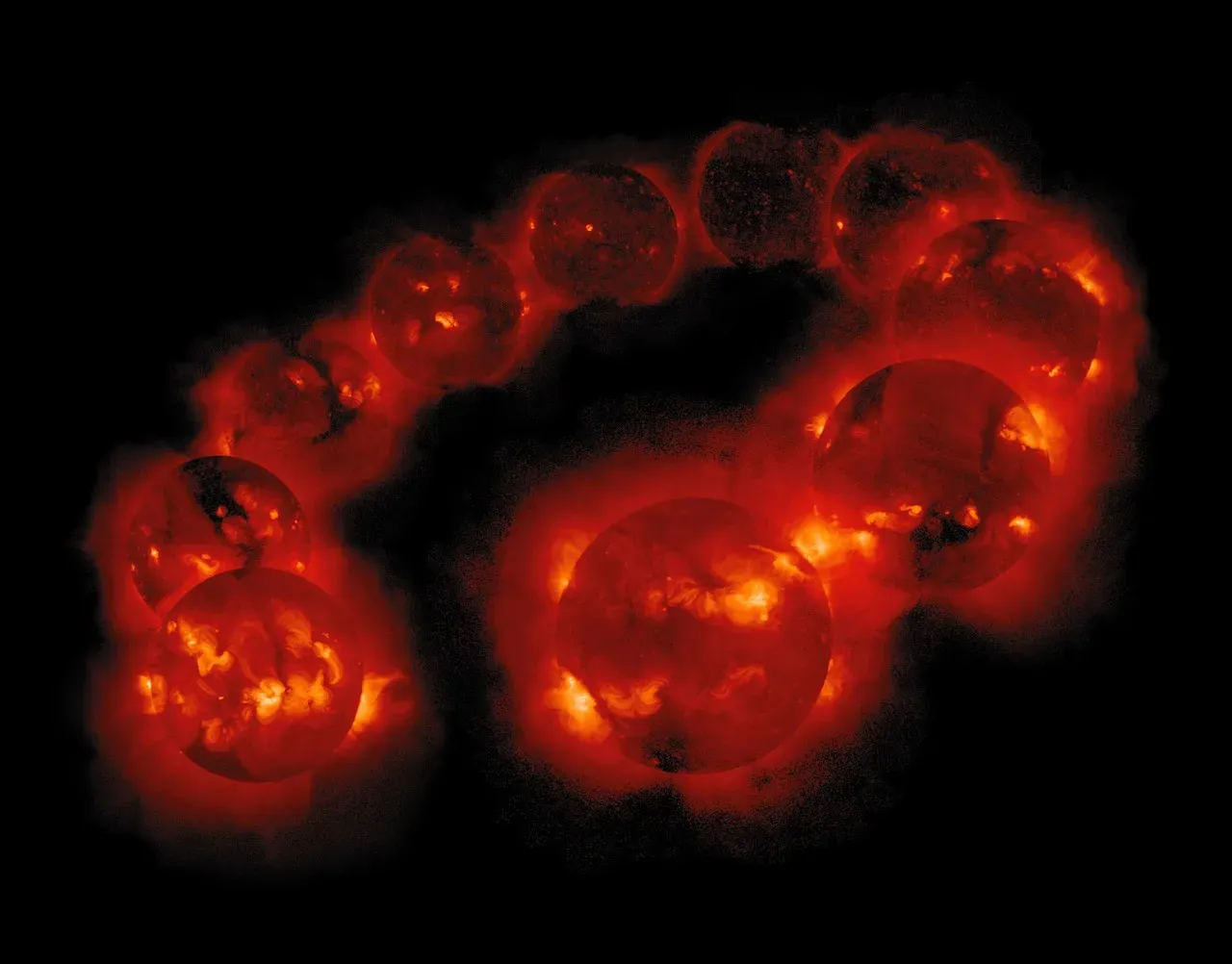
The Sun follows an activity cycle lasting roughly eleven years, during which its magnetic field completely flips. Imagine Earth’s North and South poles swapping places every decade or so. That’s exactly what happens on our star.
The cycle begins at solar minimum, when the Sun has the fewest sunspots, and over time solar activity increases until reaching solar maximum, when the Sun displays the most sunspots. These dark patches aren’t mere blemishes. They’re cooler regions where intense magnetic forces break through the surface, each one potentially larger than our entire planet.
The cycle’s intensity varies wildly. Some maximums explode with activity while others barely register above the minimum baseline. Scientists still struggle to predict exactly how strong each cycle will be, which makes forecasting space weather as tricky as predicting next year’s hurricane season.
The Twenty-Two-Year Secret
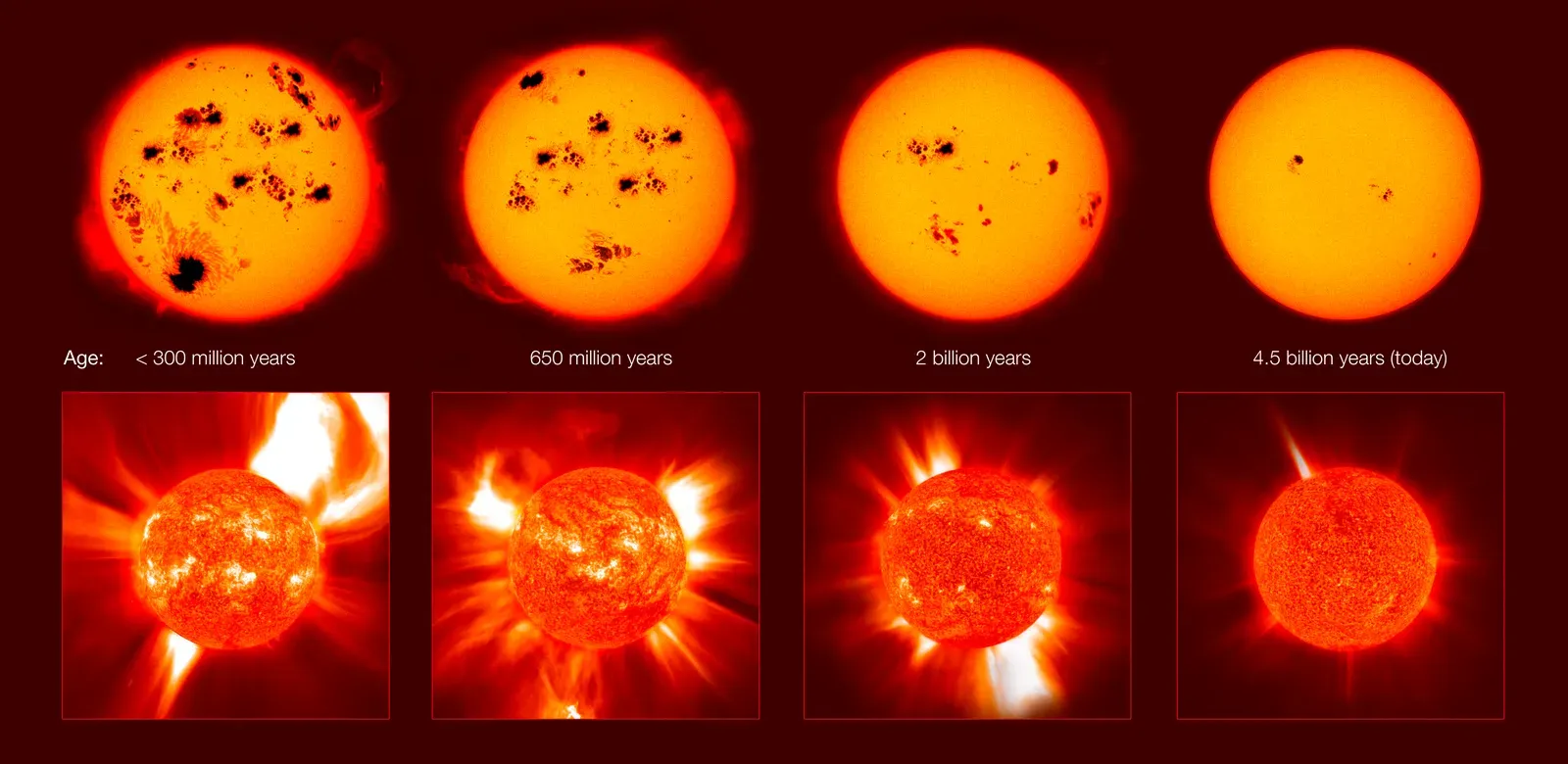
Here’s where it gets interesting. The complete magnetic cycle spans two solar cycles, or 22 years, before returning to its original state, including polarity. This is called the Hale cycle, and most people have never even heard of it.
The eleven-year solar cycle represents one-half of a 22-year dynamo cycle, involving an oscillatory exchange of energy between different types of solar magnetic fields. Think of it like a cosmic pendulum that takes two full swings to return to where it started. During this extended period, the Sun’s internal magnetic dynamo reorganizes itself in ways that profoundly affect the space environment around Earth.
What’s remarkable is how consistent this pattern remains. Fossil records suggest the solar cycle has maintained this basic rhythm for at least seven hundred million years, making it one of the most stable phenomena in the solar system.
When the Sun Goes Silent
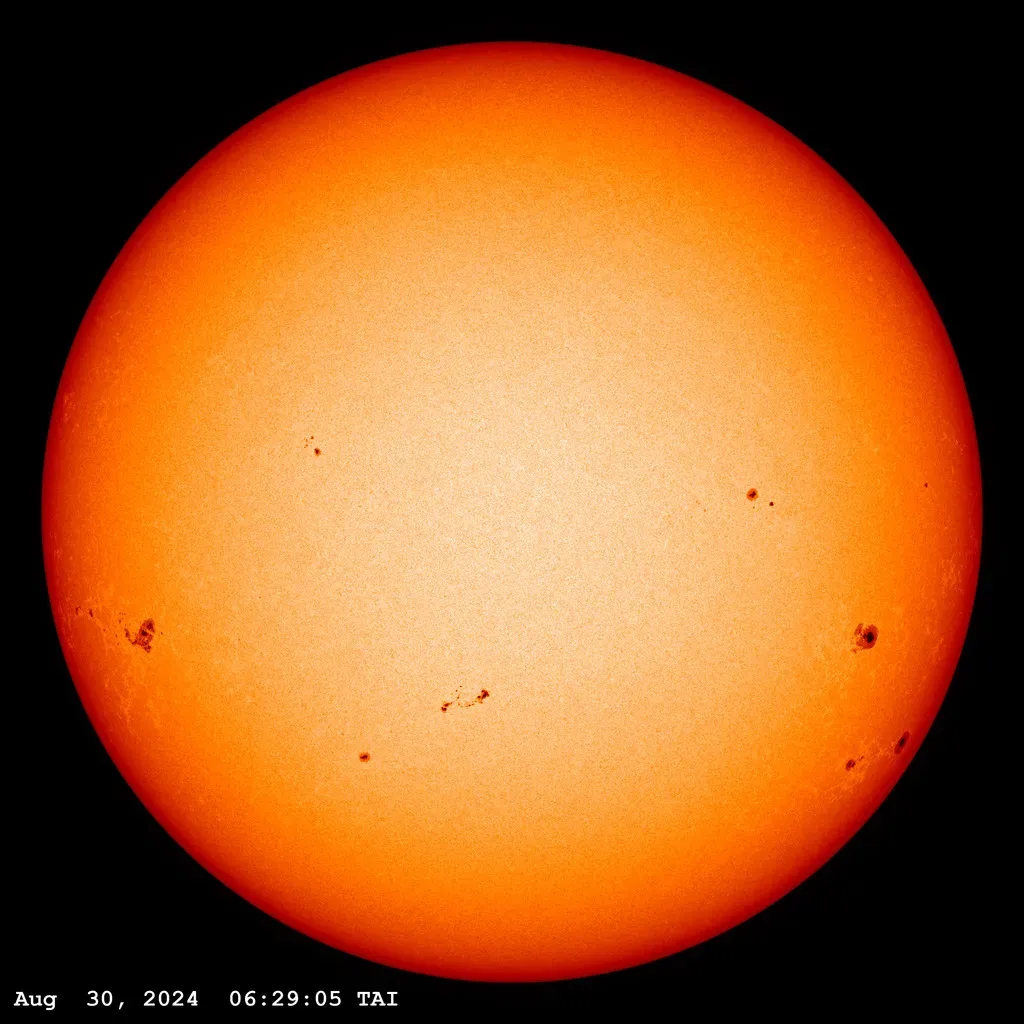
Occasionally, something strange happens. The Sun just… stops. The Maunder Minimum lasted from 1645 to 1715, a period when very few sunspots were observed. For seventy years, the solar cycle essentially vanished.
The Maunder Minimum occurred within the Little Ice Age, and the reduced solar activity may have contributed to the climatic cooling, although the cooling began before the solar minimum and its primary cause is believed to be volcanic activity. Rivers froze solid across Europe. Glaciers advanced. Harvests failed. Whether the quiet Sun was entirely to blame remains hotly debated among scientists, but the coincidence is striking.
These “grand minima” remain one of the great mysteries of solar physics. Nobody knows what triggers them or how to predict when the next one might occur. The Sun could enter another extended minimum tomorrow, and we’d have almost no warning.
Space Weather and Our Fragile Technology
During solar maximum, the Sun can unleash immense explosions of light, energy, and solar radiation, creating conditions known as space weather that can affect satellites, astronauts, communications systems such as radio and GPS, and power grids on Earth. In May 2024, one of the strongest geomagnetic storms in decades slammed into Earth’s magnetic field.
The beautiful auroras that danced across unusually low latitudes were just the visible symptom. Behind the scenes, space weather can affect telecommunication, navigation and weather services, and even disrupt power grids. In 1989, a similar storm plunged Quebec into darkness for nine hours, leaving six million people without electricity.
Our modern infrastructure is exponentially more vulnerable than telegraph systems were during the famous Carrington Event of 1859. GPS satellites, power transformers, airline navigation, internet backbone systems – all sit exposed to the Sun’s wrath. A sufficiently powerful storm today could cause cascading failures across multiple systems simultaneously.
The Sun’s Influence on Climate
Let’s address the question everyone wonders about: does the solar cycle cause climate change? The answer is nuanced.
Careful measurements suggest that solar activity warms the Earth by about a tenth of a degree during solar maximum relative to solar minimum. That’s real but modest. Warming from increased levels of human-produced greenhouse gases is many times stronger than any effects due to recent variations in solar activity.
Even during grand solar minima, the maximum cooling would barely make a dent in the human-caused global warming over the next century. So while the Sun’s cycles do nudge temperatures up and down slightly, they’re not driving the long-term warming trend we’re experiencing. It’s like worrying about a candle’s warmth while your house is on fire.
Cosmic Rays and Cloud Formation
One fascinating mechanism connects solar activity to Earth’s atmosphere through an unexpected route. During solar minima, more cosmic rays reach Earth, potentially creating ultra-small aerosol particles as precursors to cloud condensation nuclei.
When the Sun is quiet, its weakened magnetic field allows more high-energy particles from deep space to penetrate the inner solar system. These cosmic rays slam into Earth’s atmosphere, ionizing molecules and potentially seeding cloud formation. More clouds mean more sunlight reflected back to space, cooling the planet.
The magnitude of this effect remains controversial. Some researchers believe it could amplify the Sun’s influence on climate beyond what changes in solar radiation alone would suggest. Others remain skeptical, pointing to a lack of clear evidence. The debate continues.
Predicting the Unpredictable
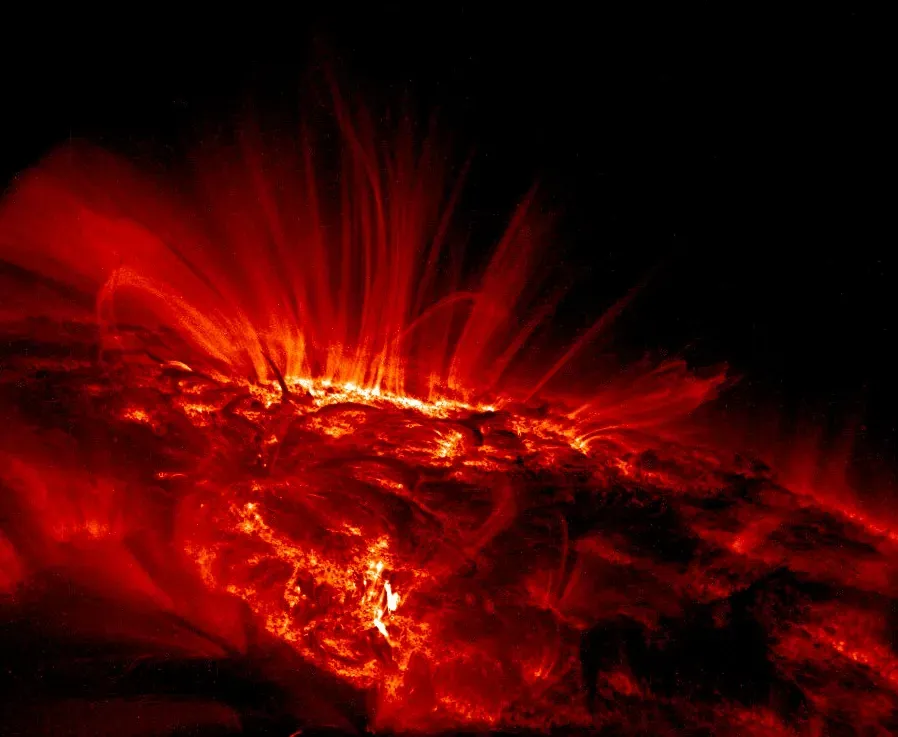
In late 2024, representatives from NASA, NOAA, and the Solar Cycle Prediction Panel announced that the Sun has reached its solar maximum period, which could continue for the next year. We’re living through the peak right now.
Solar Cycle 25 has ramped up much faster than scientists predicted, producing more sunspots and eruptions than experts had forecast. This is embarrassing for solar physicists but highlights a fundamental problem: we still don’t fully understand what drives the Sun’s magnetic dynamo.
Scientists work hard to improve our ability to predict the strength and duration of solar cycles, as these predictions can help them forecast space weather. Better forecasting means power companies can protect vulnerable transformers, satellite operators can put spacecraft into safe mode, and astronauts can postpone spacewalks during dangerous periods.
The Carrington Event: Could It Happen Again?
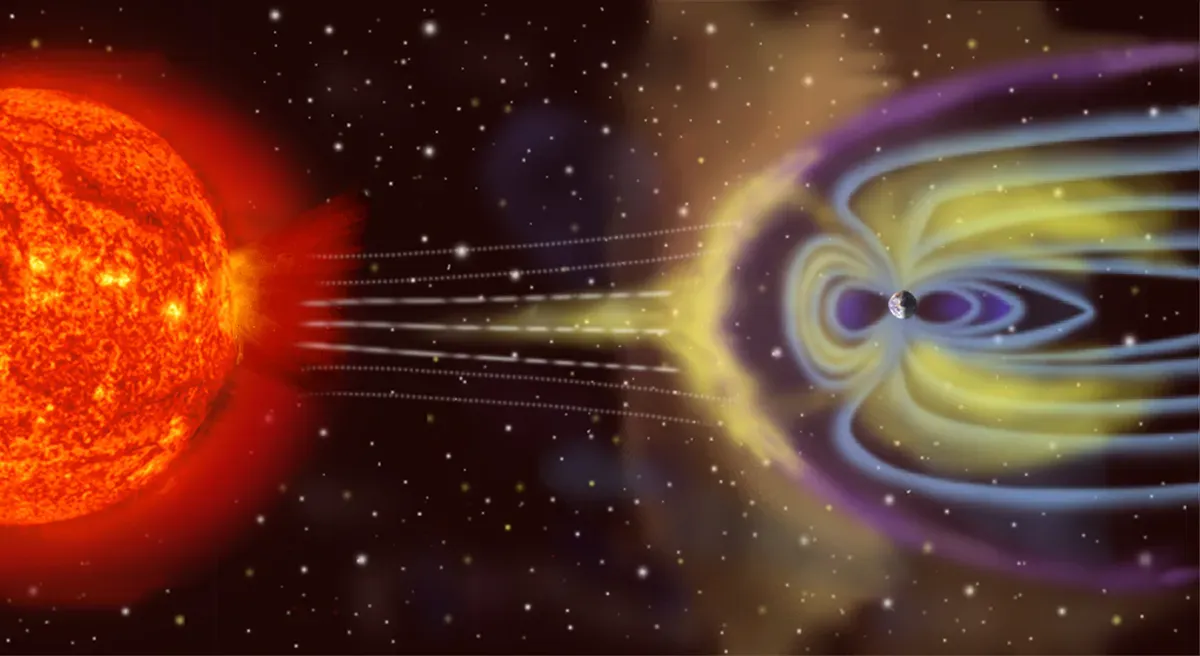
The largest recorded geomagnetic storm, the Carrington Event in September 1859, took down parts of the recently created US telegraph network, starting fires and electrically shocking telegraph operators. Telegraph operators received electric shocks, and some reported their equipment working even after disconnecting the batteries – the induced currents were that strong.
If a Carrington-scale event struck today, the consequences would be catastrophic. A geomagnetic storm as large as the Carrington Event could adversely affect telecommunications and electric power transmission systems across the US, especially in the Midwest and the East Coast. Studies suggest economic losses could reach into the trillions of dollars.
The bedrock geology beneath eastern North America makes that region particularly vulnerable to geomagnetically induced currents. The question isn’t if another Carrington-level storm will occur, but when – and whether we’ll be ready for it.
What Comes Next
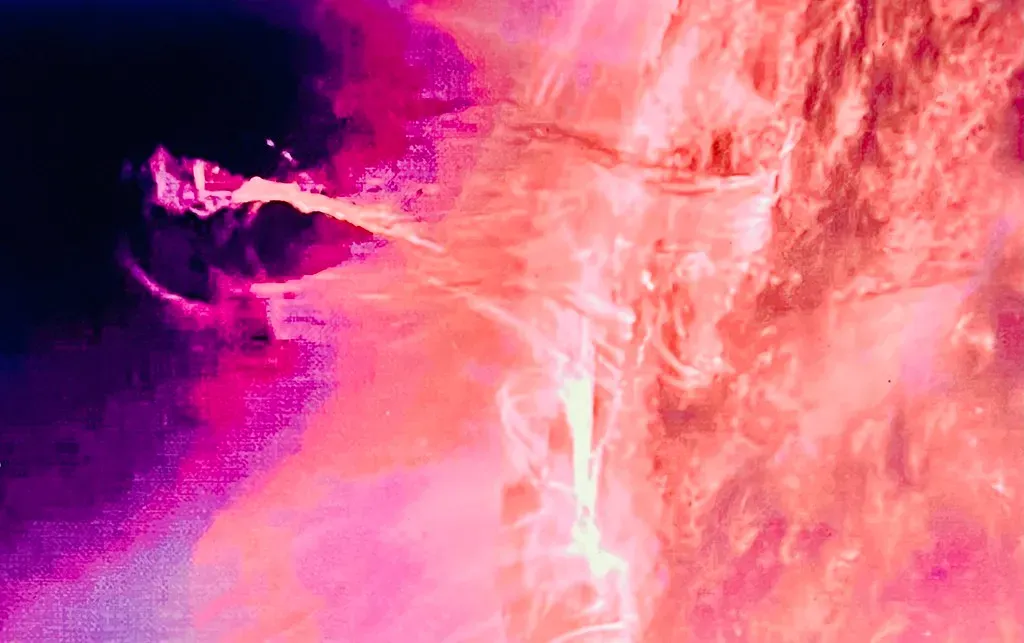
Long-term data suggest that due to the 100-year Gleissberg cycle, the Sun will remain overall more active than it has been in the past four decades. The next several solar cycles may produce more powerful storms than we’ve seen in recent memory.
At the same time, space agencies are launching new missions to study the Sun and monitor space weather more effectively. ESA’s Vigil mission will launch in 2031 to monitor the side of the Sun, providing crucial early warnings of potentially dangerous solar eruptions before they rotate into view facing Earth. These systems could give us precious hours of advance notice.
The Sun’s hidden rhythms will continue their ancient dance long after humanity is gone. For now, we’re just beginning to understand the intricate choreography of magnetic fields, particle storms, and radiation that our star performs. Every new solar cycle teaches us something surprising. The Sun, it turns out, still has plenty of secrets left to reveal.
What will the next solar maximum bring? Hard to say for sure, but one thing’s certain – our increasingly technology-dependent civilization has never been more exposed to the Sun’s temperamental moods. Are we paying close enough attention?