
Think about your last road trip. You probably pulled out your phone, opened a navigation app, and let the GPS guide you turn by turn. Now imagine making a journey of thousands of miles across featureless oceans or vast continents without any of that technology. No maps, no compass, no road signs. Sounds impossible, right?
Yet every year, billions of animals accomplish exactly this feat. They cross oceans, traverse continents, and navigate through seemingly empty skies with astonishing precision. Many return to the exact spot where they were born, sometimes after years away and journeys spanning half the globe. How they do this has puzzled scientists for centuries, and honestly, we’re still piecing together the full picture.
The Invisible Compass in Their Heads
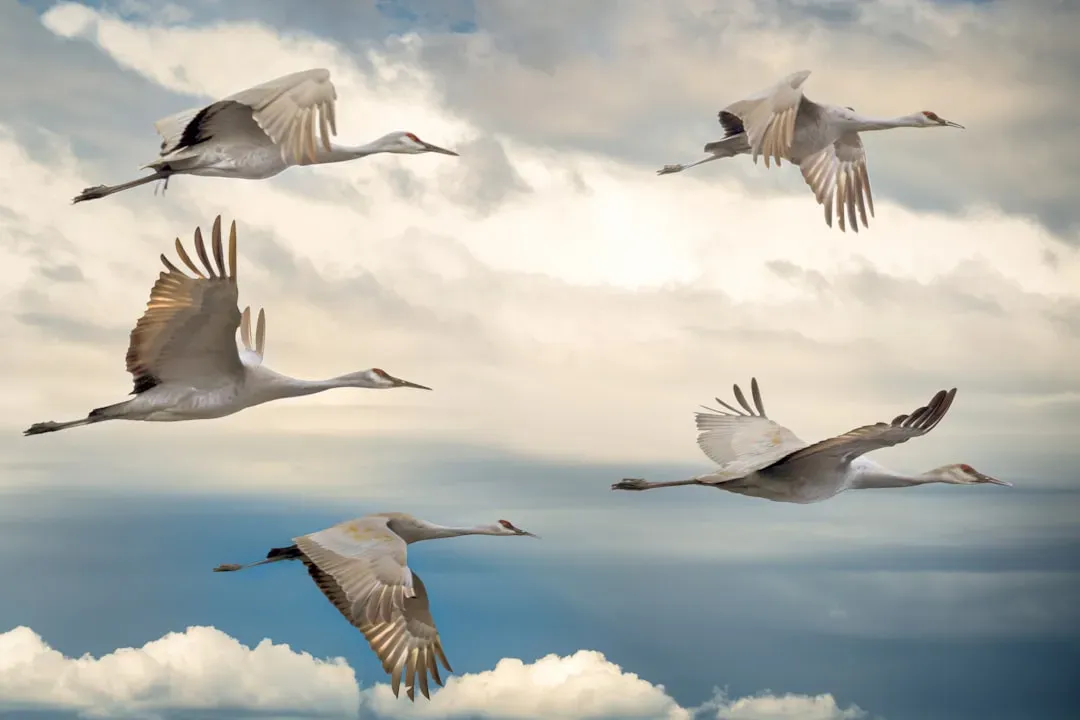
You possess a sense called magnetoreception, which allows you to detect the Earth’s magnetic field, and this ability exists across many species including arthropods, molluscs, fish, amphibians, reptiles, birds, and mammals. Picture this: the planet itself generates an invisible field that wraps around it from pole to pole. To you and me, it’s completely undetectable without instruments. To countless animals, it’s as real as the ground beneath their feet.
Experiments on migratory birds suggest they make use of a cryptochrome protein in the eye, relying on quantum mechanics to perceive magnetic fields. Here’s the thing: this involves actual quantum physics happening inside a bird’s eye. The protein cryptochrome 4, found in birds’ retinas, is sensitive to magnetic fields and could be the long-sought magnetic sensor. Even more fascinating, this detection system works differently than our human-made compasses. This effect is extremely sensitive to weak magnetic fields and readily disturbed by radio-frequency interference, which explains why some birds get disoriented near cities and power lines.
In pigeons, researchers found support for an entirely new mechanism: they may be able to sense magnetic fields via electric currents in their inner ears. Different animals appear to have evolved completely separate solutions to the same navigational problem. It’s like evolution was running multiple experiments simultaneously, seeing which approach worked best for each species.
Following the Sun Across the Sky
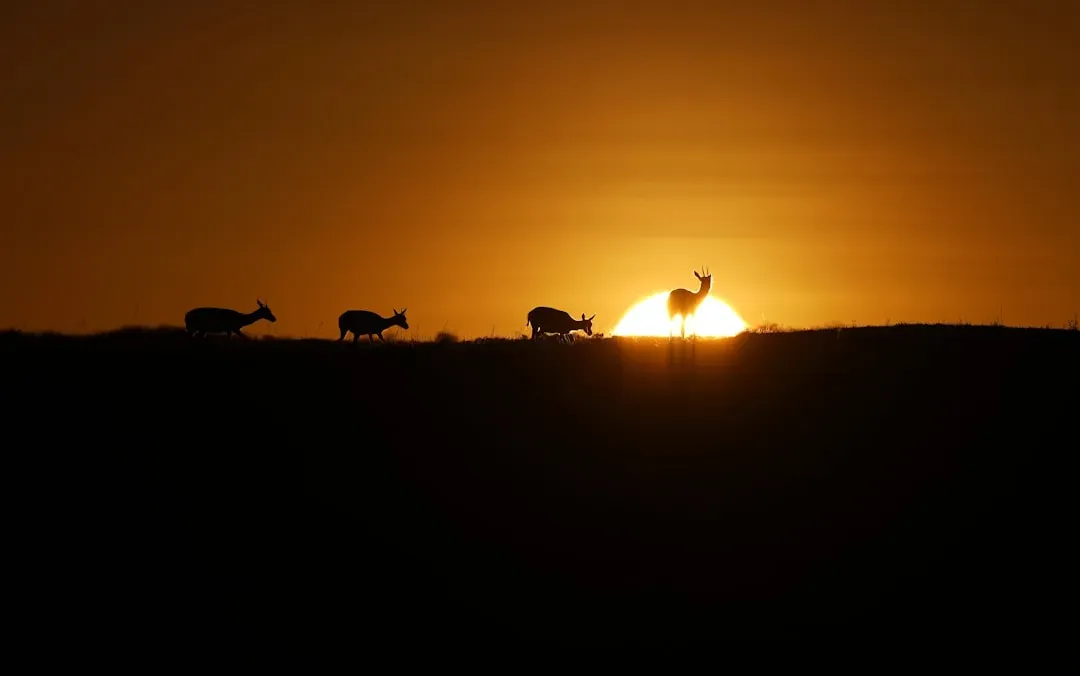
Let’s be real: using the sun for navigation sounds straightforward until you remember one critical detail. The sun moves. Throughout the day, it arcs across the sky from east to west. So how do animals compensate for this constant change?
Animals are able to navigate by combining orientation cues from the Sun’s position with an indication of time from their internal clock, since the Sun apparently moves in the sky. Think of it as having a built-in watch synchronized with a solar compass. Animals that use sun compass orientation include fish, birds, sea turtles, butterflies, bees, sandhoppers, reptiles, and ants.
The precision required here is remarkable. Birds are able to compensate for the movement of the Sun throughout the day using an internal clock mechanism that involves gauging the angle of the Sun above the horizon. Imagine trying to navigate while constantly recalculating your reference point every few minutes. You’d need to be a mathematical genius. These animals do it instinctively, without ever attending a single trigonometry class.
Reading the Stars Like Ancient Sailors
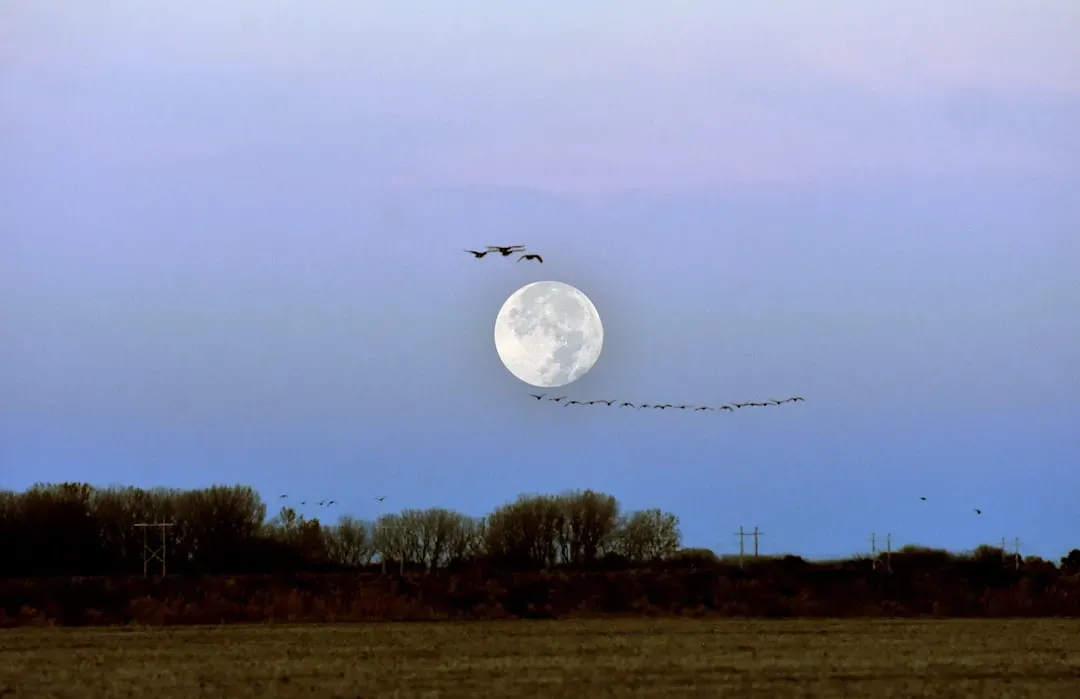
When darkness falls, a whole new navigational system kicks in. Many night-migrating birds take-off with the setting sun, to which they calibrate their magnetic compass, and can then use their star compass to maintain their heading. The night sky becomes their roadmap, covered in pinpricks of light that have guided travelers for millennia.
In experiments, warblers placed in a planetarium showing the night sky oriented themselves toward the south, and when the planetarium sky was rotated, the birds maintained their orientation with respect to the displayed stars, implying they have a built-in ability to read patterns of stars. This isn’t about memorizing individual stars like we might. It’s hard to say for sure, but birds seem to perceive the entire pattern of celestial rotation. Night-migrating birds appear to use the star pattern as a whole, without involving the internal clock, unlike sun compass orientation.
Even more surprising? Dung beetles can navigate when only the Milky Way or clusters of bright stars are visible, making them the only insects known to orient themselves by the galaxy. The humble dung beetle, navigating by the swirl of our galaxy. Nature really doesn’t care about our sense of what seems dignified or profound.
The Chemical Trail Home
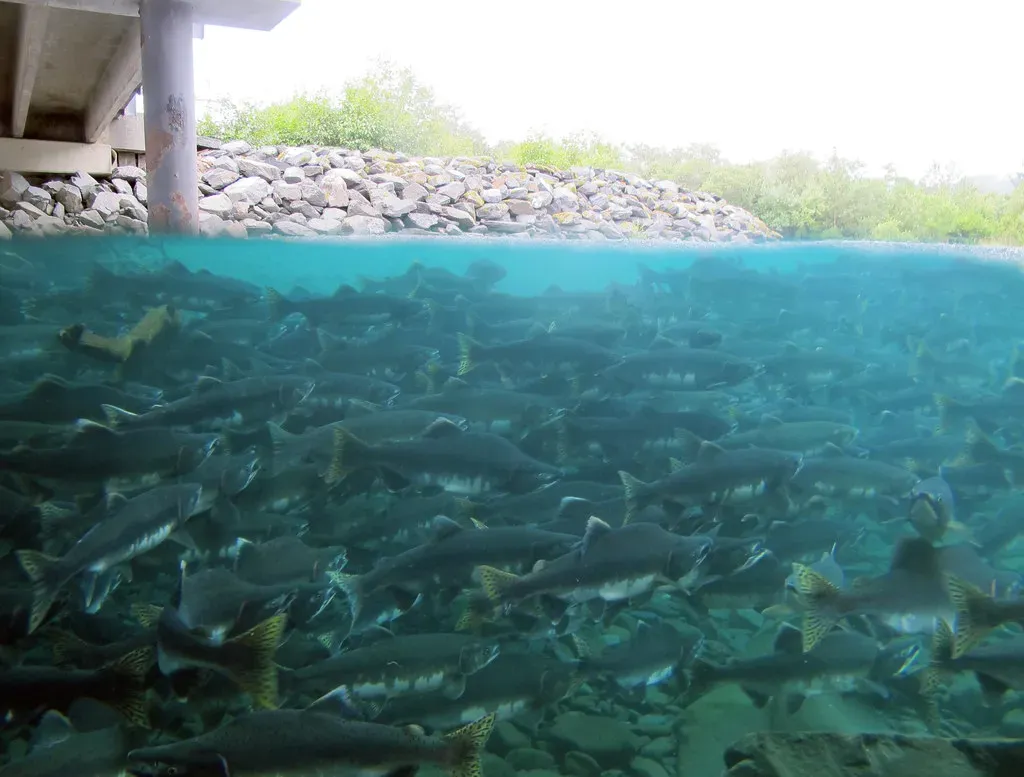
Smell might seem like an unlikely navigation tool, especially across vast distances. Yet for some species, it’s absolutely critical. For salmon, olfactory cues are of primary importance in guiding them to their spawning grounds once they arrive in the vicinity of their target rivers, and experiments have shown that young fish exposed to specific chemicals during development returned as adults to streams scented with the same chemical.
Let’s think about this for a moment. A salmon hatches in a particular stream, memorizes its chemical signature as a juvenile, then swims thousands of miles out to sea. Years later, after navigating back across the vast Pacific Ocean, it can detect and recognize the unique scent of its birth river among countless others. Olfaction plays an important role in the life of mammals, and scented trails are probably helpful within a limited area proportionate to the size of the animal.
Sea turtles can detect airborne odors, and under natural conditions, this sensory ability might function in foraging, navigation or both. Turtles surface to breathe, potentially sampling chemical cues from the air above the water. It’s a reminder that these animals aren’t relying on just one trick – they’re master multitaskers, integrating information from multiple senses.
The Magnetic Map Imprinted at Birth
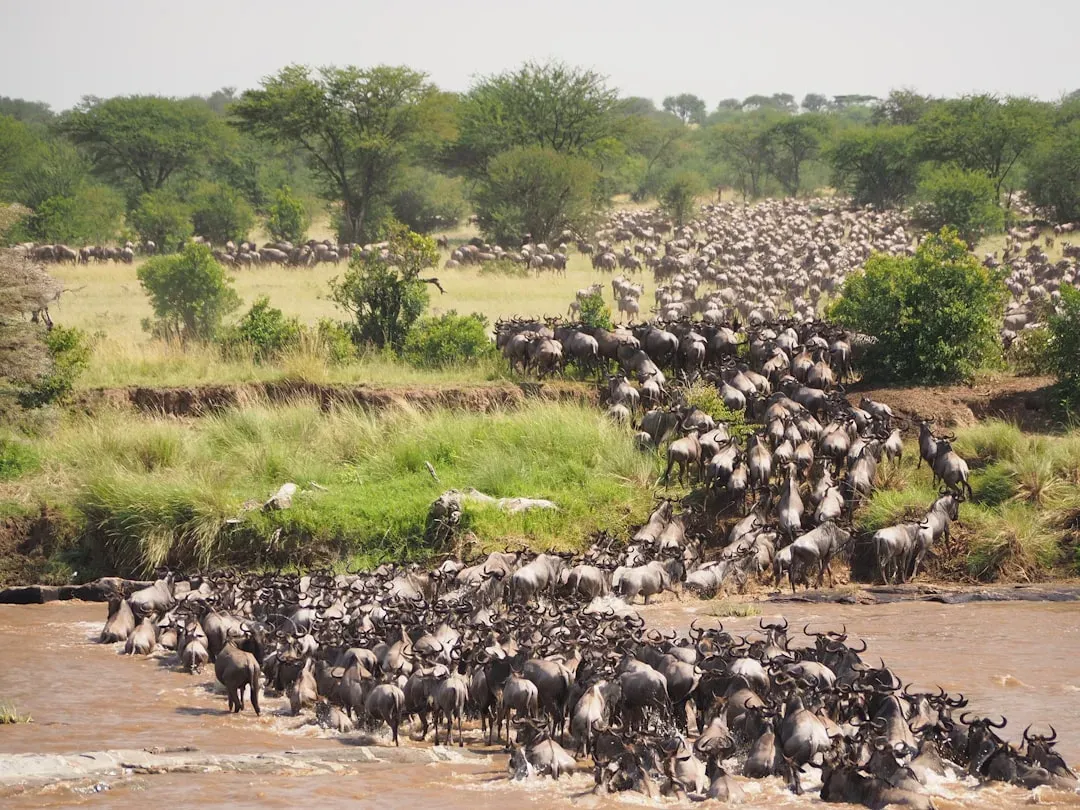
Here’s where things get really wild. Animals may imprint on the unique magnetic field that exists in their natal area and then use this information to return years later; animals like sea turtles and salmon imprint on the magnetic field of their home area when young. Imagine being born with a magnetic signature burned into your memory, carrying it with you across thousands of miles and many years, then using it to find your way back.
How salmon navigate from the open ocean into the vicinity of the correct river mouth has never been fully explained, but directed movements over long distances can be explained by the known ability of turtles to exploit variations in Earth’s magnetic field as a magnetic positioning system. The first step involves long-distance movements through the open sea into the vicinity of the natal area and is likely guided by magnetic navigation and geomagnetic imprinting. The second step uses local cues – like smell – to pinpoint the exact target.
Think of it like having two separate GPS systems. One gets you to the right city; the other guides you to the specific address. Both salmon and sea turtles appear to use this two-step approach, which is frankly brilliant in its efficiency.
Visual Landmarks and Mental Maps
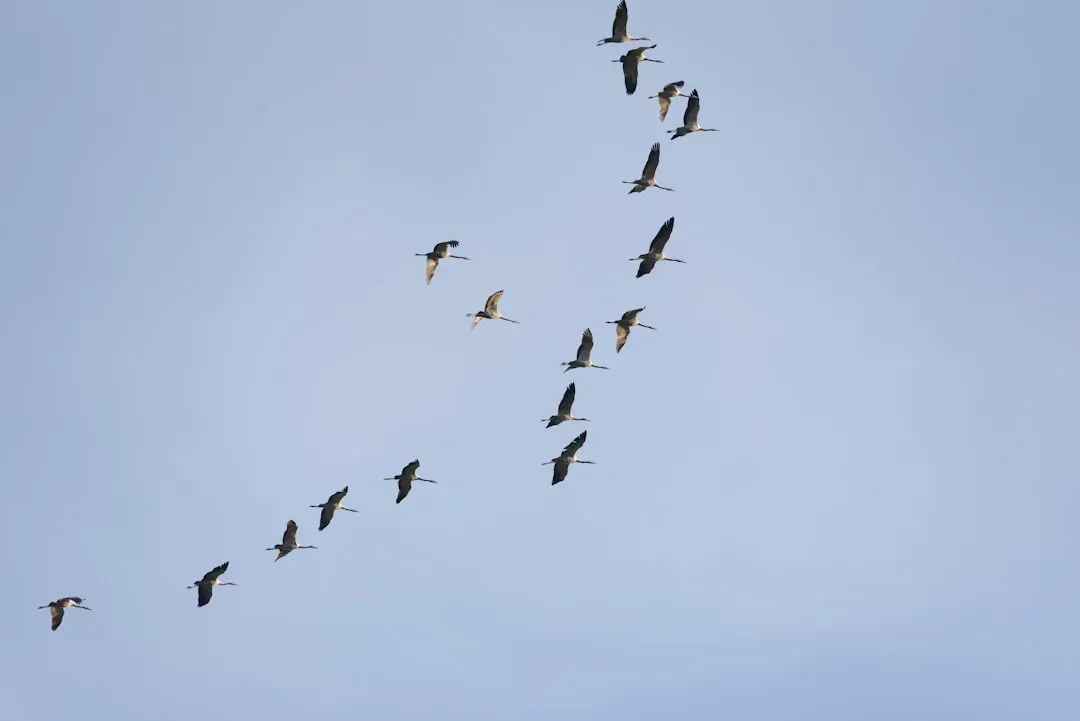
Don’t underestimate the power of a good memory. Birds possess excellent vision and remarkable spatial memory, allowing them to recognize key geographic features like mountains, rivers, coastlines, and even human structures; homing pigeons have been shown to follow highways and take specific turns at recognizable intersections. They’re literally memorizing the landscape like we might remember the route to a favorite restaurant.
Rodents and bats navigate using place cells and grid cells in the brain, so non-mammals may also draw mental maps of a route. Your brain has specialized neurons that create internal maps of your environment. So do theirs. Research using GPS tracking has revealed that experienced migratory birds often follow the same precise routes year after year, suggesting they’re recognizing familiar landmarks along the way.
What’s particularly impressive is how animals integrate visual information with their other navigational senses. The magnetic compass tells them which direction to fly. The sun and stars refine that bearing. Visual landmarks confirm they’re on the right track. It’s a redundant system with built-in error correction, far more sophisticated than any single navigation method we’ve devised.
When Multiple Senses Work Together
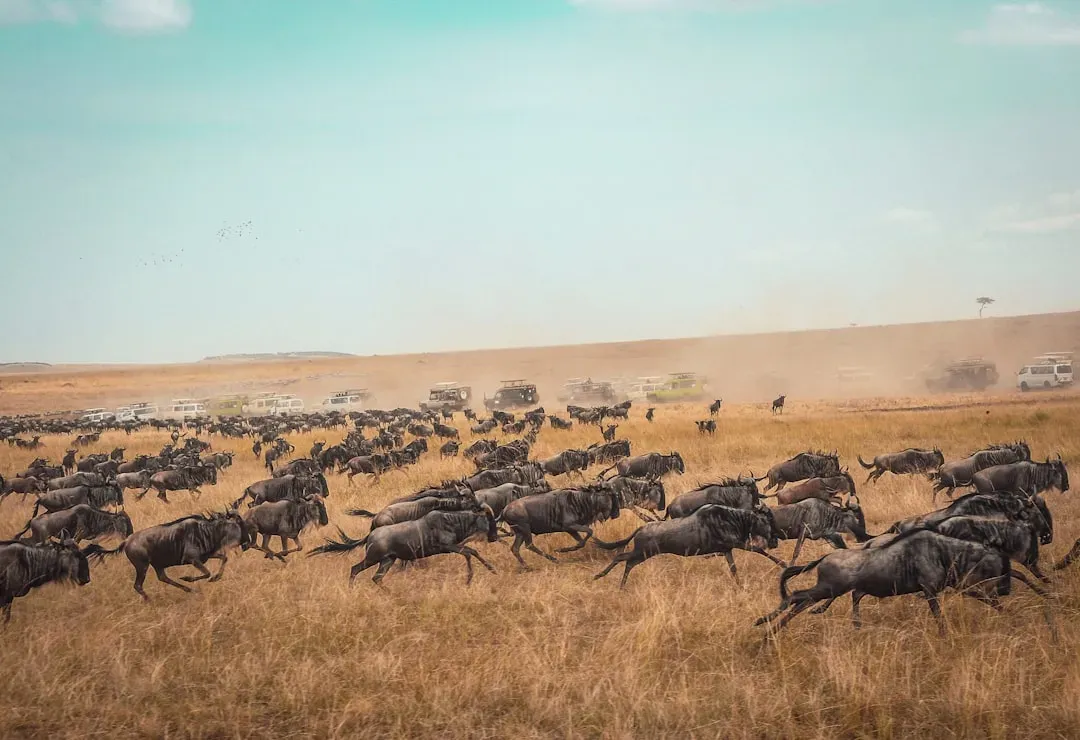
The real secret isn’t that animals use one amazing sense. It’s that they use all of them, switching between systems depending on conditions and integrating information from multiple sources. During the long-distance phase, animals use stable signals such as celestial cues from the sun or stars, or Earth’s magnetic field, and sometimes large visual landmarks such as a coastline or mountain range.
It is likely that many animals, including dogs, navigate using an integration of many internal systems and external signals. Cloudy day blocking the sun? Switch to magnetic sensing. Overcast night obscuring the stars? Rely more heavily on the magnetic field. Lost the magnetic signal near a city? Fall back on visual landmarks and smell. Several species of animal can integrate cues of different types to orient themselves effectively; insects and birds are able to combine learned landmarks with sensed direction from the Earth’s magnetic field or from the sky.
This redundancy explains why it’s so difficult to completely disorient a migrating animal. You’d need to block or scramble every one of their sensory systems simultaneously. Even then, some would probably still find their way. Evolution has had millions of years to refine these navigation systems, and the result is far more robust than anything humans have engineered.
The Ultimate Navigation Challenge
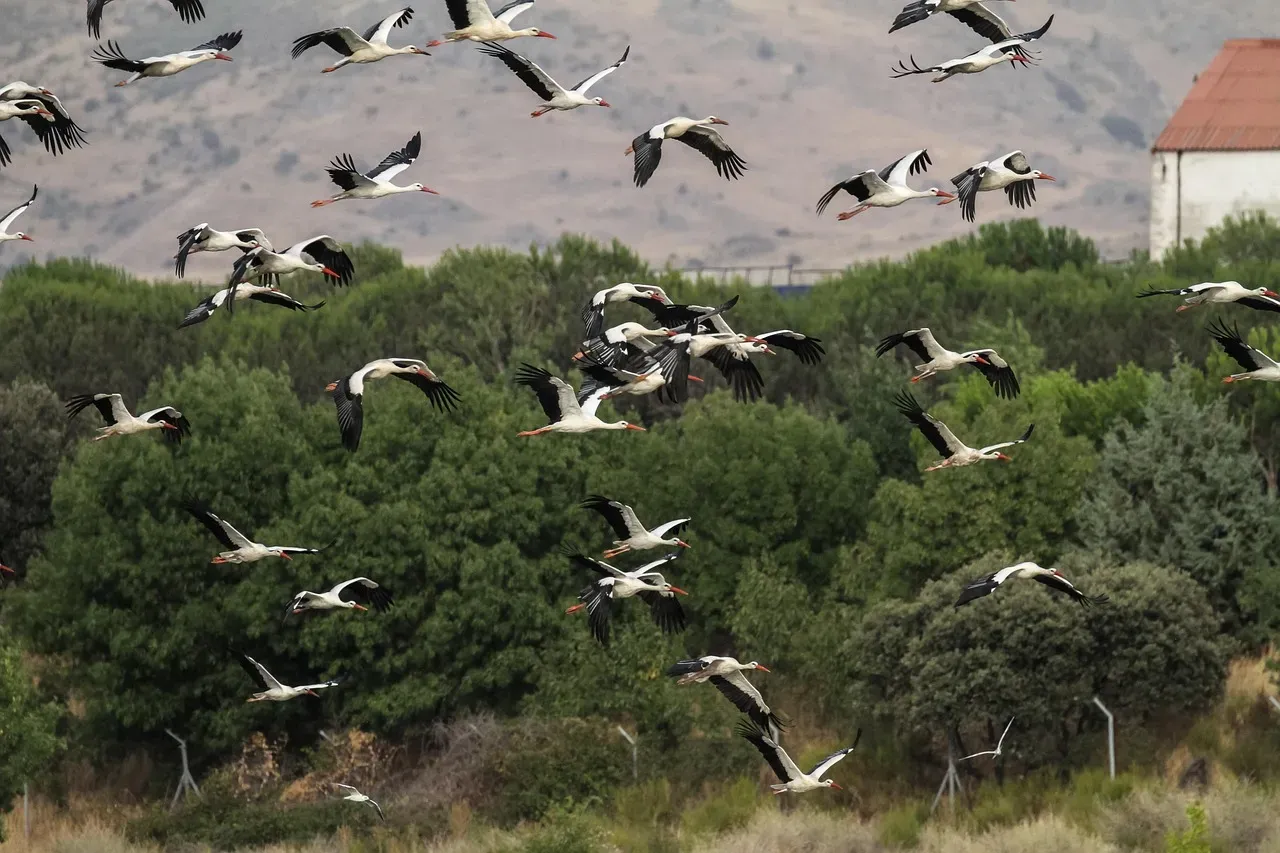
Arctic terns complete the longest migration of any animal species, travelling a staggering 70,000 kilometres annually between Arctic breeding grounds and Antarctic feeding areas by following global wind systems and ocean currents. Seventy thousand kilometers. Every single year. Without GPS, maps, or rest stops.
The Bar-tailed Godwit holds the record for the longest non-stop flight, traveling over 7,500 miles from Alaska to New Zealand without a single break for food or rest. Picture flying continuously for over a week, across the entire Pacific Ocean, with nothing below you but water. Even more remarkably, juvenile birds of many species can navigate to wintering grounds they’ve never visited before, without the guidance of experienced adults. They’re born with the route programmed into their brains, along with the sensory toolkit to follow it.
The precision is staggering. Small seabirds like Manx shearwaters make migrations of 10,000 kilometres but return to the exact nesting burrow year after year. Not just the right island. Not just the right beach. The exact burrow. What would you have guessed it took to accomplish that? Turns out, it takes a symphony of navigational senses working in perfect harmony, refined over countless generations.
What do you think about these incredible navigational abilities? Can you imagine possessing such innate orientation skills, or has our reliance on technology made us forget capabilities we might have once had?