
Long before satellites and space telescopes, people on every continent were already watching the sky with an intensity that feels almost electric across time. When you stand inside an ancient stone circle or on the axis of a forgotten temple and see the sun rise in exactly the right notch on the horizon, it’s hard not to feel a jolt of connection to those who built it.
What’s surprising is how often these observatories, built oceans apart by cultures that never met, line up with the same celestial events: solstices, equinoxes, key stars, and lunar cycles. It’s as if humanity, scattered across the planet, kept returning to one silent agreement: the sky mattered, and it mattered enough to carve it into stone. Let’s walk through some of the most striking places where ancient people turned the Earth itself into a giant instrument for reading the heavens.
Stonehenge: A Monument Aligned With the Solstice Sun
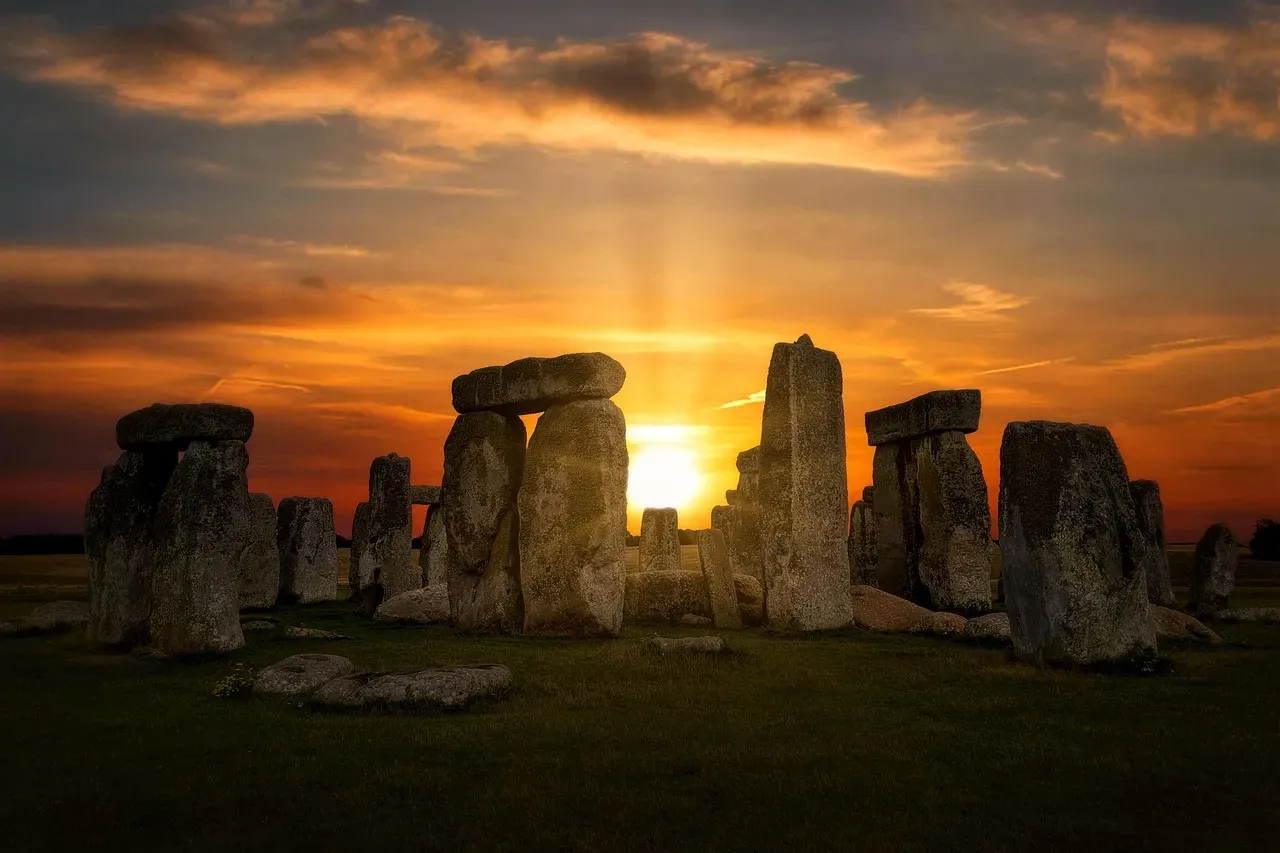
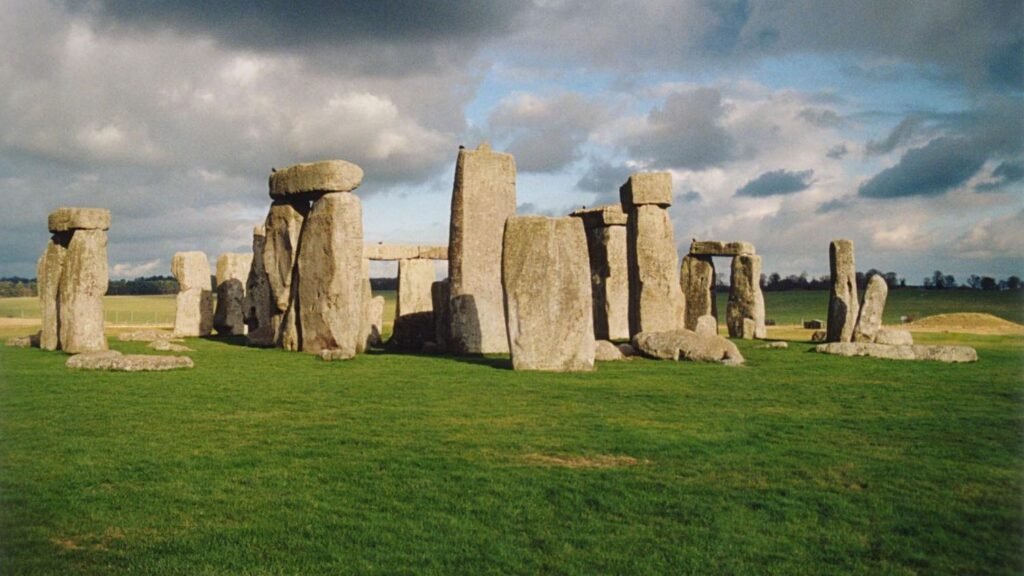
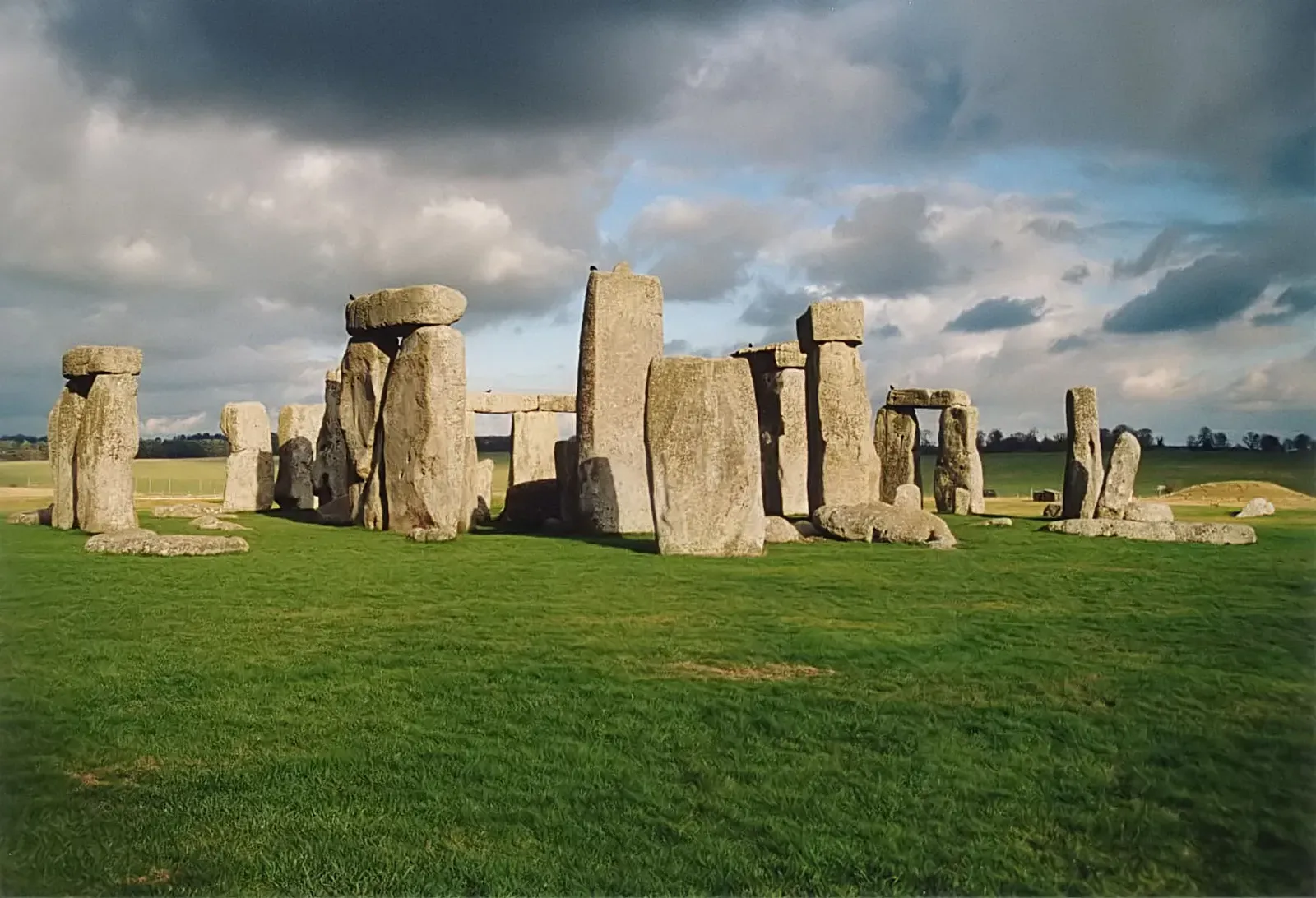
Walk into Stonehenge at dawn around the summer solstice, and you immediately see why people call it an ancient observatory. The rising sun appears in alignment with the Heel Stone and pours light into the monument in a way that feels designed, not accidental. Archaeologists have shown that key stones and sightlines match the positions of the sun during both the summer and winter solstices, revealing careful planning rather than random placement.
Stonehenge was built and modified over many centuries, beginning more than four thousand years ago, which means generations kept refining this relationship between stone and sky. Some researchers argue that the winter solstice sunset may even have been the main event, framing the circle as a place of renewal in the darkest time of year. When you think about it, this is more than architecture: it’s a calendar built out of boulders, a reminder that people who lived without electricity tracked time with astonishing precision.
Nabta Playa: Desert Stones in Sync With the Stars
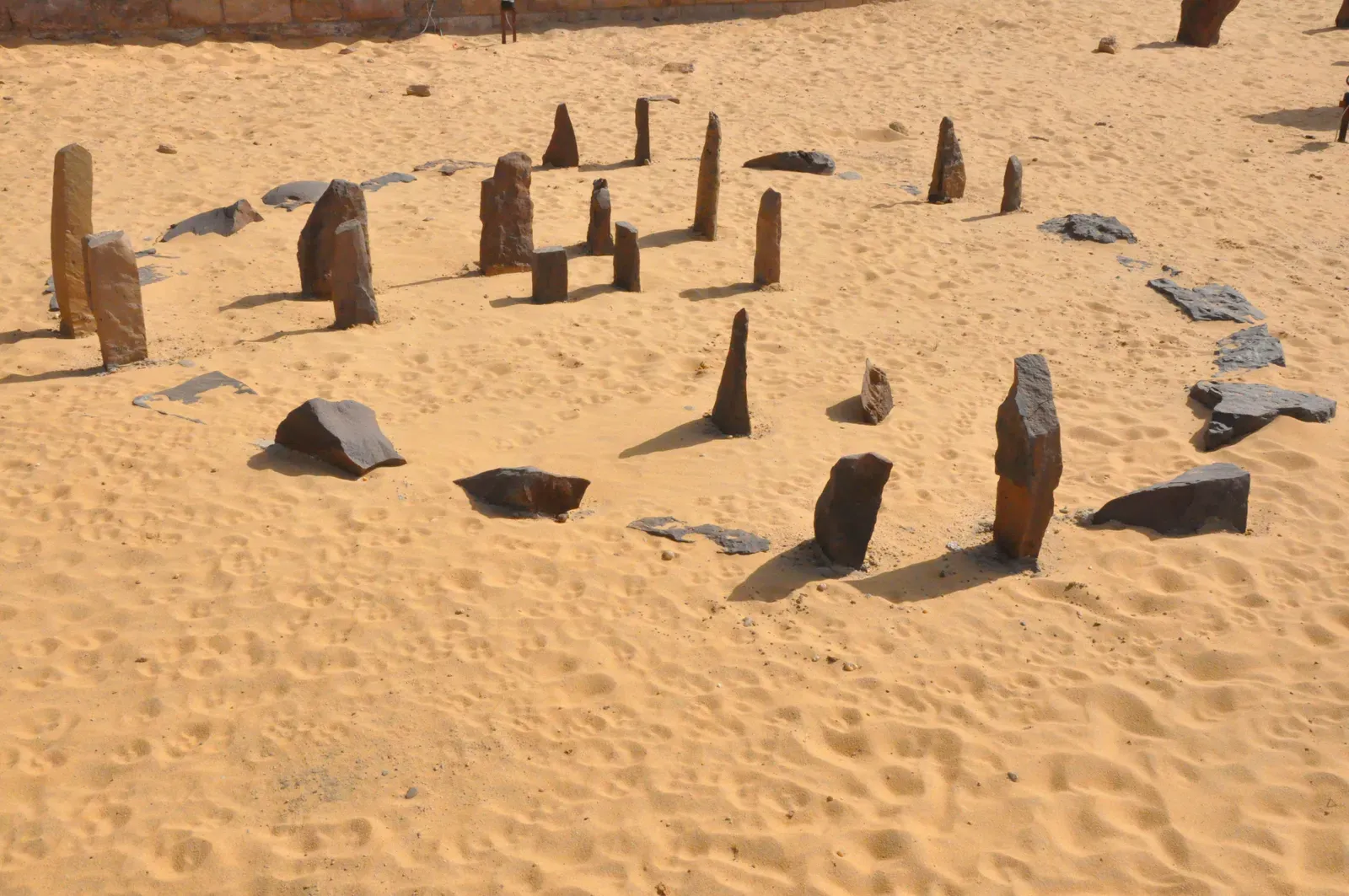
In the Sahara Desert of southern Egypt, long before the rise of the pharaohs, pastoral communities created stone circles and alignments at a place called Nabta Playa. One of these stone circles appears to be oriented toward the summer solstice sunrise, suggesting that the builders were tracking the seasonal return of the rains and the movement of the sun. That alone is impressive, but some proposed alignments point toward certain bright stars, including ones that would have been important in the night sky thousands of years ago.
What’s striking is that Nabta Playa predates many of the famous Egyptian monuments by many centuries, yet it already shows a strong interest in astronomy and timing. People were living in an environment where survival depended on understanding seasons, rainfall, and the rhythm of the year, and they formalized that knowledge with stones placed on the desert floor. Standing there today, surrounded by silence and sand, you can feel how the sky would have been not just a backdrop, but a lifeline.
Newgrange and the Passage Tombs of Ancient Ireland
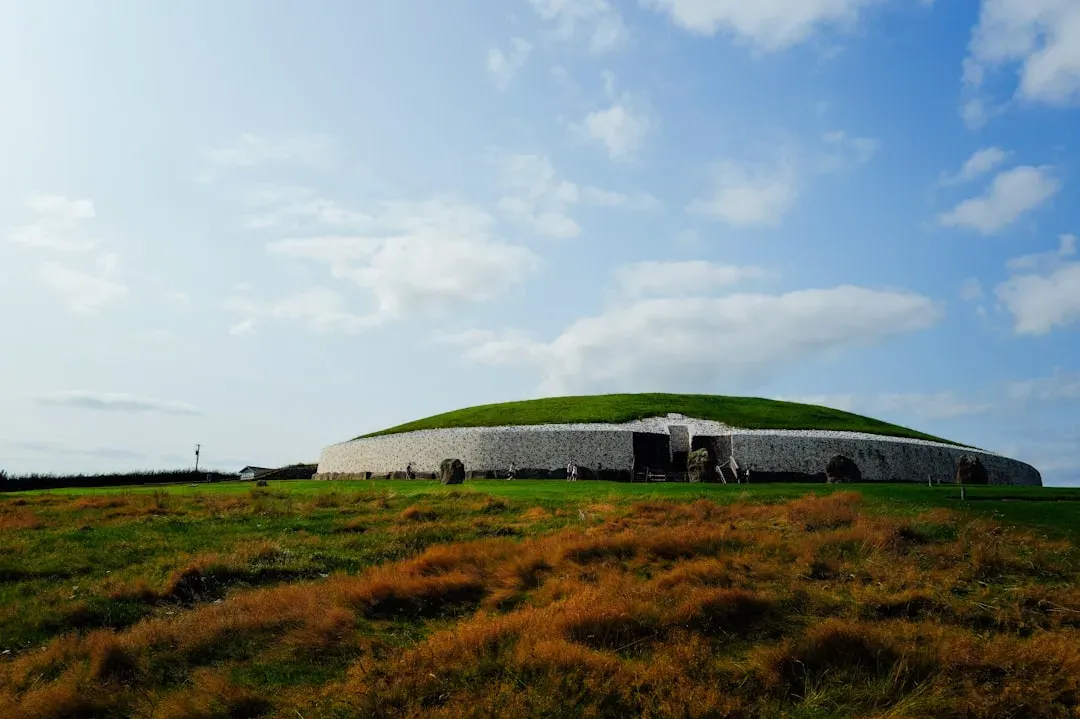
Newgrange in Ireland looks at first like a grassy mound, but its interior tells a very different story. Built more than five thousand years ago, this passage tomb has a long stone corridor that only fills with sunlight for a few minutes around the winter solstice sunrise. At that moment, a beam of light travels up the passage and illuminates the inner chamber, turning a dark stone room into a stage for the sun.
This level of alignment required a clear understanding of the sun’s path and a steady patience to track it year after year. Many people think of tombs as places focused on death, but Newgrange’s design ties remembrance directly to the return of light at the darkest time of year. It feels like a message carved in stone: even in midwinter, the sun will come back, and so will life. It’s hard not to see a shared emotional logic here with other cultures that marked the same turning point of the year.
Machu Picchu and the Solar Precision of the Inca
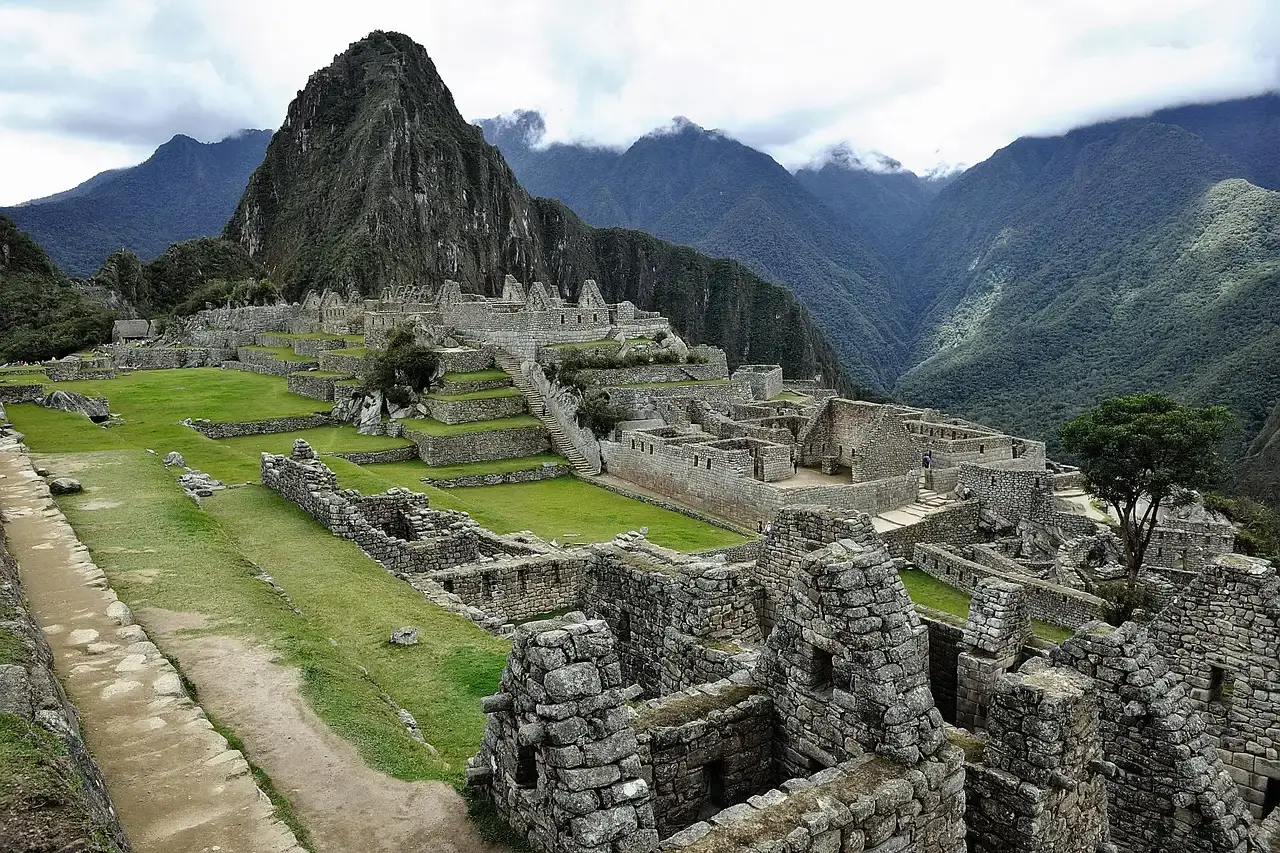
Perched high in the Andes, Machu Picchu isn’t just a dramatic mountaintop city; it’s also filled with subtle astronomical cues. The Intihuatana stone, often called a kind of solar marker, lines up with the sun in such a way that its shadow nearly disappears at certain times of the year, especially near the equinoxes. Other windows and structures are oriented to catch the rising sun on solstice mornings, turning the whole site into a landscape-scale observatory.
The Inca saw the sun as a powerful, almost parental force, and their architecture reflects a deep desire to synchronize human life with celestial rhythms. Agricultural cycles depended heavily on knowing when seasons would shift, and in a rugged, high-altitude environment, timing could be the difference between abundance and hunger. The precision baked into the stonework at Machu Picchu shows that for the Inca, astronomy was not an abstract science; it was woven directly into survival, ceremony, and identity.
Chichén Itzá and the Serpent of Light
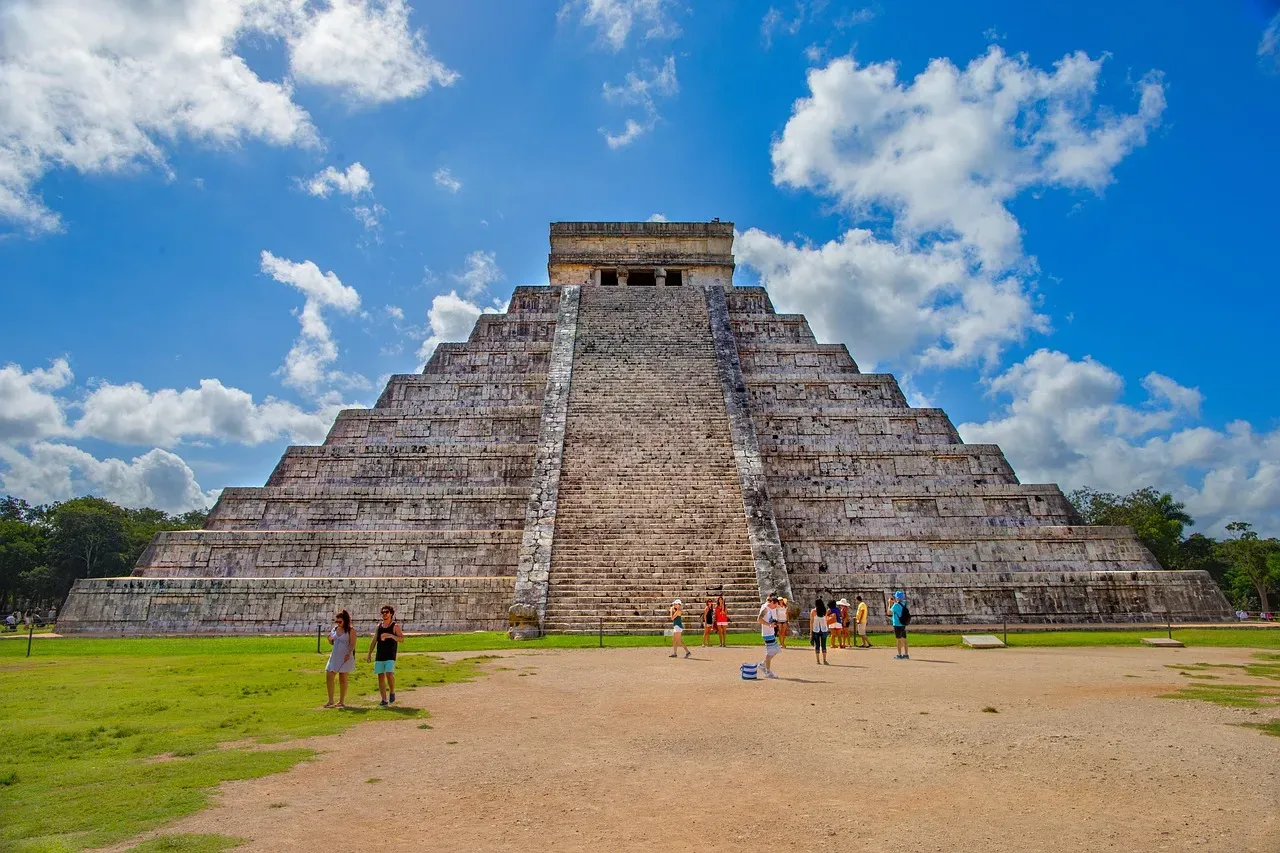
At Chichén Itzá in Mexico, the Maya created one of the most visually dramatic astronomical effects in the ancient world. On the equinoxes, the afternoon sun hits the main pyramid, often called El Castillo, at just the right angle to create a pattern of light and shadow that resembles a serpent slithering down the staircase. This effect connects with carvings of a feathered serpent at the base, tying a celestial event directly into sacred symbolism.
This is not an accidental trick of light; it required careful attention to the sun’s path, the pyramid’s orientation, and the precise geometry of its steps. The same site also encodes cycles of Venus and solar counts into its architectural layout, showing how deeply the Maya watched and calculated movements in the sky. Their observatories and codices reveal a culture that treated planetary cycles almost like cosmic gears, tracking them over long periods with a level of detail that still impresses modern astronomers.
Mauna Kea and the Navigational Skies of the Pacific
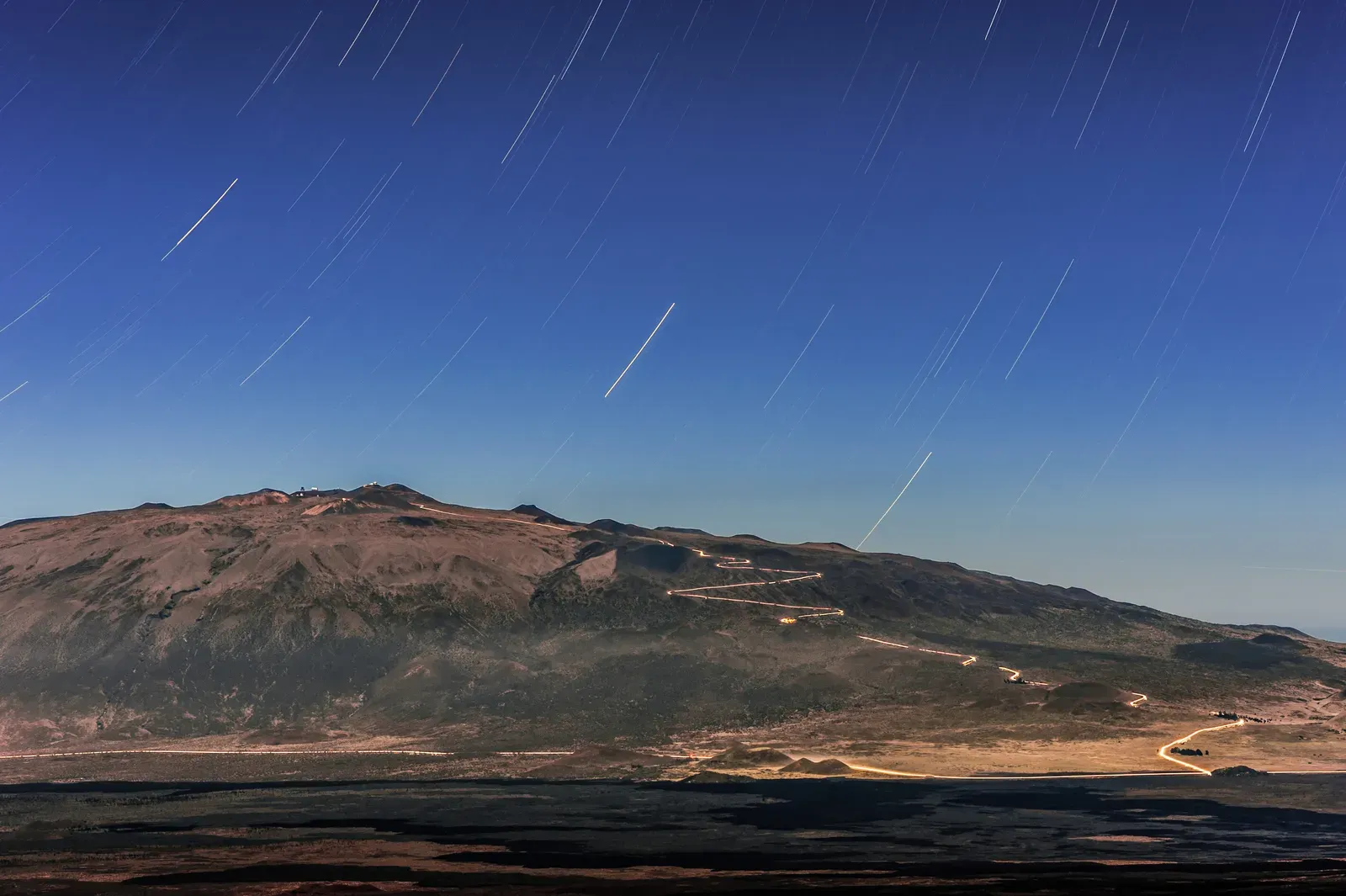
On the summit of Mauna Kea in Hawaii, modern telescopes now scan the heavens, but long before that, Polynesian navigators were using the night sky as their map. In traditional Polynesian wayfinding, stars, star paths, and horizon markers functioned as a living observatory spread across the open ocean, without the need for permanent stone structures. Canoe navigators memorized the rising and setting points of key stars, integrating that knowledge with winds, waves, and clouds to cross vast distances between islands.
While Mauna Kea is now home to high-tech instruments, the mountain has long held spiritual and observational importance, connecting people to both the sea and the sky. What makes Polynesian star knowledge so fascinating is how it turns the whole horizon into a compass, proving that an observatory doesn’t always have to look like a temple or a pyramid. The Pacific traditions remind us that shared cosmic understandings can live in human memory and practice, not just in stone.
Chaco Canyon: Aligning Architecture With Sun and Moon
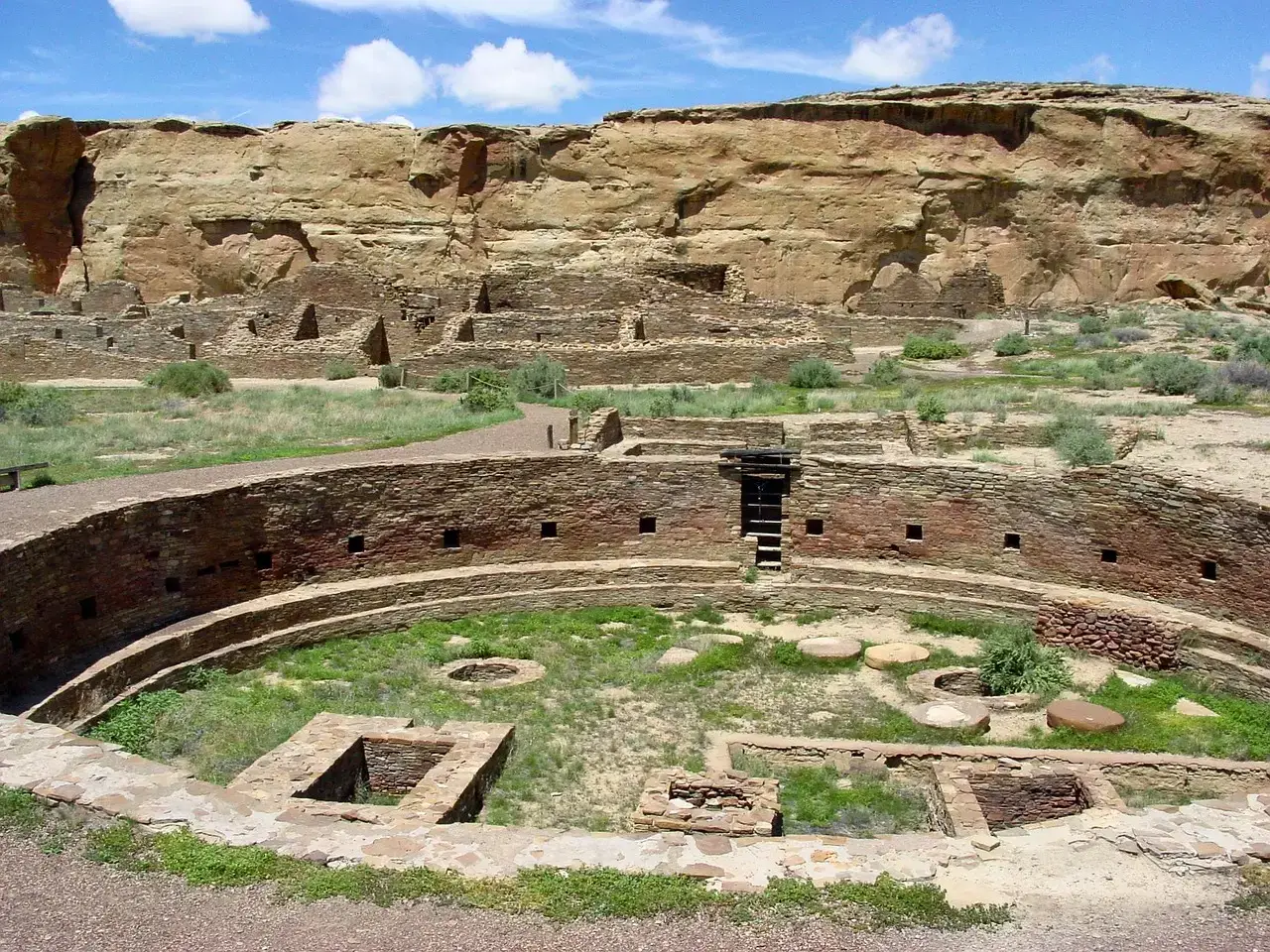
In the American Southwest, the ancestral Puebloan people built a series of monumental great houses in Chaco Canyon that show remarkable astronomical awareness. Many of these structures are aligned with cardinal directions and key solar positions, especially around solstices and equinoxes. At one site known as the Sun Dagger on Fajada Butte, slabs of rock create shifting light patterns that mark the solstices and the equinoxes on a carved spiral, like a cosmic clock etched into canyon stone.
Even more intriguing, some alignments appear to track complex lunar cycles, including the long, slow swing of the moon’s rising and setting points over many years. This suggests ongoing observation and generational knowledge passed down over time in a community deeply attuned to the sky. Standing among the ruins, it’s clear that these were not just living spaces; they were places where architecture and cosmos met, shaping rituals, gatherings, and a shared sense of time anchored to the heavens.
A Shared Sky: Different Stones, Similar Questions
When you line up Stonehenge, Nabta Playa, Newgrange, Machu Picchu, Chichén Itzá, Pacific navigation, and Chaco Canyon side by side, a pattern starts to emerge. The materials are different, the myths are different, and the landscapes could not be more varied, yet the same celestial events keep turning up: solstices, equinoxes, key stars, the paths of the sun and moon. It’s as if ancient cultures, working independently, kept asking the same questions and looking up to the same sky for answers.
That doesn’t mean some secret global blueprint was being passed around, but it does suggest a shared human impulse to anchor meaning in something steady and grand. The sky offered exactly that: regular cycles in a world that could otherwise feel unpredictable and frightening. Today, we use digital calendars instead of stone alignments, but the instinct is familiar: we still organize our lives around sunrises, seasons, and celestial events, even if we notice it less. If you stood at one of these ancient observatories at dawn tomorrow, what would you be hoping the sky might tell you?