Picture a bird so rare that only a handful of places on Earth can still claim it as their own. A creature whose spring courtship is so wild and theatrical that nature enthusiasts travel thousands of miles just to witness it. , specifically the Gunnison sage grouse, is more than just another feathered resident of the American West. It’s a symbol of a vanishing ecosystem, a survivor clinging to existence in the face of relentless change.
Let’s be real, most people haven’t heard of this bird. Yet beneath the sagebrush plains of southwestern Colorado and southeastern Utah, something extraordinary is happening every spring. These grouse have been performing their ancient rituals long before highways cut through their habitat, before we even knew they were a distinct species. Their story is one of survival, adaptation, and the fragile balance between wildlife and human expansion.
A Species Recognized Just at the Turn of the Century
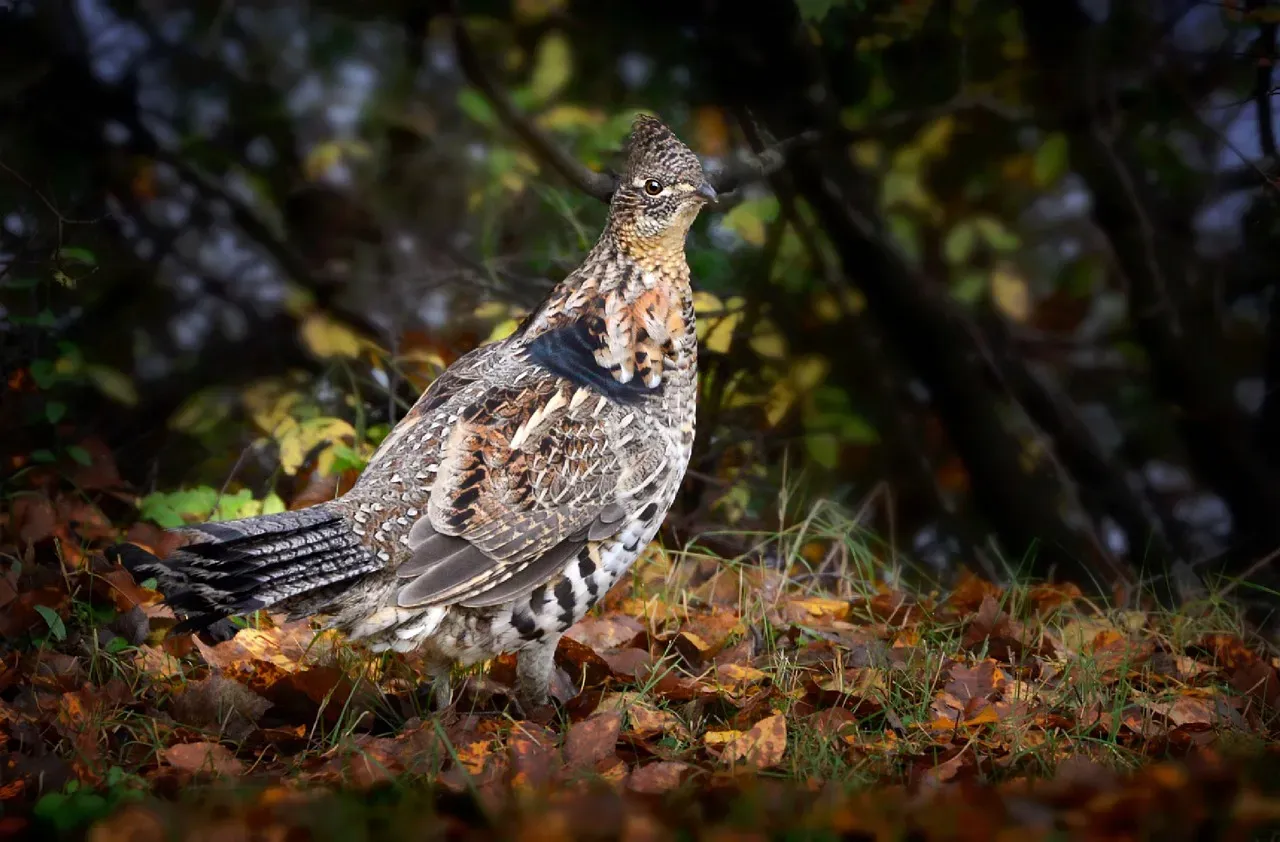
The Gunnison sage grouse wasn’t recognized as its own species until the year 2000, making it the first new bird species described in the United States since the 19th century. Think about that for a moment. In an age when we’ve mapped the ocean floor and sent probes to distant planets, we discovered a new bird species right in our own backyard at the dawn of the millennium.
Differences in size, coloring, plume size and shape, display behavior, and genetics indicate that this species is distinct from the Greater Sage-Grouse. For decades, scientists simply assumed these birds were the same as their larger cousins. It took careful observation and genetic analysis to reveal the truth hiding in plain sight across Colorado’s high valleys.
Size Matters When You’re Trying to Survive
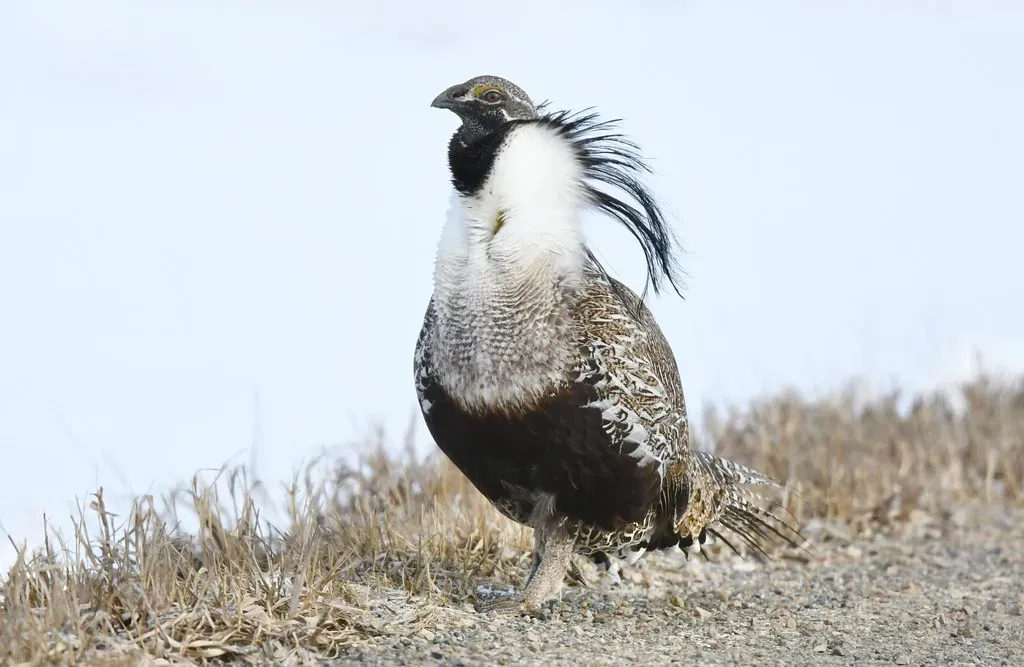
Gunnison sage grouse are smaller, only two thirds the size of greater sage grouse. While their greater cousins can reach impressive dimensions, the Gunnison variety is notably more compact. This isn’t just a trivial detail. Size differences often reflect adaptation to specific environments and available resources.
Compared to the closely related greater sage grouse, Gunnison sage grouse are about one third smaller and the males have more distinct, white tail feathers and filoplume (hair like feathers) on the back of the head. These filoplumes, those distinctive ponytail feathers that stick up behind their heads, are actually longer and more prominent than those of their larger relatives. It’s like nature gave them their own unique hairstyle as a species signature.
Masters of the Most Spectacular Mating Ritual
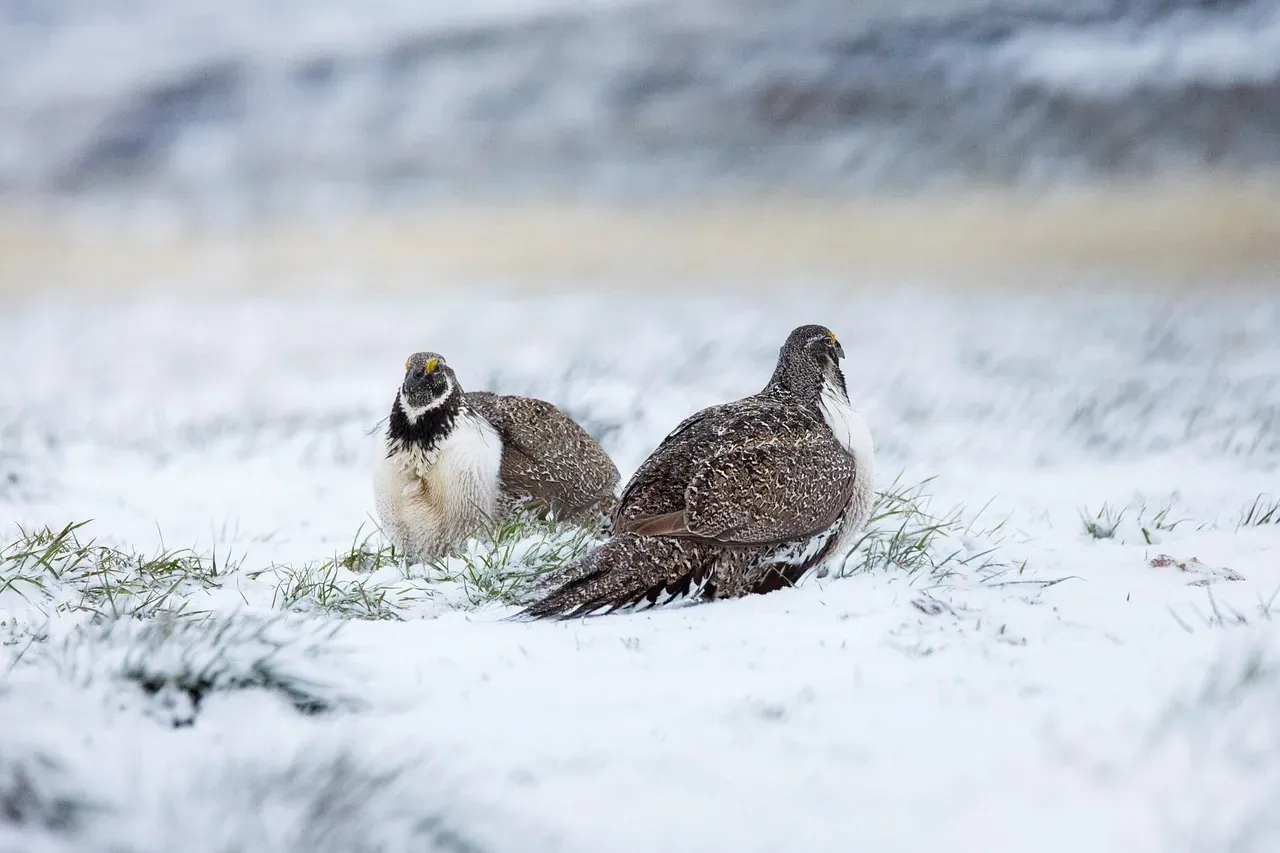
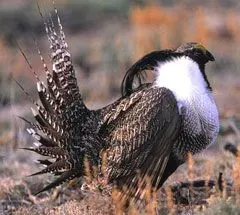
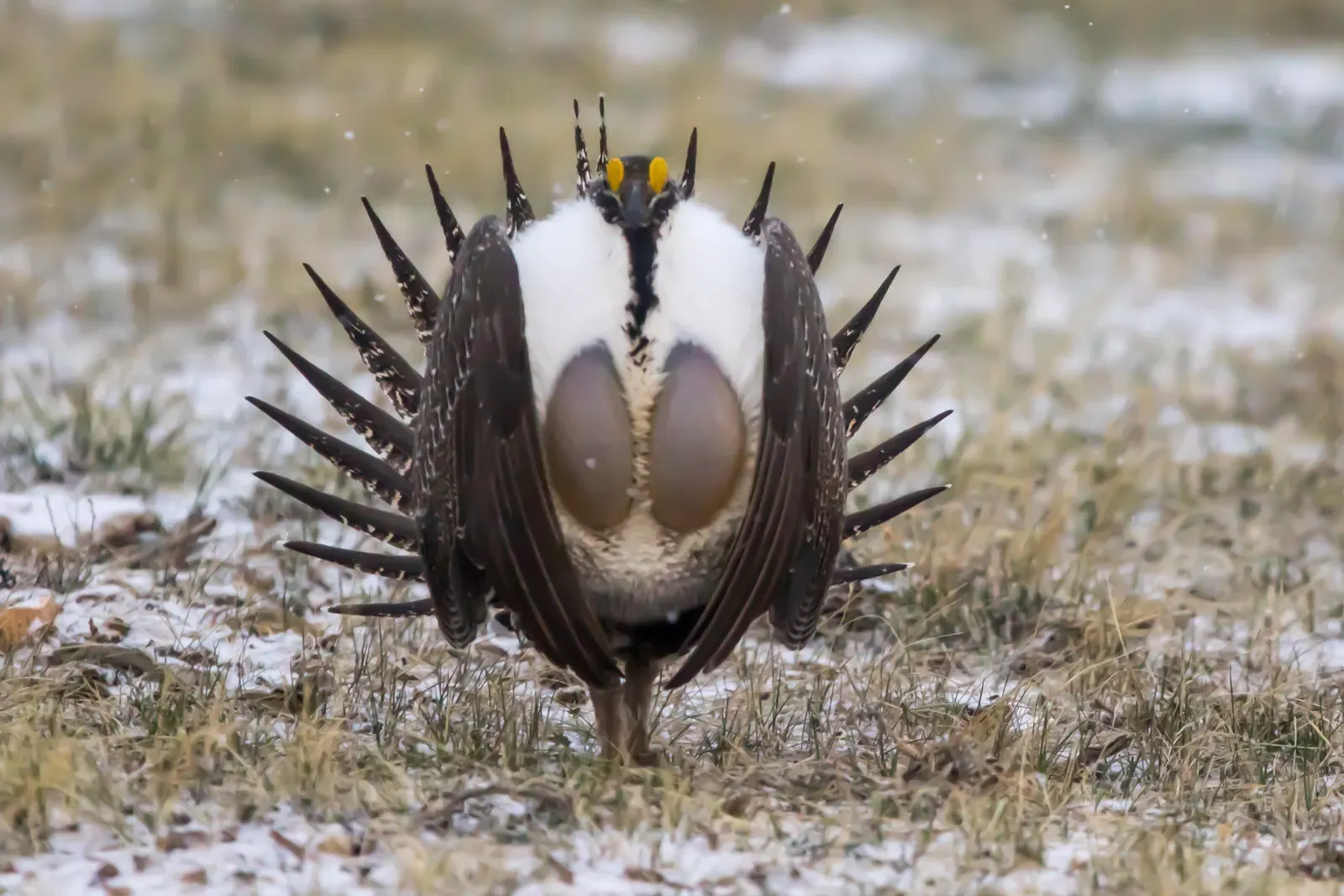
Here’s where things get truly mesmerizing. The Gunnison sage grouse’s annual spring mating display is a rapid series of visual and acoustic cues where males fan their pointed tail feathers and toss their long, thick filoplumes above their heads, puff out their chests, and make an utterly unique popping gurgling sound from air sacs on their breasts. Honestly, calling it a dance doesn’t quite capture the bizarre spectacle.
Male Gunnison sage grouse wag their tails at the end of their display, and also pop their air sacs several more times than greater sage grouse. The males gather on these traditional breeding grounds before dawn, and what unfolds is pure theater. Females arrive as discerning critics, carefully evaluating each performer before making their choice. The stakes couldn’t be higher for the males, as only the most impressive dancers will get to pass on their genes.
Critically Endangered With Nowhere Else to Go
The numbers tell a sobering story. About 3,500 breeding Gunnison sage grouse occur among seven separate populations throughout southwest Colorado and southeast Utah. Some estimates put the total even lower. We’re talking about fewer birds than can fill a small college campus.
Gunnison sage grouse once ranged widely across southwest Colorado and Utah but today they occupy just 10% of their historic range. Imagine losing ninety percent of your home. The Gunnison sage grouse is federally listed as threatened, though many conservationists argue it deserves the more severe endangered classification. The bird’s future hangs by a thread thinner than those distinctive filoplumes.
Sagebrush Is Everything to These Birds
Sagebrush is a critical component for sage grouse providing both food and cover, and the Gunnison Sage grouse requires a variety of habitats such as large expanses of sage with a diversity of grasses and forbs and healthy riparian ecosystems. These birds don’t just prefer sagebrush. They’re utterly dependent on it for survival throughout every season of the year.
Sage grouse have a specialized stomach that digests the tough sagebrush, their main food, and over the harsh winter, sage grouse actually manage to gain weight and strength in preparation for the breeding season by feeding on the leaves of sagebrush. Most animals would lose weight during brutal mountain winters, but these remarkable birds do the opposite. They bulk up on sagebrush leaves while snow blankets their high elevation habitat. It’s like they’re carbo loading on the toughest plant material imaginable.
Chicks Need More Than Just Sagebrush
Forbs and insects are the main food for young chicks, which cannot digest sagebrush for several weeks after hatching. This creates a crucial vulnerability period. The timing of nesting must coincide with peak availability of insects and tender vegetation.
The young require high protein broadleaved plants and wildflowers that bring insects, also for protein, however, cattle and sheep also relish these plants, and the removal of these critical chick food plants is a major reason for this bird’s decline. The competition between livestock grazing and grouse survival isn’t theoretical. It’s direct and measurable. When cattle eat the same plants grouse chicks need, the chicks simply don’t survive.
Their Habitat Is Vanishing Before Our Eyes
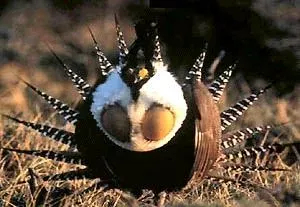
Loss of habitat is the biggest cause of this bird’s population decline, and almost all Gunnison sage grouse are found in Colorado. Roads, housing developments, energy extraction, and agricultural conversion have carved the sagebrush sea into fragmented islands. These birds need large, unbroken expanses to complete their seasonal movements.
The Gunnison Basin holds the largest remaining population of Gunnison Sage grouse in the world (87% of the global population), and the grouse population has declined precipitously over the last century and currently numbers less than 4,000 individuals. Nearly all the eggs are in one basket, so to speak. If something catastrophic happens to the Gunnison Basin population, the species could vanish entirely within our lifetimes.
What does that mean for the future? Did we catch this species just in time, or are we watching a slow motion extinction despite our best efforts? The answer may depend on decisions we make in the next few years.