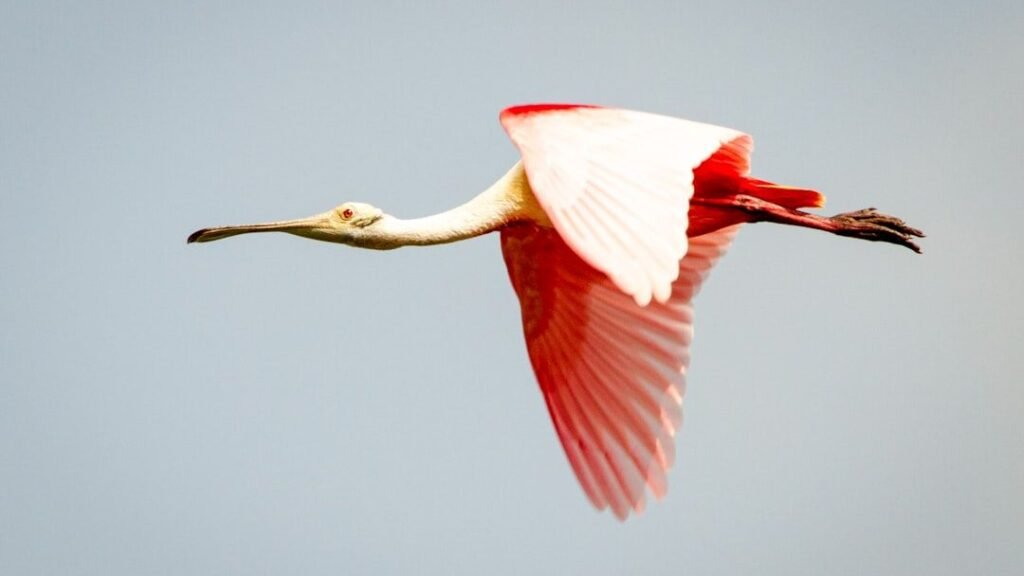

If you’ve ever spotted a flash of shocking pink wading through shallow coastal waters, you might’ve thought you were seeing a flamingo. Yet the truth is even more interesting. Roseate spoonbills are one of the most visually arresting birds in North America, with their vibrant plumage and that unmistakable spoon-shaped bill sweeping through the water like a living paintbrush.
These birds aren’t everywhere, though. Their distribution across the United States is surprisingly concentrated, with just a handful of states hosting the vast majority of breeding populations. Let’s explore where these remarkable birds actually thrive and what makes certain regions so appealing to them.
Florida: The Historical Stronghold
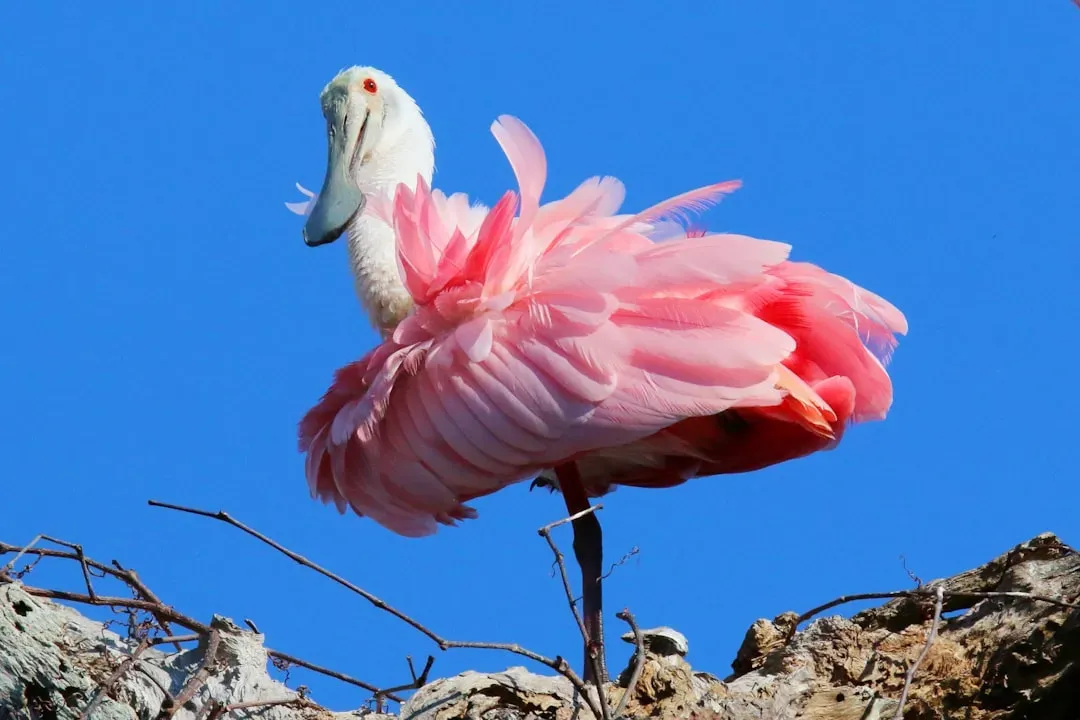
Florida Bay has the largest number of breeders in the state, accounting for about 90% of nesting spoonbills, making it the most significant breeding ground historically. The breeding population in Florida Bay grew exponentially from 1940 with just 15 pairs through the 1970s, peaking in 1978 at 1,254 breeding pairs across multiple colony sites. This remarkable recovery followed decades of near extinction due to plume hunting.
Still, recent environmental changes have shifted nesting patterns. About 90 percent of Florida’s Roseate Spoonbills once raised their young in Florida Bay, though rising water levels are pushing them to nest farther inland and farther north. In Florida, the species is found in Florida Bay, Tampa Bay, and Brevard County, with Tampa Bay becoming increasingly important for mainland breeding populations since the mid-1970s.
Texas: Coastal Powerhouse of Spoonbill Populations
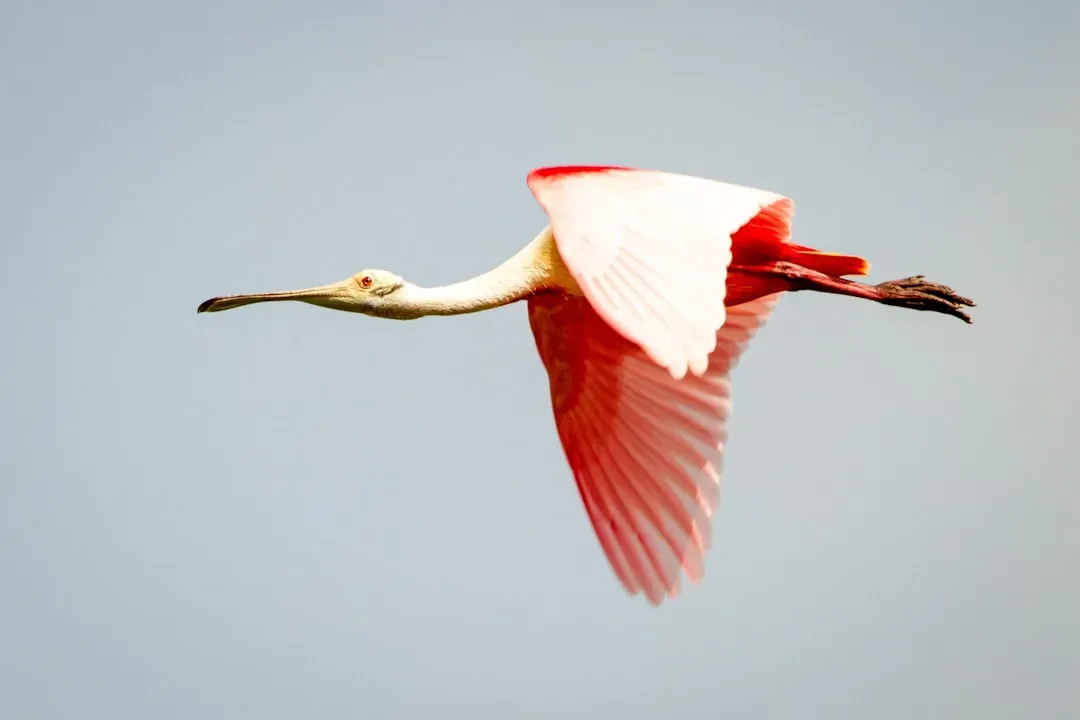
Surveys for the Texas coast over a 20-year period suggest that spoonbill numbers during summer range from about 1,400 to 2,500 breeding pairs, making Texas a critical stronghold. The recovery has been nothing short of extraordinary considering these birds were nearly wiped out. Only 179 birds remained in Texas in 1920 after extensive plume hunting devastated populations.
About 50% of the breeding population occurs on the upper coast, 31% on the central coast, and 19% on the lower coast, showing how these birds spread across the state’s extensive coastline. Texas spoonbills nest in diverse habitats including marshes, brackish lakes, and salt water bays. The state offers ideal conditions year-round, though some birds migrate to Mexico during winter months.
Louisiana: The Southwest Wetland Haven
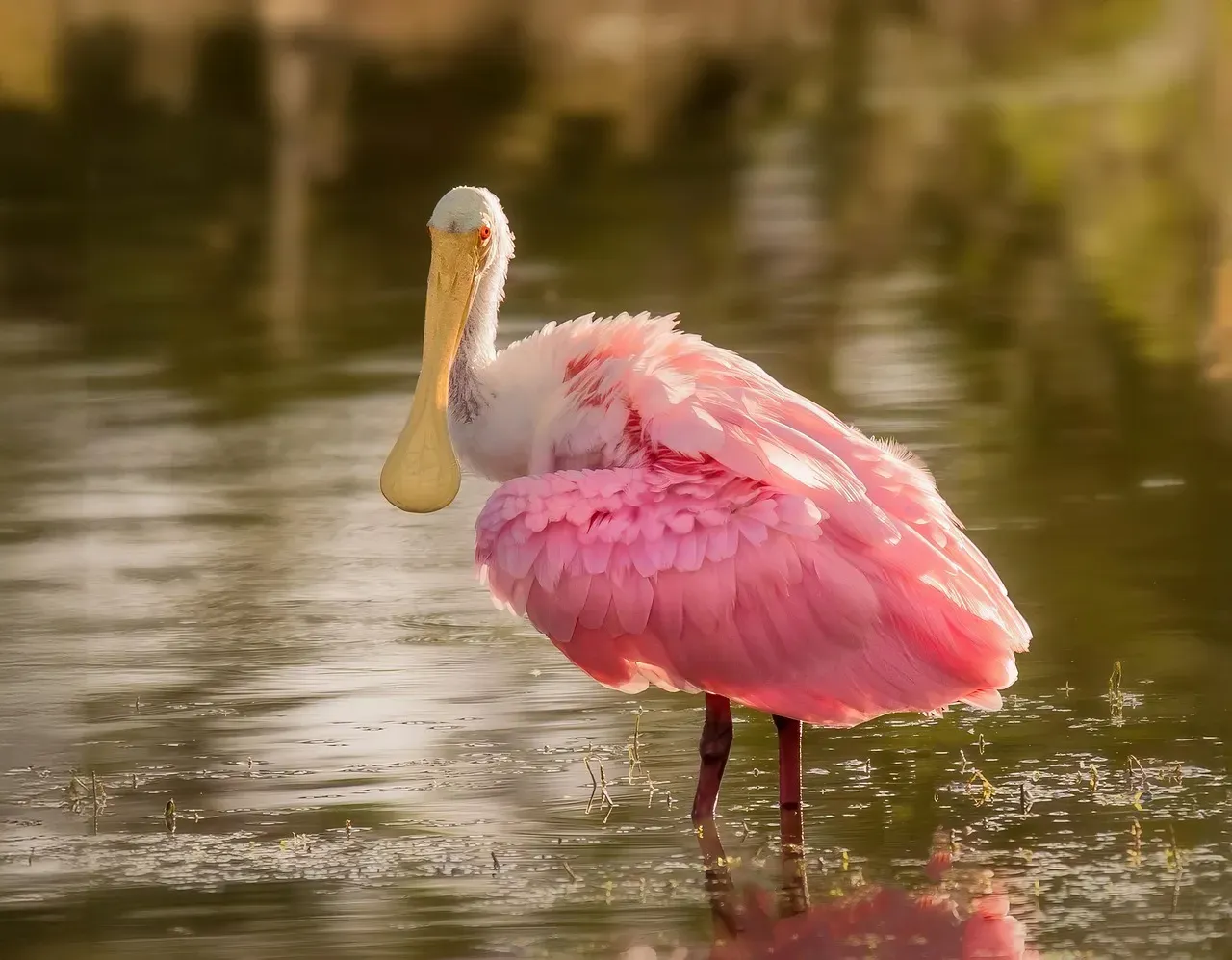
In the late 1970s there were 1,300 pairs in southwestern Louisiana, establishing the state as a vital part of the species’ range. In Louisiana, the largest nesting sites are in the southwestern part of the state, within about 100 miles of the Gulf Coast, where extensive wetlands provide perfect foraging and nesting habitat.
What’s fascinating about Louisiana’s spoonbill population is their year-round presence. In Louisiana, Roseate Spoonbills are non-migratory, and while they disperse from nesting sites, likely due to food availability, they remain in the general area year-round. Roseate Spoonbills are widespread along Louisiana’s Gulf Coast in extensive coastal marshes, estuaries, and mudflats, and the species is primarily a permanent resident in southern coastal areas.
Georgia and South Carolina: The Expanding Northern Edge
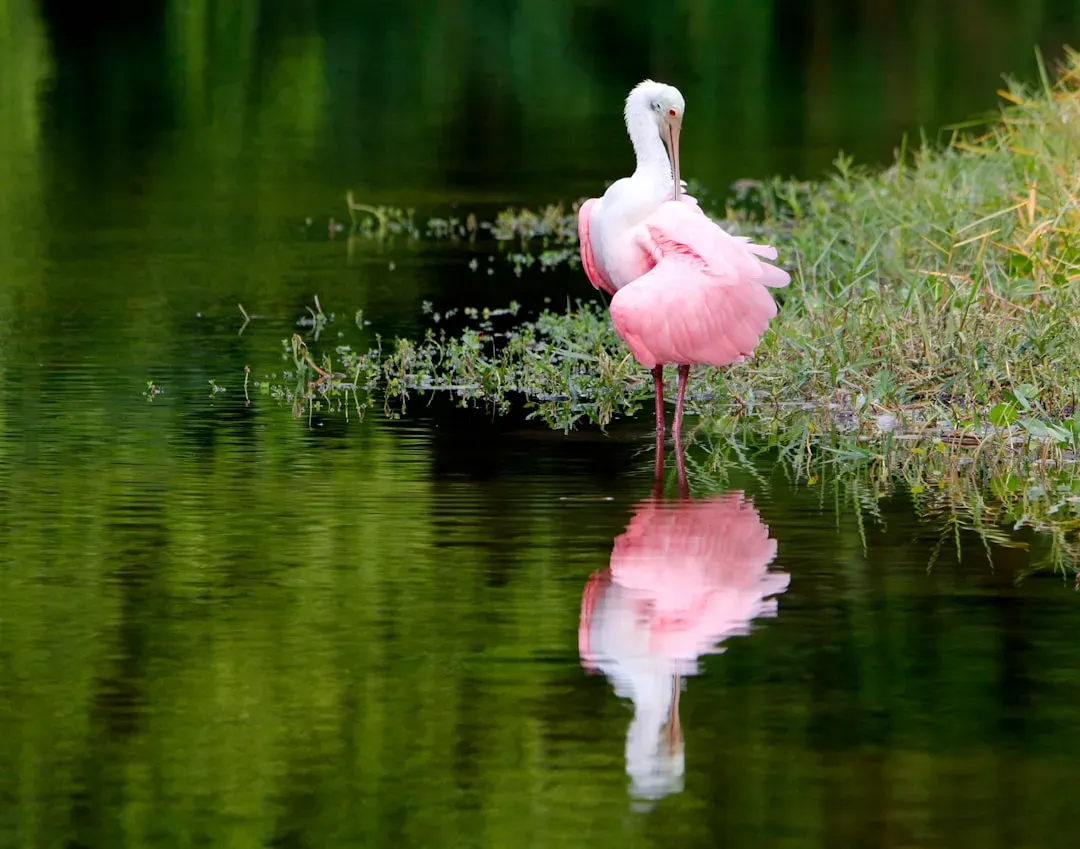
The roseate spoonbill’s range hasn’t always extended this far north. Climate change and conservation efforts have enabled dramatic expansion over recent decades. The species was recorded breeding in the state of Georgia for the first time in 2011, marking a historic milestone for these pink waders.
South Carolina has seen similar trends. Its presence in South Carolina has expanded significantly since the 1970s, with the birds now spotted regularly along the coast. These aren’t massive breeding populations like you’d find further south, yet their presence signals improving environmental conditions and the species’ resilience. Occasional sightings have even occurred as far north as New Hampshire and upstate New York during summer months.
Why These Three States Dominate
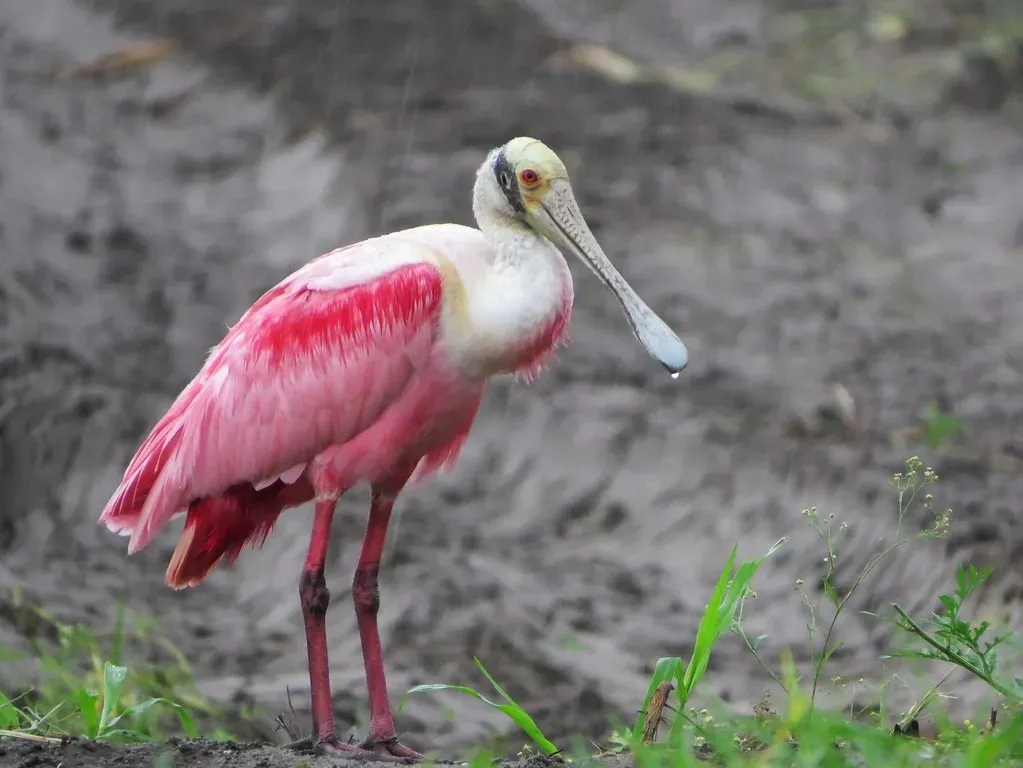
In the United States, the species is locally common in Texas, Florida, and southwest Louisiana, and there are clear reasons for this concentration. These states offer the perfect combination of shallow coastal waters, abundant food sources, and suitable nesting habitat. Roseate spoonbills need brackish marshes and mangrove swamps to thrive.
The availability of crustaceans is crucial. Their distinctive pink coloration actually comes from carotenoid pigments in the shrimp and other crustaceans they consume. Without rich feeding grounds in shallow waters where they can sweep their specialized bills side to side, populations simply can’t sustain themselves. Texas, Florida, and Louisiana provide these conditions in abundance across thousands of acres of protected and unprotected wetlands.
Historical Decline and Modern Recovery
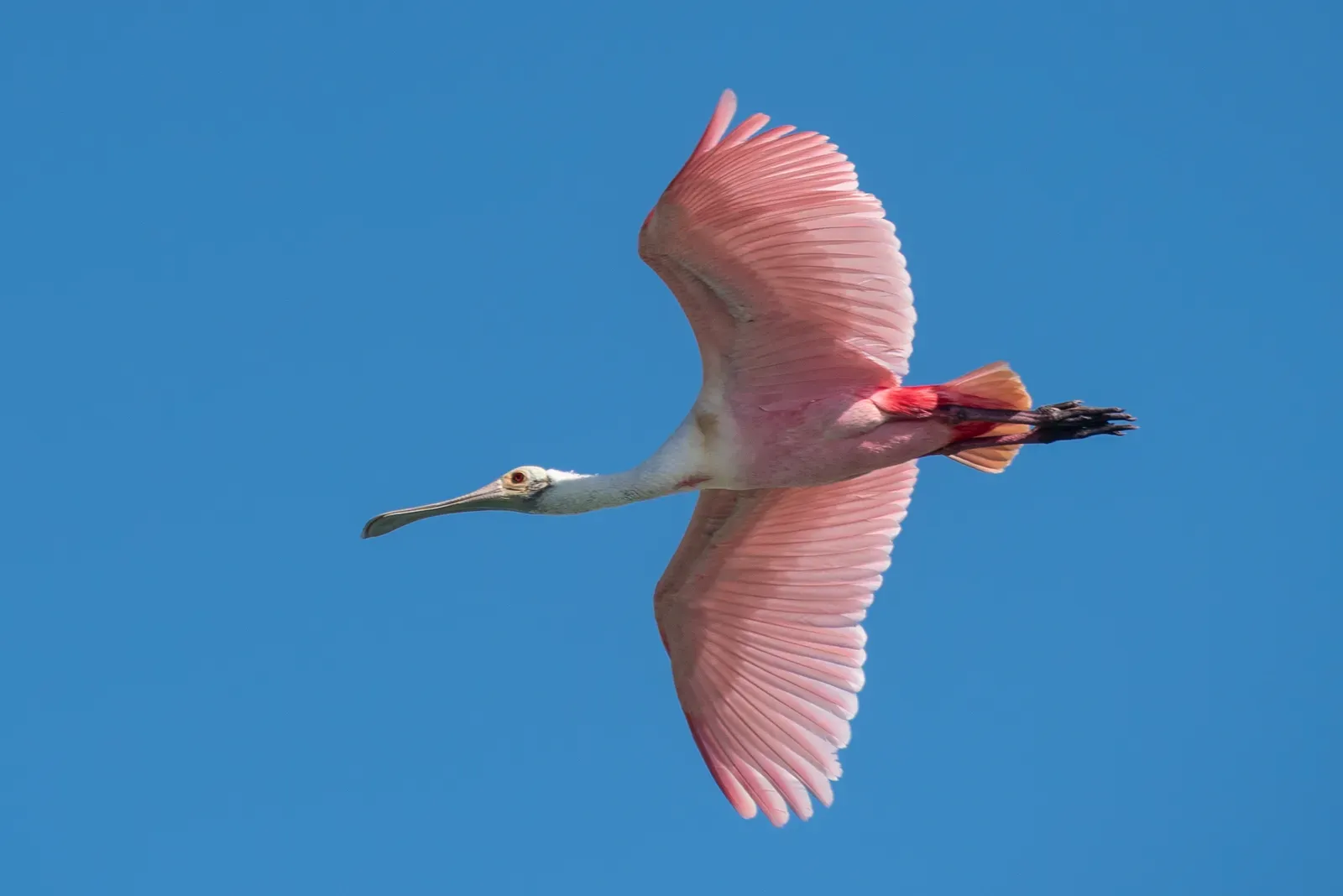
Between 1850 and 1890, the number of roseate spoonbills dropped dramatically as hunters began killing the birds for their feathers, and by the 1930s, the population dropped to a low of 30 to 40 breeding pairs nesting in just a few small Florida Bay colonies. Their pink feathers were highly sought after for ladies’ fans and hats during the millinery trade era.
The species eventually began to rebound, especially in isolated areas, once they gained full legal protection from hunting. The recovery has been remarkable, though not without ongoing challenges. Habitat destruction, pesticides, and human disturbance remain threats. The U.S. breeding population of roseate spoonbills (approximately 5,500 breeding pairs) has remained relatively stable in recent years, suggesting conservation efforts are working.
Looking Ahead: Climate and Habitat Challenges
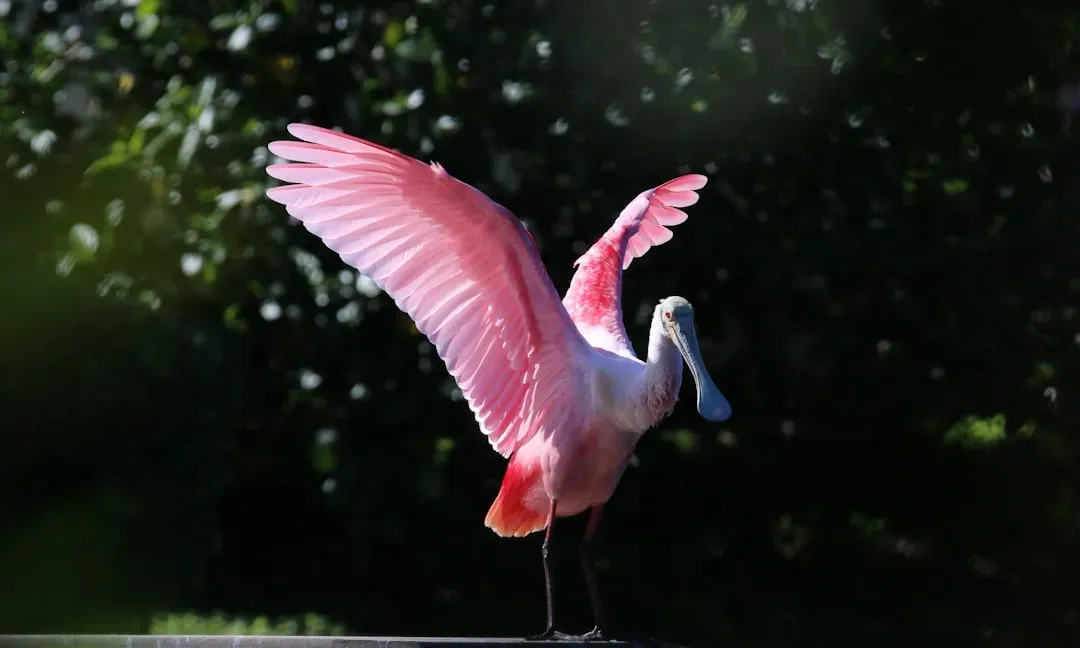
Now the birds’ main threat is the destruction of their natural habitat, and the ground nesting colonies in Texas and Louisiana are vulnerable to predators making their way from shore islands. Rising sea levels pose particular concerns in Florida Bay, where deeper waters hinder spoonbill foraging efficiency and threaten chick survival.
Climate change may actually benefit spoonbills in some ways by expanding their northern range. Yet it simultaneously threatens their traditional strongholds through habitat loss and altered water conditions. The birds are adapting by shifting nesting locations, moving inland and northward in Florida. How successfully they navigate these challenges will determine whether states beyond the big three become significant breeding grounds or if the species remains concentrated where it’s always thrived best: along the warm, food-rich coastlines of Texas, Louisiana, and Florida.
What surprises you most about where these pink beauties call home?