
Think of the cosmic microwave background as the universe’s oldest photograph. This faint glow of radiation fills every corner of space, a relic from an era when the cosmos was barely old enough to see straight. It’s the light from a time before stars existed, before galaxies clumped together, before anything we recognize today had even begun to form. Scientists have been studying this ancient light for decades, trying to read the story written in its tiny fluctuations and patterns. Yet here’s the thing: despite all we’ve learned, this radiation keeps surprising us. Recent discoveries show we’re nowhere near understanding everything it has to tell.
The cosmic microwave background radiation was visible only 380,000 years after the Big Bang, and now, billions of years later, it continues to puzzle researchers who thought they had it mostly figured out.
Sharper Eyes Seeing Deeper Into Time
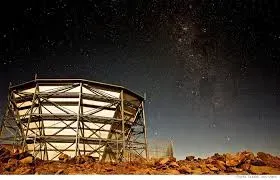
The Atacama Cosmology Telescope has produced new pictures of the cosmic microwave background that add higher definition to those observed more than a decade ago by the Planck space-based telescope, with five times the resolution of Planck and greater sensitivity. These upgraded instruments sitting high in the Chilean Andes have given scientists their clearest view yet into the cosmic nursery. What they’re seeing is remarkable in its clarity.
The faint polarization signal is now directly visible, revealing where things were and how they’re moving. This is like upgrading from a blurry snapshot to high-definition video. The difference matters enormously because hidden in those movements are clues about gravity’s strength in different regions of the infant universe, information that helps us understand how galaxies eventually formed.
Challenges to What We Thought We Knew
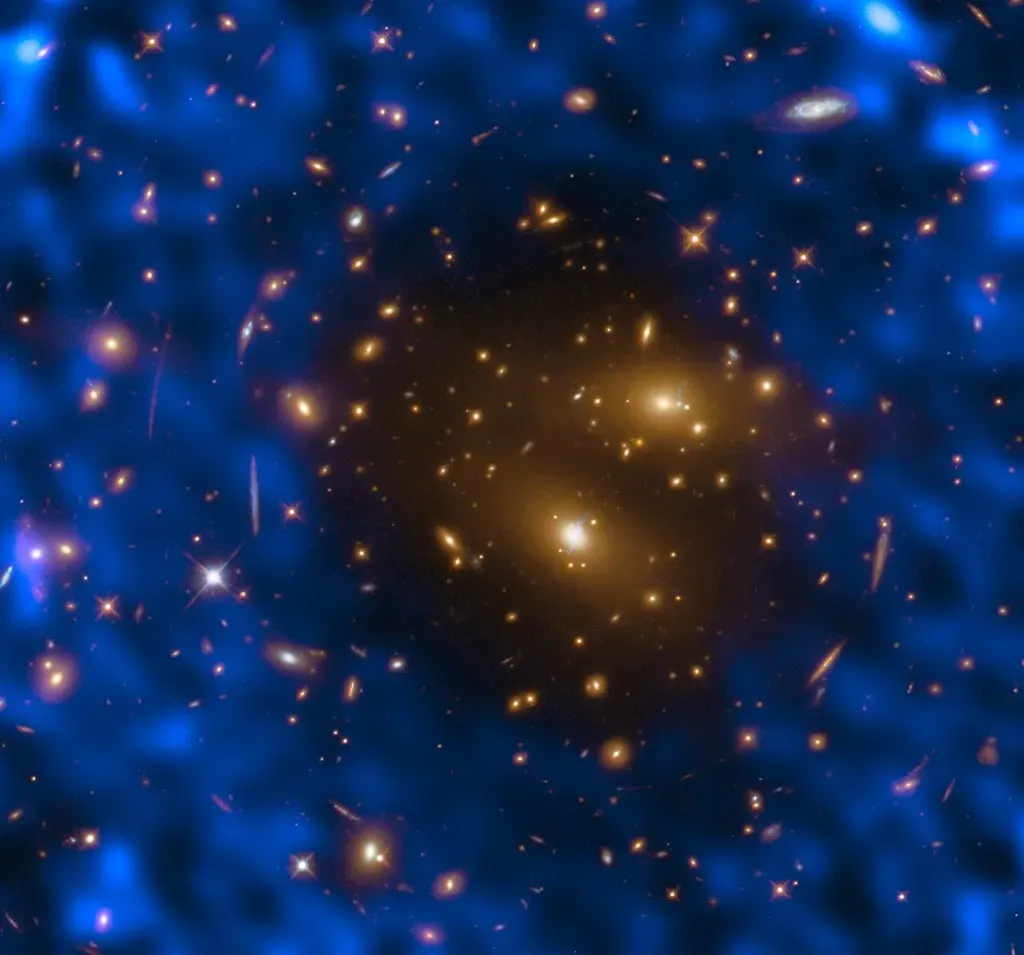
Here’s where things get unsettling. New research has calculated that the strength of the cosmic microwave background may have been overestimated, a fact that would call the standard model into question. Let’s be real: when astrophysicists start questioning whether their fundamental measurements might be wrong, it’s a big deal.
Researchers studied elliptical galaxies, which are known to have been the first galaxies to form in the universe’s infancy. Their calculations suggest these ancient galaxies might account for a significant portion of what we’ve been measuring as the cosmic microwave background. If they’re right, we might need to rewrite parts of cosmic history.
The implications are staggering. It might be necessary to rewrite the history of the universe, at least in part, and essentially means that we do not have solid evidence for a hot big bang. I know it sounds crazy, though let’s remember that challenging established ideas is how science progresses.
The Hubble Tension Mystery Deepens
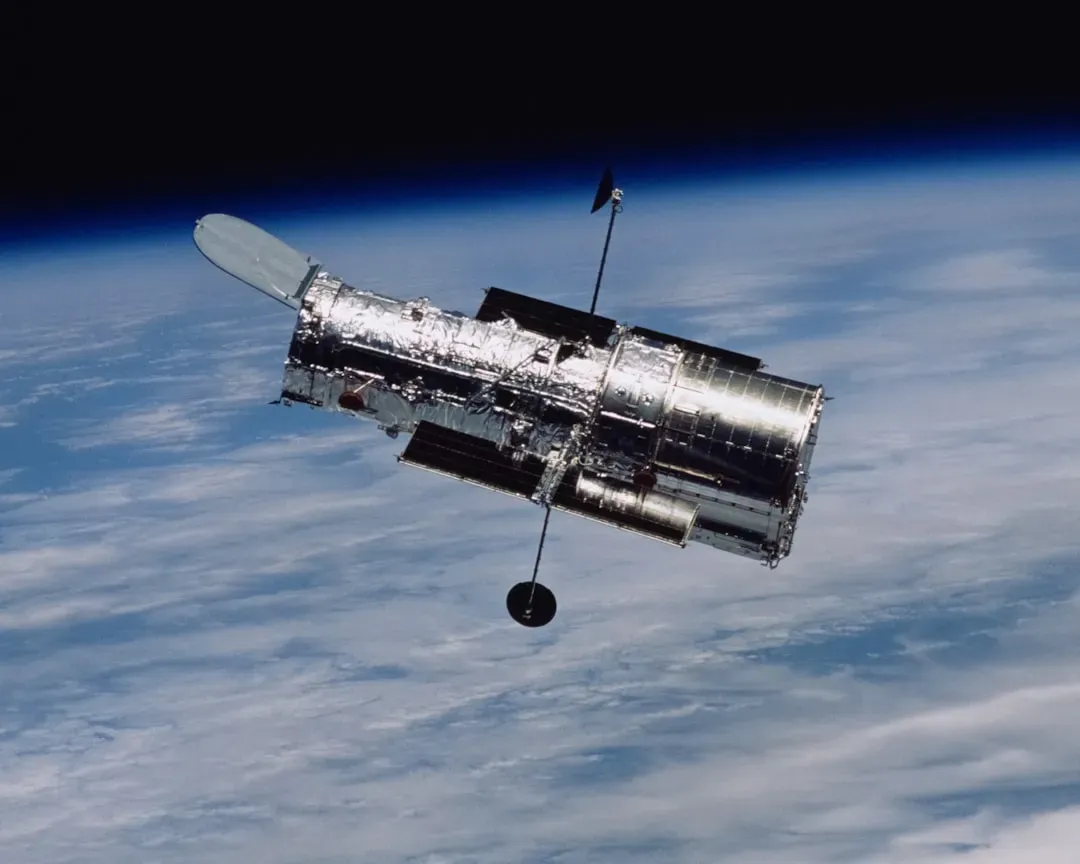
The findings confirm the Hubble tension independently at very high statistical significance, while remaining consistent with other cosmic microwave background constraints. This disagreement about how fast the universe is expanding has become one of cosmology’s most frustrating puzzles. Different measurement methods keep giving different answers.
They also sharpen a newly appearing anomaly in our cosmological picture, the disagreement between cosmic microwave background constraints and those from large-scale surveys of the movements of galaxies. The South Pole Telescope’s recent data has only made this tension more pronounced. Scientists thought better measurements would resolve the conflict, yet the opposite has happened.
Polarization Patterns Hold Hidden Messages
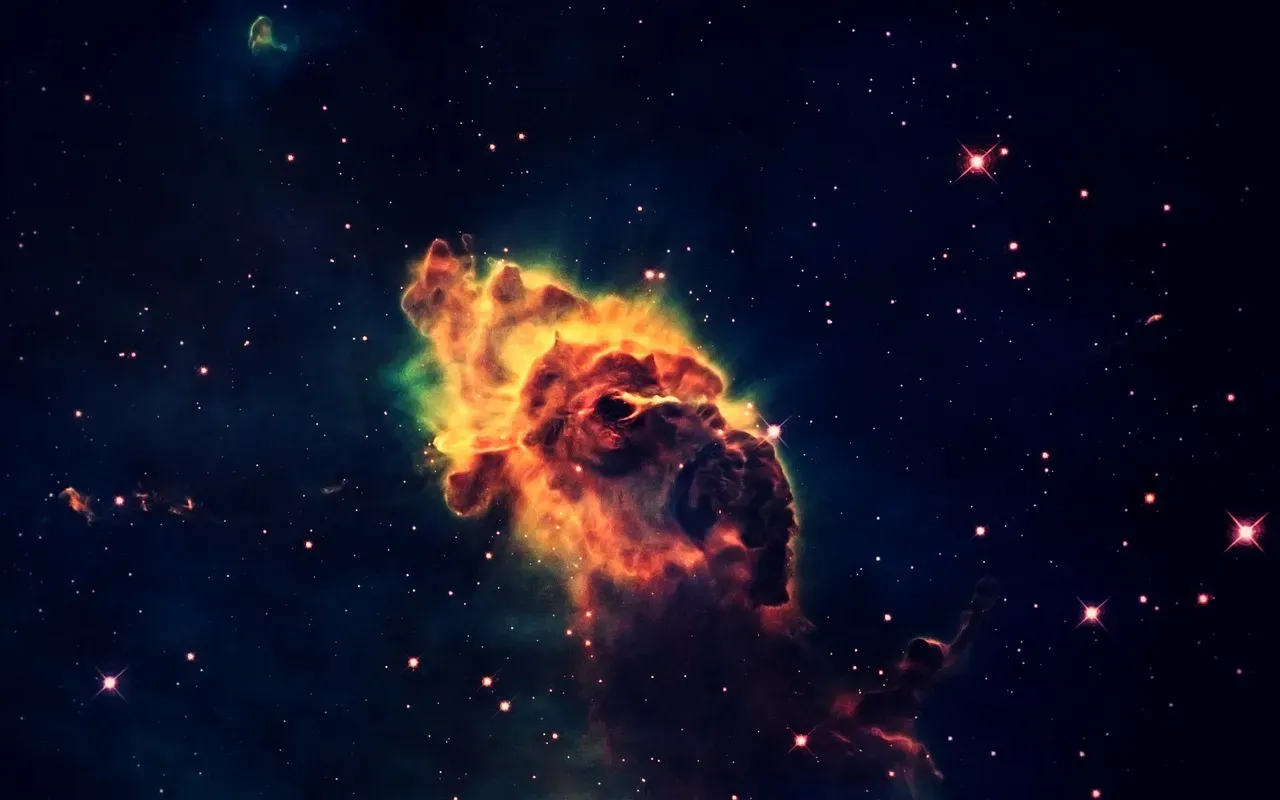
The way light twists and turns carries information most people never think about. The polarization image reveals the detailed movement of the hydrogen and helium gas in the cosmic infancy, and the movement tracked by the light’s polarization tells us how strong the pull of gravity was in different parts of space. This is genuinely fascinating because it’s like watching gravity’s fingerprints forming in real time, or at least as close to real time as you can get when observing events from billions of years ago.
These patterns aren’t just pretty pictures. They potentially contain evidence of inflation, that mind-bending moment when the universe expanded faster than we can properly comprehend. According to theory, inflation left its mark on the cosmic microwave background in the form of the twisting of light known as polarization, and astronomers use modern telescopes to look for that polarization. Finding definitive proof would answer questions about the universe when it was only a fraction of a second old.
Temperature Fluctuations Smaller Than Anyone Expected
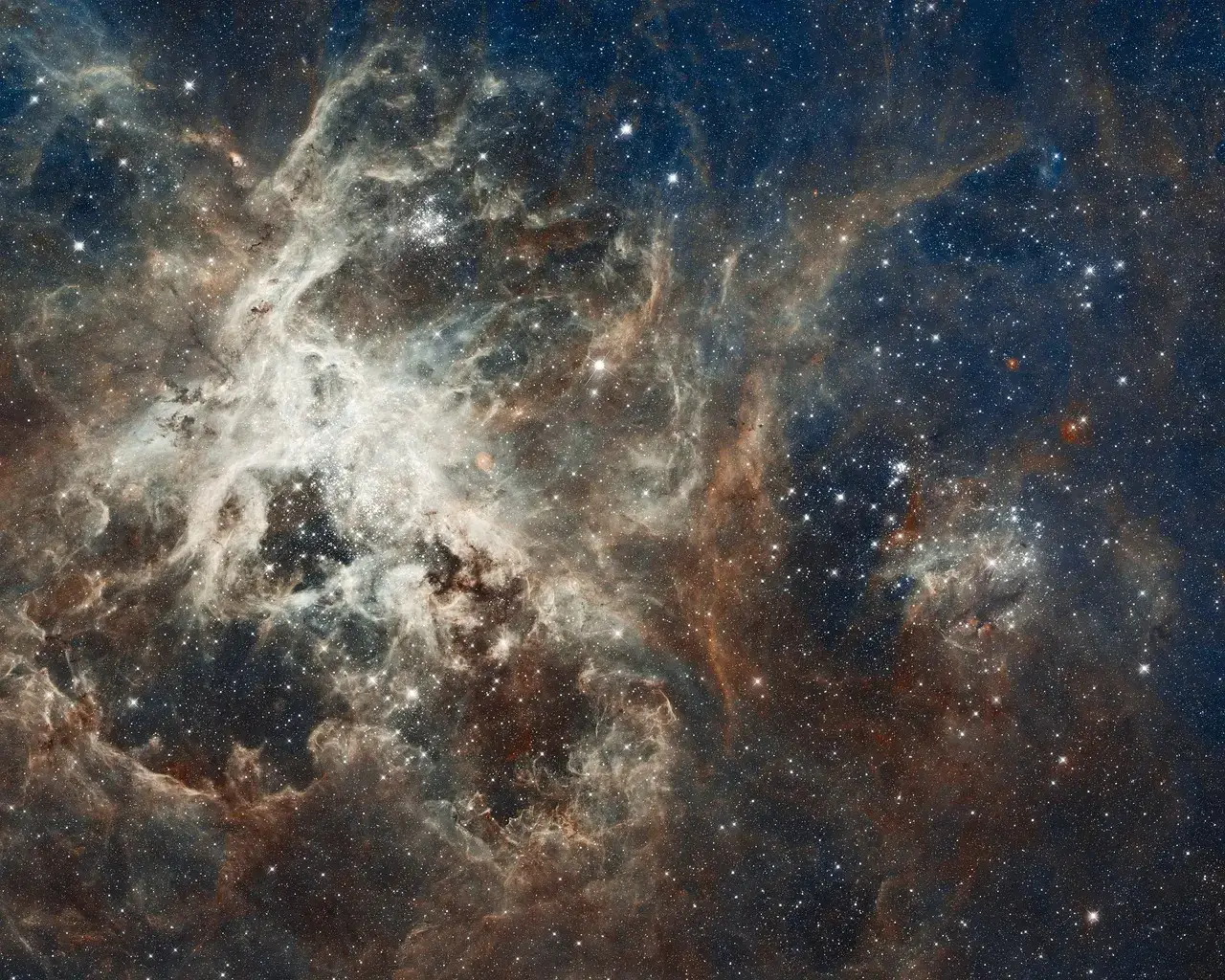
The uniformity of the cosmic microwave background is almost unbelievable. The temperature is uniform to better than one part in a thousand, and this uniformity is one compelling reason to interpret the radiation as remnant heat from the Big Bang. Imagine measuring the temperature of an ocean and finding it varies by less than a single degree anywhere you check. That’s essentially what we’re seeing across the entire observable universe.
Still, those tiny variations that do exist are incredibly important. They represent the seeds from which everything we see today eventually grew. The denser spots became gravity wells that pulled in more matter, eventually forming the cosmic web of galaxies stretching across space. Without these minuscule differences, the universe would be a boring, uniform soup of particles with no structure whatsoever.
New Telescopes Pushing Measurement Boundaries
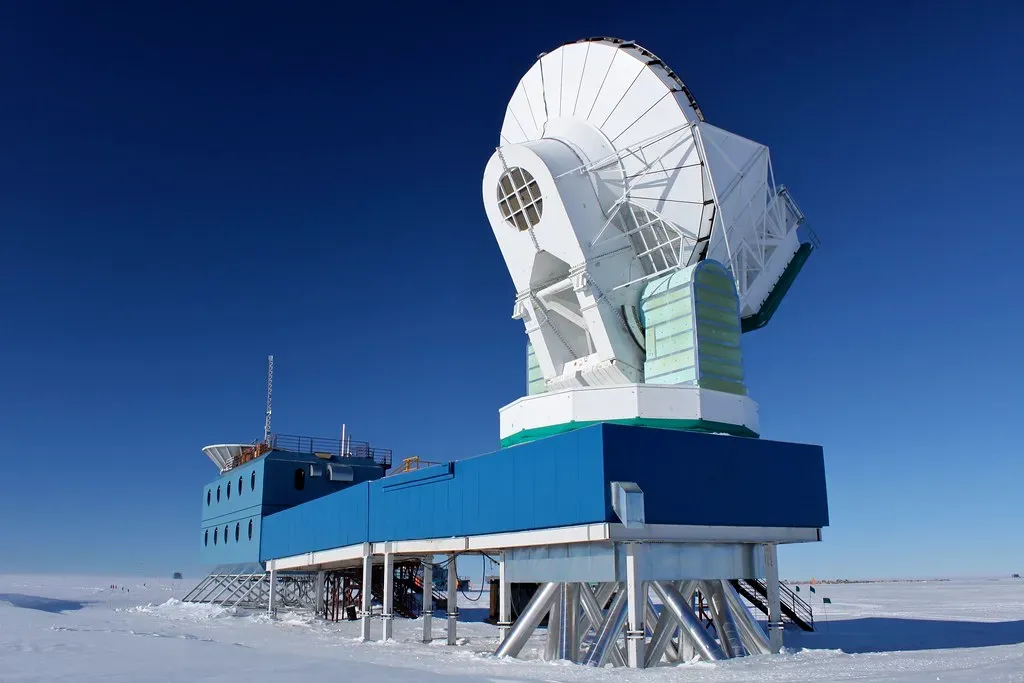
Researchers have released unprecedentedly sensitive measurements of the cosmic microwave background from the South Pole Telescope, and the precision on the fine details exceeds that of all previous measurements, even those taken from space. This represents a remarkable achievement because ground-based telescopes have to contend with Earth’s atmosphere, which typically interferes with observations.
The advantage of operating telescopes from the ground is flexibility. It’s substantially easier to operate a telescope from the ground, and creating a complex instrument to run even in a place as harsh as Antarctica is far easier than designing something that has to survive a rocket launch. When something breaks, you can actually fix it instead of watching helplessly as your billion-dollar space mission fails.
What the Future Holds for Cosmic Detection
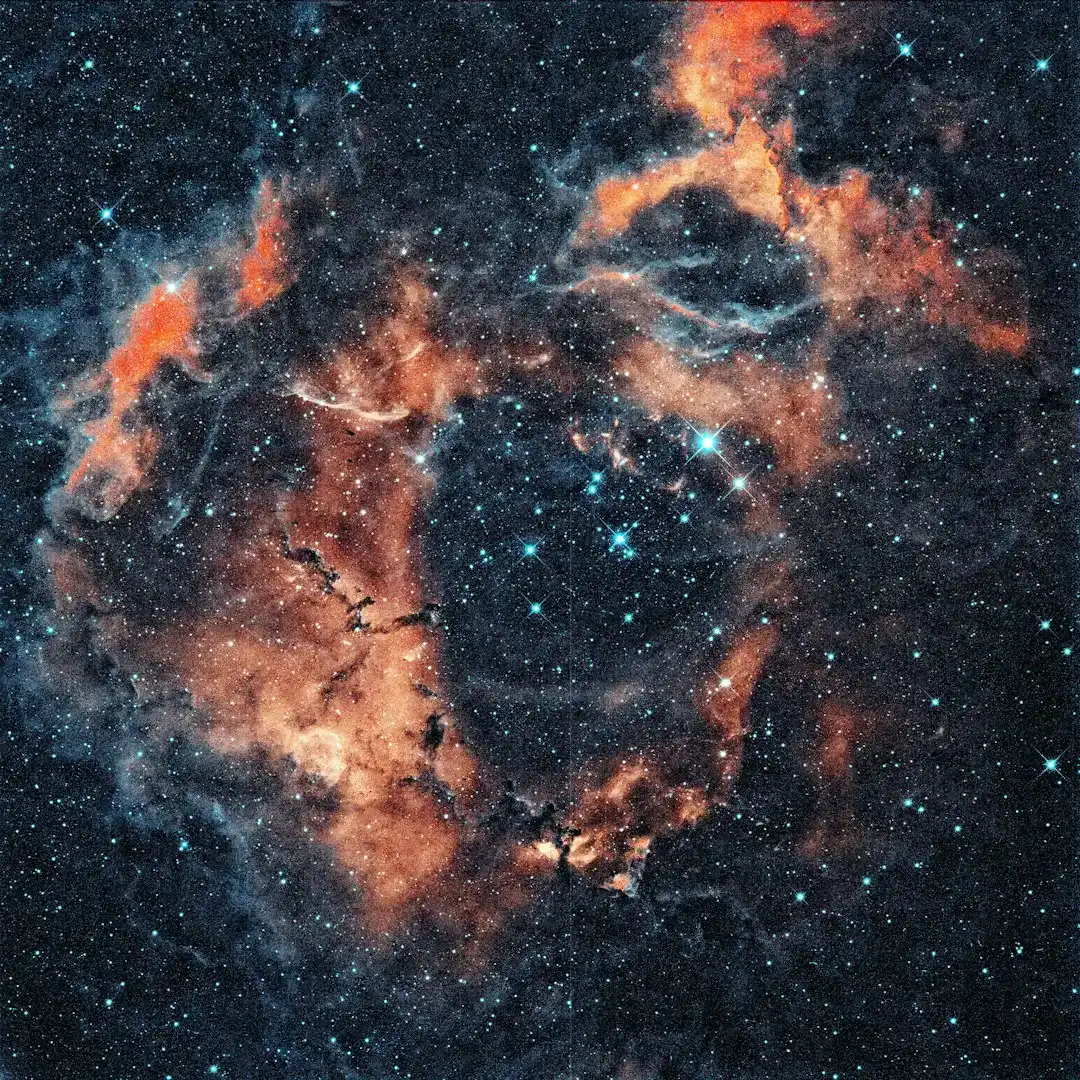
The clearest images yet are still just the beginning. As more data comes online, it will continue to provide an ever more powerful independent way to test hypotheses, and if there really is a departure from the standard model, we’ll be able to see it much more strongly with upcoming datasets. Scientists are building even more sensitive instruments designed to peer deeper into the cosmic microwave background’s secrets.
What makes this research so compelling is how much remains unknown. Every answer seems to generate three new questions. The radiation we’re studying has been traveling through space for more than thirteen billion years, carrying information about an epoch so distant and strange that our everyday intuitions completely fail us. Yet through careful measurement and ingenious analysis, we’re slowly learning to read this ancient light.
The cosmic microwave background continues proving that the universe is far stranger and more complex than our theories predicted. Whether we’re on the verge of revolutionary discoveries or simply refining what we already know remains to be seen. What’s certain is that this faint microwave glow surrounding us contains secrets we haven’t yet imagined, stories written in patterns of light from when the cosmos was young. What other mysteries might be hiding in this ancient radiation, waiting for the right instruments and the right questions to reveal themselves?