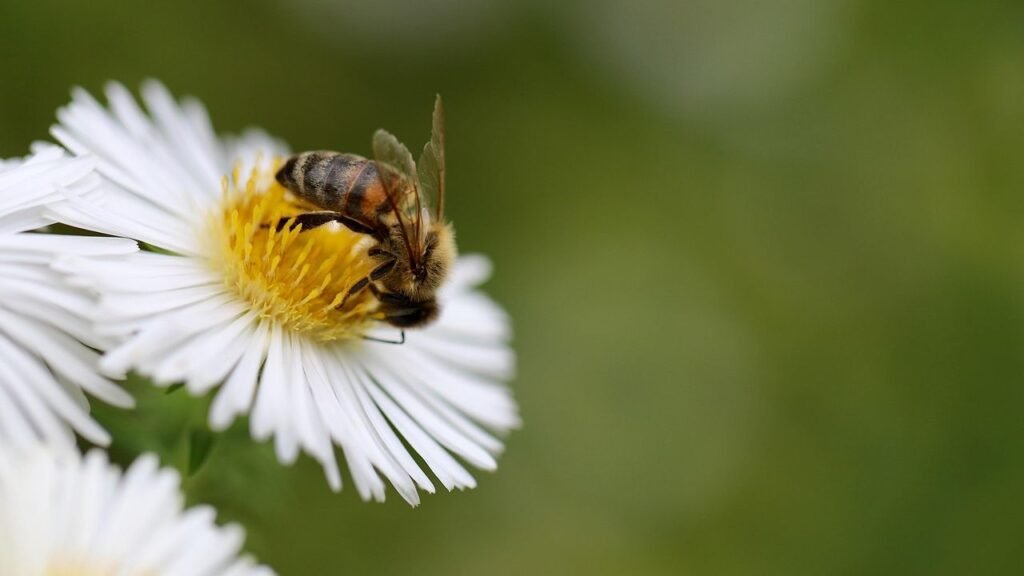
You probably already know that bees are good for flowers and that we should “save the bees,” but most people wildly underestimate just how deep that importance goes. Once you start digging into the real role bees play in our food, our economies, and even our mental health, it’s a little shocking how much of our daily life quietly depends on these tiny, buzzing insects.
When I first read how many of the foods I love would vanish or become luxury items without bees, it honestly felt like someone had red-penned half my grocery list. And the more I learned, the more I realized: bees aren’t some niche environmental concern, they’re central to whether our future feels abundant or fragile. Let’s break down exactly why bees matter so much more than most of us ever imagined.
1. Bees Are Holding Up a Huge Chunk of Our Food Supply
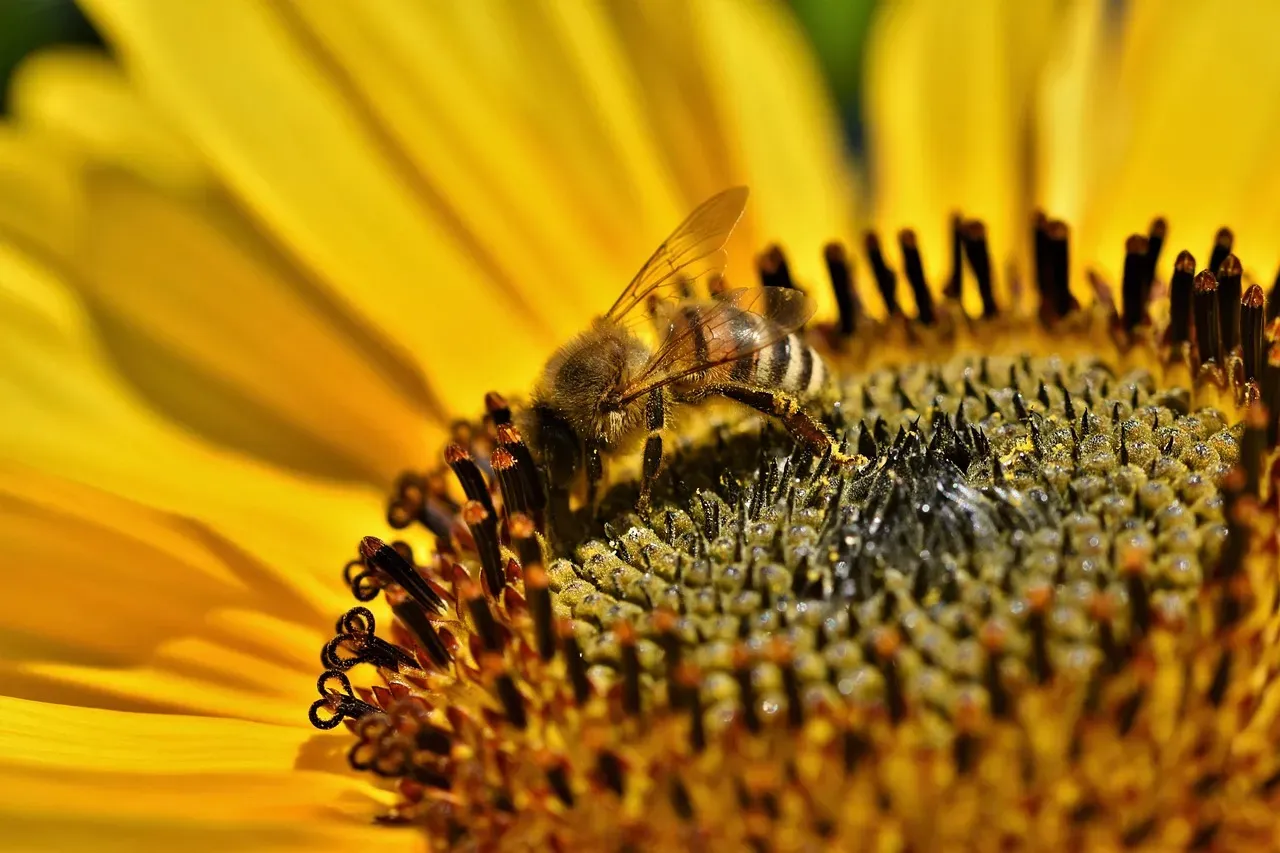
Here’s the part that usually makes people sit up a little straighter: roughly about one third of the global food crops humans rely on are pollinated by animals, and bees do a massive share of that work. Fruits like apples, blueberries, cherries, and strawberries, as well as nuts like almonds, depend heavily on bee pollination to produce a decent harvest. Without bees, many of these crops would yield less food, become lower quality, or in some cases struggle to produce at all.
It’s not just fancy produce, either; bees directly or indirectly support food that ends up in animal feed, oils, and ingredients used in everyday items. Think about yogurt with fruit, granola with nuts, salad dressings with seed oils, and countless snacks and baked goods. Take bees out of the picture, and the variety, color, and nutrition of our diet shrinks fast. The grocery store would still exist, but it would look and feel a lot more like a beige survival kit than a place of abundance.
2. They Quietly Stabilize Global Food Prices
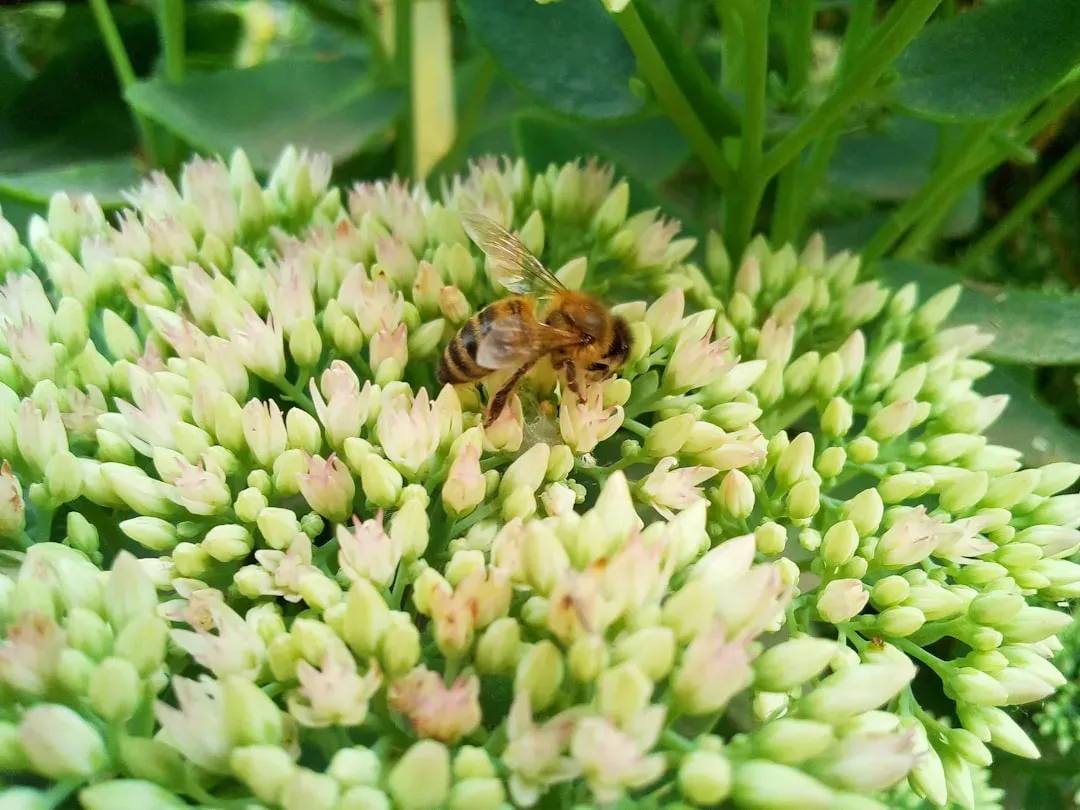
Most of us feel rising food prices when we’re at the checkout, but we rarely think about the insects in the background helping keep those prices from shooting even higher. When bee populations are healthy and pollination is reliable, yields are steadier and farmers can plan with a little more confidence. That stability helps avoid dramatic swings in supply that can push prices up for everyone, especially in fruits, nuts, and vegetables.
On the flip side, when bee numbers drop, farmers often need to rent more hives, invest in artificial pollination methods, or accept lower yields. All of that costs money that eventually flows into the price of your breakfast and dinner. In a world where climate shocks already make harvests unpredictable, bees act a bit like insurance against chaos, quietly preventing our food system from becoming even more volatile and expensive than it already is.
3. Bees Build Biodiversity Like Living Garden Designers
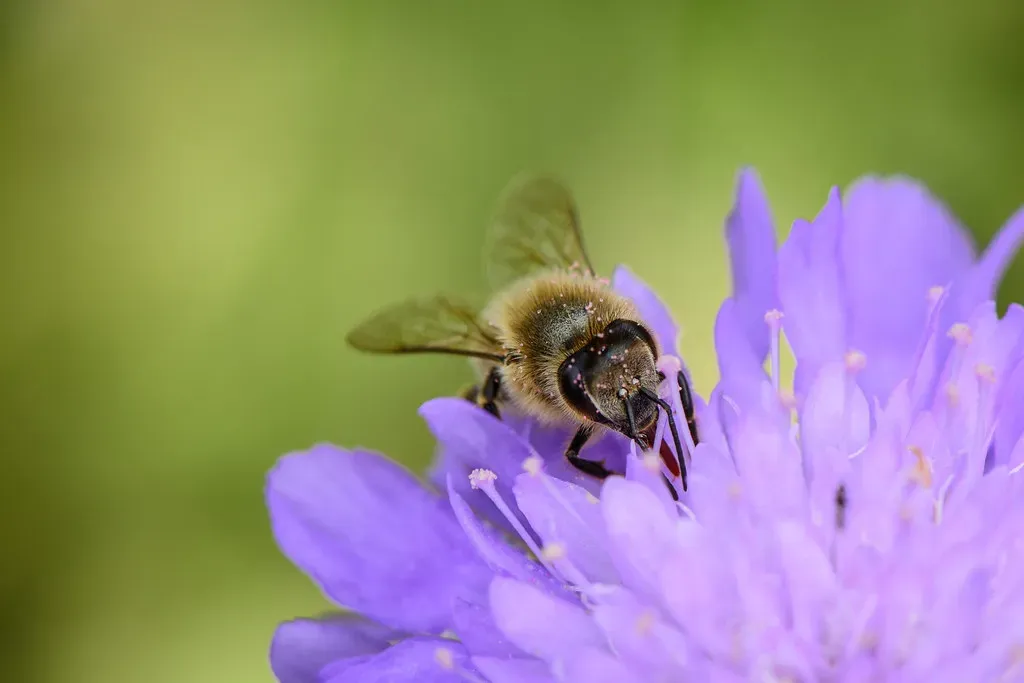
If you look at a wild meadow bursting with colors, shapes, and scents, bees are one of the main reasons that chaotic beauty exists. They don’t just visit whatever flowers are close by; different bee species have preferences for certain plants, shapes, and blooming times. By moving pollen among a wide range of plants, they help keep entire plant communities thriving, from tiny wildflowers to shrubs and fruiting trees.
This plant diversity then supports birds, mammals, reptiles, and other insects that rely on certain seeds, fruits, and habitats. Lose bees, and you don’t just lose a few flowers; you risk setting off a cascade where fewer plants means fewer insects, which means fewer birds and so on. Bees are like tiny, tireless landscape architects, maintaining complex relationships that we barely notice but absolutely depend on if we want vibrant forests, meadows, and hedgerows instead of monotone, silent landscapes.
4. They Strengthen Ecosystem Resilience in a Warming World
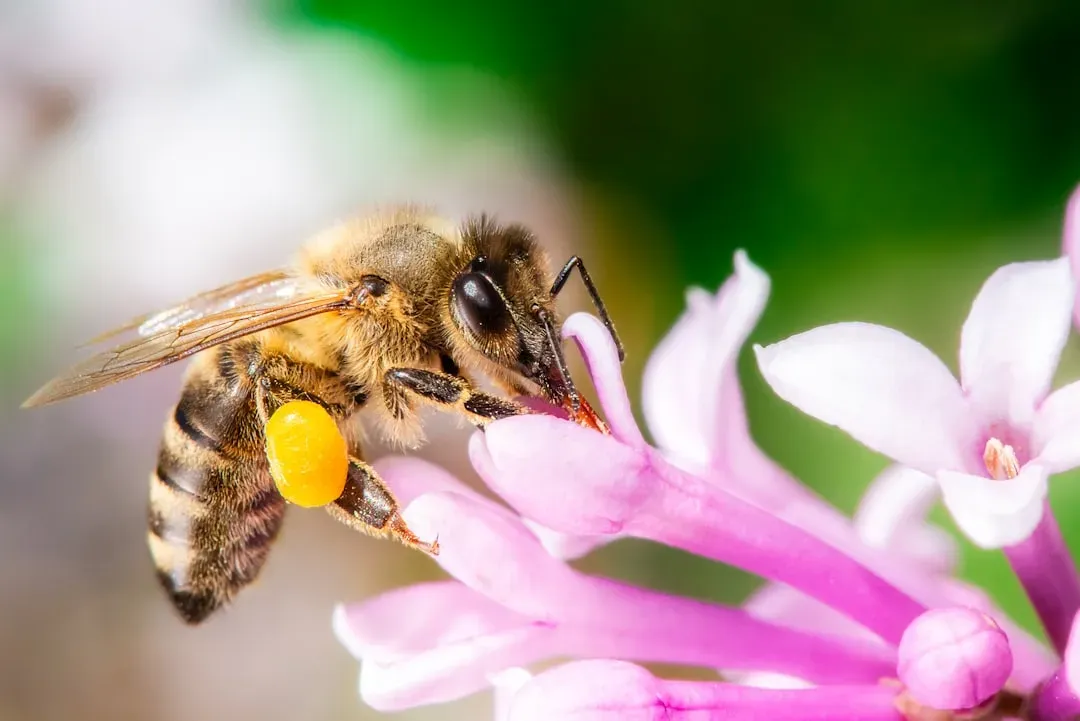
Climate change is already rearranging the natural calendar, with flowers blooming earlier in some regions and weather patterns becoming less predictable. Healthy, diverse bee populations help ecosystems adjust, because more bee species means more chances that at least some of them will still be in sync with the changing bloom times. That means critical plants keep getting pollinated even as conditions shift, instead of failing silently in the background.
Pollinated plants, in turn, protect soil from erosion, store carbon, and provide shade and moisture that buffer extreme temperatures. In that way, bees indirectly help ecosystems absorb shocks from heatwaves, droughts, and storms. It’s similar to having multiple backup systems in a complex machine: if one fails, others keep things running. The more we protect bees now, the more they can help nature bend under pressure instead of snapping.
5. They Power Rural Economies and Livelihoods
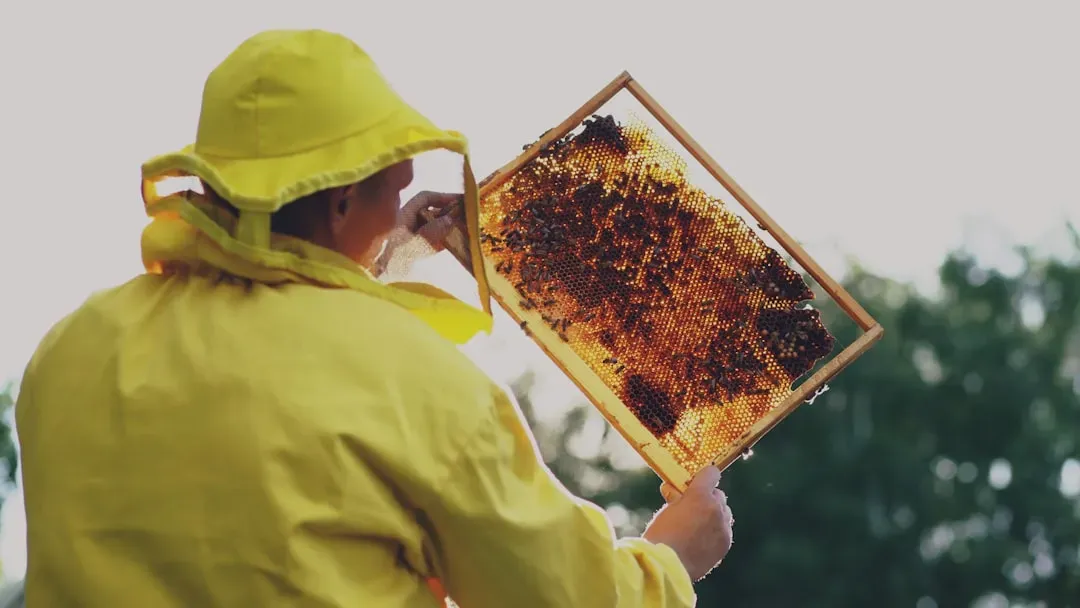
Behind every jar of honey or crate of almonds, there’s often a web of beekeepers, farm workers, truck drivers, local markets, and small businesses. Commercial beekeeping has become a significant part of agriculture in countries around the world. In some regions, beekeepers earn more from renting out hives for pollination than from honey itself, especially for crops like almonds, berries, and seed production. That income can make or break small family operations.
When bee health declines, it’s not just an ecological story but an economic one: farmers pay more, beekeepers lose colonies, and entire rural communities feel the strain. By supporting habitat for wild bees and better practices for managed bees, we’re not just “saving nature,” we’re also protecting jobs and local economies that don’t always make the headlines but feed entire regions. Bees are small, but the economic ripple they create stretches far beyond the hive.
6. Honey, Wax, and Beyond: Their Products Are Surprisingly Versatile
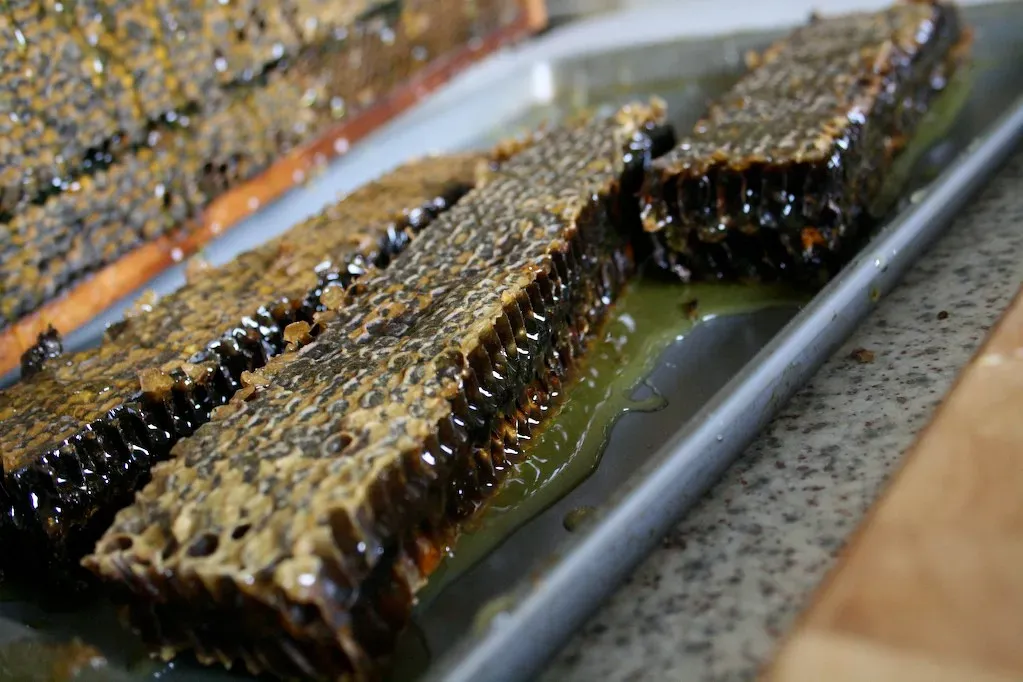
Honey gets most of the attention, and for good reason: it’s naturally long-lasting, packed with sugars, and contains small amounts of bioactive compounds that people have used for thousands of years. Modern research continues to explore honey’s potential in wound care and as a soothing addition for coughs and sore throats, even though it’s not a cure-all. Then there’s beeswax, which quietly shows up in candles, cosmetics, polishes, and even certain food coatings, giving products structure, shine, and protection.
Beyond honey and wax, products like propolis and royal jelly are being studied for their possible health-related properties, though the science is still developing and they’re not magic solutions. Still, the sheer range of ways humans use bee products is striking: from lip balms and wood treatments to gourmet recipes and herbal remedies passed down through generations. When we lose bees, it’s not just pollination we lose; it’s an entire cultural and practical toolkit that we’ve been refining alongside them for millennia.
7. Bees Are Early-Warning Sensors for Environmental Trouble
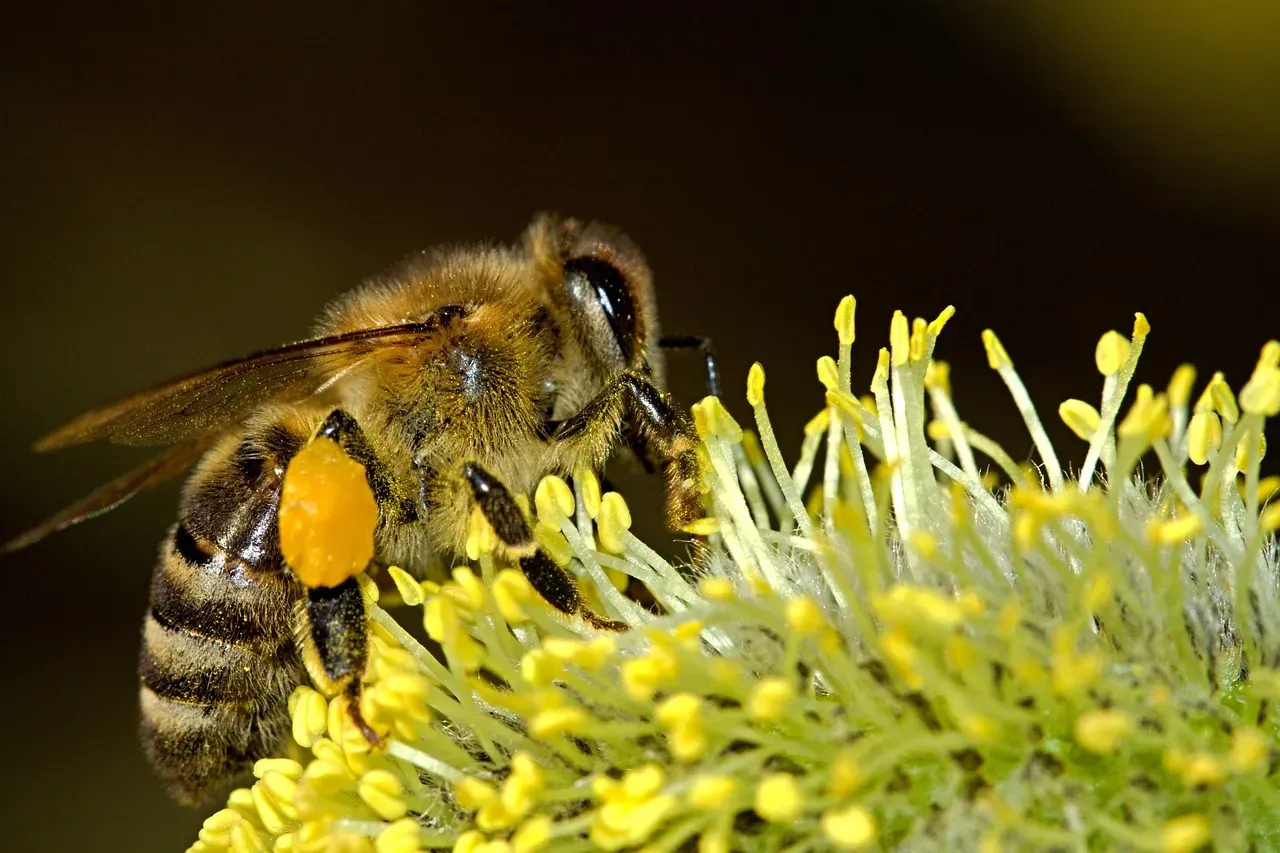
Bees are incredibly sensitive to changes in their surroundings, from pesticides and pollution to habitat loss and climate shifts. When colonies start collapsing, for scientists and environmentalists it acts like a siren going off in the distance, signaling that something in our broader environment is badly out of balance. Studying bee health can reveal problems in soil, air, and water quality long before they fully show up in human statistics.
In recent years, researchers have increasingly monitored bees to track pesticide residues and other contaminants in landscapes. Because bees forage over a wide area, their bodies and hives end up reflecting the health of the places they visit, almost like mobile environmental test kits. When we pay attention to what bees are telling us, we’re not just trying to save an insect; we’re using them as scouts, warning us about dangers that ultimately circle back to our own health and safety.
8. They Shape Culture, Joy, and Mental Well-Being
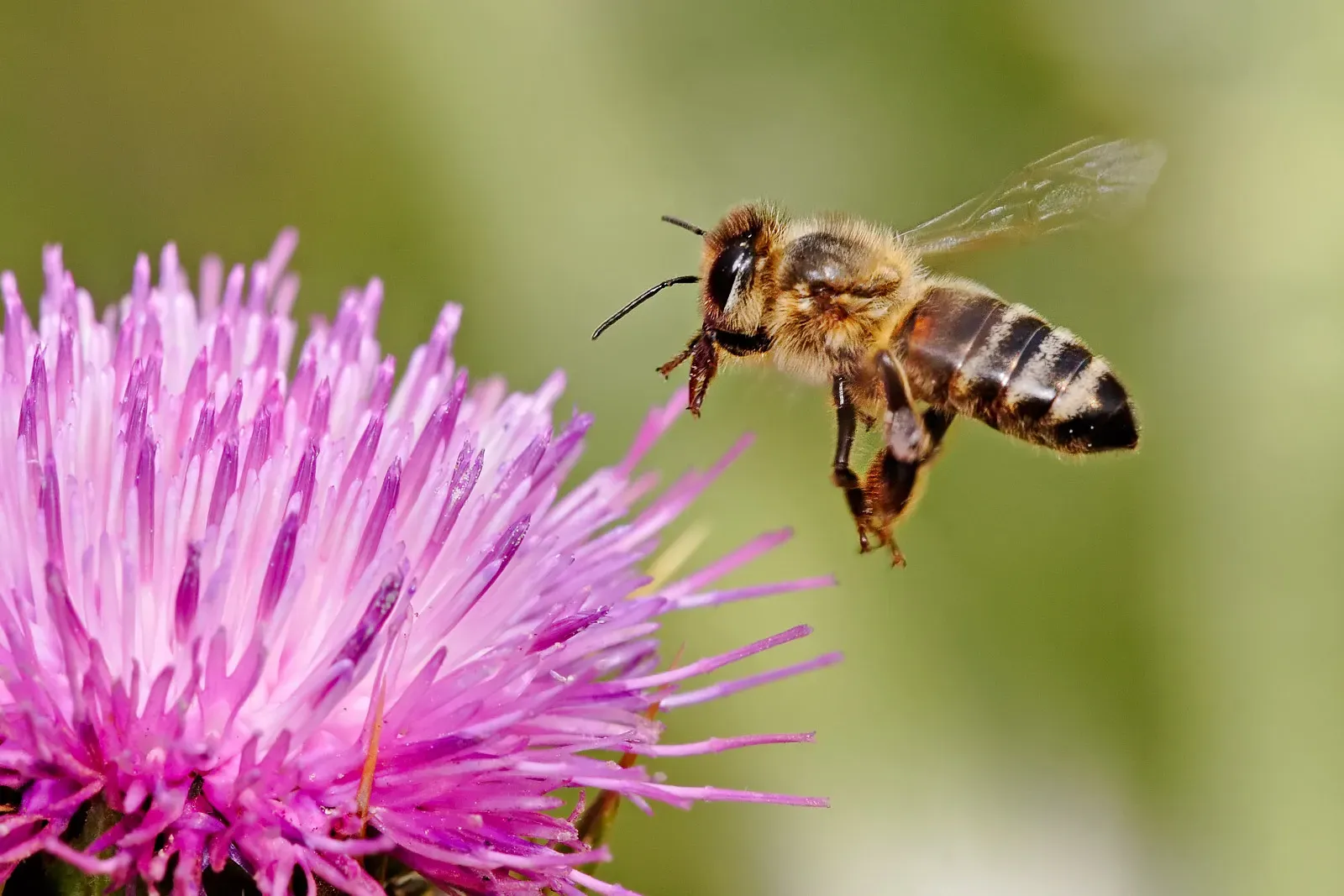
It might sound dramatic to say that bees affect your mental health, but think of it this way: how would your life feel without blooming fruit trees in spring, buzzing gardens in summer, or colorful farmers’ markets filled with the results of all that pollination? Gardens, flowers, and nature-rich spaces are closely tied to lower stress levels and better mood for many people. Bees are a big part of what keeps those spaces alive and renewing themselves year after year.
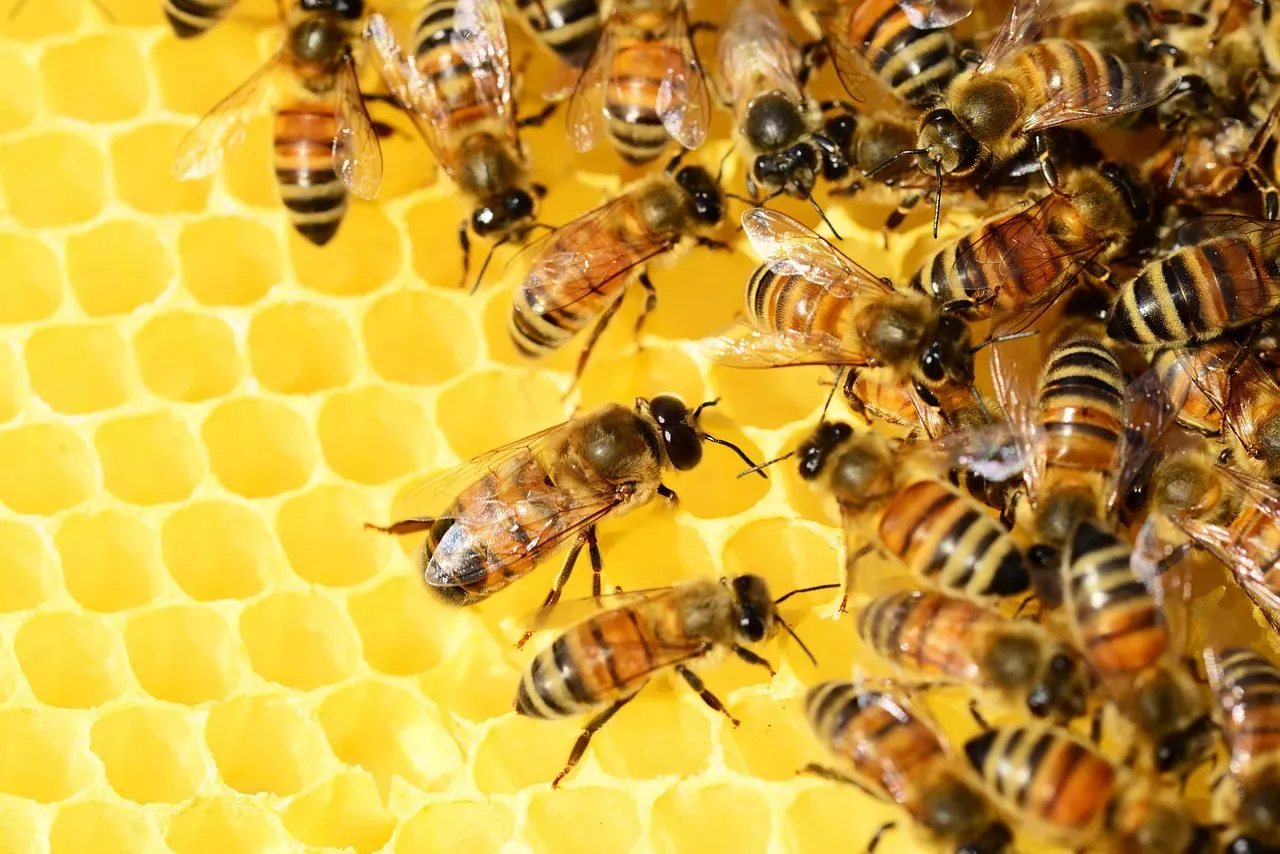
On a more personal note, spending time around a beehive for the first time shifted how I think about anxiety. Watching thousands of bees move with this strange mix of chaos and order felt oddly calming, like seeing a living reminder that complex systems can run smoothly without anyone visibly “in charge.” Across cultures, bees have inspired art, stories, and symbols of cooperation and community. When we protect bees, we’re also preserving pieces of beauty, meaning, and everyday joy that quietly keep us grounded.
9. Saving Bees Forces Us to Rethink How We Live on the Planet
The story of bees pushes us to ask uncomfortable questions about pesticides, land use, and our obsession with simplified, industrial agriculture. Bees struggle when landscapes are reduced to vast monocultures, when flowering hedges are ripped out, and when chemicals designed to protect crops end up harming beneficial insects. Caring about bees nudges us toward practices like planting wildflower strips, reducing pesticide use, and preserving mixed habitats that support a wide range of species.
In that sense, bees are a kind of mirror. If they’re thriving, it usually means we’ve made choices that also benefit butterflies, soil life, birds, and ultimately ourselves. If they’re collapsing, it’s a sign that our relationship with the land is out of balance. Choosing to protect bees is really choosing a different story about how humans fit into the world: less as conquerors squeezing every last drop from the earth, and more as participants sharing space with millions of other living things.
Tiny Creatures, Giant Impact
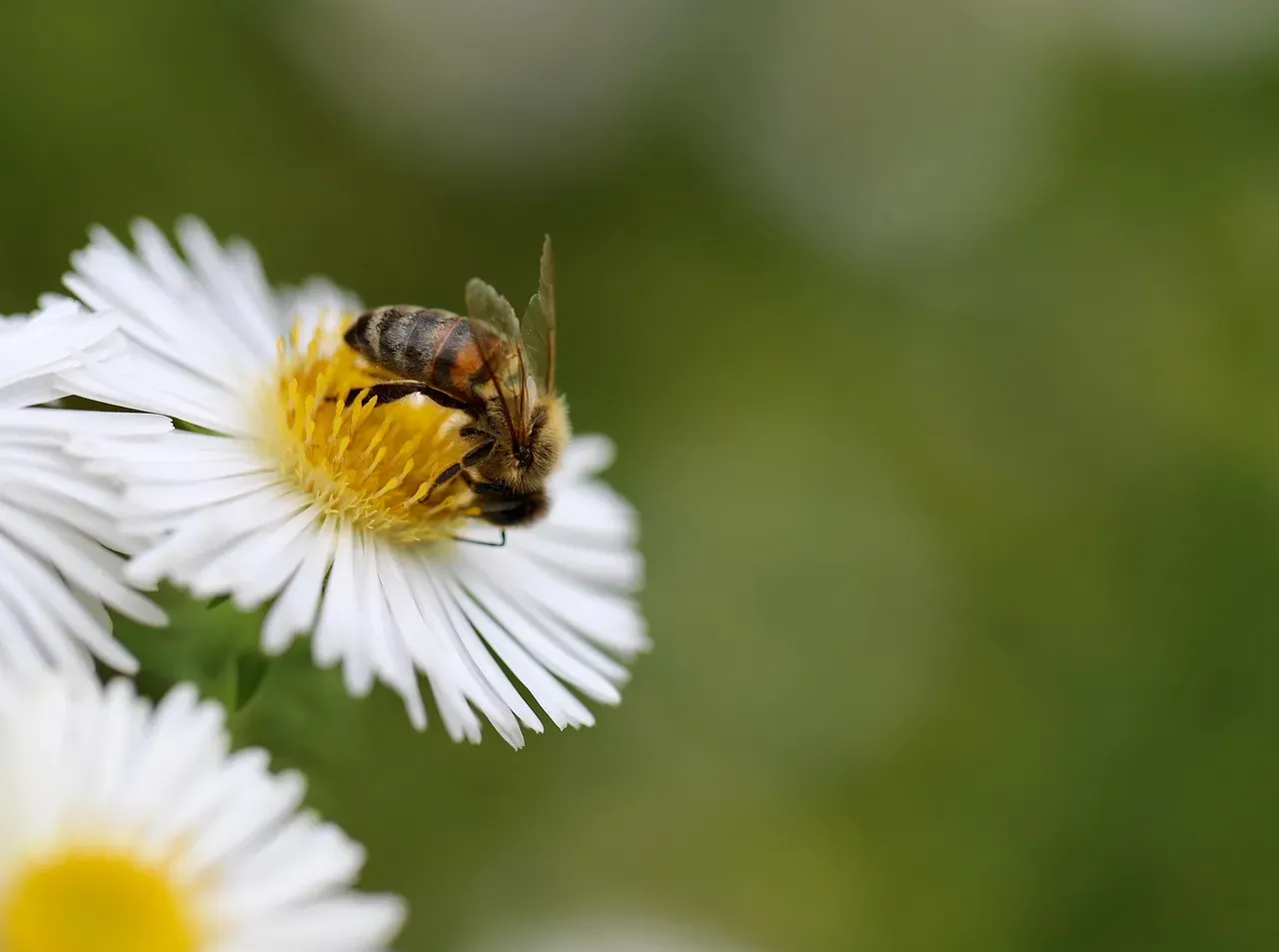
When you put it all together, bees are not just cute pollinators or honey makers; they’re pillars of our food system, guardians of biodiversity, partners in climate resilience, and even quiet contributors to our mental well-being and cultural life. Their importance cuts across science, economy, culture, and ethics in a way that few other creatures manage, especially at their size. Seeing them this way, the phrase “save the bees” stops sounding like a slogan and starts feeling like a very practical survival strategy.
Next time you see a bee drifting from flower to flower, it’s worth remembering that you’re watching one of the world’s smallest essential workers on the job. Whether we end up living in a future that’s colorful, stable, and full of choice, or one that’s narrower and more fragile, may depend a lot more on them than we ever realized. Knowing that, what tiny change could you make in your own space to give bees a better chance?