

Imagine waking up one autumn morning, gathering hazelnuts for the winter ahead, and noticing the ocean receding further than you’ve ever seen. You wouldn’t know what that meant. Your ancestors never spoke of such things. Within minutes, a wall of water taller than any building you’d ever construct comes crashing toward your coastal village. This isn’t a scene from a disaster movie. This actually happened around eight thousand years ago, and recent research suggests it might have been one of the most devastating events to strike early human communities in Europe.
The story of this ancient catastrophe has been hiding in sediment layers, geological cores, and scattered archaeological remains across northern Europe. Scientists are now piecing together a picture that challenges what we thought we knew about population declines during the Stone Age.
The Monster Beneath the North Sea

The Storegga Slides are among the largest known submarine landslides, occurring at the edge of Norway’s continental shelf approximately 6225 to 6170 BCE, involving an estimated 290 kilometers of coastal shelf with a total volume of 3,500 cubic kilometers of debris. Picture that for a moment. We’re talking about a chunk of seafloor the size of Iceland simply collapsing into the depths.
The Storegga Ridge, a massive underwater valley off the Norwegian coast, became brittle when sudden cooling of the Atlantic hit, eventually leading to one of the largest landslides in history. The sheer scale is almost incomprehensible. When millions of tons of sediment cascaded into the North Sea, the displaced water had nowhere to go but up and outward.
Waves of Destruction Across Europe
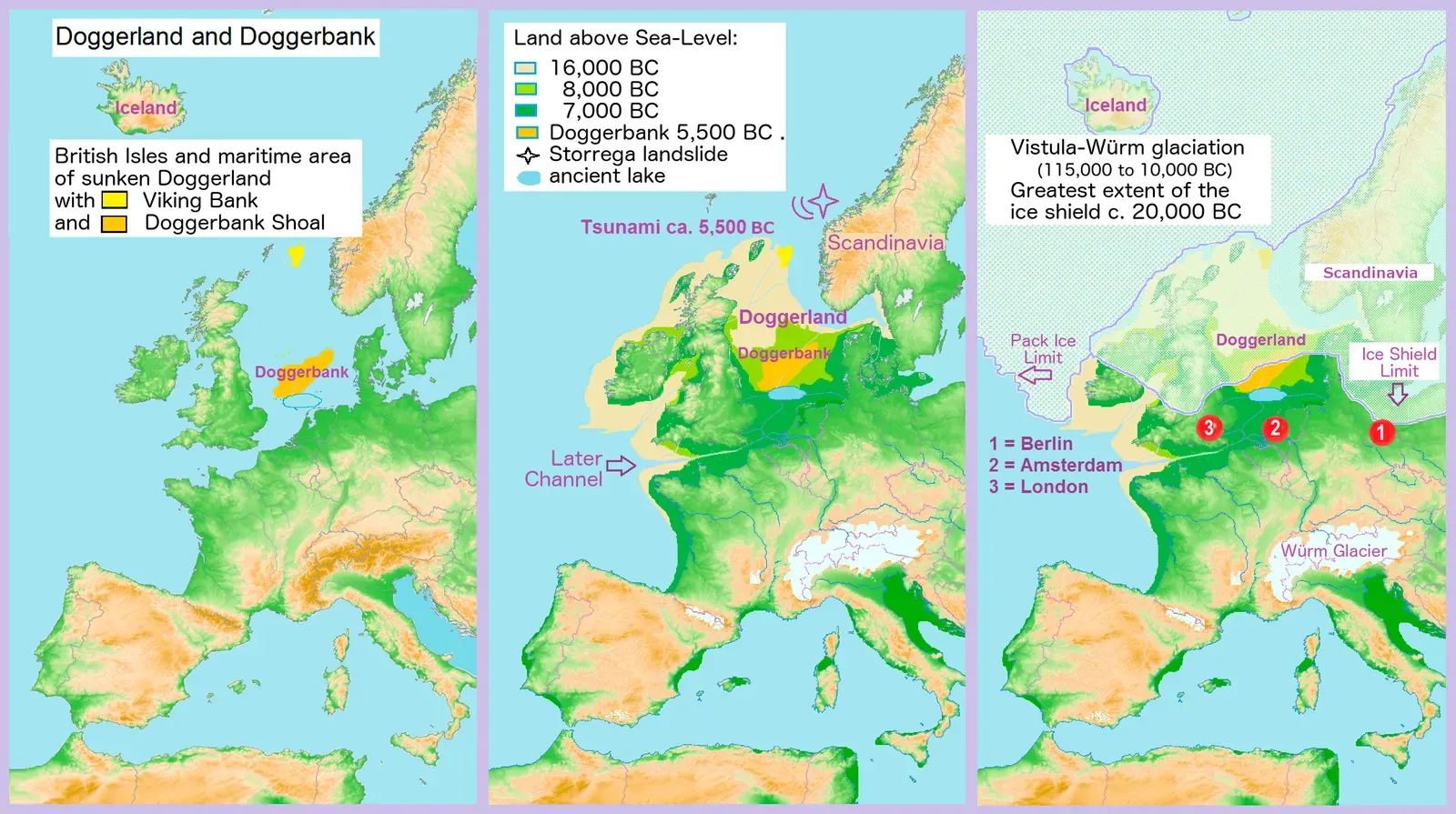
An enormous tsunami with gigantic waves reaching 20 meters submerged large parts of northern Europe and may have wiped out populations of people in Stone Age Britain. Let’s be real, that’s roughly the height of a six-story building. In the Shetland Islands, the waves are thought to have reached more than 65 feet in height, while coastal areas of Britain faced walls of water between 10 and 20 feet high.
The tsunami didn’t discriminate. The Storegga tsunami affected a large area of northern Europe and beyond, leaving traces in sediment deposits in areas as distant as northern Norway, northern England, western Scotland, the Scottish Shetland Islands and eastern Greenland. It’s hard to imagine the terror that swept across these regions in those hours.
Stone Age Communities in the Path of Catastrophe

Here’s the thing about Mesolithic Britain: it wasn’t exactly crowded. During the Mesolithic period, the population of northern Britain was pretty small, with only around 1,000 people estimated to have inhabited the region. The vast majority of these prehistoric Brits would have lived in small coastal settlements, placing them directly in the path of any gargantuan tidal waves.
A giant tsunami of this size would have devastated Stone Age coastal communities as it occurred in the autumn, when they would have been gathering resources for the winter. Think about the timing. Autumn meant survival preparations were in full swing. Food stores were being built up. Then everything vanished beneath the waves.
The Settlement That Faced Complete Annihilation
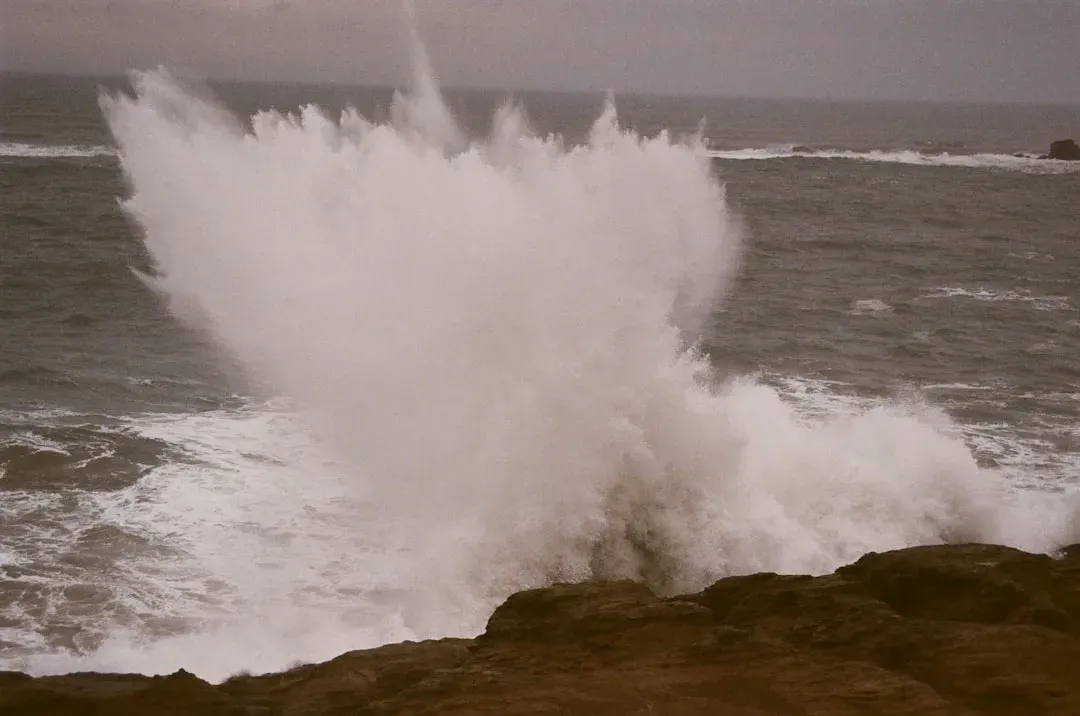
Howick, an important Mesolithic site in Northumberland, became a focal point for understanding the tsunami’s impact. At Howick, mortality estimates varied but reached up to 100 percent for prehistoric humans within the resource-rich intertidal zone. Complete annihilation. Not exaggeration, but scientific calculation.
The tsunami would have inundated a large area, leading to the loss of critical resources, such as hazelnuts, before the winter months, significantly reducing people’s ability to survive the harsher months. It wasn’t just the immediate wave that killed. The aftermath created a slow-motion disaster as survivors faced starvation with their food sources destroyed and the land poisoned by salt water.
No Living Memory, No Warning Signs
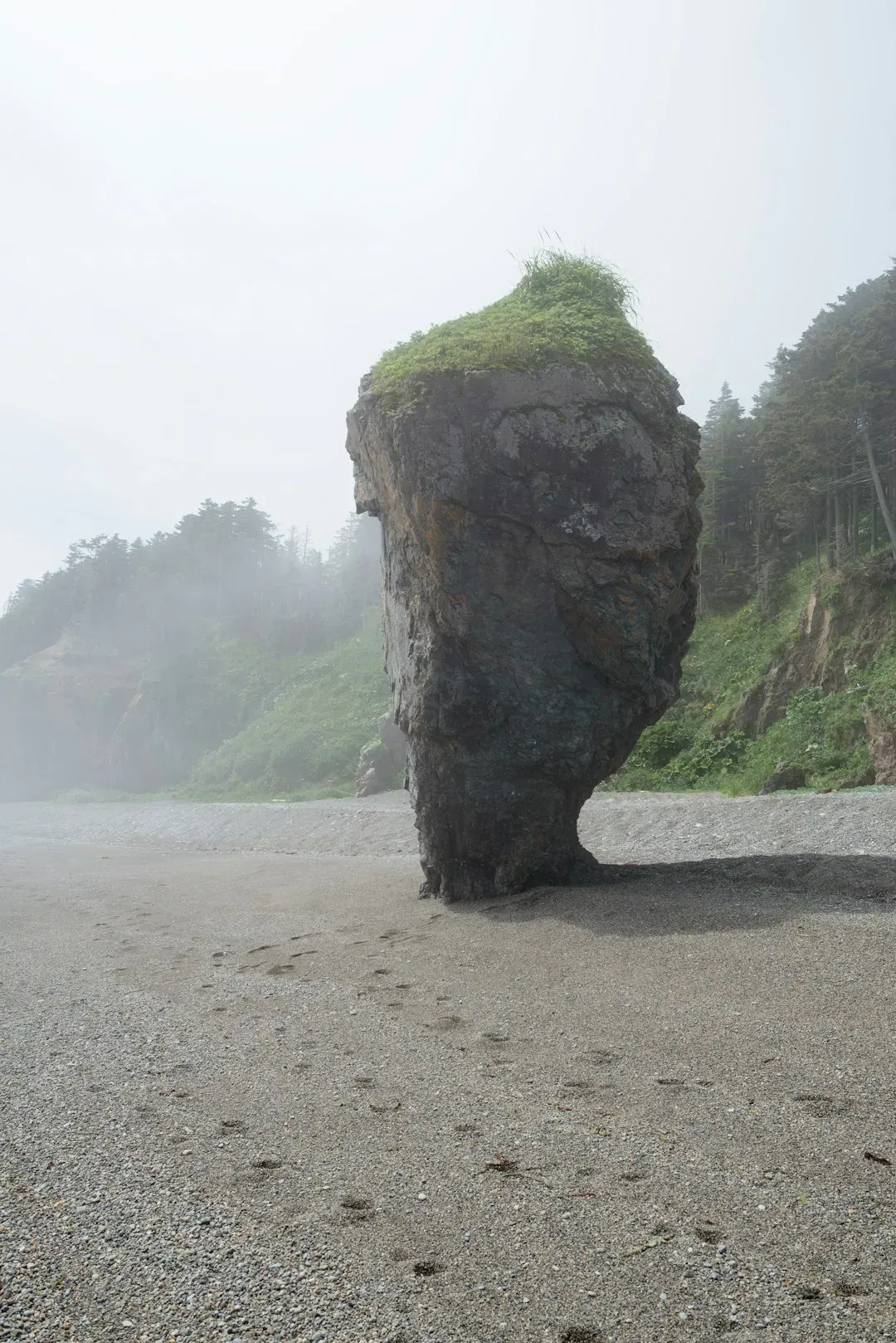
What makes this catastrophe particularly heartbreaking is the element of complete surprise. The tsunami event in northern Britain was more of a freak event, with Stone Age people having no living memory or ancestral knowledge about how to make themselves safe. The lack of previous tsunamis in living memory would have meant warning signs such as a receding ocean would likely have been ignored, as was the case in some of the worst affected areas in the 2004 Indian Ocean tsunami.
Some past fishing societies in tsunami-prone regions such as the northern Pacific have shown resilience to tsunamis and knew about moving to higher ground, but the tsunami event in northern Britain was different. There was no cultural knowledge to save them. No stories passed down through generations. Just a completely unexpected wall of death.
A Population Mystery Finally Solved?
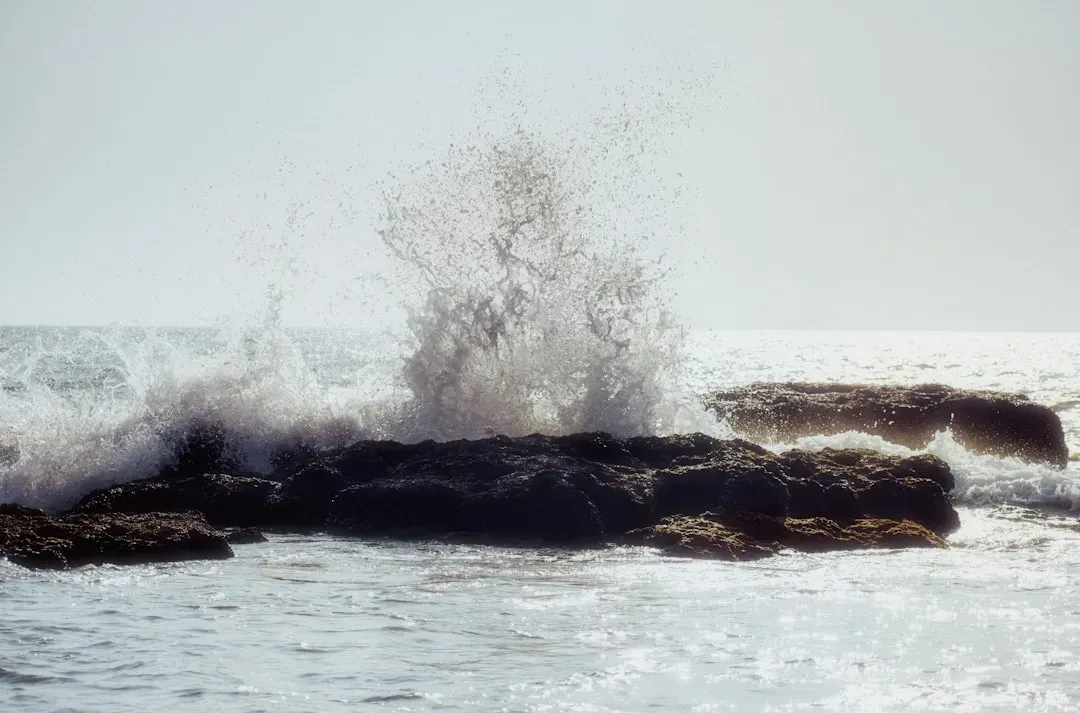
Archaeologists have long puzzled over something strange. Around 8,200 years ago, the number of inhabited sites across northwest Europe suddenly plummeted. For years, researchers blamed this on climate. Previous archaeological studies suggested the decline was linked to a rapid and sustained drop in temperatures across the continent.
The new research paints a different picture. The research, published in the Journal of Quaternary Science, blames the tsunami for this massive population decline. Researchers suspect there could have been significant mortality due to the tsunami as well as indirect impacts, including decimated food supplies, contributing to the sharp population decline in northern Britain, although this period also saw rapid sea-level rise and a sharp drop in global temperatures.
Evidence Written in Stone and Sand
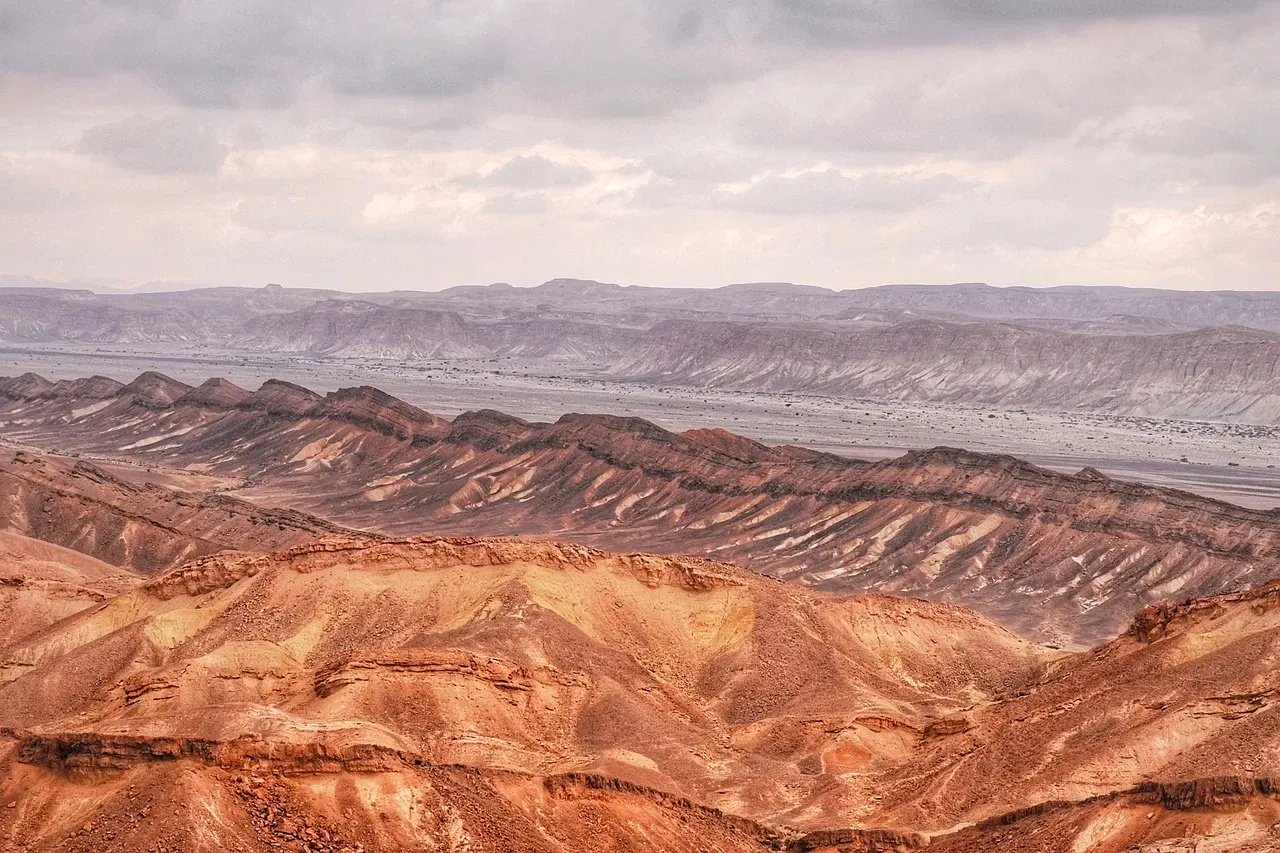
How do we know all this actually happened? Scientists didn’t just guess. Researchers generated computer simulations of the wave at the important Mesolithic site called Howick in Northumberland, where sediment cores dated to around the time of the tsunami have been found, suggesting the site might have become flooded during the disaster.
The evidence comes from multiple sources across vast distances. In a recent survey of 145 tsunami deposits from around the Atlantic Ocean basin, 46 percent are attributed to the Storegga slide, making it the most widely documented tsunami event from the Atlantic. That’s remarkable consistency. Layer after layer of sand and marine shells found where they shouldn’t be, all telling the same story of a catastrophic day thousands of years ago.
Conclusion
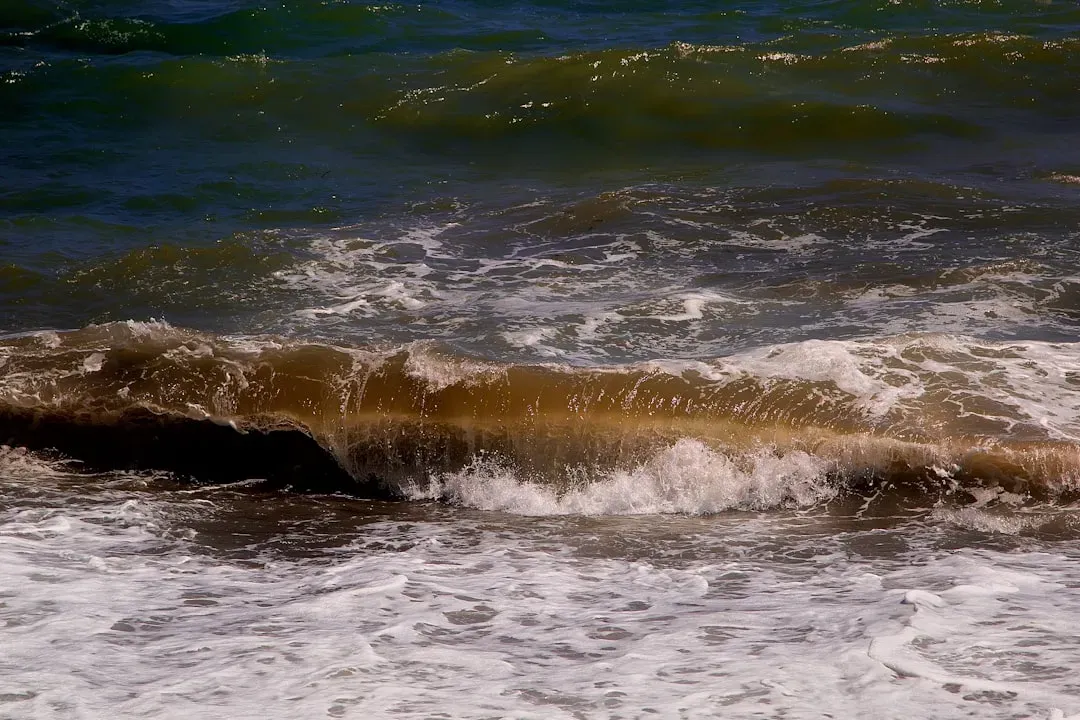
The Storegga tsunami stands as one of prehistory’s most devastating natural disasters, fundamentally reshaping not just the landscape of northern Europe but the very trajectory of human settlement patterns. What emerges from the sediment cores and computer models is a sobering reminder that our ancestors faced catastrophes we can barely imagine, armed with nothing but Stone Age technology and no warning systems whatsoever.
This wasn’t just a wave. It was a civilization-altering event that may have erased entire communities, destroyed generations of accumulated knowledge, and forced survivors to rebuild from almost nothing. The fact that humanity recovered and thrived speaks to an incredible resilience that still defines us today.
Did you expect that a single geological event could have such profound impacts on our distant ancestors? What other secrets might still be hiding beneath the North Sea, waiting to rewrite what we think we know about the Stone Age?