
If you picture ancient Egypt as just sand, pyramids, and mummies, you’re missing the really wild part of the story. Because buried under all that stone and myth is a civilization that quietly pulled off technological tricks so advanced they still make engineers and scientists raise their eyebrows. Some of what they did feels less like the distant past and more like a prototype version of the modern world.
We may never recover every blueprint, tool, or technique they used, but the traces that survived are startling. From precision stonework that rivals modern machining to clever medical procedures and materials that behave like early plastics, ancient Egyptian inventors were constantly pushing the limits of their world. Let’s dig into some of the most fascinating technologies that show just how they really were.
Stone Working Precision That Defies Expectation
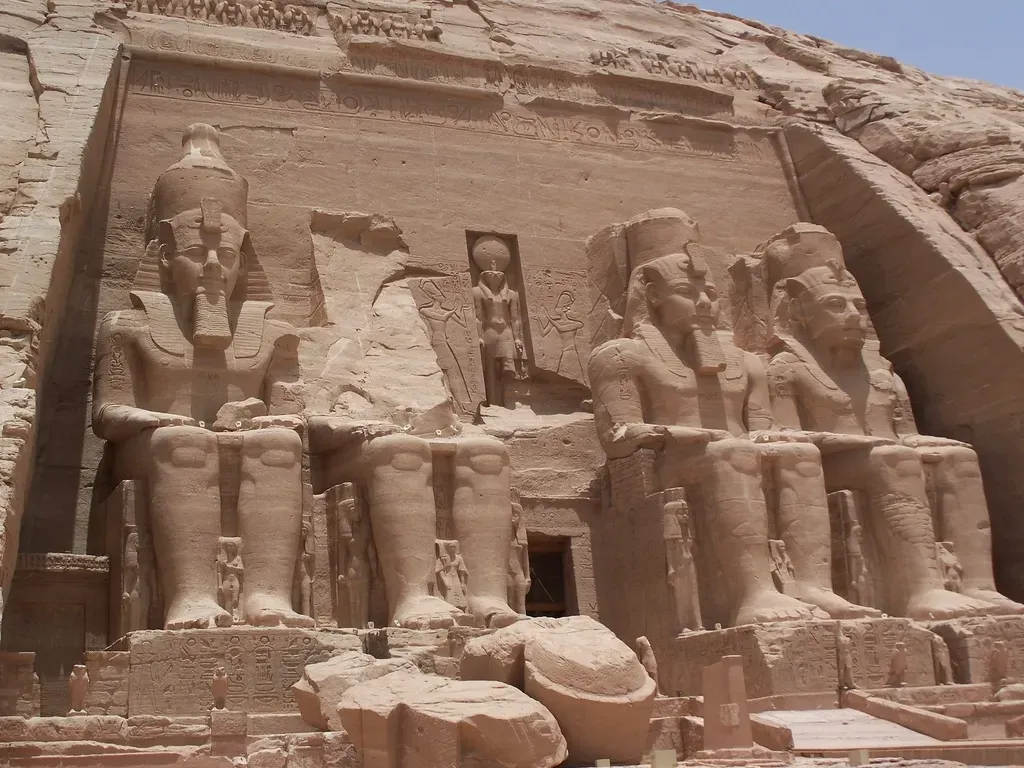
The first shock hits you when you actually look closely at the stonework, not just from a distance in a documentary. Some granite blocks at temples like Karnak and in the Giza plateau show faces that are astonishingly flat and edges that are impressively square, especially given they were shaped thousands of years before steel power tools. Archaeologists have found traces of copper and bronze tools, sand abrasion, and stone pounders, yet the finish on some surfaces looks closer to machine work than to primitive chiseling.
In some cases, blocks weighing tens of tons were fitted together so tightly that it’s hard to slide a razor blade between them. There are drill holes in extremely hard stones, like granite and diorite, with neat cylindrical shapes and spiral tool marks that suggest carefully controlled drilling rather than random hammering. We don’t have every step of their process preserved, but the results on the ground prove that Egyptian stoneworkers had extremely refined methods of measurement, alignment, and tool control. They weren’t just stacking rocks; they were shaping them with an accuracy that still feels a bit unsettling.
Engineering Mastery Behind Pyramid Construction
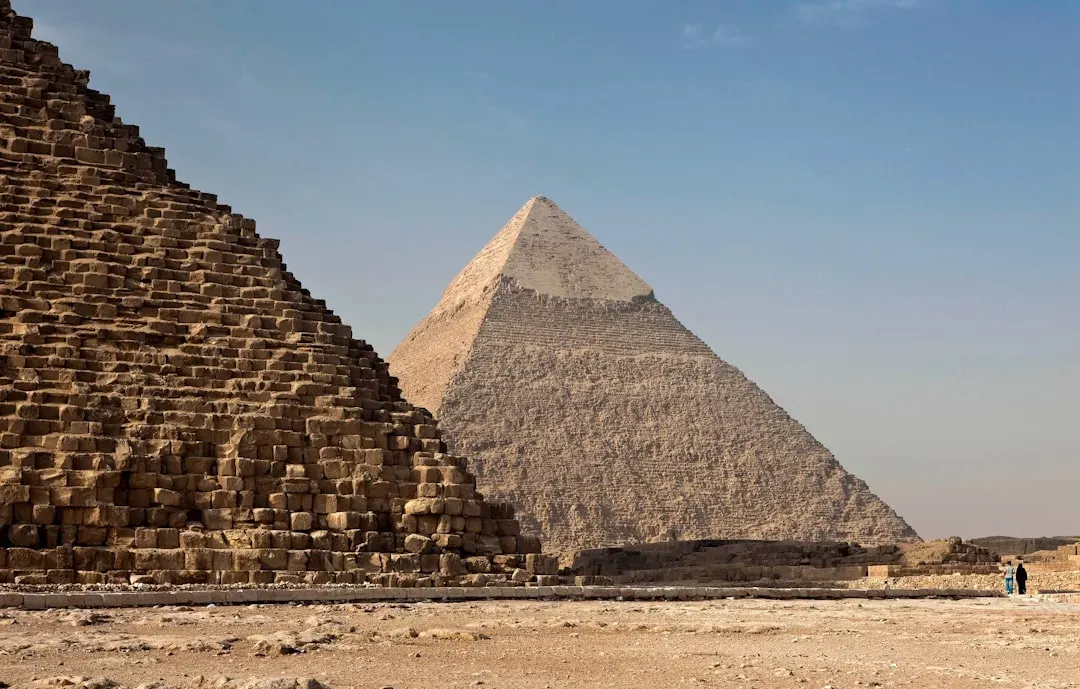
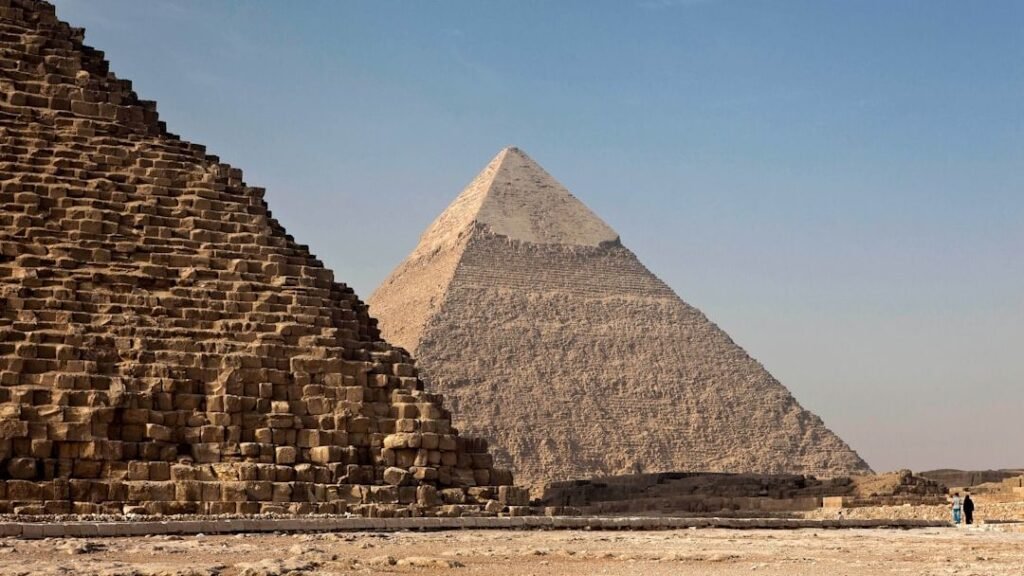
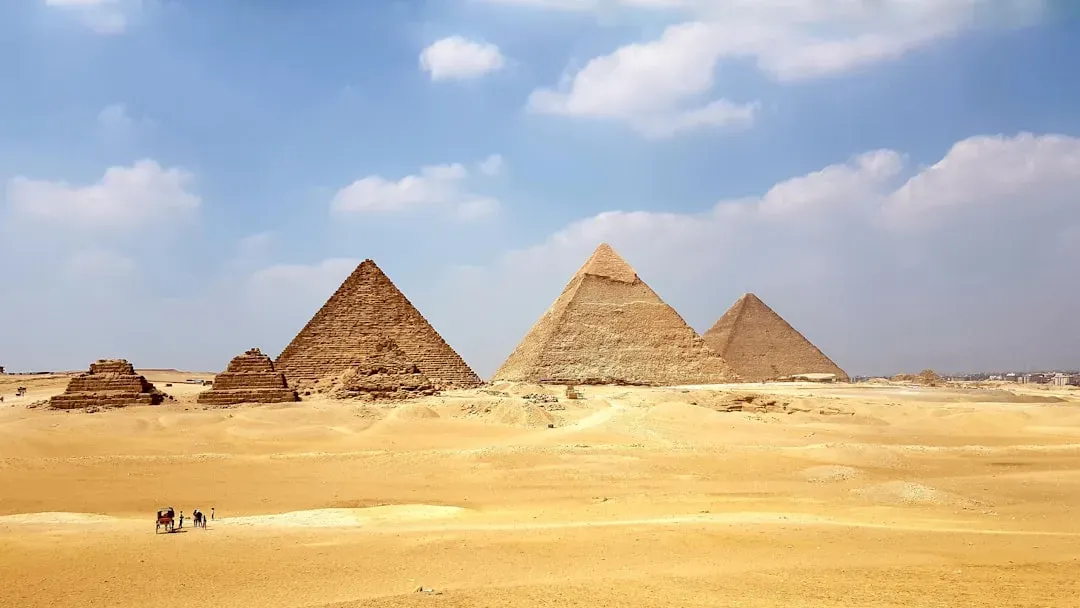
Everyone knows the pyramids look impressive, but their engineering gets more surprising the closer you look. The Great Pyramid of Giza, for example, stands on a base that is remarkably level, with its four sides aligned closely to the cardinal directions. Considering they did this without satellites, GPS, or even modern surveying equipment, something about their system of observation and measurement was seriously sophisticated. They likely relied on solar and stellar observations, sighting rods, and water levels, but their consistent accuracy over massive scales remains one of the great feats of ancient engineering.
The logistics behind the construction are just as mind-bending. Moving and placing huge blocks with simple tools and human labor demanded a deep, practical understanding of friction, leverage, and material behavior. Evidence for straight, compacted causeways, sledges lubricated with water, and carefully organized labor forces points to a kind of engineering project management that feels ultra-modern in spirit. They may not have written manuals on mechanical engineering, but they clearly understood how to make matter obey their plans on a monumental scale.
Hydraulic Know‑How and Water Management
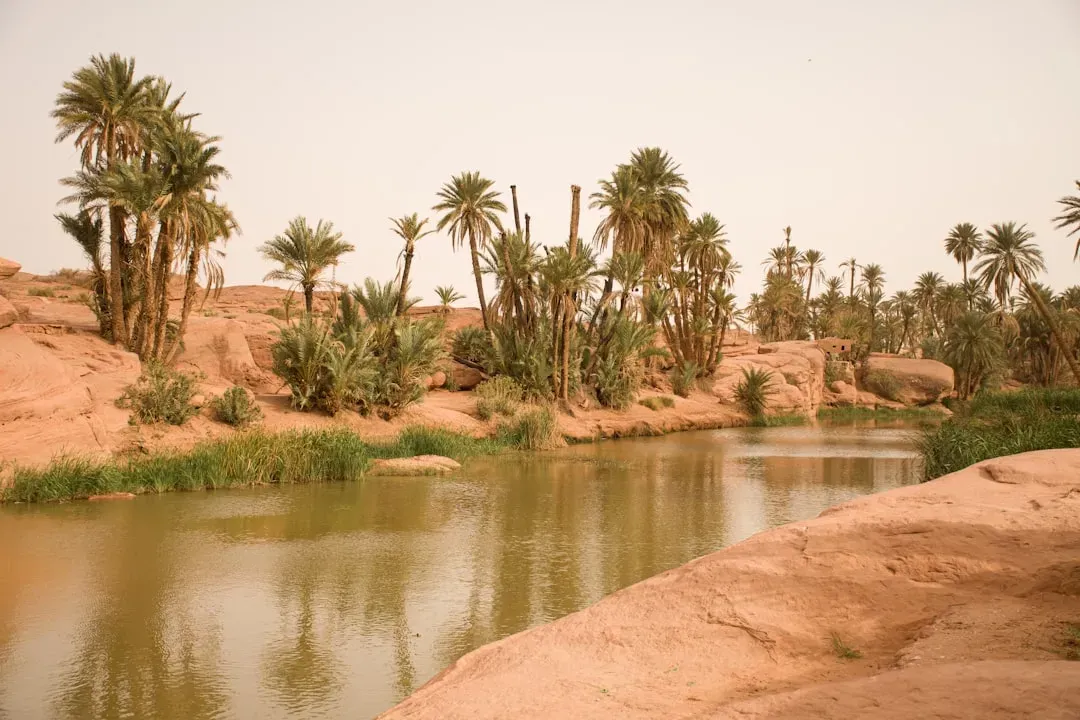
If there was one thing the Egyptians absolutely had to master, it was water. Their entire civilization clung to the Nile like a lifeline, and over time they learned to control it with a level of ingenuity that shaped both their economy and their technology. They created irrigation networks with basins, canals, and dikes that captured the annual flood and distributed water to fields over long periods. This wasn’t done at random; it required understanding the rhythms of the river, soil absorption, and the way water moved through different channels.
They also engineered tools and structures to measure and manage water more precisely. Nilometers, for instance, were cleverly designed shafts or stairs that allowed officials to read water levels and predict harvests and taxes. Later periods in Egypt saw the use of devices like water-lifting machines, most famously the shaduf, a simple but efficient lever system for raising water from lower to higher levels. While these might look primitive, they represent a form of hydraulic engineering that connected observation, design, and everyday survival in a very modern way.
Medical Techniques Centuries Ahead of Their Neighbors
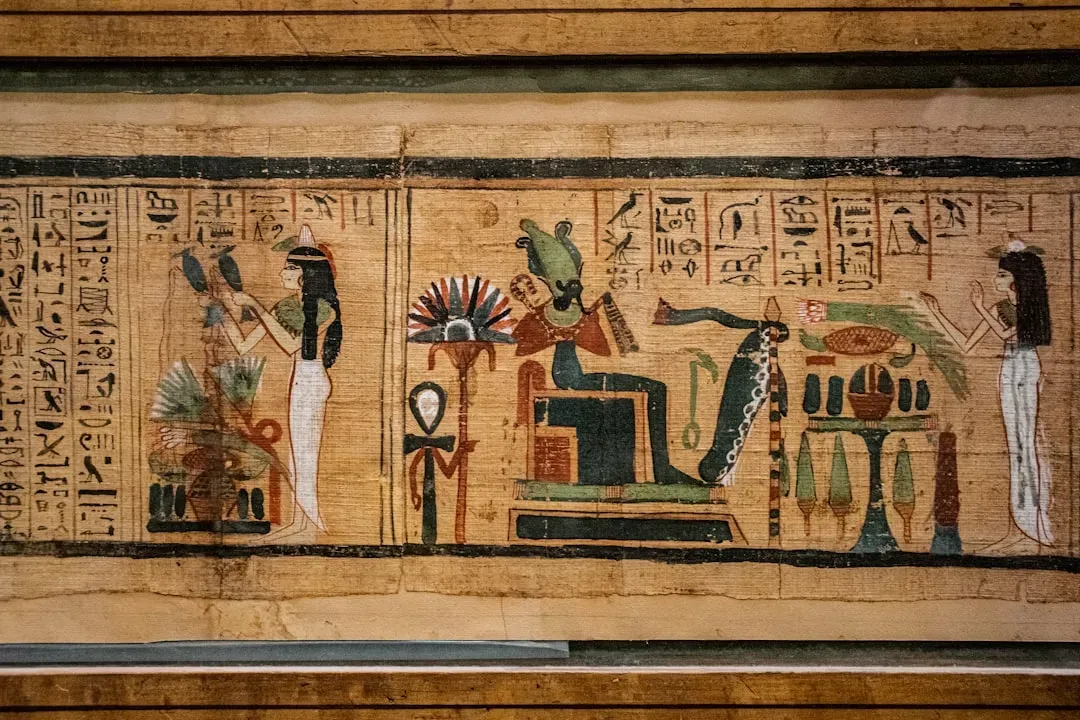
When I first read translated Egyptian medical papyri, I was honestly stunned by how practical they were. Instead of being filled purely with magic and superstition, many texts carefully describe diagnoses, treatments, and even surgical procedures. Egyptian physicians set broken bones, stitched wounds, drained abscesses, and used splints and bandages with a level of confidence that suggests a long tradition of trial, error, and refinement. Some of their surgical tools, such as blades and probes, have been found in tombs and look uncannily similar to simple modern instruments.
They also experimented with plants and minerals, blending them into ointments, poultices, and medications. Honey, for example, was widely used on wounds and infections, and modern research actually supports its antibacterial properties. They recognized the importance of cleanliness in certain procedures and sometimes separated treatable injuries from those considered hopeless, which shows a surprisingly clinical mindset. Not everything they did would pass a modern medical review, but for their time, their blend of observation, documentation, and practice put them far ahead of many neighboring cultures.
Early Chemistry: Pigments, Glass, and Artificial Materials
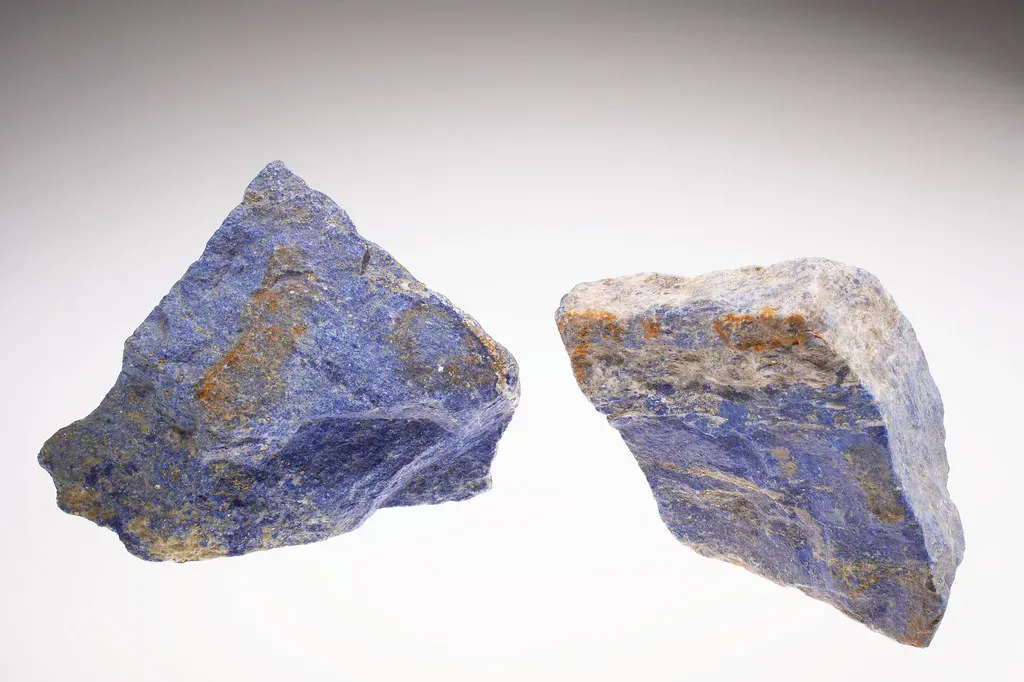
Walk into a museum and stare at a bright blue Egyptian artifact, and you’re often looking straight at one of the earliest known synthetic materials. Egyptian blue, a man-made pigment, was created by heating sand, copper compounds, and calcium-based materials at controlled high temperatures. This wasn’t an accidental discovery; producing consistent color across objects and centuries suggests a deep, almost industrial understanding of temperatures, mixtures, and processes. It’s like a primitive but impressive version of modern materials science.
They were also early masters of glassmaking and faience, creating beads, vessels, and decorative objects with a glossy, almost jewel-like finish. Achieving that required careful control of furnaces, fuel, and raw materials, along with repeated experiments to get the right texture and color. In a sense, they were chemists before chemistry had a name, manipulating matter with heat and technique to produce something entirely new. This knack for transforming raw natural ingredients into durable, striking materials hints at an inventive streak that went far beyond simple craft.
Hidden Math and Geometry in Everyday Life
Egyptian math doesn’t always look modern on the surface, but what it allowed them to do is remarkable. They used a base-ten system with symbols for different powers, and while they wrote fractions in a distinctive way, they still managed to handle measurements, distributions, and calculations for construction with solid consistency. Surviving mathematical papyri show problems involving the volume of granaries, the areas of fields, and the proportions needed for building, revealing a strong applied math tradition rather than just abstract puzzles.
Their geometry showed up everywhere, especially in architecture and land management. They worked with right angles, slopes, and proportional relationships to lay out buildings and boundaries, which was especially important after the Nile floods blurred property lines every year. Some monuments subtly encode geometric ratios that echo patterns we still use in design today, suggesting they had an intuitive, if not fully formalized, grasp of harmonious proportions. The real power of their math lay in how seamlessly it served real-world needs, from bread rations all the way to giant stone pyramids.
Timekeeping, Astronomy, and the Rhythm of the Sky
Long before wristwatches and phone clocks, Egyptians were already dividing the day with surprising precision. They developed shadow clocks and water clocks to track hours, and they used the shifting positions of the sun and certain stars to structure daily life and ritual. Their civil calendar, with twelve months of thirty days plus a short extra period, was astonishingly close to the true solar year. This kind of regularity made planning agriculture, festivals, and state projects much more predictable, which is a huge technological advantage in itself.
Astronomy sat at the center of a lot of this timekeeping. Priests and scholars watched the sky, tracking star risings and planetary movements, especially the heliacal rising of Sirius, which lined up with the Nile’s flood. They tied these observations into their religious worldview, but they also treated the sky as a reliable, measurable clock. The line between spiritual and scientific thinking wasn’t as sharp as it is now, yet the accuracy of their observations shows that they were extremely serious about getting the numbers right. In their own way, they were early guardians of the data that kept their world in sync.
Ancient Egypt’s lost inventions aren’t just a collection of clever tricks; they’re a reminder that human curiosity and ingenuity have always been restless. Looking at their stonework, medicine, materials, math, and timekeeping, you can see the outlines of many technologies we still rely on, just in rougher, more mysterious forms. The blueprints may be gone, but the results carved into stone and baked into artifacts still whisper that the past was far more inventive than we often give it credit for.