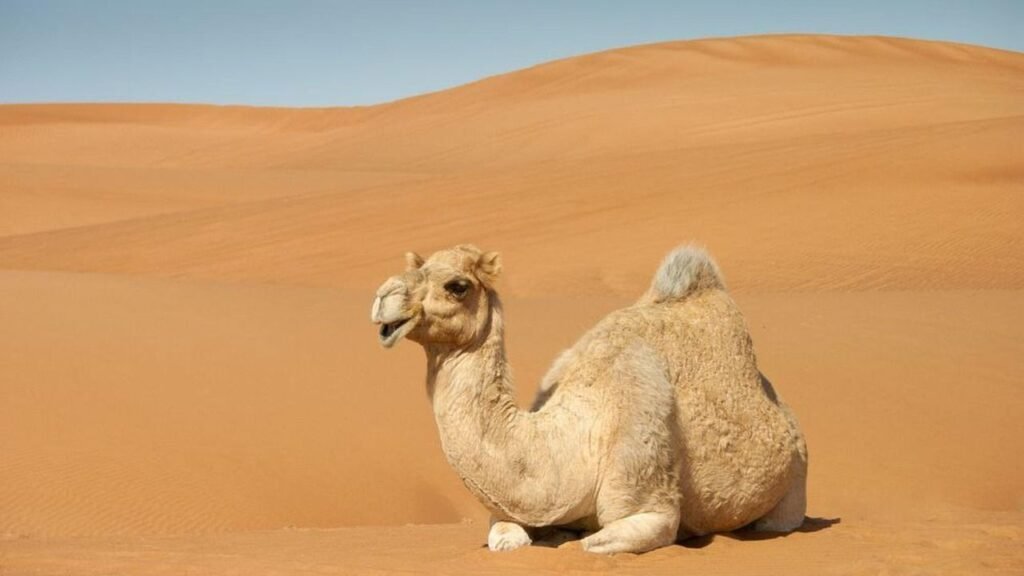

Step into a desert at noon and it feels almost hostile. The air shimmers, the ground burns, and there’s barely a hint of shade. Yet, in this harsh oven of rock and sand, animals not only endure, they thrive, using tricks that sound almost like science fiction. From blood that cools brains to noses that recycle water, desert creatures have turned survival into an art form.
What makes their strategies so gripping is how different they are from what we, as humans, rely on. We need air conditioning and constant water; they rely on timing, anatomy, and behavior that took millions of years to refine. Once you see how a camel “stores” water or how a tiny fennec fox uses its ears like radiators, you start to realize: life in the desert isn’t just about toughness, it’s about brilliant design in the face of relentless heat.
Nocturnal Living: Beating the Heat by Avoiding It
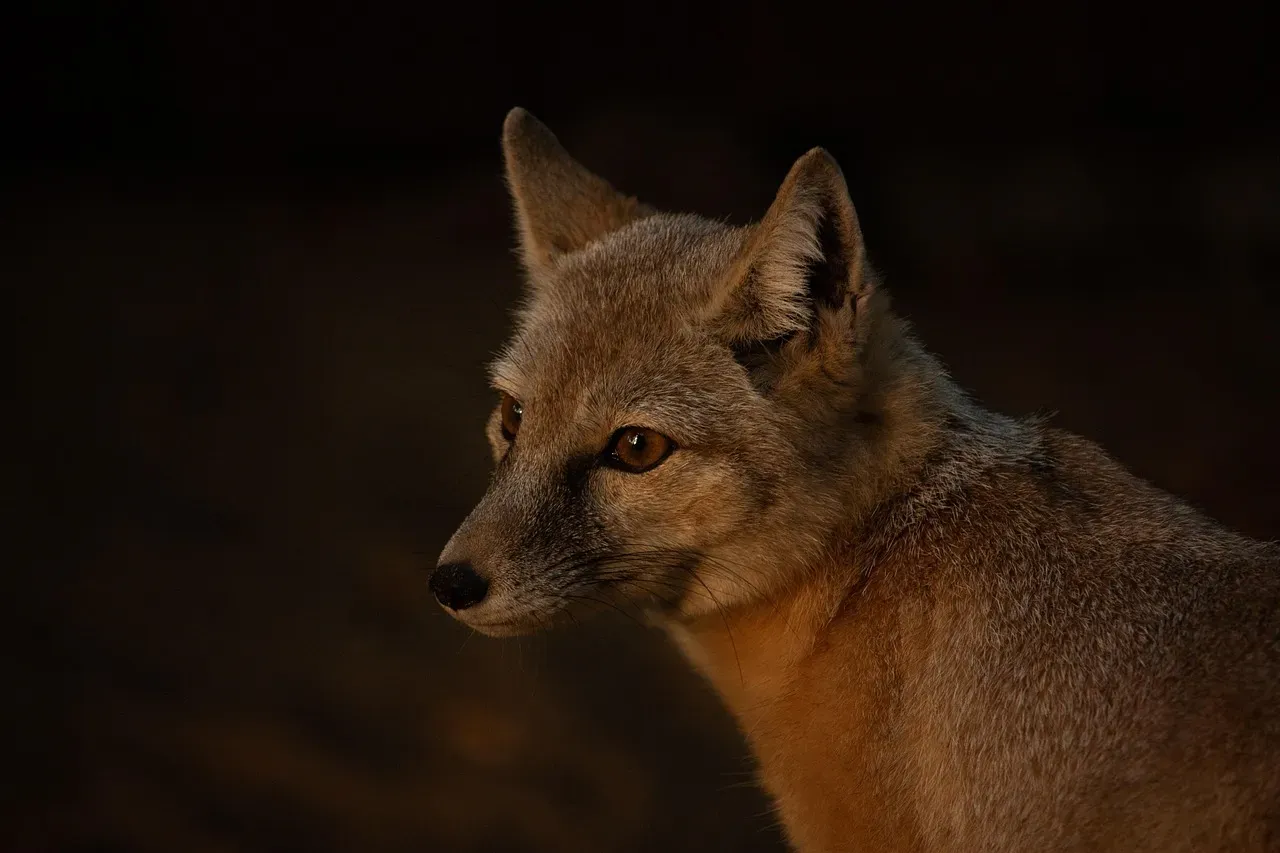
One of the simplest but most powerful desert survival tricks is to just stay underground or inactive when it’s hottest and come out when the sun is gone. Many desert animals – from jerboas and kangaroo rats to foxes and even some snakes – are primarily nocturnal, shifting their entire schedule to the cooler night. It’s like living in the same place but on a different planet, where the ground isn’t scorching and the air won’t dry you out instantly.
During the day, these animals hide in burrows that can be drastically cooler and more humid than the surface. A kangaroo rat, for example, spends daylight in deep tunnels that buffer temperature swings and help conserve precious moisture. By the time they emerge at night, the desert has calmed, and they can safely look for food with a much lower risk of overheating. Instead of trying to battle the sun head-on, they simply refuse to meet it.
Camels’ Water and Fat Management: The Original Desert Tank
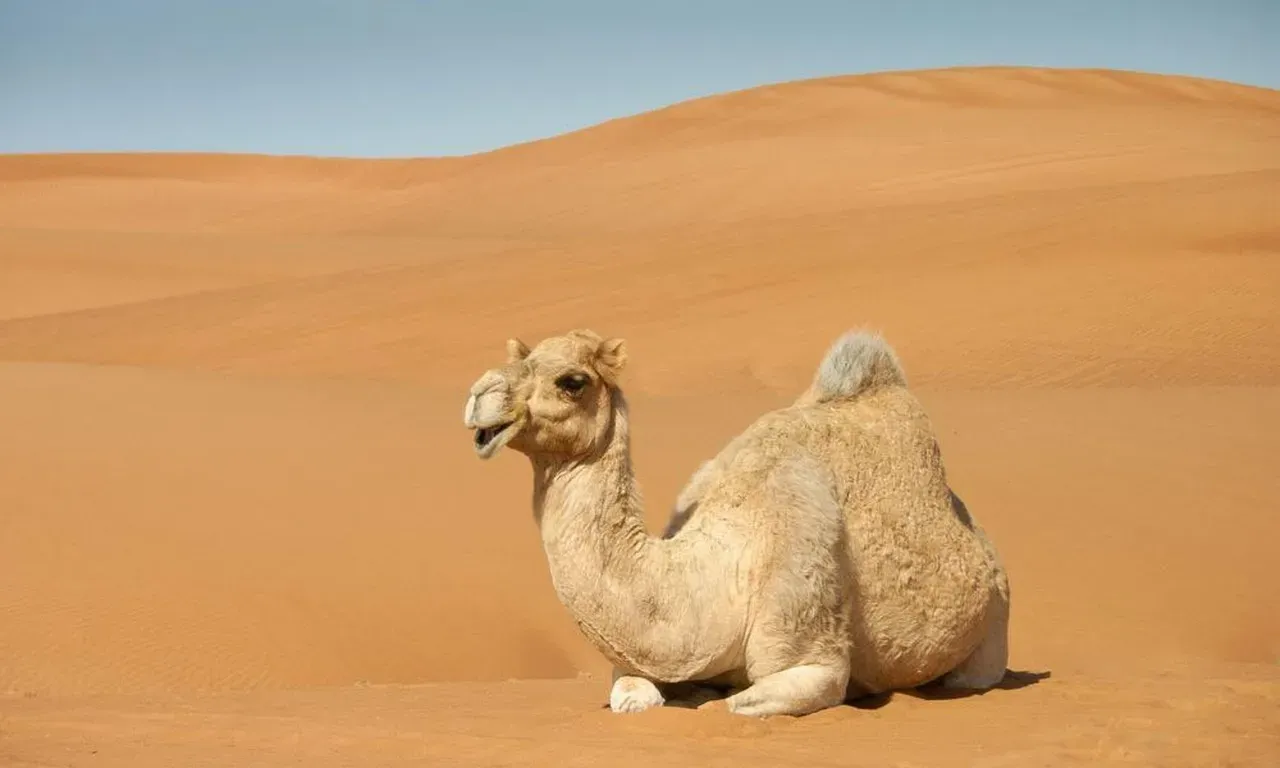
Camels are the classic desert icon for a reason: their whole bodies are built around surviving long, brutal dry spells. A common myth is that they store water in their humps, but those humps are actually packed with fat. By storing fat in one place rather than all over their bodies, camels reduce insulation over most of their skin, helping them lose heat more efficiently and stay cooler.
Their true water superpowers are hidden in their physiology. Camels can tolerate losing a huge portion of their body water – far more than most mammals – without collapsing. They also produce very concentrated urine and extremely dry feces to save water, and their red blood cells are unusually shaped and flexible, so their blood keeps flowing even when they’re dehydrated. When water finally appears, they can drink large amounts in one go, refilling their internal reserves like refueling a desert truck at the last lonely gas station for hundreds of miles.
Big Ears as Radiators: Fennec Foxes and Jackrabbits
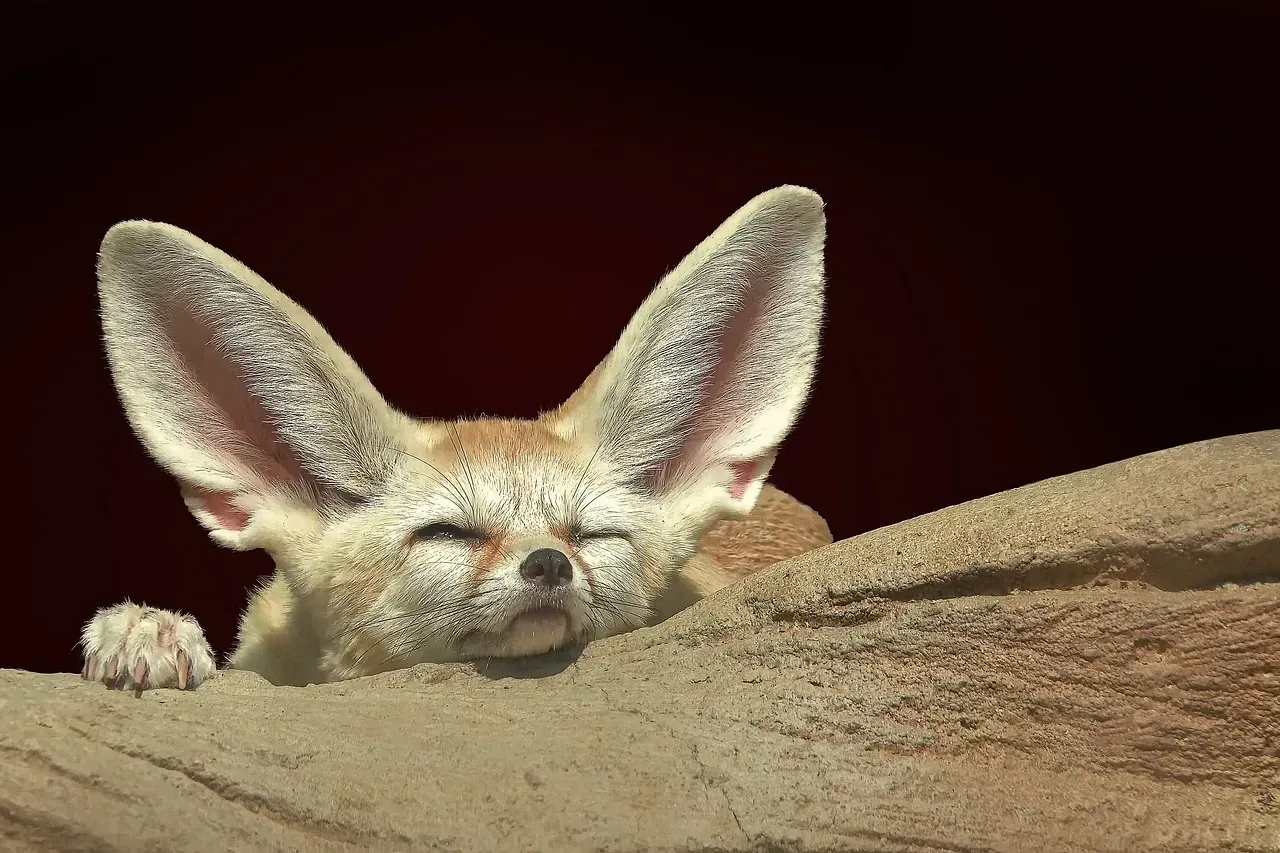
Those enormous ears on a fennec fox aren’t just for looking cute in wildlife photos. They’re thin, full of blood vessels, and act like built-in radiators that dump heat into the air. When the fox gets warm, blood flow to the ears increases, and heat escapes through the large surface area. You can imagine it like holding a car radiator up to a fan – it cools the system more efficiently than a thick, insulated surface ever could.
Desert jackrabbits use the same basic design on a larger scale. Their ears can be almost as long as their heads, like two solar panels flipped into reverse, not to capture energy but to shed it. By radiating excess heat away, these animals can stay active longer in the early morning and late afternoon without overheating. Instead of hiding from the heat entirely, they’ve grown specialized structures that help them bleed it off on demand.
Light-Colored Coats and Reflective Fur

Many desert animals wear what looks like a permanent summer outfit: pale, sandy-colored fur or feathers that reflect more sunlight than dark colors would. Think of dromedary camels, fennec foxes, and some desert rodents in light tans and creams, almost blending into the dunes. This coloring doesn’t just help with camouflage; it also reduces how much solar radiation their bodies absorb throughout the day.
Some animals even have fur that insulates them from external heat while letting internal heat escape more slowly, acting almost like a thermos in reverse. The thick fur on a camel’s back, for example, can protect the skin from the full blast of the sun, preventing the surface from heating up as quickly. At the same time, the fur structure allows heat from inside the body to move outward. It’s a delicate balance: reflect as much heat as possible, keep the worst of the sun off the skin, but still let your body vent before you overheat.
Burrowing and Underground Microclimates
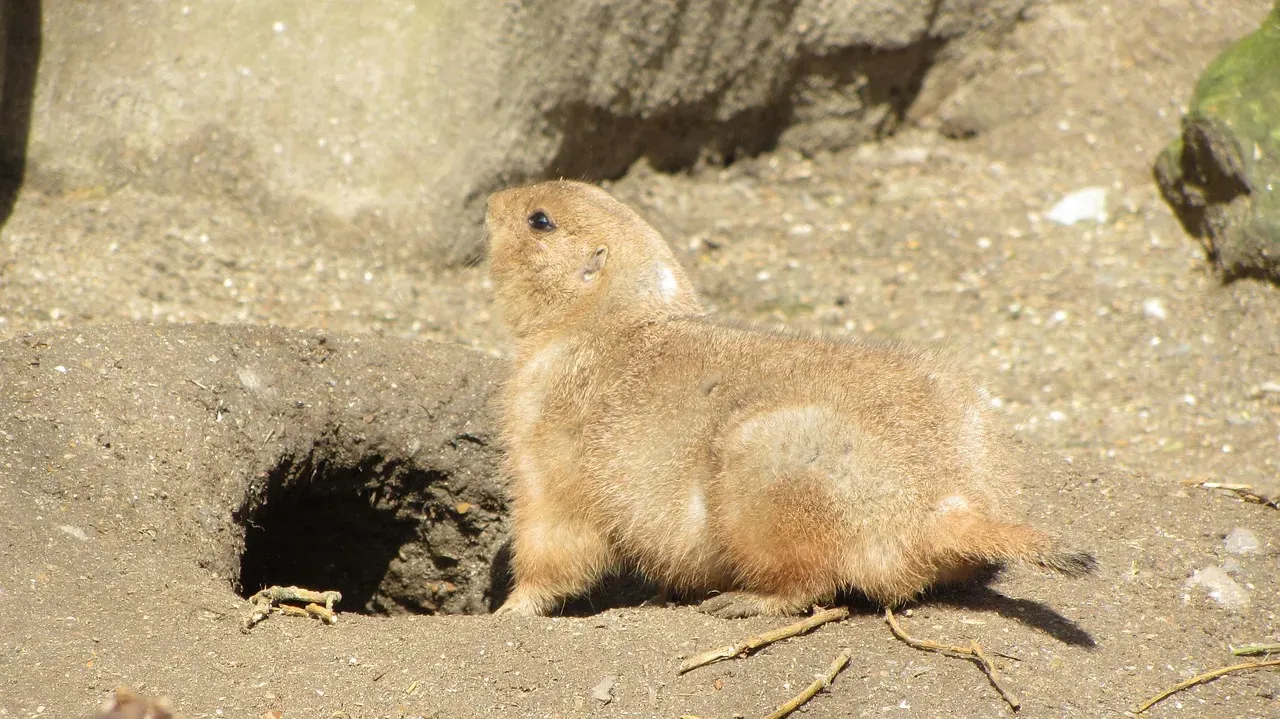
If the surface of the desert is like a hot frying pan, the underground world is more like a cool basement. Many species, from desert tortoises to lizards, rodents, and insects, dig burrows that protect them from searing temperatures and dry winds. Just a short distance below the surface, temperatures are often dramatically lower and more stable over the course of a day. It’s like stepping into a natural, passive air-conditioned shelter built into the earth.
Some animals create complex tunnel systems with multiple chambers at different depths, giving them a way to fine-tune where they rest depending on the season. These underground spaces also trap moisture from the animals’ breathing and waste, making the air slightly more humid than outside. Over time, burrows can become shared refuges, with different species taking turns or coexisting, all benefiting from the same cooler microclimate under a landscape that seems dead and empty at first glance.
Estivation: The Desert Version of Summer Hibernation
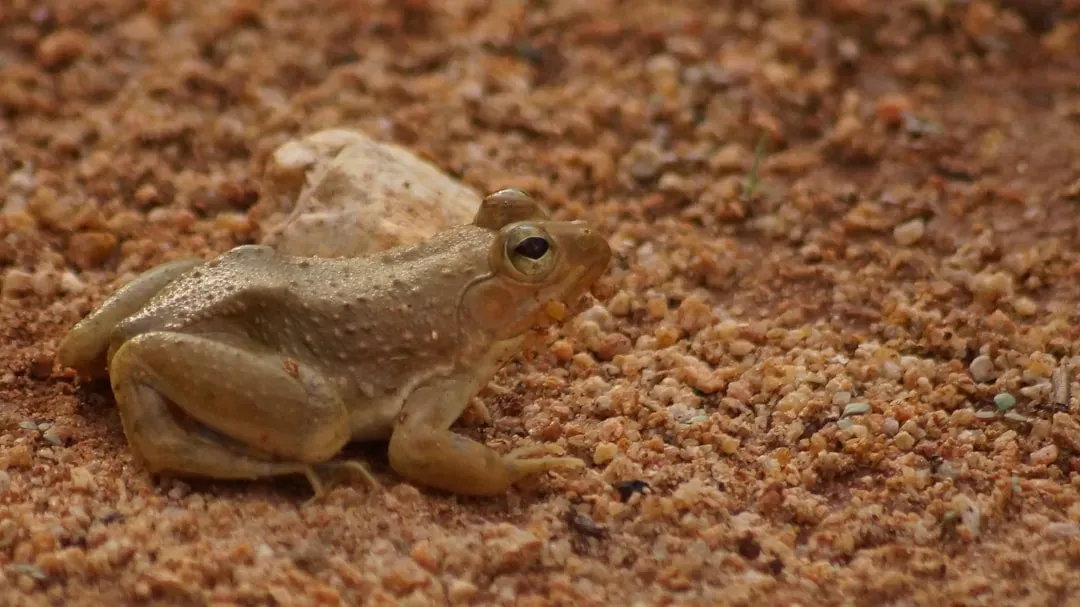
When the heat or dryness reaches levels that are simply too much to handle, some desert animals opt out entirely by going into estivation. This is a kind of deep dormancy, similar to hibernation, but usually triggered by hot, dry conditions rather than cold. Amphibians like certain desert frogs, as well as snails and even some lungfish in other environments, can burrow into the ground, encase themselves in a protective layer, and shut their bodies down to a slow, quiet state.
During estivation, metabolism drops significantly, so the animal uses very little energy and water. Some frogs form a cocoon from layers of shed skin that help retain moisture while they wait for the rare, life-giving rains. When the rain finally comes, they wake up, emerge, and rush to feed and breed before the surface dries out again. It’s a risky strategy, like placing your entire life on pause and trusting that the conditions you need will eventually return.
Hyper-Efficient Water Use: From Dry Feces to Metabolic Water
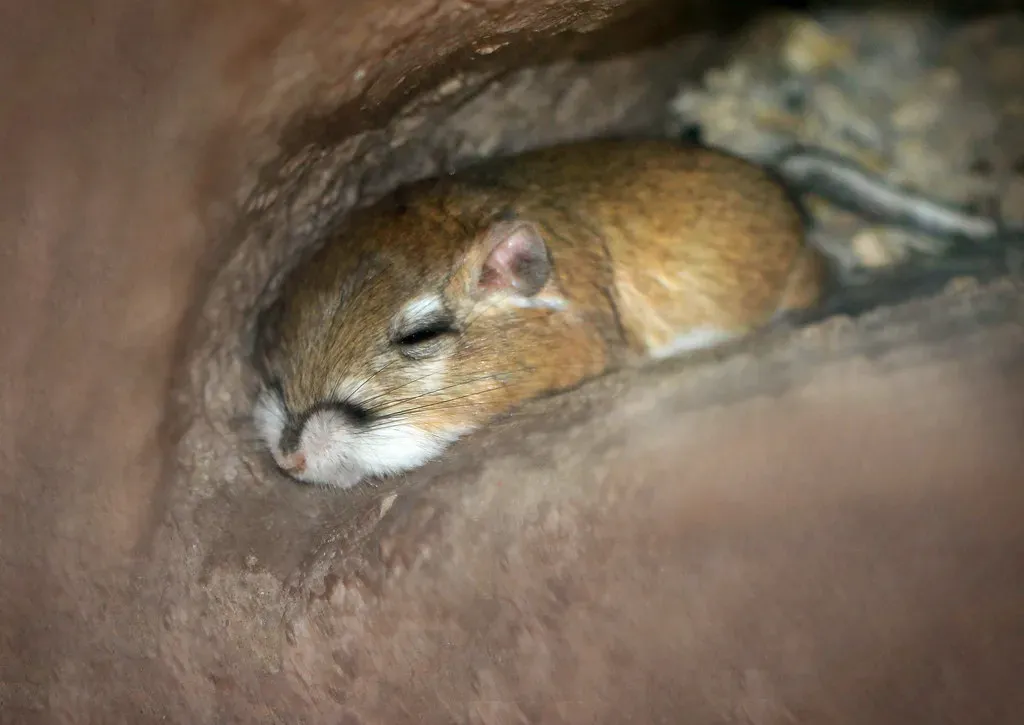
In deserts, water is so scarce that many animals have evolved ways to stretch every drop to its absolute limit. Kangaroo rats are a famous example: they can live their entire lives without ever drinking free-standing water. Instead, they get water from the seeds they eat and from metabolic water – the water produced inside the body as a result of breaking down food. Their kidneys concentrate urine so intensely that it wastes almost no water at all.
Other animals produce extremely dry feces and may lose very little water through breathing thanks to special nasal structures. These adaptations mean that every bit of water that enters the body, whether from food or rare rain, is carefully recycled and reused. It’s like having a personal water treatment plant running quietly inside you, capturing what would normally be lost and returning it back to circulation. In a place where a single puddle can feel like a miracle, this sort of internal efficiency can mean the difference between life and death.
Specialized Noses and Nasal Passages That Recycle Moisture
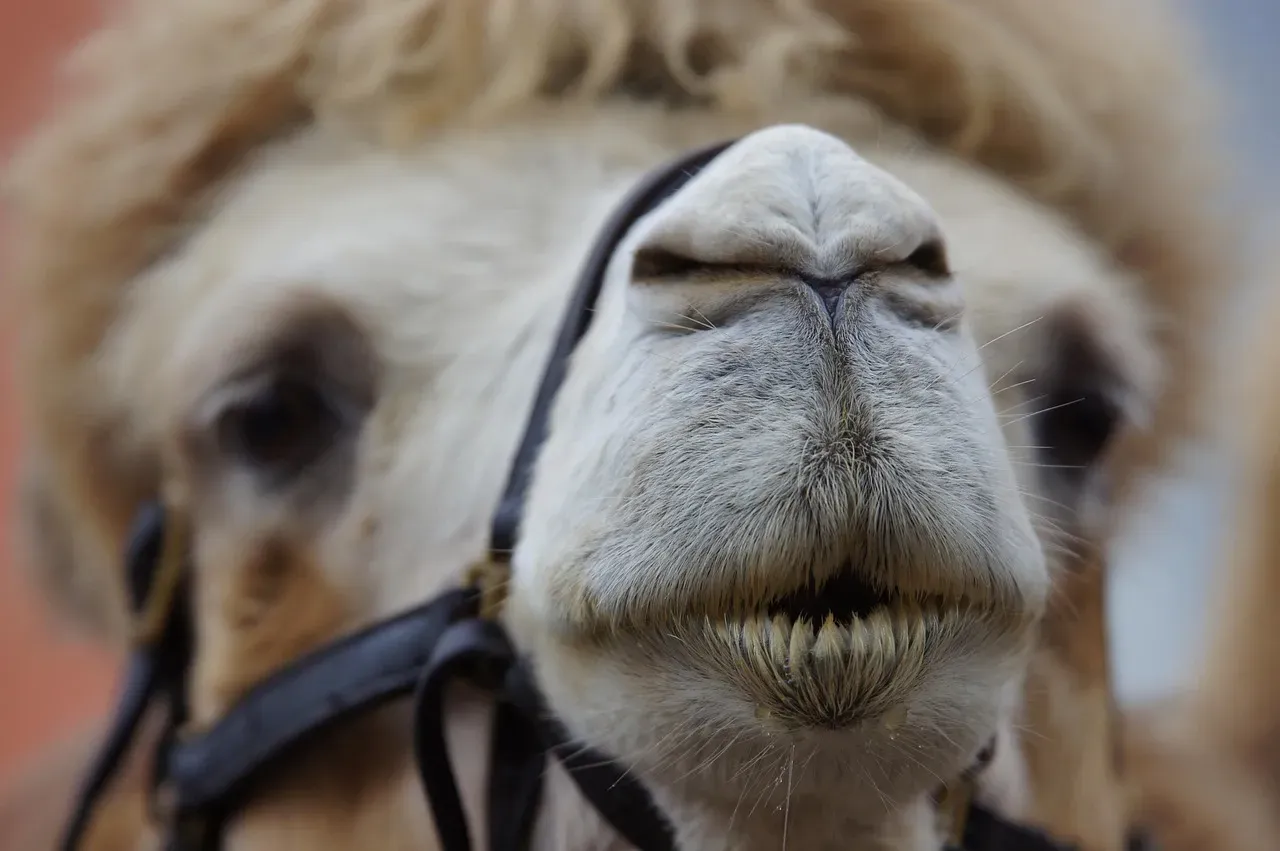
Some desert mammals have evolved intricate nasal passages that do double duty: they help them breathe and act as water recyclers at the same time. When an animal exhales, warm, moist air leaves the lungs and passes through these narrow, folded structures lined with tissue and tiny blood vessels. As the air cools in the nose, much of its moisture condenses on the surface instead of escaping into the dry desert air.
On the next inhale, this trapped moisture can be reabsorbed or at least not lost entirely, cutting down on how much water is wasted simply by breathing. Desert foxes, some rodents, and even camels benefit from variations of this system. It’s a bit like having a built-in dehumidifier that collects water every time you exhale, then hands it back to your body. In a hot, dry climate where open mouths and heavy panting would be a disaster, this quiet nose technology is an elegant workaround.
Behavioral Tricks: Shade-Seeking, Posture, and Timing
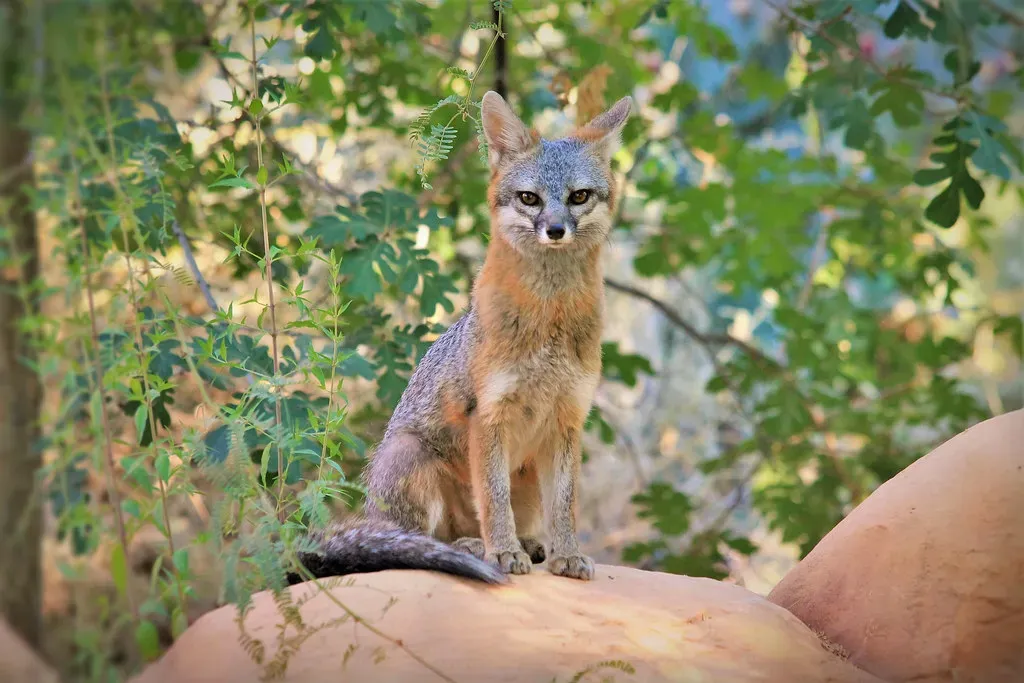
Not every adaptation is about bones, blood, or fur; some of the smartest strategies are pure behavior. Many desert animals are masters at finding or creating shade, even if it’s just the small shadow of a rock, plant, or their own body. Lizards may lift their bodies higher off the burning ground, minimizing the area in contact with the hot surface. Birds will pant and hold their wings slightly away from their bodies to increase airflow, but they often do it in shady spots or during shorter stretches.
Some predators and grazers adjust their feeding times to early morning and late evening, squeezing active hours into those thin windows when the sun is lower. Others, like certain beetles, will align their bodies so that the least amount of surface faces the sun during the worst heat, like turning the edge of a knife toward a blowtorch instead of the flat side. These may sound like small adjustments, but repeatedly shaving off a few degrees here and there can be the key that keeps their internal temperature in a safe range.
Heat-Tolerant Brains and Blood Flow Control
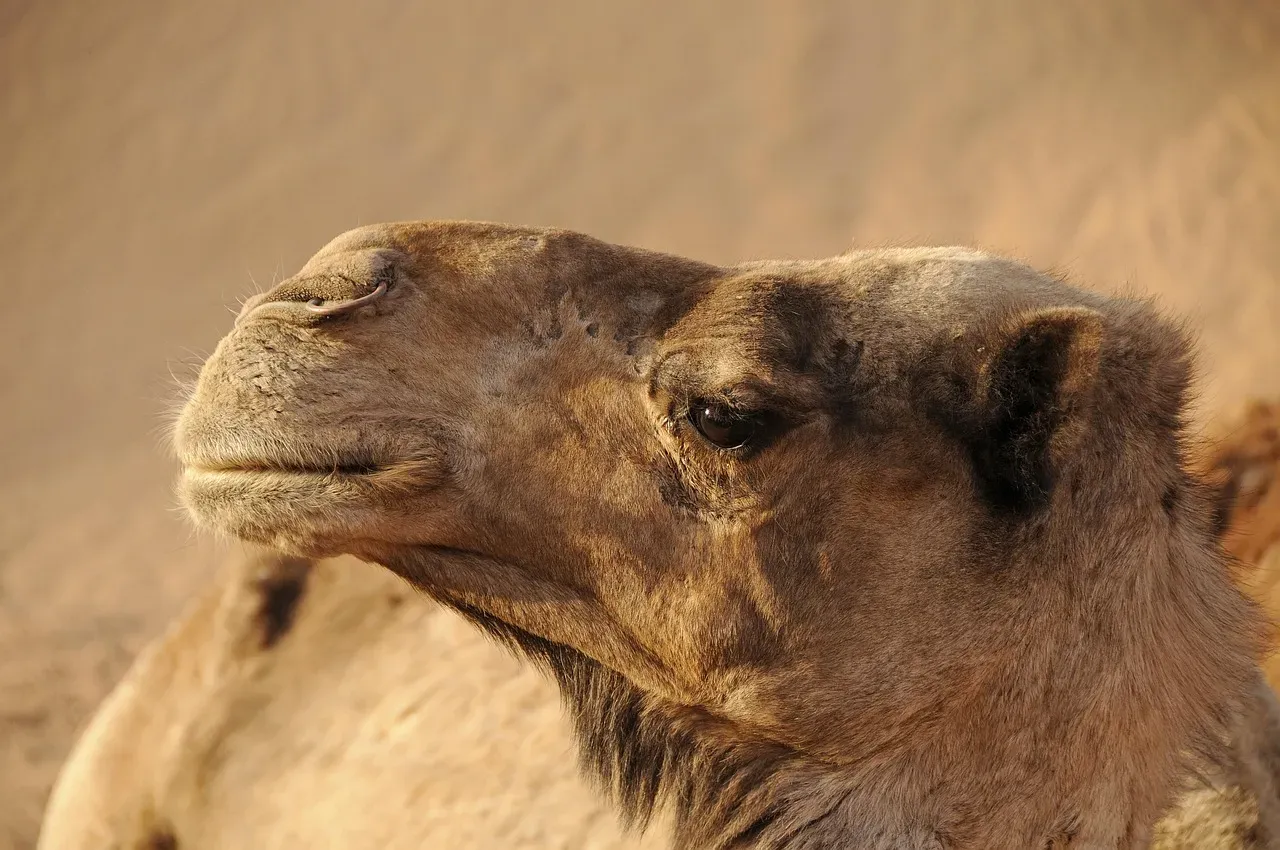
In extreme heat, protecting the brain becomes absolutely critical, because even a small, prolonged temperature increase can be deadly. Some desert mammals have evolved ways to keep their brains cooler than the rest of their bodies, using specialized networks of blood vessels. In certain hoofed animals, warm blood from the body passes near cooler blood returning from areas like the nose, where it has been cooled by evaporating moisture. This mixing helps lower the temperature of the blood that ultimately reaches the brain.
Camels and some antelope can let their core body temperature rise higher than animals in milder environments without suffering damage, as long as the brain stays within a safer range. It’s a bit like letting the engine of a car run hotter while making sure the computer stays properly cooled. By carefully controlling blood flow and tolerating wider temperature swings, these animals squeeze more survival out of limited water and have more flexibility about when they move, rest, or search for food in harsh conditions.
A Harsh World, Perfectly Tuned Lives
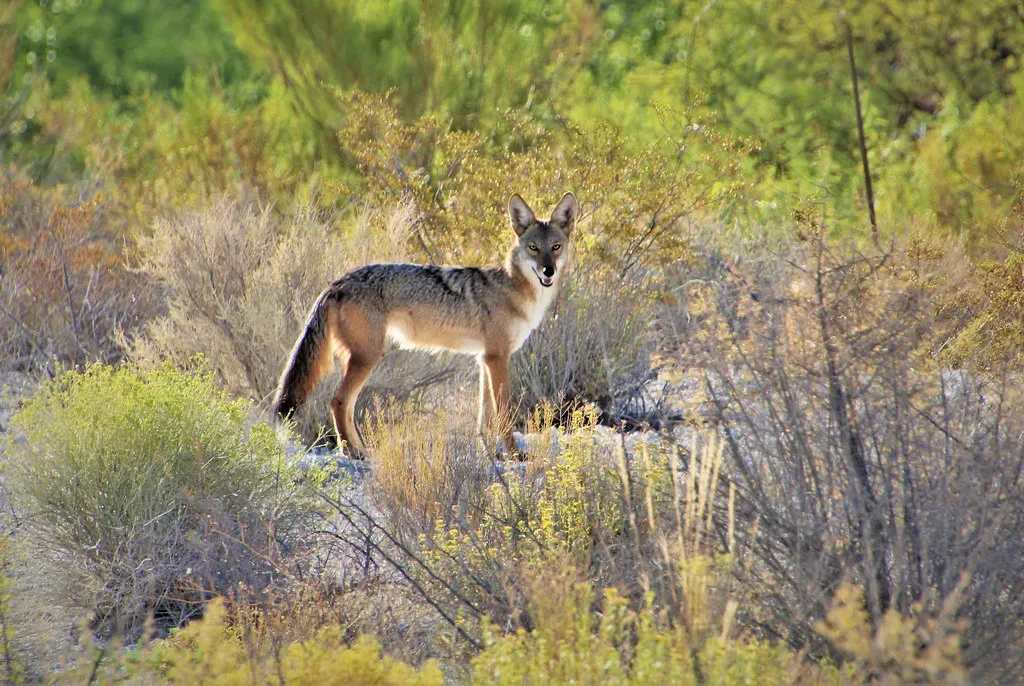
Seen up close, desert animals don’t look like victims of a brutal landscape; they look like specialists built for it. Every adaptation, from nocturnal habits and underground hideouts to high-tech noses and ear radiators, fits together into a survival toolkit that feels almost overengineered. None of these tricks on its own is magic, but together they let life push into places that seem, at first glance, almost unlivable.
Next time you picture a desert, it’s worth remembering the hidden strategies running quietly beneath the surface and in the bodies of the creatures that call it home. Where we’d see only danger and dryness, they move through a world they’re precisely tuned to handle. If animals can turn such a relentless environment into a place to live, hunt, and raise their young, what other harsh spaces in our own lives might be more survivable than they first appear?