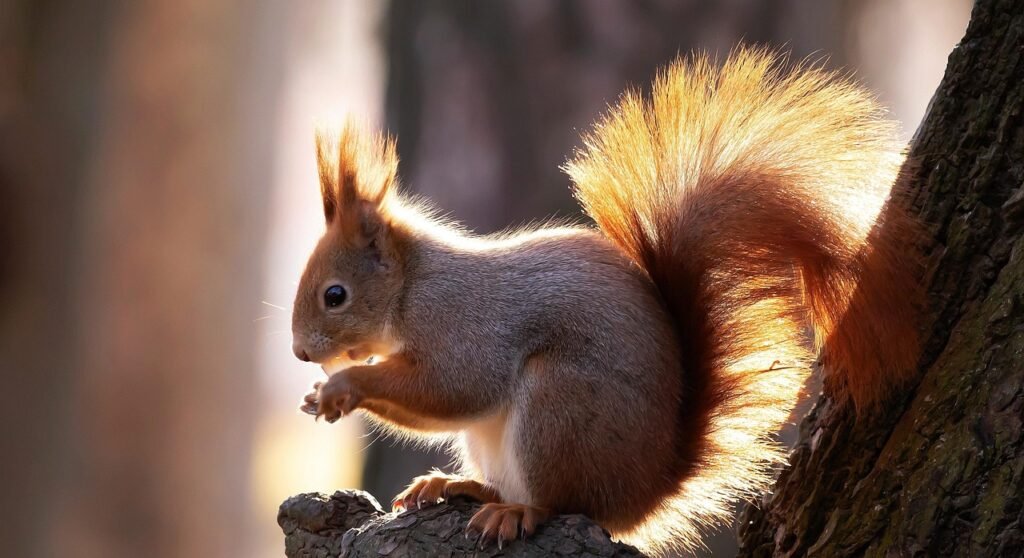
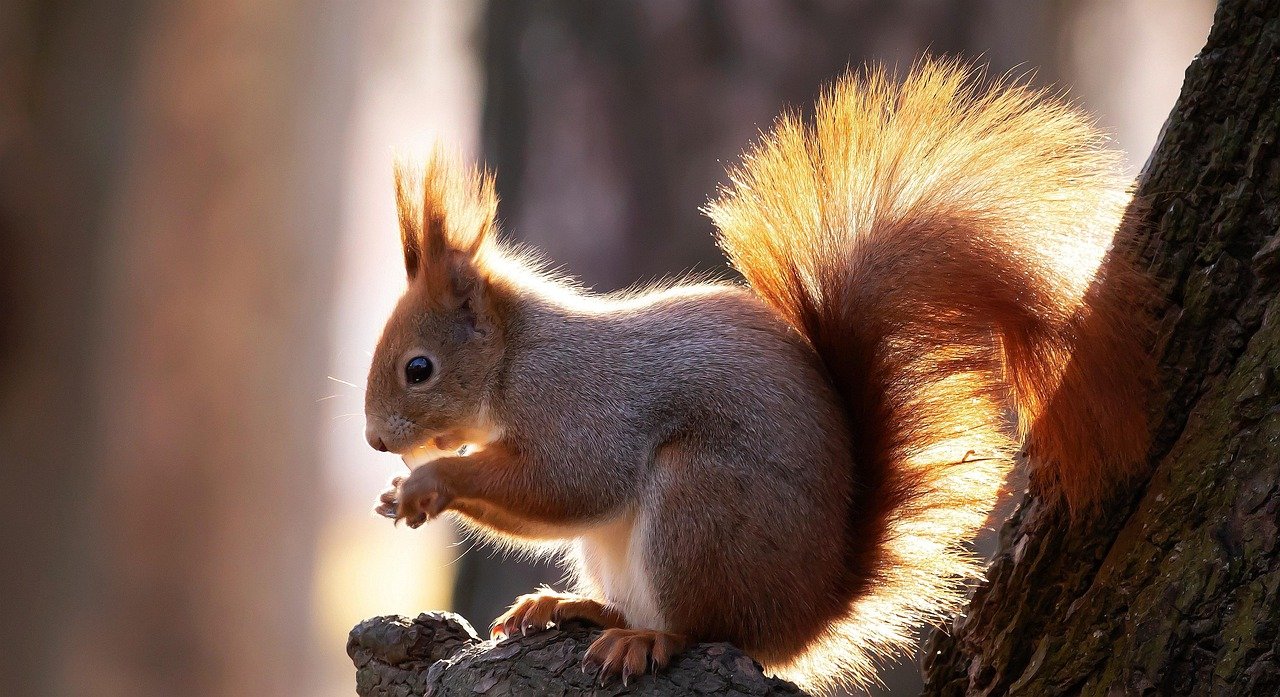
Tails Trace Back to Ancient Swimmers (Image Credits: Pixabay)
Animal tails represent one of nature’s most adaptable features, enabling creatures across land, sea, and sky to thrive in diverse environments.[1][2]
Tails Trace Back to Ancient Swimmers
Vertebrate tails originated as powerful swimming aids in prehistoric fish, propelling early life forms through water. Over millions of years, as animals transitioned to land, these appendages persisted in most species, evolving new roles while retaining their spinal column extension.[1] Frogs and toads resorb theirs during development, and apes including humans retain only a tailbone, or coccyx, as a vestigial reminder.[2]
This evolutionary holdover explains why even seemingly vestigial tails, like those on domestic pigs, endure. Species returning to aquatic life, such as whales and crocodiles, repurposed them for propulsion. Invertebrates like scorpions possess tail-like structures for stinging, though not true tails.[1]
Balancing Acts and Dynamic Propulsion
Cheetahs deploy their tails as rudders during high-speed chases, countering centrifugal force for sharp turns after prey. Squirrels and cats rely on them for mid-air stability while leaping between branches.[1] Birds and bats use elongated tails for steering and braking in flight, aiding pursuits or escapes.
Aquatic propulsion remains a core function. Dolphins and manatees generate thrust with powerful flukes, while sea snakes undulate theirs for navigation. Even land-dwellers like kangaroos employ tails as a third “leg” for bounding efficiency.[2]
Communication Through Tail Language
Dogs convey emotions via tail position: upright for alertness, wagging for joy, tucked for fear. White-tailed deer flash the underside of theirs to signal danger to the herd, prompting flight.[1] Ring-tailed lemurs wave striped tails in social displays, establishing hierarchies.
Sound production amplifies these signals. Beavers slap flat tails on water to warn of predators, creating loud splashes audible over distances. Rattlesnakes vibrate specialized scales at the tip to deter threats, supplementing venomous strikes.[1]
Defense, Storage, and Specialized Tools
Lizards practice autotomy, deliberately detaching tails at fracture points to distract predators; the wriggling appendage buys escape time, with regrowth following. Elephants, rhinos, and horses swat insects with whisk-like tails, studies confirming they repel up to half of attacking mosquitoes through air displacement.[1]
Prehensile tails act as fifth limbs. New World monkeys like spider monkeys grasp fruit or suspend from branches, while chameleons anchor during hunts. Geckos and alligators store fat and water in tails for arid survival spells. Foxes curl bushy ones around bodies for insulation against cold.[1]
Key Takeaways
- Tails evolved from fish propulsion but adapted for balance, communication, and defense across vertebrates.
- Examples span swimming in whales, signaling in dogs, and storage in reptiles.
- Even “useless” tails persist as evolutionary legacies, underscoring nature’s ingenuity.
Tails exemplify evolutionary versatility, transforming a single ancestral trait into a toolkit for survival. Their absence in humans highlights our unique bipedal path, yet underscores shared vertebrate heritage. What surprises you most about these tail talents? Share in the comments.