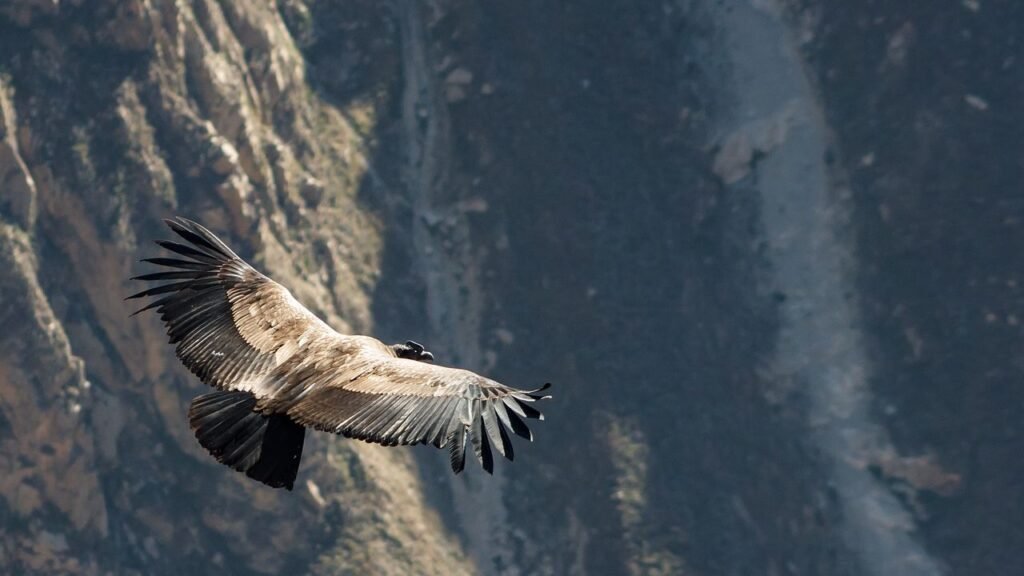

Picture one of the largest birds soaring over wild American landscapes, wings stretching nearly ten feet across open skies. The California condor once ruled vast territories from coast to coast, yet by the early 1980s, these magnificent creatures teetered at extinction’s edge. Today, their comeback story unfolds across select states where dedicated conservation work has brought them back from the brink.
Their return hasn’t been equal everywhere, though. Some states have become havens for these massive scavengers while others barely see them at all. This dramatic imbalance creates a fascinating picture of where America’s rarest birds now call home.
California Claims The Crown
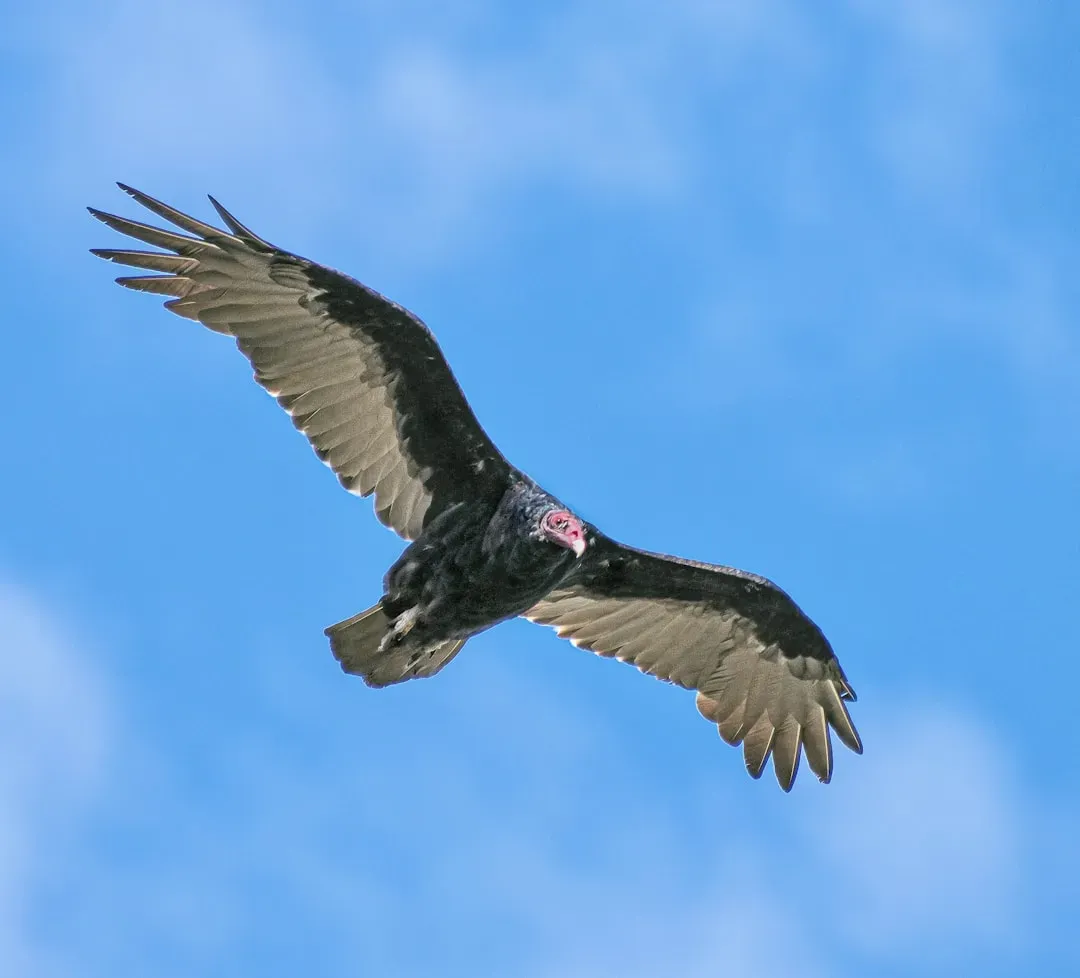
California dominates condor territory with populations distributed across multiple regions including southern California mountains, the Big Sur coast, and Pinnacles National Park, with the Central Coast flock alone numbering around 110 birds by 2024. Let’s be real, this shouldn’t surprise anyone given that the species literally carries the state’s name. The year 2024 marked the best year for California condors since the critically endangered species fought back from near extinction in the 1980s.
Today, condors are reintroduced into the mountains of southern California north of the Los Angeles basin, in the Big Sur vicinity of the central California coast, and near various release sites. These birds don’t just stick to one spot either. They travel enormous distances daily, sometimes covering hundreds of miles searching for carrion to feast on. California’s diverse landscape provides the perfect combination of nesting cliffs, open foraging areas, and thermal air currents these birds need to soar efficiently.
Arizona’s Desert Stronghold
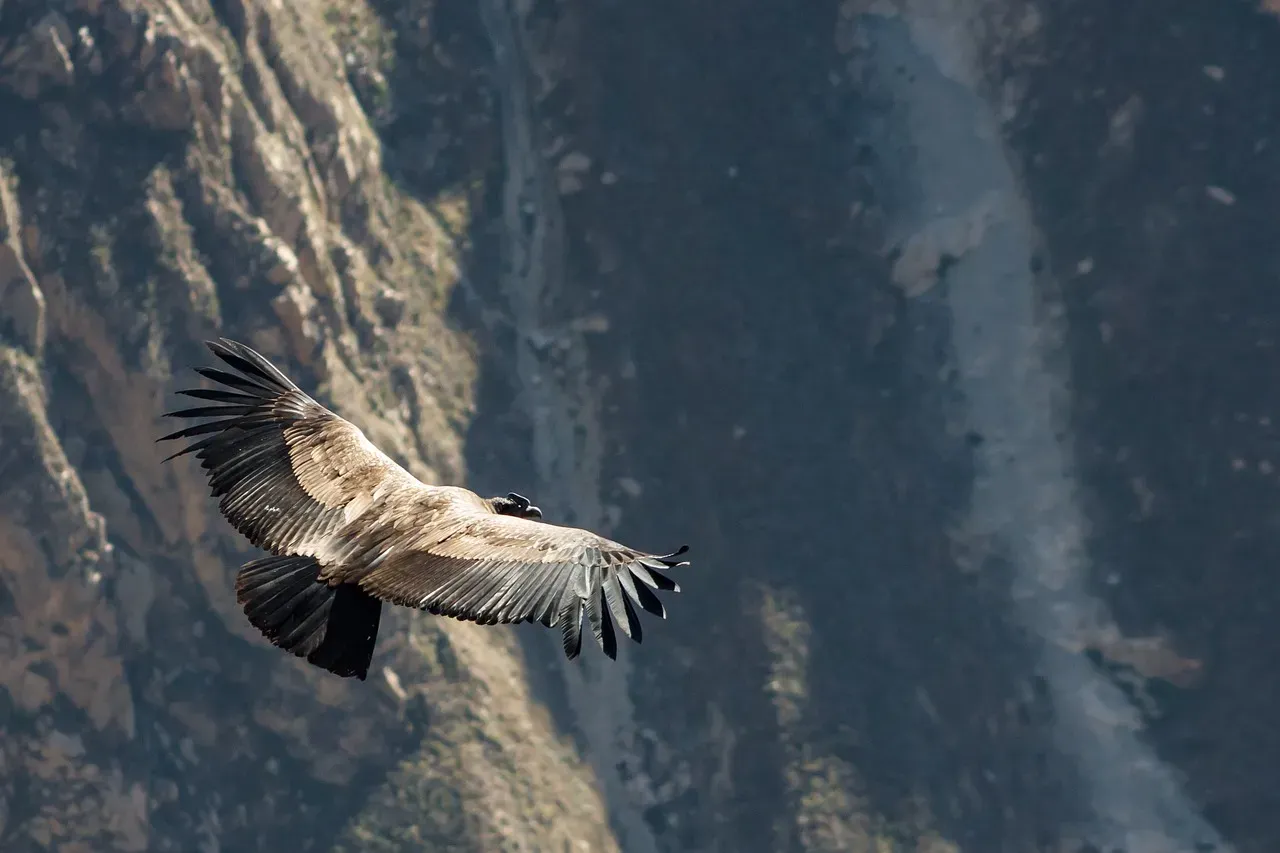
In Arizona, condors are found at elevations between 2,000 and 8,000 feet, with the reintroduction site located in the northern part of the state on Vermilion Cliffs. The southwestern population now exceeds 100 birds, with nearly 90 in the Arizona-Utah population specifically. The rugged sandstone cliffs and remote plateaus offer ideal habitat for these prehistoric looking birds.
California condors were released in 1996 at the Vermilion Cliffs release site in Arizona near the Grand Canyon. Honestly, watching condors glide through the Grand Canyon has to be one of nature’s most breathtaking sights. Their presence there feels almost timeless, like they’ve always belonged in those ancient rock formations even though they’re relative newcomers to this modern population.
Utah’s Seasonal Visitors And Residents

A small population stays in Utah year-round, while other birds commonly visit the state between May and November. These birds found their own way to Utah after being released in neighboring Arizona. California condors’ favorite places to roost are in the canyons of Zion National Park and the Kolob Terrace.
Condors began nesting in Utah in 2014, and can travel back and forth between the Grand Canyon and Zion National Park in a single day. That’s a commute most humans couldn’t handle. In 2019, a California condor pair finally successfully fledged a chick, known as condor 1000 or 1K, in Utah. This milestone represented a major turning point for the Utah population, proving these birds could successfully breed in the wild without constant human intervention.
The Pacific Northwest’s Newest Arrivals
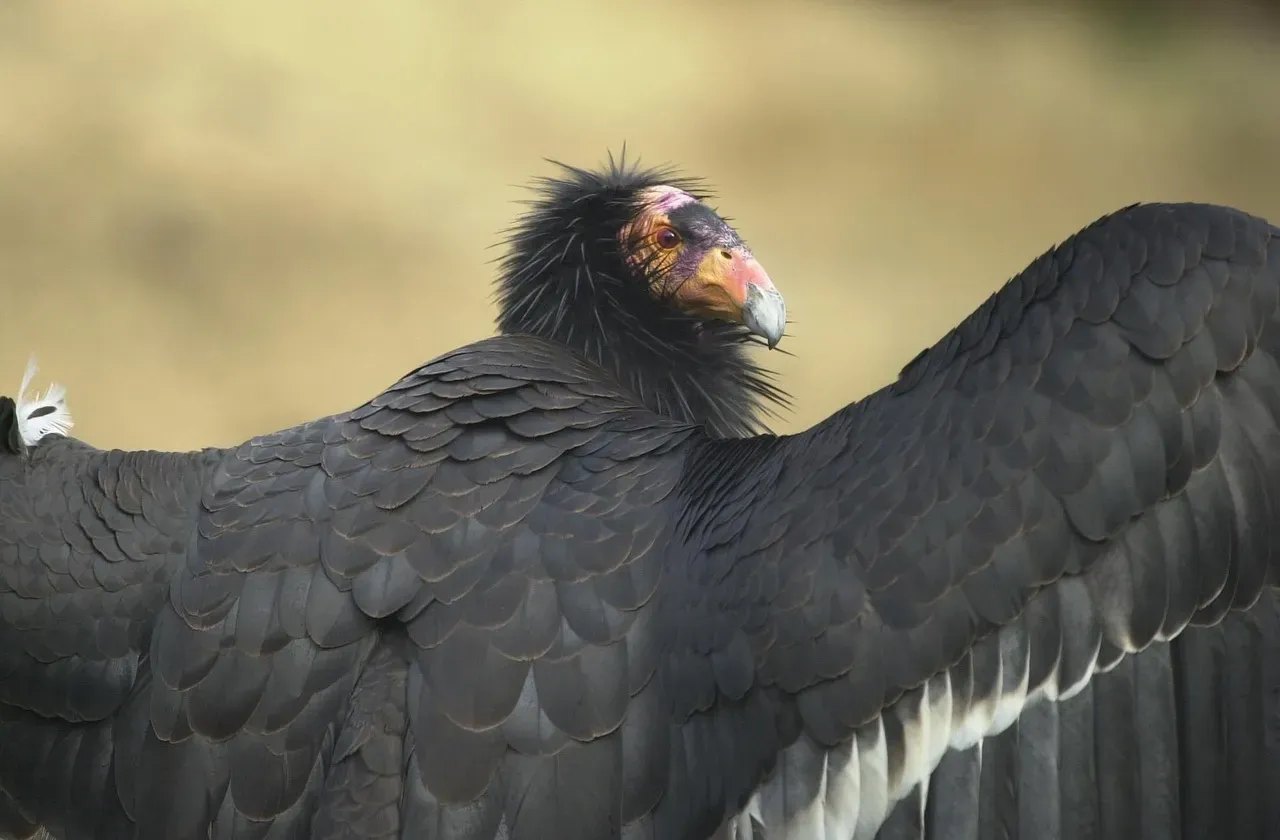
Reintroductions in coastal northern California started in 2022 at a new release site established by the Yurok Tribe and National Park Service in Redwood National and State Parks, Humboldt County. As of March 2024, 11 birds had been successfully introduced, and by the end of November 2024, 18 condors had been released at the site. This represents the youngest condor population in the entire recovery program.
In 2022, condors soared over Pacific Northwest skies for the first time in a century. I think there’s something poetic about bringing them back to forests where they once thrived generations ago. The massive redwood trees and coastal habitat provide different ecological niches than the desert Southwest, potentially expanding the overall genetic diversity and resilience of the entire species.
Why Some States Have More Than Others
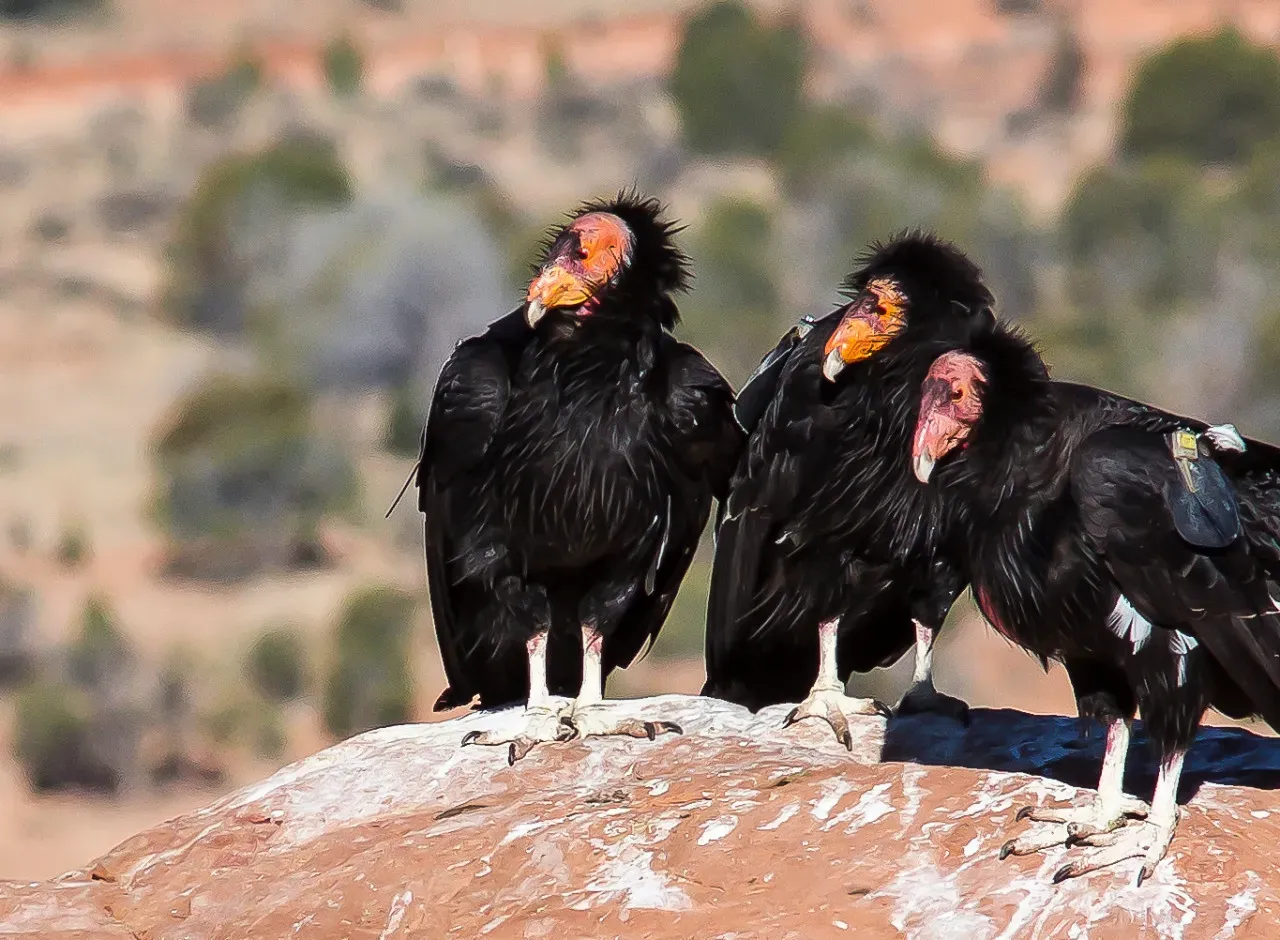
Geography plays a huge role here. The Vermilion cliffs provide the necessary remoteness, ridges, ledges, and caves favored by condors. Not every state offers this combination of features. Condors need very specific habitat requirements including cliffs for nesting, open areas for foraging, and most importantly, consistent air currents for their energy efficient soaring flight style.
Release site locations were carefully chosen based on historical range and current suitability. The goal of the California Condor Recovery Plan is to establish two wild, geographically distinct self-sustaining populations, each with 150 birds in the wild and at least 15 breeding pairs. Recovery teams didn’t just randomly pick spots on a map. They studied where condors historically thrived and evaluated modern landscapes for similar characteristics while also considering human threats like lead ammunition.
The Lead Poisoning Factor
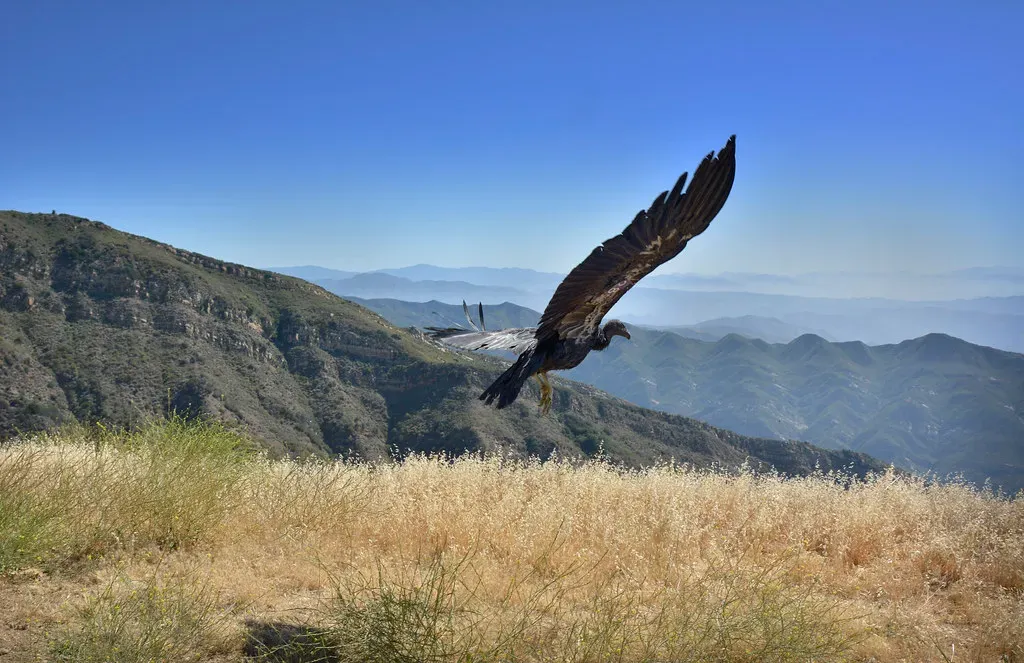
From 1992 through 2023, there have been 126 documented deaths from lead poisoning in the free flying population, with lead poisoning responsible for nearly half of all condor deaths where a cause was determined. This grim statistic explains why some otherwise suitable states haven’t seen successful condor populations. Lead bullets remain a vexing problem, as when condors feed on carcasses shot by lead bullets, the lead builds up in their bodies over time, eventually killing them.
In the past year, nine condor chicks fledged in the wild with only one bird lost, representing a net gain of eight birds, and if this trend continues with eight to 10 new birds annually, that represents true recovery. The improvement correlates directly with increased use of copper ammunition by hunters in condor territory. States with active hunting programs and high compliance with non lead ammunition regulations tend to support healthier condor populations.
What The Future Holds
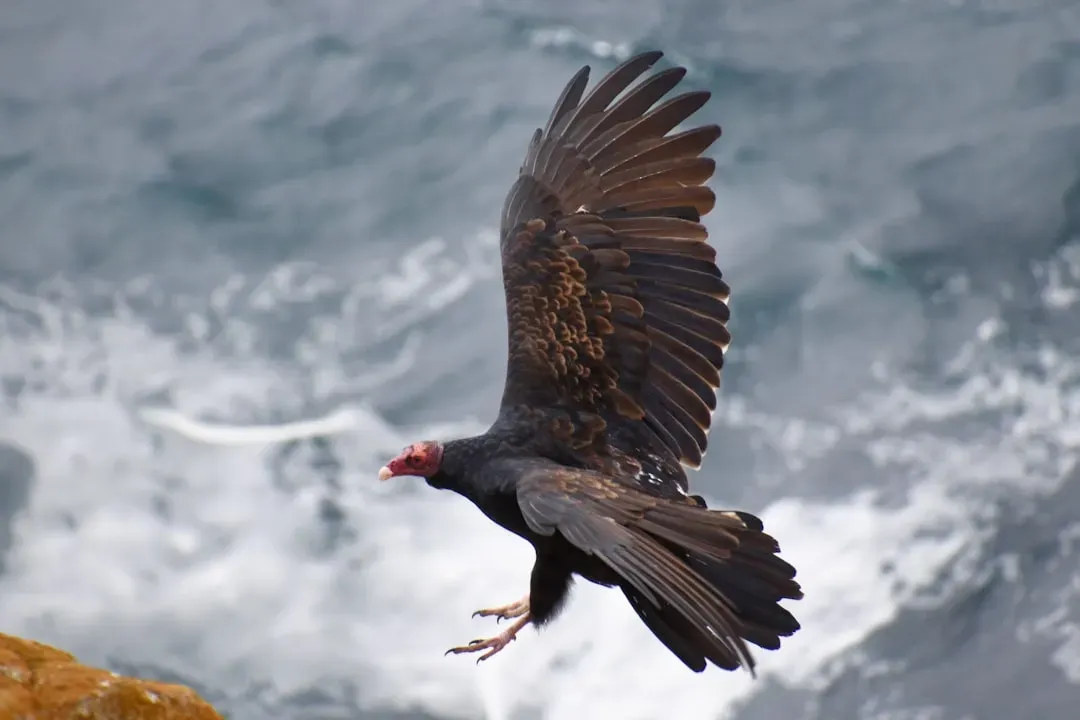
By December 31, 2023, the Fish and Wildlife Service updated the total world population to 561, and in the 2024 report, the world population was reported as 569. These numbers represent slow but steady growth. The distribution across states will likely continue shifting as populations expand their ranges naturally and new release sites come online.
Reducing lead poisoning to very low levels would transition condors to self-sustainability. Once that happens, we might see condors reclaiming more of their historical range across additional western states. The recovery program has proven that with enough dedication, funding, and cooperation between multiple agencies, bringing a species back from just 22 individuals is actually possible. The question now isn’t whether condors will survive, but how widely they’ll spread across the American West in coming decades.
What do you think about their remarkable recovery? Would you travel to catch a glimpse of one of these giants in the wild?