
Have you ever watched a dog dreaming or noticed a cat seemingly deep in thought and wondered what’s really going on inside their minds? While we share this planet with millions of species, the question of whether animals possess something resembling consciousness remains one of biology’s most perplexing puzzles. Scientists have made remarkable progress in recent years, yet for every answer they uncover, three new questions seem to emerge.
Consciousness remains one of science’s deepest mysteries. The debate isn’t just academic anymore. Understanding which creatures and systems are sentient could affect how we conduct animal research, farm animals, consume animal products, and approach conservation. Let’s explore the seven most compelling mysteries that keep researchers awake at night, arguing in conferences, and designing increasingly clever experiments.
Do Fish Actually Feel Pain or Just React to Damage?
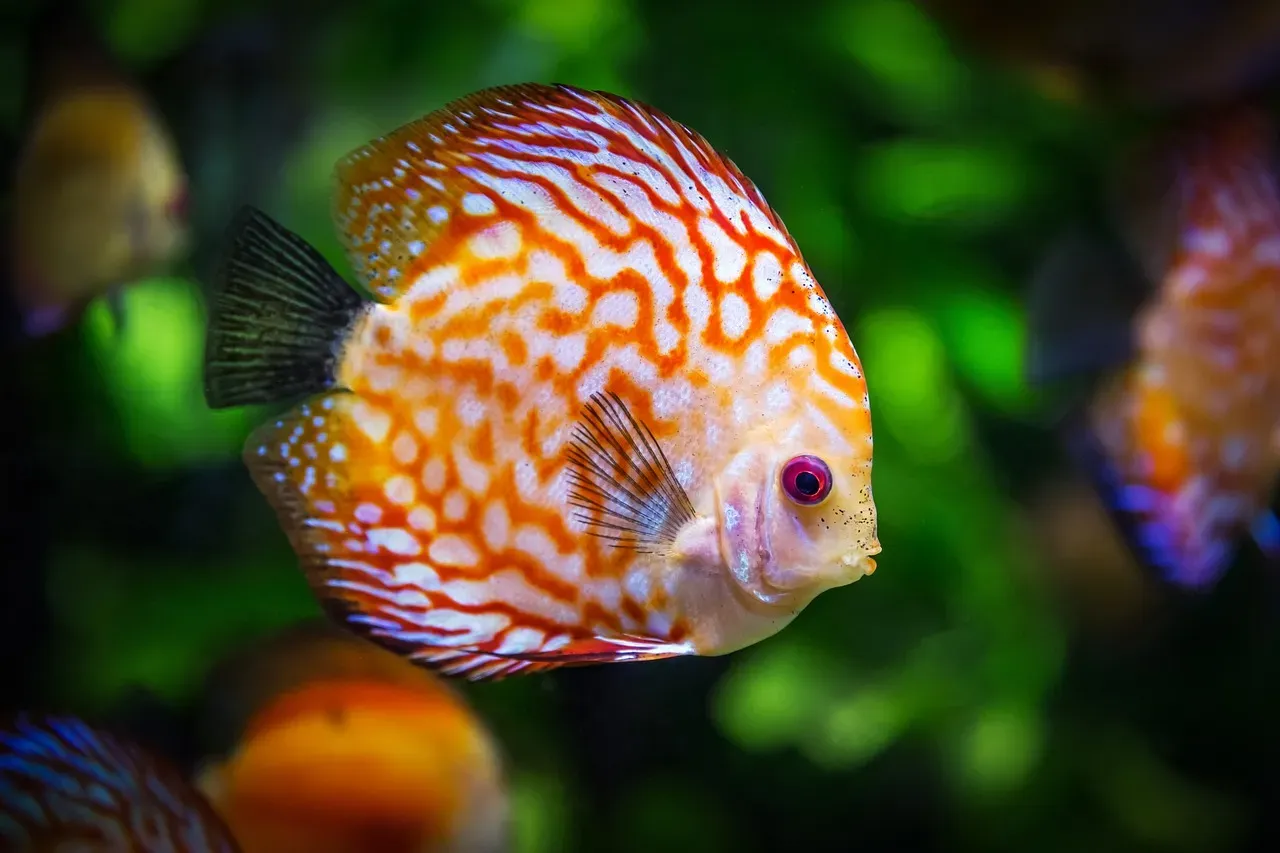
The fish pain debate has become surprisingly heated in scientific circles. There is substantial empirical evidence for pain in fish. Recent studies show that fish possess nociceptors, the sensory receptors that detect painful stimuli. They also respond to painkillers and change their behavior in ways that suggest genuine suffering rather than mere reflex.
Here’s where it gets interesting. Nociceptors are merely necessary, not sufficient, for true pain, and many measures held to indicate sentience have the same problem. The skeptics make a fair point. Simply having pain receptors doesn’t automatically mean an organism consciously experiences pain. Your smartphone reacts when you drop it, yet we wouldn’t say it suffers.
The question of whether fish feel pain or indeed anything at all therefore stimulates sometimes polarized debate. Some researchers argue that fish lack the necessary brain structures for conscious experience. Others point to behavioral evidence that seems impossible to explain without invoking genuine subjective feelings. The truth probably lies somewhere in between, though neither side is quite ready to admit it.
Can Octopuses Think Without a Centralized Brain?
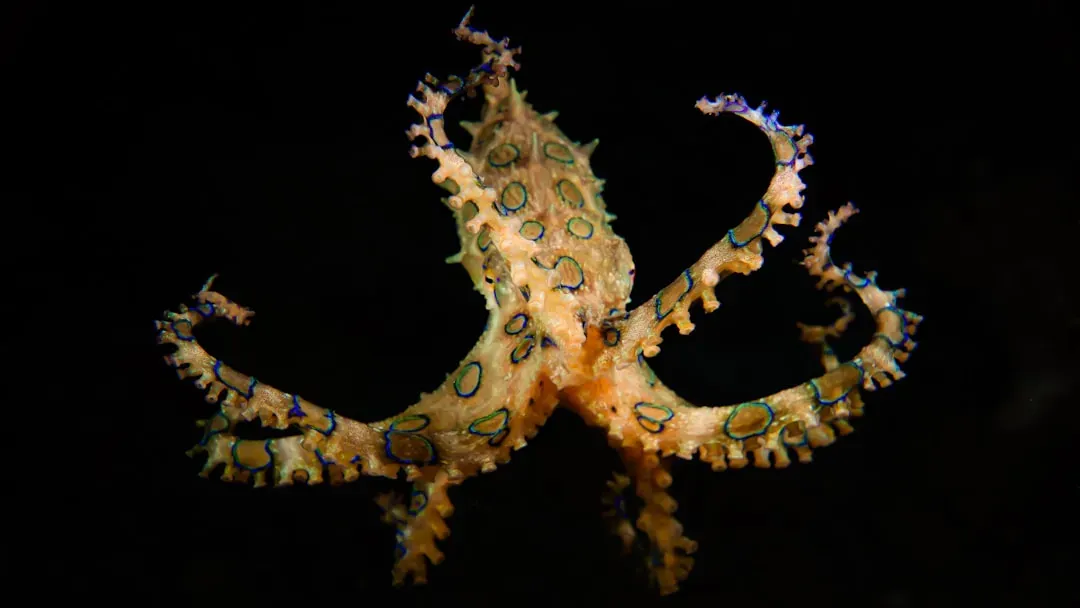
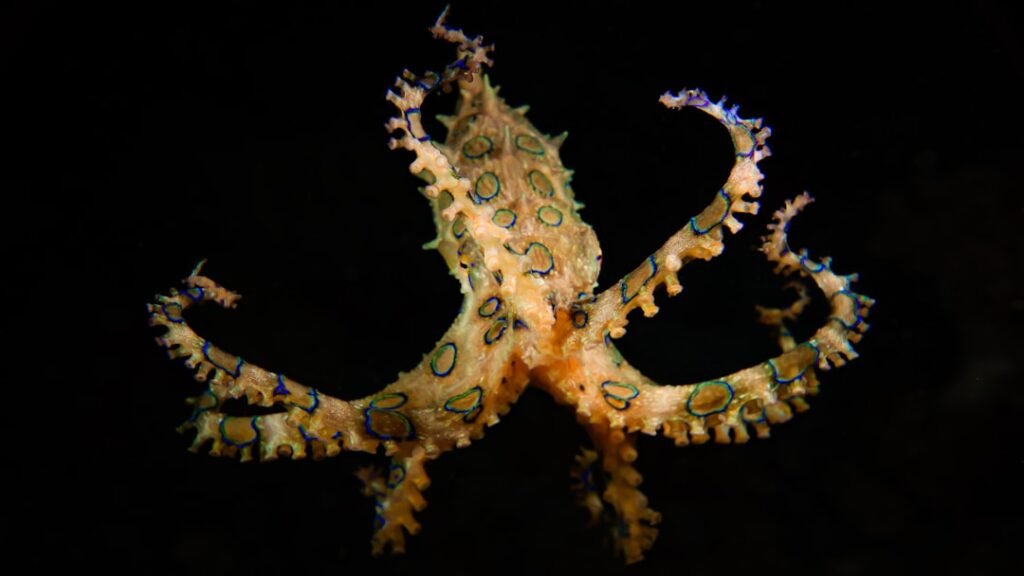
Octopuses present perhaps the strangest consciousness puzzle in the animal kingdom. The octopus’s intelligence is distributed throughout its body: there are almost twice as many nerve cells in their eight muscular arms as in their brain. This creates a fascinating problem for consciousness researchers who typically assume awareness requires a central processing unit.
Think about it this way: when an octopus arm reaches into a crevice searching for food, is the arm itself making decisions? When severed, octopus arms still exhibit behaviors that are nearly identical to those exhibited when the animal is intact. That’s not just spooky, it fundamentally challenges our understanding of what consciousness even means.
Our most recent common ancestor is so distant that they represent an entirely independent experiment in the evolution of large brains and complex behavior. If we can connect with them as sentient beings, it is not because of a shared history, but because evolution built minds twice over. Studying octopuses is like studying aliens without leaving Earth. Their solution to intelligence evolved completely independently from ours, which makes them invaluable for understanding whether consciousness requires a particular type of brain architecture or whether it’s something more flexible.
Are Insects Conscious or Just Biological Automatons?
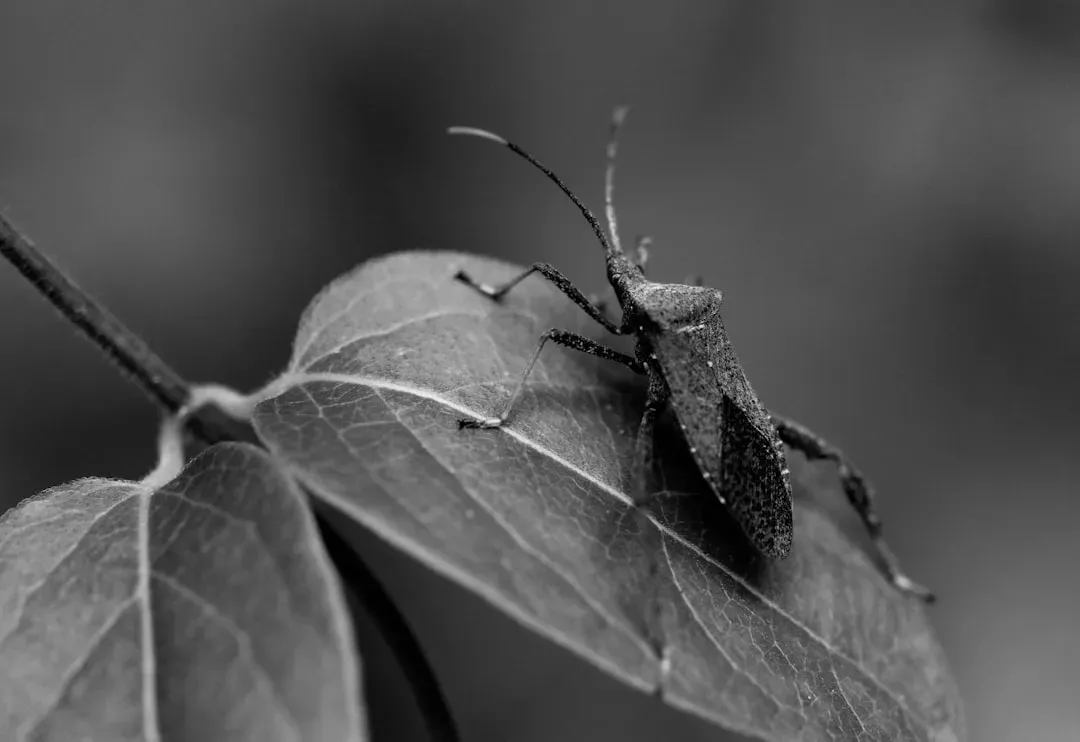
The idea that a bee might have subjective experiences sounds absurd at first. Their brains are tiny, containing roughly about one million neurons compared to our many billions. Yet the evidence keeps piling up in ways that make dismissing insect consciousness increasingly difficult.
Evidence from all the lines of investigation summarized here builds up to an increasing probability that insects might possess some form of subjective experience. Bees demonstrate emotion-like states, showing optimism after receiving unexpected sugar rewards and pessimism after simulated predator attacks. Researchers argue that insects’ brains have the capacity for subjective experience, based on subcortical structures which insects do have.
The philosophical implications are staggering. If insects exhibit all these phenomena, overtly displaying common symptoms of attention, emotion, flexible cognitive problem-solving without trial-and-error while lacking consciousness, then many of the common adaptive arguments regarding the purpose of humans consciousness would collapse.
In other words, if bees can do everything that consciousness supposedly helps us do without actually being conscious, then what’s the point of consciousness in the first place? Either insects have some form of awareness, or our theories about why consciousness evolved are fundamentally wrong. Neither option is comfortable for scientists who prefer tidy explanations.
Why Do Some Species Pass the Mirror Test While Others Fail?
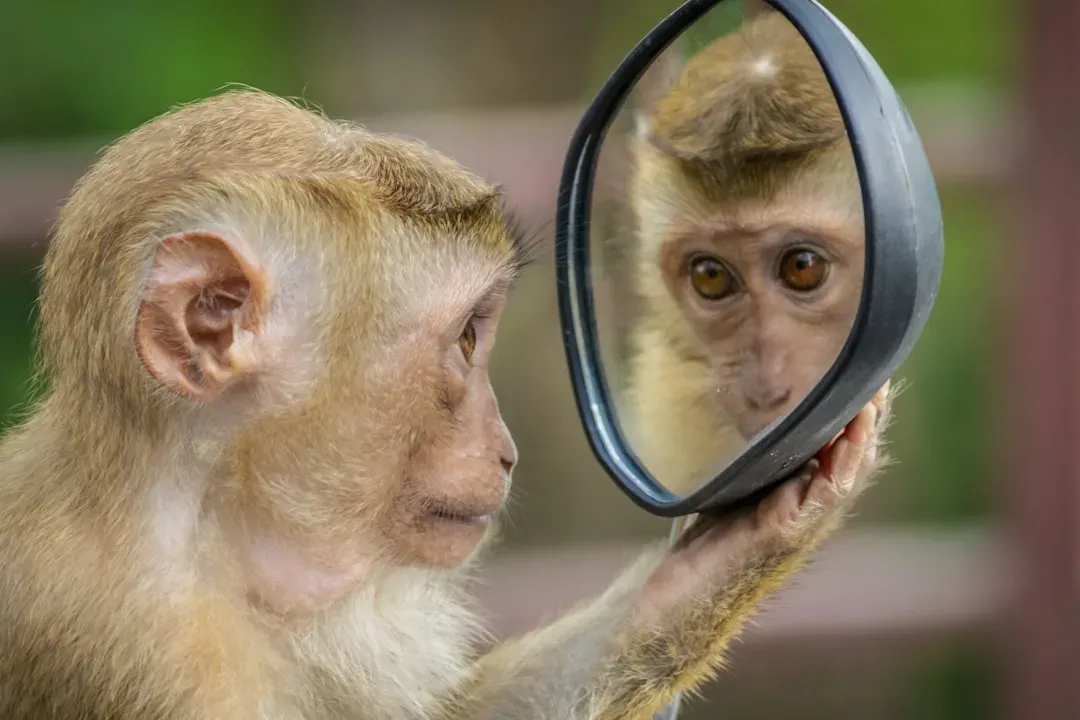
The mirror test has been the gold standard for self-awareness research since 1970. Put a mark on an animal where it can only see it in a mirror, and if it touches the mark, it presumably recognizes itself. Simple, right? Except the results make absolutely no sense from an evolutionary perspective.
Early MSR research yielded positive results only in great apes, elephants, dolphins and magpies, while most endotherm species failed. That’s already weird, what do magpies have in common with elephants that dogs lack? Recent detailed proof of MSR based on a mental representation of self in cleaner wrasse, a small-brained ectotherm fish, indicates that the origin and cognitive complexity of self-awareness must be reconsidered.
A fish can pass the mirror test, yet most monkeys cannot. Let that sink in for a moment. Frans de Waal has stated that self-awareness is not binary, and the mirror test should not be relied upon as a sole indicator of self-awareness. Different animals adapt to the mirror in different ways.
The problem might be the test itself. Animals that rely on other senses more heavily than their vision may not take much interest in the sight of their reflections. Dogs, who recognize others mainly by their sense of smell, might quickly conclude that their mirror image is not of themselves or any other animal, because it lacks a corresponding scent. We might have been testing for human-style self-awareness all along when we should have been looking for something broader.
Can We Ever Know What It’s Like to Be Another Animal?

This is the big one, the philosophical question that underlies all the others. We can observe behavior, measure brain activity, design clever experiments, yet at the end of the day, we can never actually experience what it’s like to be a bat, a bee, or a bass.
Consciousness confronts us with the hard problem of explaining why any physical system should be conscious, as well as the problem of other minds, the problem that the only mind I can directly access is my own. That makes it hard for me to know for sure what, if anything, it feels like to be anyone else, even other humans.
The cleaner wrasse example is perfect here. These fish change their behavior around mirrors in ways that look exactly like self-recognition. Either you have to accept that the fish is self-aware, or you have to accept that maybe this test is not testing for that. Some animals’ mental skills may be more impressive than we imagined, while the mirror test may say less than we thought.
We’re stuck between two uncomfortable positions. Either we expand our definition of consciousness to include creatures we never imagined could be aware, or we accept that our best tests might be measuring something other than what we think they measure. Scientists hate both options.
Does Social Complexity Drive Consciousness Evolution?
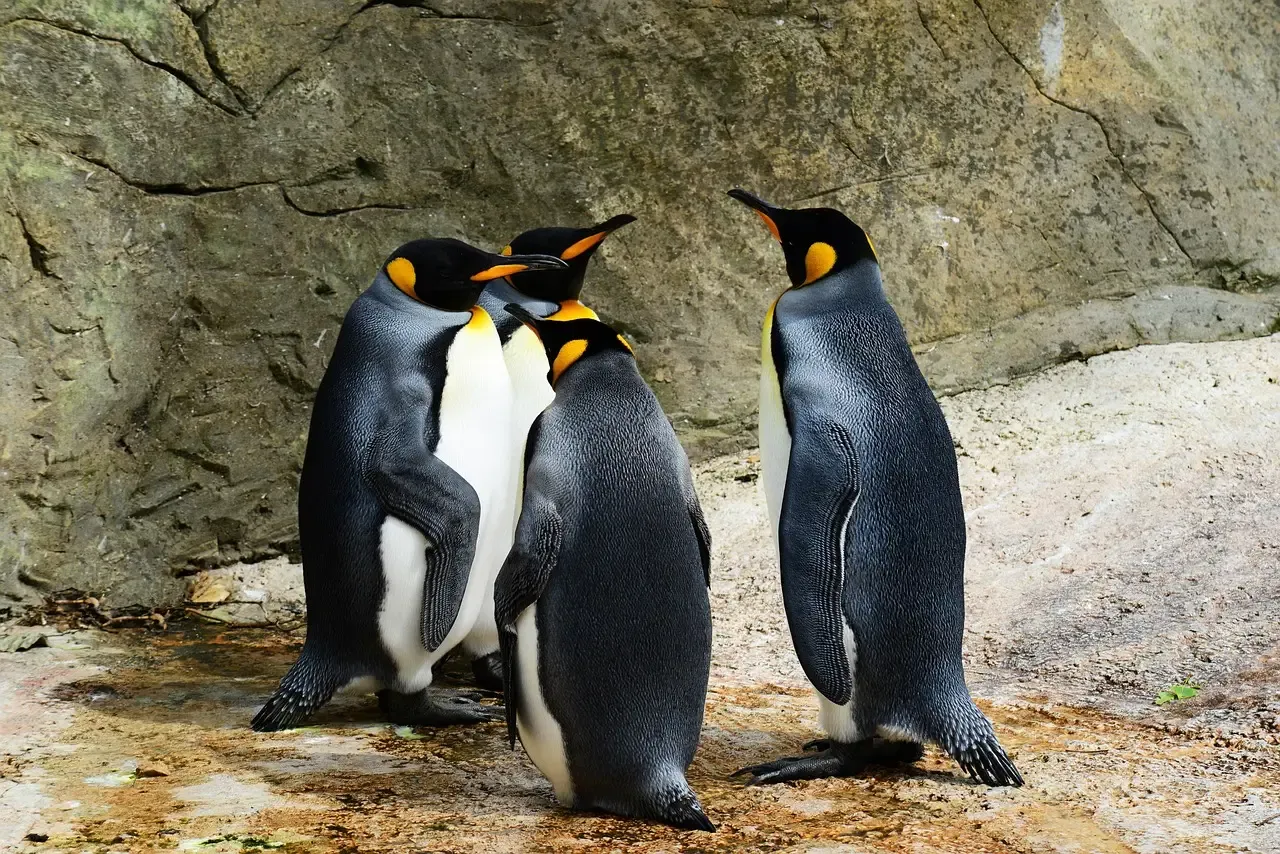
Here’s an intriguing pattern that keeps emerging from the data. Only social animals have consistently demonstrated self-recognition, while solitary species studied so far do not seem to possess this trait. This finding aligns with the social intelligence hypothesis. The idea makes intuitive sense. If you live in complex social groups, you need to track who knows what, predict others’ behavior, and maintain a sense of yourself as distinct from others.
The New York Declaration on Animal Consciousness says consciousness is realistically possible in all vertebrates as well as many invertebrates, including cephalopods, crustaceans and insects. What’s fascinating is that all of these creatures, from octopuses to bees, engage in surprisingly complex social behaviors despite their evolutionary distance from each other.
However, there’s a chicken-and-egg problem here. Did social living drive the evolution of consciousness, or did consciousness enable social complexity? This paper reveals a lack of research on solitary species and recommends future studies examine self-recognition in these animals. Until we properly test hermit species using methods appropriate to their sensory worlds, we’re just guessing. The relationship between social complexity and consciousness remains one of the field’s most tantalizing unsolved puzzles.
Should We Assume Animals Are Conscious Until Proven Otherwise?

This might be the most practically important mystery of all. Typically scientists assume that consciousness is absent unless evidence demonstrates it is present. But if such a vast number and wide range of animals now have at least a realistic possibility of consciousness based on existing evidence, then it raises the question of whether we should instead have a neutral starting point.
The precautionary principle makes sense from an ethical standpoint. If there’s a realistic possibility that fish, insects, or cephalopods experience suffering, shouldn’t we err on the side of caution? Some argue that we should presume animals are conscious and then research the dimensions of that consciousness. This assumption is good not only ethically but also scientifically, because it leads to better and more rigorous hypotheses.
Yet critics worry this approach could make scientific progress impossible. Assuming all animals are sentient until proven otherwise would make the science of animal sentience more or less irrelevant to the scope of animal protection law. How do you prove something doesn’t have consciousness? It’s nearly impossible to prove a negative.
The field finds itself at a crossroads. Advances in AI and neurotechnology are outpacing our understanding of consciousness with potentially serious ethical consequences. Explaining how consciousness arises is now an urgent scientific and ethical priority. Whether we approach the question by assuming consciousness is rare or common will fundamentally shape how we treat animals and what research questions we prioritize.
Conclusion
The mysteries of animal consciousness aren’t getting simpler as research advances; honestly, they’re getting more complex and more interesting. We’ve moved from a world where only humans were considered truly conscious to one where fish, bees, and octopuses demonstrate behaviors that challenge our most basic assumptions about minds.
Understanding consciousness is one of the most substantial challenges of 21st-century science, and it’s now urgent due to advances in AI and other technologies. If we become able to create consciousness, it would raise immense ethical challenges. The stakes extend beyond academic debates into real-world decisions about animal welfare, conservation, and even how we design artificial intelligence.
Perhaps the most humbling realization is that consciousness might not be the rare, special thing we once imagined. It might exist along a spectrum, with different species experiencing awareness in ways we’re only beginning to appreciate. The octopus experiencing the world through semi-autonomous arms, the bee making optimistic decisions after a sugar rush, the fish recognizing itself in a mirror – each challenges us to expand our understanding of what minds can be.
What do you think? Could your morning encounter with a spider involve two conscious beings acknowledging each other? Share your thoughts in the comments.